More Articles
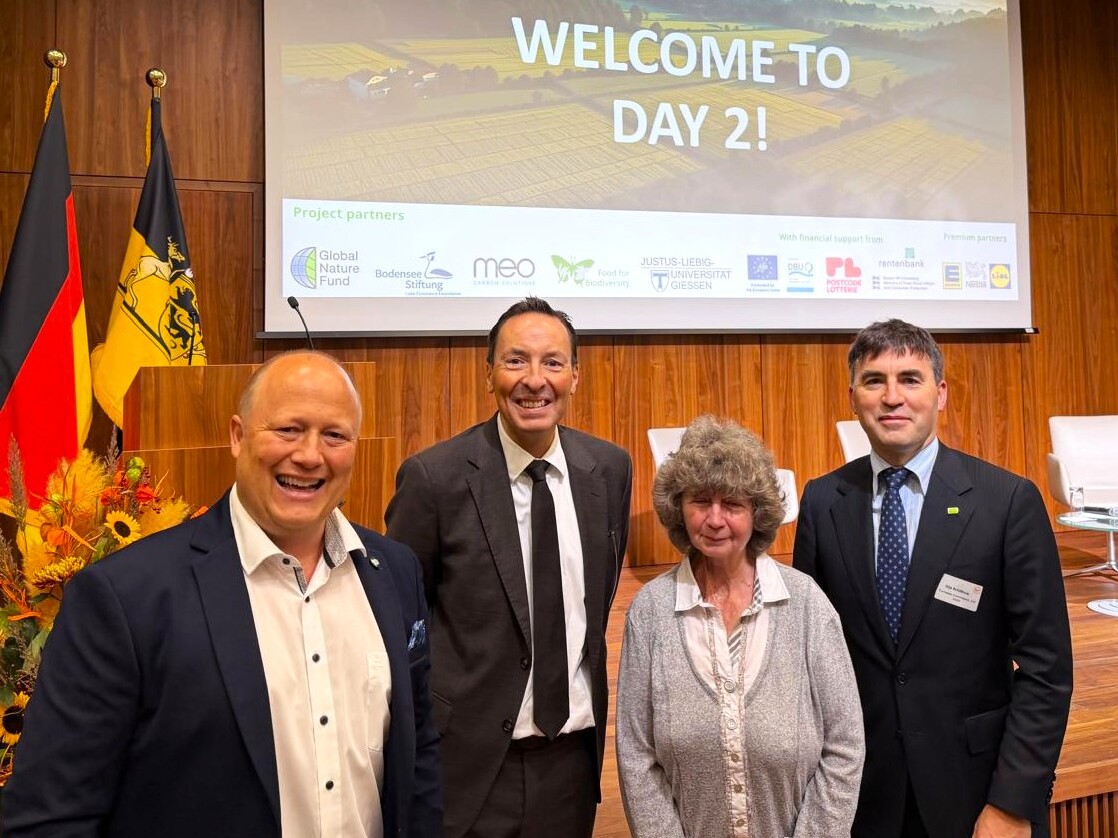
Political Appeal: Embedding Biodiversity in Food Supply Chains
Among other things, the appeal calls for incentives for volunteer work and reliable compensation for biodiversity…
Strategy for the Roll-out of the Basic Set Temperate Regions
With the Roll-out Strategy, Food for Biodiversity provides a framework for putting the Basic Set Biodiversity Criteria…
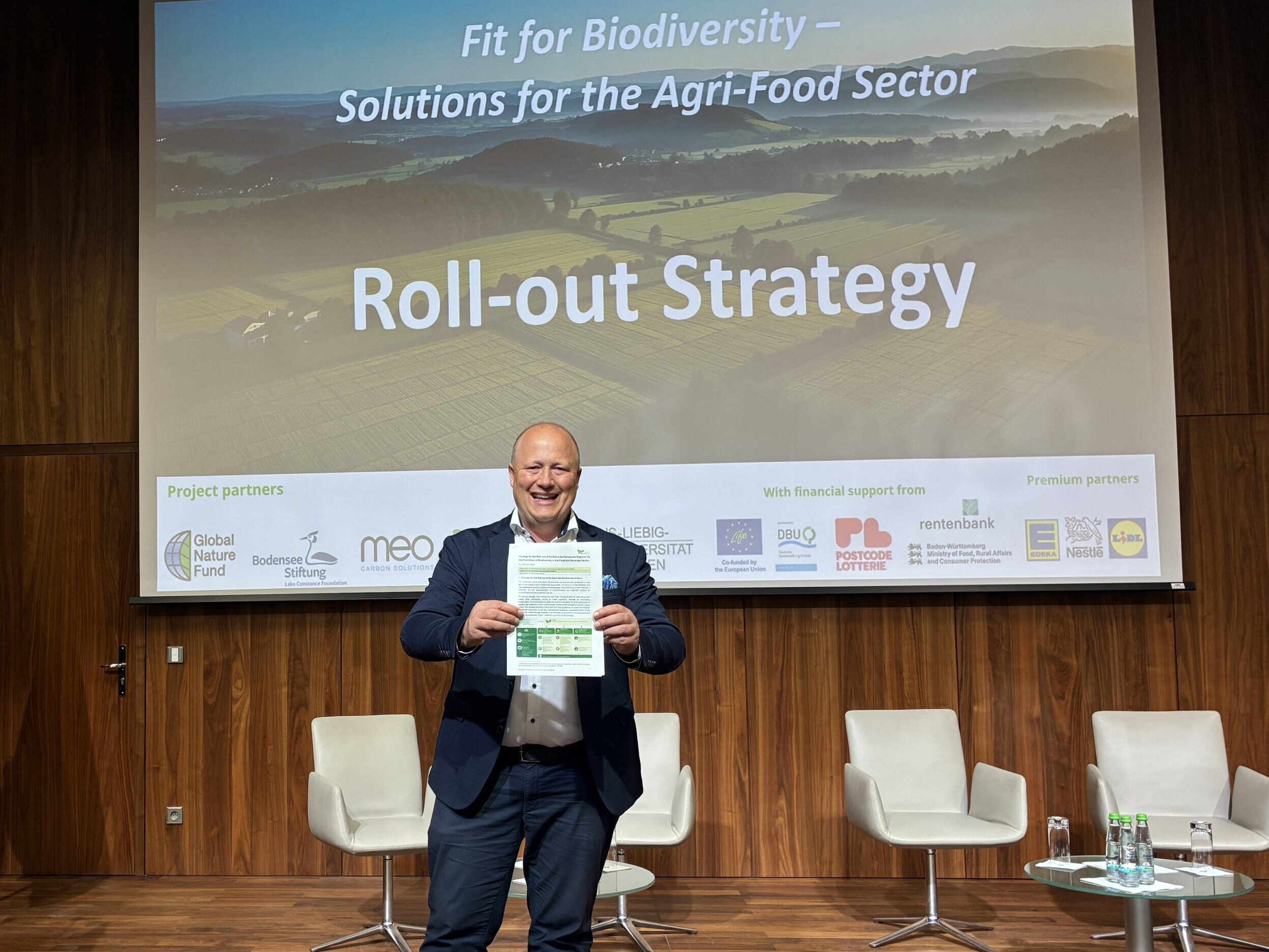
Food Sector Launches Joint Roadmap for Greater Biodiversity
The members of Food for Biodiversity have adopted a joint roadmap for greater biodiversity in agricultural supply…

Conference – Fit for Biodiversity – Solutions for the Agri-Food Sector
How to create real impact in agri-food value chains? support biodiversity-friendly agriculture? credibly communicate…
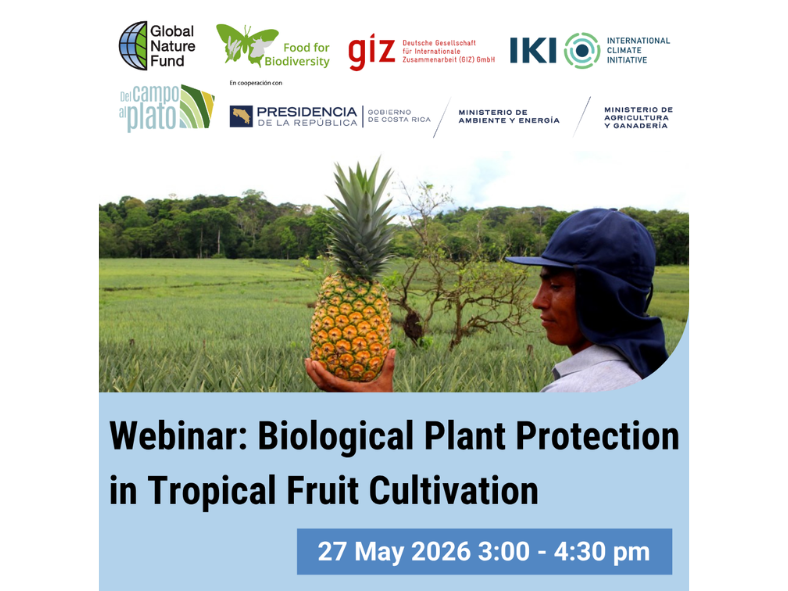
Bioinputs as a Key to Sustainable Agriculture – Insights from our Webinar
Bioinputs are gaining importance, offering sustainable alternatives, but scaling requires research, policy support, and…
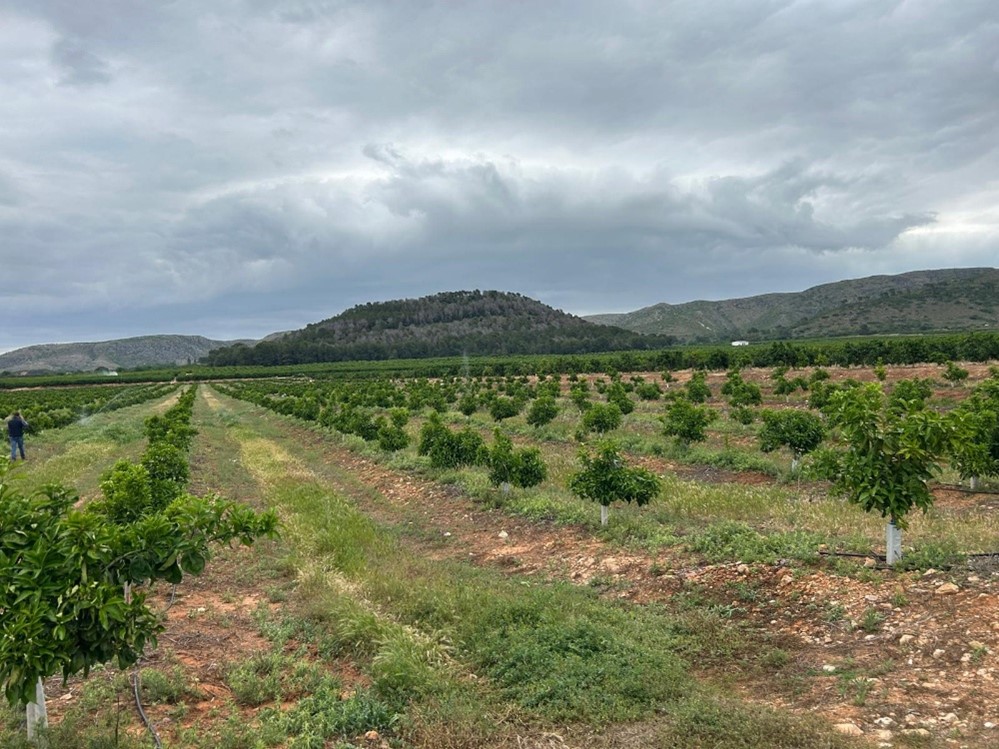
New Pilot Project: Biodiversity as an Opportunity for Agriculture
A new pilot project in Spain is testing a practical system for recording biodiversity and environmental indicators…
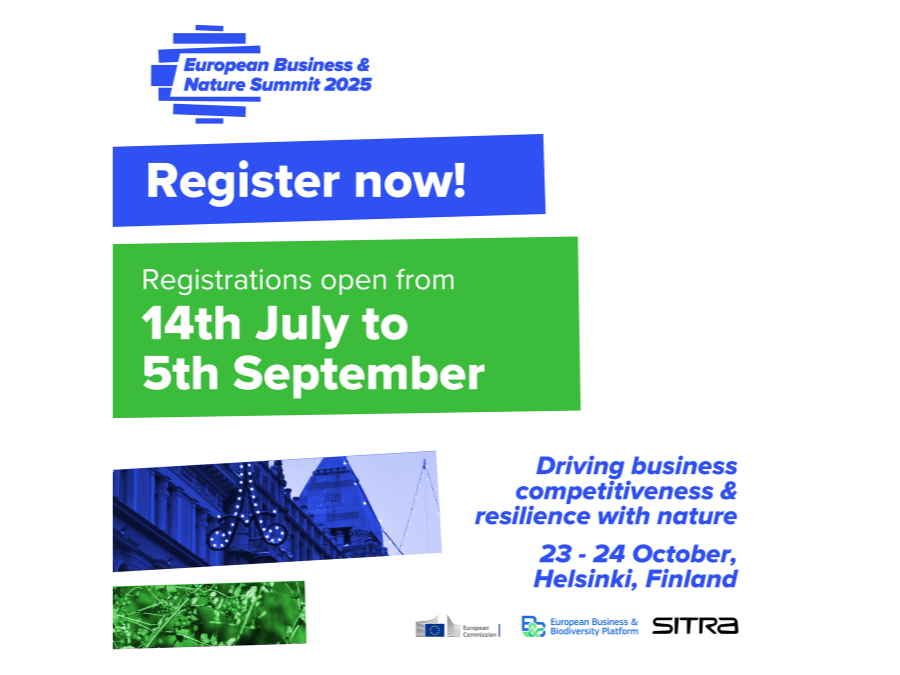
European Business & Nature Summit 2025
On October 23 and 24, 2025, the European Business & Nature Summit will take place in Helsinki. Organized by the EU…

Working Together for Greater Biodiversity: Food Industry Discusses Solutions to Stop Biodiversity Loss
Effectively integrating biodiversity protection into supply chains—how this can be achieved through significant steps…
13. – November 14, 2024 European Conference – Biodiversity in Food Supply Chains
Our conference demonstrated: Biodiversity is central to sustainable food systems. Pragmatism, data as a tool, and…
Strong alliance for biodiversity – Food for Biodiversity and Biodiversity in Good Company offer dual membership.
Both initiatives are committed to preserving biodiversity as the foundation of our economic activity and carry out…