Strengthen Biodiversity with Your Purchases!

Your purchasing behavior is a key to greater biodiversity.
Biodiversity - What Exactly Does It Mean?
Biodiversity, also referred to as biological diversity, encompasses the variety of life at different levels.
These three categories together form biodiversity:
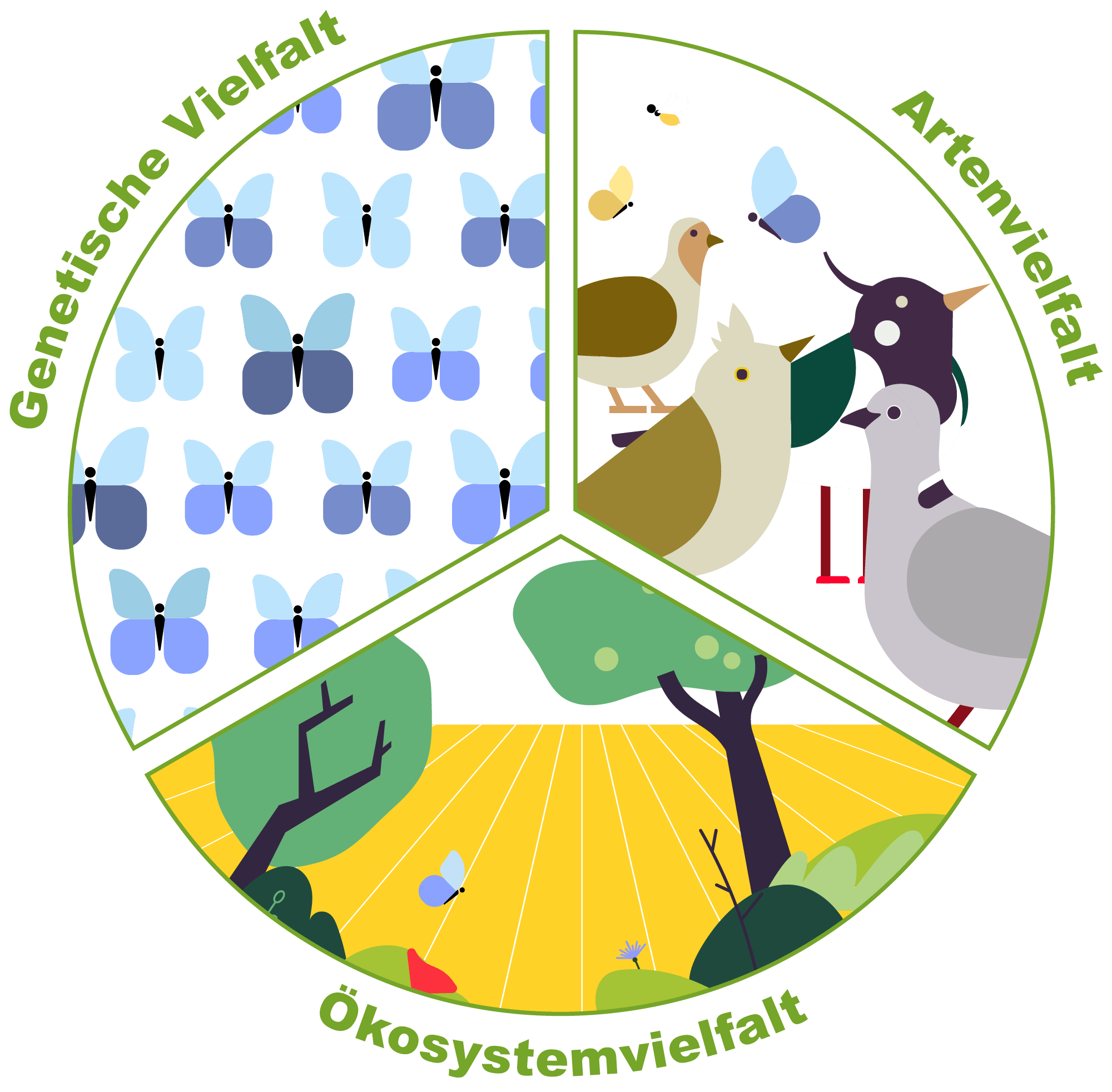
This refers to the diversity of genes within a species. This genetic variation enables populations to adapt to changing environmental conditions and plays an essential role in the survival and evolution of species. Genetic diversity is evident in the differences between individuals of the same species, such as different varieties of crops or breeds of livestock.
This is the diversity of different species within an ecosystem or a specific geographic area. It includes the number of species (species richness) and their relative abundance (species distribution). Species diversity can occur in both natural and human-influenced environments, such as forests, meadows, rivers, oceans, and agricultural land.
This refers to the diversity of different habitats and ecological processes in nature. This category includes the various ecosystems, such as forests, lakes, deserts, coral reefs, and grasslands, as well as the diversity within these ecosystems. Ecosystem diversity is important because different ecosystems provide different services that are necessary for the survival of many species, including humans.
What You Can Do
Various options are listed here that can serve as decision-making aids.

Support Excellent Agricultural Practices
Farms promote biodiversity in fields and grasslands by using diverse crop rotations, mixed cropping, and other sustainable cultivation practices. This is particularly the case with organic farms, whose products you can identify by their certification. Conventional farms of our member companies are also increasingly implementing biodiversity-promoting practices.
Sources: Bengtsson et al., 2005, “The effects of organic agriculture on biodiversity and abundance: a meta-analysis”, Sustainable Agriculture Network, “The Importance of Crop Rotation and Polyculture in Sustainable Farming.”
Buy Seasonal and Regional Products
These products often have shorter transport routes, which reduces CO2 emissions and supports local agriculture. Regional farms with the relevant certifications* also implement measures to protect biodiversity.
Source: WWF. “Eat regional and seasonal. Think global.”
*Ambitious certifications include, for example, organic certifications such as Bioland, Naturland, Demeter, Biokreis, ECOVIN, and other certifications such as ISCC, 4C, Donau Soja, Rainforest Alliance, Fairtrade, BioDiversity Grow, GLOBALG.A.P.
Choose Fair Trade Products
For products that are not grown in Germany, such as coffee, cocoa, or bananas, you should look for fair trade certifications such as Fairtrade or Rainforest Alliance. These certifications ensure that effective measures to protect biodiversity are also observed during cultivation.
Source: Fairtrade International. “Water & Biodiversity”
Eat Diversely
A varied diet promotes your health and supports the diversity of crops. You contribute to species diversity by consuming different types of grains such as wheat, rice, oats, quinoa, millet, and rye, as well as different types of fruit (berries, citrus fruits) and vegetables (leafy and root vegetables, cabbage varieties). Particularly important is the preservation of old varieties and livestock breeds, which are increasingly cultivated and produced when demand rises. This increases variety diversity. In this way, you help protect these threatened species and contribute to genetic
diversity.
Source: FoodNavigator. “Many forgotten crops have been neglected by global food systems’: Threats to agrobiodiversity and the benefits of crop diversification”

Buy Products from Sustainable Fishing
Look for certifications for sustainable fishing/wild catch and sustainable aquaculture (e.g., MSC and ASC). This way, you can help preserve marine biodiversity.
Source: WWF. “Sustainable fisheries”
Reduce Packaging Waste
Buy unpackaged food. Support reusable and deposit systems to avoid single-use packaging. Choose products with 100% recyclable packaging for which established recycling structures exist. These measures help reduce environmental pollution from plastic waste, protect biodiversity, and reduce the amount of waste in the environment.
Source: European Environment Agency. “The benefits to biodiversity of a strong circular economy”
Do Not Waste Food
In Germany, approximately 11 million tons of food end up in the trash each year, including 78 kg per person in private households. The production of this food requires land and resources, which often
has negative impacts on biodiversity. If we only buy the food we actually consume, these areas can be used for measures to promote biodiversity. Shopping consciously and preparing tasty meals from leftovers helps reduce food waste and protect biodiversity.
Source: BMEL. “Food waste in Germany: Current figures on the amount of food waste by sector”
Buy Products from Sustainable Forestry
Even with non-food products, you can contribute to biodiversity through your purchasing behavior. When buying packaging bags, furniture, toys, books, and other paper products, look for the FSC seal. This seal ensures that the products come from sustainable forestry, where part of the forest remains untouched and natural ecosystems are protected and restored. In this way, you actively support the protection of biodiversity.
Source: BMEL. “Food waste in Germany: Current figures on the amount of food waste by sector”
Consume Less Meat
Meat production, particularly the production of animal feed, requires large land areas and is often associated with deforestation and loss of biodiversity. Consuming less meat and more plant-based products can significantly reduce environmental impact. Organic quality meat emphasizes regional feed and greater animal welfare.
Source: Steinfeld et al. 2006. Livestock’s Long Shadow: Environmental Issues and Options. FAO. “Livestock’s Long Shadow: Environmental Issues and Options.”

The 5 Most Important Facts About Biodiversity & Food
Pollination Services
Many crops depend on pollinators such as bees, butterflies, birds, and other insects. Approximately 75% of globally cultivated food crops require at least partial animal pollination to produce fruits and seeds.
Climate Change Adaptation
Broad biodiversity in agriculture increases resilience to the impacts of
climate change. Different plant and animal species respond differently to climate extremes such as droughts, floods, and temperature fluctuations. A diverse system can better respond to these challenges and reduce the risk of crop failures.
Ecosystem Services in Agriculture
Biodiverse agriculture provides numerous ecosystem services, such as regulating water balance, preventing soil erosion, improving water quality, and storing carbon. These services are crucial for the long-term sustainability of agriculture.
Soil Fertility and Health
High biodiversity in soil, including microorganisms, fungi, and other soil organisms, is crucial for soil fertility. These organisms contribute to the decomposition of organic matter, release nutrients, and improve soil structure. Healthy soil is more resistant to erosion, water scarcity, and diseases.
Biodiversity as a resource for food security
Broad genetic diversity in crops and livestock provides a safeguard against environmental changes and diseases and is essential for long-term food security.
What We Do - Our Pilot Projects
The pilot projects are implemented as part of the UBi – Unternehmen Biologische Vielfalt project.
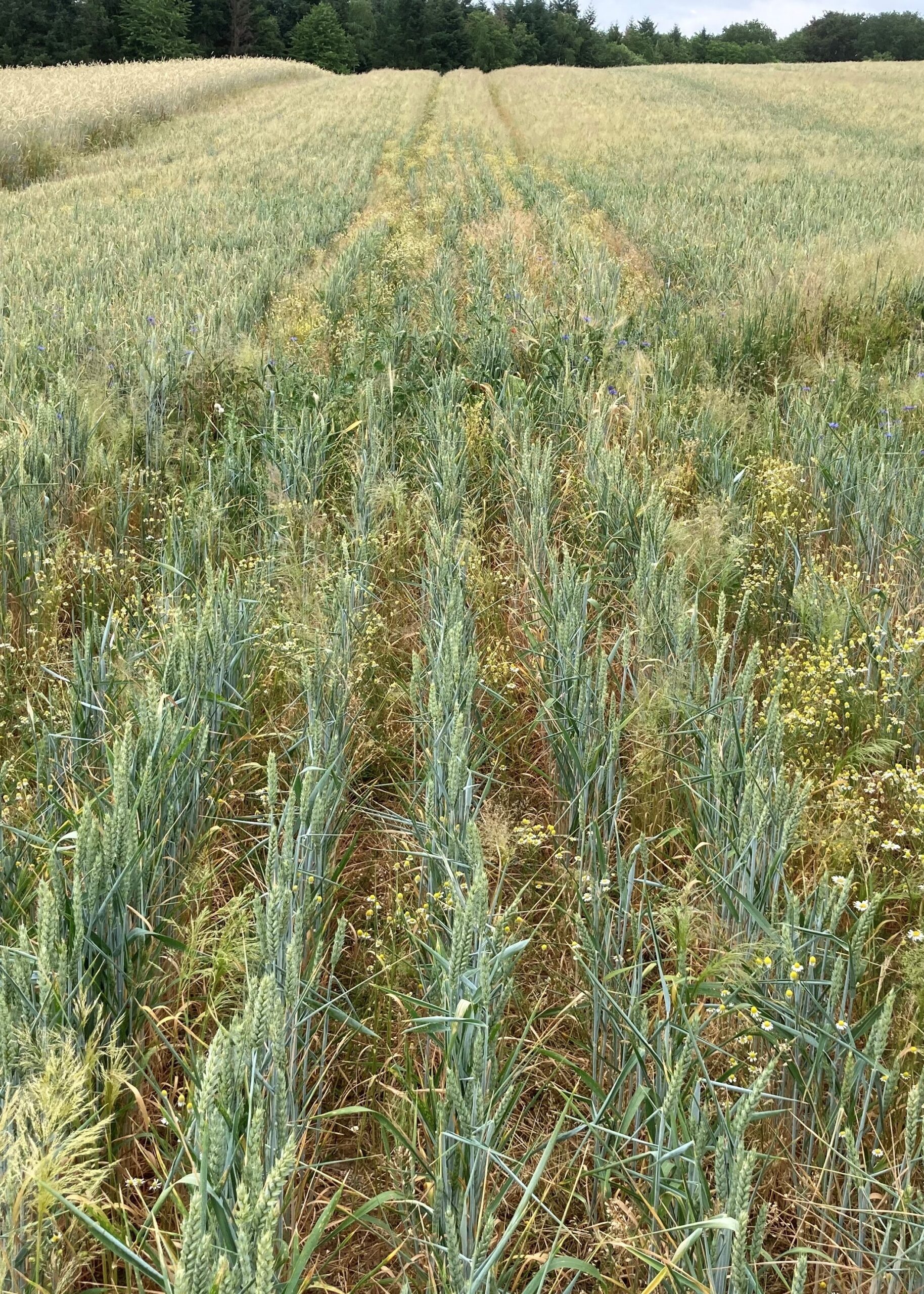
Nestlé: Wheat Cultivation
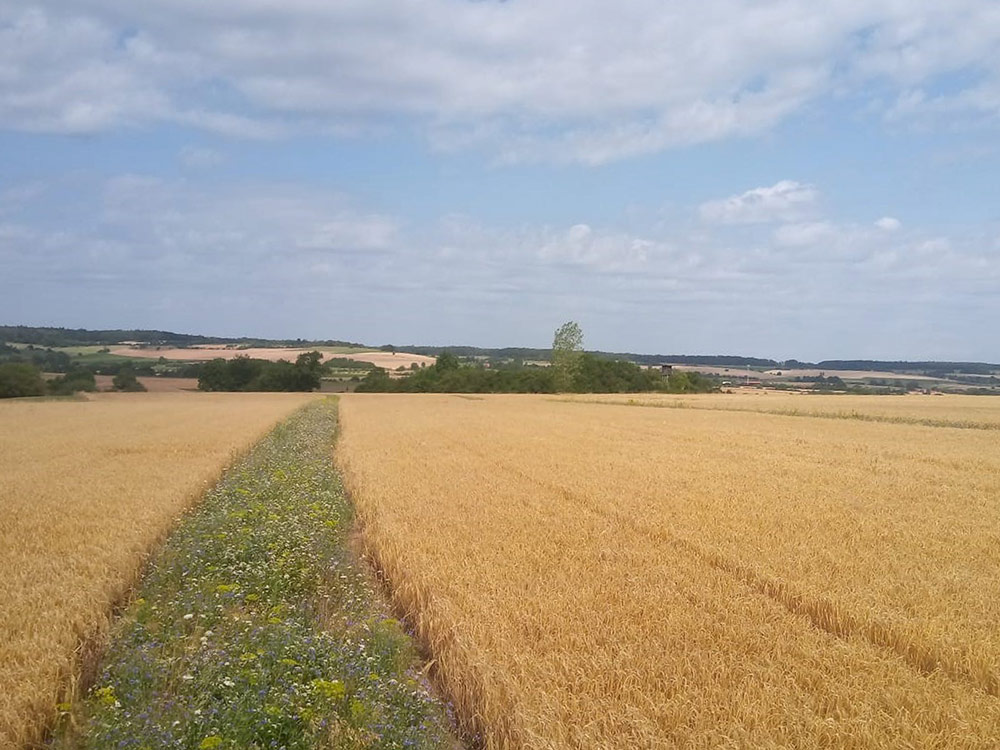
Project objective: Improving biodiversity in wheat cultivation in the Bliesgau (Saarland) by applying the basic set of biodiversity criteria.
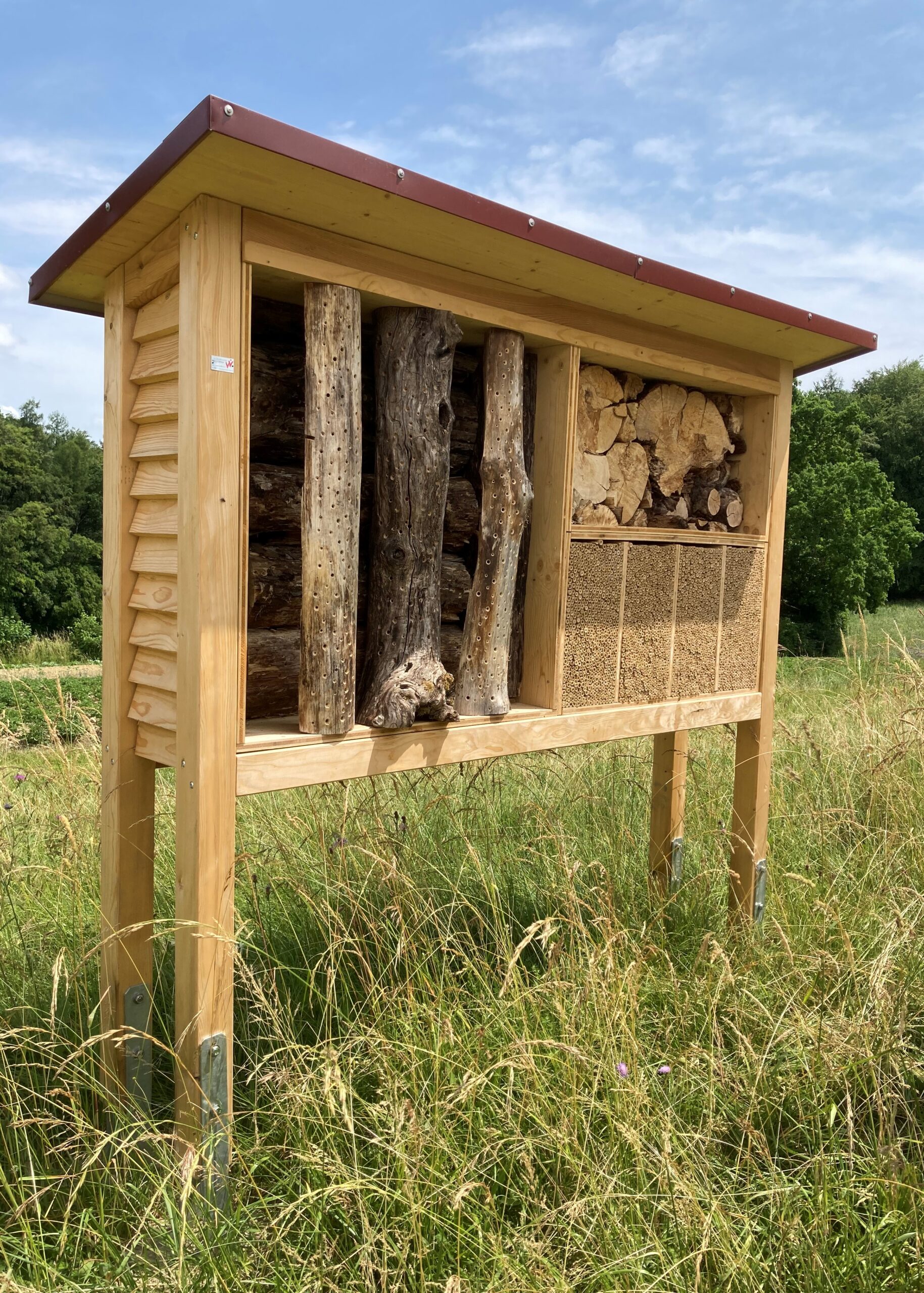
Achievements: As part of the wild bee monitoring programme, 33 wild bee species were documented for the first time in Saarland. In addition to verifying the effect of multi-year flowering areas on wild bee fauna, the monitoring made a decisive contribution to recording regional diversity.
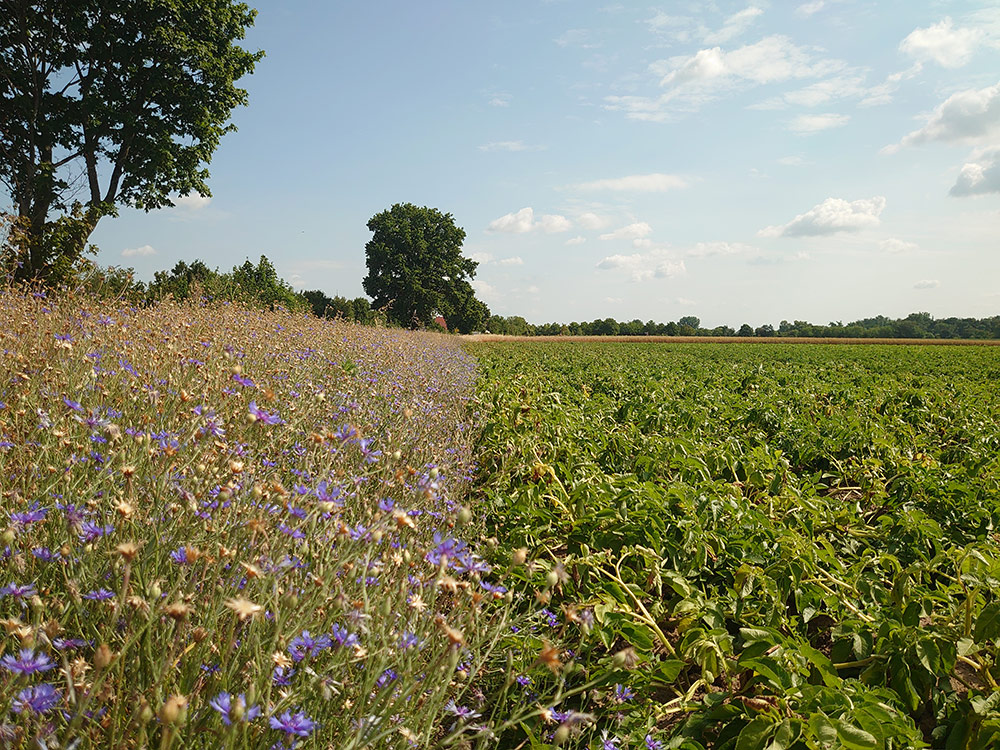
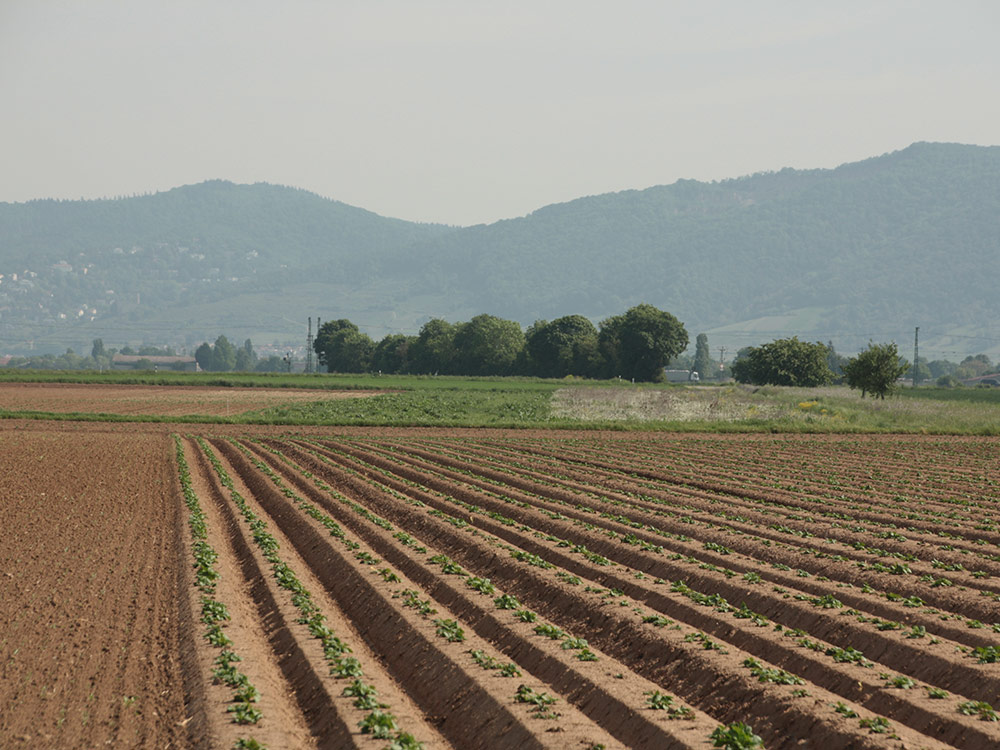
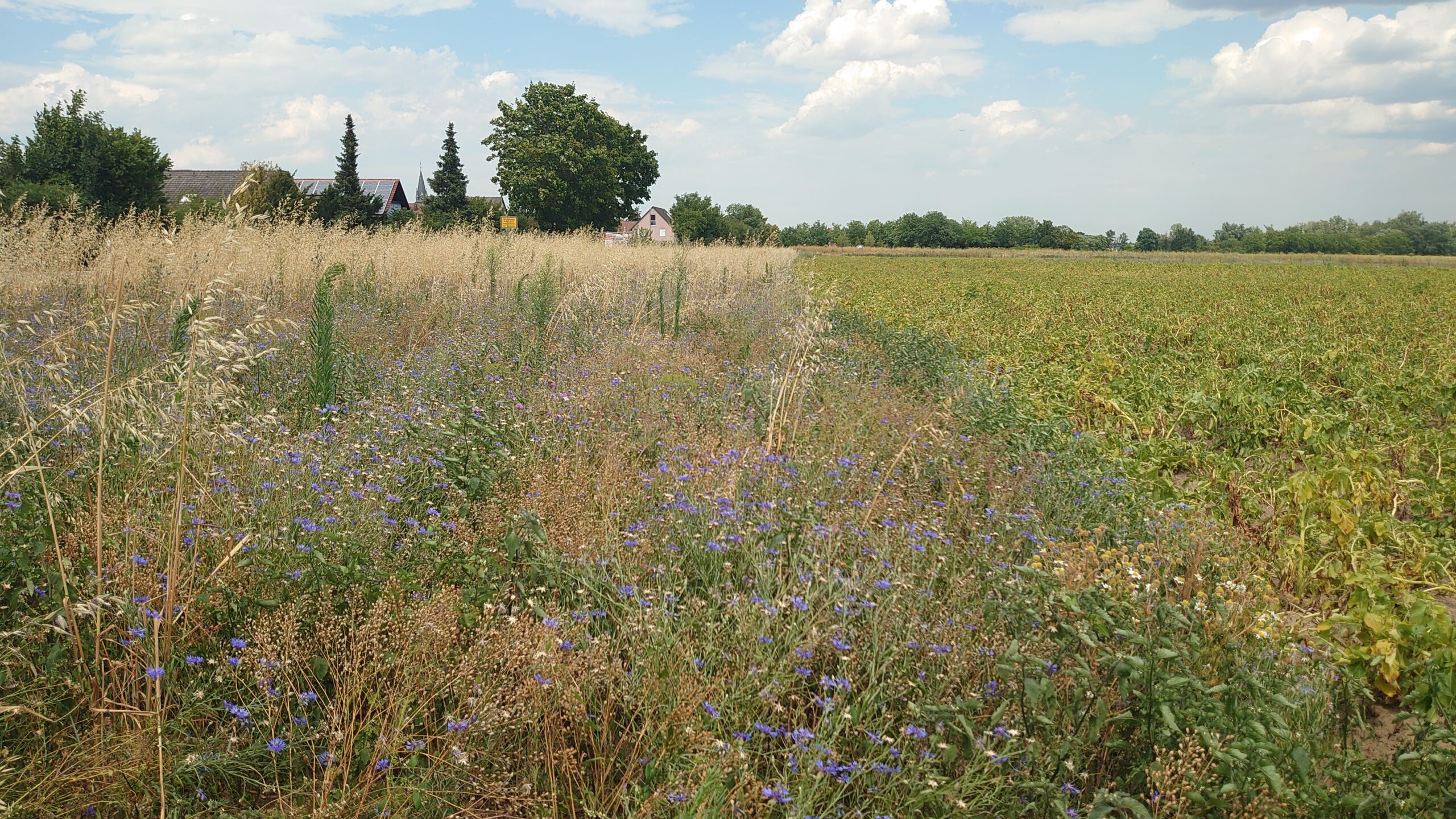
Kaufland: Potato Cultivation
Project objective: Promoting biodiversity in potato cultivation by creating habitats and food sources for beneficial insects. In addition, investigating whether beneficial insect strips can reduce pesticide use on cultivated areas.
Achievements: As part of the pilot project, it was possible to pursue a cooperative approach and implement biodiversity measures together with nature conservation, agriculture and the market. All stakeholders were involved, the implementation of measures was discussed jointly, and cost-covering financing was ensured. As a result, both farmers’ acceptance and their interest in biodiversity increased. Overall, the beneficial insect strips contributed to a positive image of agriculture.
About UBi – Unternehmen Biologische Vielfalt
To varying degrees, companies depend on nature, and their economic activities in turn have impacts on biodiversity. In the UBi – Unternehmen Biologische Vielfalt project, target-group-oriented measures and tools are therefore being developed for various industry and business associations so that companies can better consider biodiversity in their actions. For example, the Food for Biodiversity association has developed the “Basic Set of Biodiversity Criteria for the Food Industry” as part of the project and implemented it in pilot projects. This helps stakeholders in the food industry better protect biodiversity on agricultural land. In addition, the UBi project enables the association to organize two major conferences, develop incentive concepts to engage farmers in biodiversity protection, and conduct regular training sessions.
To the UBi Website
The campaign was created as part of the Unternehmen Biologische Vielfalt – UBi project.
UBi is funded under the Federal Biological Diversity Program by the BfN with funds from the BMUV.
The website content reflects the opinion of the grant recipient and may differ from the opinion of the funding agency.