Who We Are
Food for Biodiversity is the industry-wide initiative that anchors biodiversity at the heart of the food sector
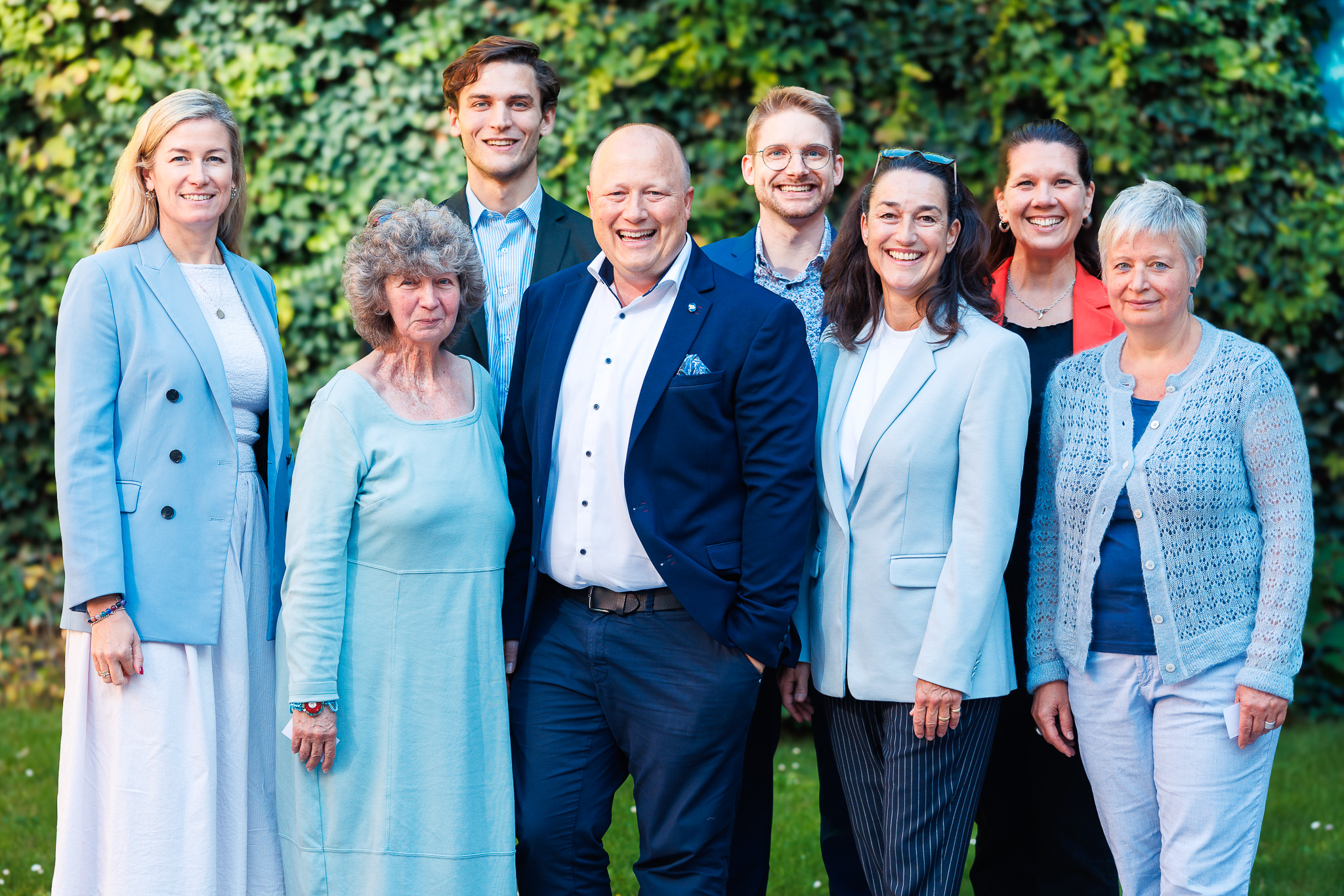
Since 2021, leading companies from production, trade, standard organizations, and environmental associations have been jointly shaping change in our unique alliance – with concrete solutions and measurable goals.
Our Vision
We are shaping a food sector that actively contributes to the preservation and promotion of biodiversity.
We unite companies, NGOs, standards, and science to protect ecosystems as the foundation of food production – through networking, capacity building, and biodiversity criteria.
What Makes Us Special
We are a leading industry initiative in the European food sector for effective biodiversity protection.
Practical Tools – with the Basic Set at the Core
Our Basic Set of biodiversity criteria offers companies a solid, professionally sound foundation for integrating biodiversity into standards, procurement, and processes – especially in agricultural production. It helps to identify risks, plan measures, and effectively meet regulatory requirements such as supply chain laws.
Strong Partnerships with Standard Organizations
We support established standards in systematically developing biodiversity-related requirements – based on practical experience and in close exchange with relevant stakeholders.
Formats for Genuine Dialogue & Further Development
Whether international conferences, webinars, or expert formats: We create spaces for exchange, knowledge transfer, and joint innovation – within the industry and beyond.
Experience in Coordination & Industry Processes
We know how to build and successfully manage industry initiatives. With clear structures, active working groups, and transparent decision-making processes, we enable targeted collaboration – e.g., on reporting, political dialogue, or biodiversity measures along the supply chain.
Together we make a difference!
Carina Mazzuz
"We are strongly committed to Food for Biodiversity because of the great opportunity we have to exchange proposals for improvement on biodiversity and climate change issues with our colleagues, as well as to learn about the specific needs of the sector by promoting and refining our sustainability programme with new methodologies to increase biodiversity and reduce the use of plant protection products."
Johanna Saxler
“For more than 40 years, Naturland has been driving the organic transformation of agriculture. Through farming practices aligned with Naturland standards, farmers contribute in many ways to the protection and promotion of biodiversity. At the same time, climate change and biodiversity loss continue to accelerate. Our aim is to turn these challenges into opportunities for agriculture by working closely with stakeholders across the food value chain. Food for Biodiversity provides an ideal platform for dialogue, collaboration, and collective action.”
Matthias Jäger
“The opportunity to address biodiversity protection and food together through a multi-stakeholder dialogue motivated us, as the German Food Retail Association, to become a supporting member of Food for Biodiversity. Only functioning and biologically diverse ecosystems enable the long-term production of food. They form the foundation of a future-oriented food retail sector. Protecting, restoring and sustainably using biodiversity are therefore essential for retail companies.”
Elmé Coetzer-Boersma
„As a certification standard provider, cooperation across the supply chain is integral to GLOBALG.A.P.'s ethos. We actively engage with stakeholders to promote biodiversity-friendly farming practices globally. Our goal is widespread implementation of measures prioritizing biodiversity protection. To achieve this with the Food for Biodiversity community, continuous collaboration and support from all stakeholders in the food industry are crucial. Only together can we promote biodiversity-friendly farming and ensure a sustainable future for the food industry.“
Andrea Schwalber
“As a founding member, Nestlé Germany aims to work with other committed partners to help halt biodiversity loss and pave the way for regenerative, future-proof food systems. As a food manufacturer, we depend on agricultural raw materials and are therefore part of one of the economic sectors most dependent on biodiversity. It is time for all relevant stakeholders to work together towards the overarching goal of making biodiversity protection a key quality characteristic of our industry and thereby making food production more biodiversity-friendly.”
Peter Zens
“Food for Biodiversity has succeeded in bringing together all stakeholders in the food sector—from food retailers, NGOs and certification bodies to producers—to work jointly to integrate biodiversity in agriculture in Germany and throughout global supply chains. This joint commitment across the entire sector is unique and exemplary, because only together can we achieve the necessary transformation and safeguard habitats and biodiversity!”
Erik Borner
“For Bioland, protecting biodiversity is far more than a principle or a standard—it is part of our identity. Every day, our farmers work to make fields buzz again, keep soils alive and ensure that cultural landscapes provide space for rare species. Strict organic biodiversity standards, diverse crop rotations and the deliberate creation of species-rich habitats turn Bioland farms into a vibrant mosaic of life. We actively support our member farms in conserving and promoting biodiversity on their land. Together with Food for Biodiversity, we are working to strengthen nature-positive value chains and develop effective solutions for protecting biodiversity in the food sector.”
Dr. Julia Adou
“As a food retailer, we recognise that preserving and promoting biodiversity is essential to ensuring future food security. We see our membership in Food for Biodiversity e.V. as a powerful lever for working together with other relevant stakeholders in the supply chain to develop cross-sector biodiversity standards and implement them across the supply chain. In this way, we can jointly contribute to systemic change.”
Martin Schüller
“Climate change, deforestation and the expansion of large-scale agro-industrial plantations are increasingly driving biodiversity loss. This is having ever more noticeable effects on smallholder agricultural production. Coffee and cocoa, for example, are now seriously threatened by a lack of pollination and increasing disease pressure. The only effective response is biodiversity-friendly cultivation methods such as agroforestry and agroecology, which Fairtrade supports. Both are best delivered through smallholder farming. This is precisely where Food for Biodiversity provides strong support for Fairtrade.”
Anna Dal Grande
As biodiversity loss is one of the biggest challenges of our time, an initiative like Food for Biodiversity that is addressing biodiversity protection is essential. The collaborative approach – bringing together everyone from NGOs, research institutions and standard setters to international food companies under one roof – fits well to Donau Soja and our > 300 members. This transformation can only be achieved by working together. Both organisations are committed to knowledge sharing, supporting companies on the way to sustainable food systems and complement each other perfectly.
Christian Hohlfeld
“At the Rainforest Alliance, we believe biodiversity protection must be a core principle of sustainable agriculture. Biodiversity is not only about protecting nature — it is also essential for healthy soils, stable yields, climate-resilient farms, and viable long-term supply chains. Together with partners such as Food for Biodiversity, we work to develop practical solutions that help embed biodiversity across the food sector and its upstream value chains.”
Patrick Trötschler
“For many years, the Lake Constance Foundation has been an active sustainability partner for agriculture and the food sector. Alongside climate action and adaptation to climate change, protecting biodiversity is a central objective of our projects. The food sector must become significantly more active to counter the massive loss of biodiversity effectively. For us, Food for Biodiversity is an important cross-stakeholder platform for embedding more ambitious methods and criteria for greater biodiversity even more firmly in practice in the future.”
Stephanie Finkbeiner
“Biodiversity is fundamental to the long-term viability of agriculture and, by extension, to the sustained success of our business. Healthy ecosystems underpin stable yields, high-quality agricultural commodities, and resilient supply chains. At the same time, they help mitigate risks associated with climate change, pest pressures, and extreme weather events. Our commitment to Food for Biodiversity combines environmental responsibility with a clear focus on long-term value creation. By systematically integrating biodiversity considerations into our private-label portfolio, from farm to shelf, we are strengthening the resilience of our value chains while creating lasting value for our customers and stakeholders. In doing so, we make a tangible contribution to protecting species and habitats while reinforcing the long-term resilience and competitiveness of our company.”
Dr. Jan Henke
“As one of the world’s largest certification systems, ISCC has been committed to conserving biodiversity since it was founded in 2010. Certified food-industry companies can use the ISCC logo to communicate the sustainable cultivation of raw materials transparently to consumers. We look forward to working with the association members to develop solutions that enable the food industry to make a positive contribution to conserving biodiversity.”
Marion Hammerl
“The food sector, with agriculture as its most important supplier of raw materials, must become part of the solution to halt the dramatic loss of biodiversity. The sector should have a strong interest in doing so, even only for its own sake, because its economic foundations are at stake. However, individual pilot projects will not be enough — protecting and responsibly managing biodiversity must become part of day-to-day business across the entire sector. Food for Biodiversity provides a framework in which industry stakeholders —supported by science and NGOs — can work together in a targeted, practical manner.”
Stefan Schmitz
"Crop diversity is essential for future food and nutrition security.
The Crop Trust works with seed banks worldwide to ensure the conservation and use of crop diversity - resulting in the development of climate-resilient, nutritious, and high-yielding crop varieties and helping farmers diversify their production landscapes.
Through our Food for Biodiversity membership, we aim to build partnerships that can help transform agri-food systems to be more productive, healthy and sustainable."
Torsten Klimpel
„OroVerde unterstützt seit vielen Jahren die sozial-ökologische Transformation von Landwirtschaftssystemen in Lateinamerika. Gemeinsam mit unseren Partnern entwickeln wir Lösungen, um Biodiversität in der Landwirtschaft zu fördern und nachhaltige Perspektiven für Produzent*innen entlang der gesamten Lieferkette zu schaffen. Als Teil von Food for Biodiversity stärken wir das Netzwerk und bringen unsere lokale Erfahrung insbesondere in der Kaffee-, Kakao- und Bananenproduktion ein, um unserer Verantwortung als Konsumentenland in globalen Lieferketten für eine sozial gerechte und ökologisch stabile Zukunft gerecht zu werden."
Rudolf Behr
„Wir sind Mitglied bei „Food for Biodiversity“ geworden, weil wir als Produzent von Freilandgemüse eine Verantwortung gegenüber unserer Umwelt und unseren Mitmenschen haben. Die Förderung von Biodiversität ist für uns einer von vielen Bausteinen, unseren ganzheitlichen Gedanken „Intensive Landwirtschaft erfordert intensiven Naturschutz“ umzusetzen. Für uns als „Bauern“ ist nachhaltiges Handeln und Wirtschaften selbstverständlich, daher unterstützen wir die Ziele des Vereins zum Schutz der Biodiversität in der Lebensmittelbranche."
Dr. Matthias Wucherer
„Die Biodiversität zu erhalten und Fördern erfordert eine gesamtgesellschaftliche Anstrengung. Naturschutz und Subventionen für die Landwirtschaft können da nur ein Anfang sein – vielmehr muss unser ganzes Handeln und Wirtschaften den Erhalt und die Förderung der Artenvielfalt integrieren. Ähnlich wie in der Landwirtschaft braucht es auch im Weitergang der Wertschöpfung bei den Unternehmen Pioniere, die eine nachhaltige, biodiversitätsfördernde Wirtschaftsweise erproben und umsetzen. Food for Biodiversity kann also als Allianz der Willigen gesehen werden, und das unterstützen wir als Naturschutzpartner sehr gerne nach Kräften.“
Pia Kissinger
„Das Thema Biodiversität ist eins der Kernthemen der AöL. Gemeinsam mit unseren Mitgliedsunternehmen schreiten wir im Schutz der Artenvielfalt voran. Der Zusammenschluss mit Unternehmen über die Bio-Branche hinaus im Rahmen des Vereins Food for Biodiversity ermöglicht uns auch mit anderen Unternehmen der Lebensmittelwirtschaft gemeinsam an den Herausforderungen zu arbeiten und Anstrengungen zu bündeln. Denn bei einem gemeinsamen Ziel macht es doch Sinn auch einen gemeinsamen Weg zu gehen, oder nicht?“
Pegah Bayaty
„Seit 60 Jahren setzt sich der WWF Österreich für den Schutz und die Wiederherstellung der Biodiversität ein. Die Vielfalt unseres Planeten steht aufgrund unseres Ernährungssystems unter starkem Druck: 70% des Verlustes sind der Produktion tierischer Lebensmittel zuzurechnen. Als Mitglied des Vereins Food for Biodiversity möchten wir den Schutz der biologischen Vielfalt entlang der gesamten Wertschöpfungskette von Unternehmen verankern. Größter Hebel dabei ist ein Mehr an pflanzlichen und ein Weniger an tierischen Lebensmitteln.“
Elisa Schuhmann
“For us at REWE Group, biodiversity is an extremely important area of action. For many years, we have therefore been working to promote biodiversity in agriculture through our biodiversity project, together with currently around 540 farmers, NABU and the Stiftung Rheinische Kulturlandschaft. As one of its founding members, we see Food for Biodiversity as an excellent complement to this work. We value the collaboration among a wide range of stakeholders to protect biodiversity in the food sector.”
Rik Kutsch Lojenga
“UEBT is a non-profit organisation that promotes sourcing with respect for people and biodiversity. We bring together companies from around the world to strengthen resilient botanical supply chains. As a member of Food for Biodiversity, UEBT works with companies and organisations to advance biodiversity-friendly sourcing practices for botanical raw materials in the food sector. These practices link climate and nature conservation goals while safeguarding long-term business value creation.”
Lasse Anbuhl
“WWF Germany has been committed to conserving biodiversity for decades. Through its involvement in Food for Biodiversity, WWF strengthens collaboration across the food sector to effectively protect biodiversity and firmly embed its conservation in sustainable agricultural practices.”
Johannes Weh
„As a reliable supplier of basic goods, we offer high-quality food and products for everyday needs. In doing so, we pursue a responsible approach to the use of natural resources and take into account the environmental impact of our actions. Measures to preserve biodiversity can strengthen the long-term availability of critical raw materials and thereby help ensure a resilient supply of everyday goods. Against this backdrop, we are actively engaged in the industry alliance Food for Biodiversity. The objective is to jointly advance the development of practical, sector-wide standards for the protection of biodiversity and to promote their implementation across prioritised supply chains.“
Nina Siegel
“By joining the Food for Biodiversity industry initiative, we at Zentis actively support the conservation and promotion of biodiversity in our supply chain. Drawing on the association’s expertise and our long-standing, trust-based relationships with suppliers, we implement projects directly in the field. Together with one of our suppliers, we have already successfully completed an initial pilot project on biodiversity-friendly apricot cultivation. We look forward to continuing our collaboration and exchanging ideas with other companies, associations and biodiversity experts. Together, we can make a significant contribution to protecting biodiversity.”
Norbert Schmitz
„Die Förderung der Artenvielfalt im Kaffeeanbau ist ein zentrales Anliegen des Zertifizierungssystems 4C. 4C ist ein weltweit führendes Zertifizierungssystem, das in 17 Ländern von mehr als 300,000 Kaffeefarmern genutzt wird. Der Verein FfB stellt eine wichtige Plattform für die Entwicklung und den Austausch von Wissen und praktischen Tools zur Förderung von Artenvielfalt in landwirtschaftlichen Produktionssystemen dar. Gemeinsam mit dem FfB haben wir in Vietnam ein erstes Pilotprojekt im Kaffeesektor durchgeführt, bei dem die Artenvielfalt gesteigert und wichtige Erkenntnisse für die Weiterentwicklung unseres Systems gewonnen werden konnten. Wir werden die Arbeit des FfB weiterhin aktiv fördern.“
Dr. agr. Robert Hermanowski
“FiBL Germany (Research Institute of Organic Agriculture) is a member of Food for Biodiversity because biodiversity provides essential ecosystem services for agricultural production that must be preserved. By prohibiting synthetic chemical pesticides, using organic fertilisers, applying diverse crop rotations and maintaining a higher proportion of semi-natural areas on organic farms, organic agriculture promotes biodiversity on farmland and in the surrounding landscape.”
Cäcilia von Hagenow
„Die Artenvielfalt befindet sich aktuell in einer massiven Krise – ein bedeutender Treiber ist dabei die Landwirtschaft. Gleichzeitig benötigt diese die Artenvielfalt als Grundlage ihrer Arbeit, denn Landwirtschaft und Lebensmittelproduktion brauchen funktionierende Ökosysteme. Um die dringend notwendigen Maßnahmen zur Abwehr der Biodiversitätskrise wirkungsvoll umzusetzen, bedarf es der Zusammenarbeit aller Akteur*innen der Lebensmittelbranche. Der Verein Food for Biodiversity stellt dabei einen wichtigen Baustein dar, um diese Zusammenarbeit zu fördern und in der Folge gemeinsam Ernährungssysteme nachhaltig zu gestalten.”
Josef Brunnbauer
„Für uns als Bioverband ist der Schutz der Biodiversität seit mehr als 40 Jahren ein wesentlicher Bestandteil unserer Grundwerte. Die Arbeit unserer Bio-Bauern und Bio-Bäuerinnen trägt täglich dazu bei, Vielfalt auf dem Acker und auf den Wiesen zu erhalten. Doch die Herausforderung ist groß – und gemeinsam können wir mehr erreichen. Wir engagieren uns im Verein Food for Biodiversity, um miteinander für die Lebensmittelbranche Wege zum Schutz der Artenvielfalt zu entwickeln.“
Kathleen Heinzel
„Biodiversität achten“ ist einer von sechs strategischen Schwerpunkten der Lidl-Nachhaltigkeitsstrategie. Bei Lidl arbeiten wir kontinuierlich daran, die Auswirkungen unseres Handelns auf die biologische Vielfalt besser zu verstehen, biodiversitätsfördernde Standards zu etablieren und Veränderungen in der Branche voranzutreiben. Die Mitgliedschaft im Verein „Food for Biodiversity“ sehen wir als wichtigen Baustein zur Erreichung dieser Ziele.“
Josef Stitzl
„Von unserer Mitgliedschaft im Verein Food for Biodiversity erwarten wir uns einerseits einen engen Austausch mit anderen Akteuren der Branche wie unseren Handelspartnern und andererseits Impulse für die Umsetzung unserer Hochland Vision im Bereich Nachhaltigkeit. „Food for Biodiversity“ bietet hier ein vielversprechendes Netzwerk. Zum Hochland-Verständnis gehört seit Jahren, gemeinsam mit Partnern aktiv an Lösungen zu arbeiten. Mit ausgesuchten Vertragslandwirt:innen will Hochland nun den Erhalt und die Wiederherstellung von Biodiversität auf den Flächen seiner Milcherzeuger fördern und die eigene Expertise zum Thema Biodiversität ausbauen durch ausgesuchte Pilotprojekte.”
Rudolf Bühler
„ECOLAND ist im Verbund mit der Bäuerlichen Erzeugergemeinschaft Schwäbisch Hall und der Akademie Schloss Kirchberg seit zwei Jahrzehnten mit Projekten für die Bewahrung der Schöpfung aktiv: Bewahrung alter Haustierrassen wie dem Schwäbisch Hällischen Landschwein oder dem Limpurger Rind; sowie Bewahrung historischer Landsorten wie Hohenloher Gelbsenf oder Hohenloher Koriander usw. Des weiteren mit Klimaresilienz-Projekten in über 1400 Mitgliedsbetrieben sowie Implementierung von zahlreichen Biodiversitätsmaßnahmen über die Bio-Musterregion Hohenlohe. Hierzu Zitat von Albert Schweizer: „Das Tun adelt den Menschen!“. Ergänzend von Rudolf Bühler: Wir dürfen die Natur bewirtschaften – aber nicht verwirtschaften!“
Ralph Dejas
“Promoting biodiversity has been an essential cornerstone of our association’s philosophy since it was founded in 1985. Drawing on our many years of expertise, we provide valuable impetus for the necessary ecological transformation of viticulture and beyond.”
Become a Member – Make an Impact
Our Board
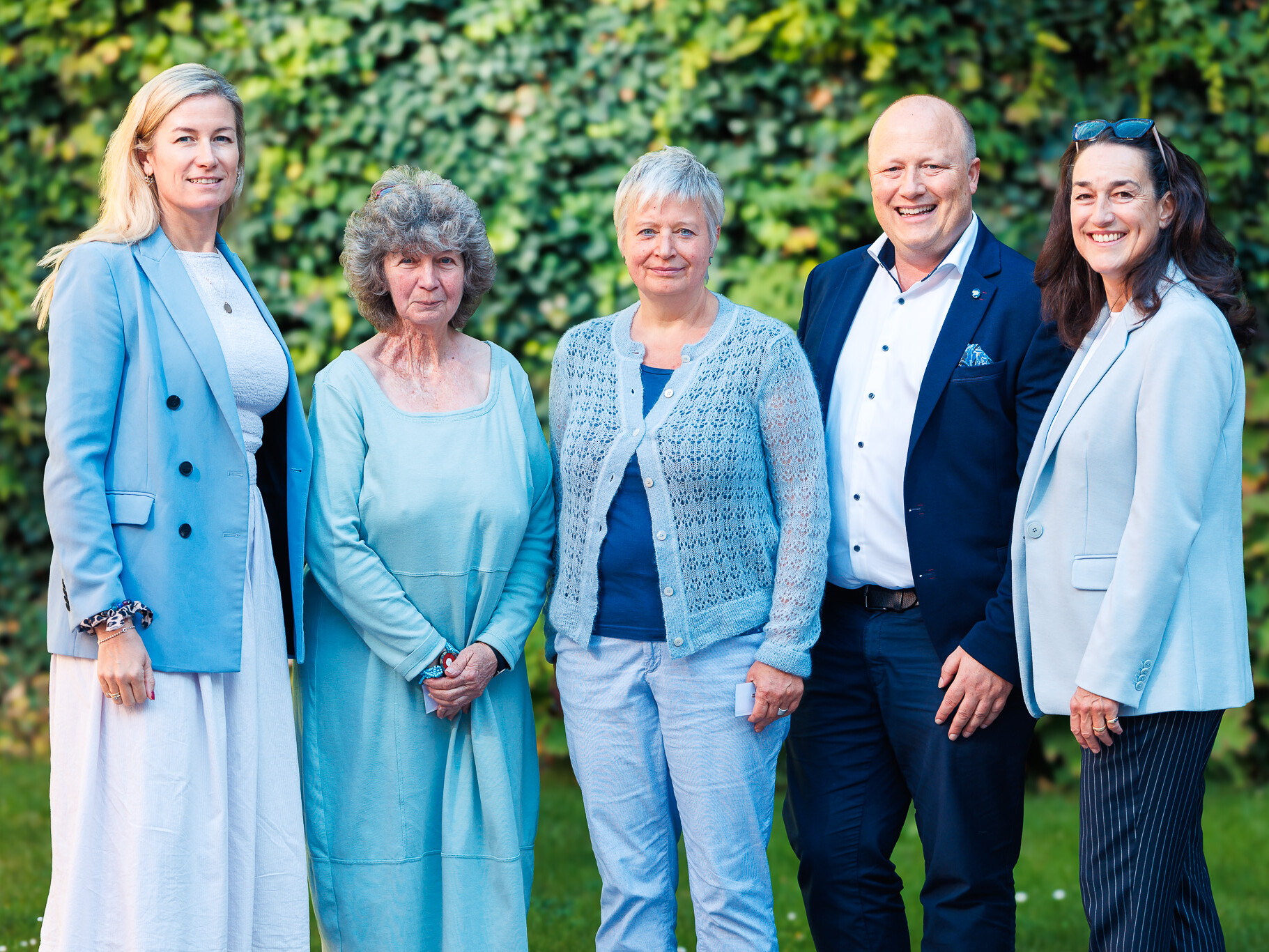

Peter Zens
Chairman
Board Member of the Biodiversity in Good Company Initiative

Andrea Schwalber
Vice Chairwoman
Sustainability Manager at Nestlé Deutschland AG

Nadja Kasperczyk
Assessor
Representative of the Research Institute of Organic Agriculture, FiBL

Marion Hammerl
Treasurer
President of the Global Nature Fund
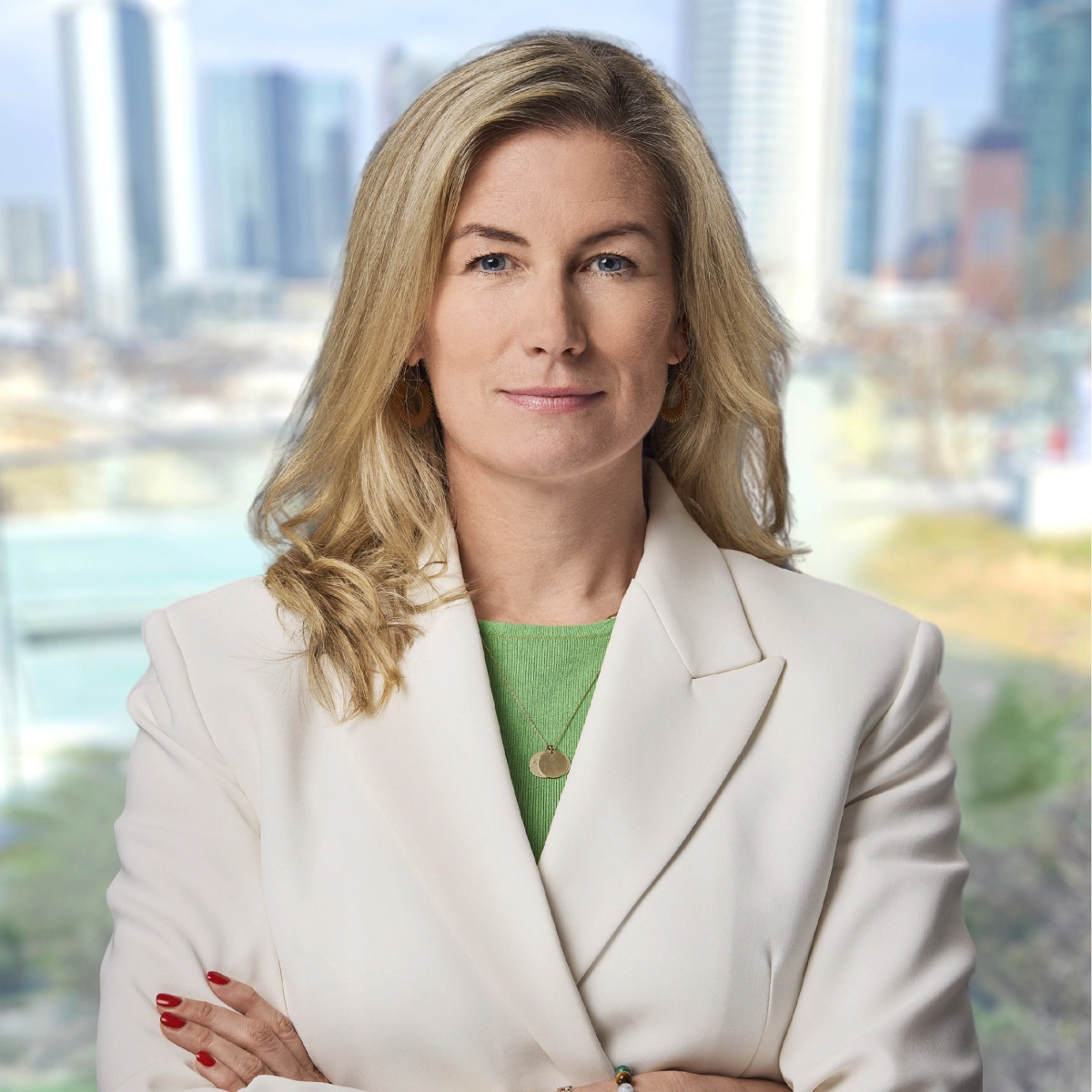
Stephanie Finkbeiner
Beisitzerin
Chief Sustainability Officer bei der EDEKA Stiftung und Co. KG
Our Office
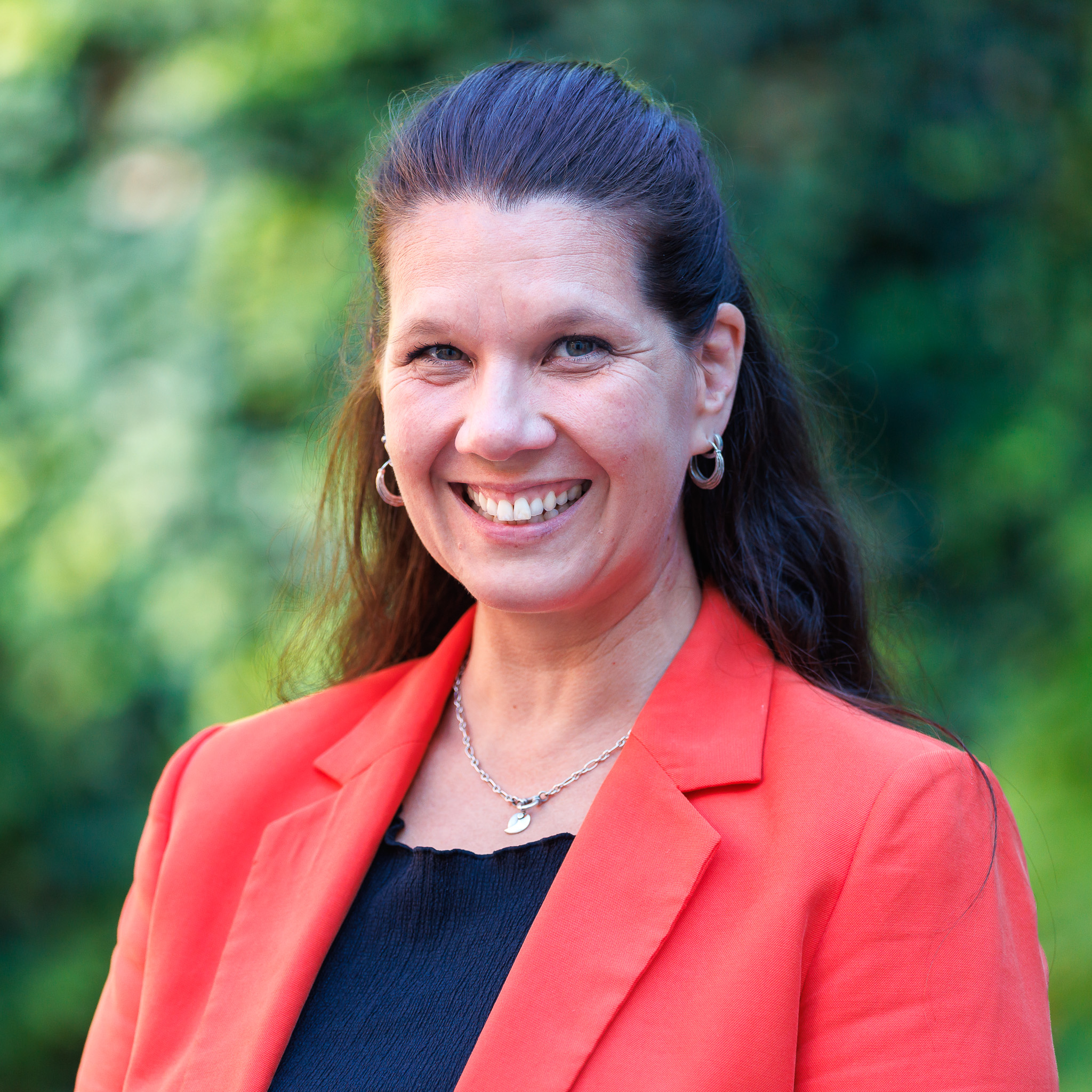
Sonia Petzold
Project Manager

Oliver Peters
Project Manager

Justus Thiedemann
Praktikant Projektmanagement