
Sustainable Aquaculture in Mangrove Ecosystems
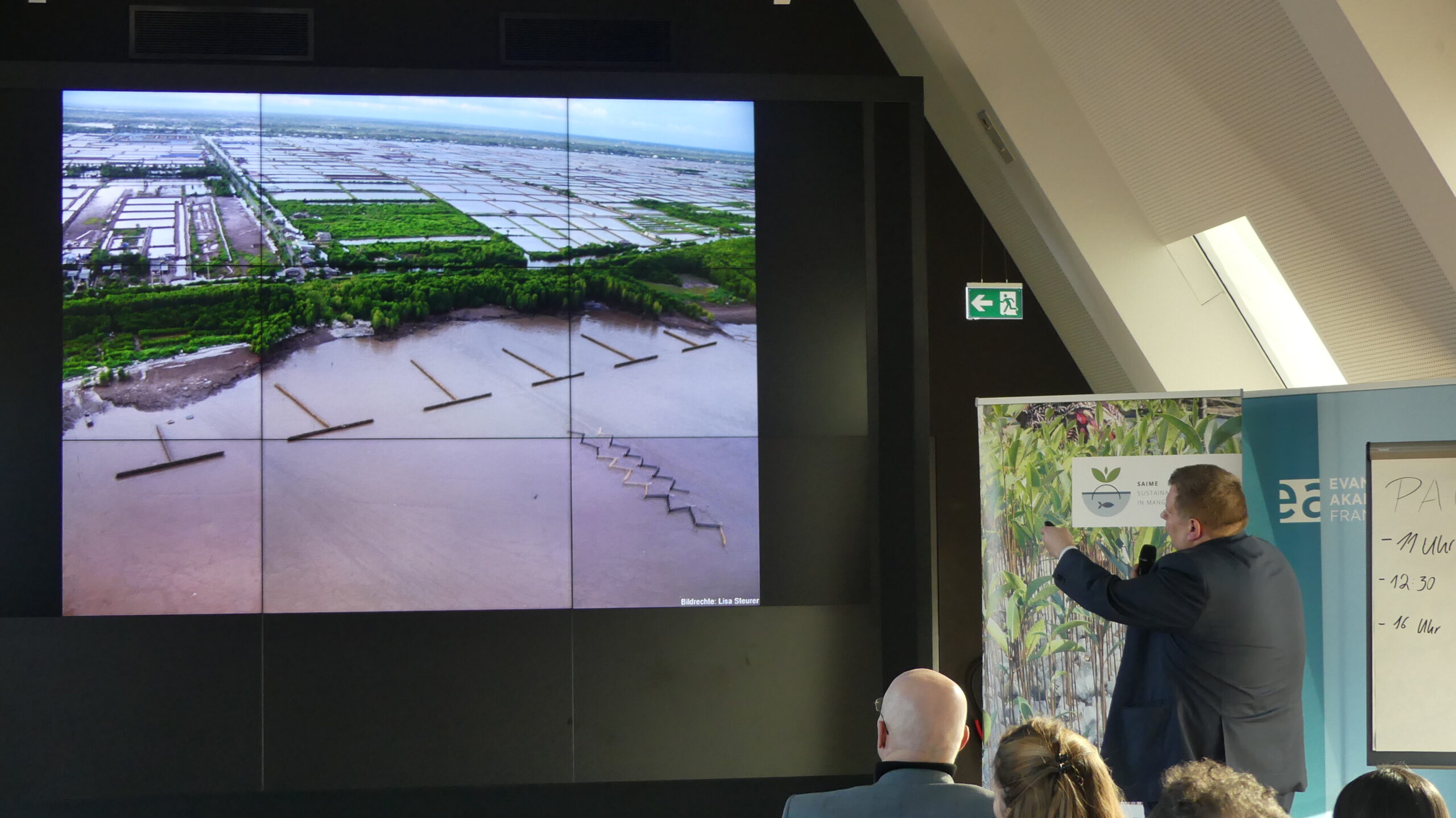
The mangrove forests of tropical coasts are among the most important and productive ecosystems on Earth. Among other functions, their enormous carbon storage potential plays a critically important role in stabilizing the global climate and protecting coastlines. In recent decades, however, global mangrove forests have been severely depleted, by 20 percent since 1980 alone. Besides other factors, the unchecked expansion of shrimp aquaculture, particularly in South and Southeast Asian countries, is a major cause of their destruction. Despite these negative impacts, shrimp farming, as a central economic activity in mangrove areas, offers great potential to significantly promote the protection and restoration of mangroves. This applies to aquaculture systems as well as to other areas of agricultural operations and communities.

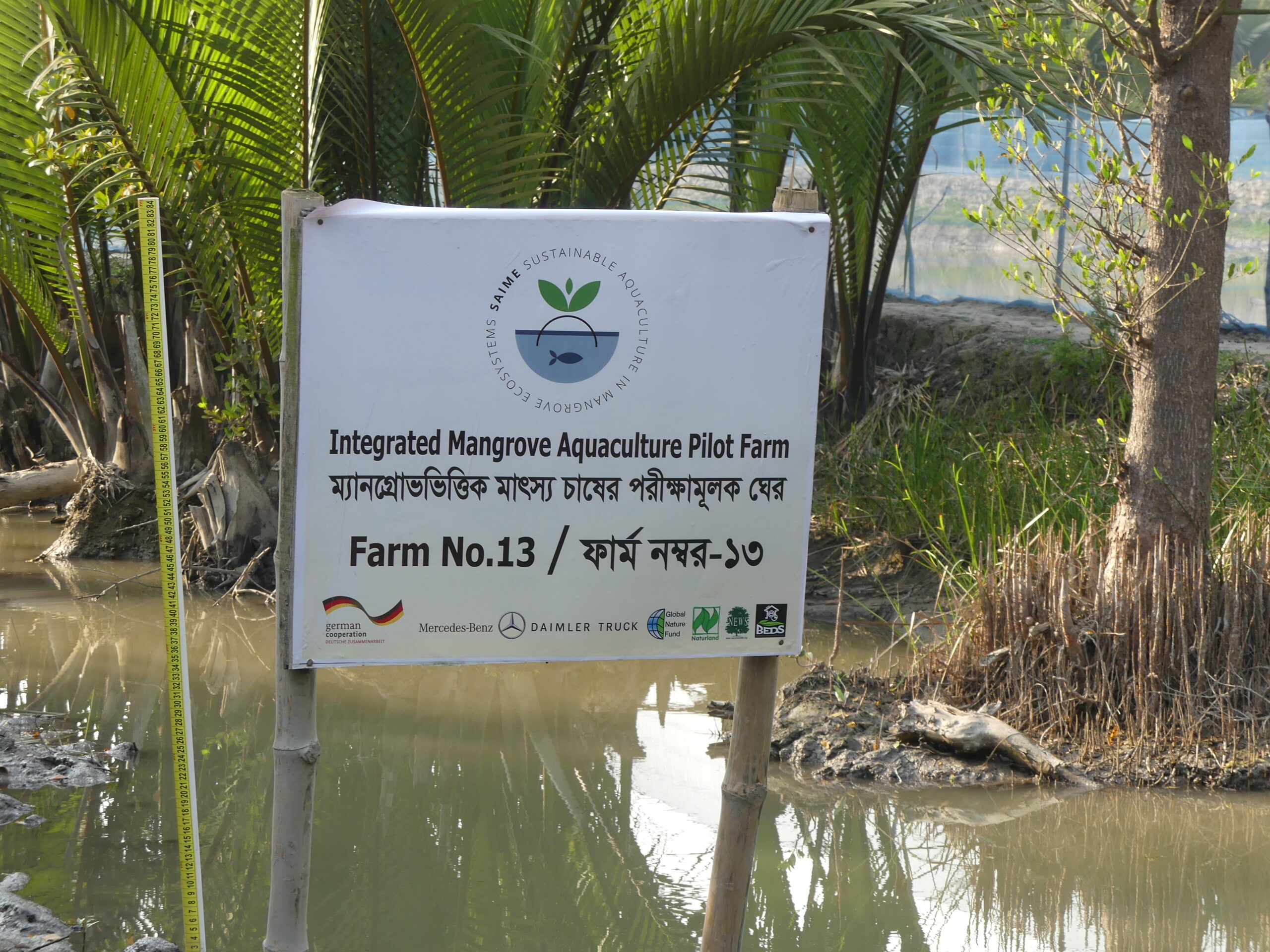
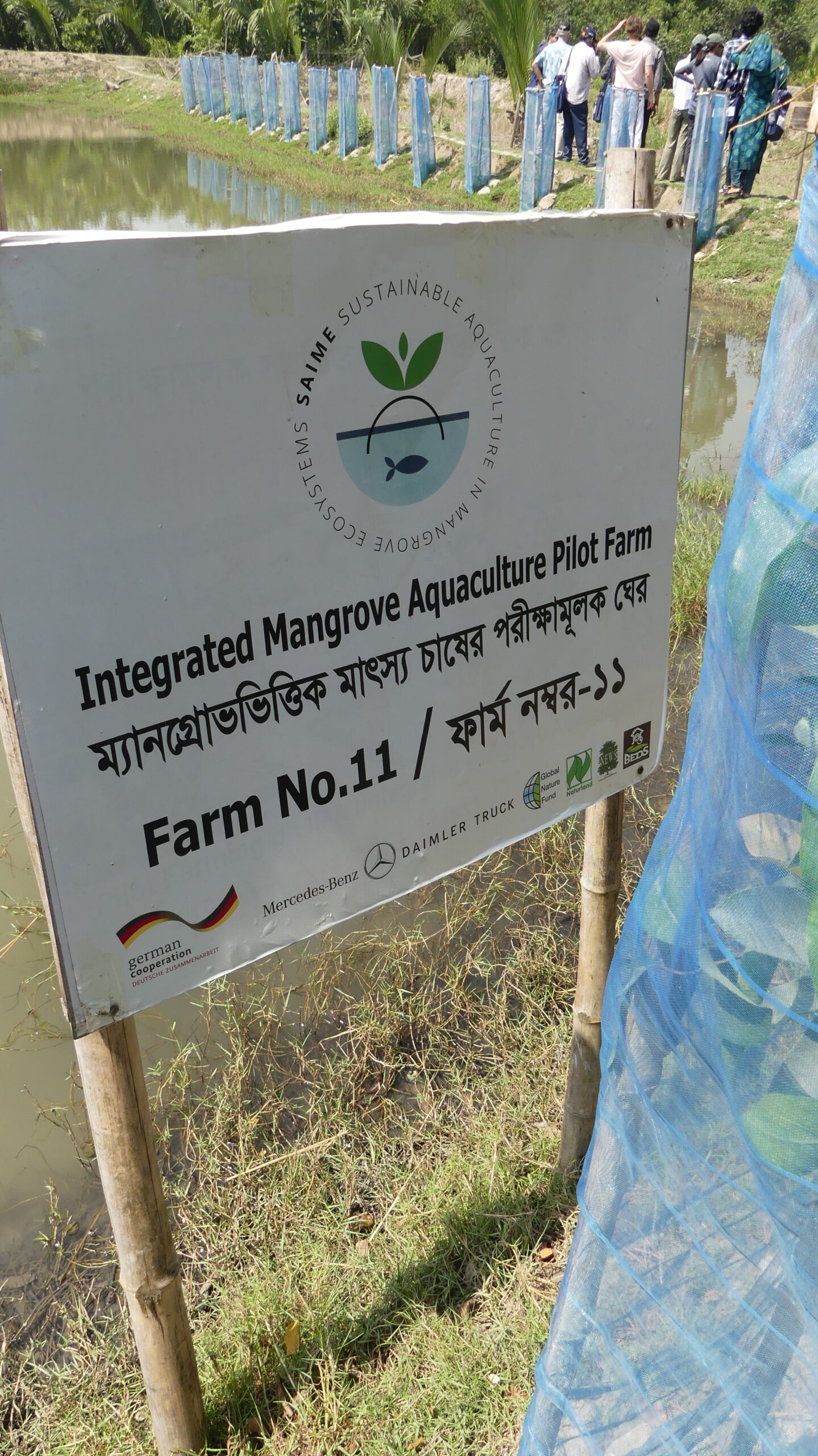
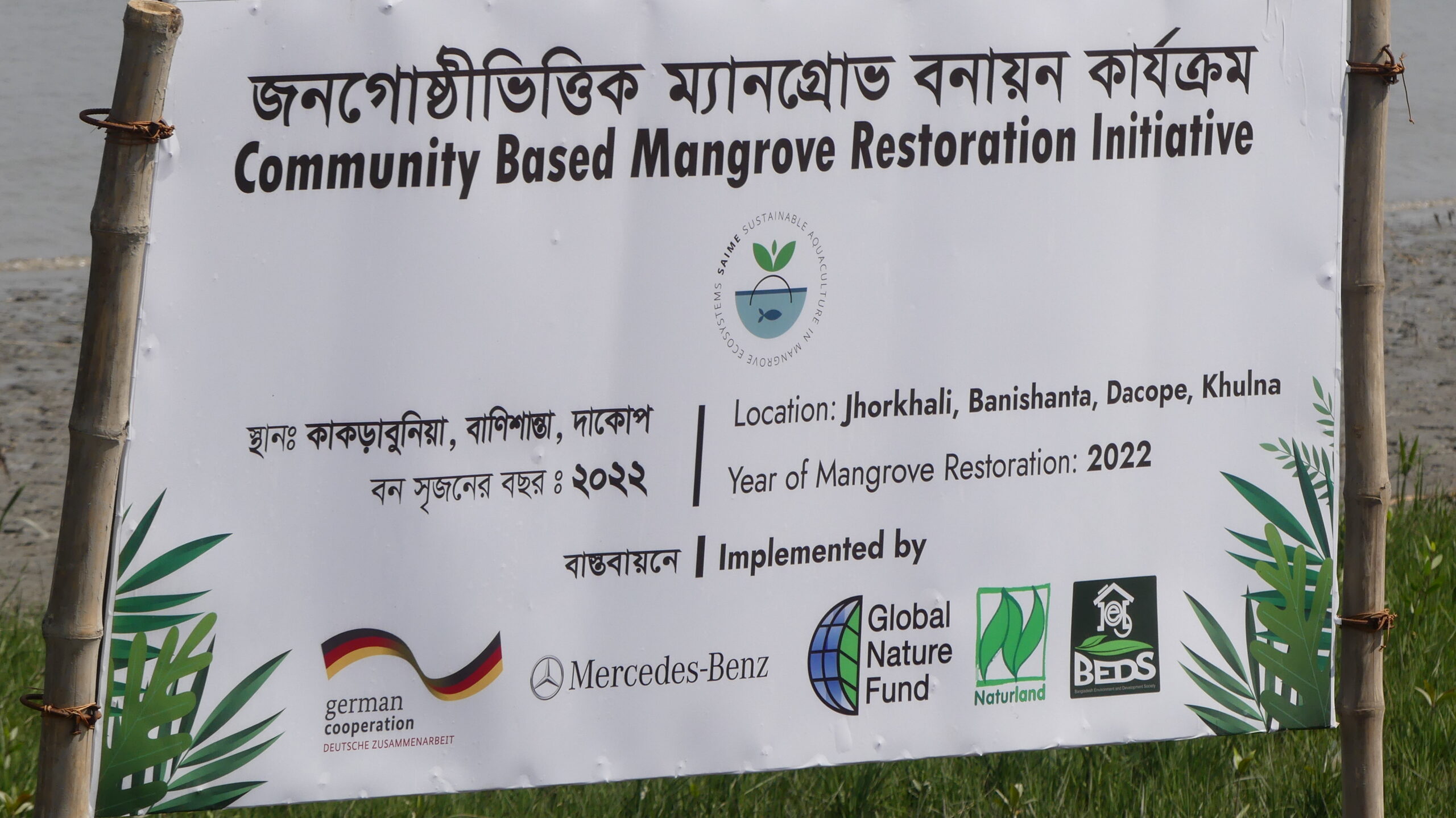
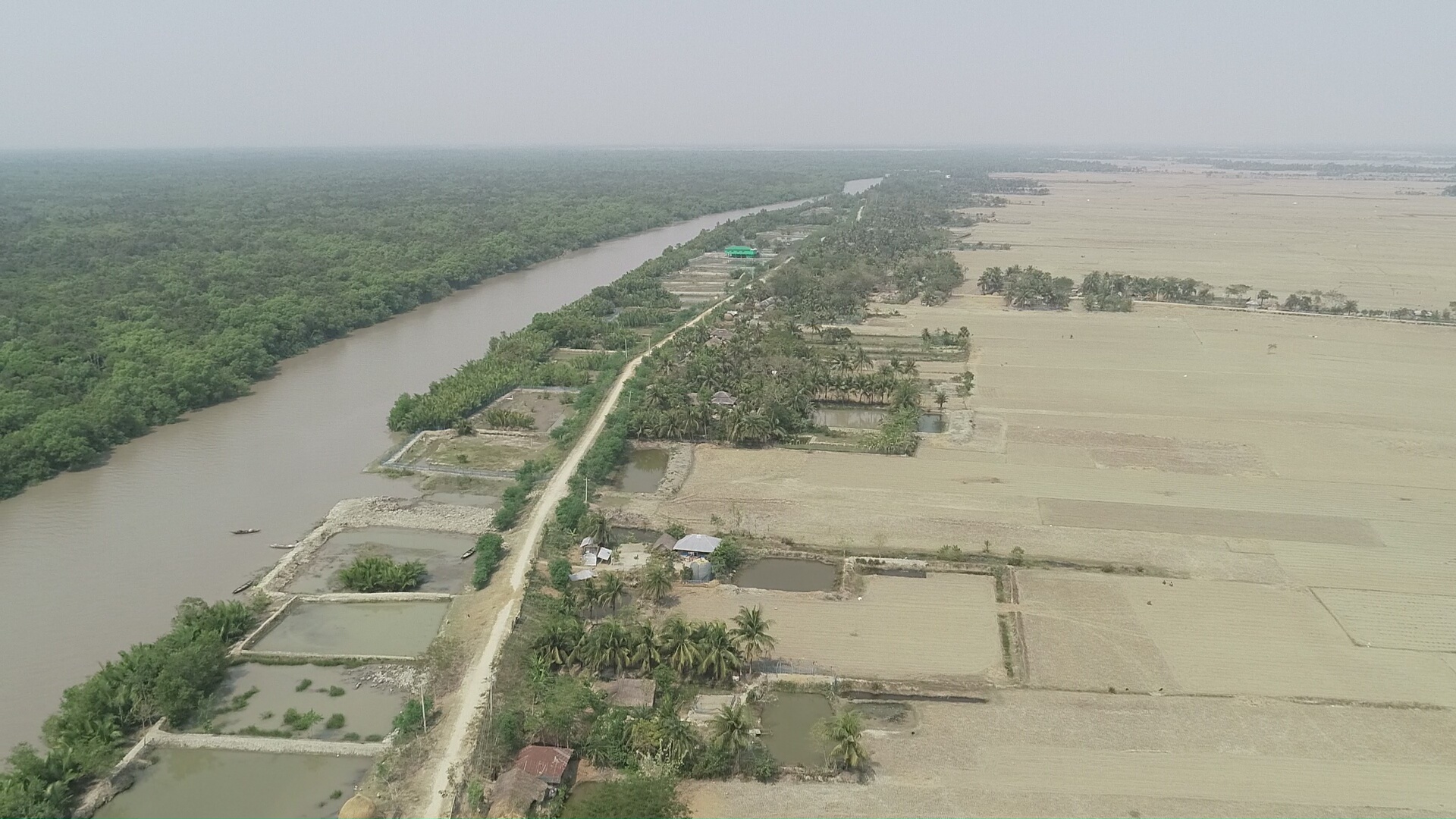
In our SAIME project (Sustainable Aquaculture in Mangrove Ecosystems), we are therefore working on establishing pilot aquaculture farms that utilize sustainable IMA (Integrated Mangrove Aquaculture) systems. In this pond farming method, mangroves are planted in the dikes, water channels, and directly in the pond. This allows shrimp to coexist with mangroves and the ecosystem is preserved.
Background
On the topic of aquaculture, the Global Nature Fund (GNF), together with Naturland – Association for Organic Agriculture, is implementing a project funded by the Federal Ministry for Economic Cooperation and Development (BMZ). This project “Multi-Stakeholder Partnership to Strengthen Transformative Processes in the Shrimp Trade as a Basis for the Protection of Mangrove Ecosystems in South Asia” (SAIME) is being implemented in the Sundarbans, the world’s largest mangrove area with an area of over 10,000 km². Two local cooperation partners, the Bangladesh Environment and Development Society (BEDS) and the Nature Environment & Wildlife Society of India (NEWS), coordinate the on-site activities. The project is based on the concept of so-called Multi-Stakeholder Partnerships (MSP), here between India, Bangladesh, and Germany.
What is a Multi-Stakeholder Partnership?
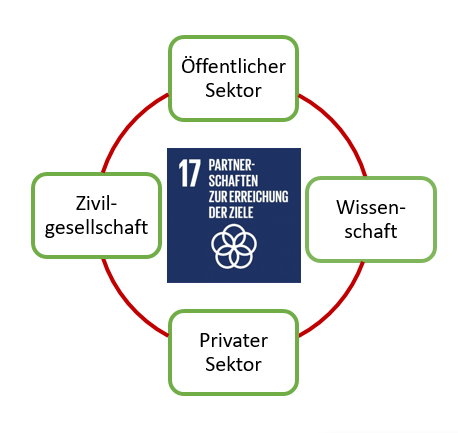
A Multi-Stakeholder Partnership (MSP) is designed as a transformative process that involves civil society, the private sector, as well as scientific and public actors. A particular focus is on establishing South-South and North-South dialogues with the aim of defining joint plans and enabling free exchange of technical and market-relevant information.
This process leads to a significant strengthening of the participating actors and thus serves UN Sustainable Development Goal 17 (Partnerships for the Goals).
Mangrove Ecosystems
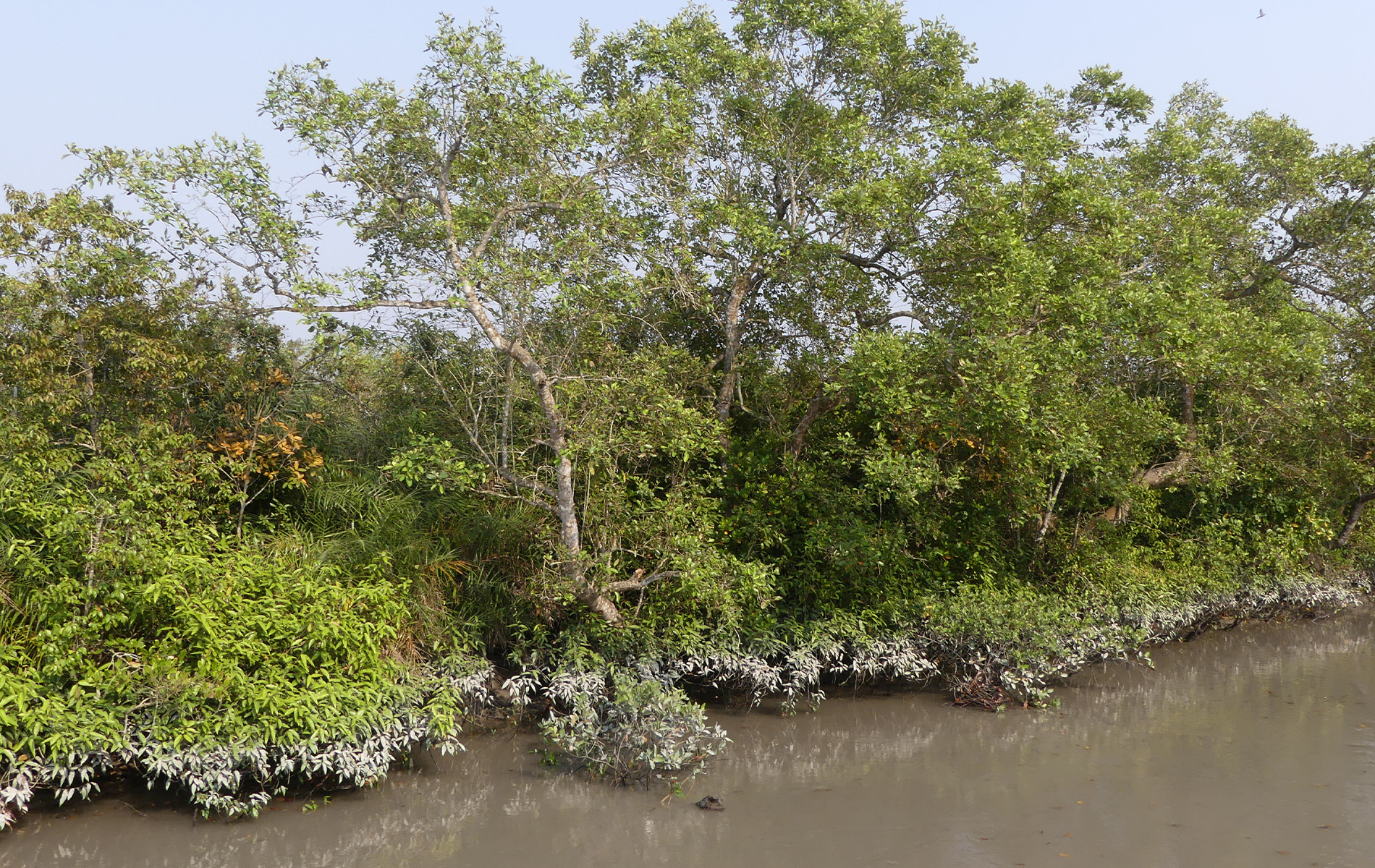
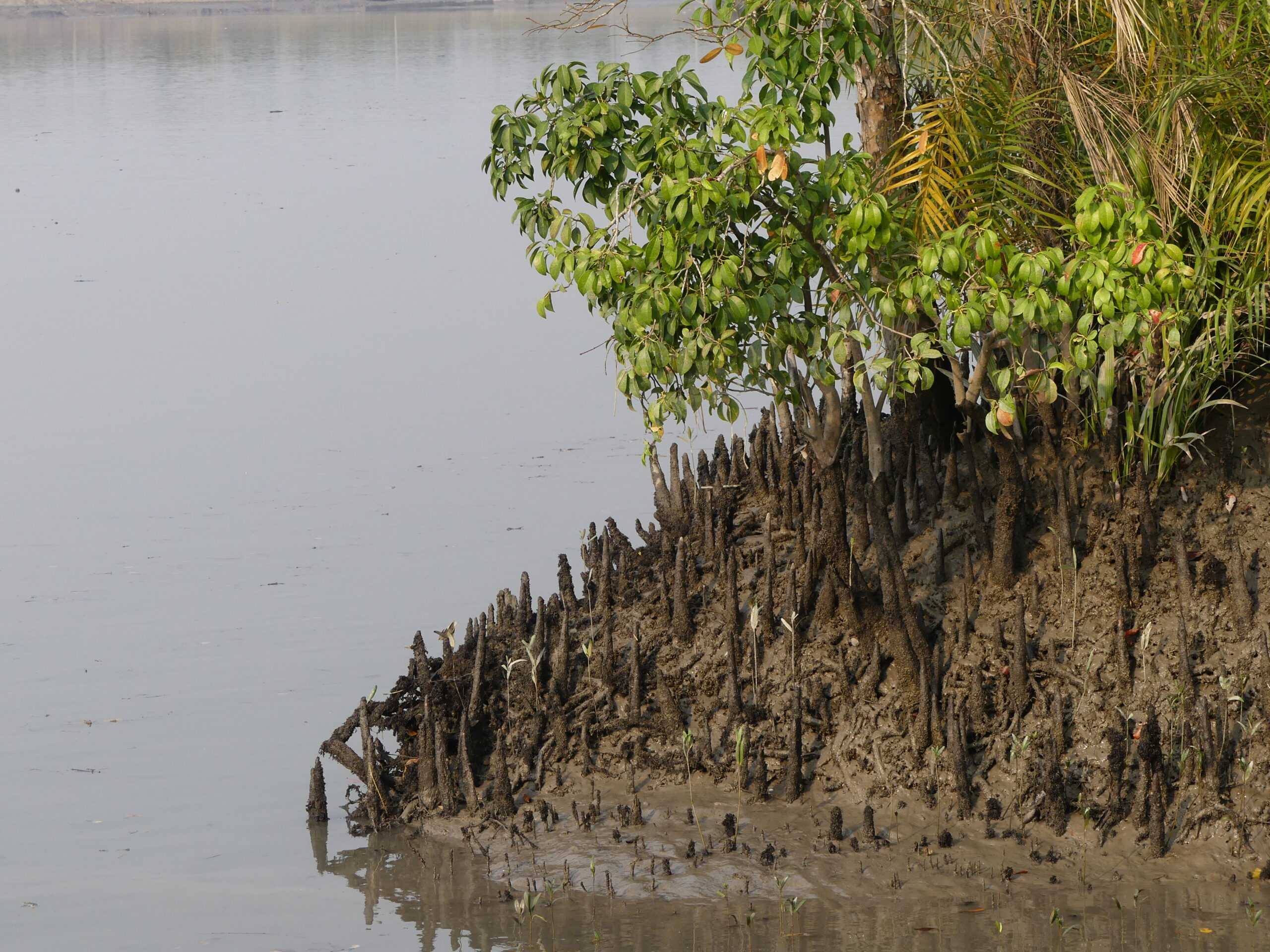
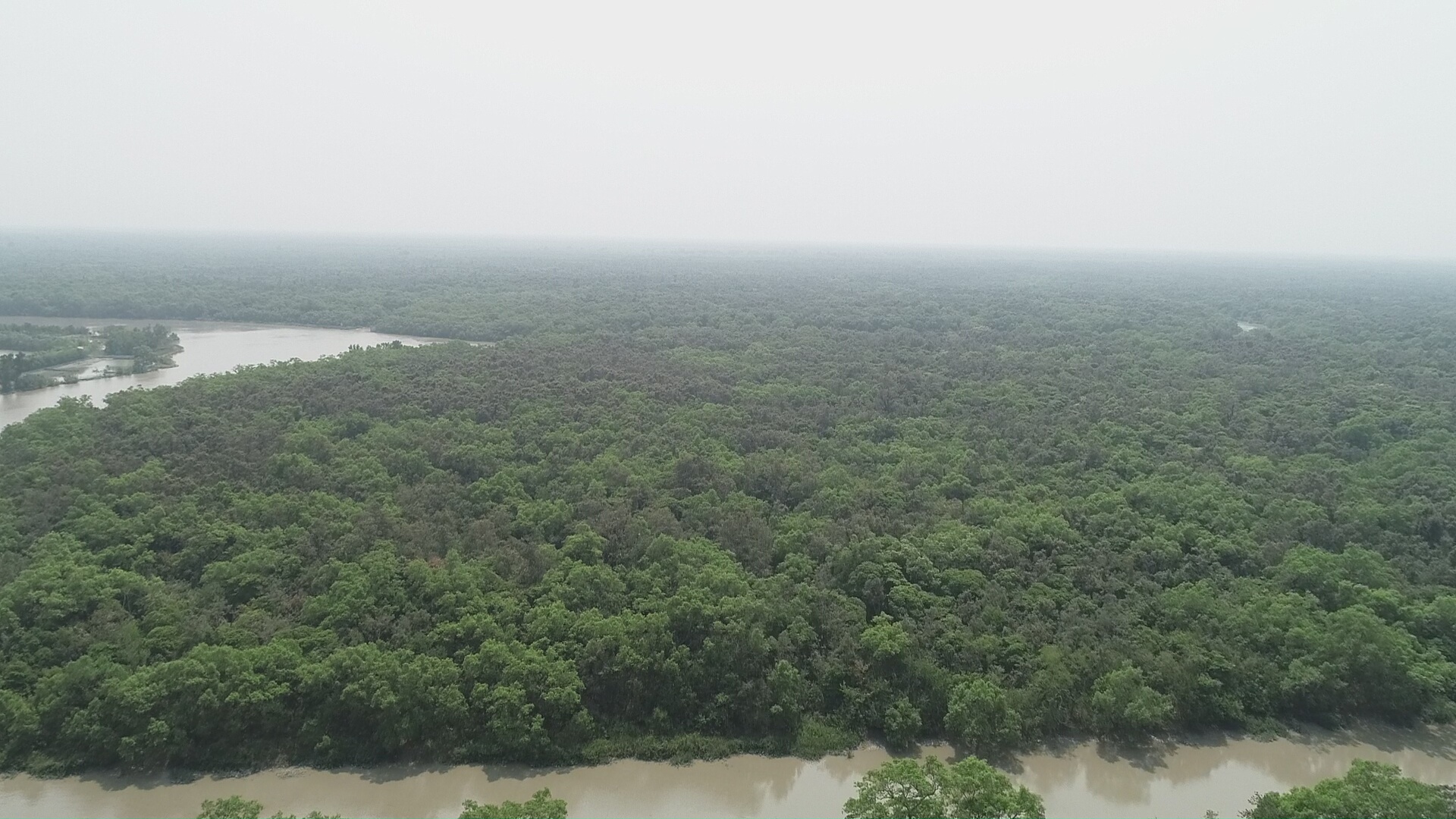
More than 20 percent of the world’s mangrove stock in tropical coastal regions has been lost since the 1980s. The habitats of these salt-tolerant plants are thus disappearing three to five times faster than tropical rainforests or coral reefs. This is particularly concerning given the immense ecological importance of mangroves at the boundary between water and land. The trees and the dense network of their roots, which stand like stilts in the water, provide habitat for a multitude of rare mammals, reptiles, and birds. They serve as a refuge and nursery for countless fish and crustacean species and retain large amounts of sediment. Thus, the mangrove forest protects coastlines from erosion, tropical cyclones, and storm surges. And it is also an effective tool against climate change: healthy mangrove forests store more carbon than any other forest—up to 1,000 tons per hectare. Since 2005, the Global Nature Fund (GNF) has been engaged in mangrove protection in Asia, and since 2018 in the Sundarbans region.
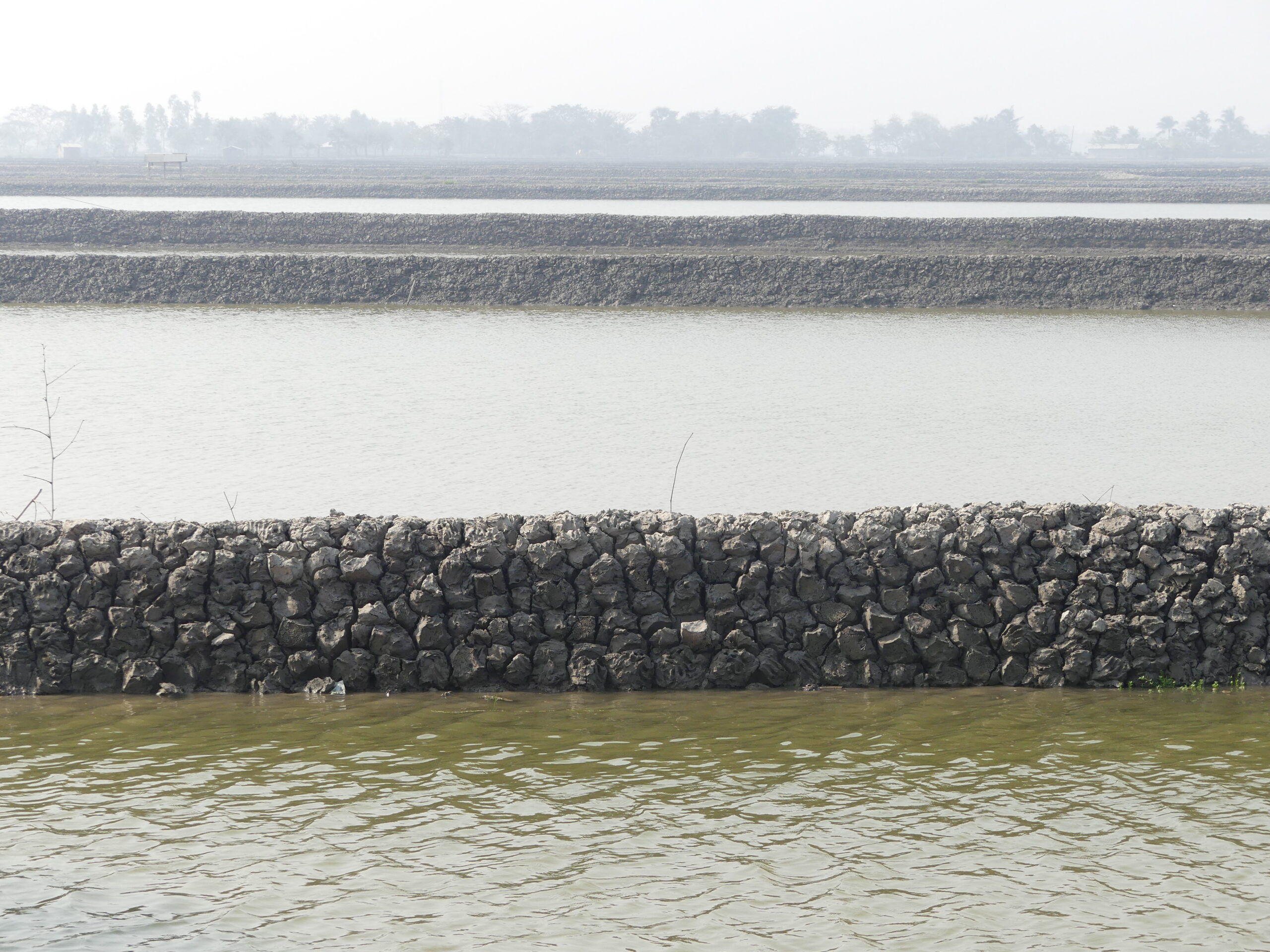
Integrated Mangrove Aquaculture (IMA)
Many mangrove forests have been cleared for intensive aquaculture. This must be stopped. In the long term, these areas should be converted to extensive aquaculture.
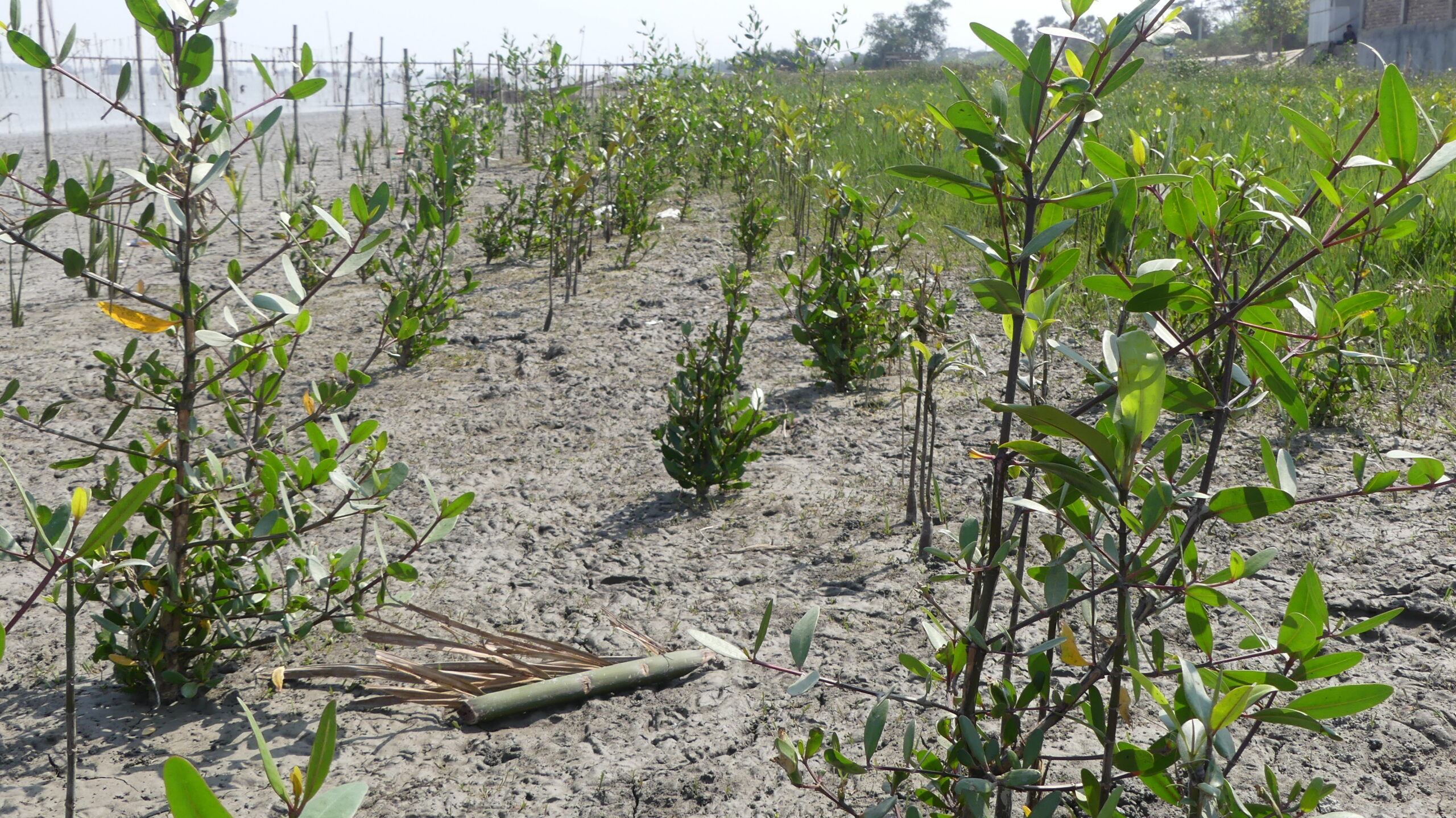
The SAIME project implements Integrated Mangrove Aquaculture (IMA). In this extensive cultivation method, with low stocking densities and without additional feed input, mangroves are planted in the ponds and dikes of the farming facilities. This increases biodiversity in the cultivation areas and has positive effects on aquaculture, e.g., falling leaves from the mangrove trees serve as a food source for the shrimp.
Project Regions in India and Bangladesh
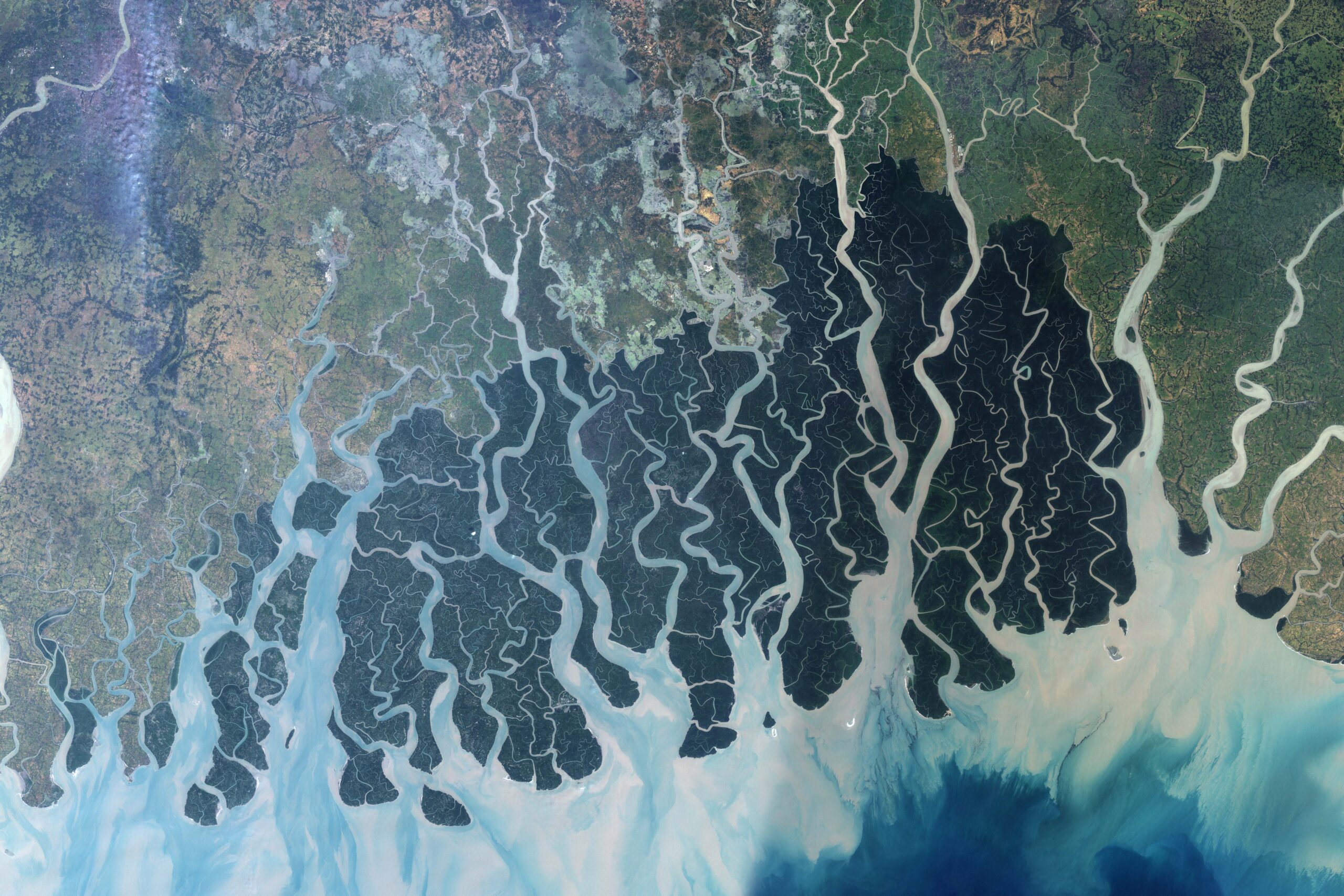
The Sundarbans (literally “beautiful forest”) are the largest mangrove forests on Earth. They cover an area of approximately 10,000 km². Of this, approximately 6,000 km² are in Bangladesh and 4,000 km² in the Indian state of West Bengal.
The mangrove forests are located in a low-lying estuary and flood zone of the Brahmaputra, Ganges, and Meghna, which discharge precipitation from the southern slopes of the Himalayas as well as seasonally large water masses from the monsoon zone into the sea. The species-rich ecosystem is difficult to access and widely branched, as the rivers split into numerous tributaries and estuaries in the Ganges Delta. The endangered Bengal tiger and the endemic Sundari tree are native here.
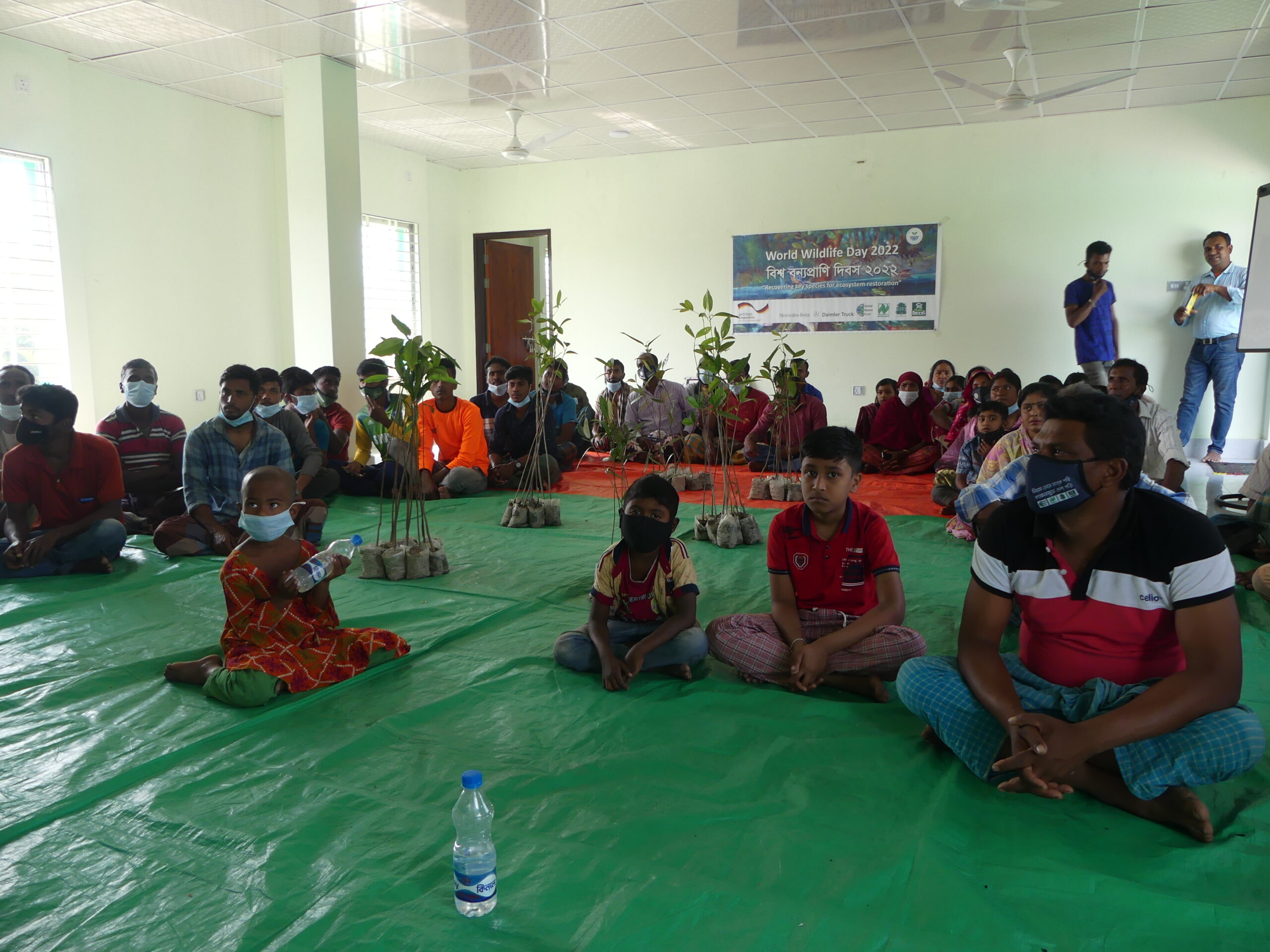
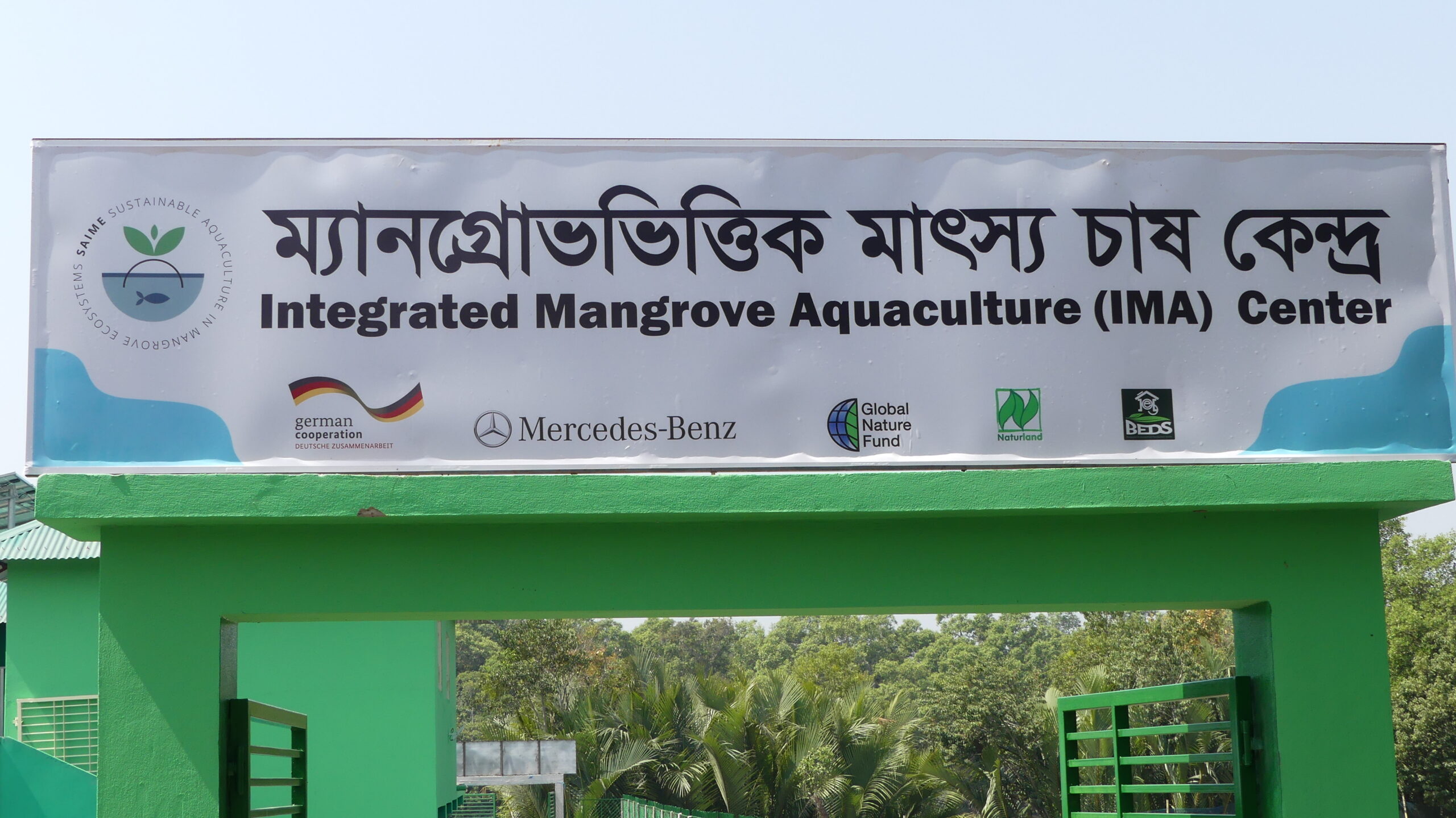
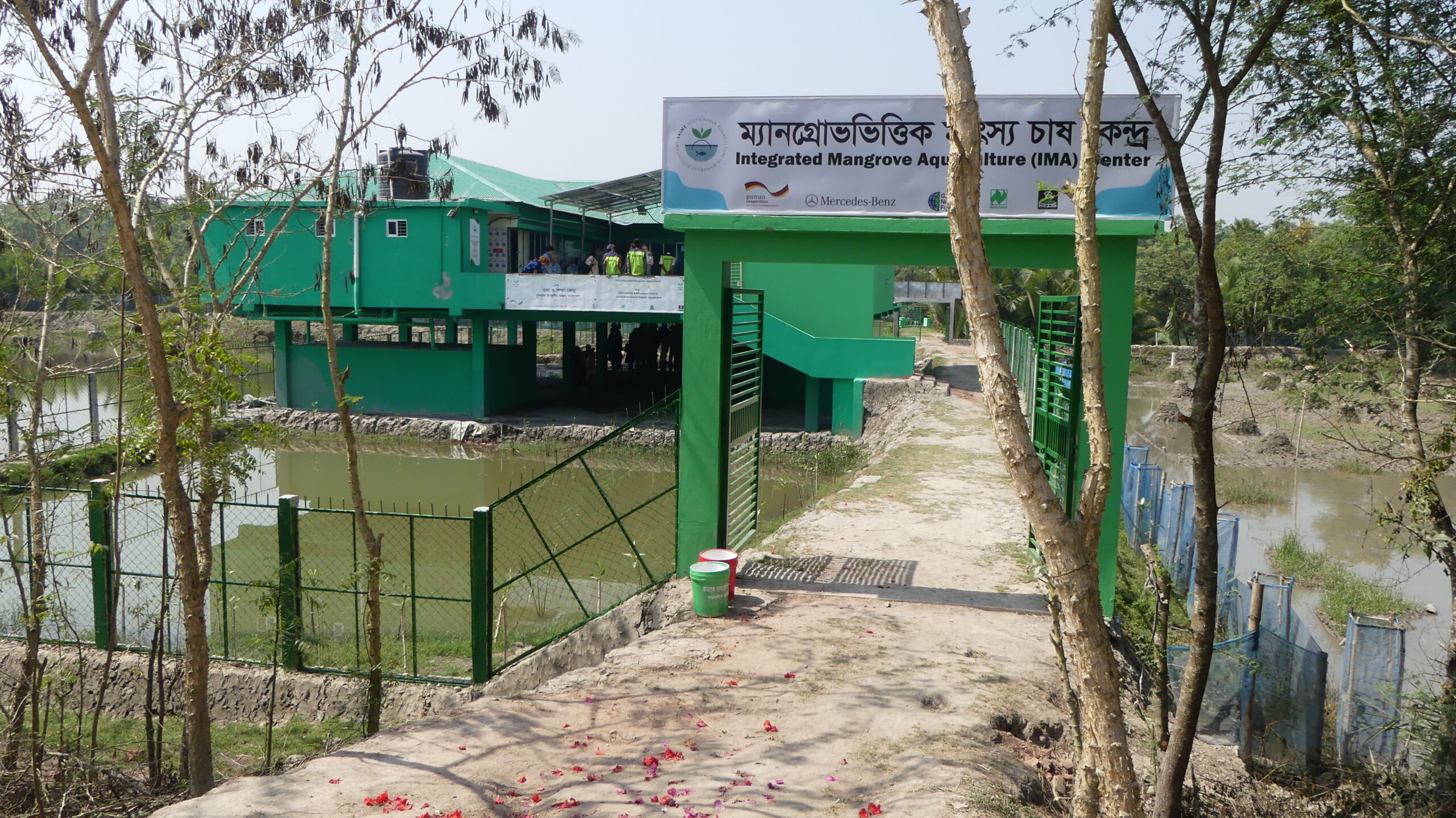
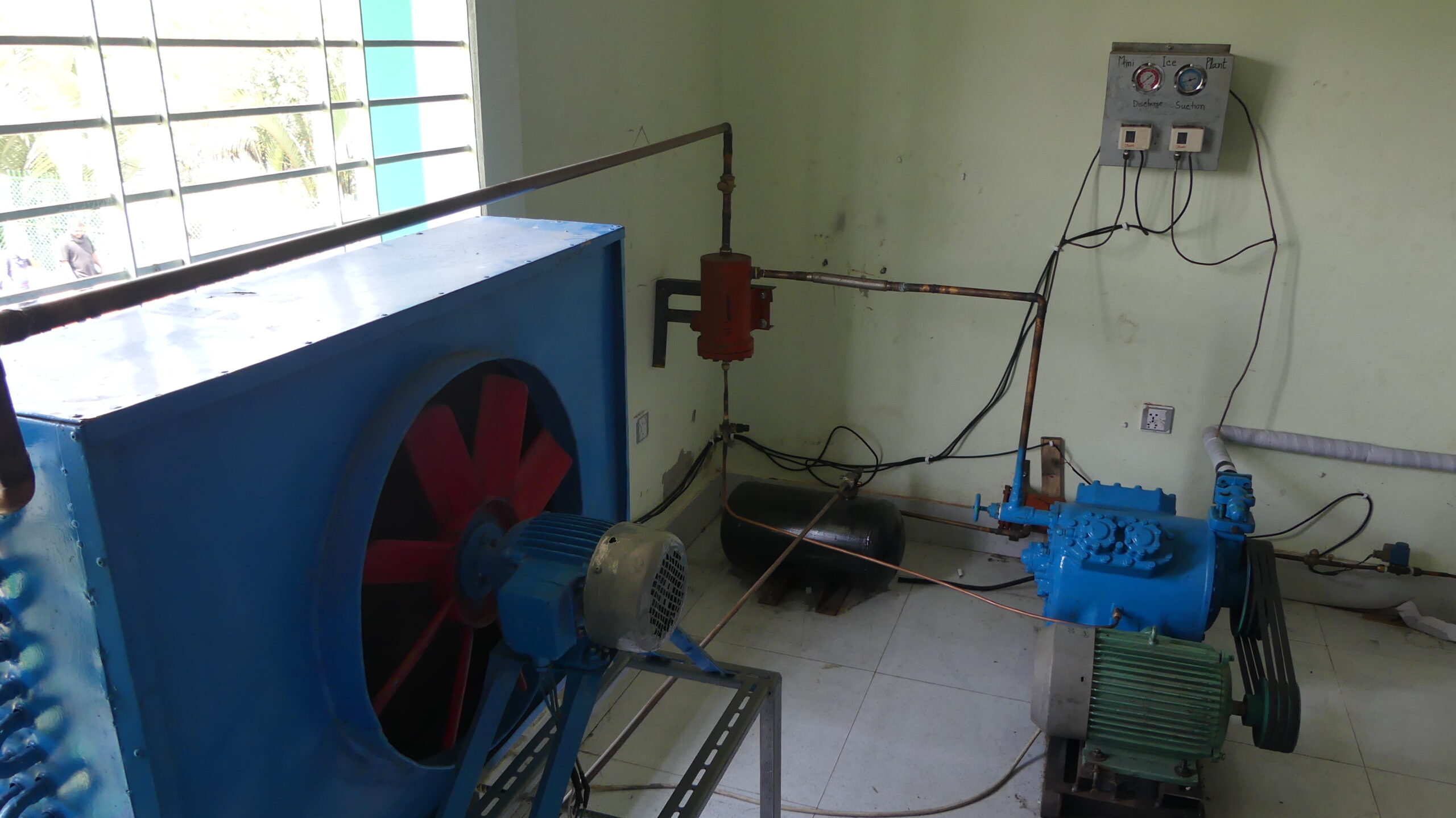
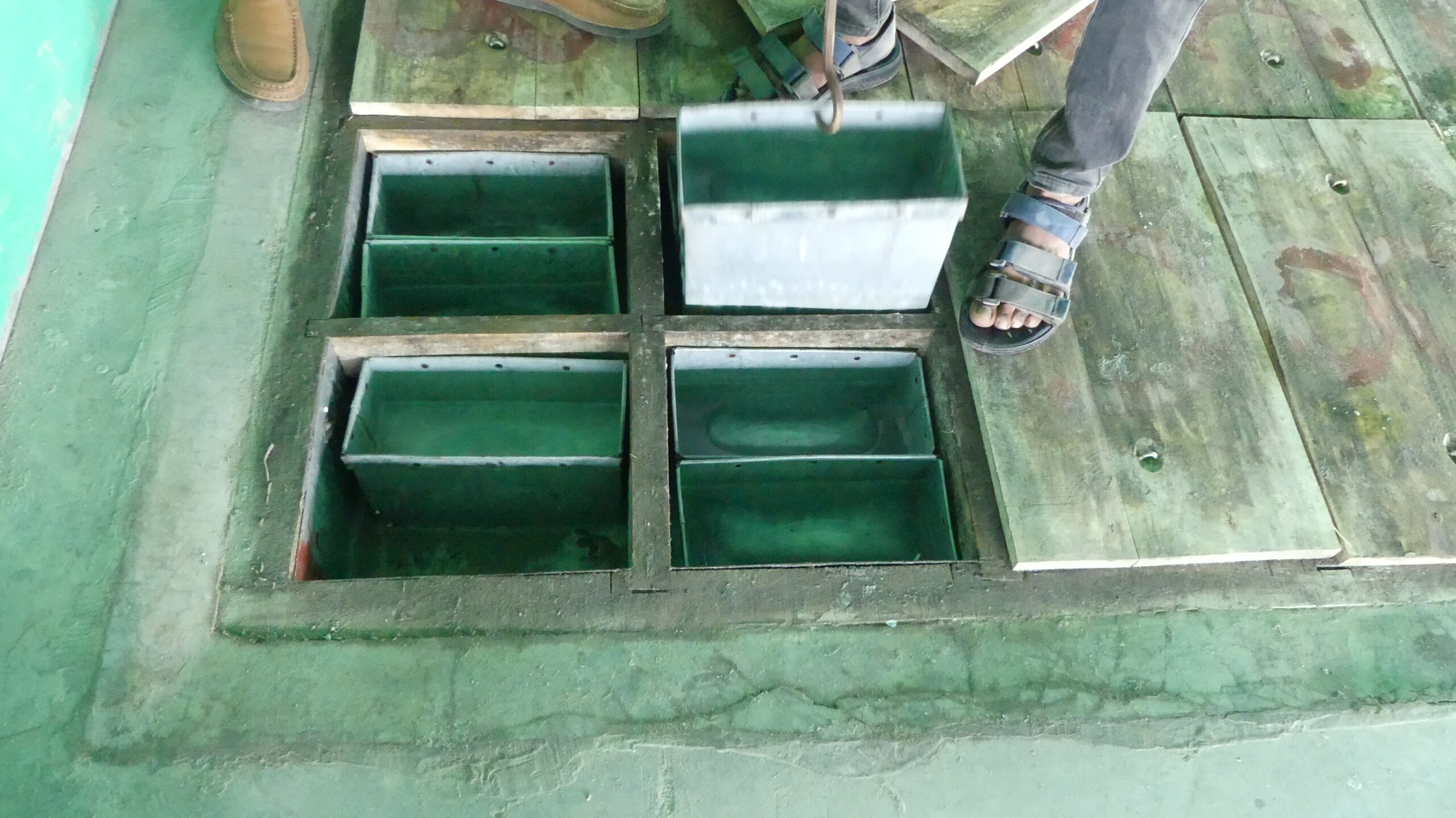
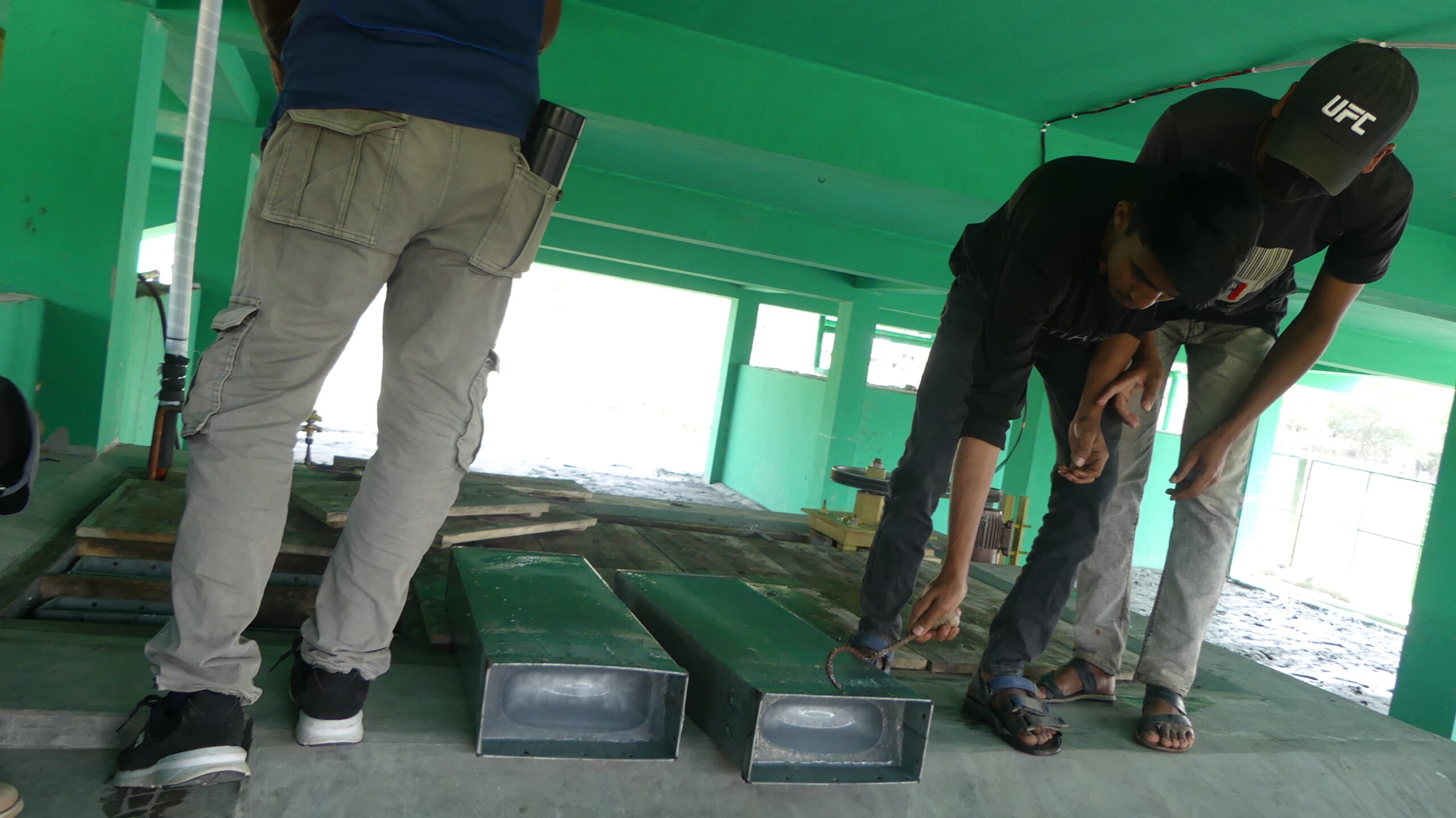
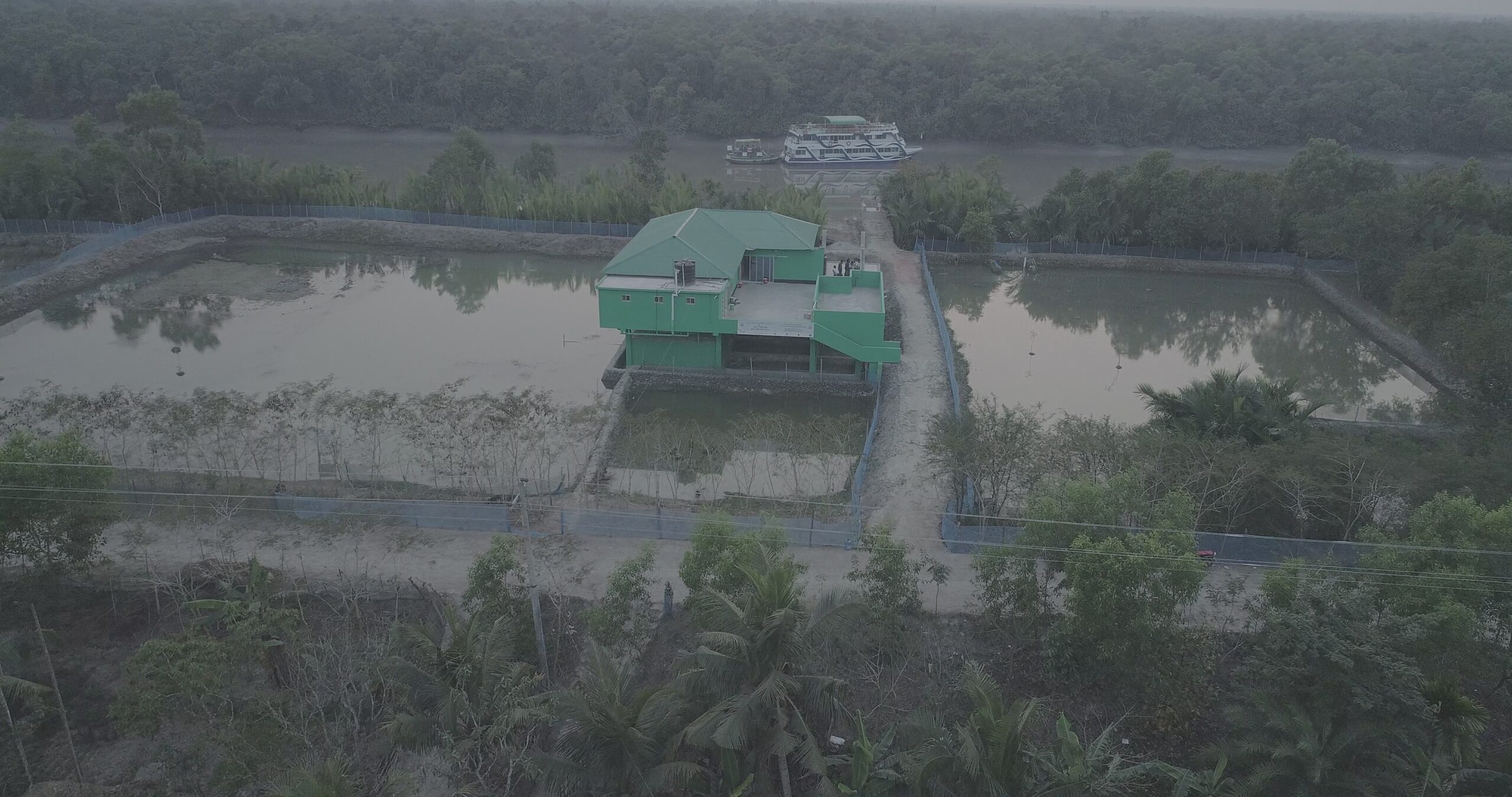
Overall, valuable foundations have been established in the first phase of the SAIME project to further expand this approach. In Bangladesh, a central cooperative building has been constructed, which is used for training but also as a cold storage facility for the shrimp of the pilot farmers.
Implementation of IMA in the SAIME Project
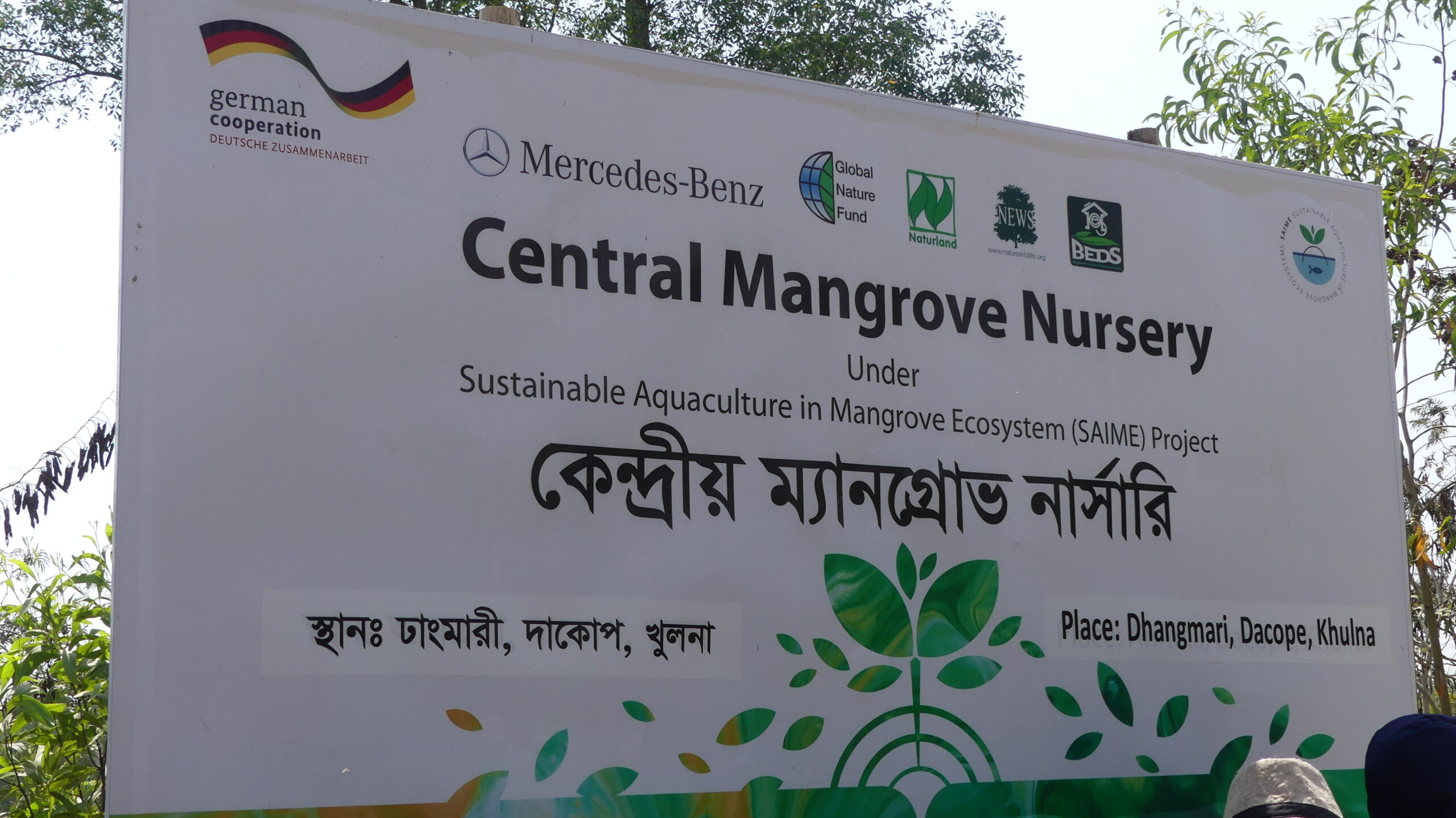
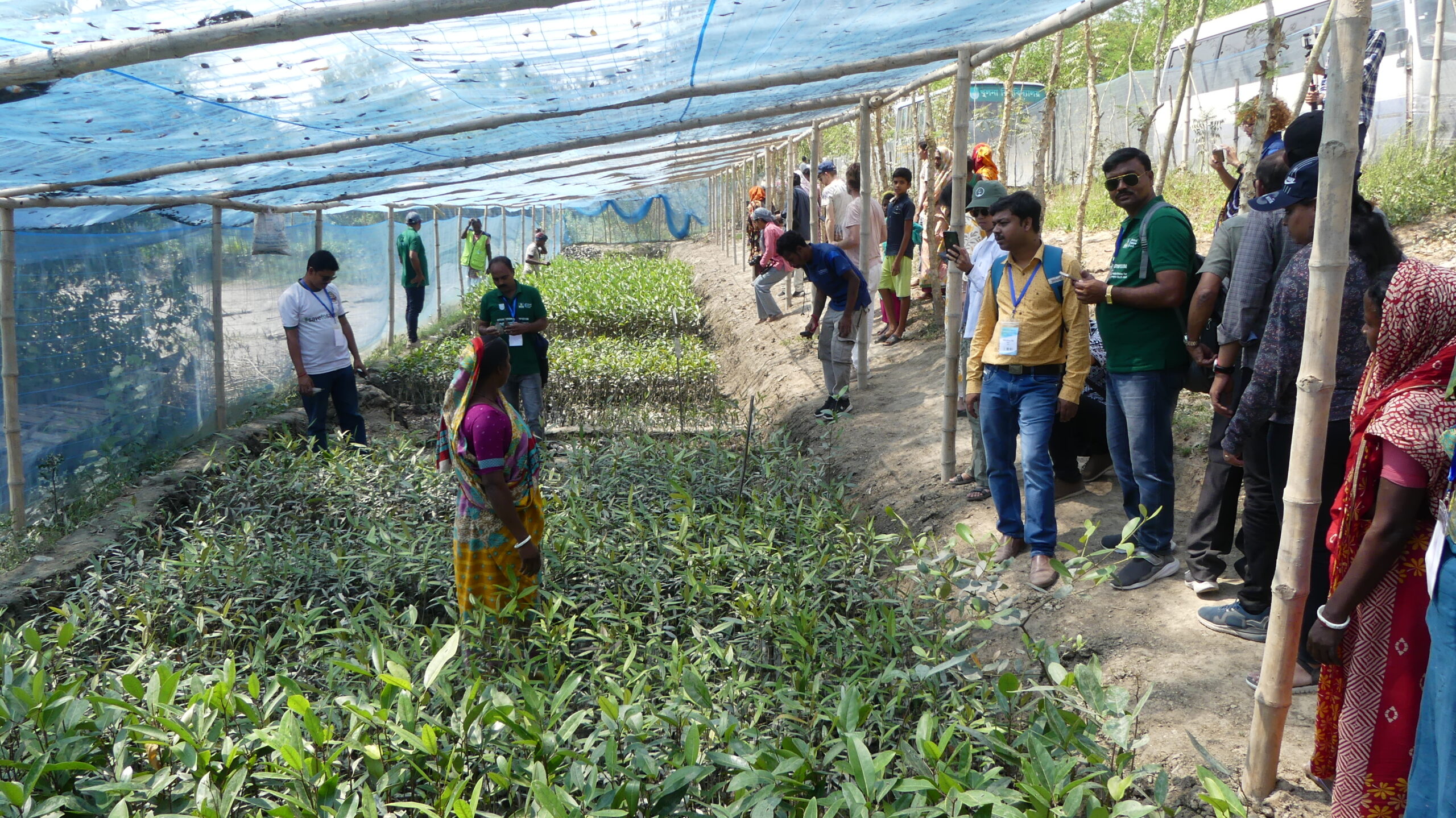
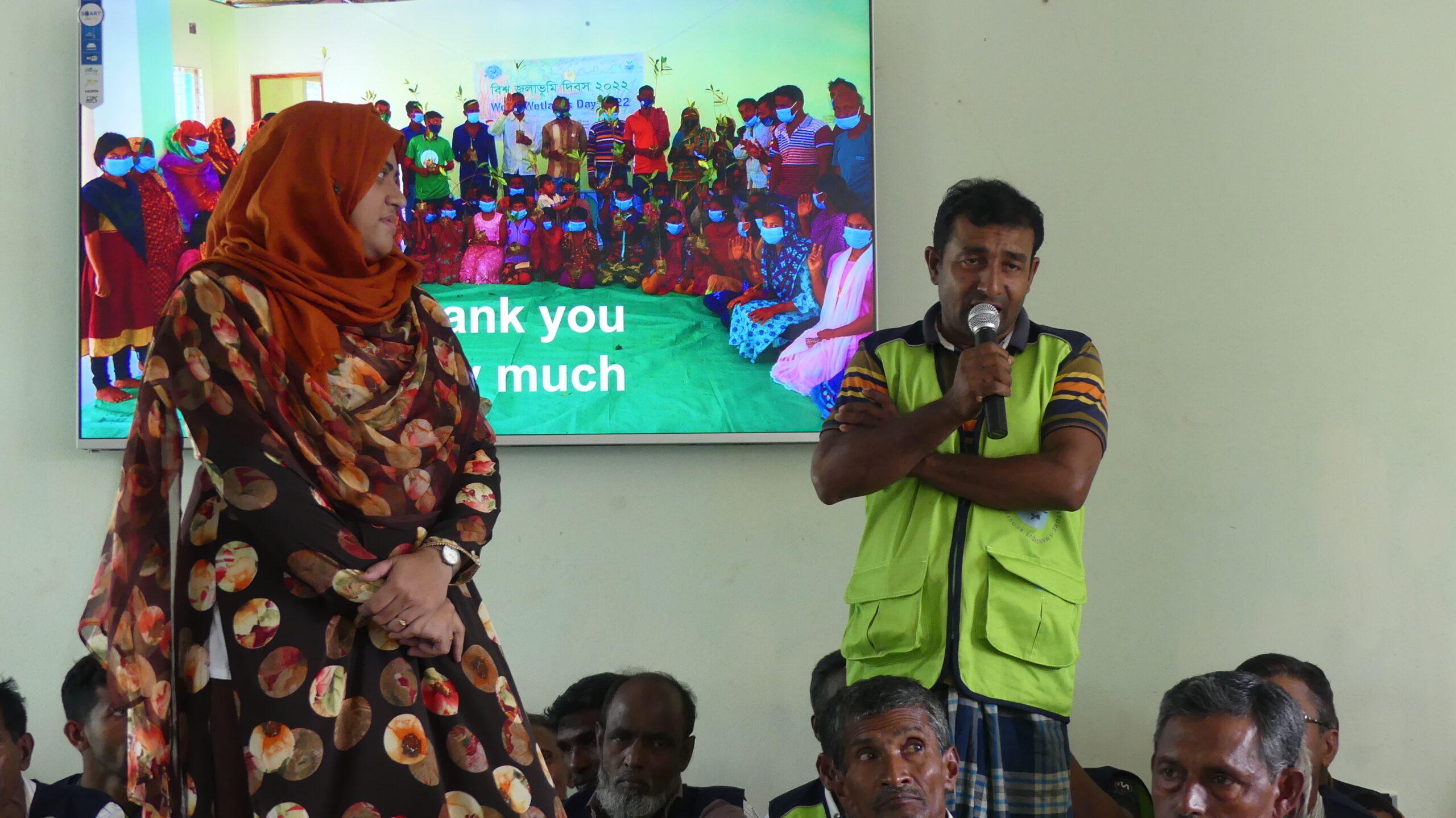
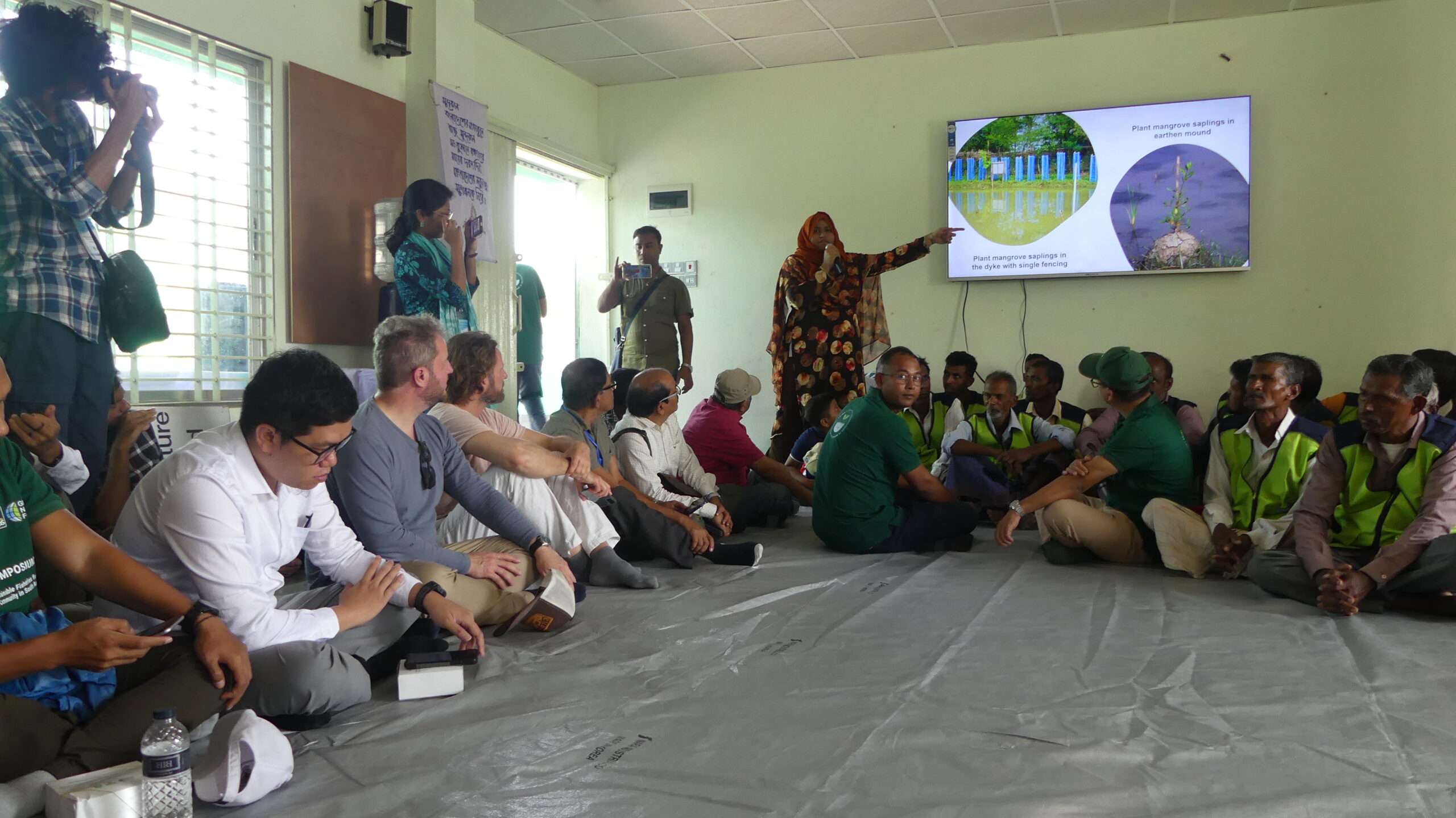
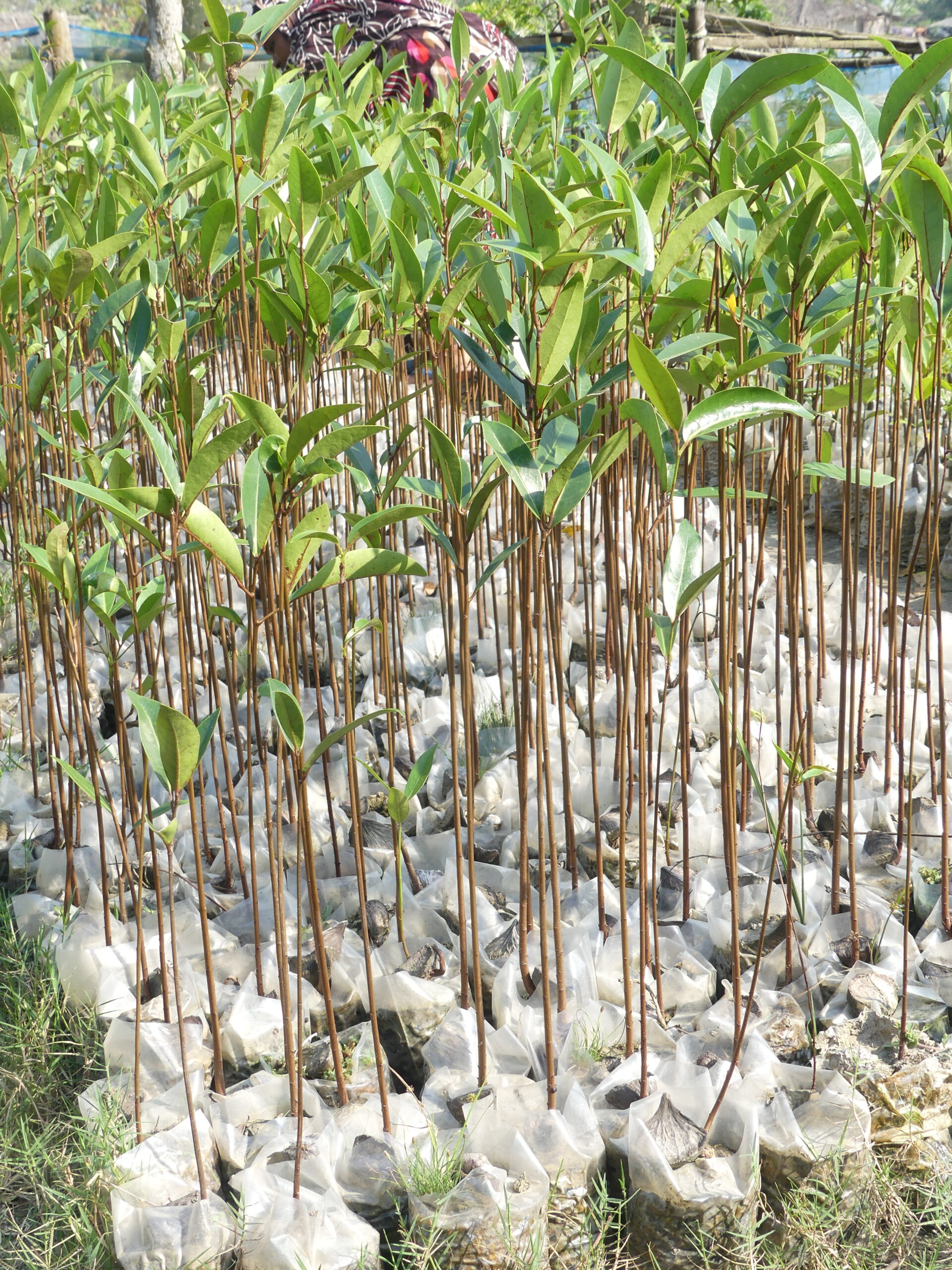
At a total of three project sites in India and Bangladesh, numerous farmers have been trained by local partners in the practices of Integrated Mangrove Aquaculture. In addition, nurseries have been established that are managed by women. Here, the seedlings are grown that are later planted in the aquaculture facilities. Through the sale of mangrove seedlings to other NGOs or communities outside the project region, additional income is generated. The farmers are now organized in cooperatives and officially registered.

Publications
Current Events
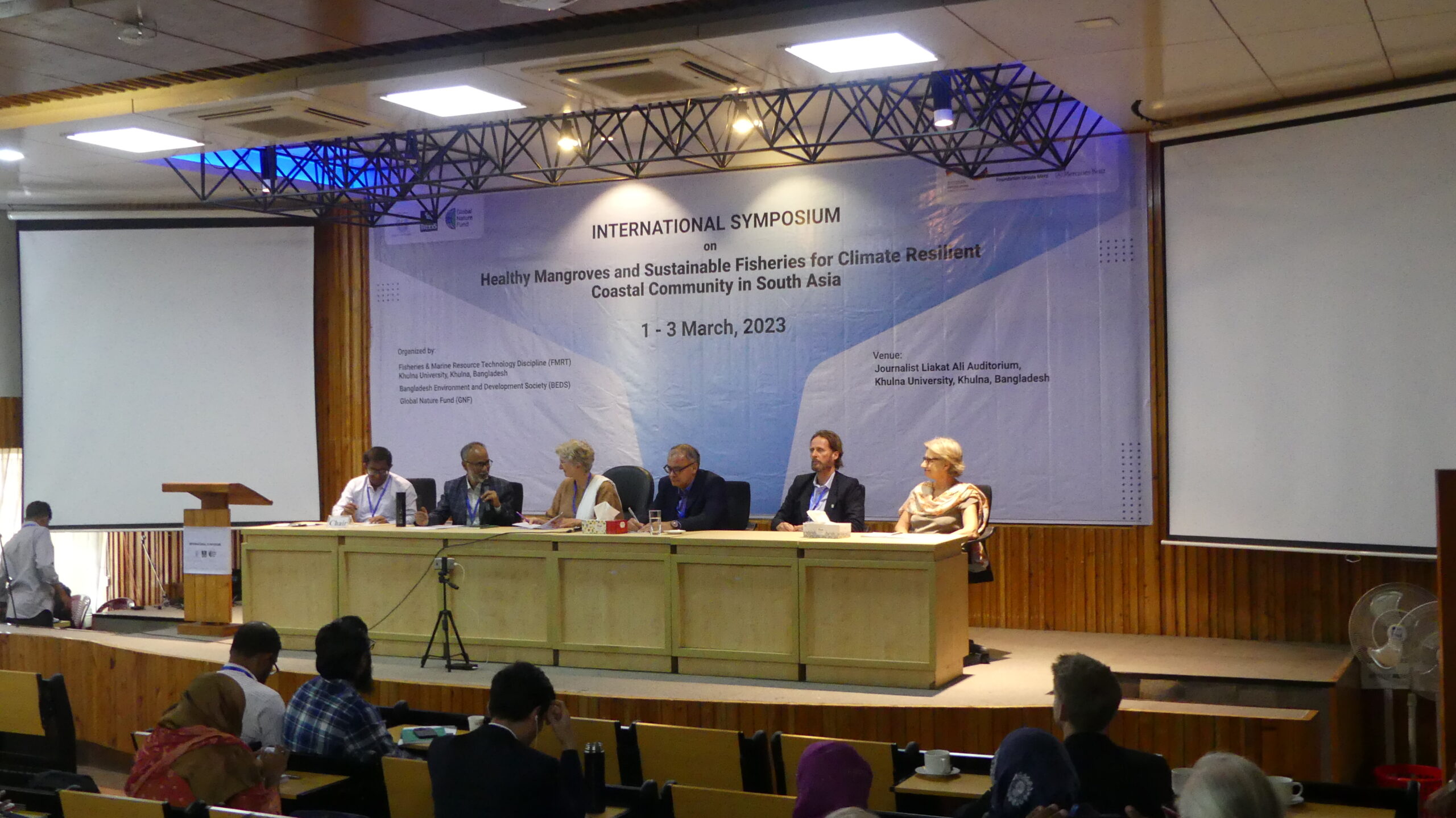
International Symposium on Mangrove Ecosystems and Sustainable Fisheries (March 1-3, 2023)
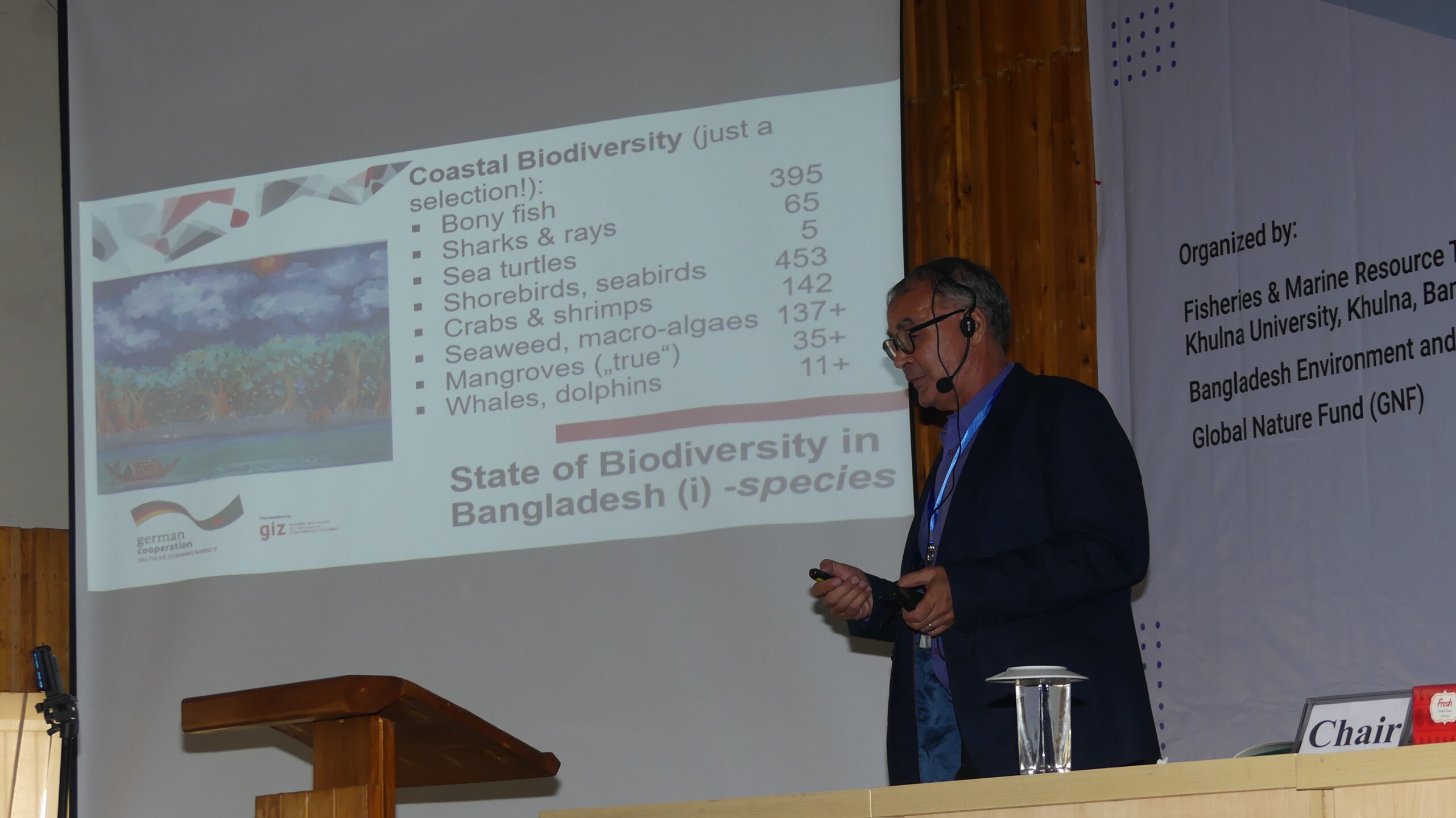
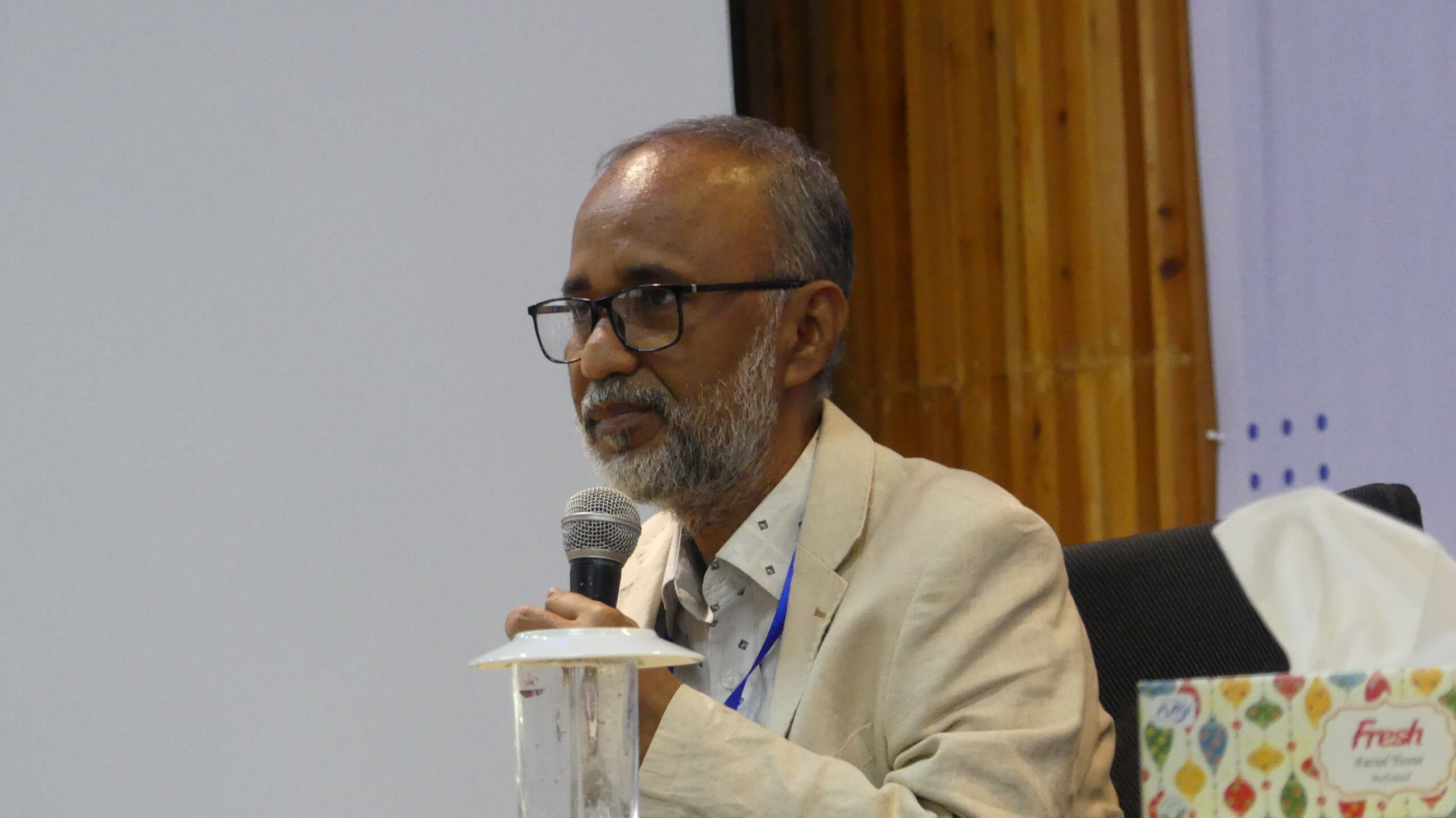
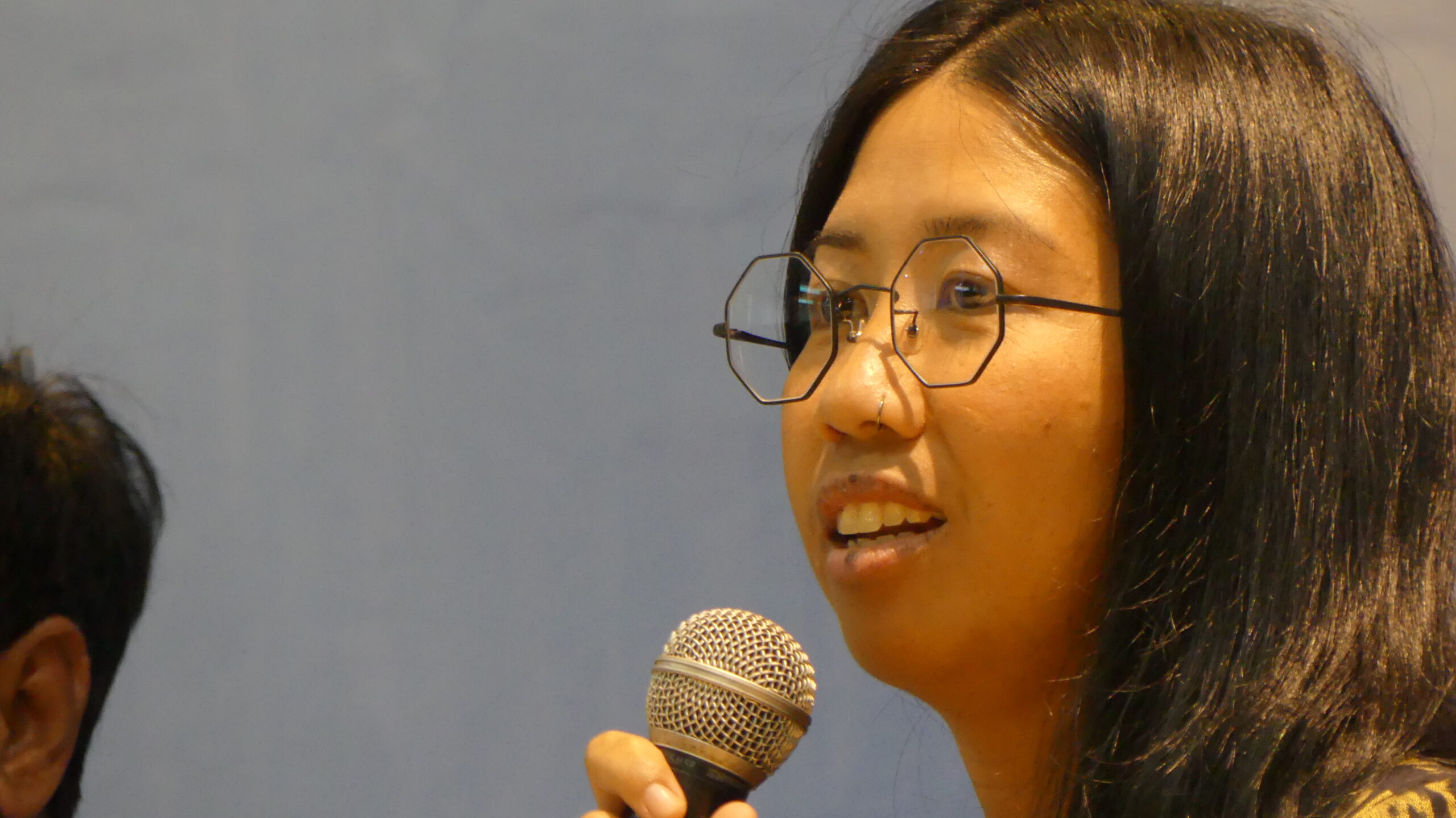
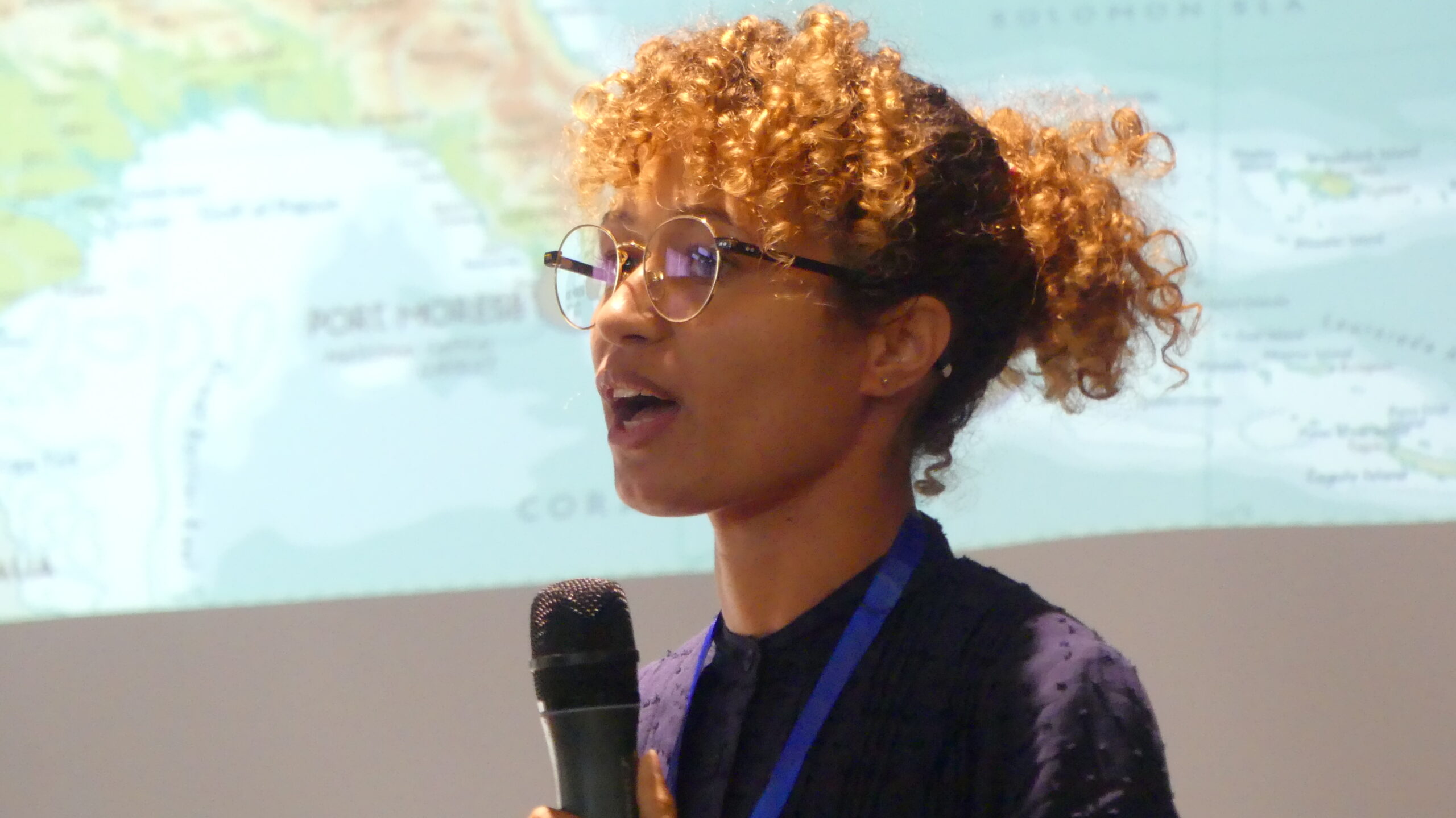
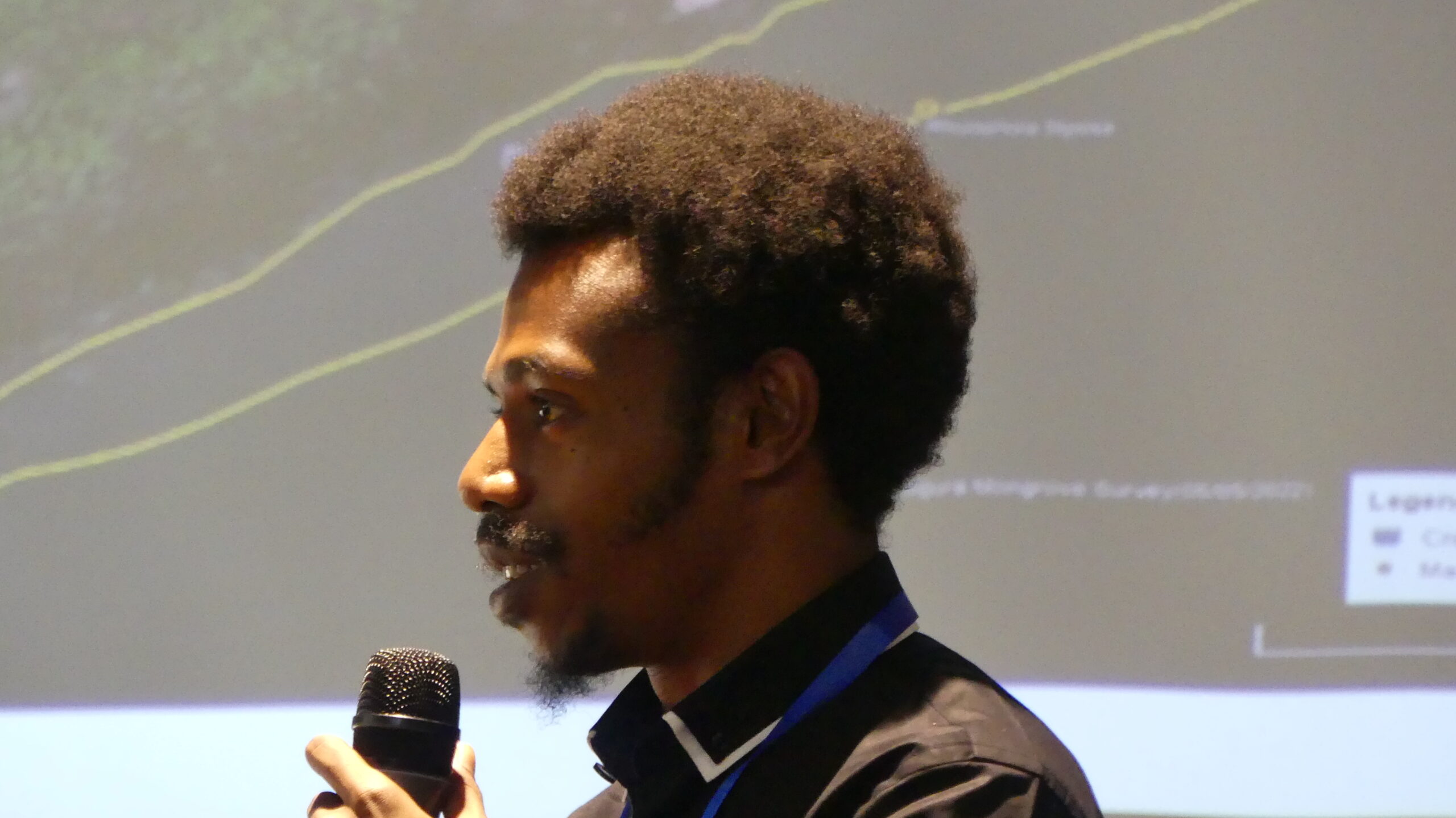
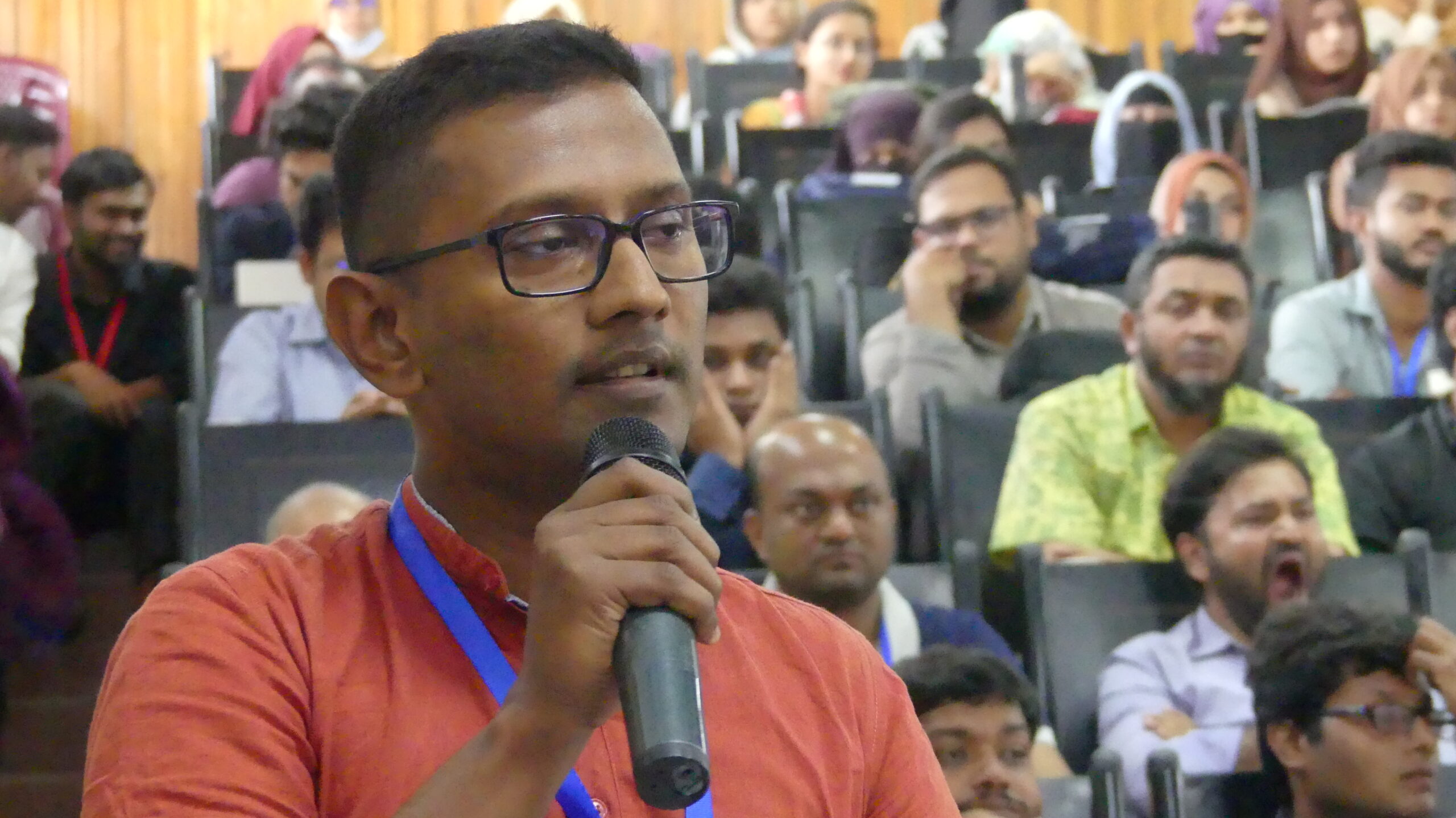
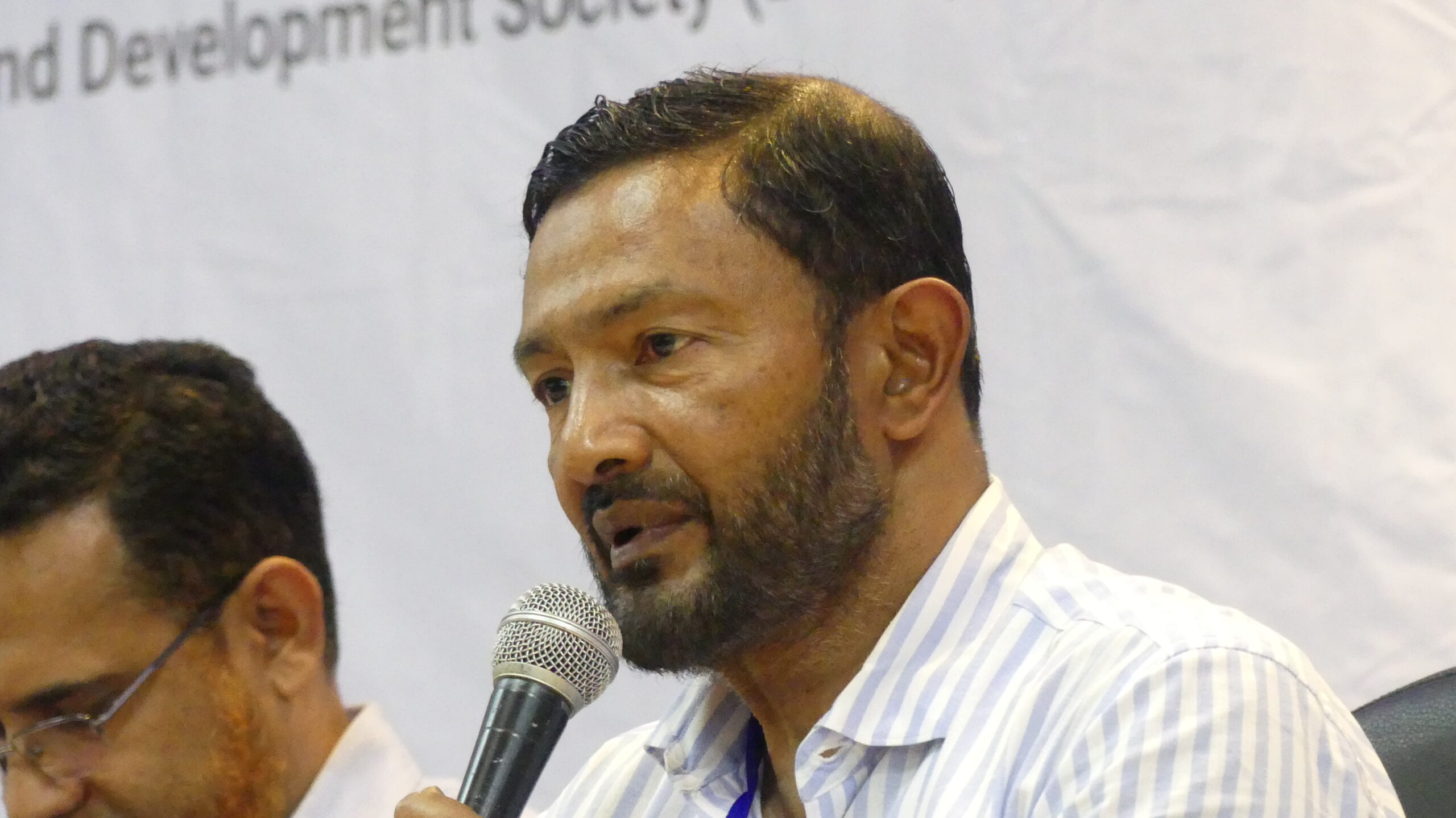
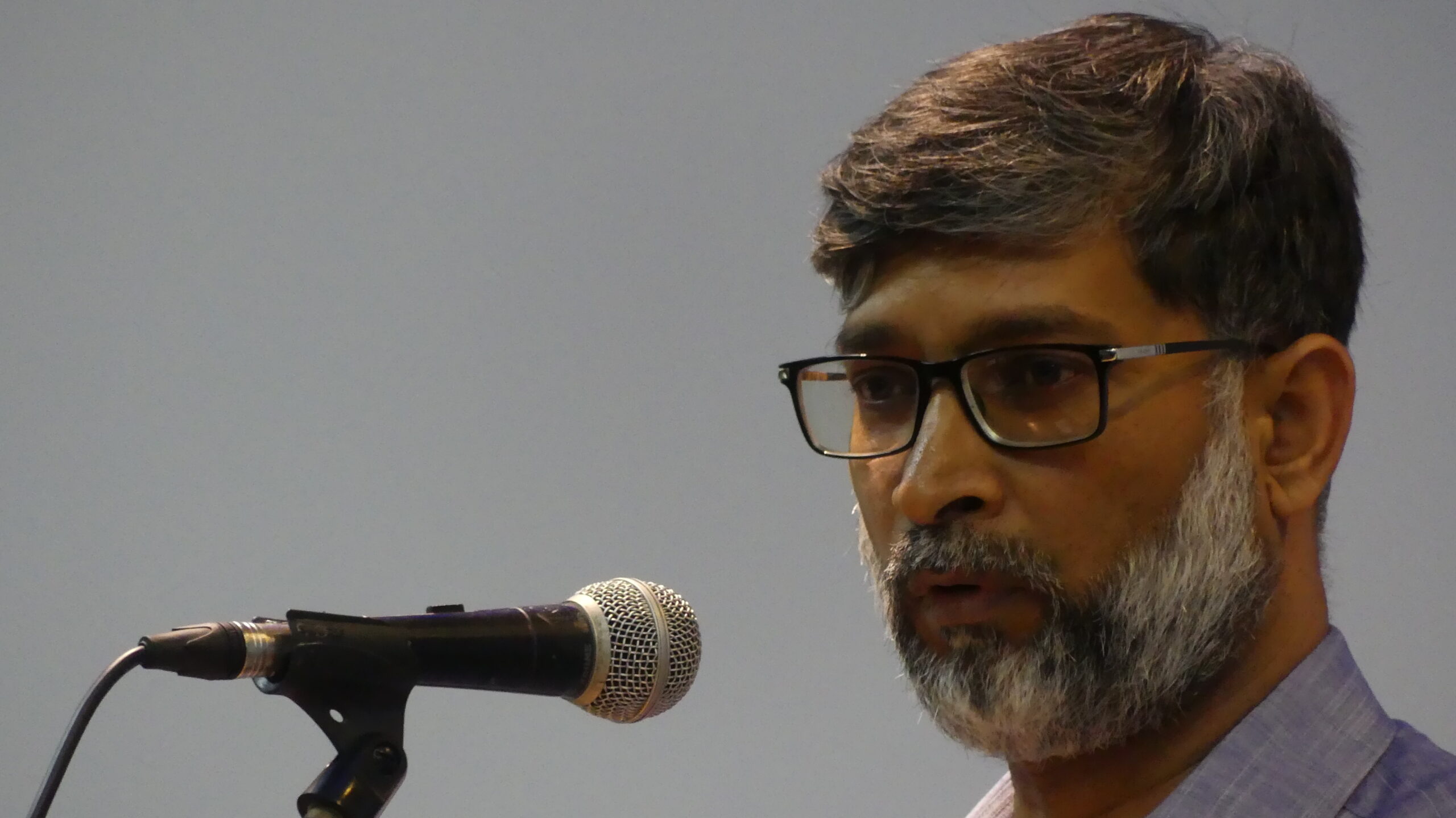
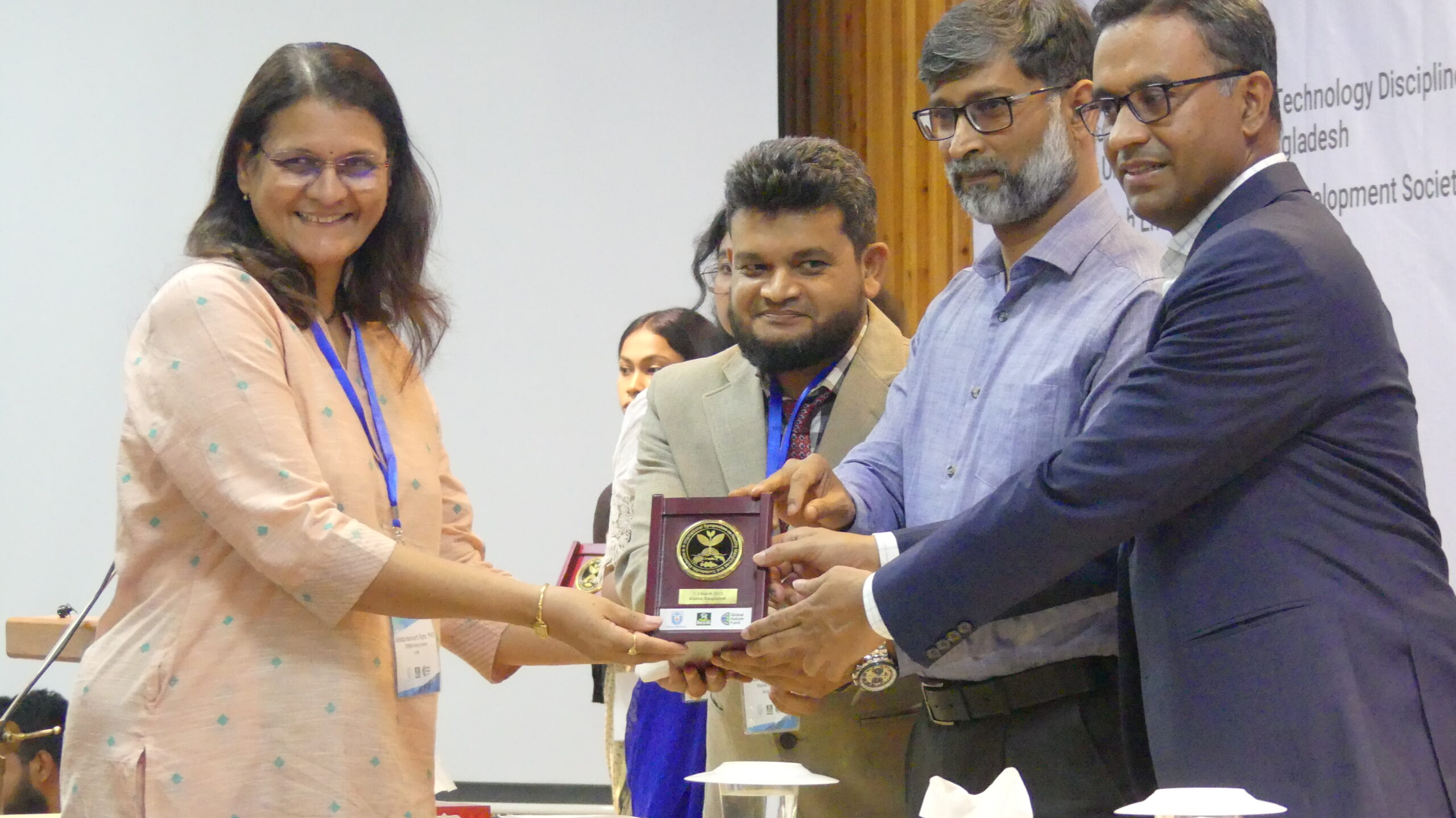
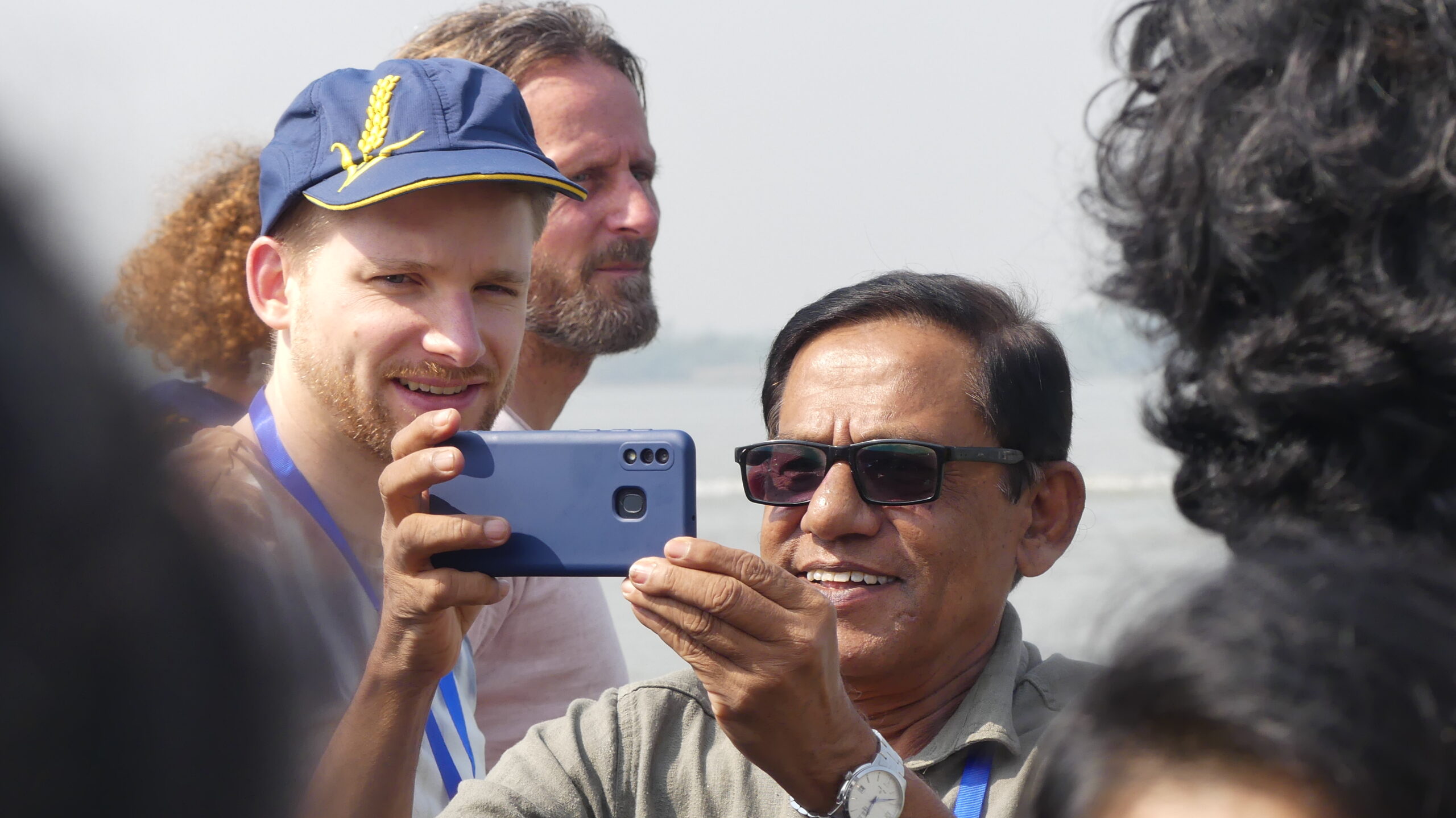
From March 1-3, 2023, an international symposium on mangrove ecosystems and sustainable fisheries took place. 300 participants from 10 nations discussed the pressing issues. A poster presentation with 100 posters and a 2-day field trip rounded out the event.









Dialogue Forum on Mangrove Aquaculture (February 13, 2023)
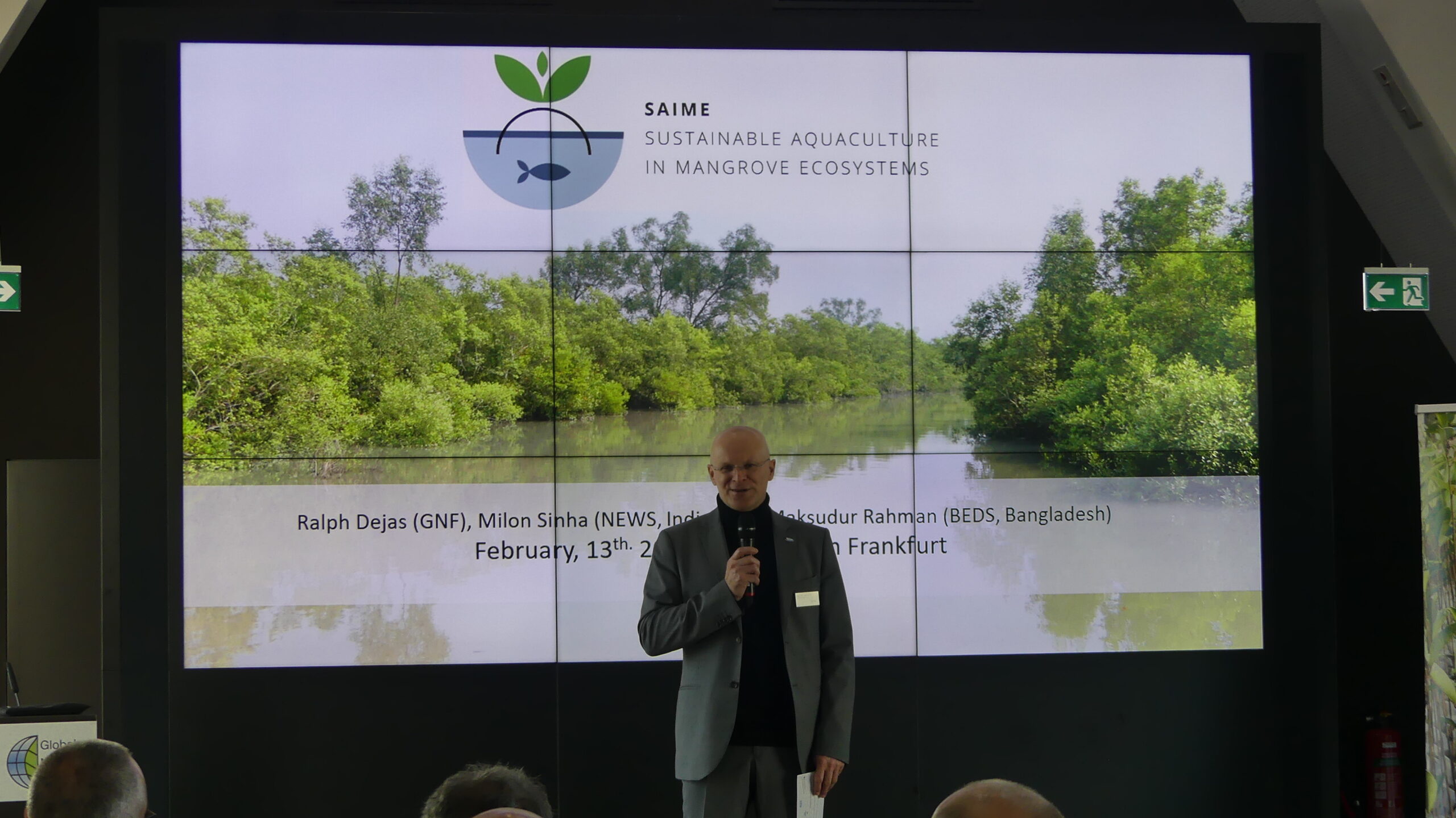
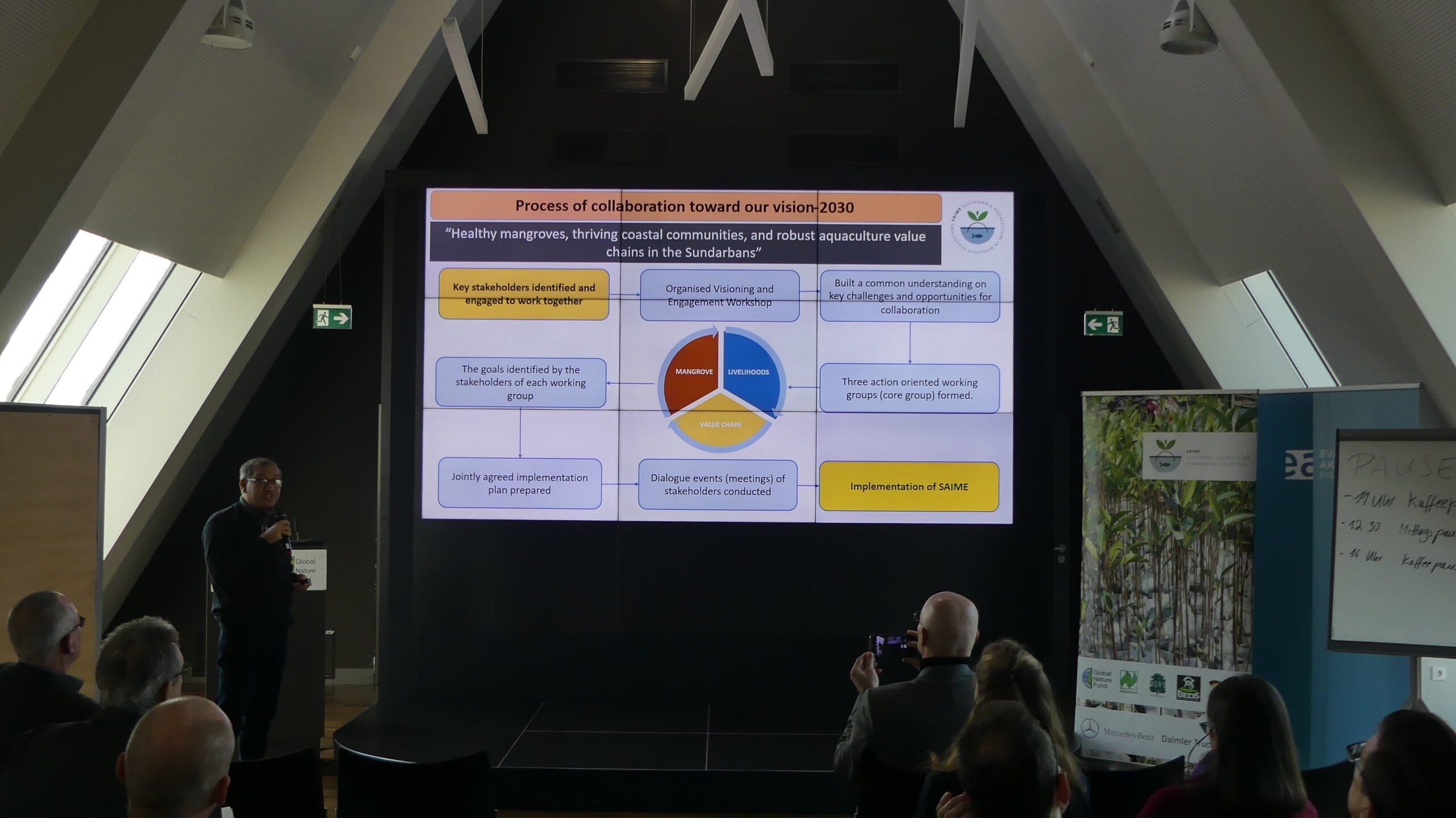
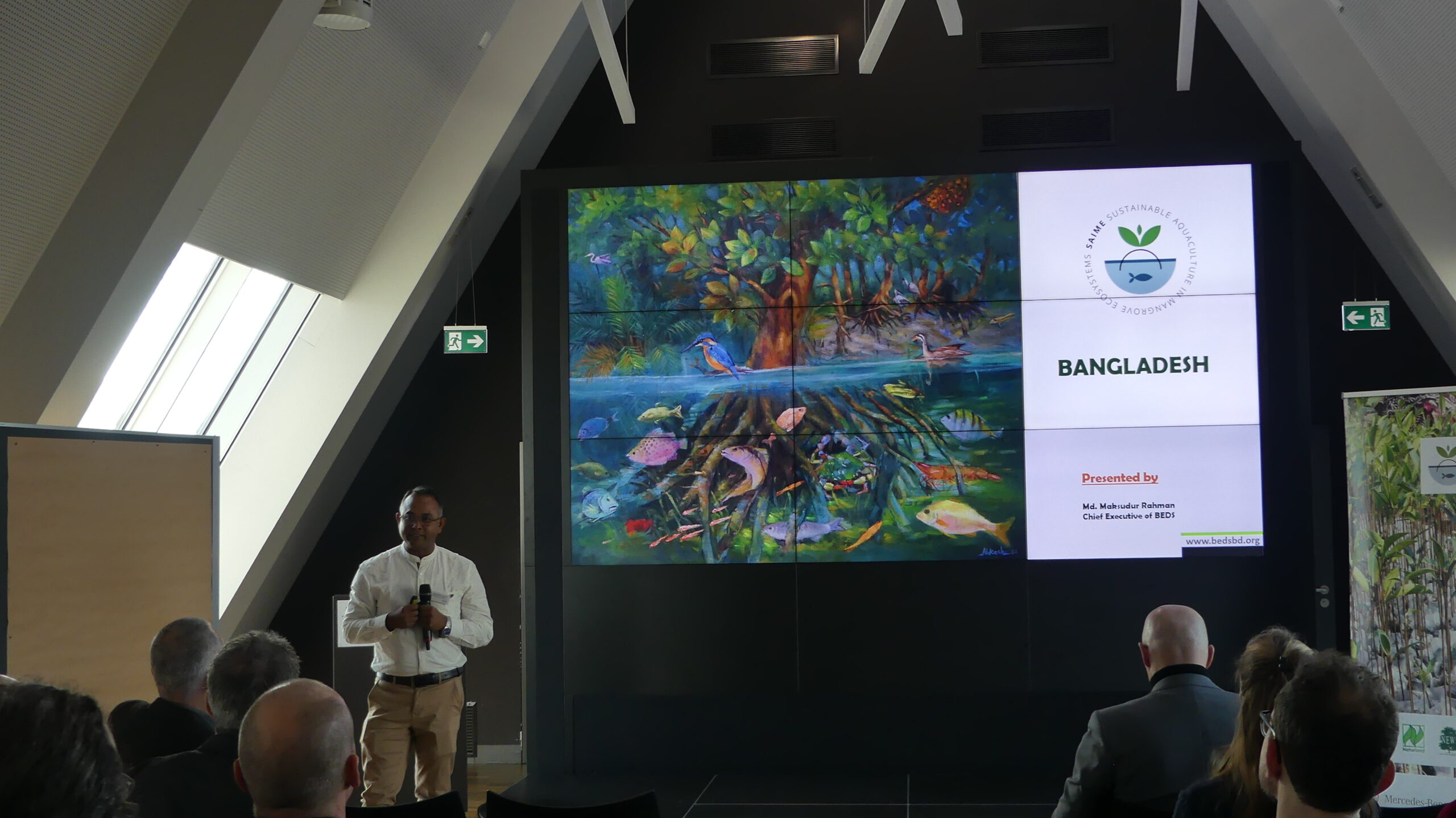
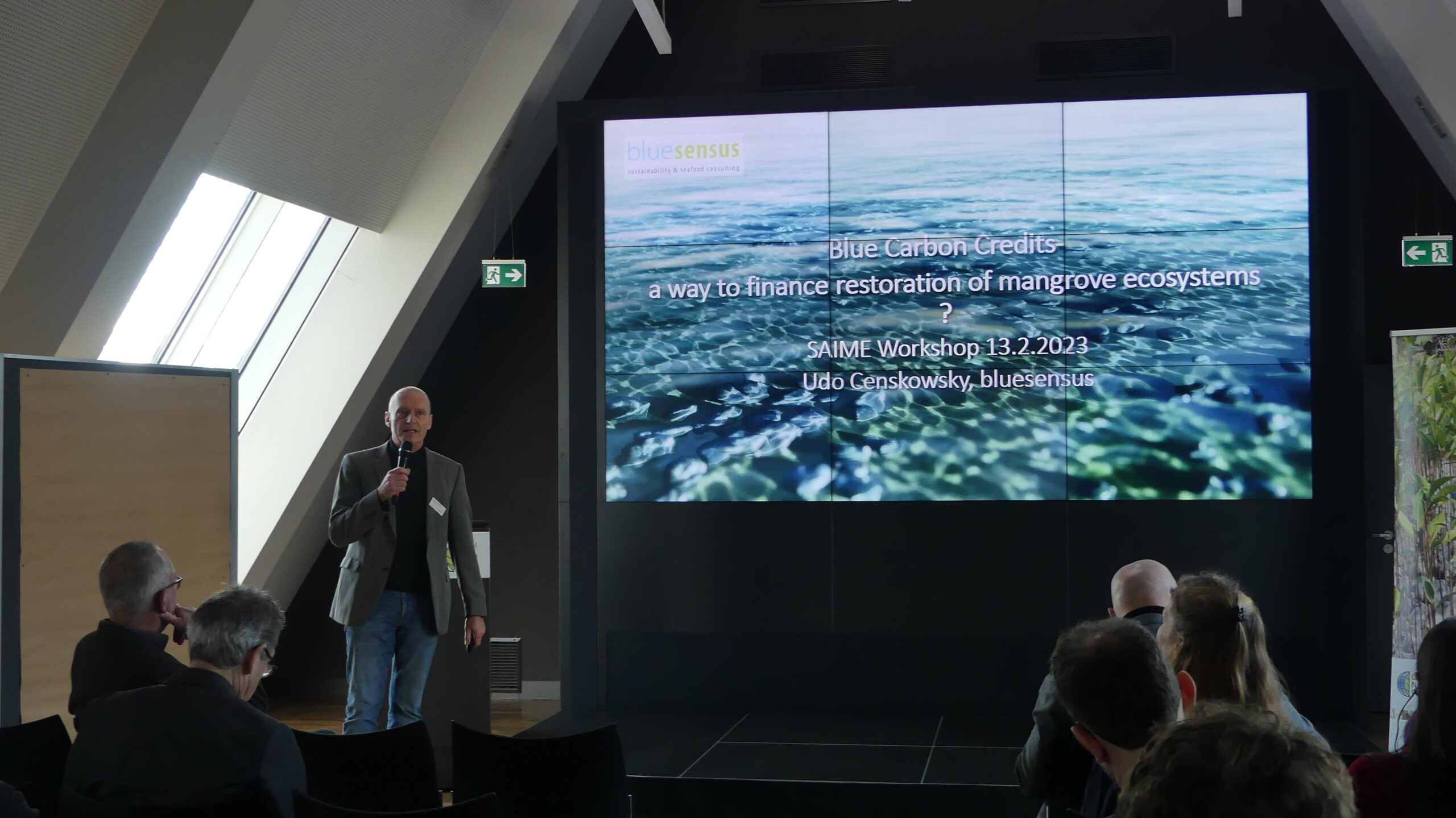
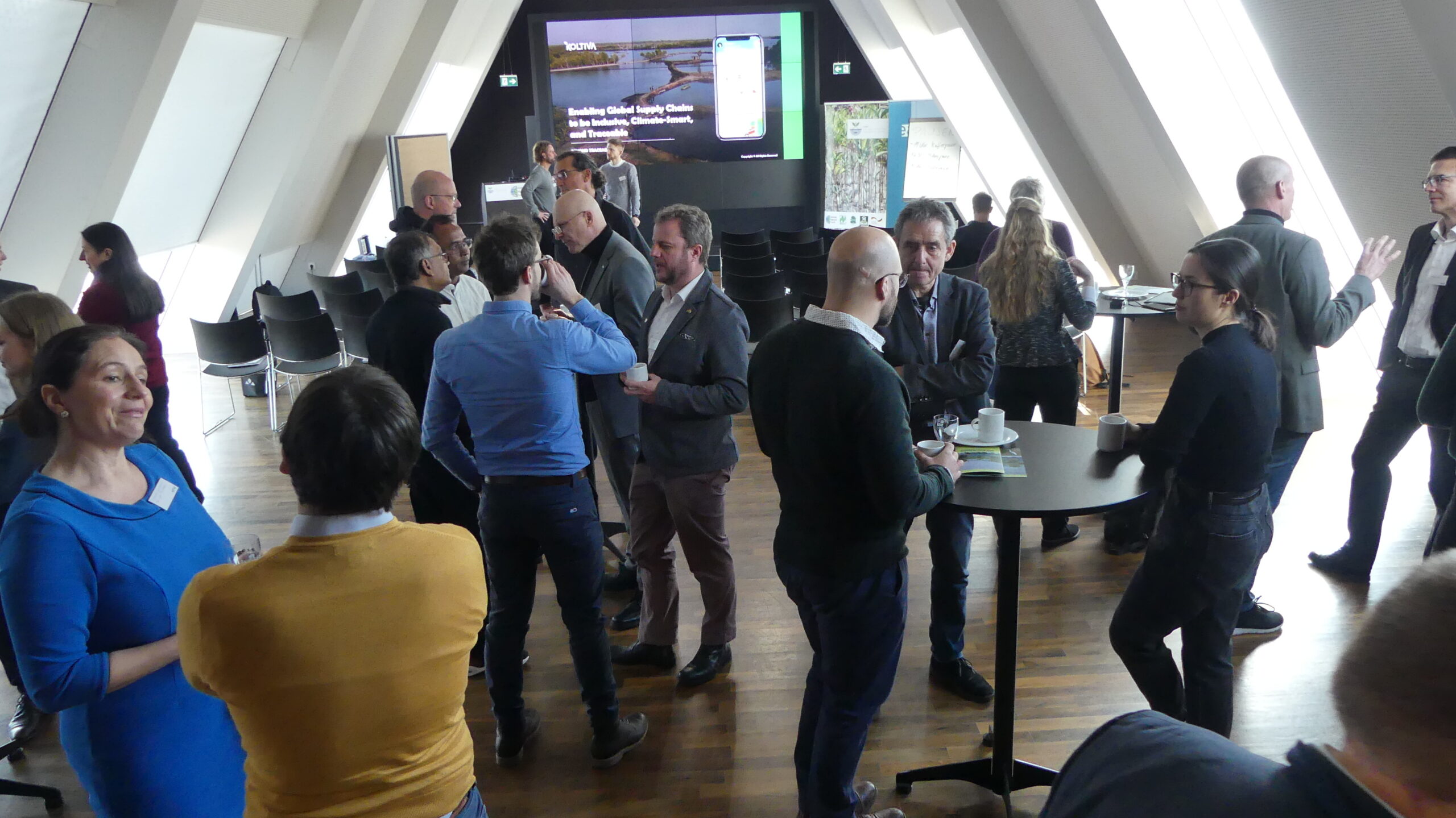
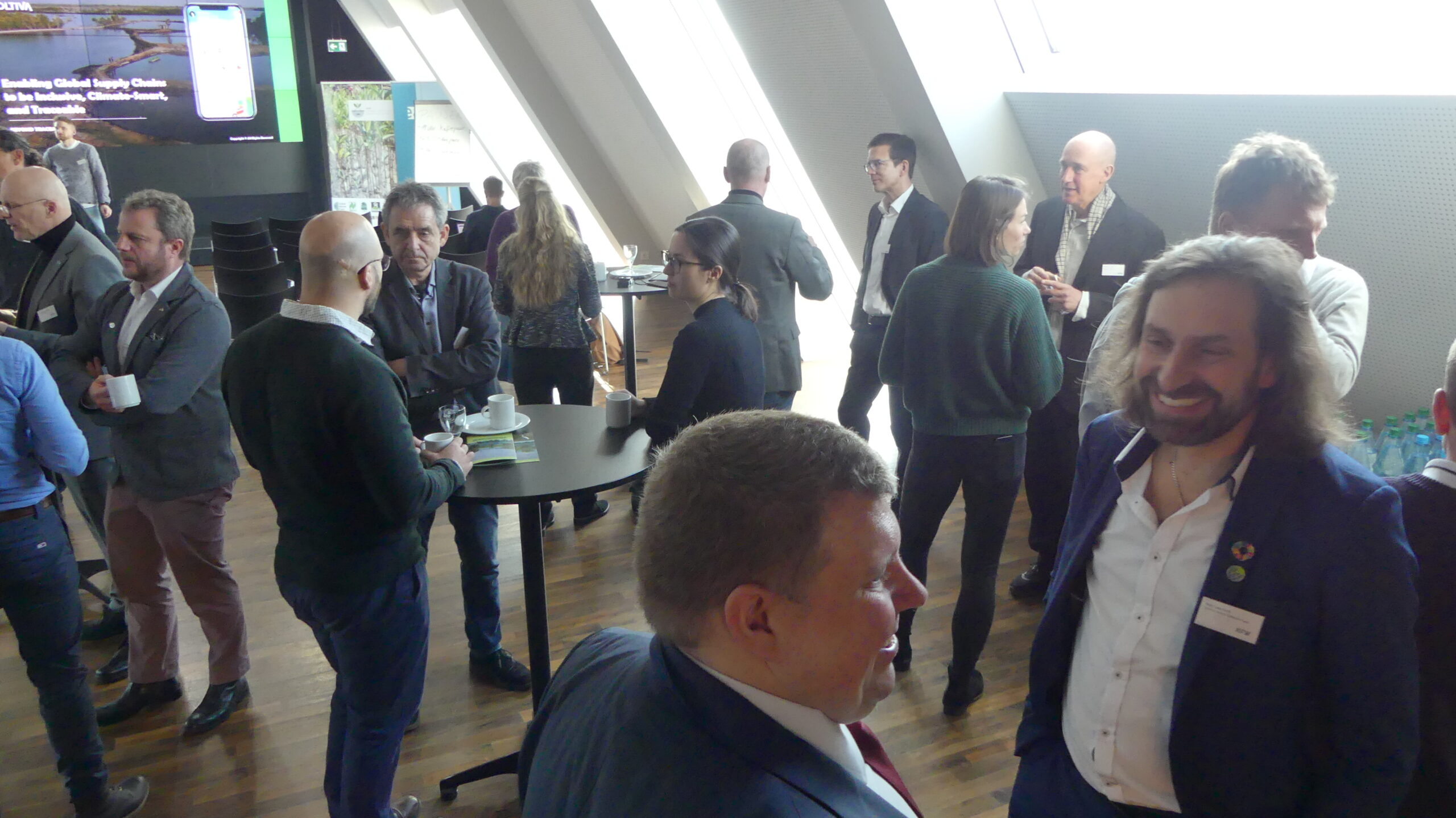
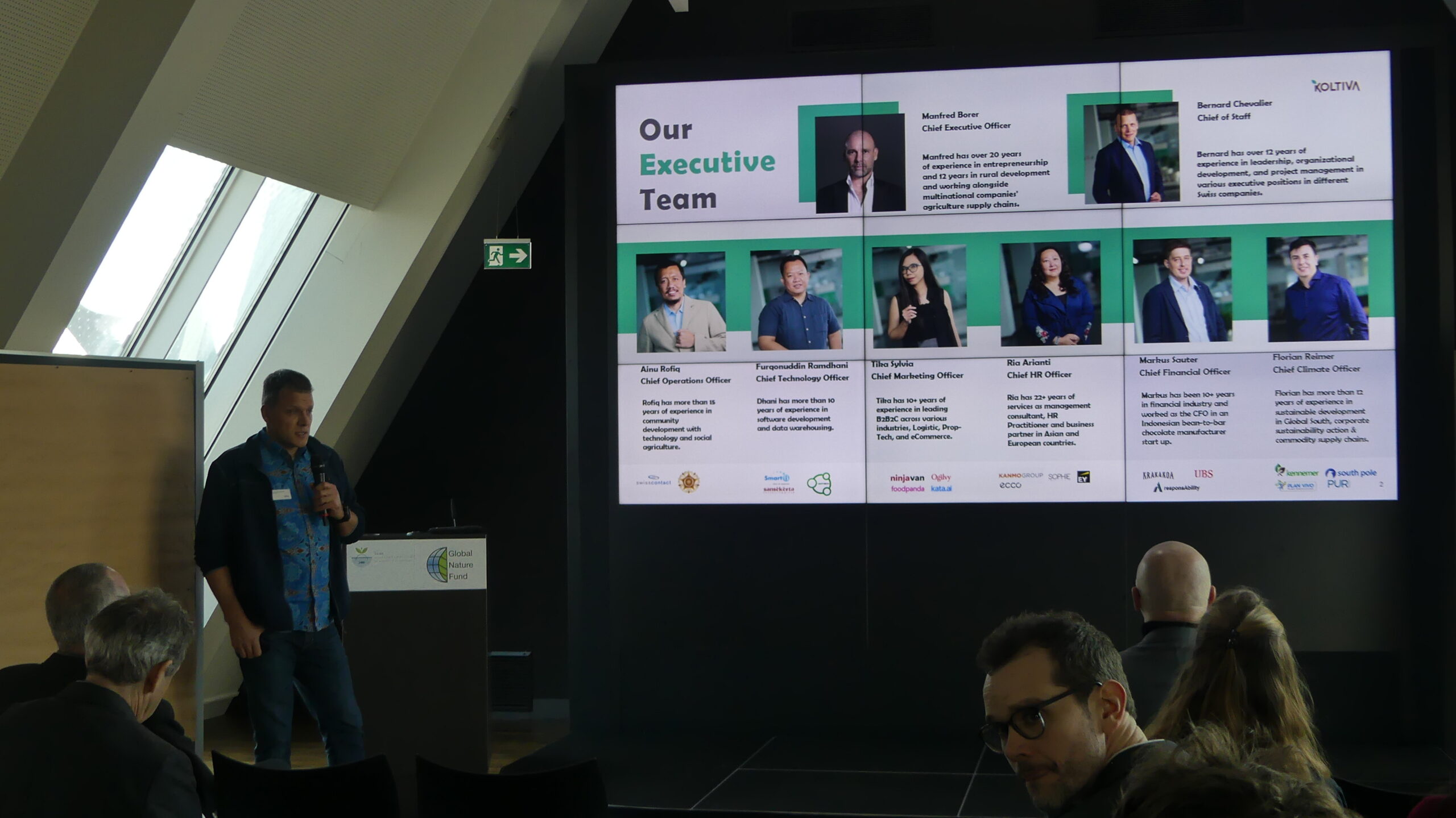
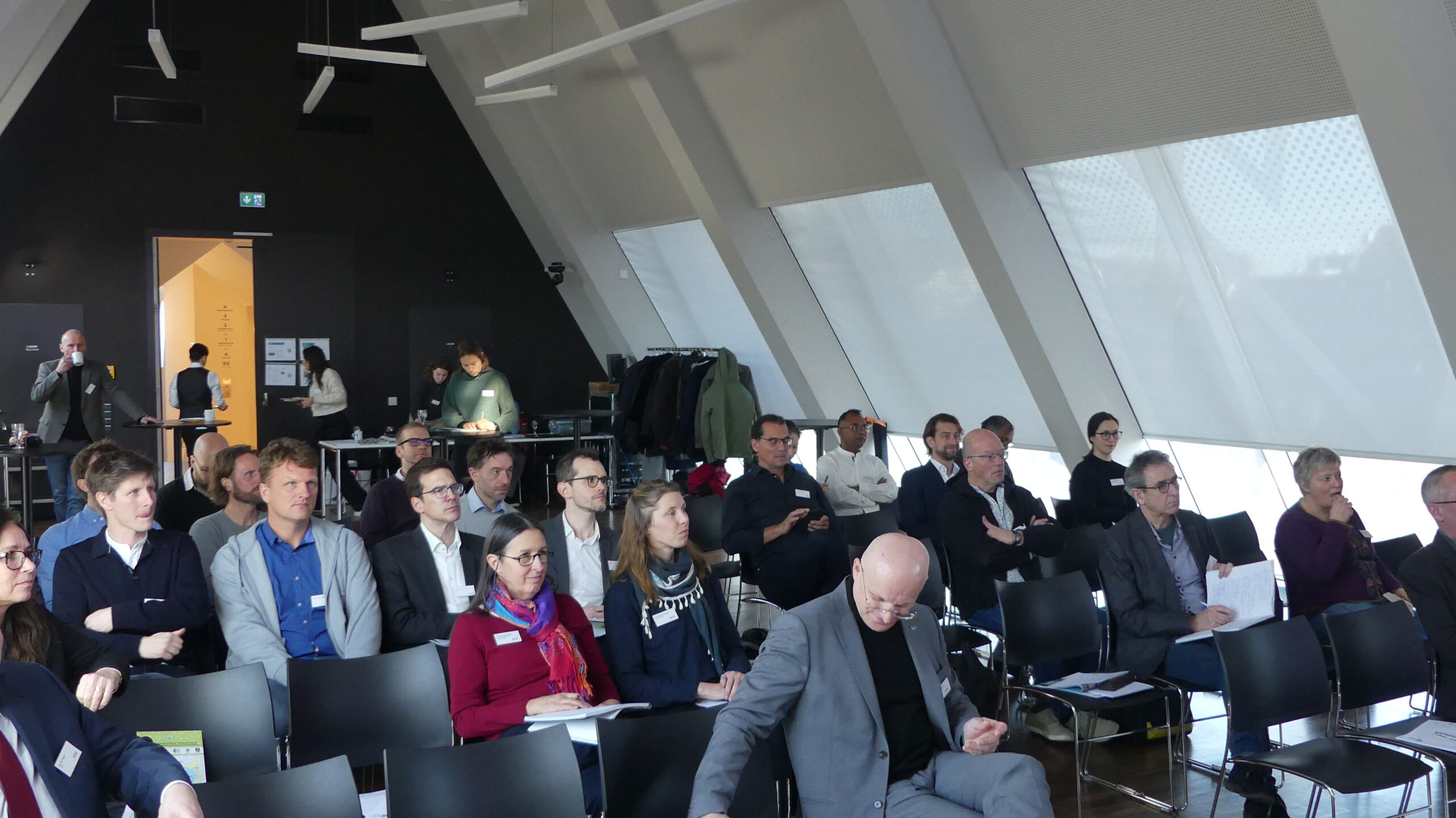
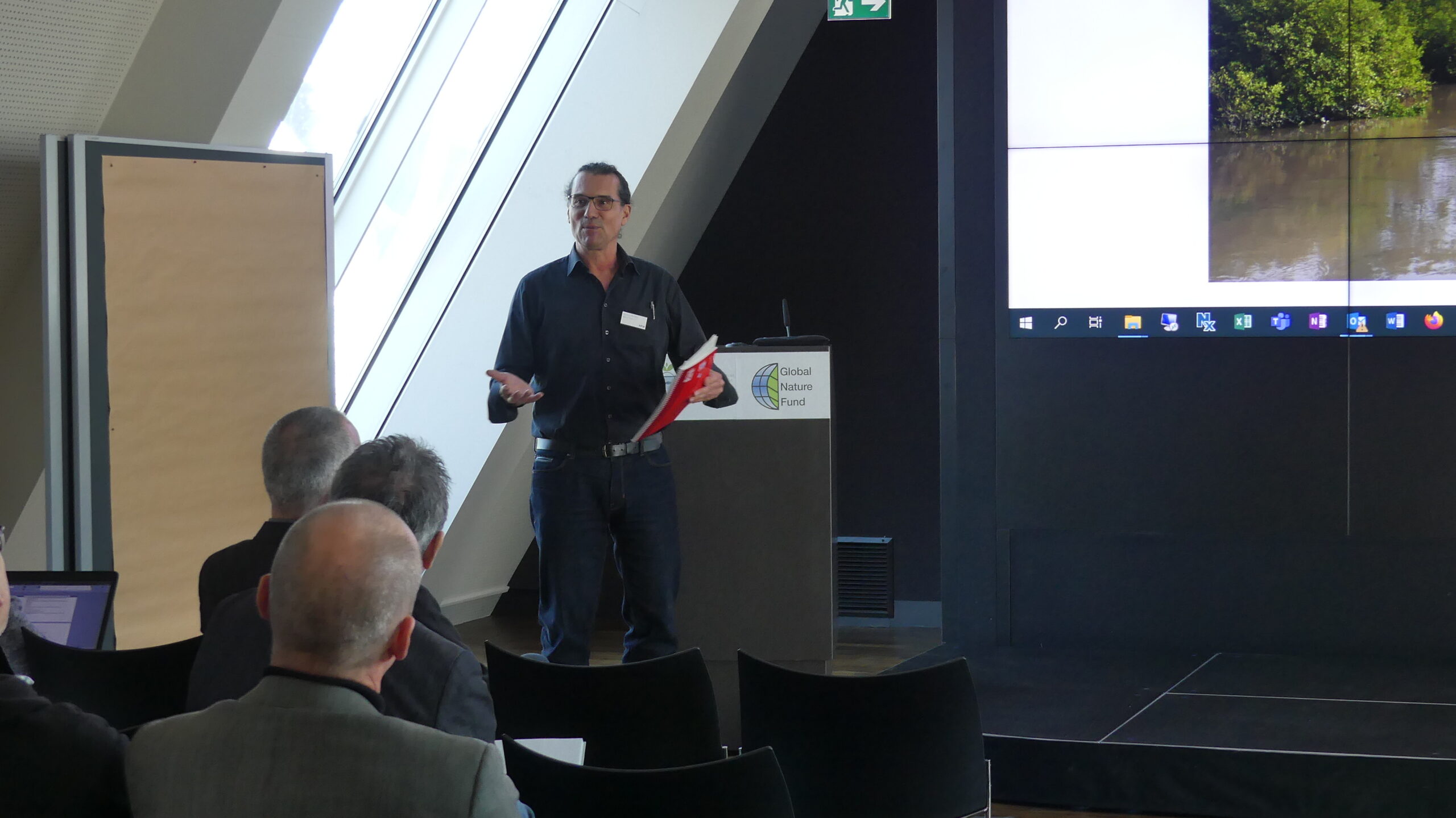
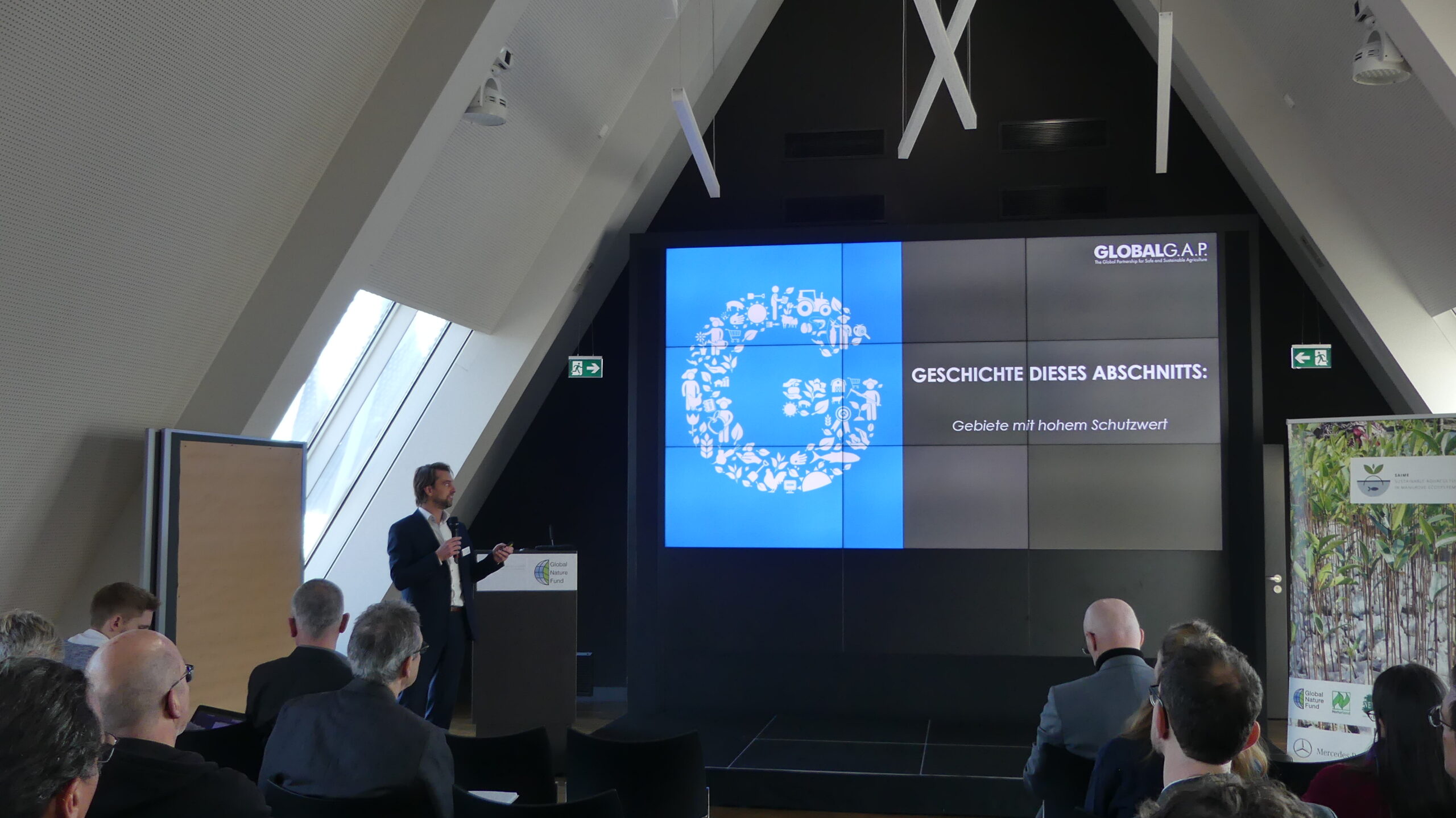
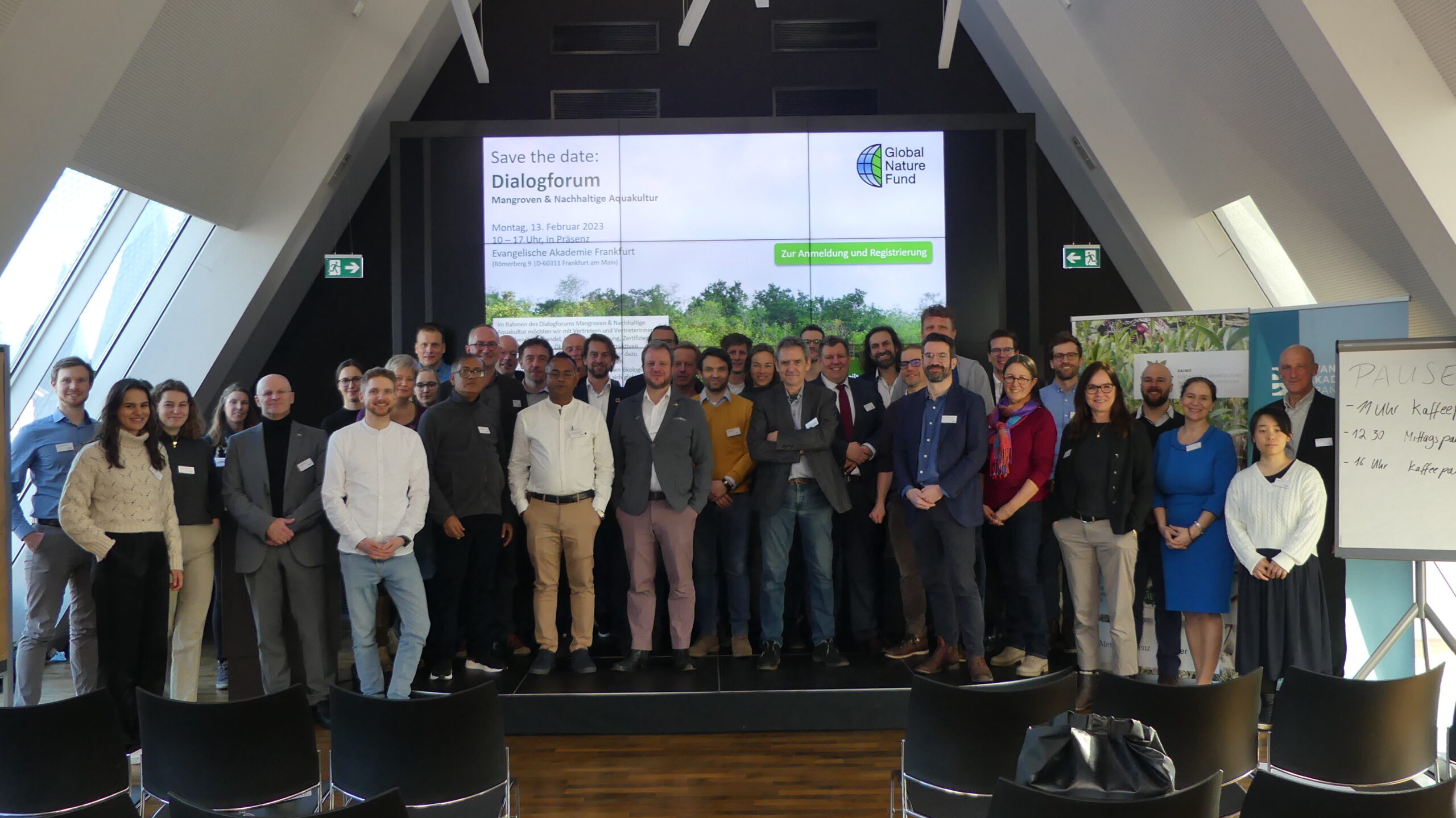
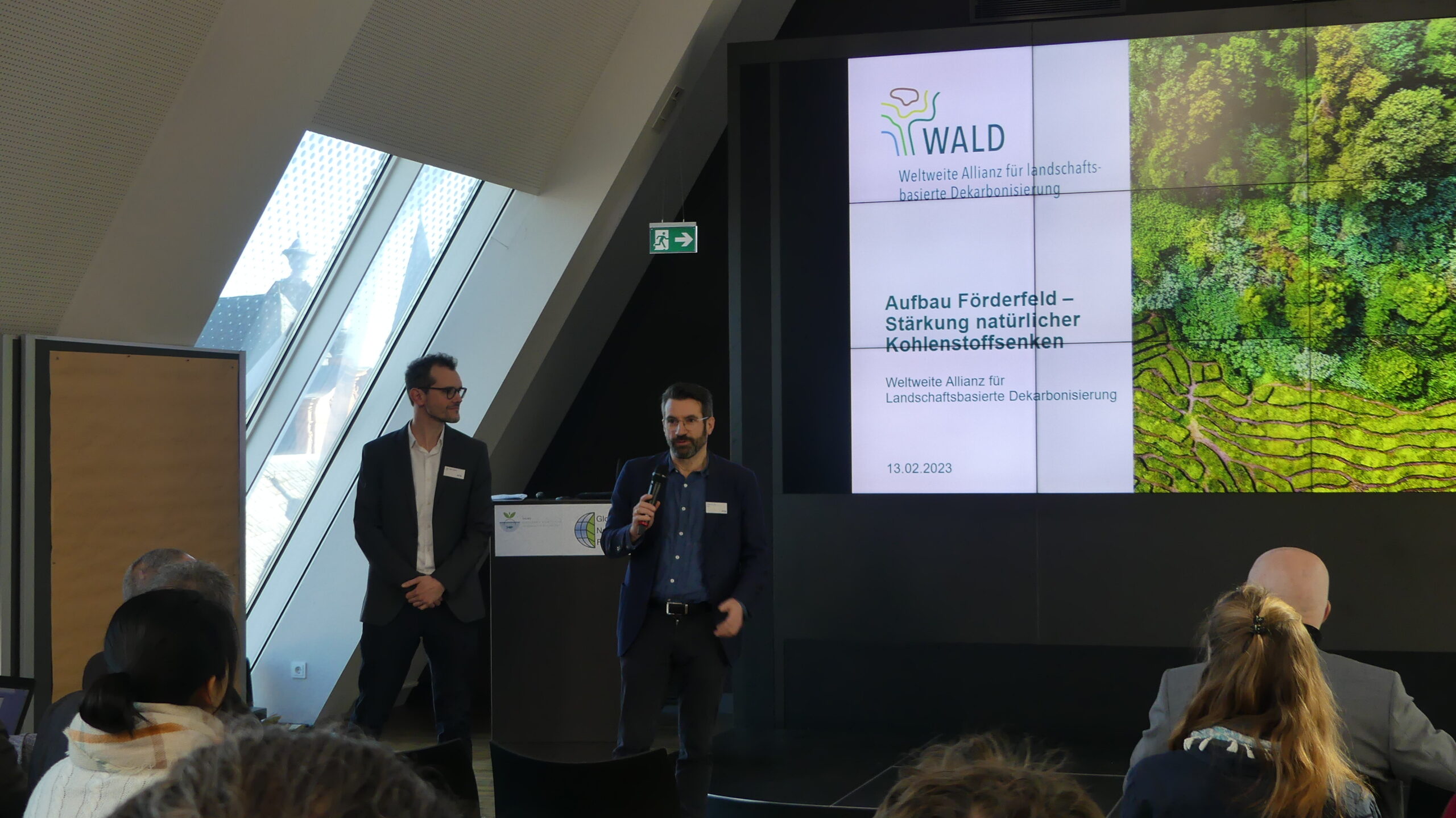
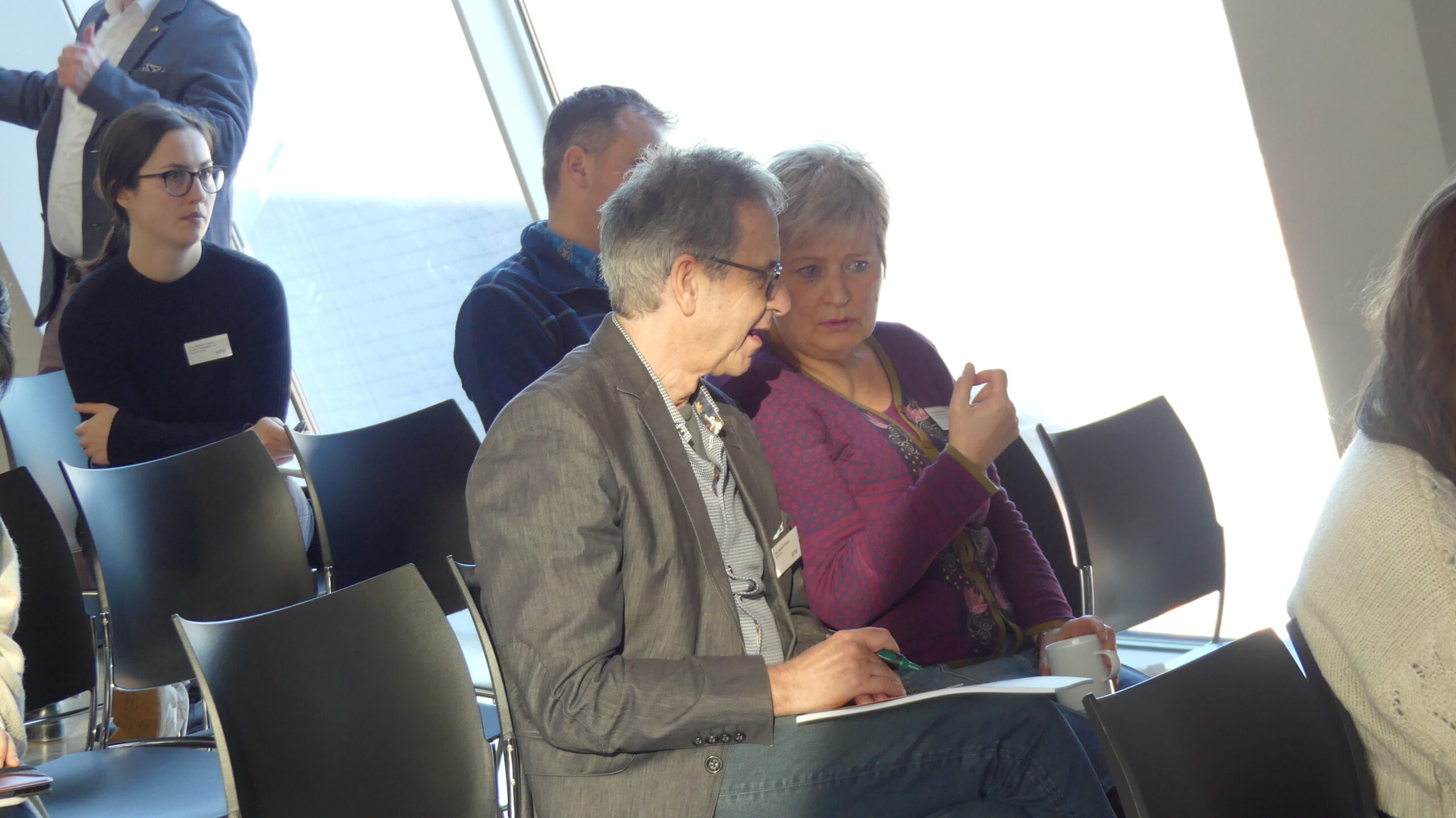
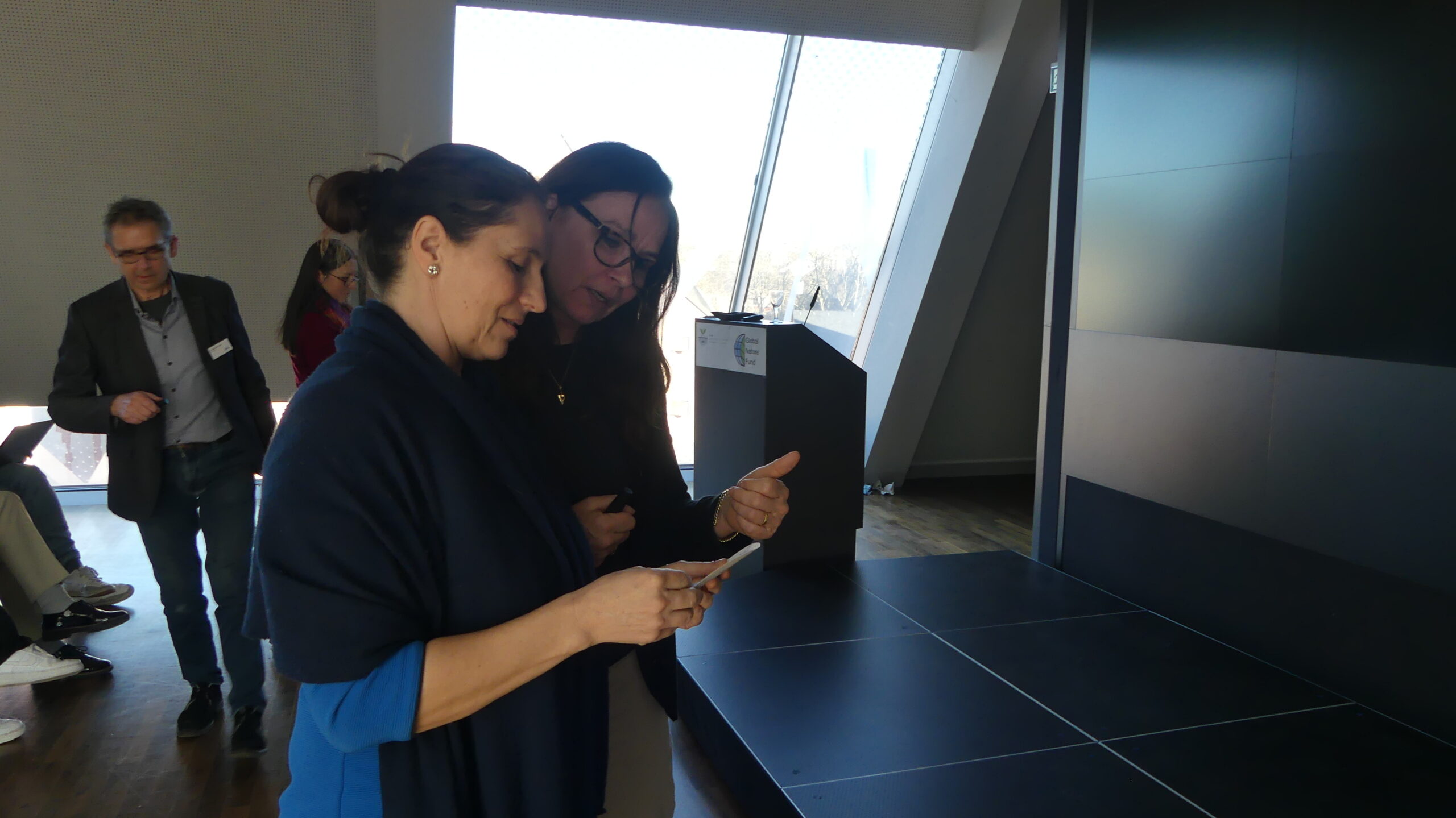
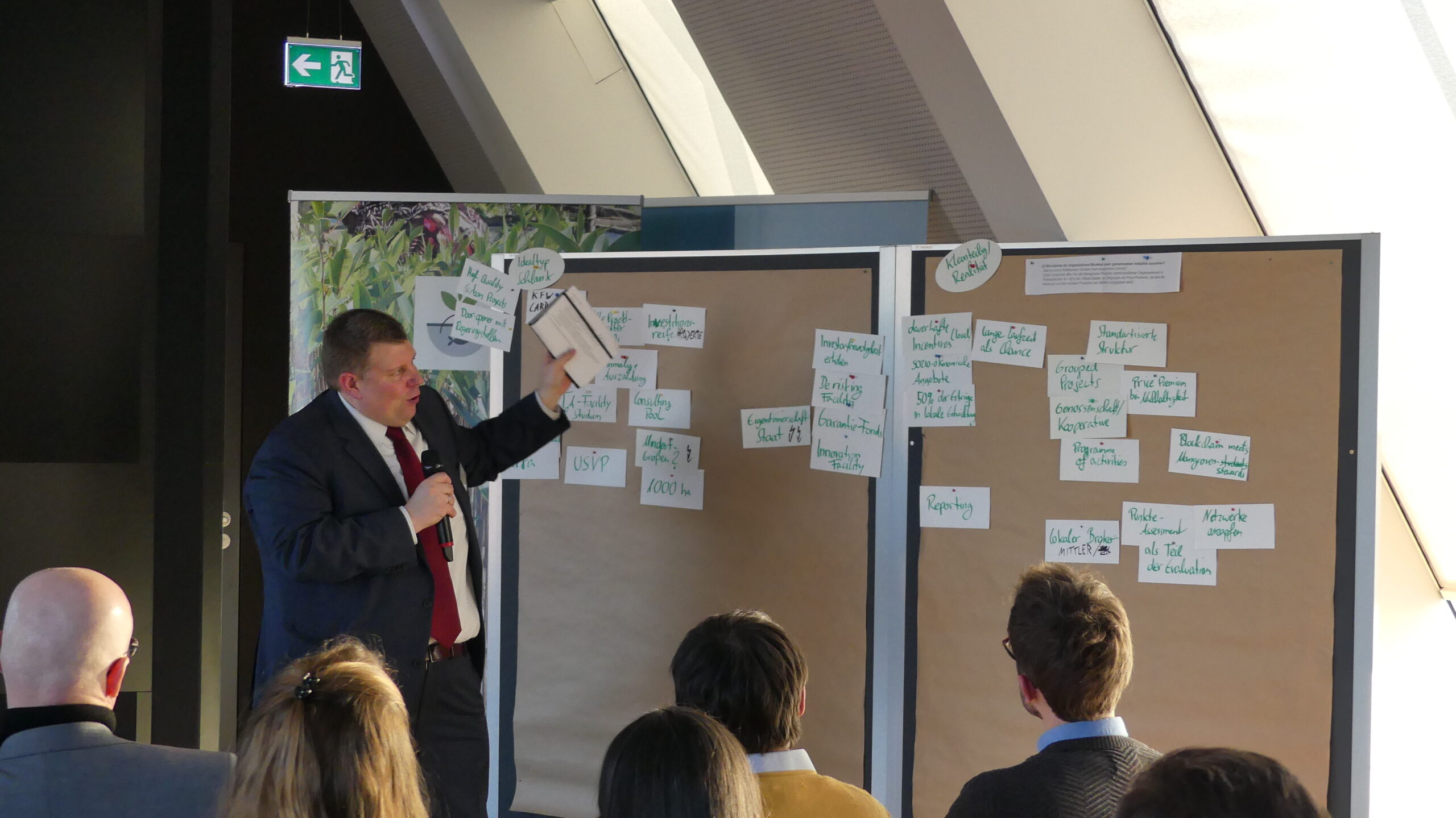
As part of the SAIME project, a dialogue forum on Integrated Mangrove Aquaculture took place in Frankfurt am Main on February 13, 2023. Approximately 50 interested participants gathered to jointly discuss various approaches to sustainable shrimp production. The conclusion was clear: there is still significant potential for further action. Mainstreaming sustainable production practices is essential for promoting biodiversity. Click here to access the event program.






Partners and Funders
The project runs initially until April 2023. SAIME is funded by the Federal Ministry for Economic Cooperation and Development (BMZ) and also receives support from Mercedes-Benz AG. Such collaborations have a beacon effect for GNF: cooperation between civil society and economic actors is often called for—in the SAIME project, it is actually being implemented. The project has already achieved valuable project goals on the ground in the Sundarbans, also due to the excellently networked and highly skilled partner organizations (NEWS and BEDS). Due to the pandemic, dialogue with the food retail sector in Germany has so far had to take place largely digitally.
Partners
Project Initiator & Project Coordinator
Project Partner India
Project Partner Bangladesh
Project initiator and expertise for sustainable aquaculture
Funders


Further Links & Downloads
Contact
Ralph Dejas, Project Coordinator: dejas@globalnature.org
Thies Geertz, Project Coordinator: geertz@globalnature.org
Oliver Peters, Project Manager: peters@globalnature.org