
Neues Pilotprojekt: Biodiversität als Chance für die Landwirtschaft
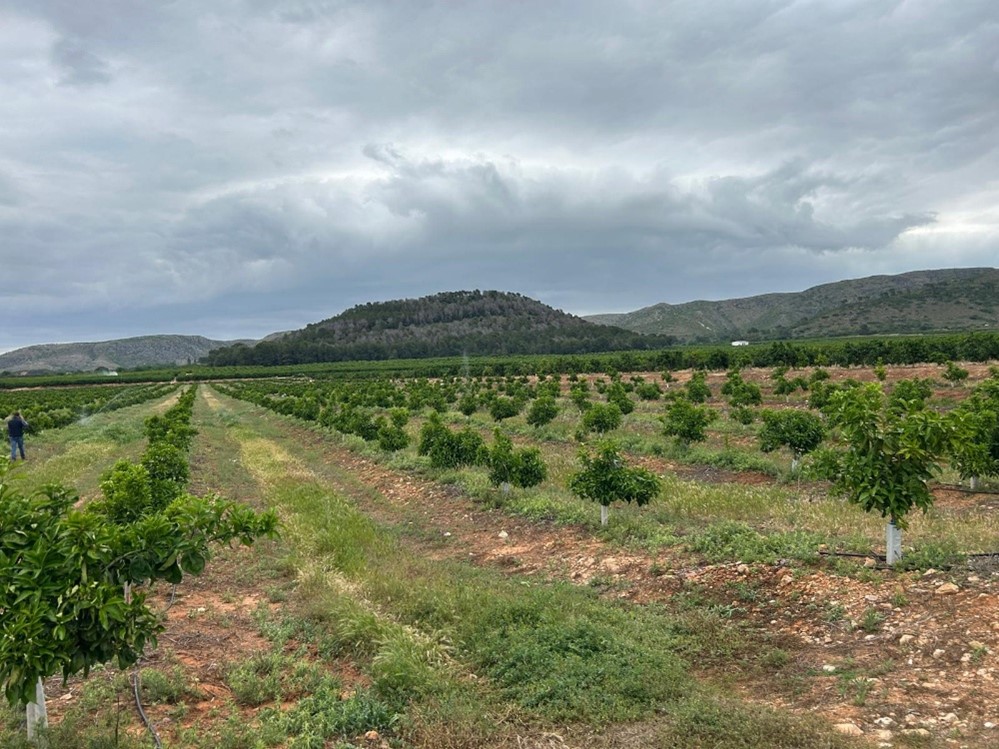
Ein neues Pilotprojekt in Spanien erprobt ein praxisnahes System zur Erfassung von Biodiversitäts- und Umweltkennzahlen auf 157 Hektar Anbaufläche. Dabei werden über 30 Indikatoren in Obst- und Gemüsebetrieben gemessen – von Bodenleben über Nützlingsvorkommen bis zum CO₂-Fußabdruck.
Das Projekt wird von Biodiversity Grow / Quality and Adviser (Koordination), GLOBALG.A.P. und dem Global Nature Fund durchgeführt. Es dient der Entwicklung des neuen GLOBALG.A.P.-Standards Sustainable Environmental Solutions (ESS), der Ende 2025 erscheinen soll, und bezieht die Biodiversitätskriterien der Initiative Food for Biodiversity mit ein.
Ziel ist es, Biodiversität messbar zu machen – und als strategischen Vorteil für eine nachhaltigere und zukunftsfähige Landwirtschaft zu nutzen.
European Business & Nature Summit 2025
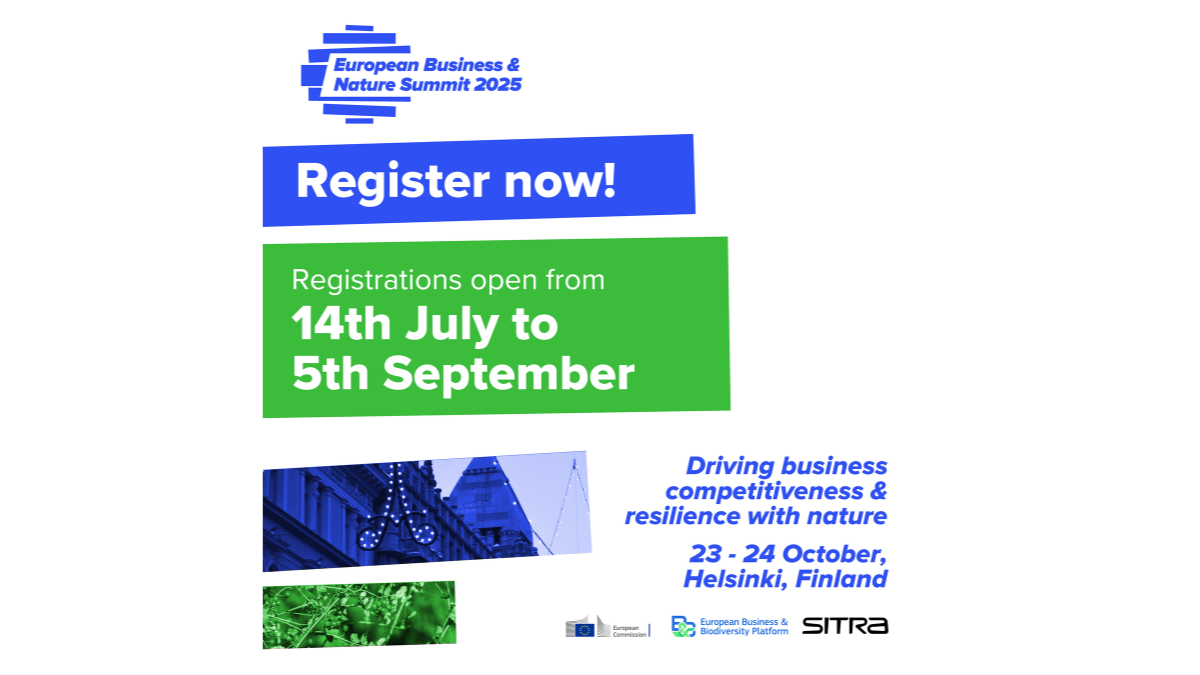
Am 23. und 24. Oktober 2025 findet der European Business & Nature Summit in Helsinki statt.
Organisiert von der EU Business & Biodiversity Platform und mitveranstaltet von Sitra, dem finnischen Innovationsfonds, bringt der Gipfel führende Köpfe aus Wirtschaft und Finanzwesen zusammen.
Im Fokus: konkrete Maßnahmen zur Integration von Natur und Biodiversität in unternehmerische Strategien – von wirkungsvollem Biodiversitätsmanagement bis hin zu innovativer Finanzierung und naturpositiver Transformation.
Weitere Informationen folgen auf der Website der EU Business & Biodiversity Platform
Gemeinsam für mehr biologische Vielfalt: Lebensmittelbranche diskutiert Lösungen, um Biodiversitätsverlust zu stoppen
Den Schutz der Biodiversität effektiv in den Lieferketten verankern – wie dies mit großen Schritten gelingen kann, ist das Thema der europäischen Konferenz „Biodiversity in Food Supply Chains“, die vom 13.-14. November 2024 in Berlin stattfinden wird.
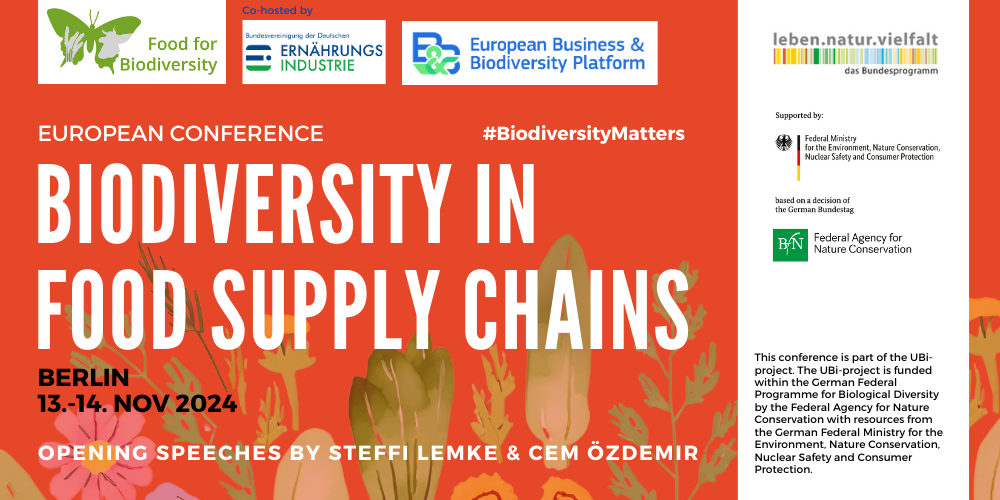
13. - 14. November 2024 European Conference – Biodiversity in Food Supply Chains
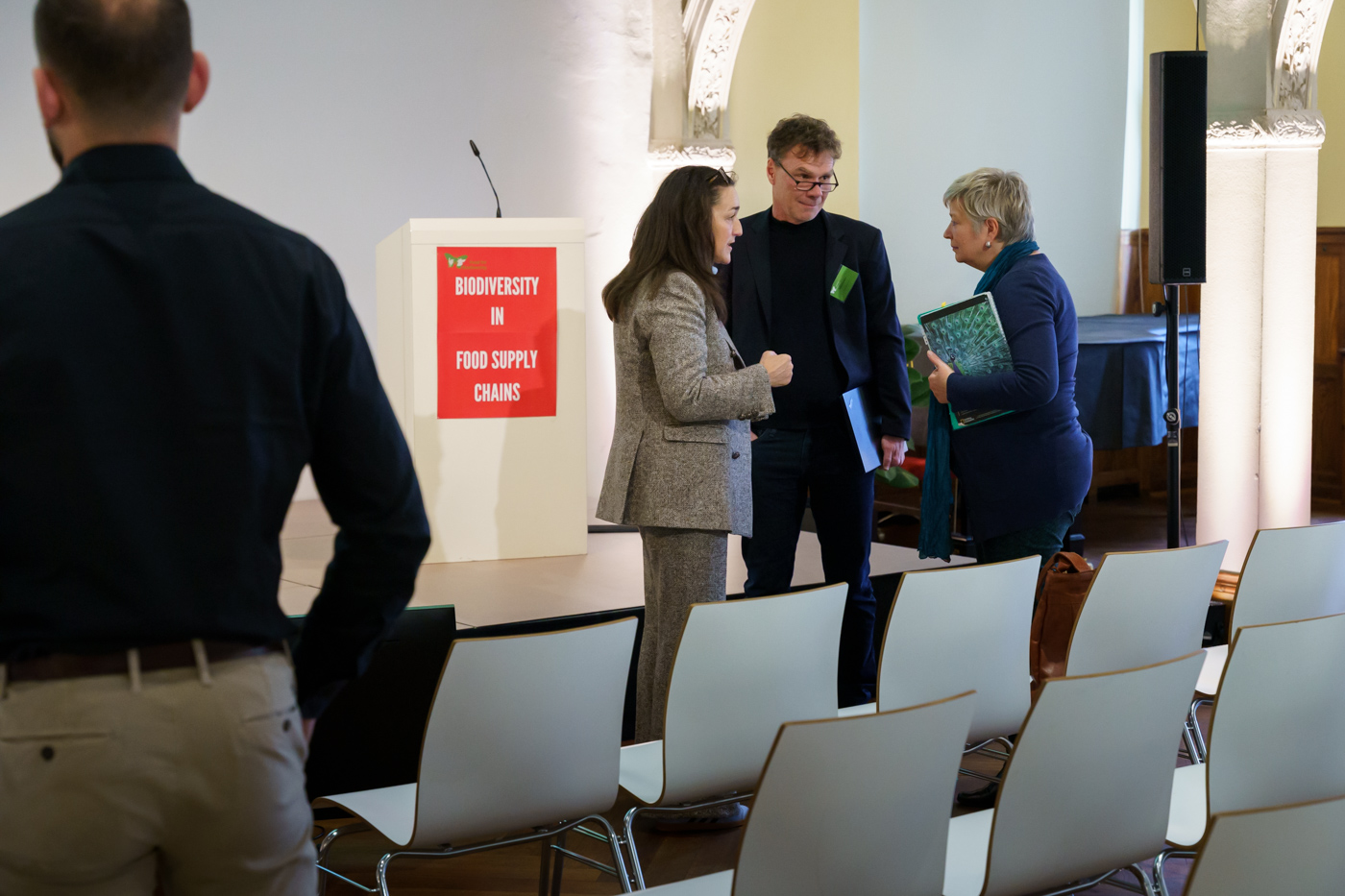
European Conference"Biodiversity in Food Supply Chains"
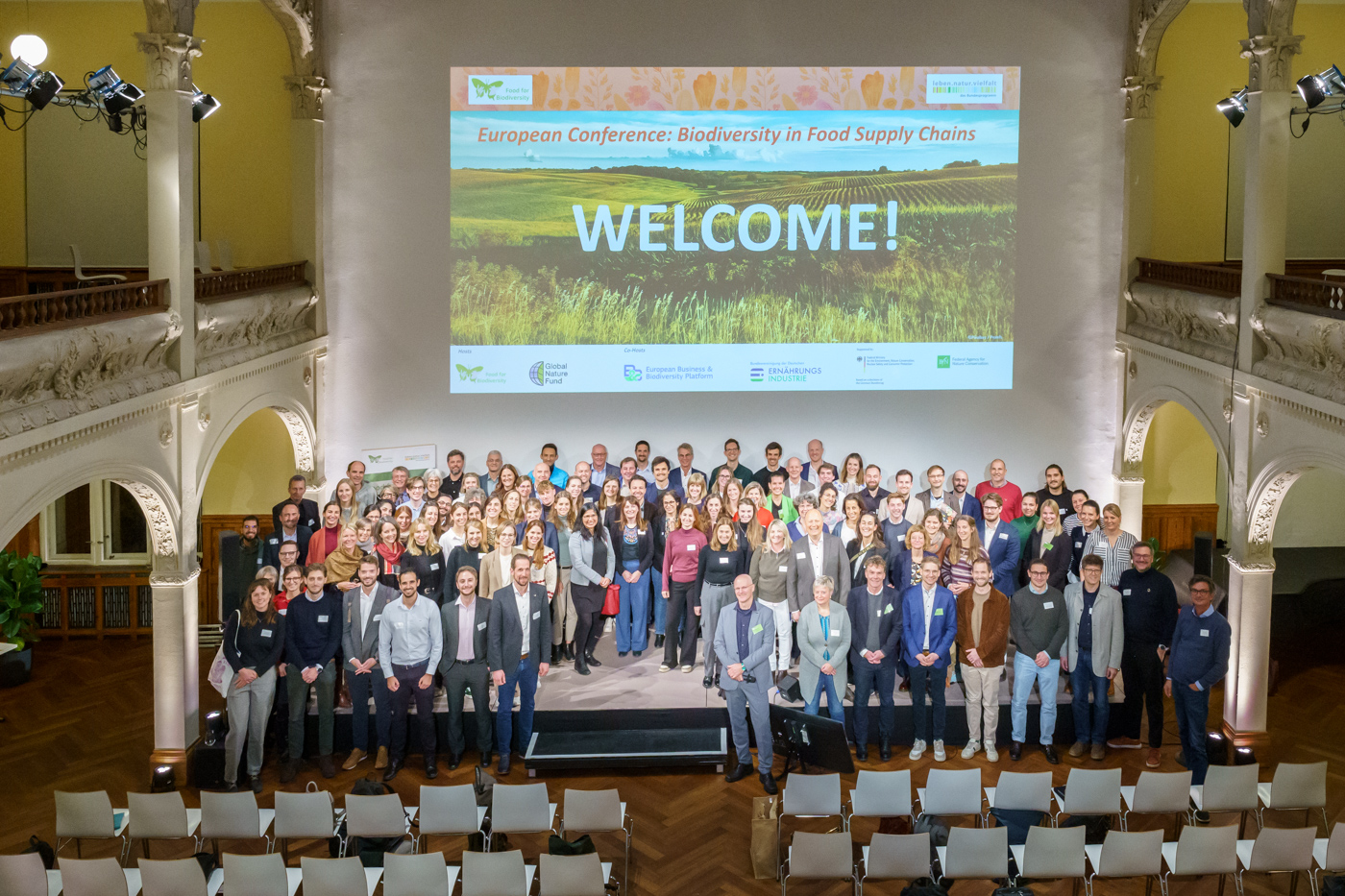
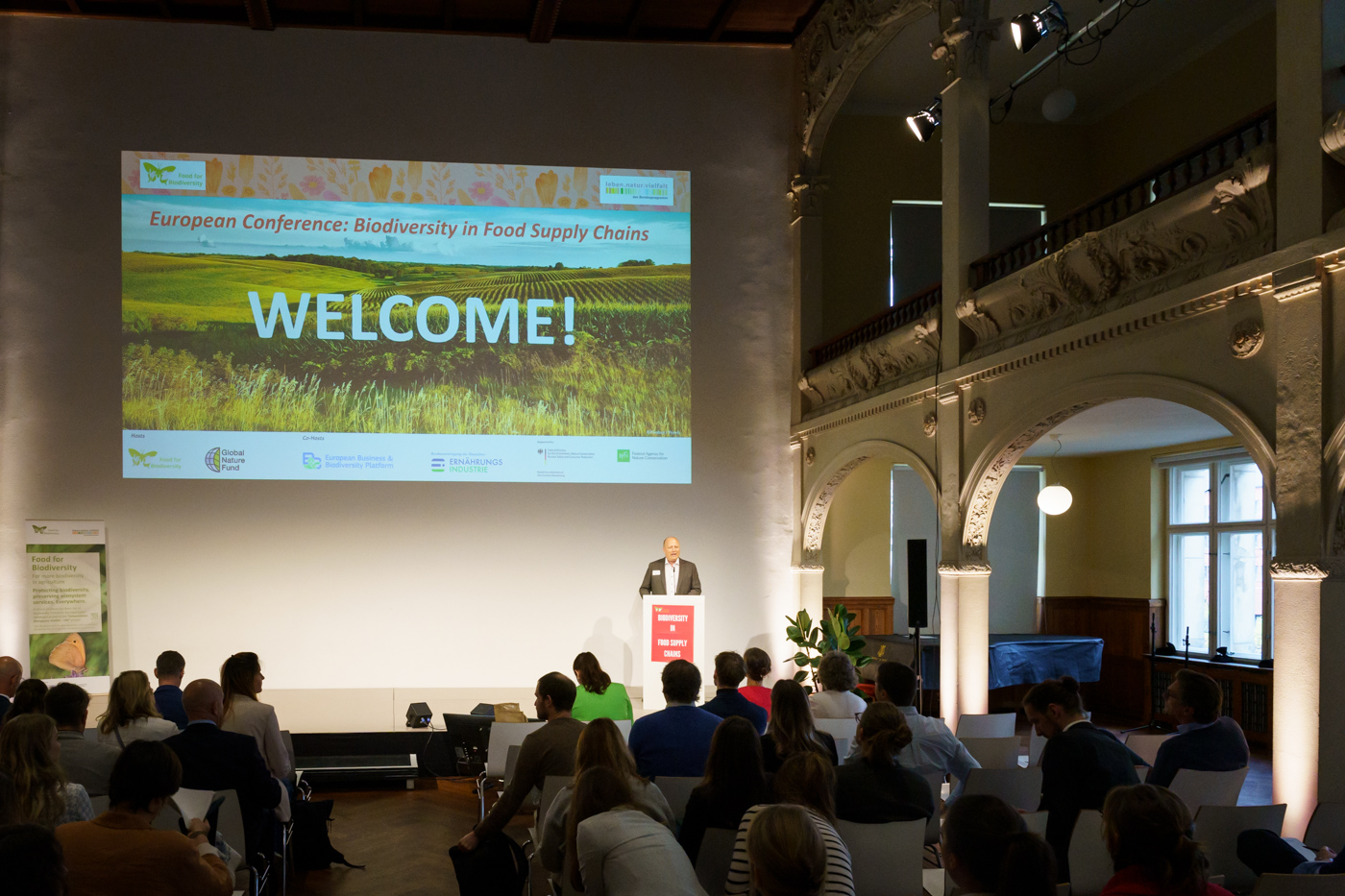
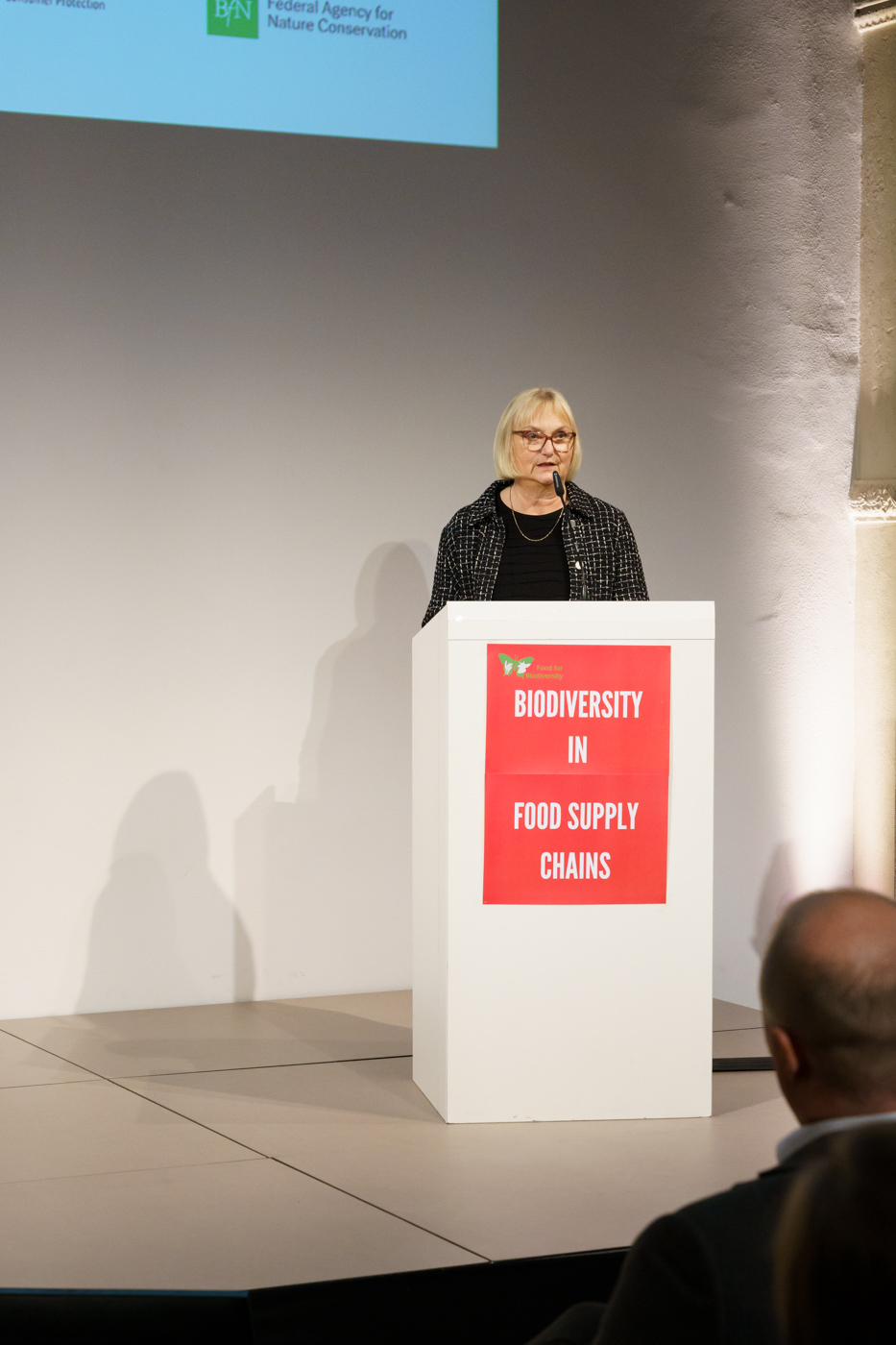
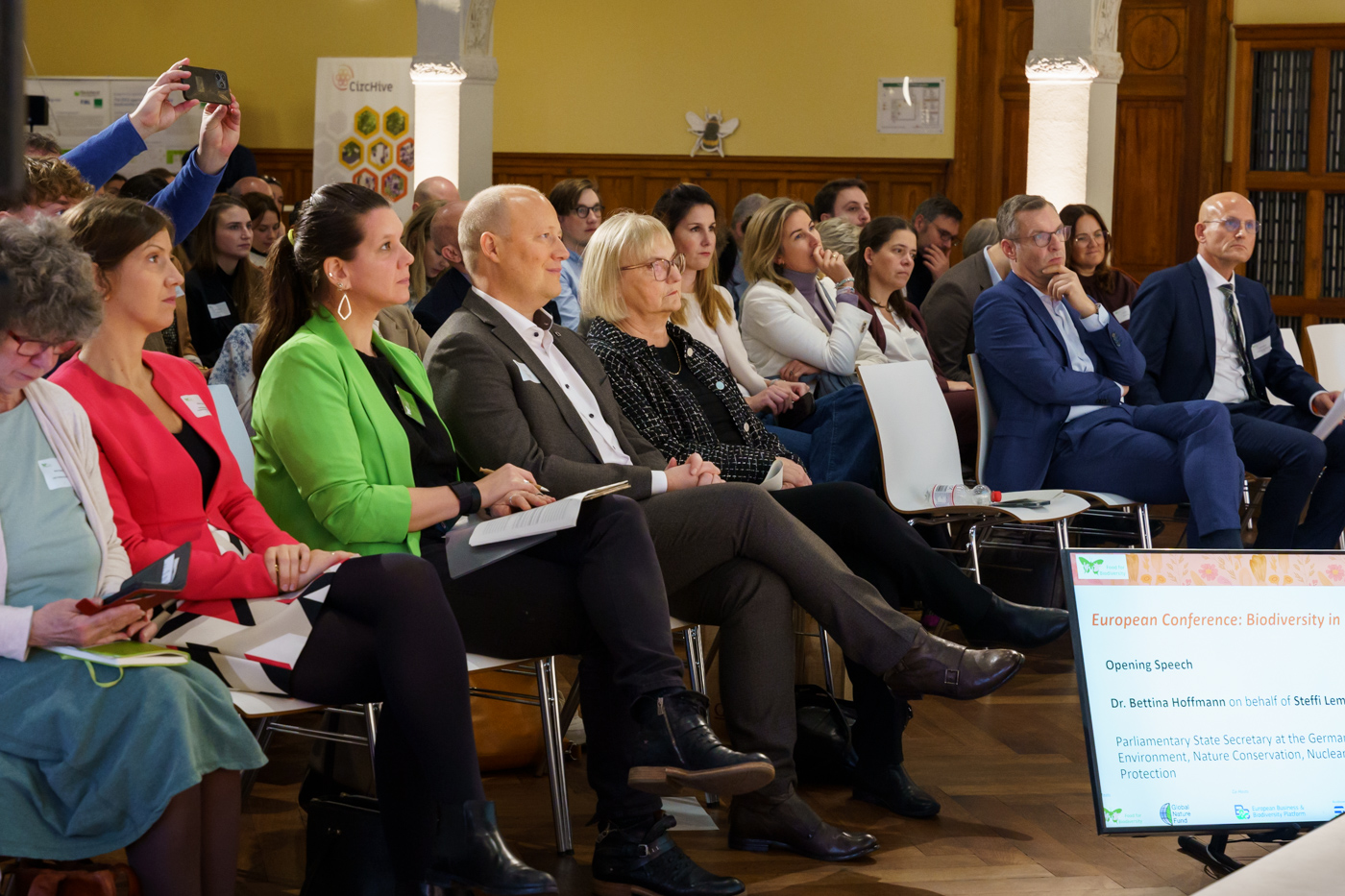
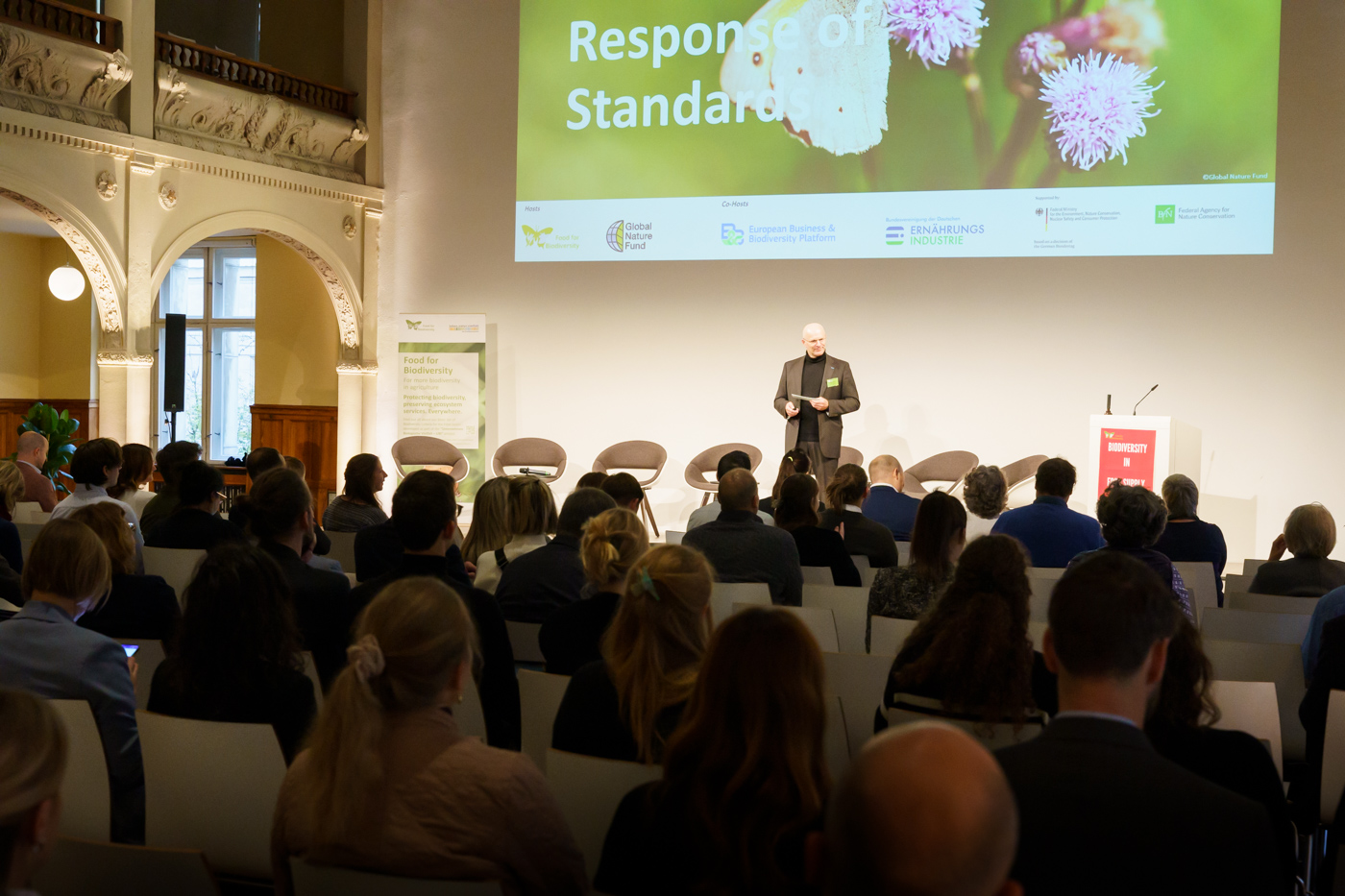
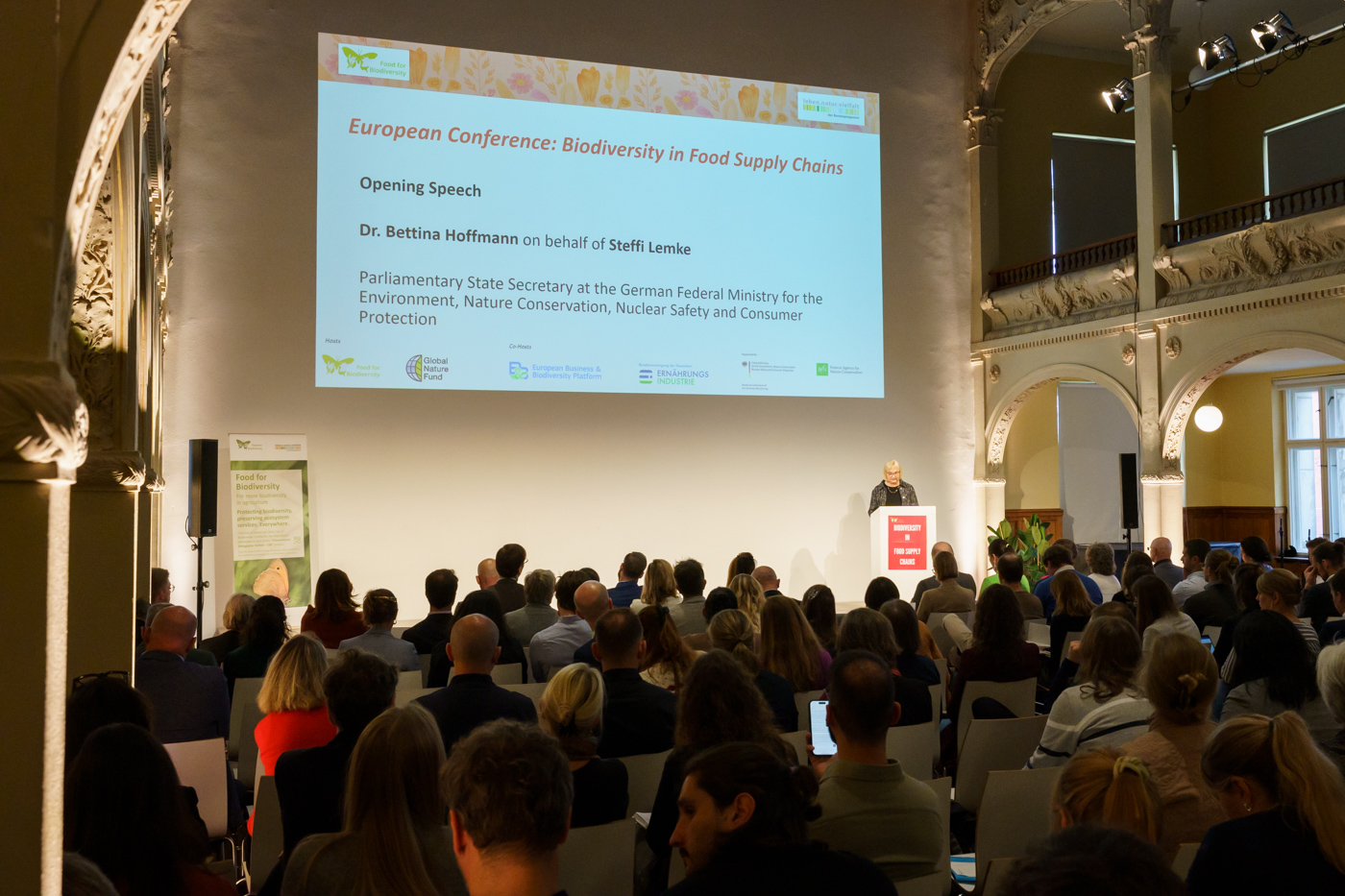
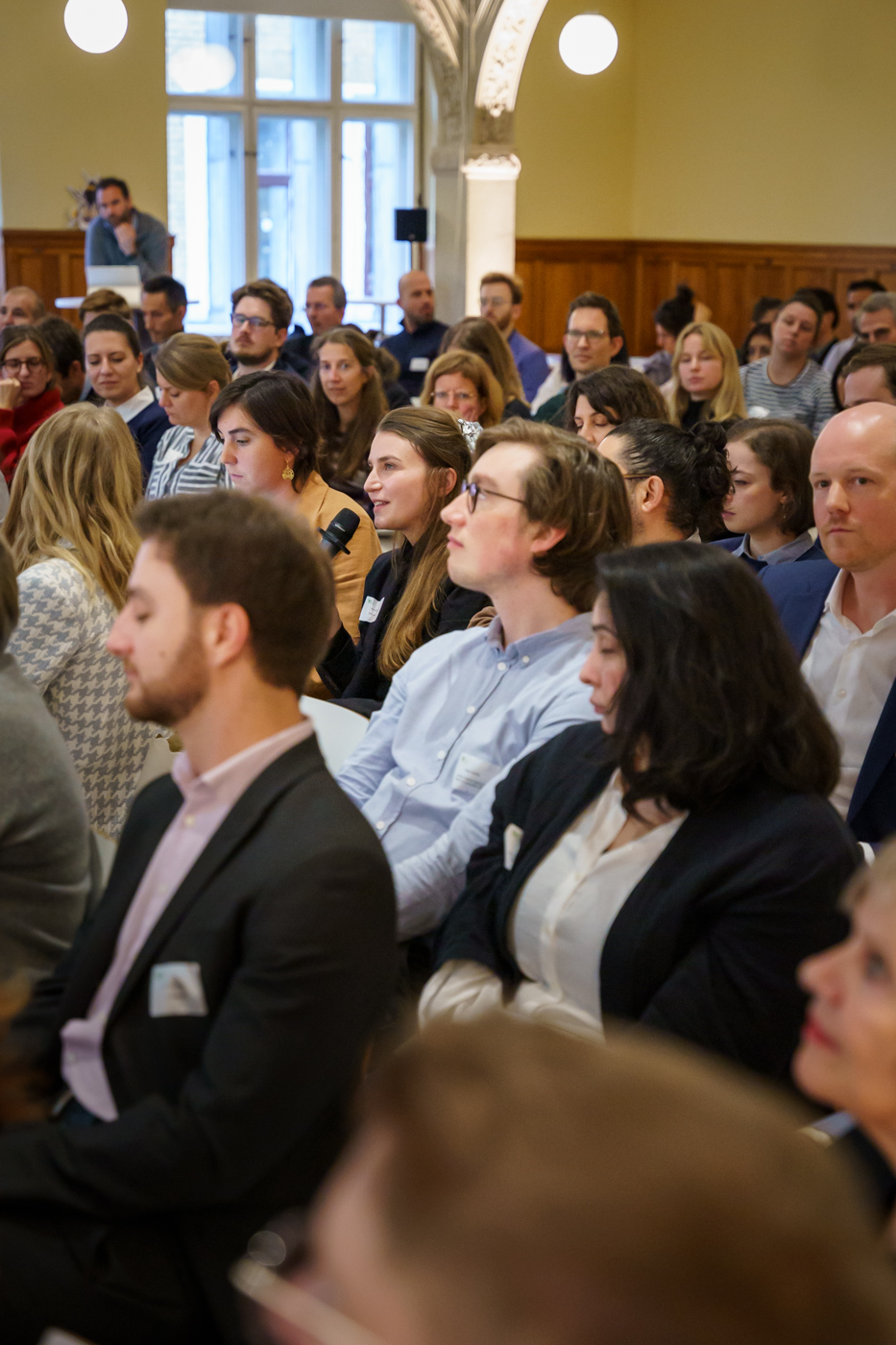
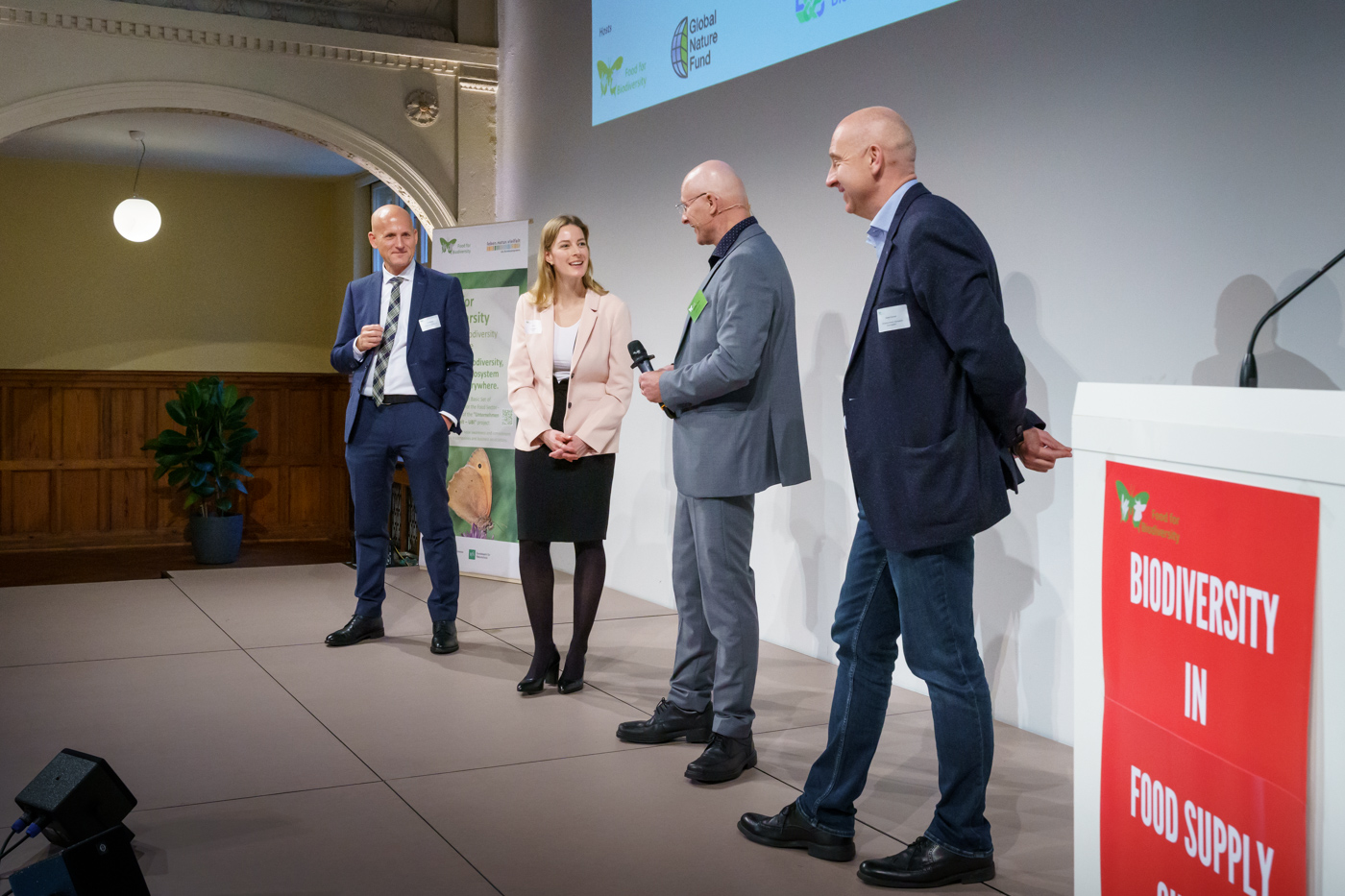
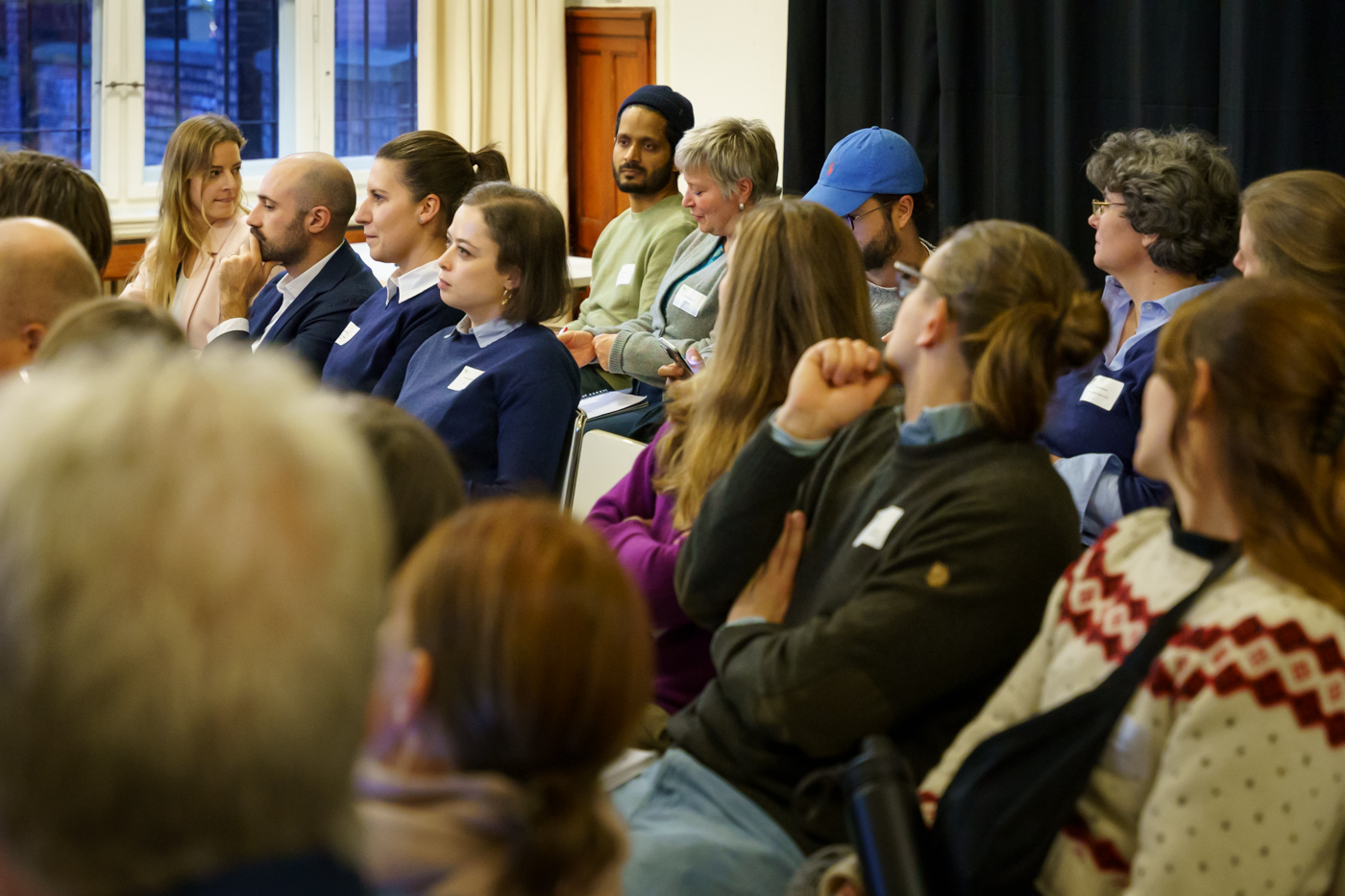
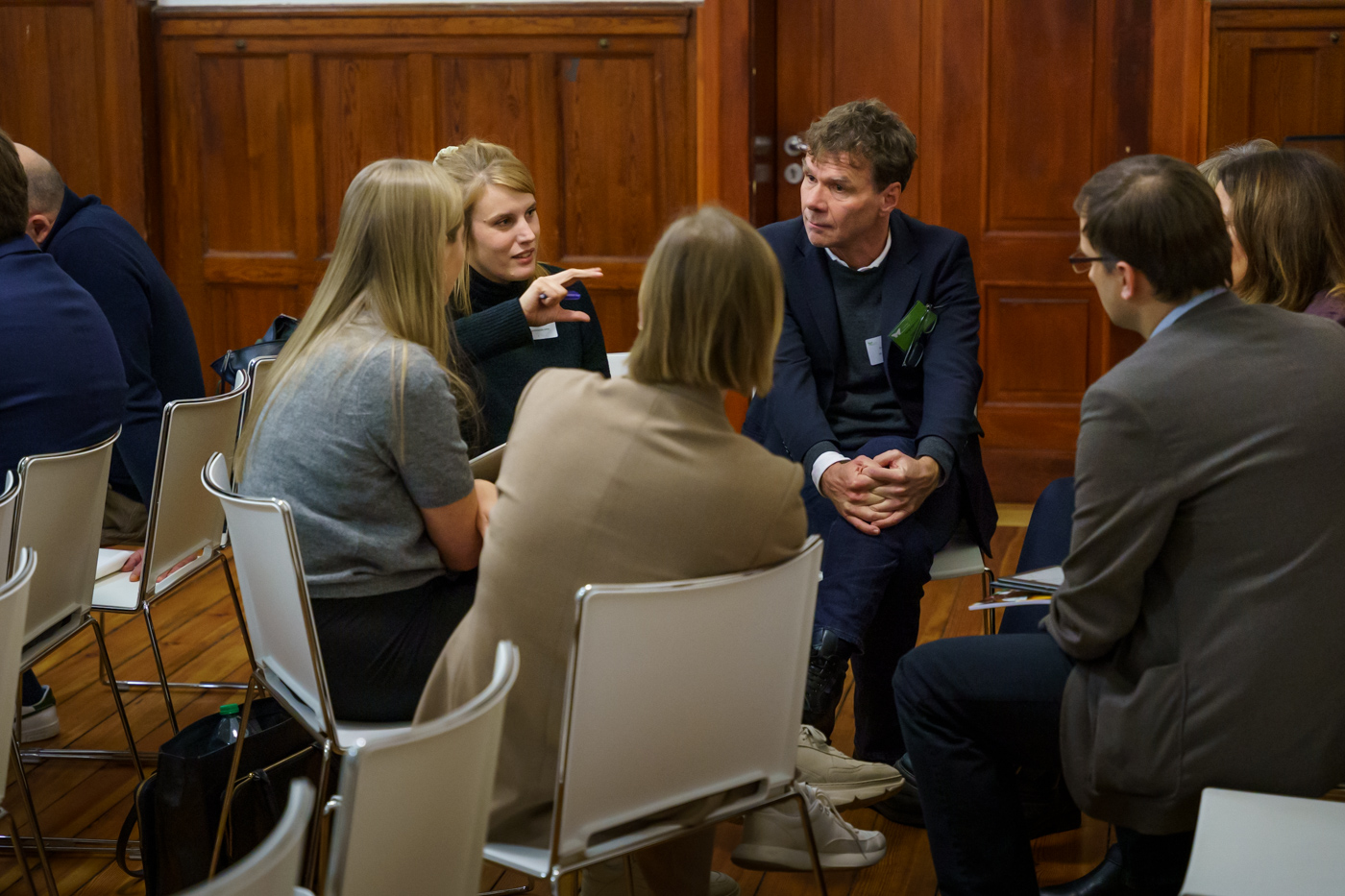
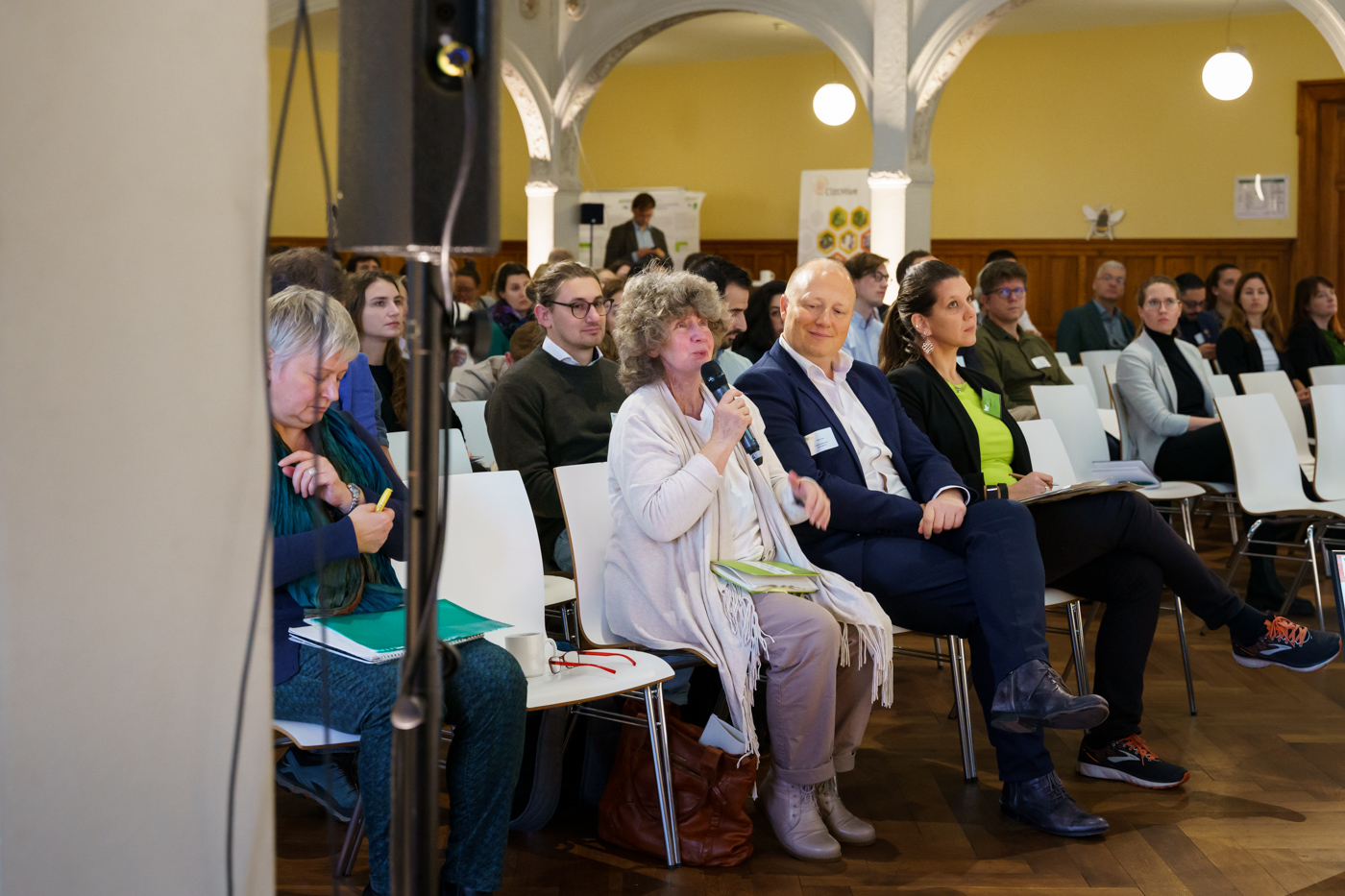
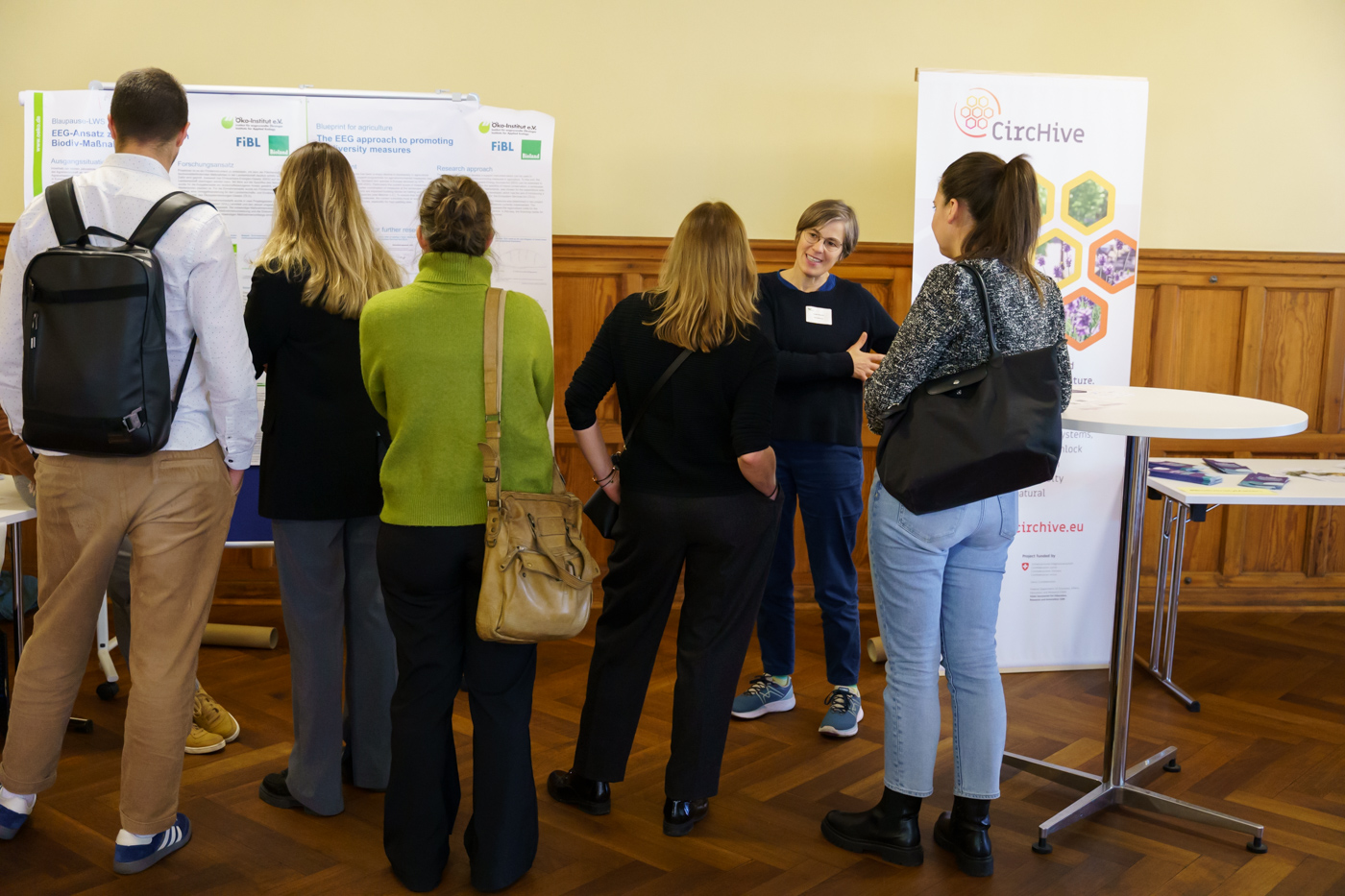
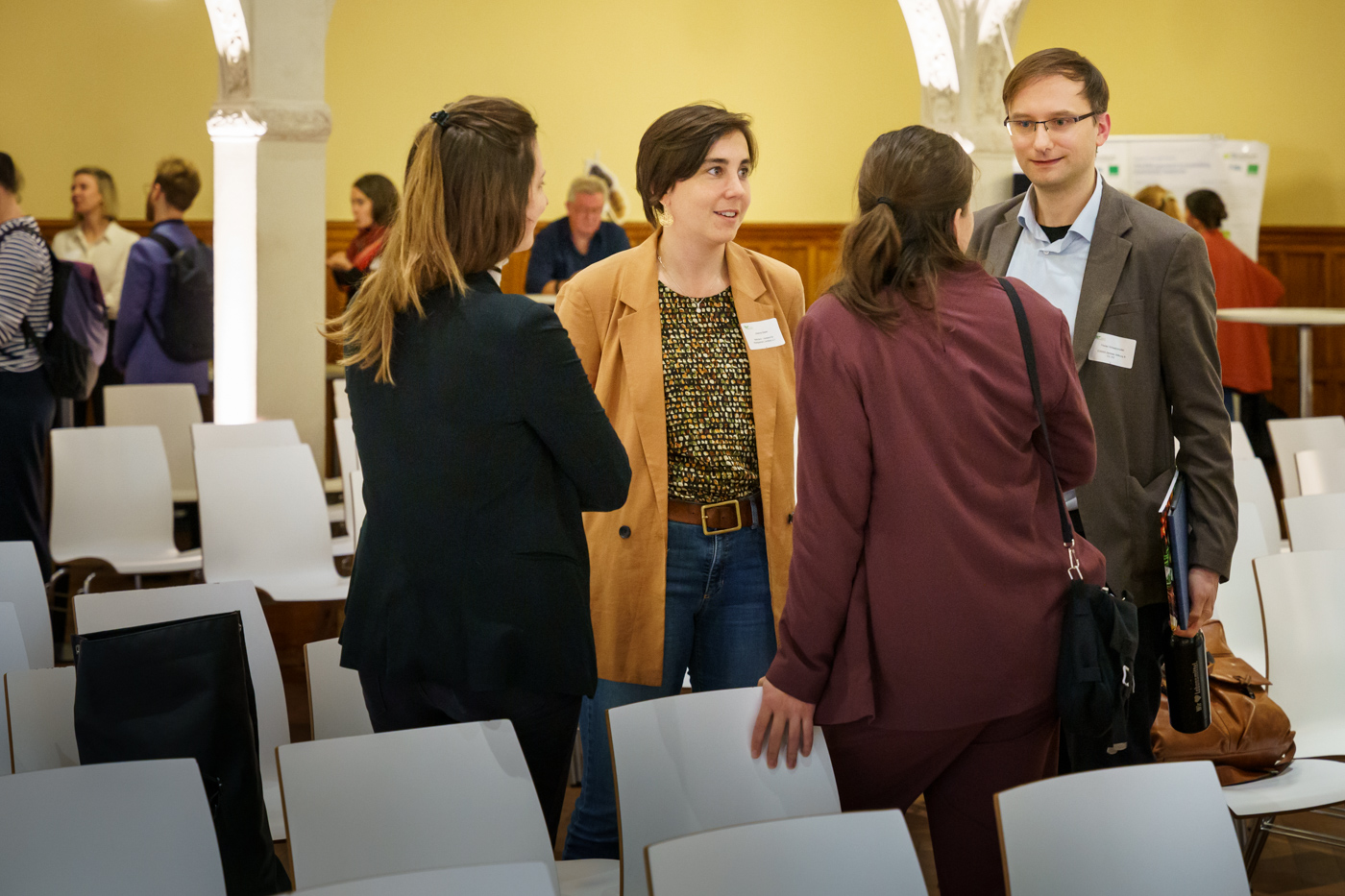
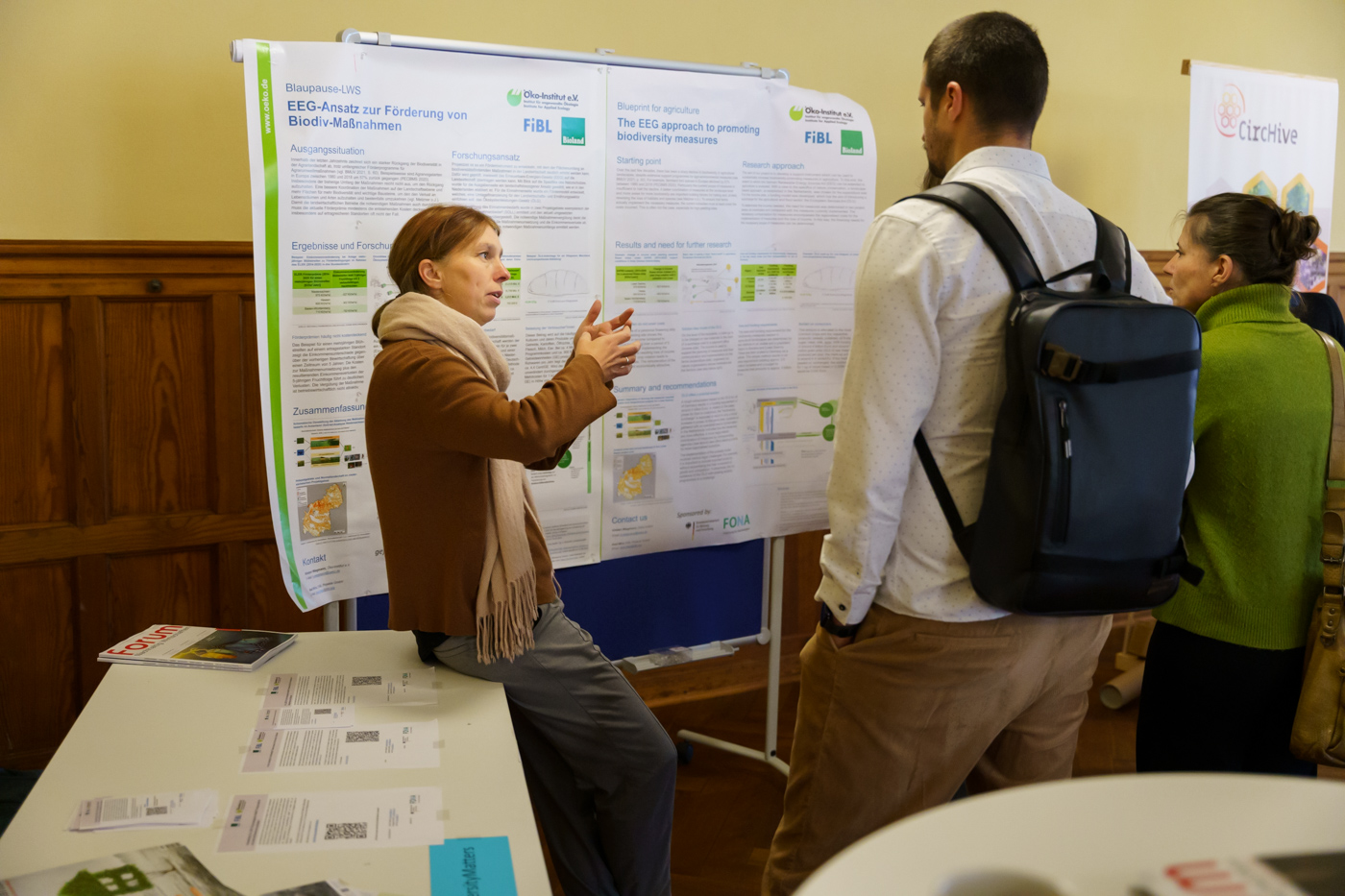
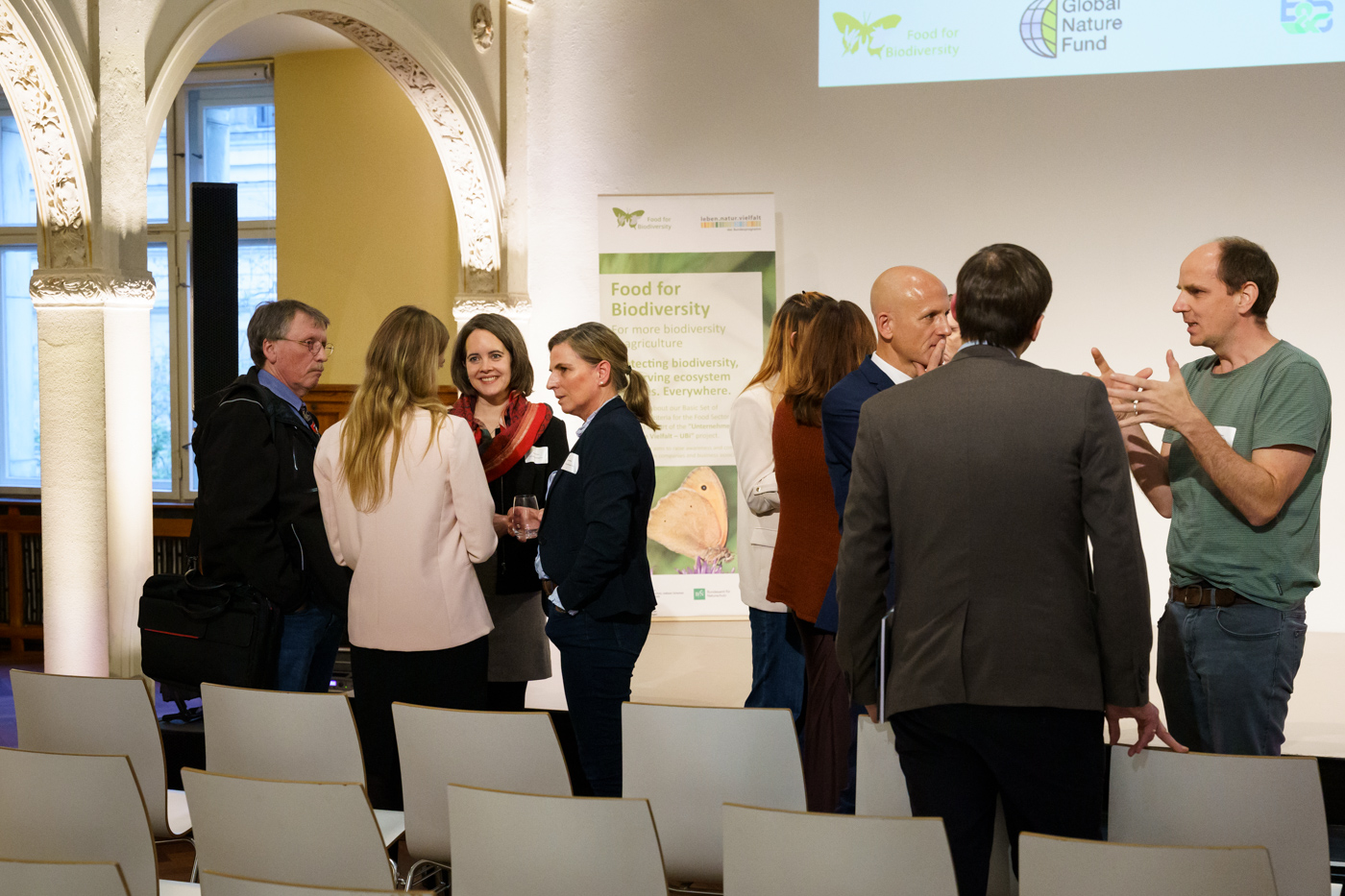
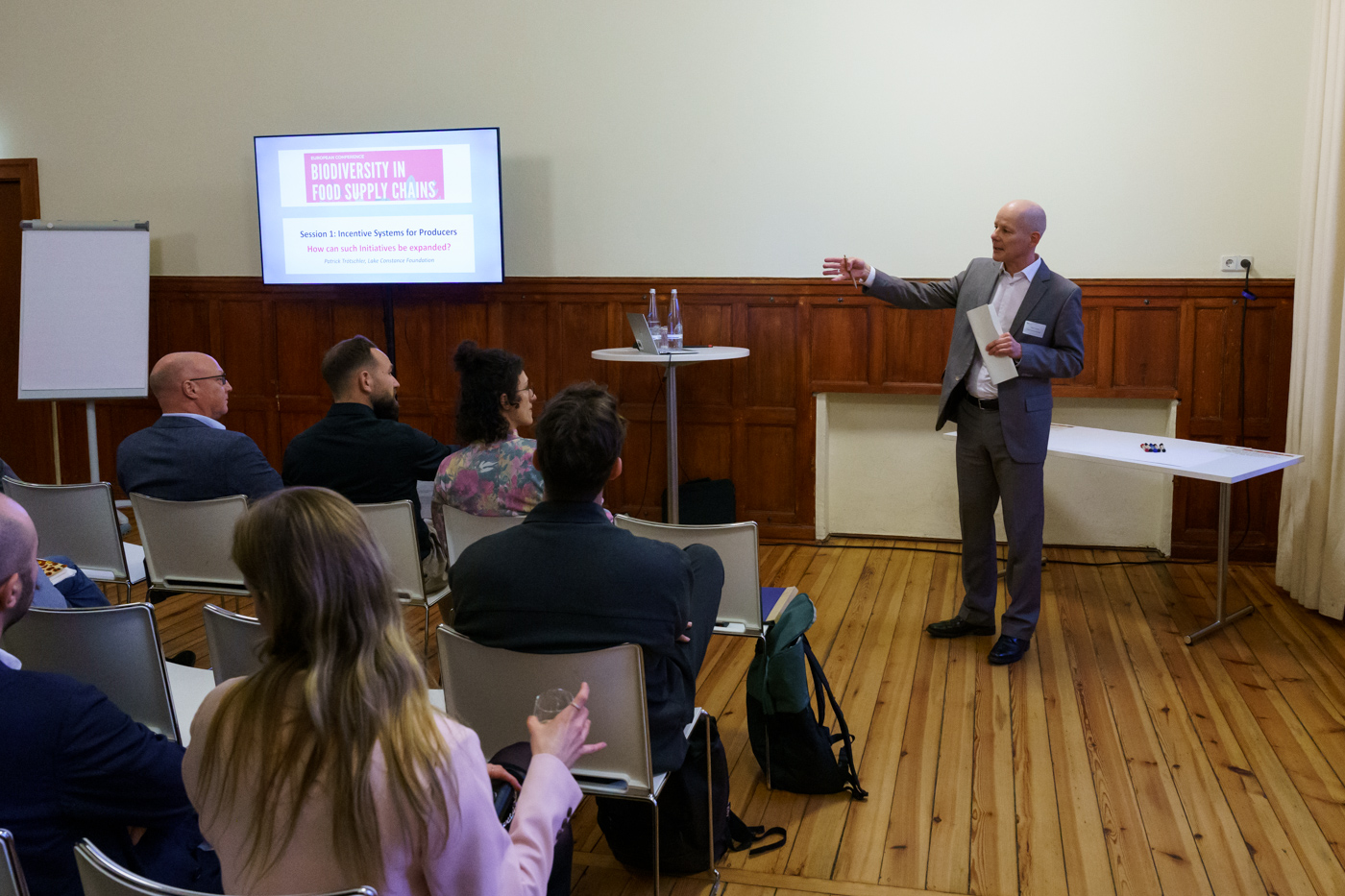
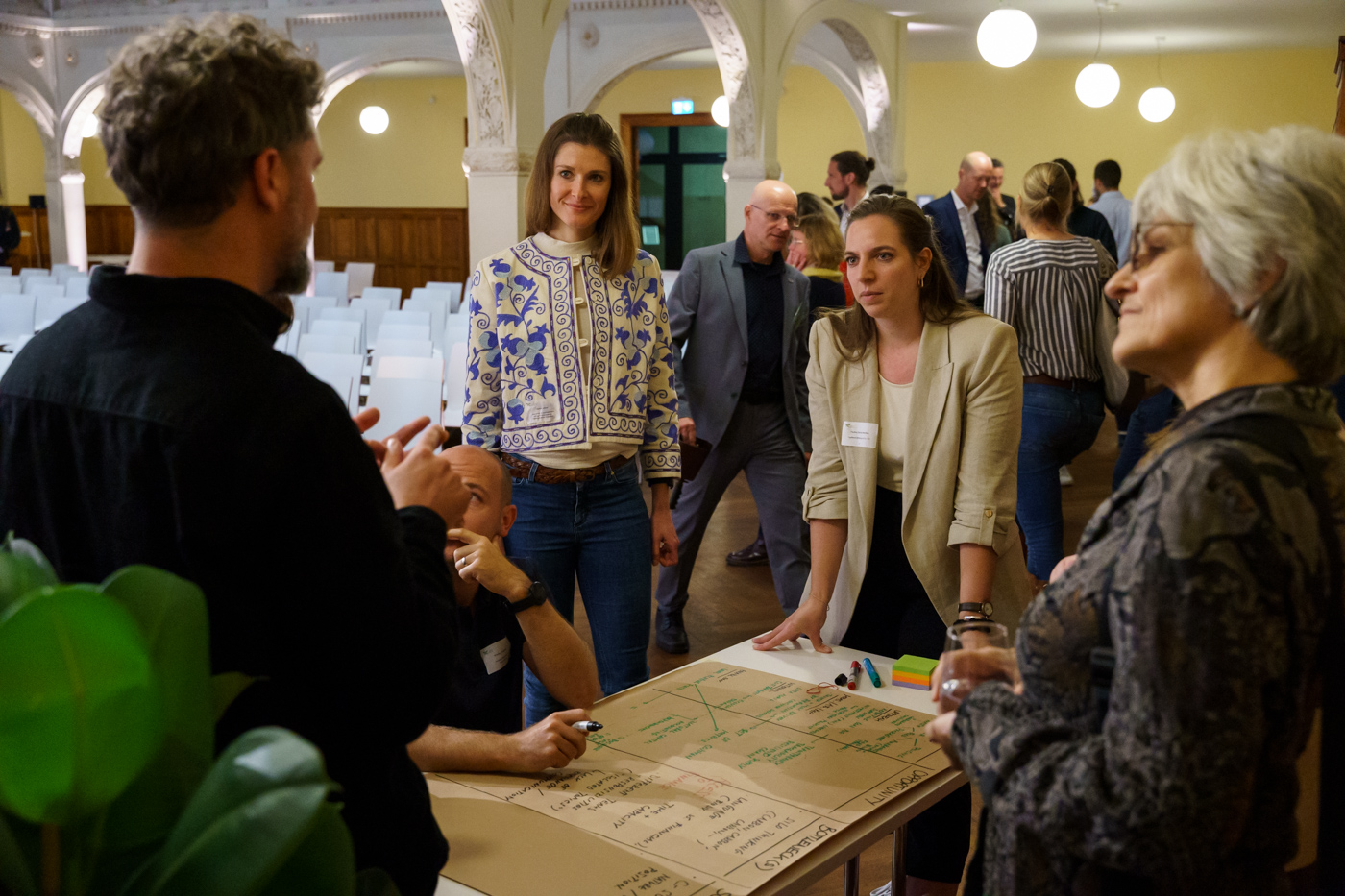
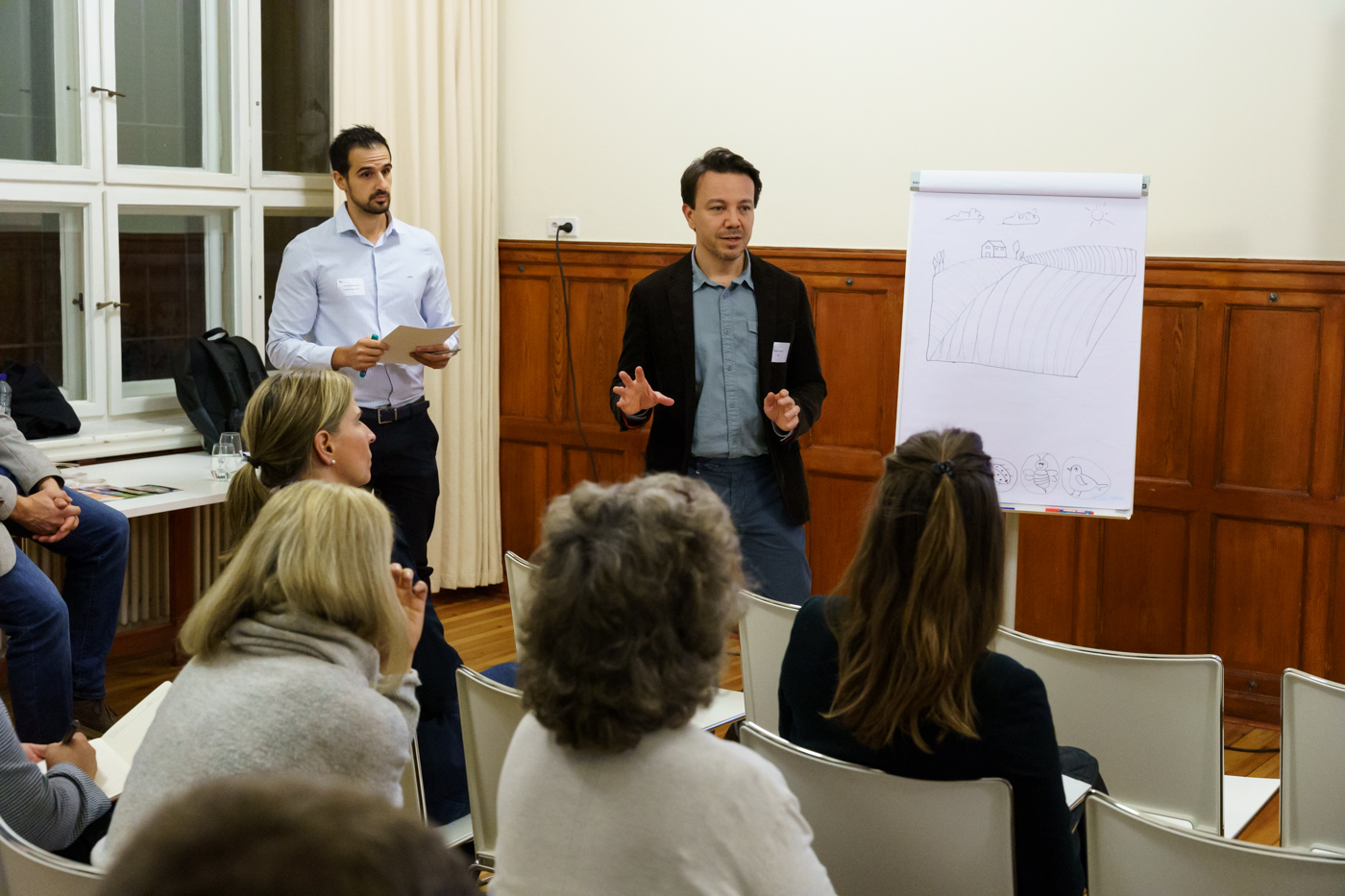
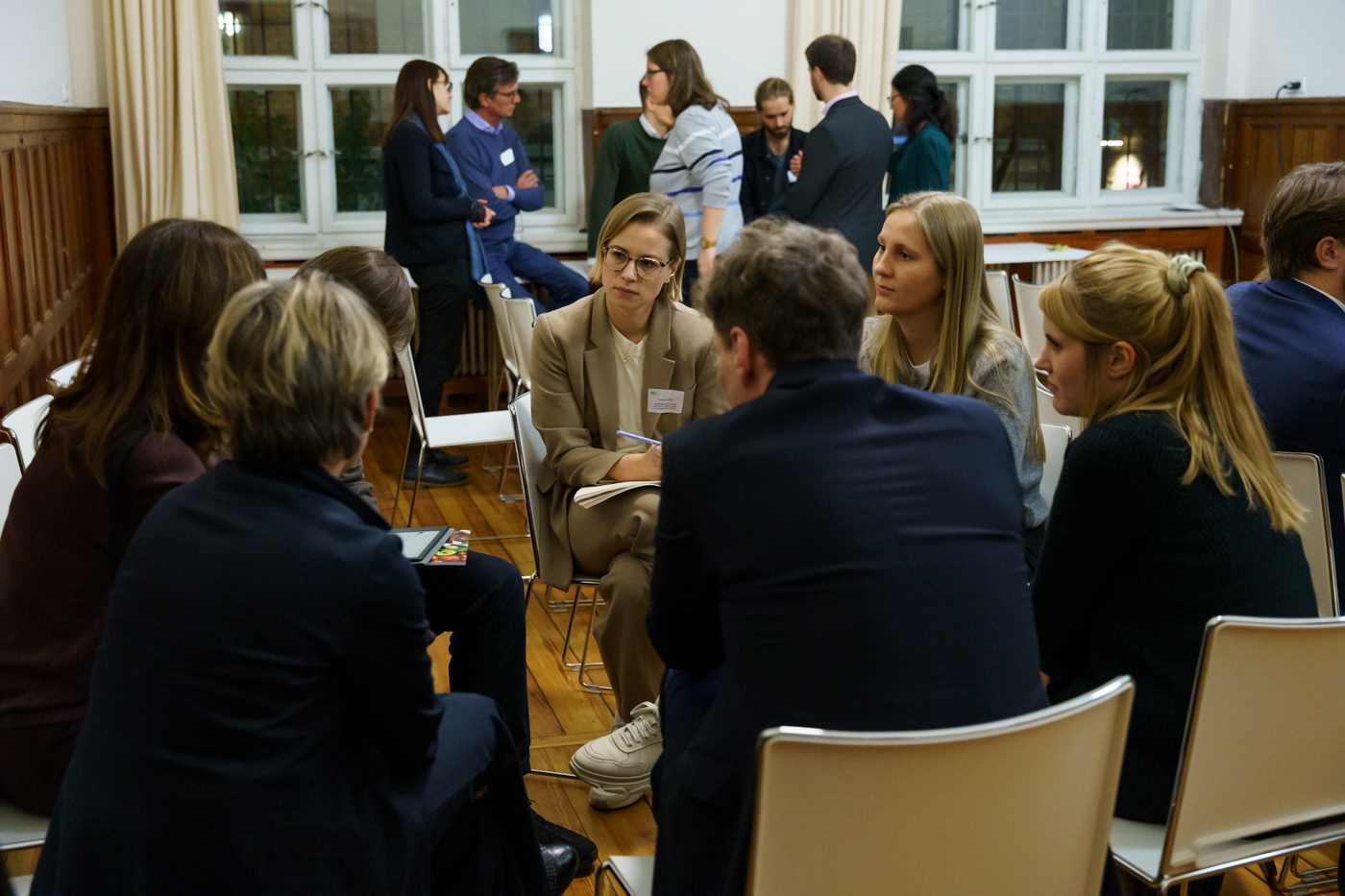
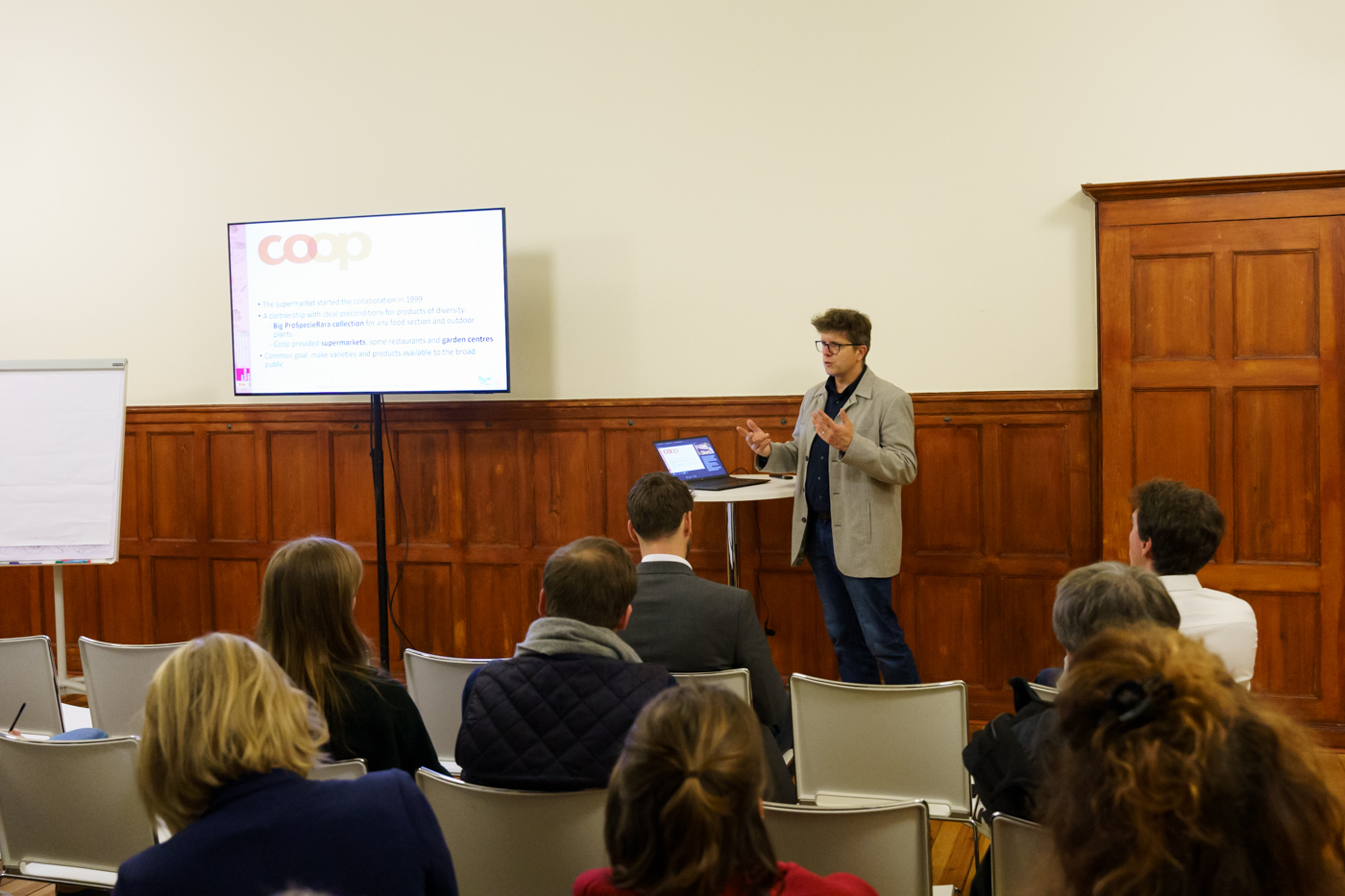
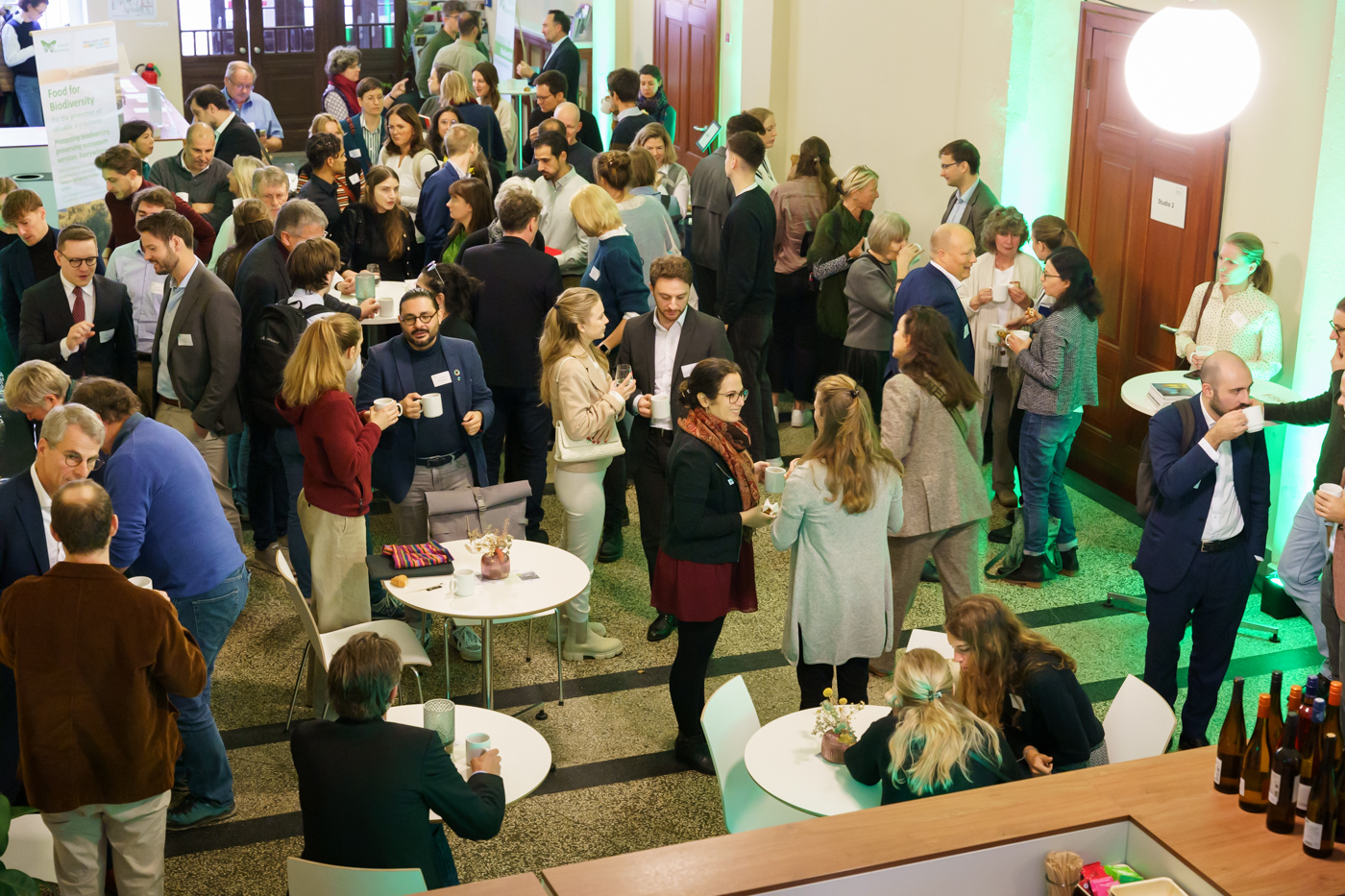
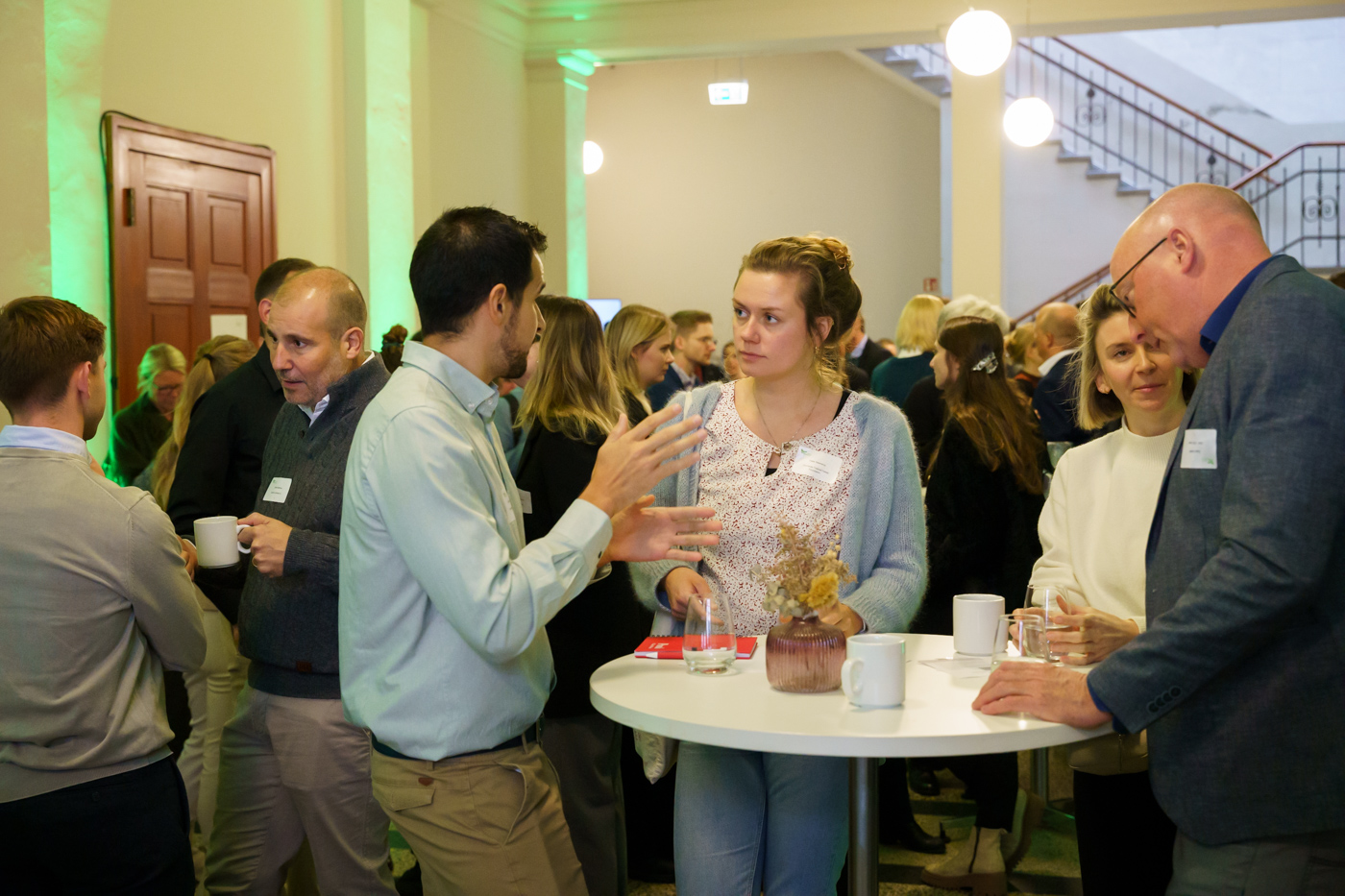
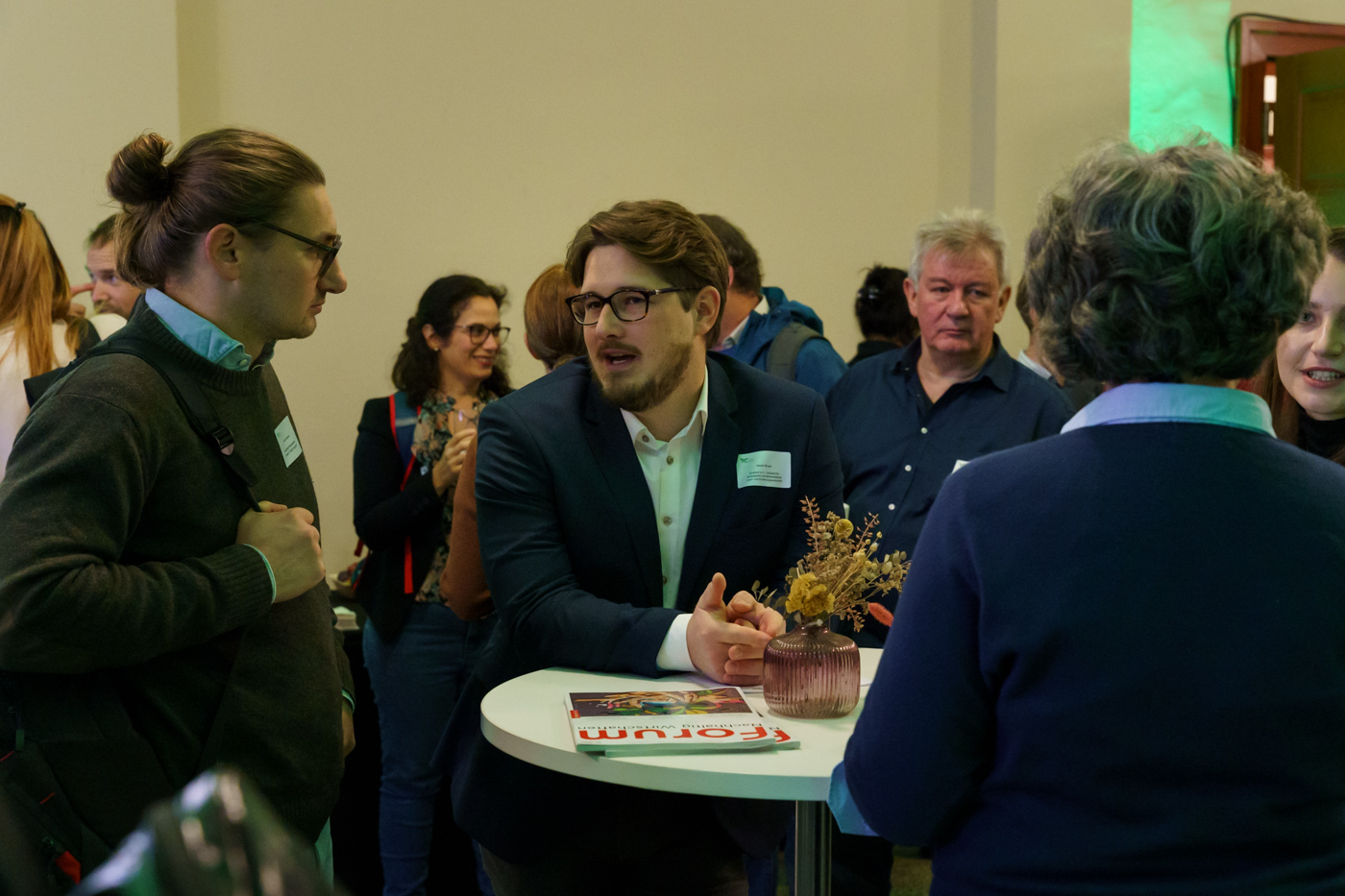
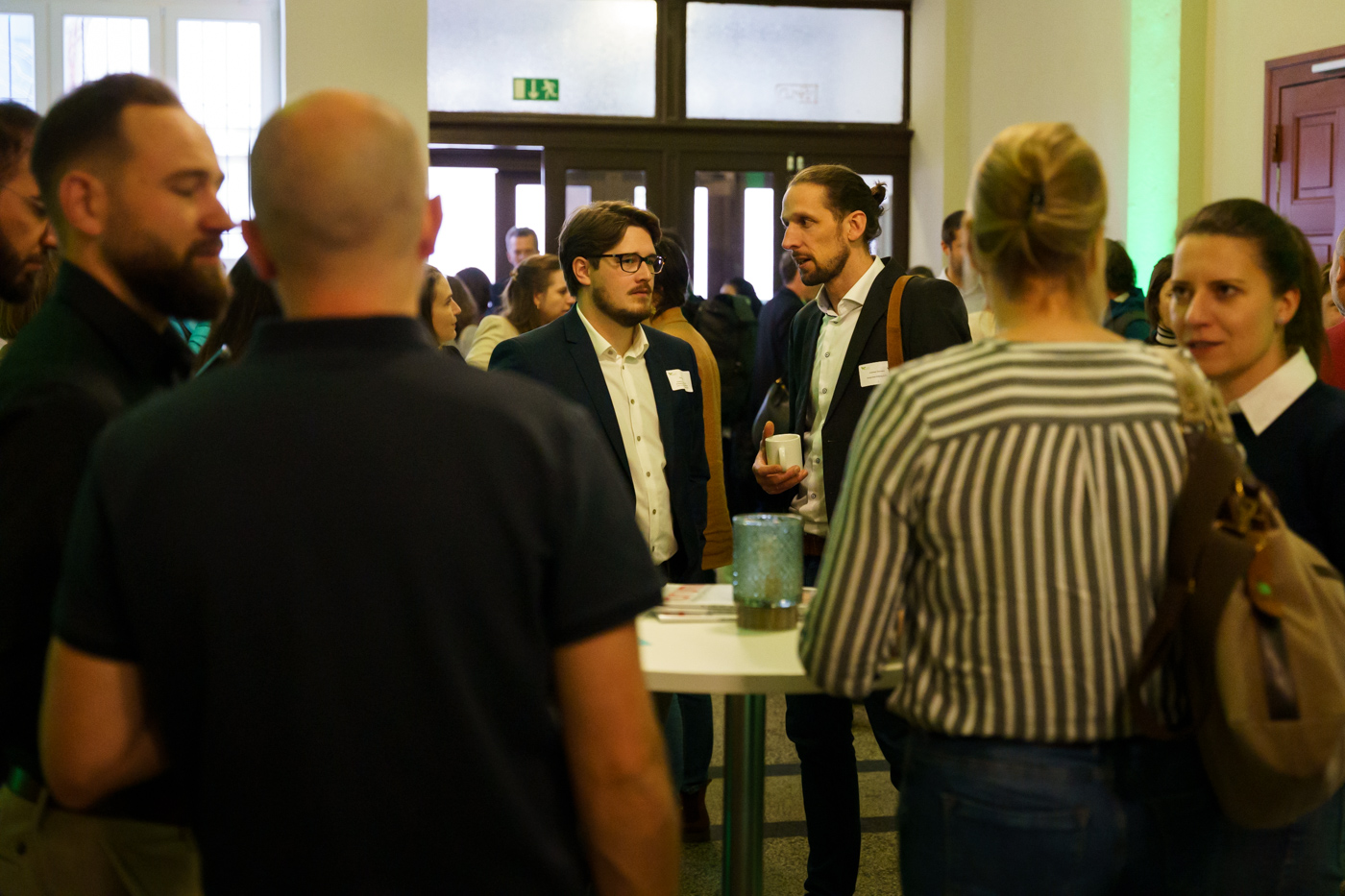
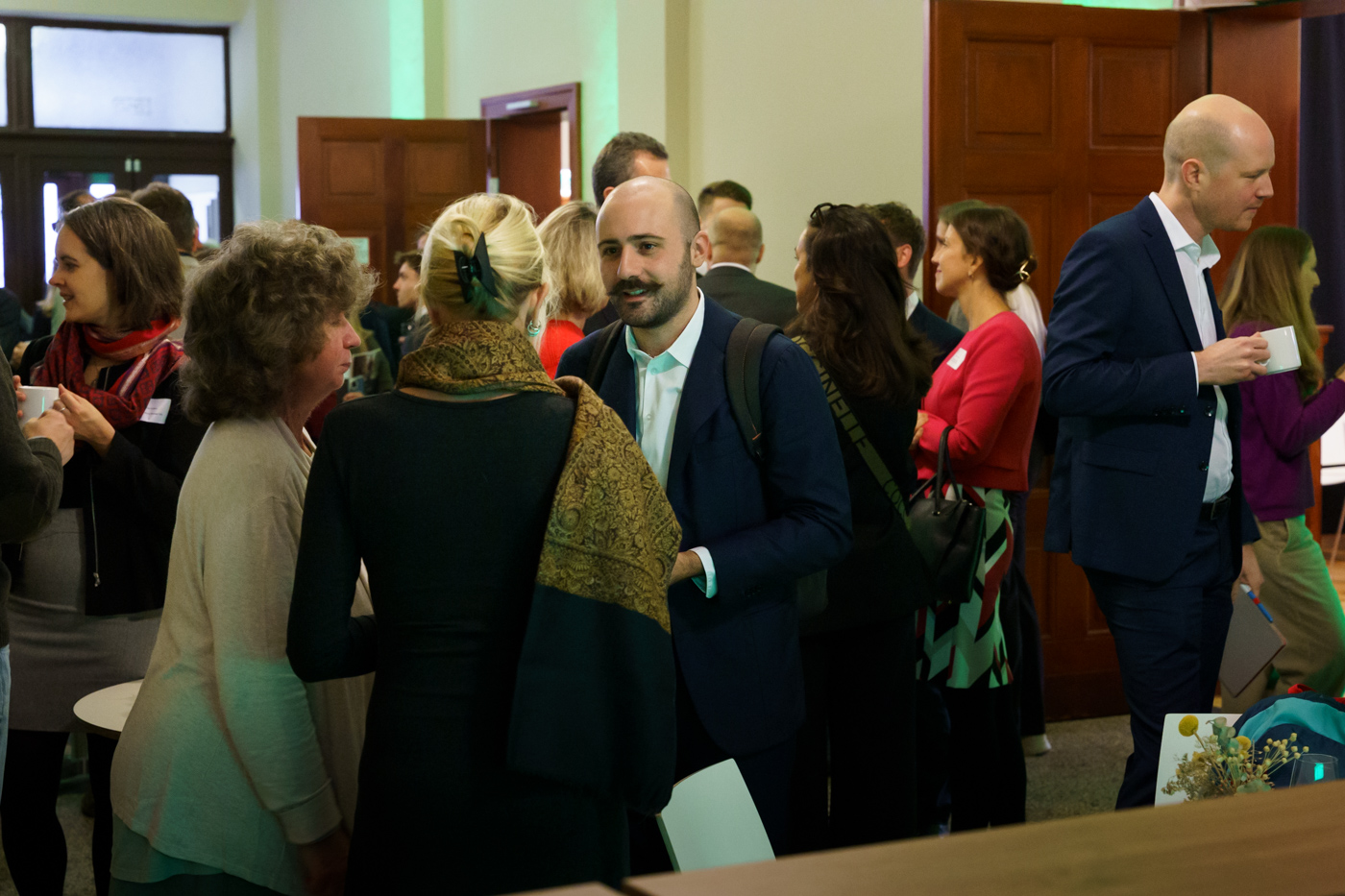
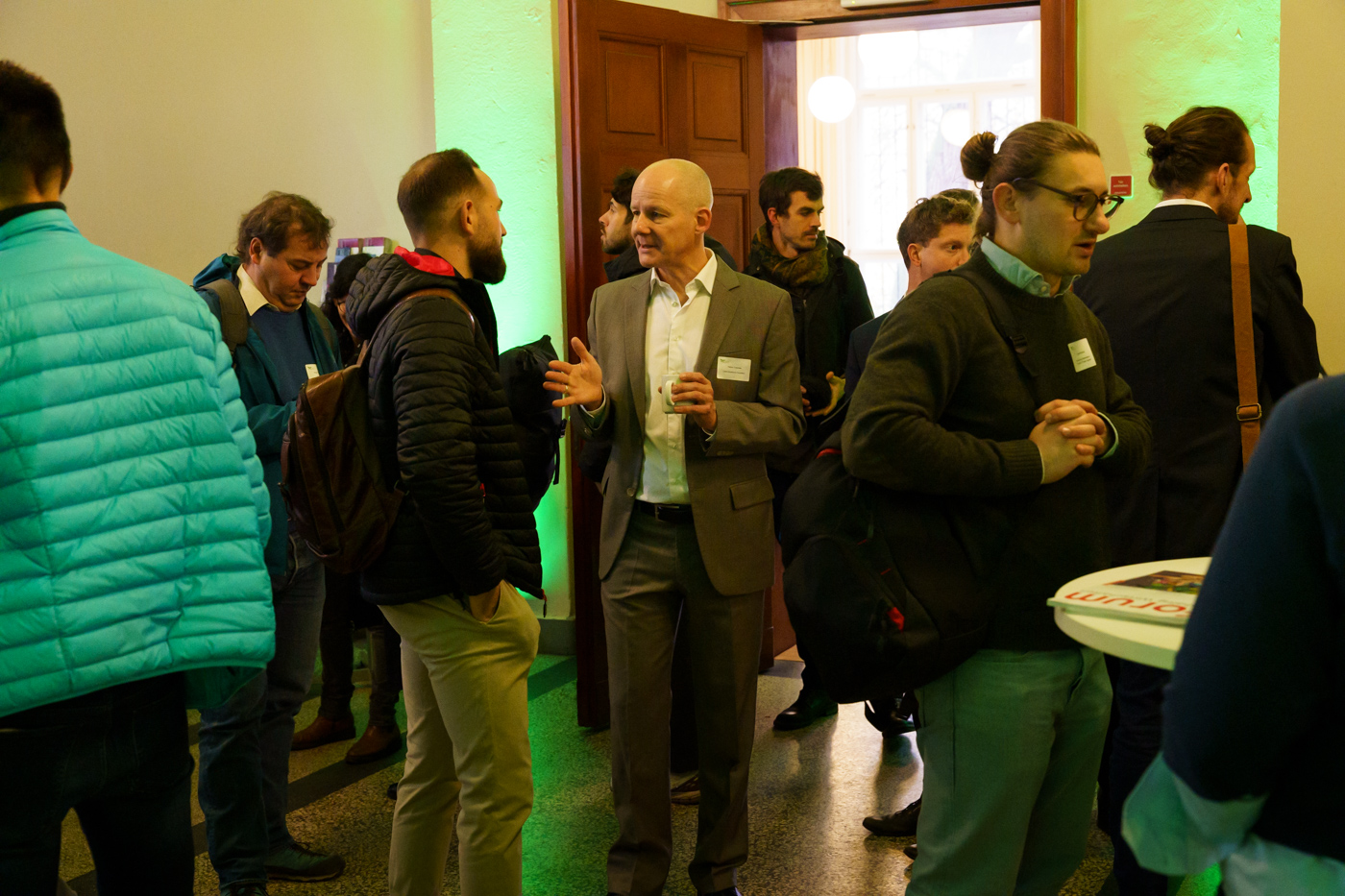
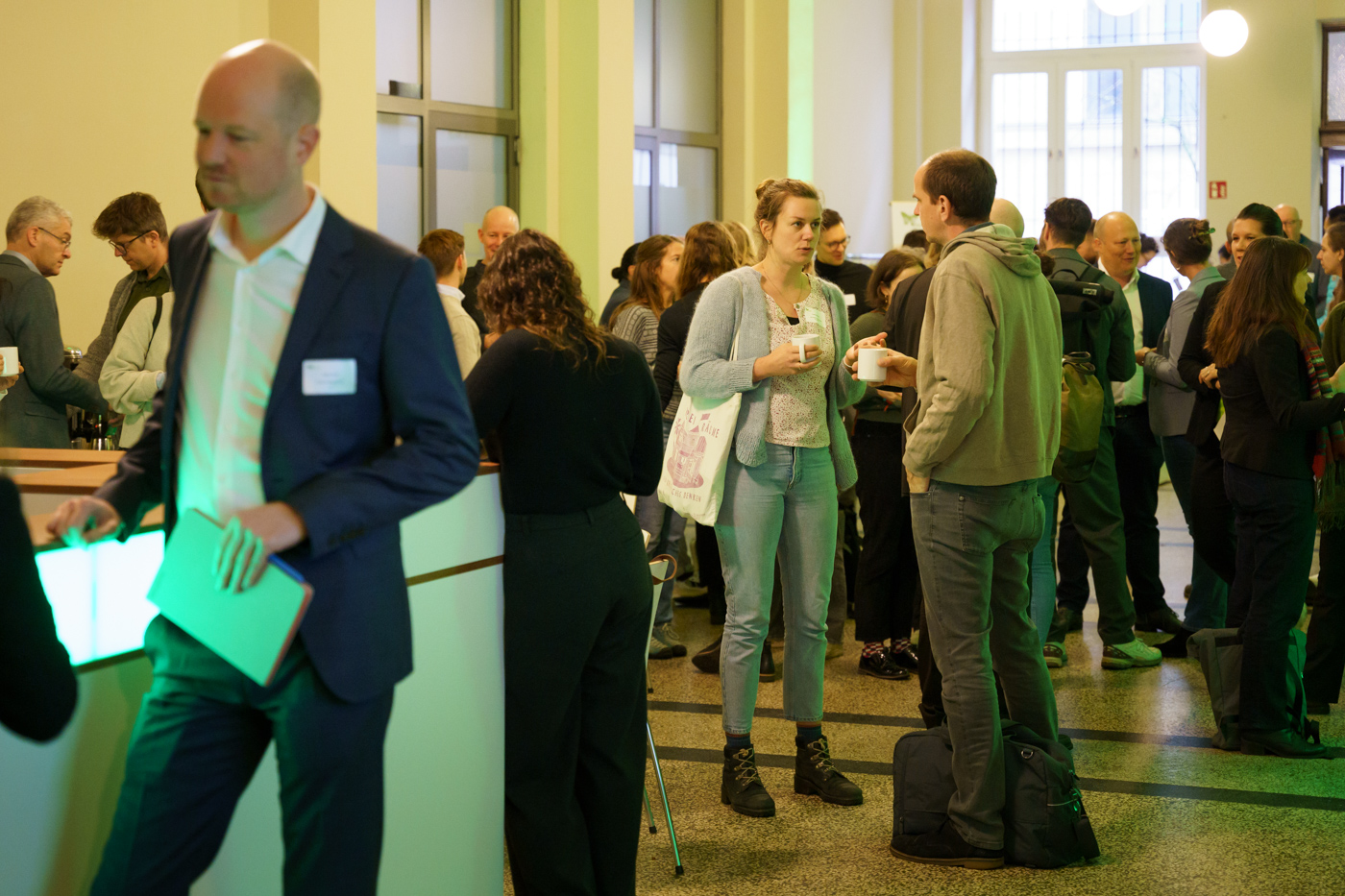
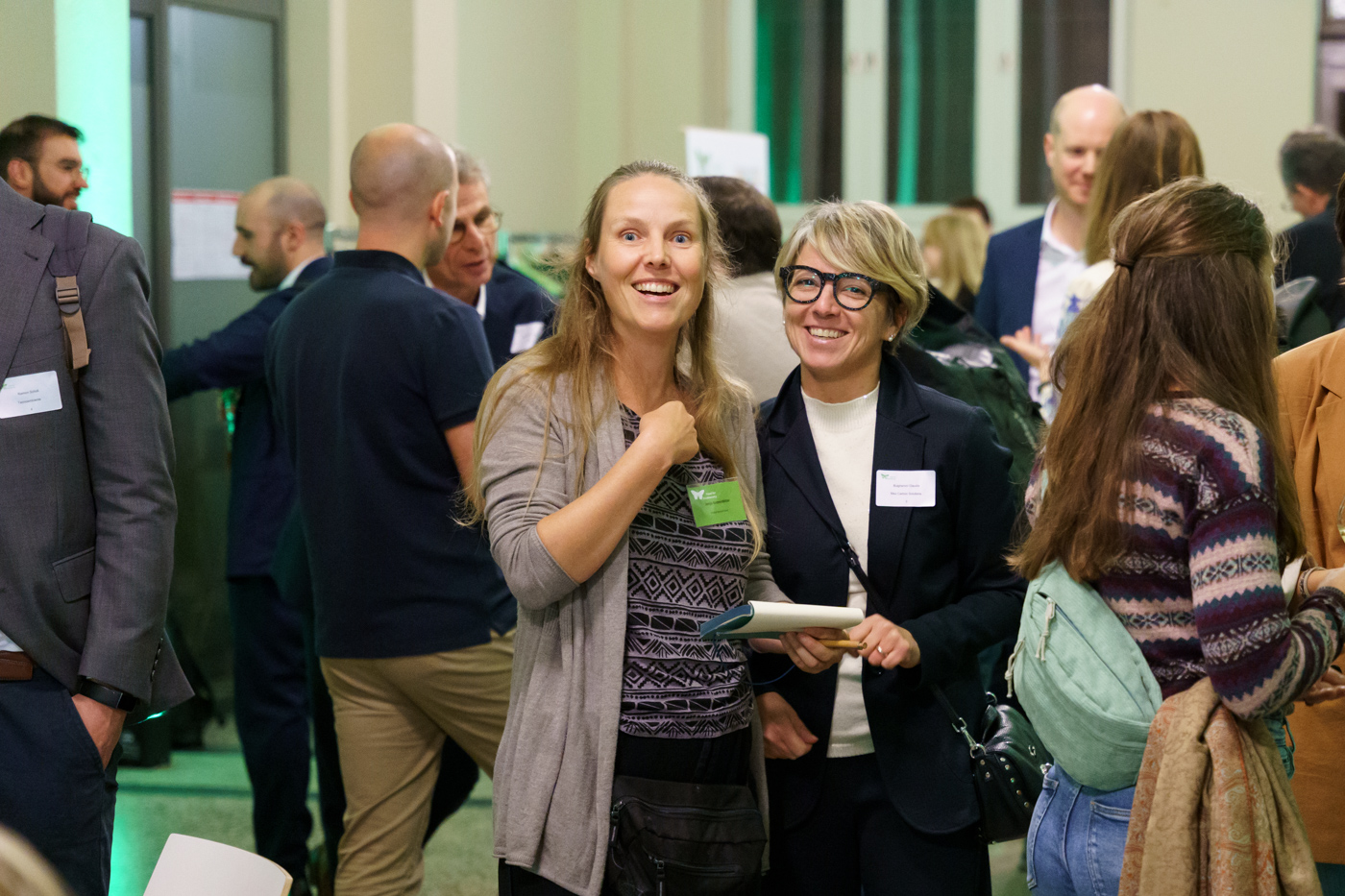
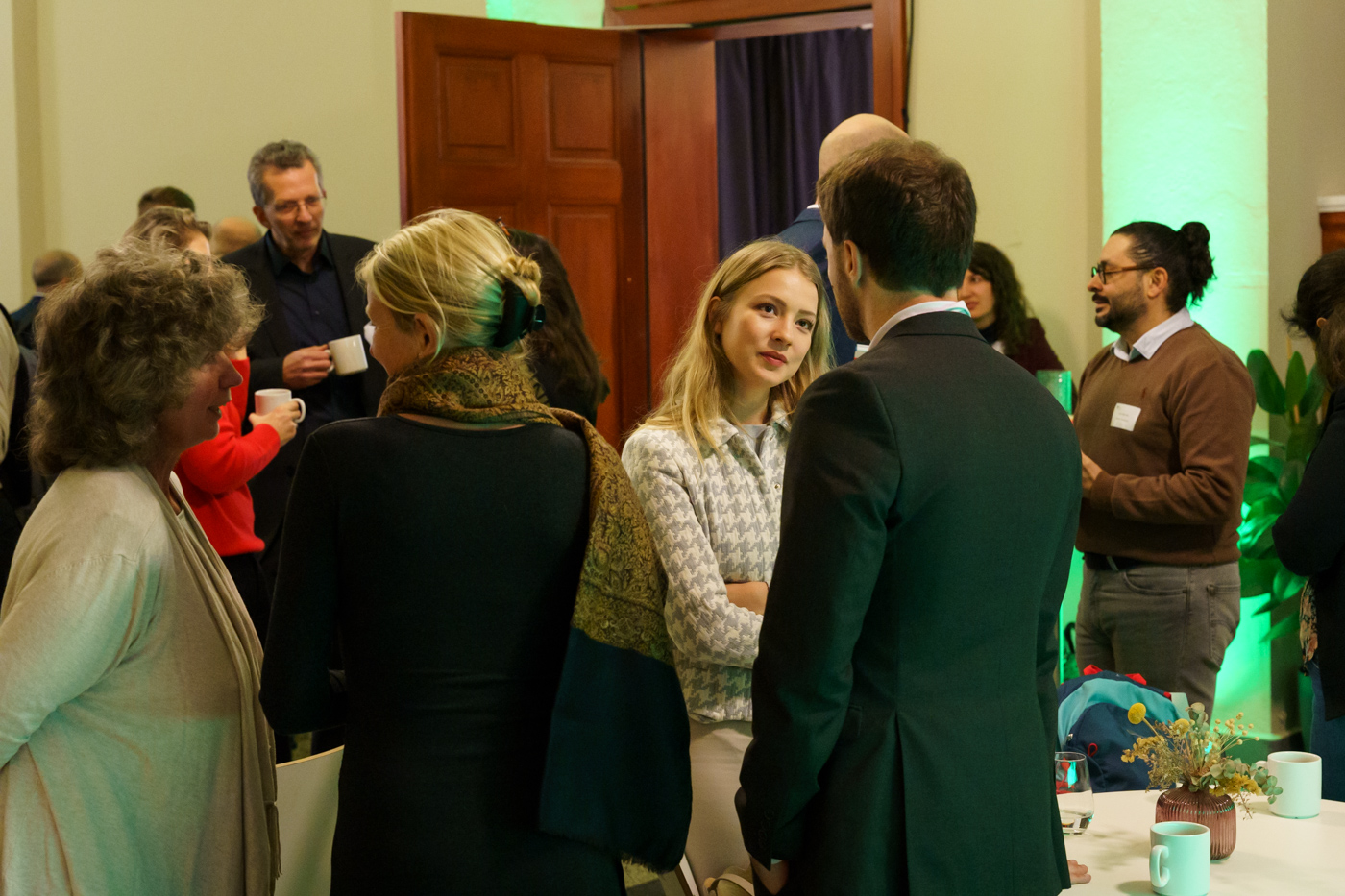
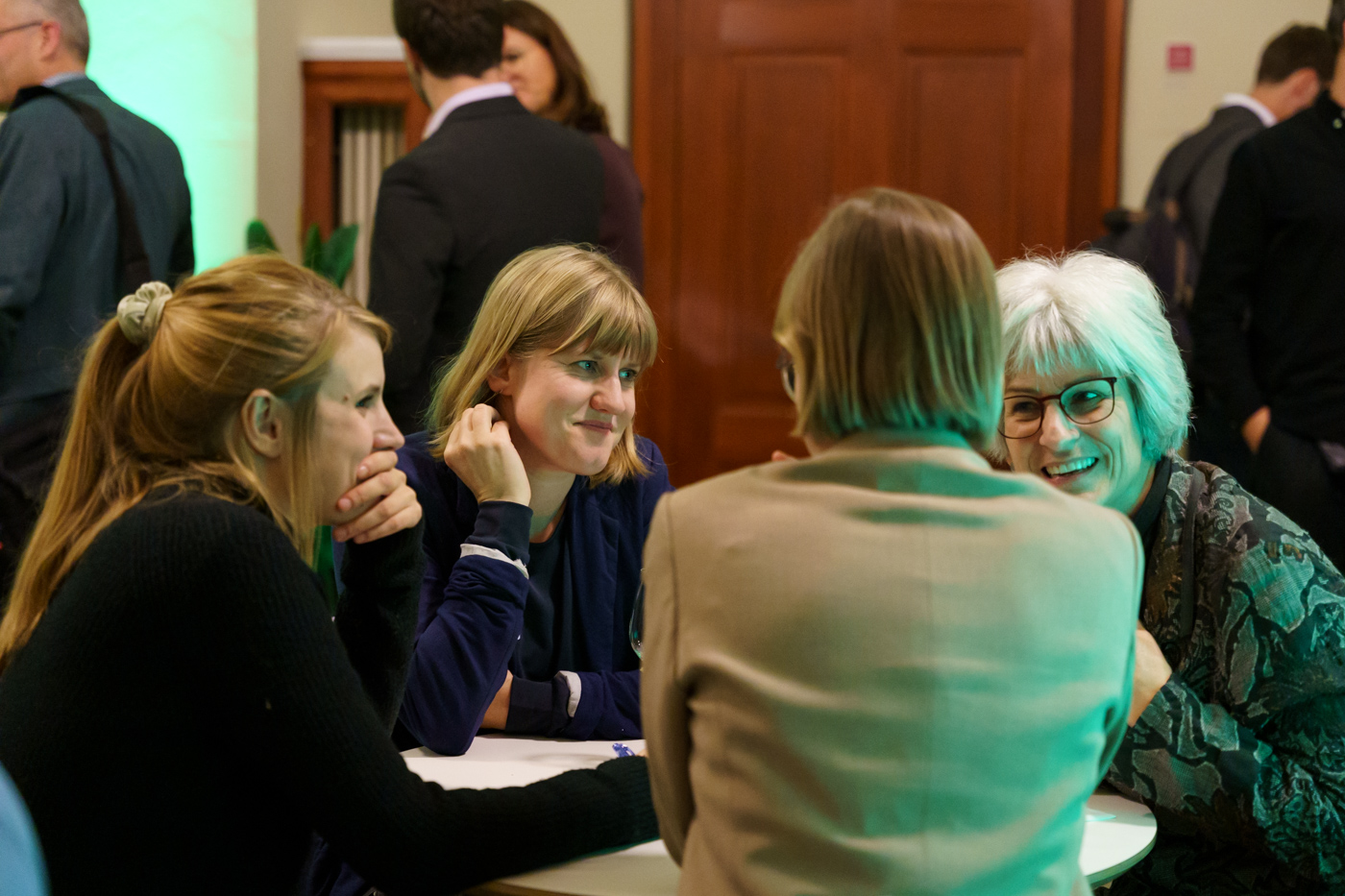
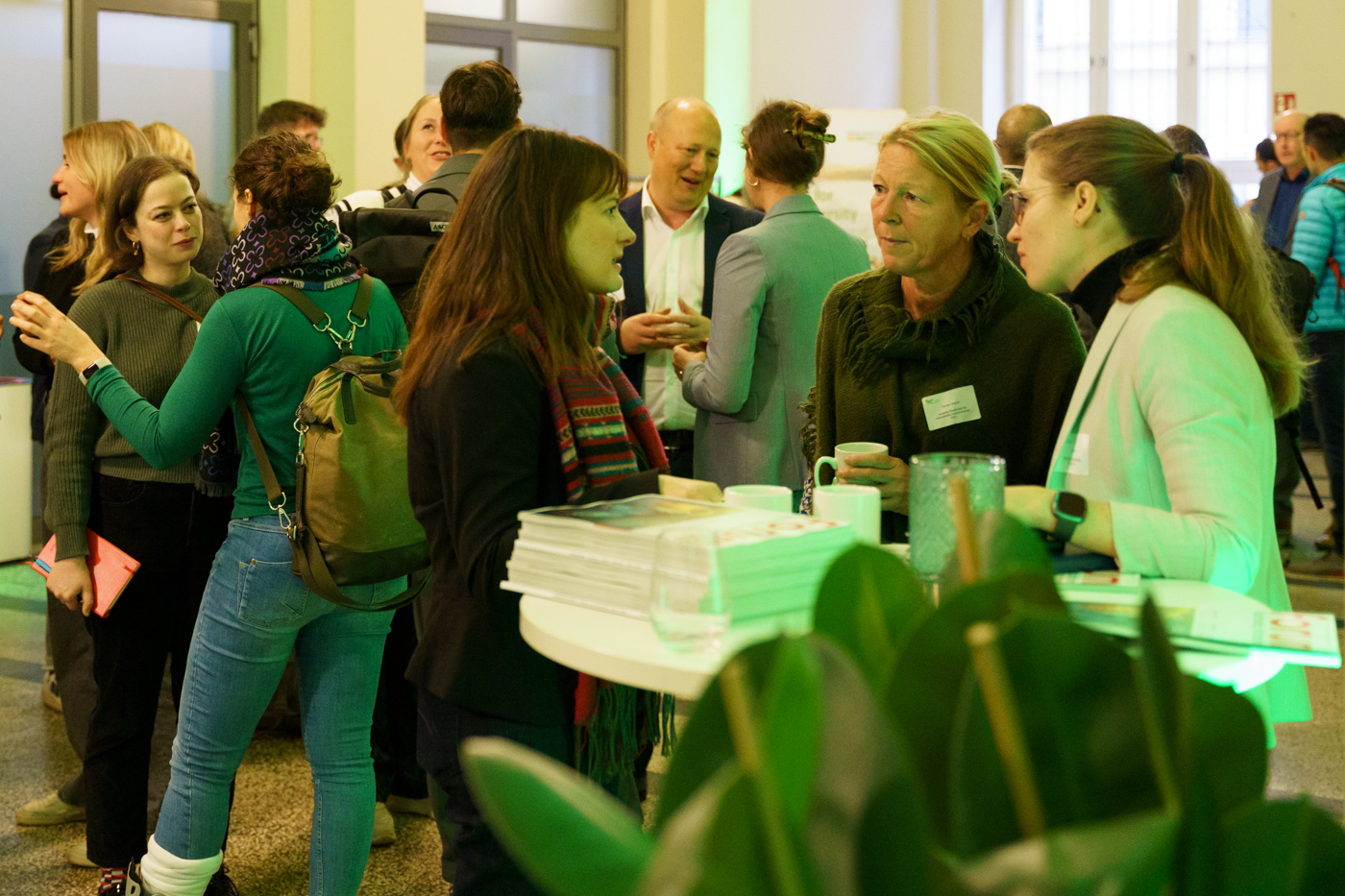
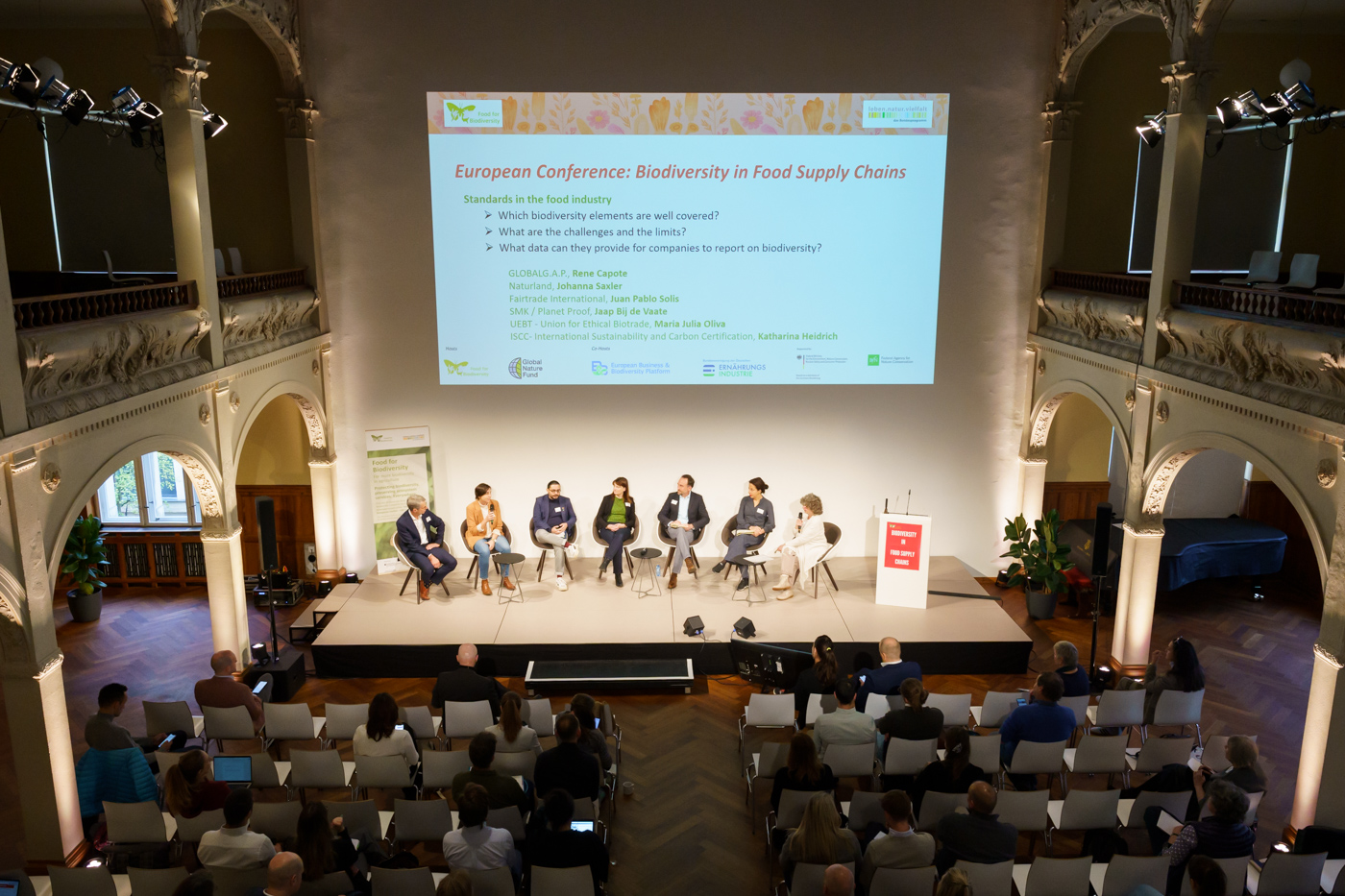
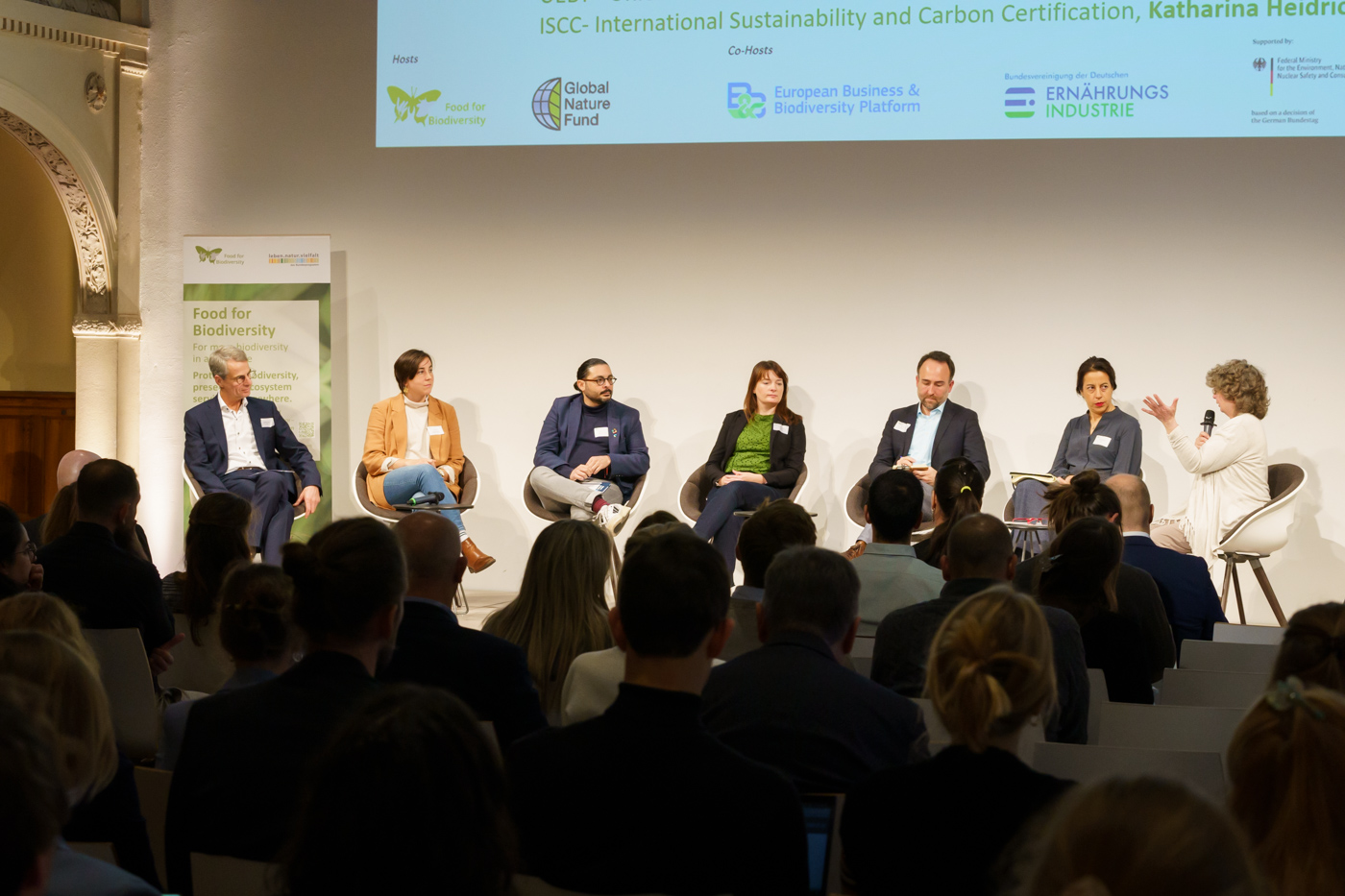
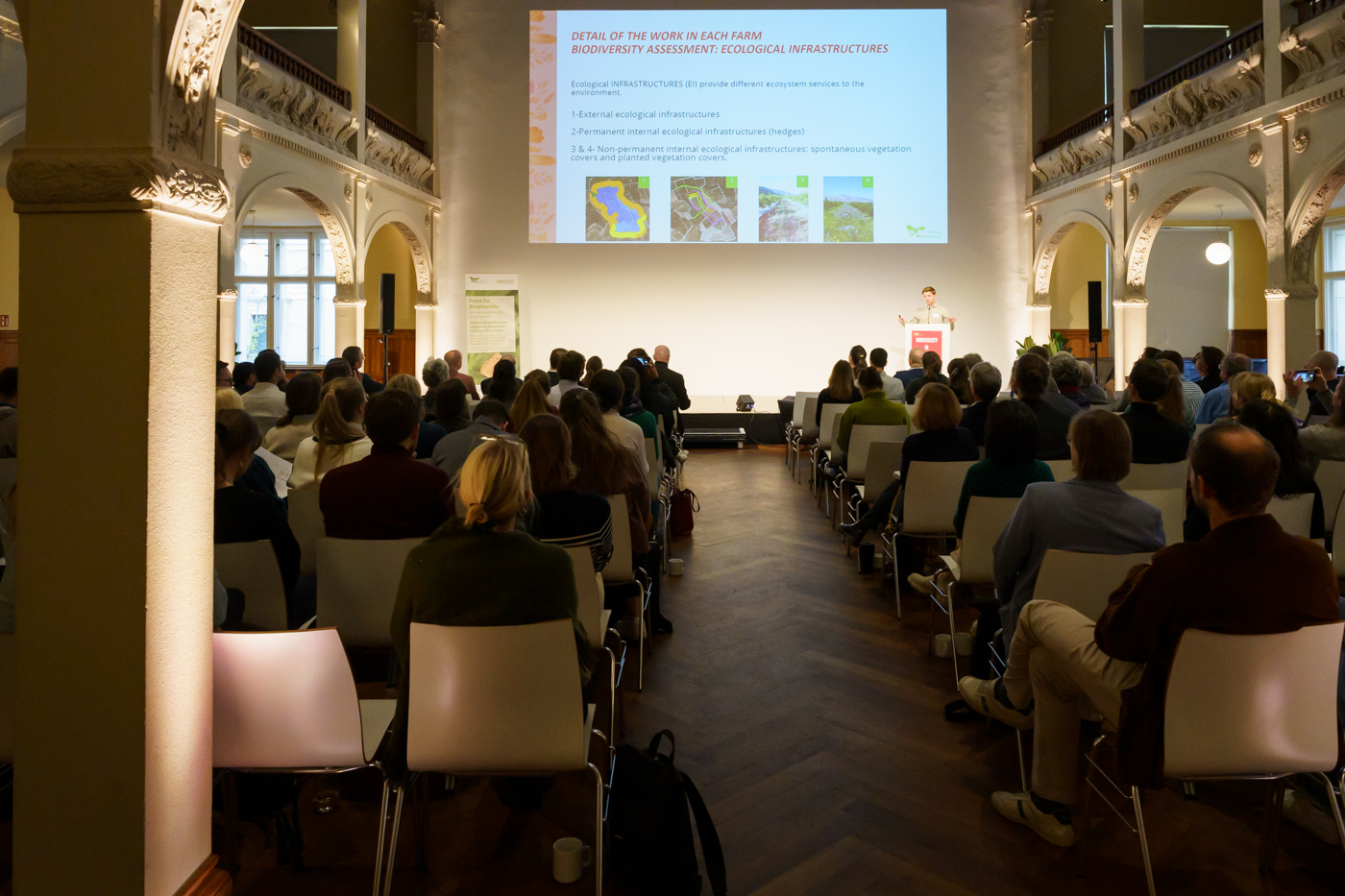
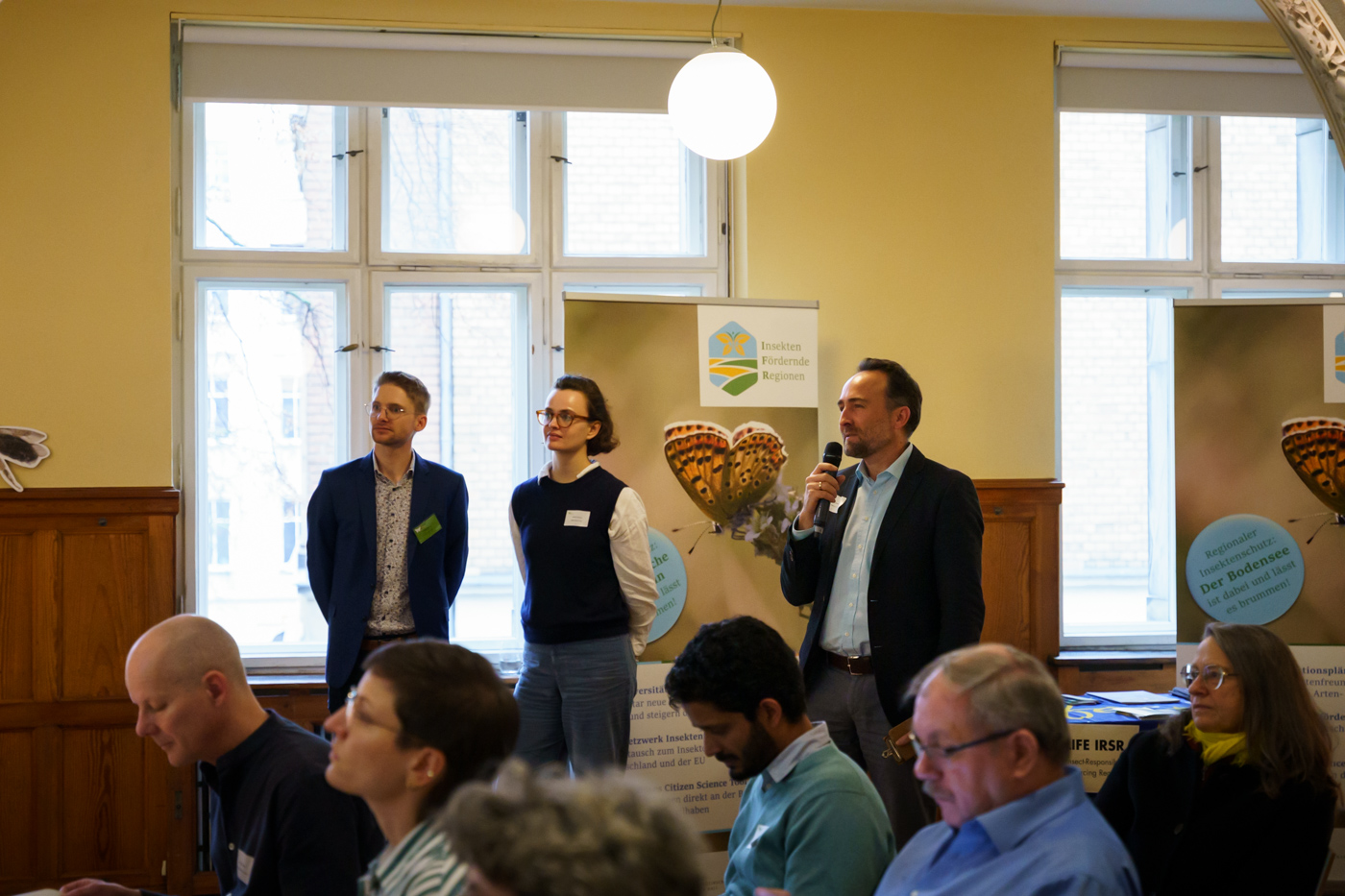
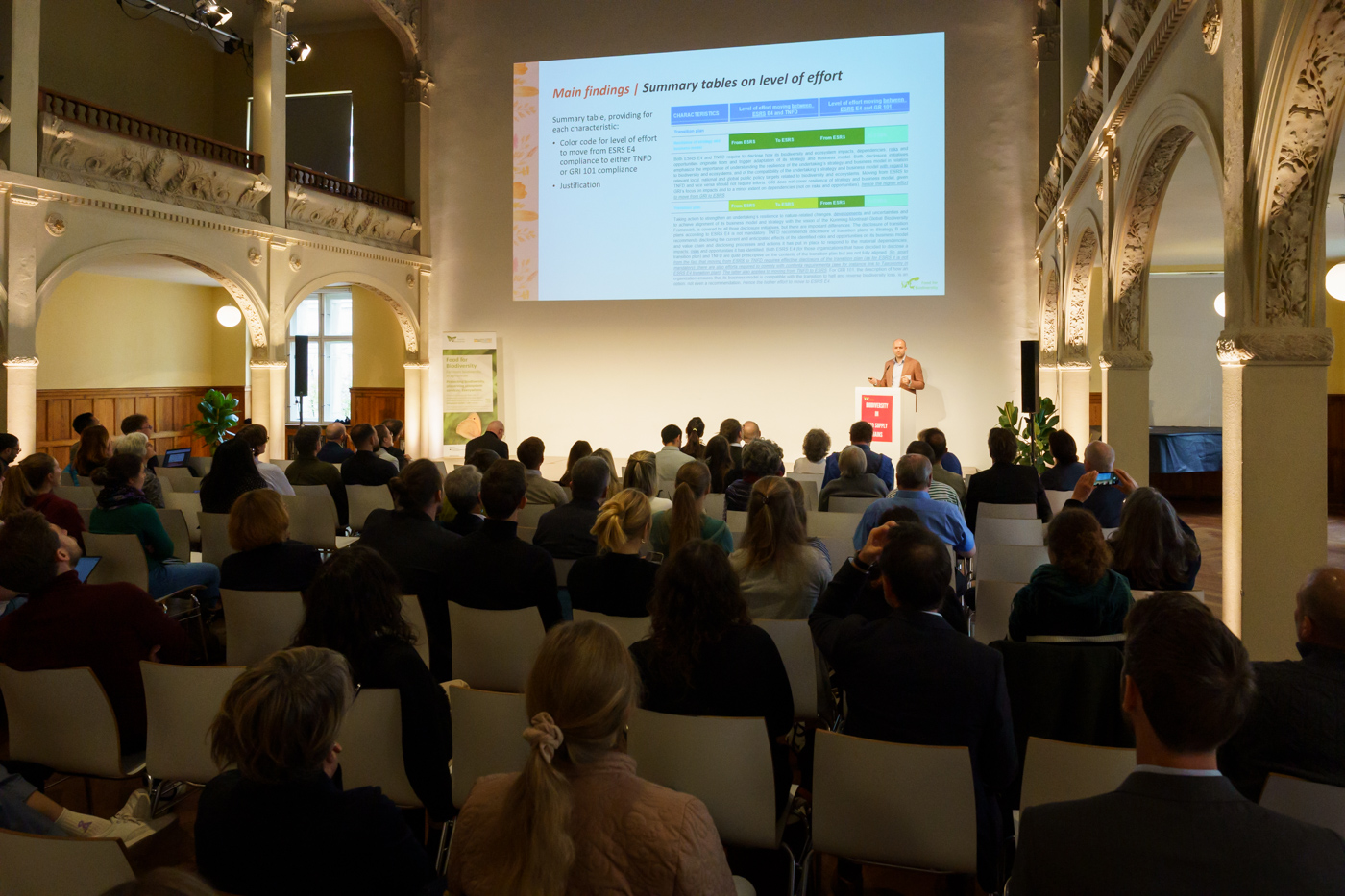
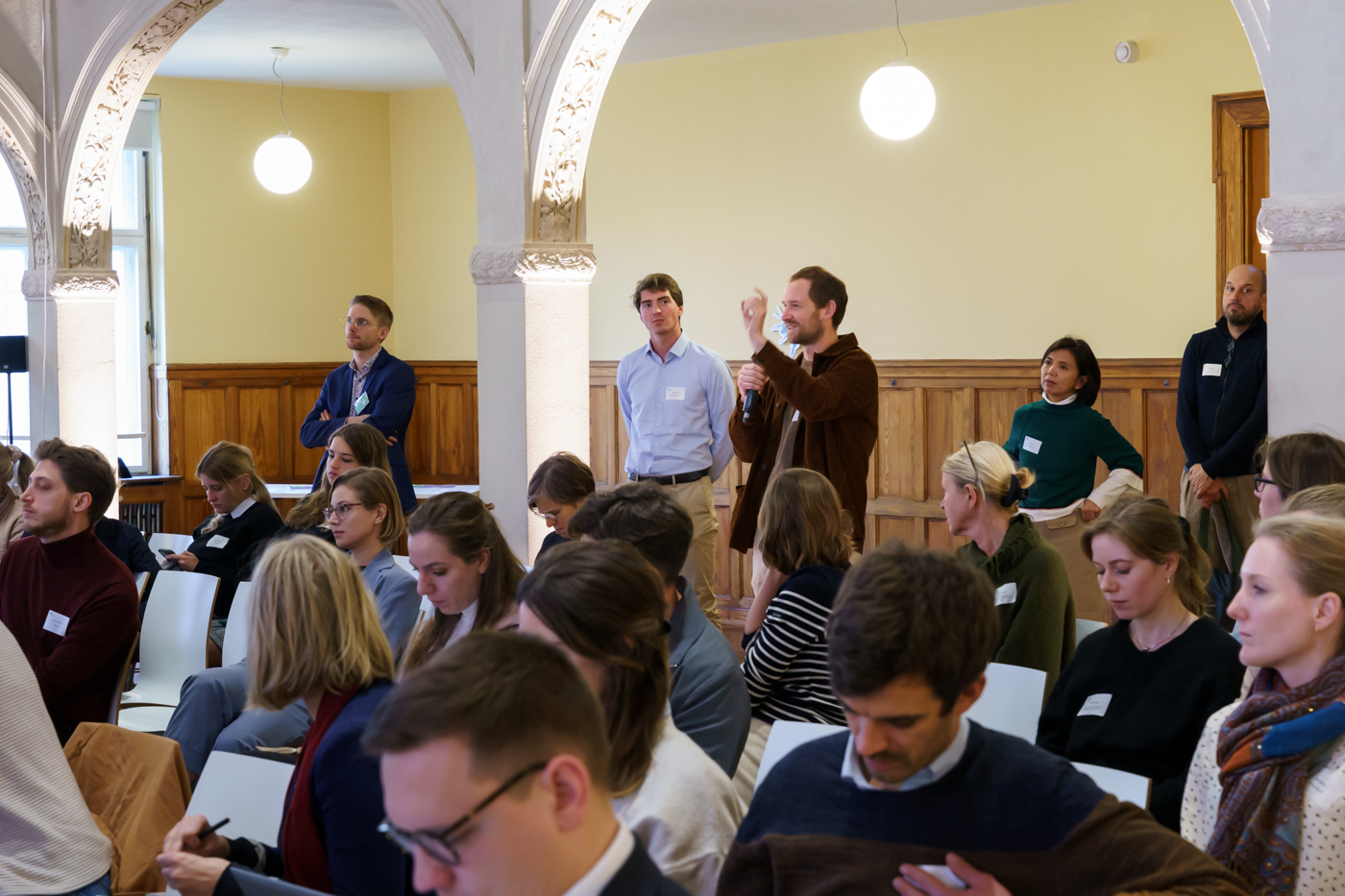
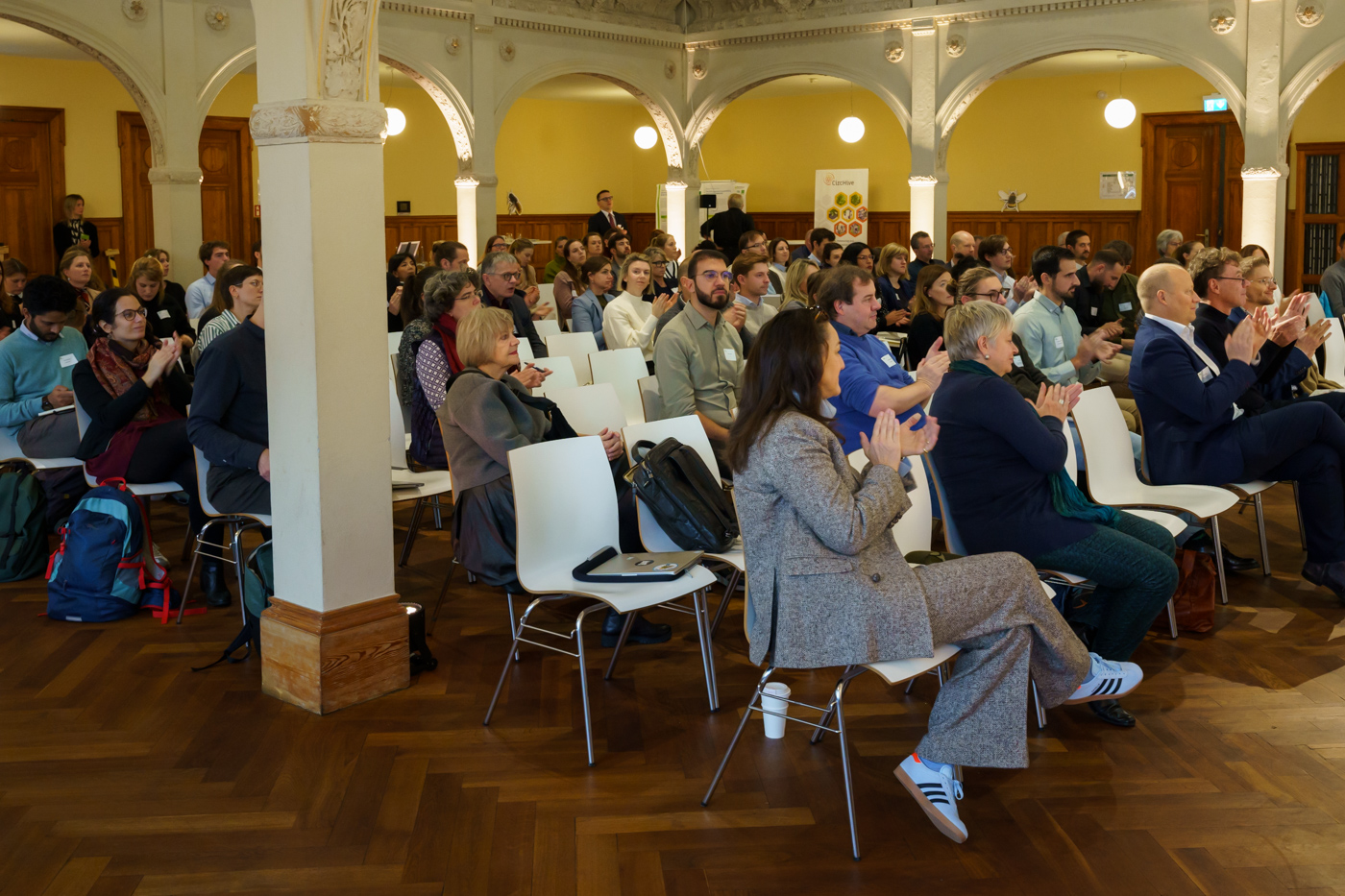
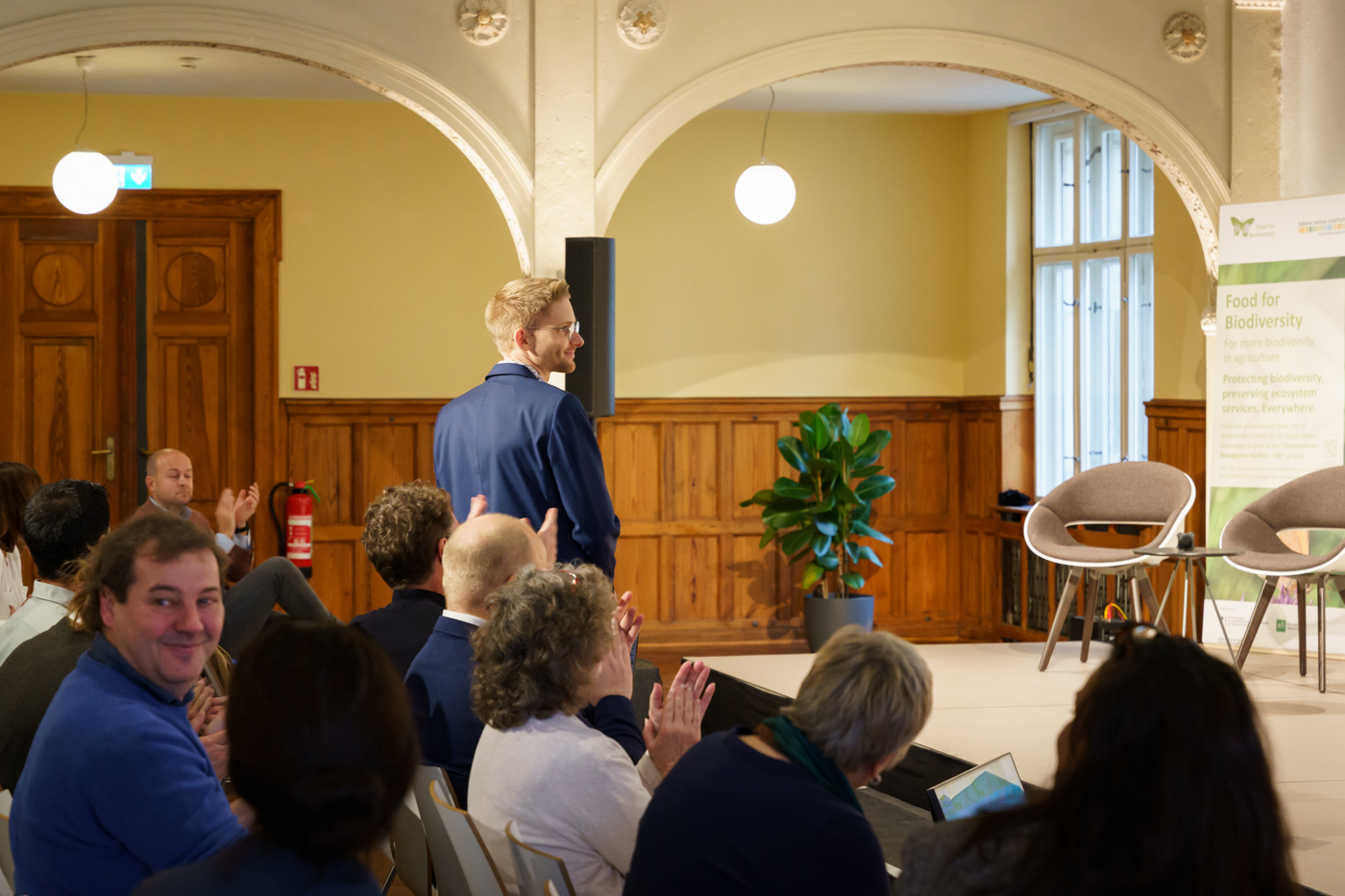
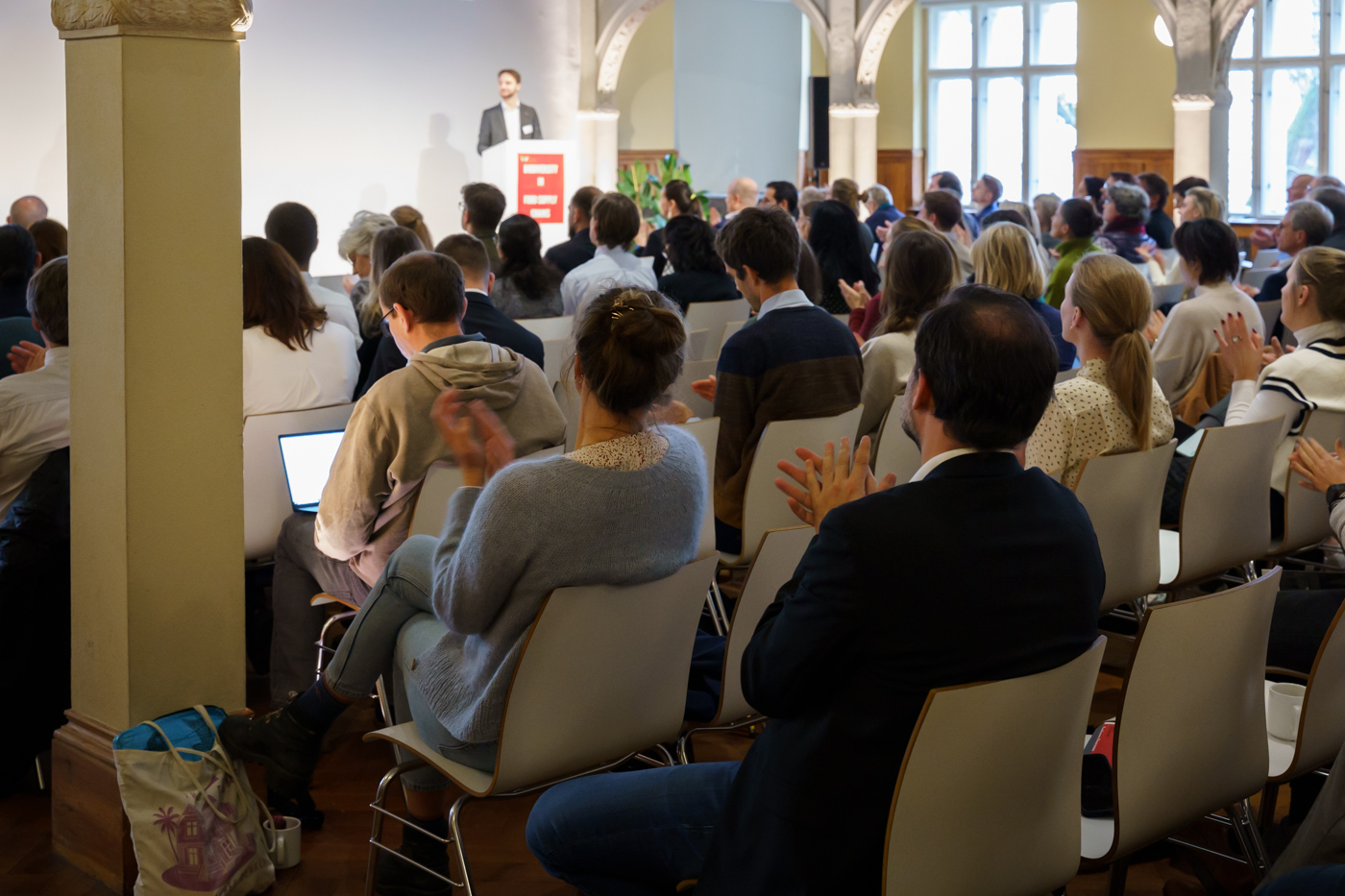
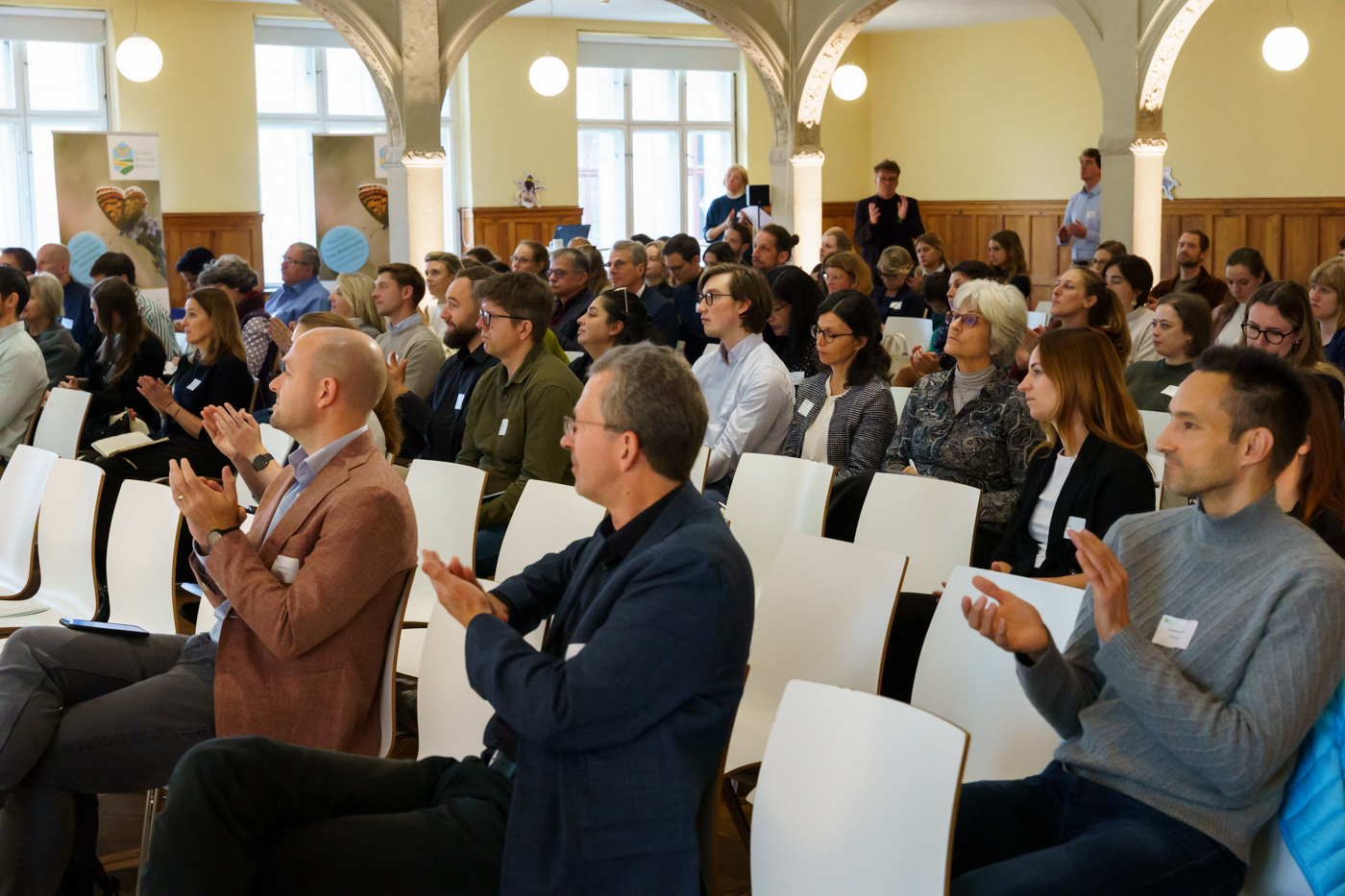
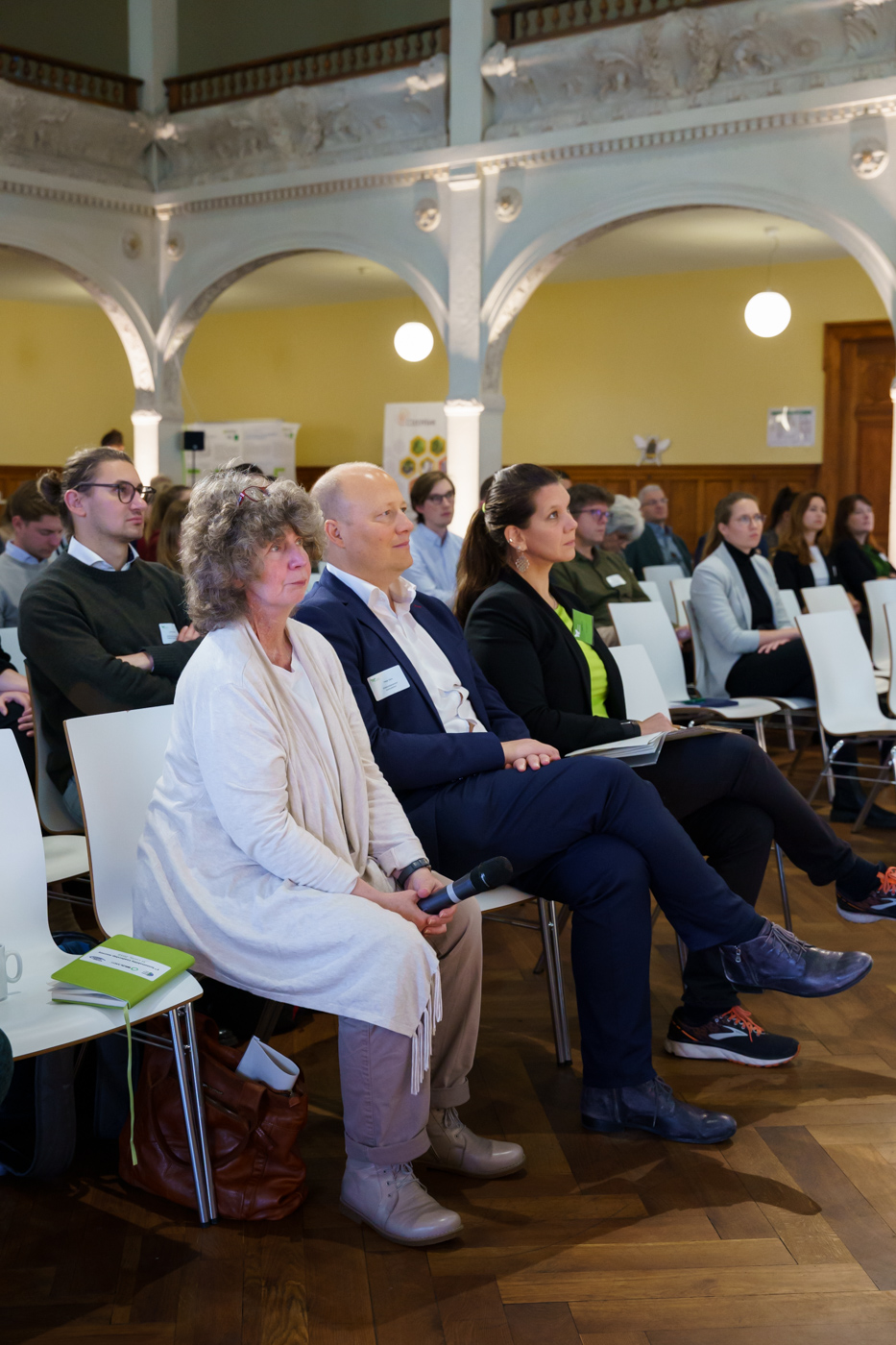
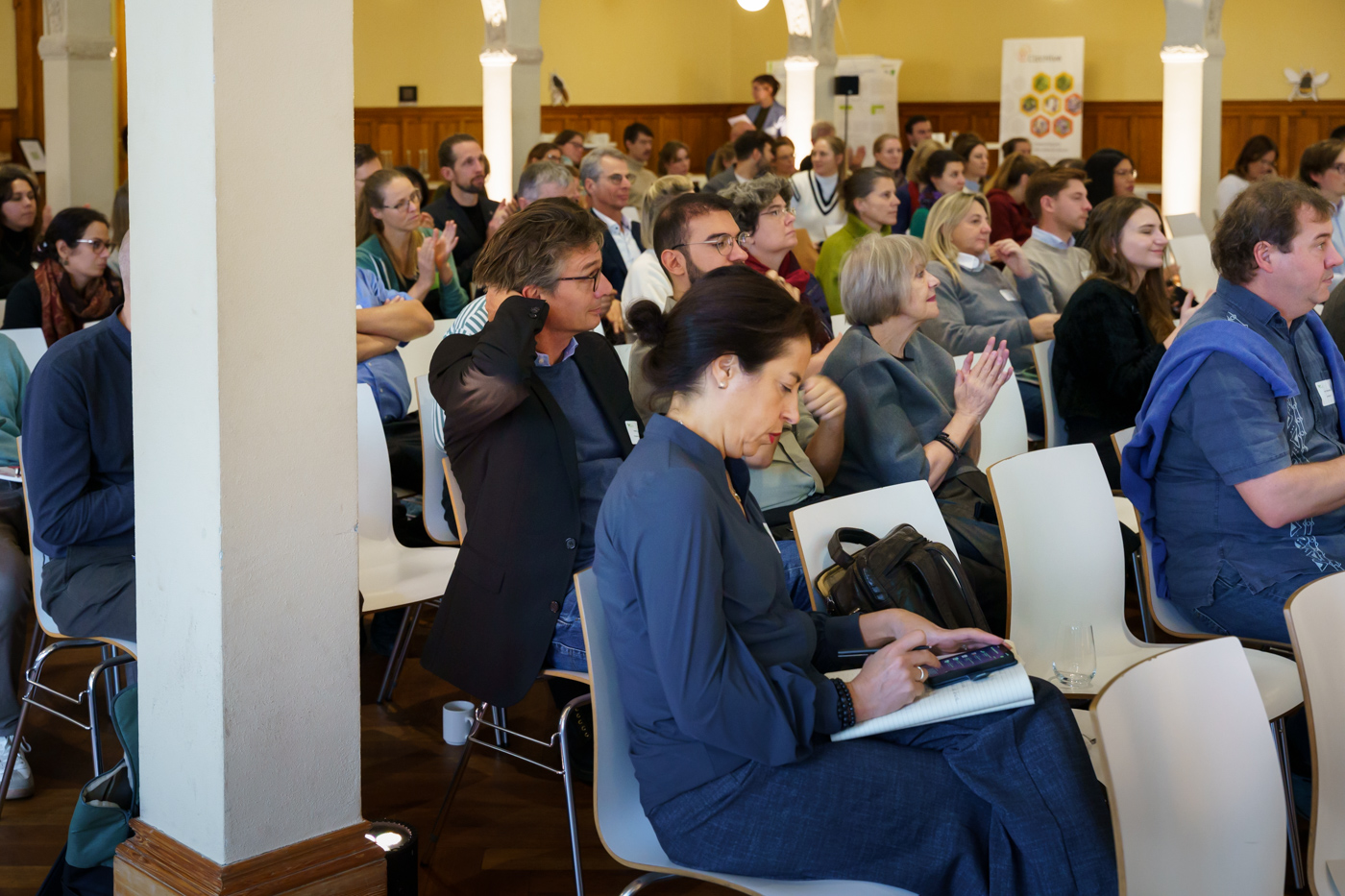
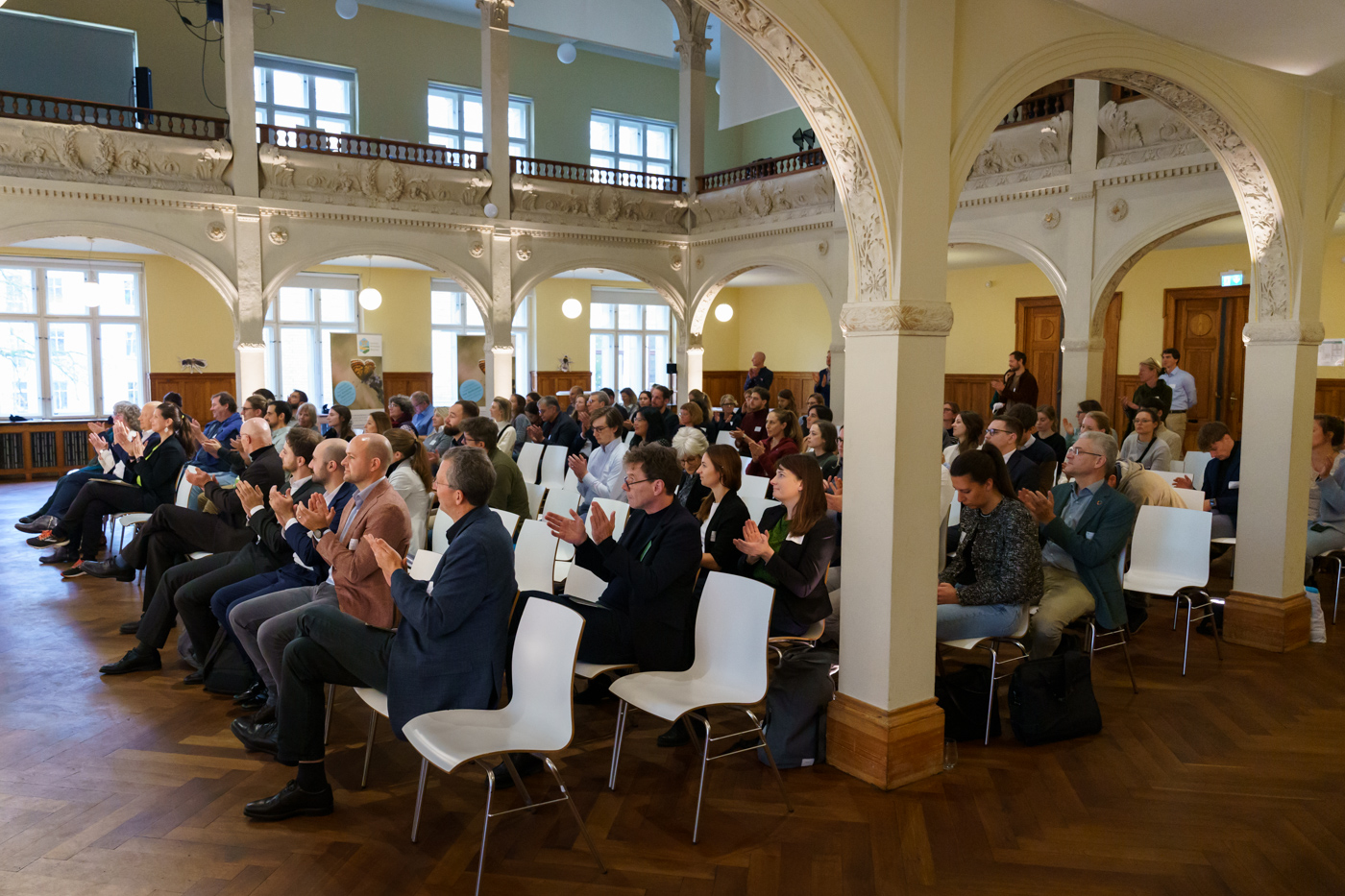
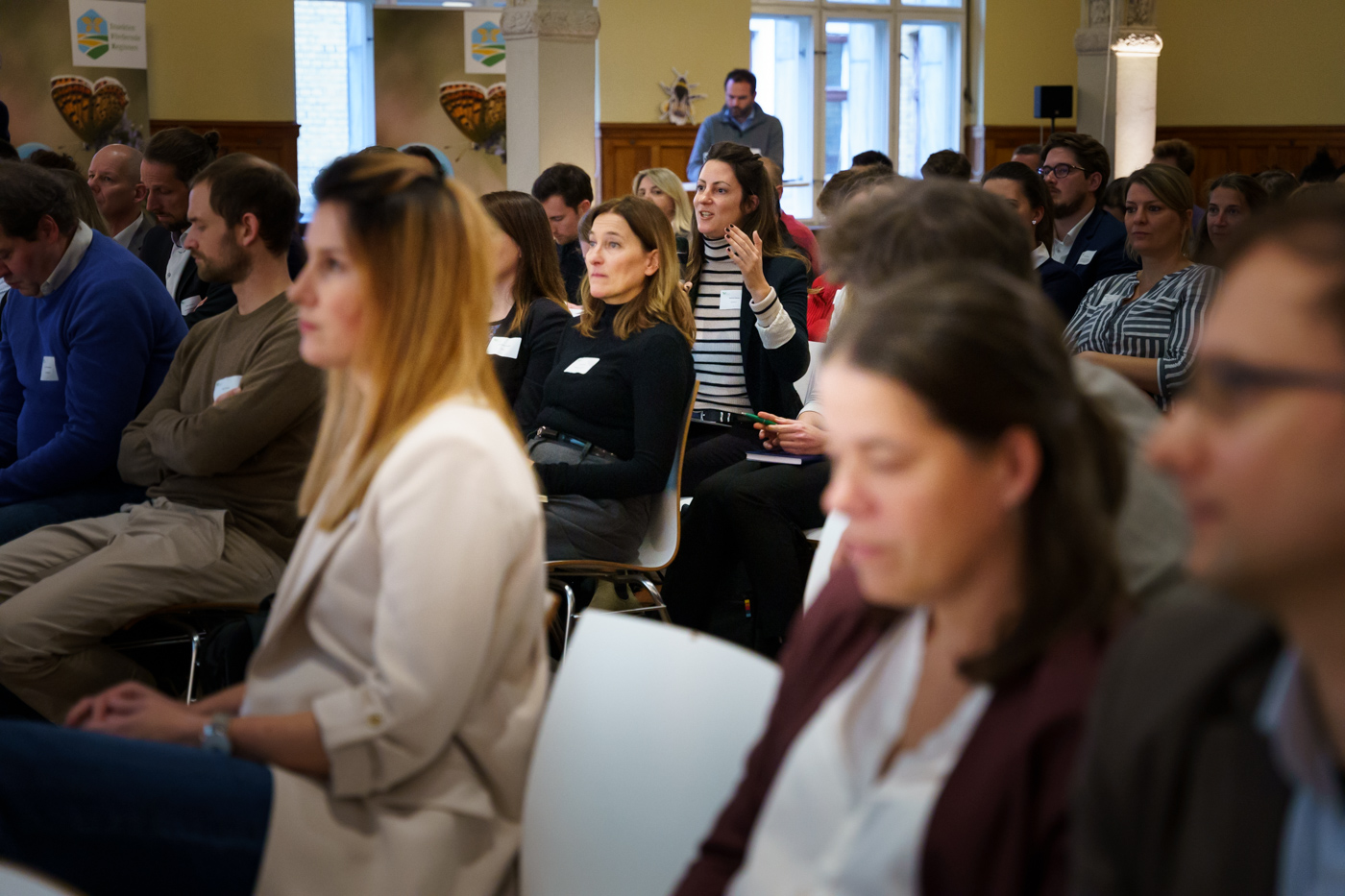
On November 13 & 14, 2024, we hosted a transformative event in Berlin dedicated to the crucial role of biodiversity in the global food supply chain. This conference spotlighted innovative approaches and best practices for protecting biodiversity while building sustainable and resilient food systems. Attendees engaged with exciting presentations from leading experts in industry, politics, and science, participated in interactive workshops, and networked with professionals from across Europe. Together, we tackled challenges and developed solutions to integrate biodiversity as a key component in our food systems.
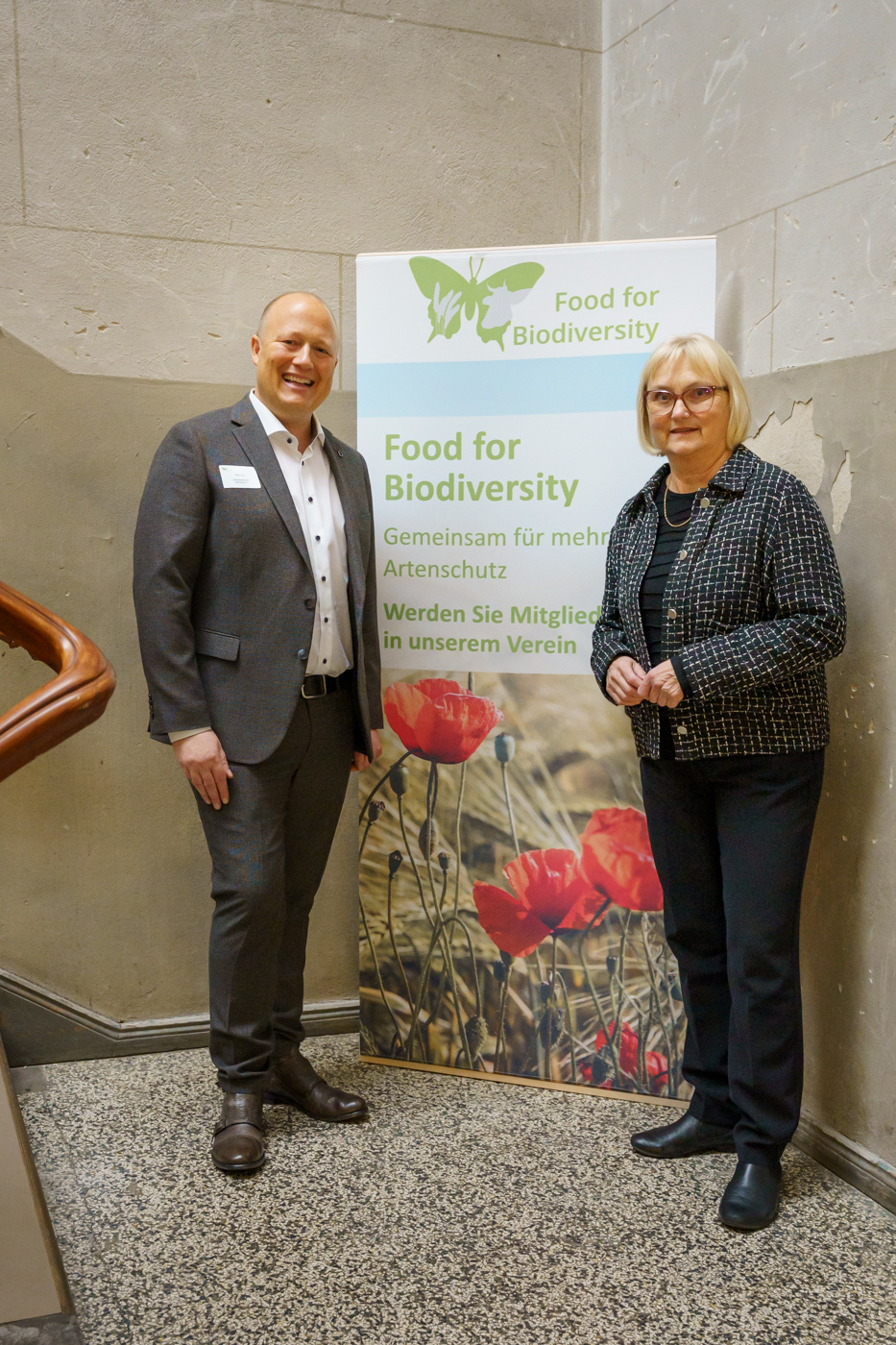
This is an event was hosted by the association Food for Biodiversity. Co-hosts are The Federation of German Food and Drink Industries (BVE) and the EU Business & Biodiversity Platform.
Session 1: Reducing Risks
Claas Meineke (EDEKA): Safeguarding Resources: What are ways to respond?
Session 2: Overcoming Barriers
Break-out Session 1: Incentive Systems for Producers
Geert Hartlief (DMK Group, Dock Kaas U.A.): Overview and Positive Example of the Incentive Model
Severin Lehner (IP-SUISSE): Best Practices from Standards
Anna Rechsteiner (GLS Bank): Cash4Future: How banks (can) take responsibility for the planet
Break-out Session 2: Ways to Success – From Pilot to Mainstream
Break-out Session 3: Awareness Raising for Consumers
Julius Palm (followfood): How to Successfully Communicate Biodiversity to the Consumer?
Sebastian Olényi (Sustentio): Presenting the New Food for Biodiversity Communication Campaign
Break-out Session 4: The Food Retail Sector and Biodiversity: Overcoming Barriers to Change Throughout the Value Chain
Ariane Coulombe (CDP): Guidelines on Food Retailers and Biodiversity
Session 3: Response of Standards
- GLOBALG.A.P., Rene Capote
- Naturland, Johanna Saxler
- Fairtrade International, Juan Pablo Solis
- SMK / Planet Proof, Jaap Bij de Vaate
- UEBT – Union for Ethical Biotrade, Maria Julia Oliva
- ISCC- International Sustainability and Carbon Certification, Katharina Heidrich
Session 4: Monitoring and Reporting
Monitoring: Data for Performance Evaluation
Georg Hoffmann (Alfred Ritter GmbH & Co. KG): Assessing Biodiversity Impacts on Product Level
Reporting Biodiversity and Action
Wouter Dieleman (EU Business & Biodiversity Platform): Biodiversity Disclosure Initiatives
Starke Allianz für die Biodiversität – Food for Biodiversity und Biodiversity in Good Company bieten Doppelmitgliedschaft.
Beide Initiativen setzen sich für den Erhalt der Biodiversität als Grundlage unseres Wirtschaftens ein und führen gemeinsame Aktivitäten durch. Für Unternehmen der Lebensmittelbranche ist ab sofort eine attraktive Doppelmitgliedschaft in beiden Organisationen möglich.
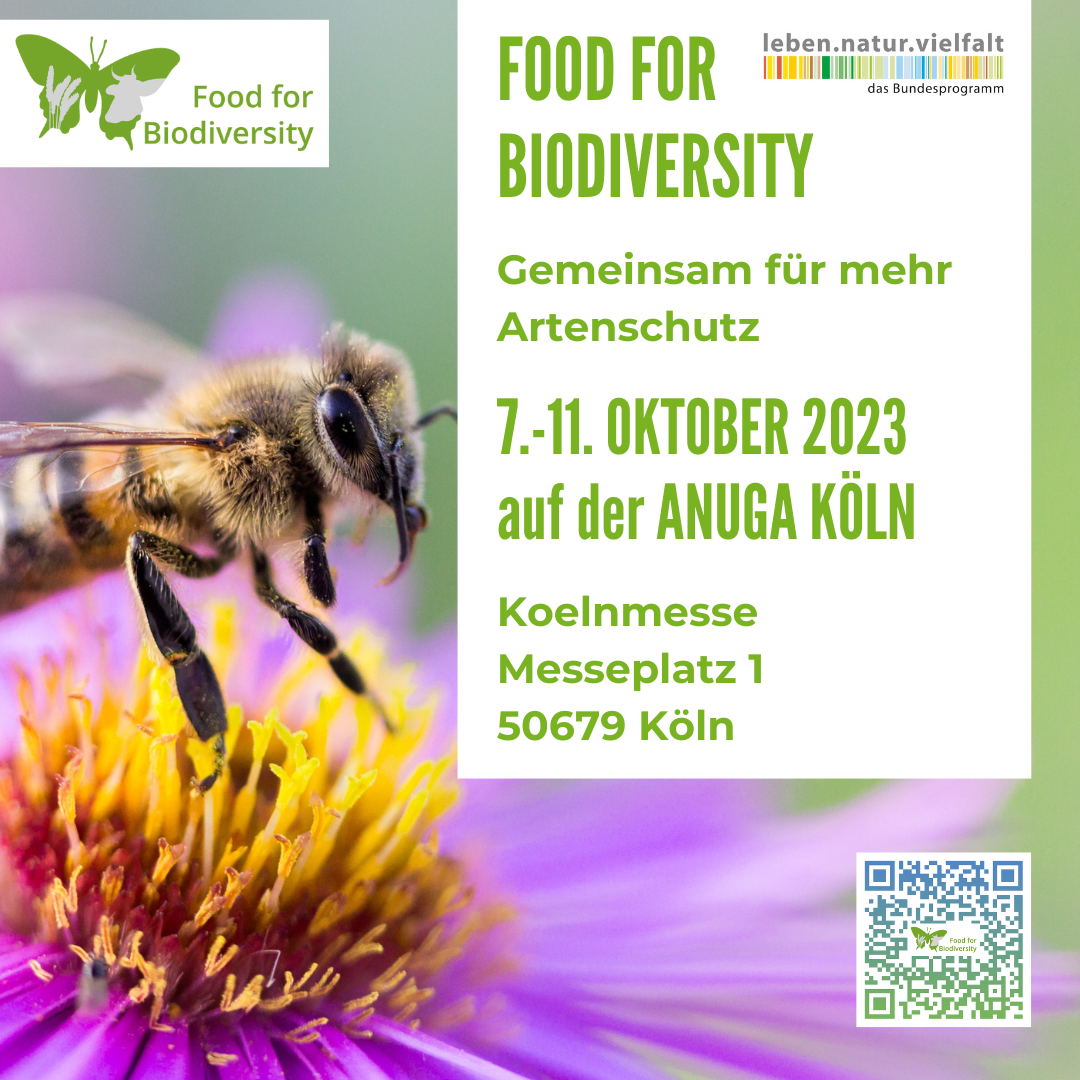
Food for Biodiversity war auf der ANUGA 2023 in Köln
Vom 7.-11. Oktober 2023 waren wir als Aussteller bei der ANUGA in Köln vertreten. An unserem Stand im Rahmen des Retailforum des Bundesverband Lebensmittelhandel haben wir Food for Biodiversity dem interessierten Fachpublikum vorstellen können. Es gab interessante Gespräche zum Thema „Biodiversität im Lebensmittelsektor“.
Gemeinsam für mehr biologische Vielfalt: Lebensmittelbranche diskutiert über Wege, den Biodiversitätsverlust zu stoppen
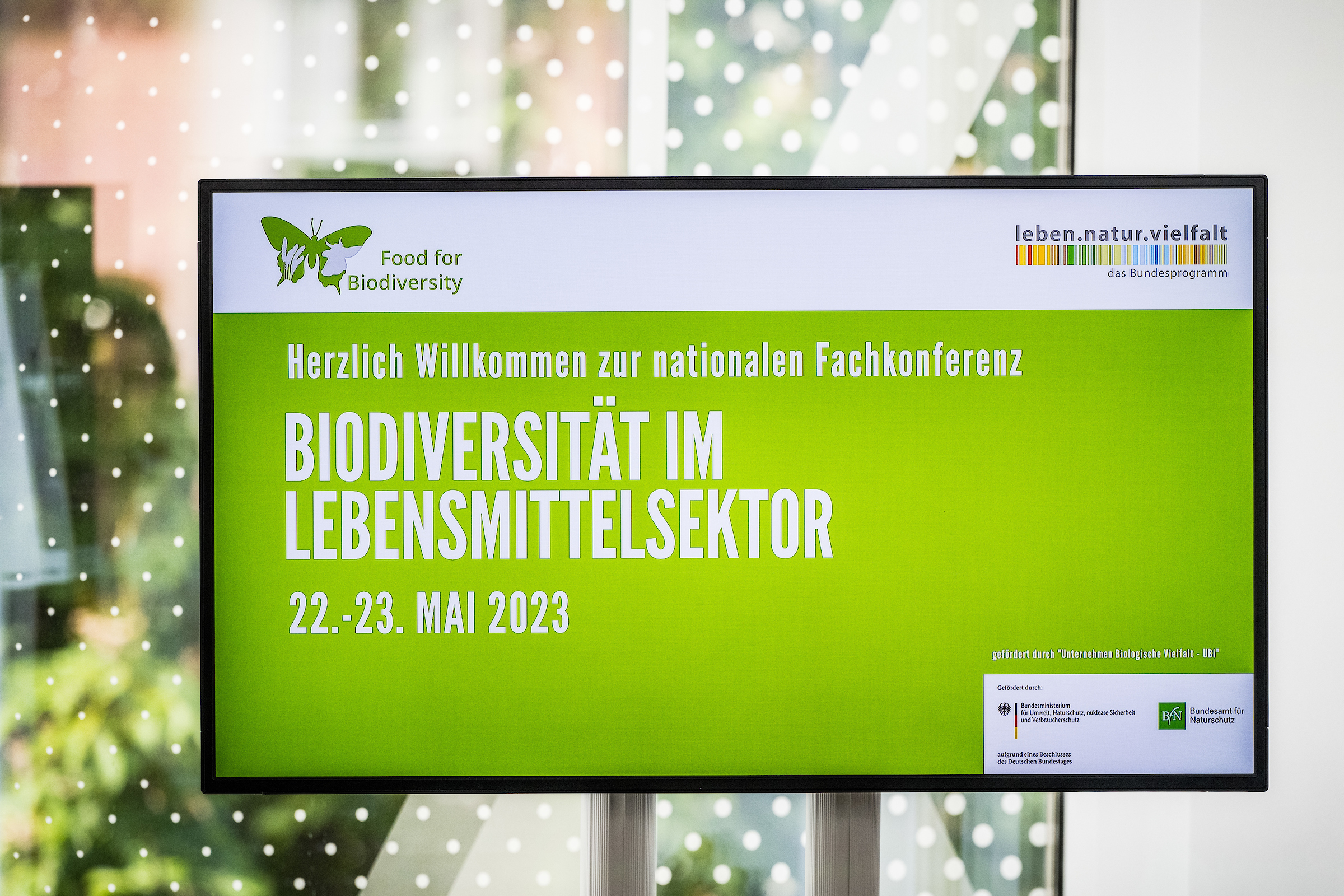
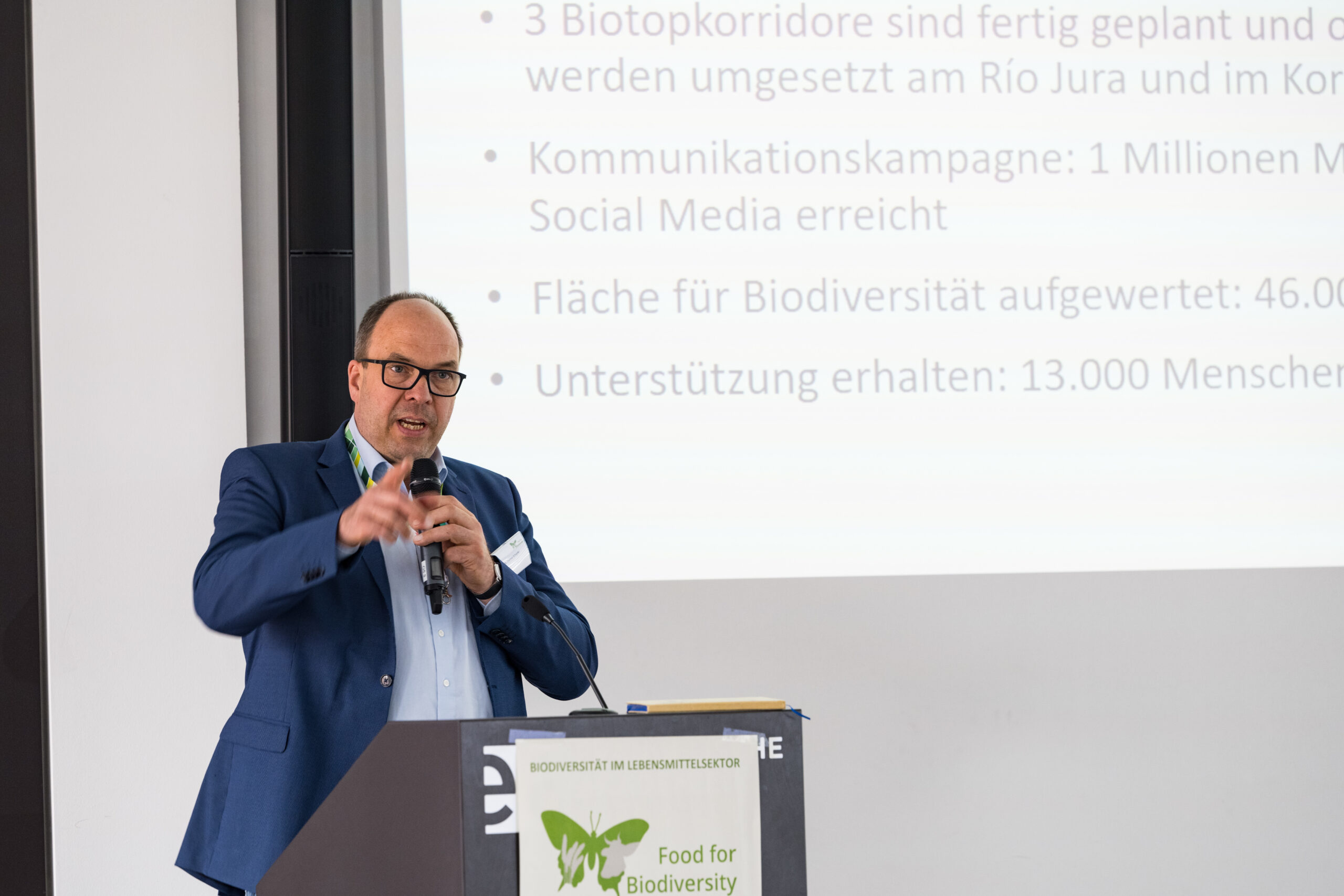
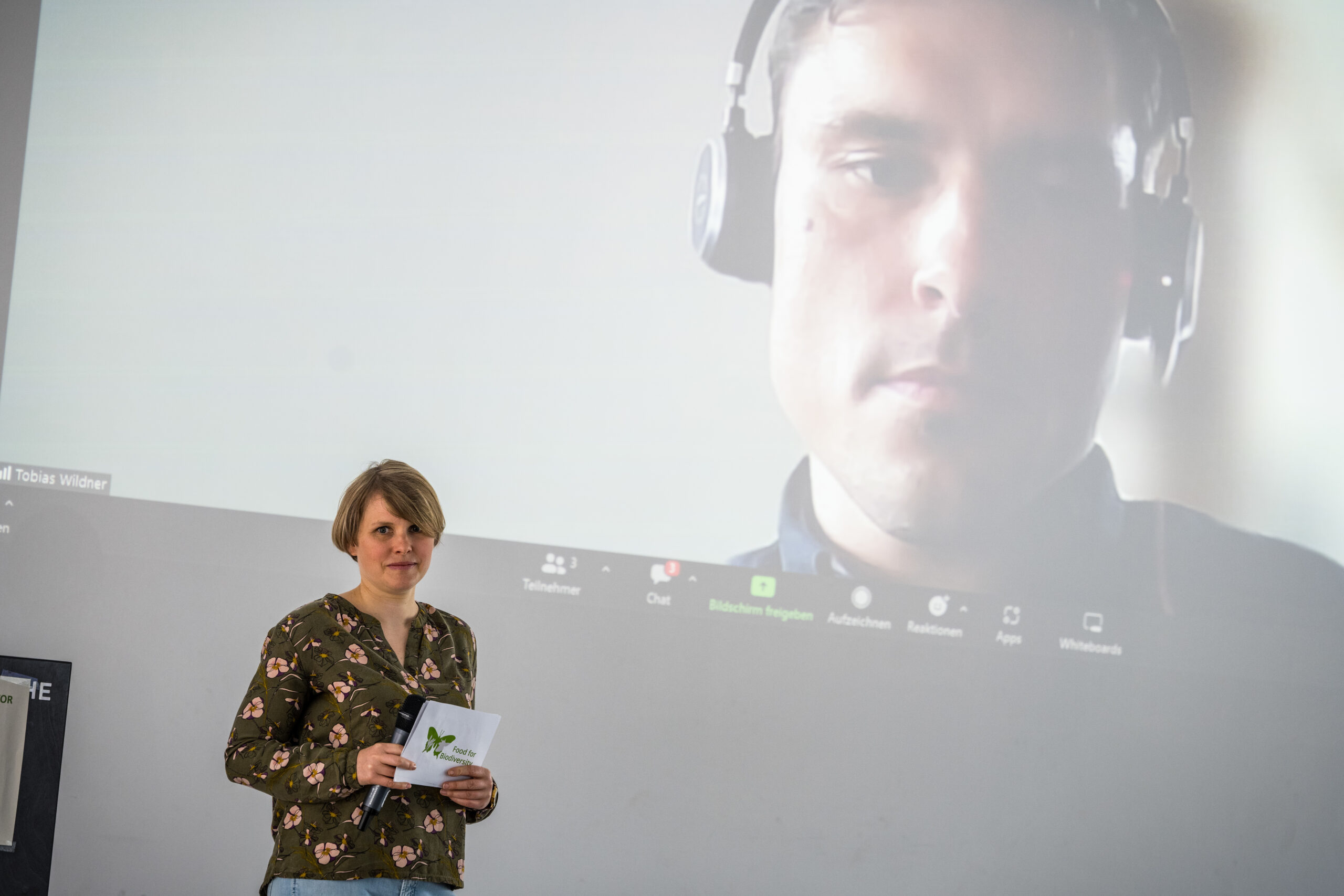
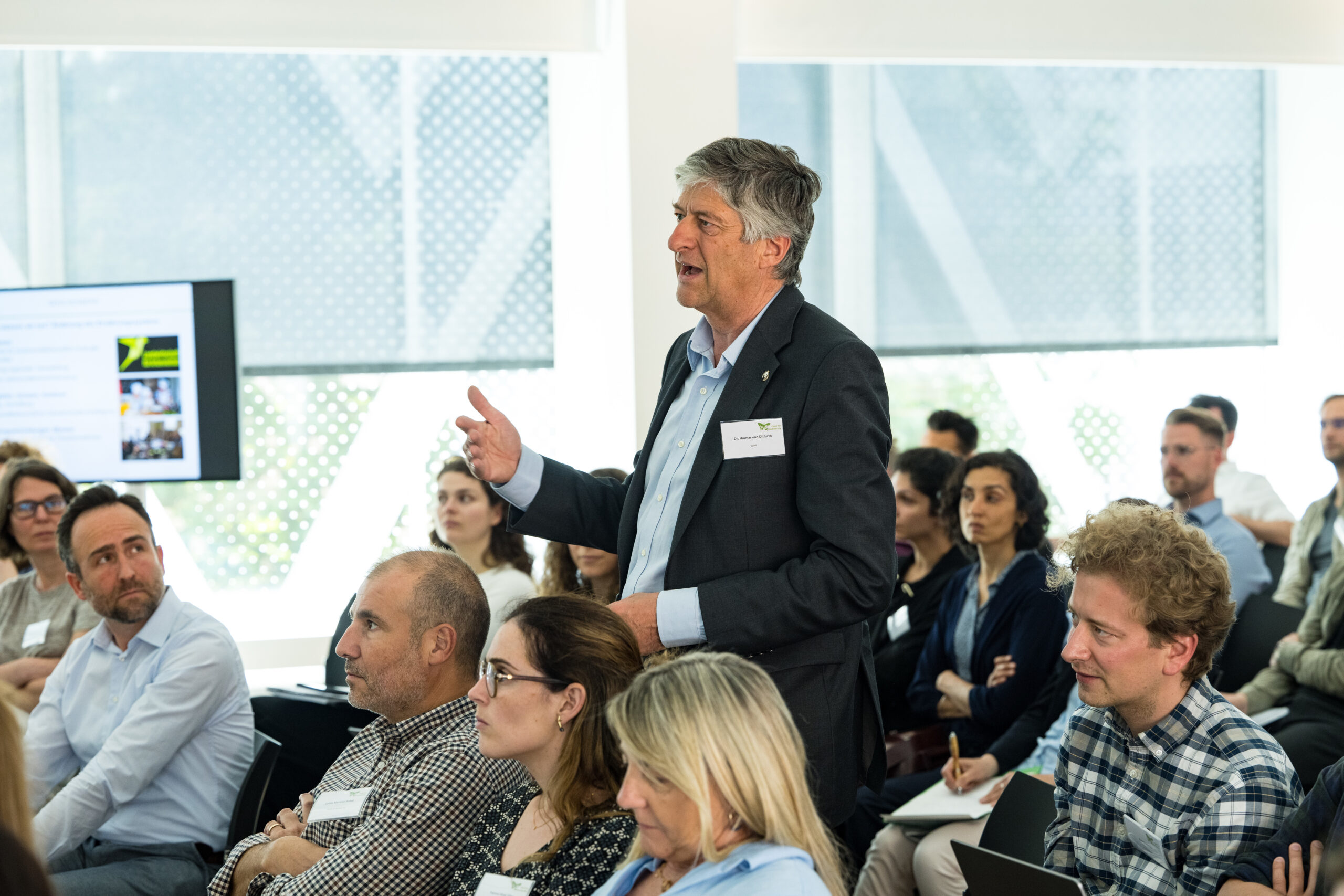
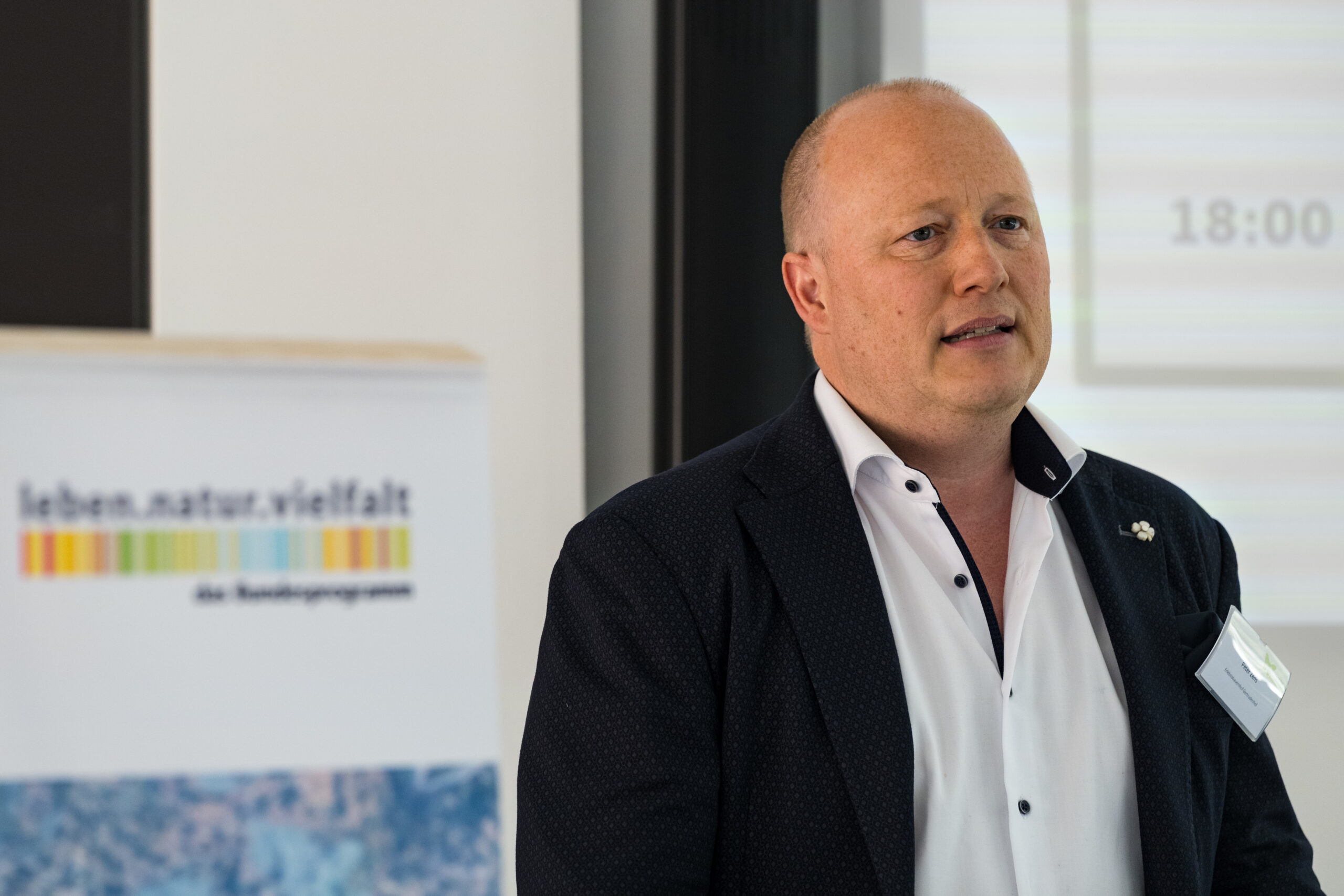
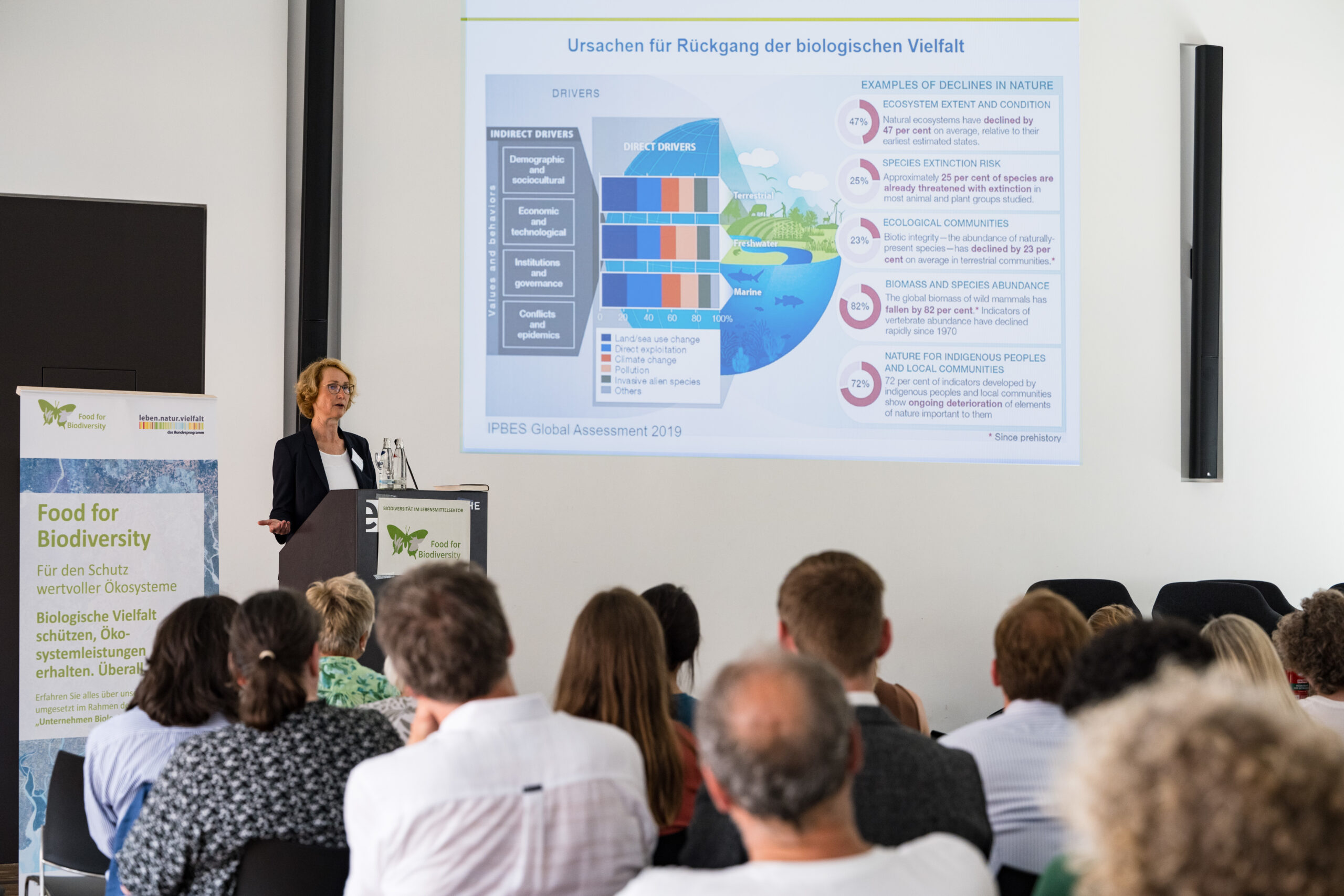
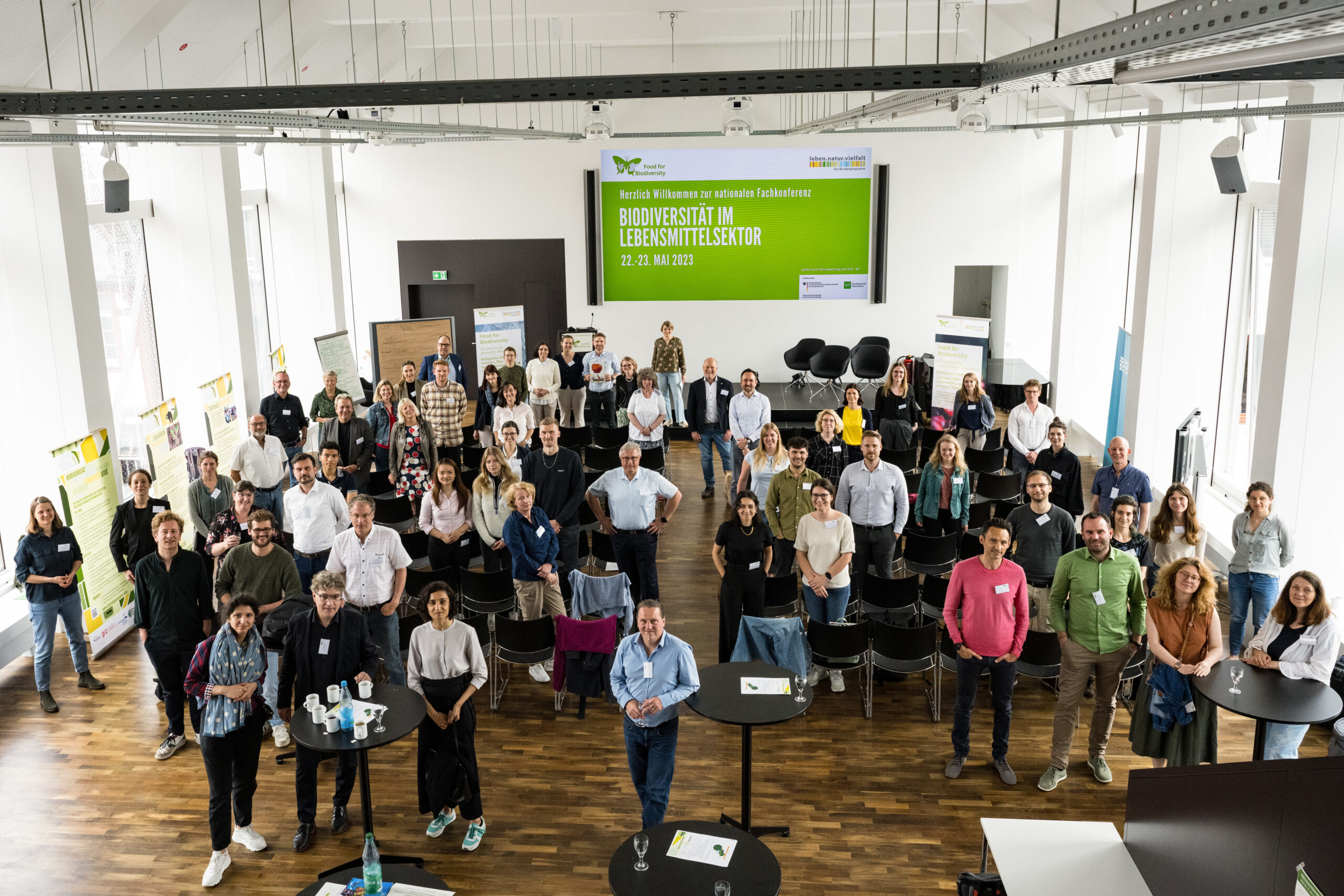
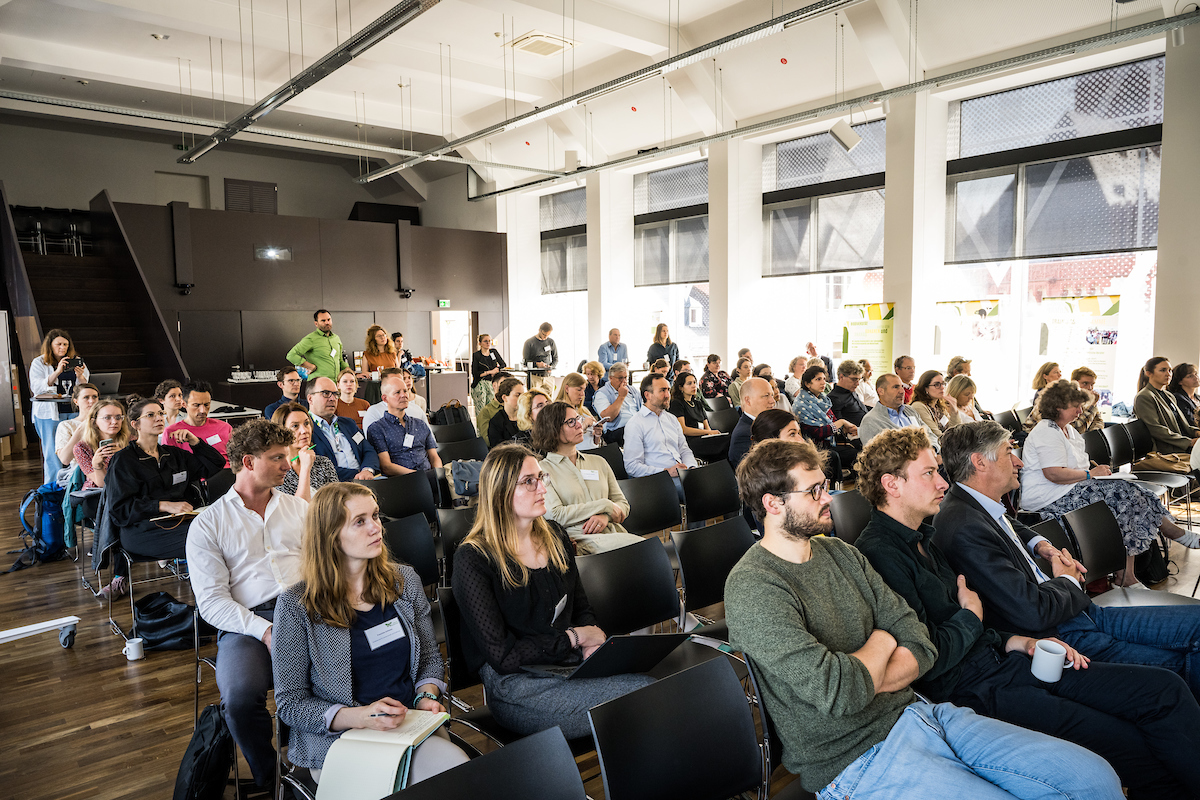
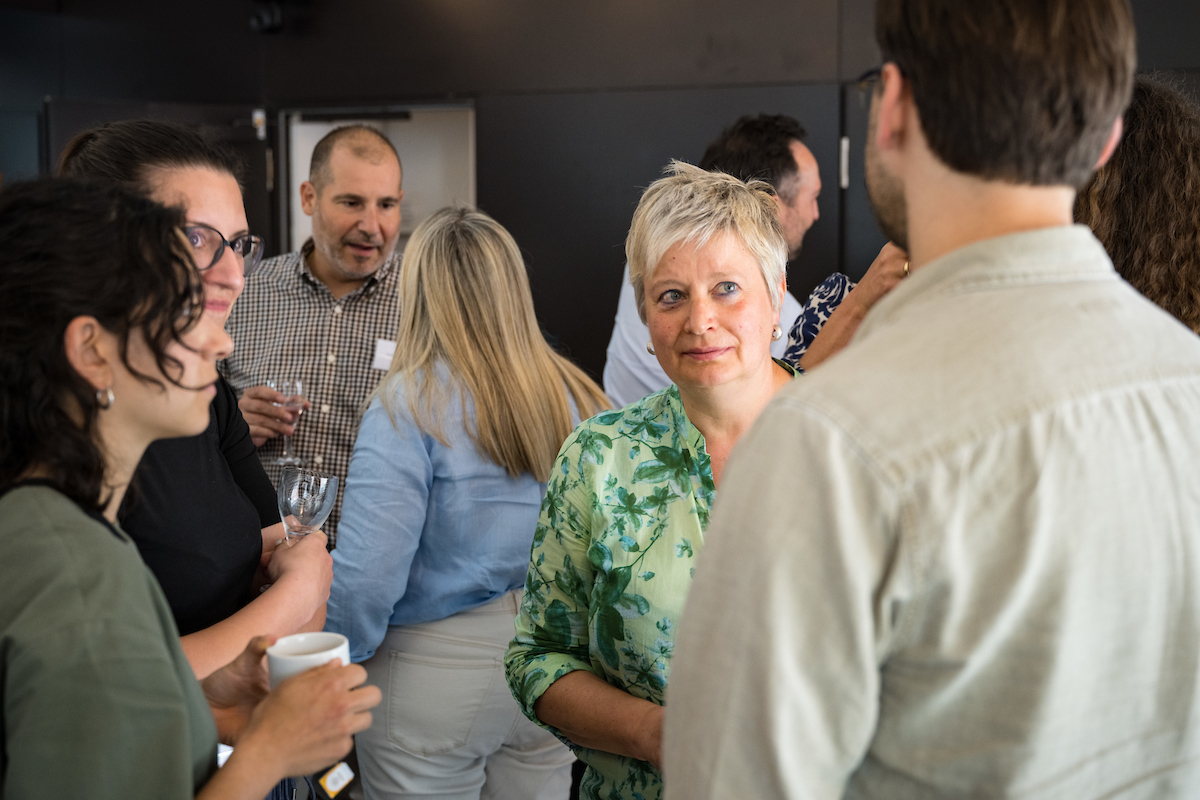
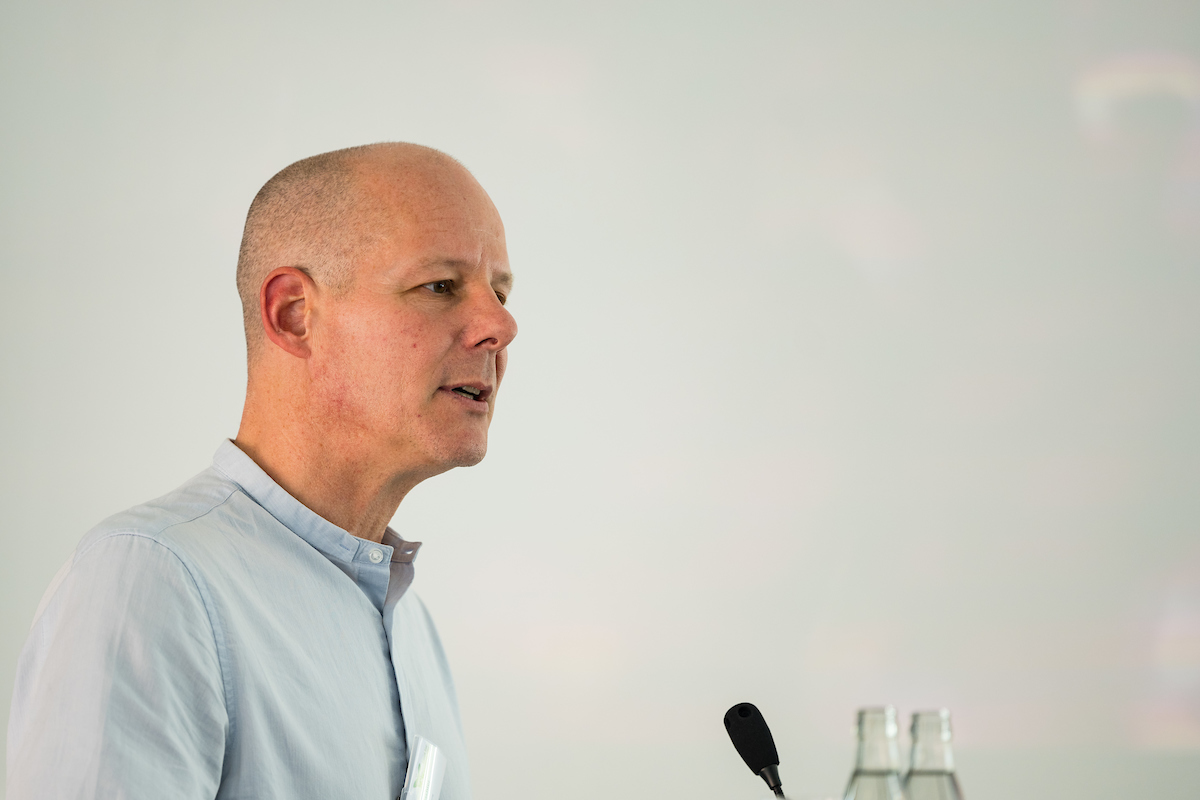
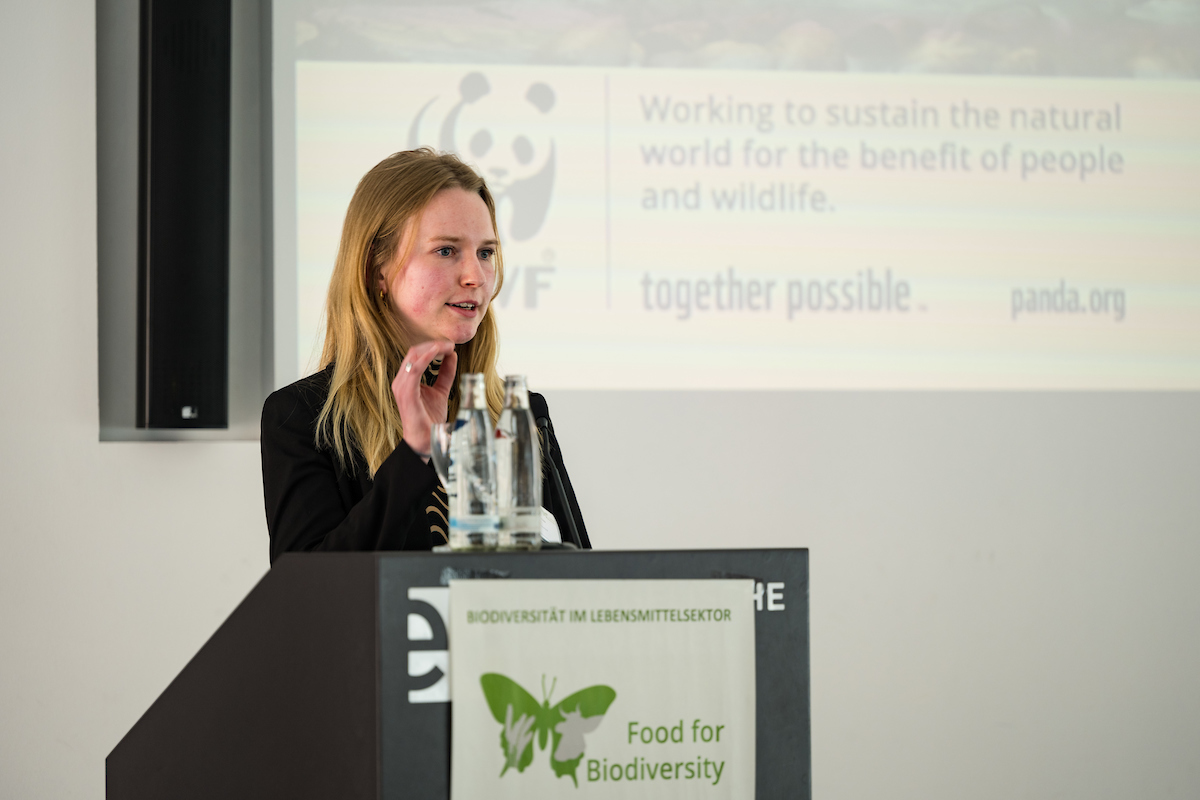
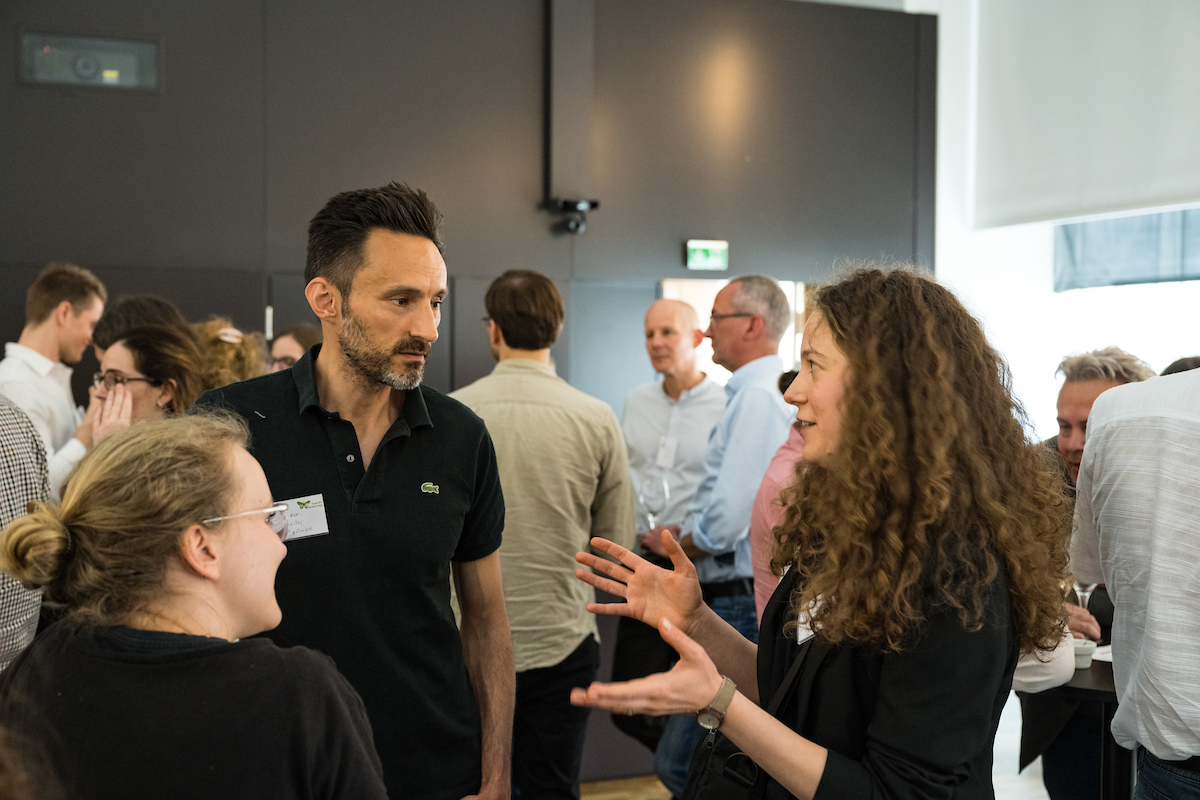
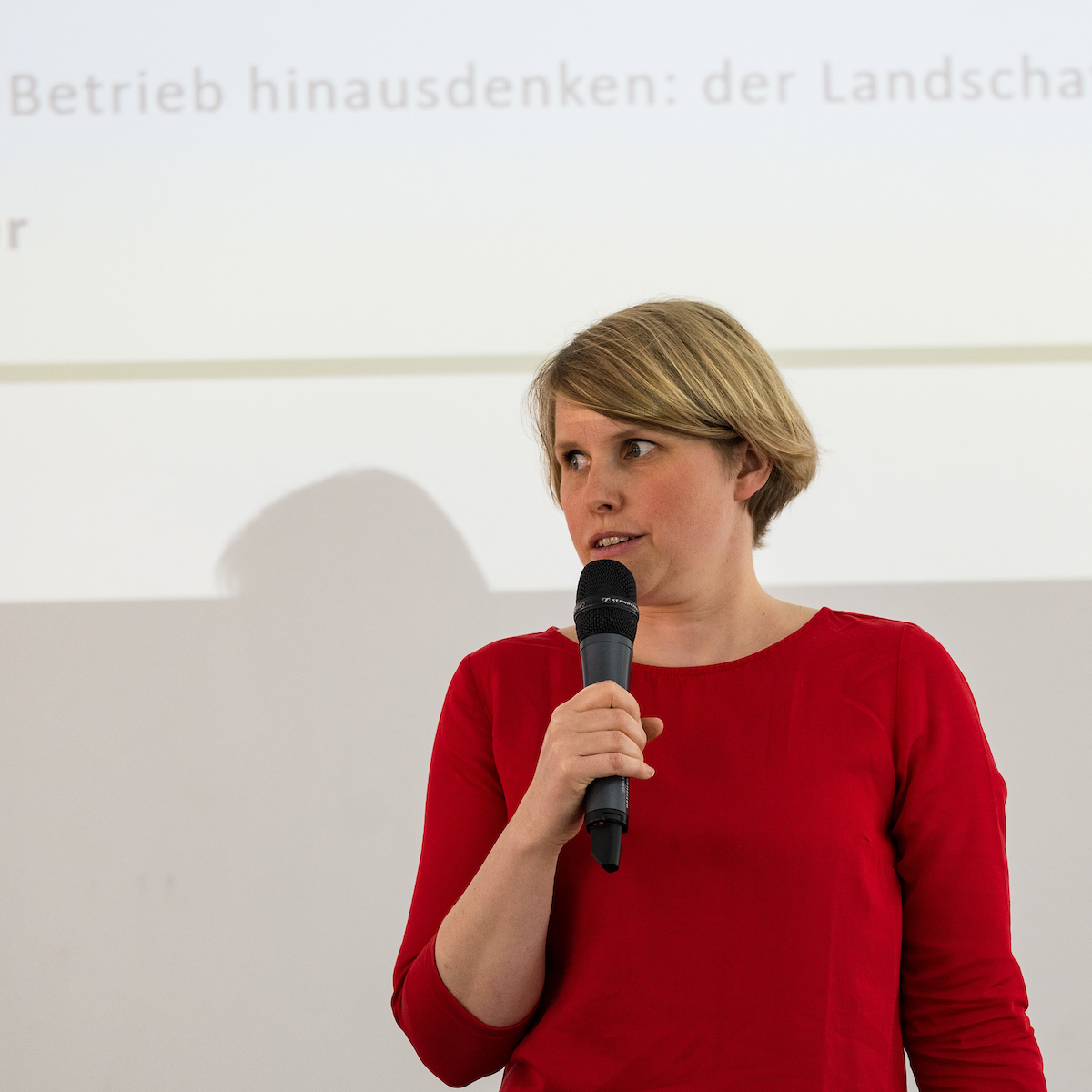
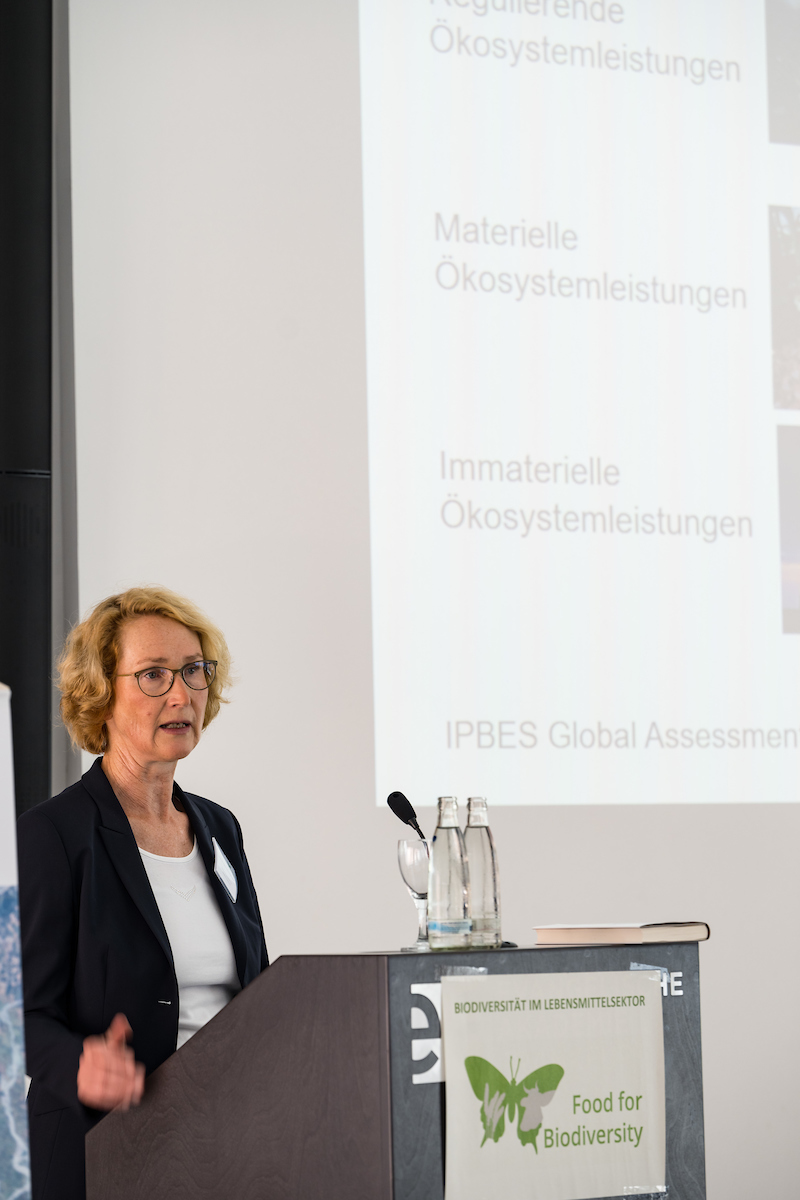
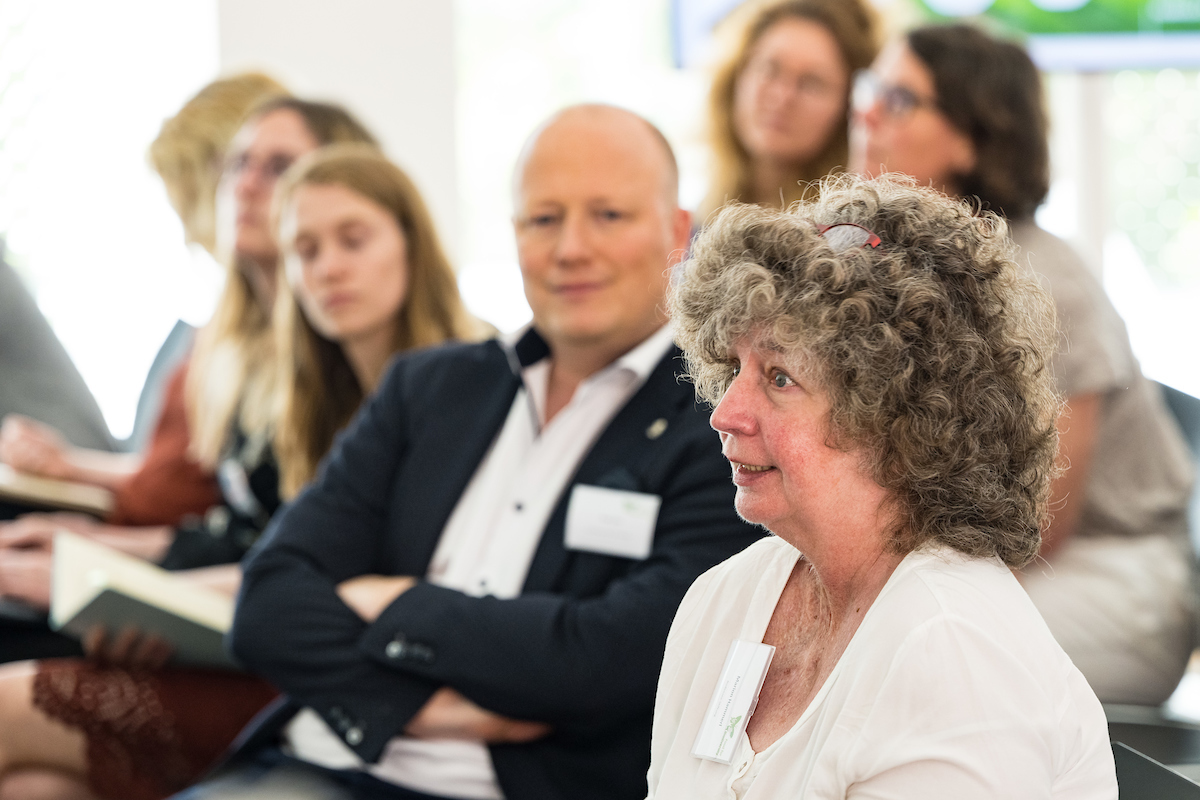
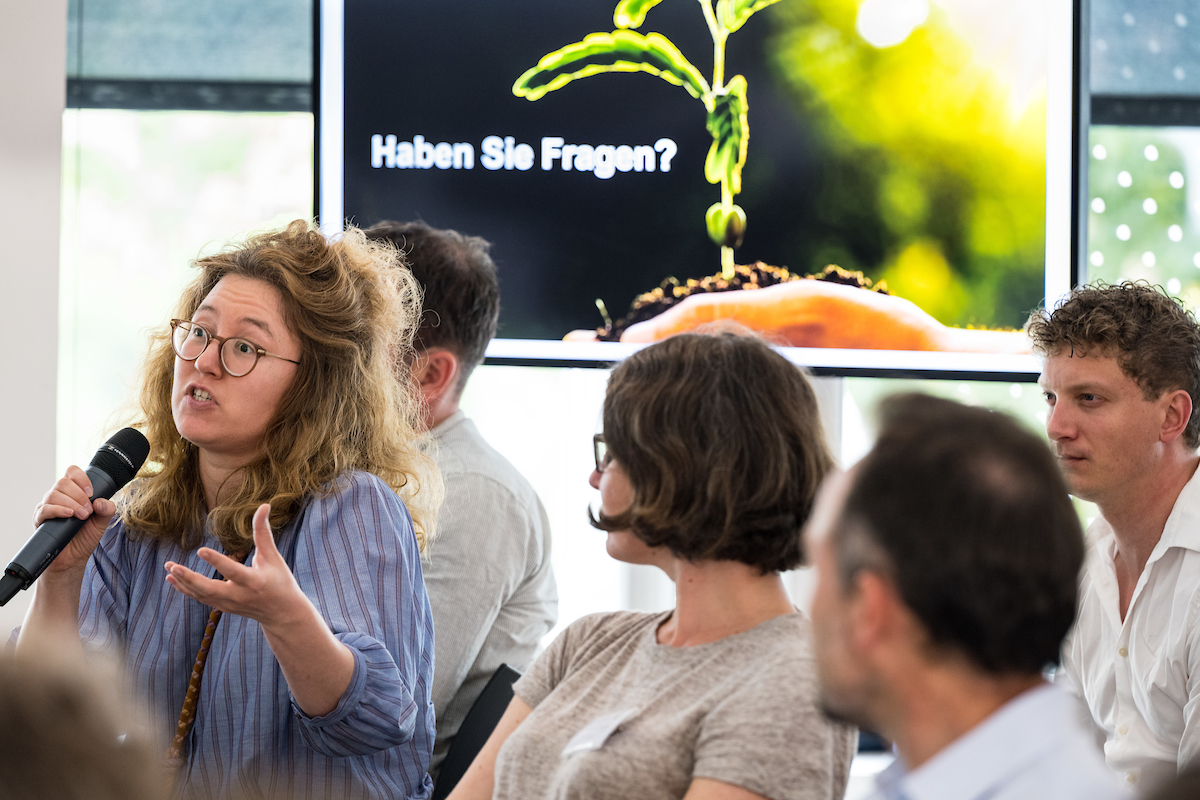
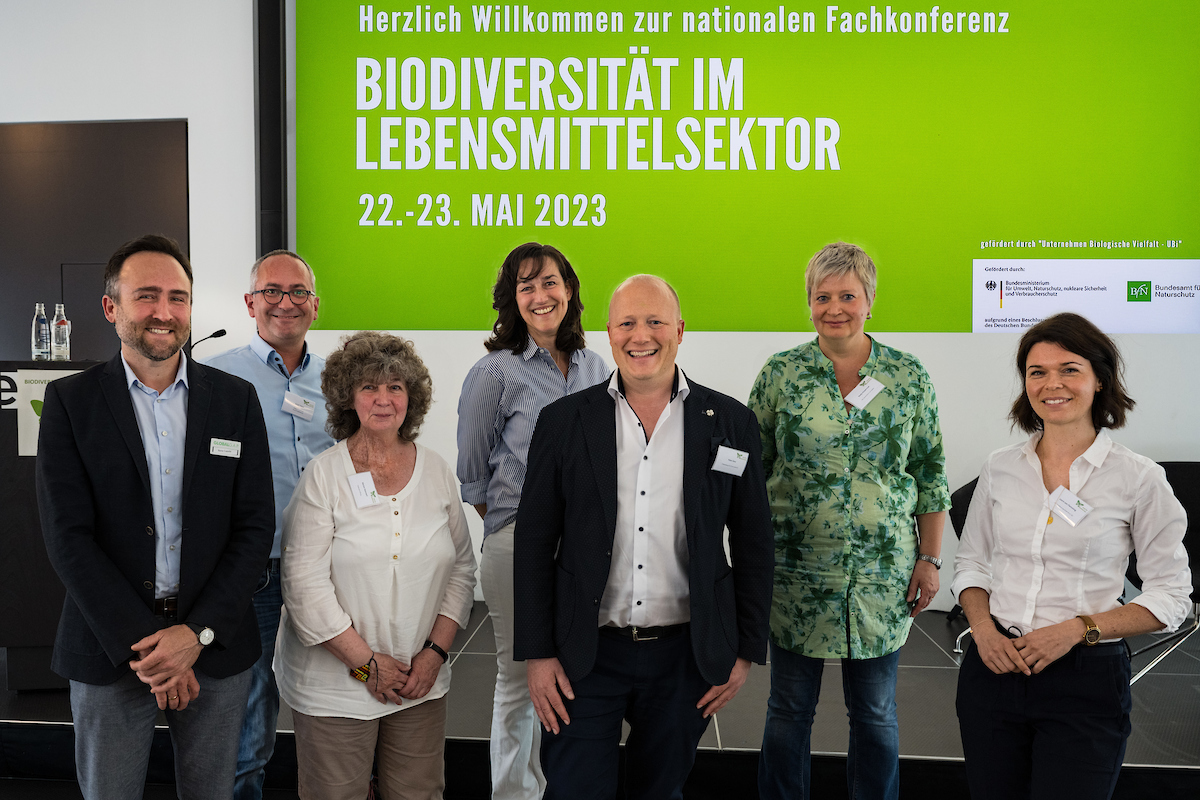
Die zweite große Food for Biodiversity-Fachkonferenz „Biodiversität im Lebensmittelsektor“ fand am 22. und 23. Mai 2023 in Frankfurt statt. Rund 100 Teilnehmende diskutierten Lösungsmöglichkeiten und Handlungsoptionen für die Branche.
Nationale Konferenz 2023 – Biodiversität im Lebensmittelsektor
22./23.05.2023
Nationale Konferenz"Biodiversität im Lebensmittelsektor"
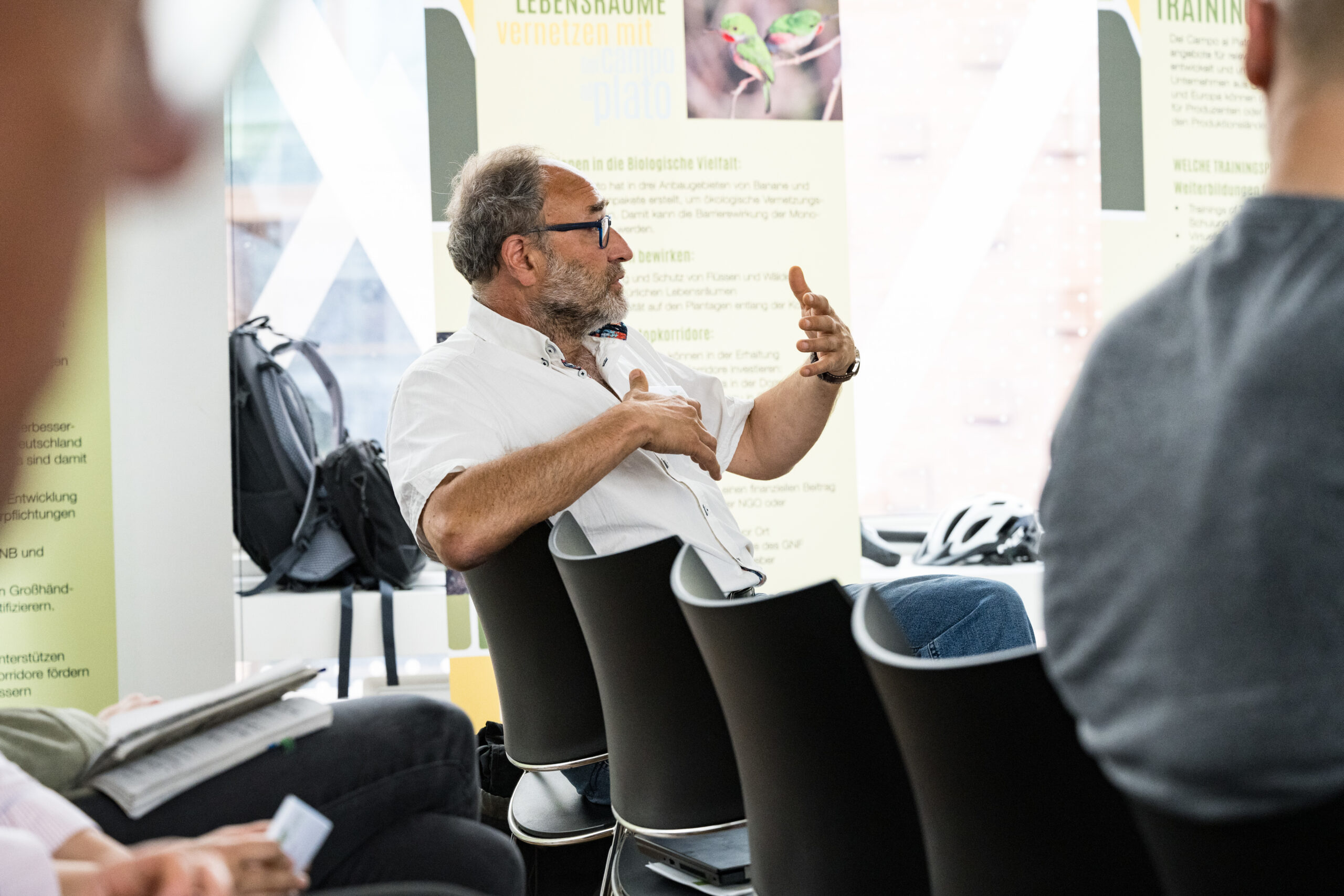
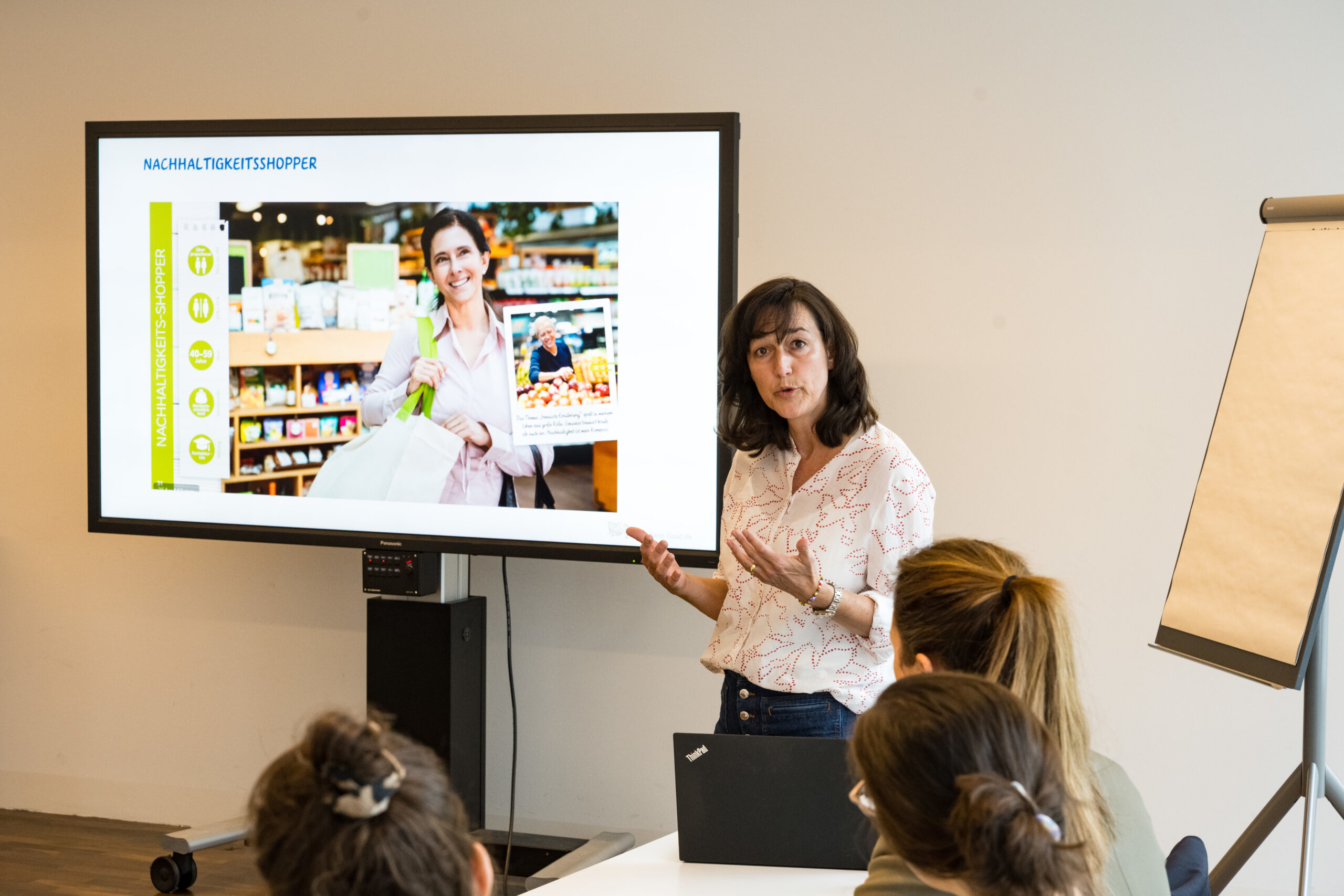
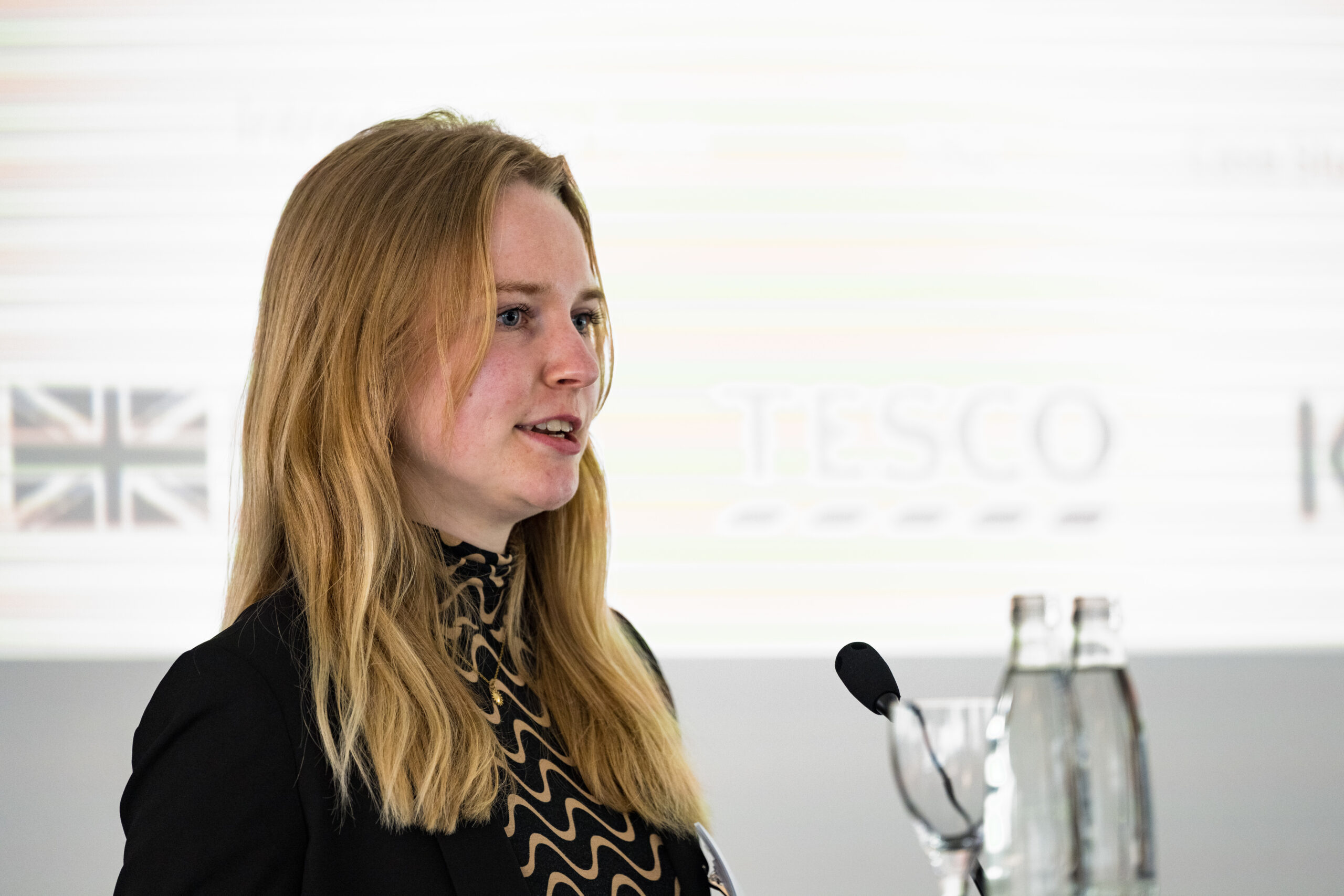
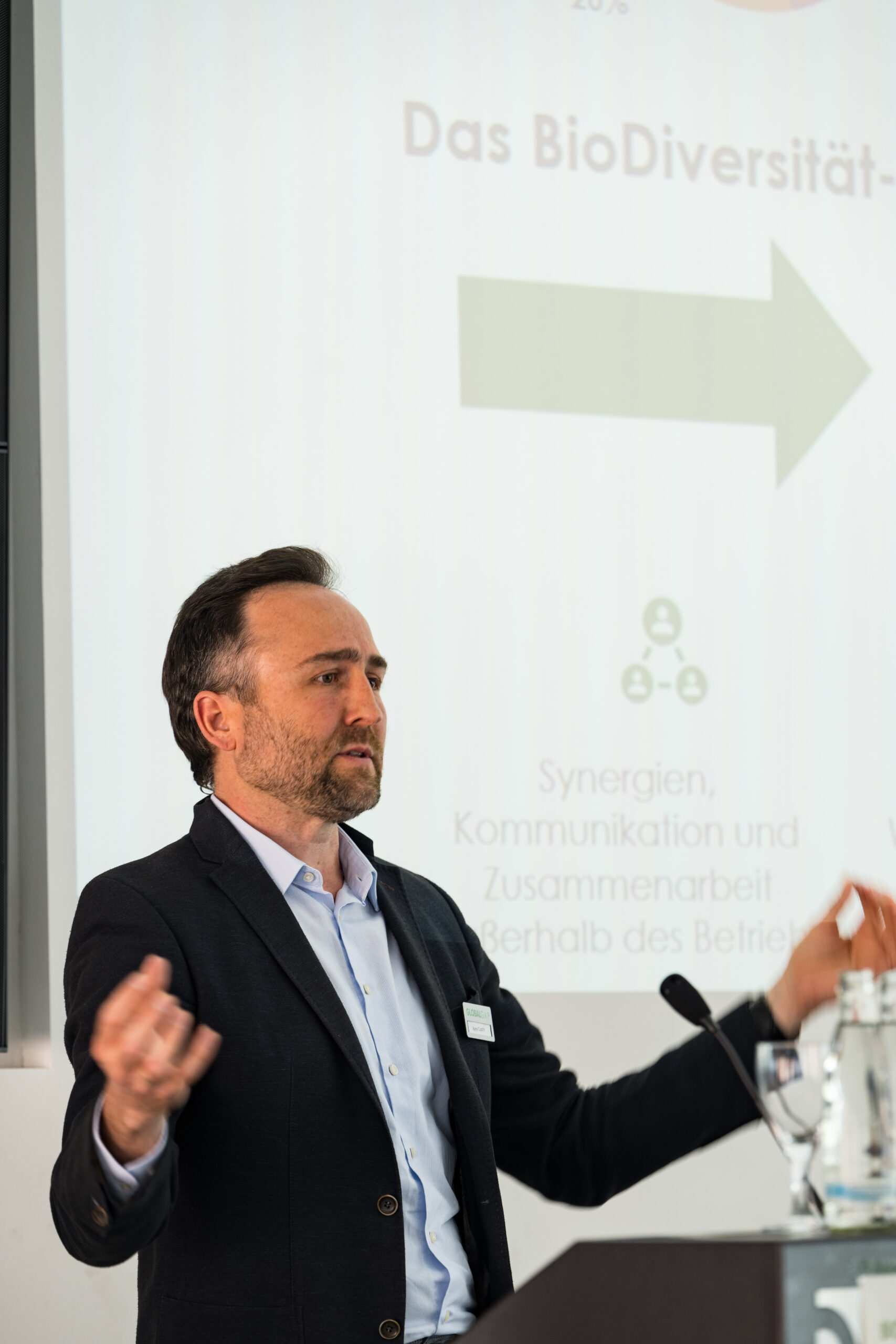
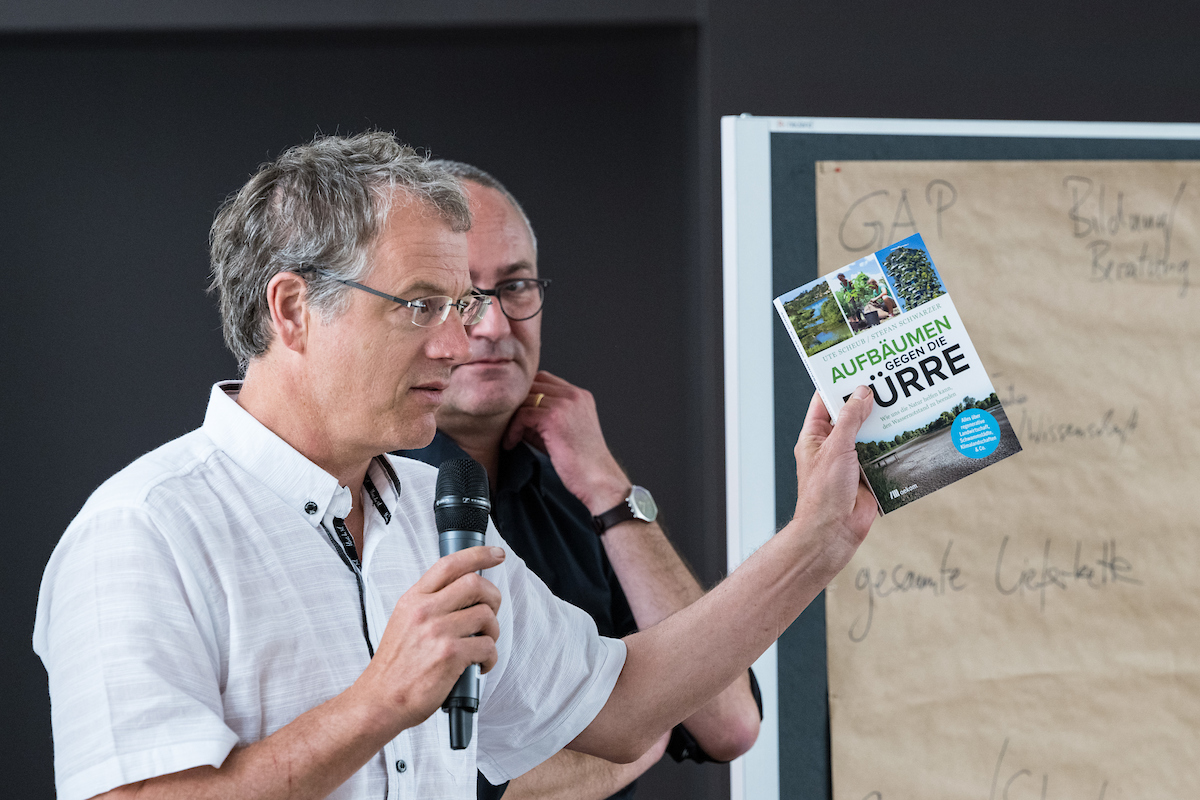
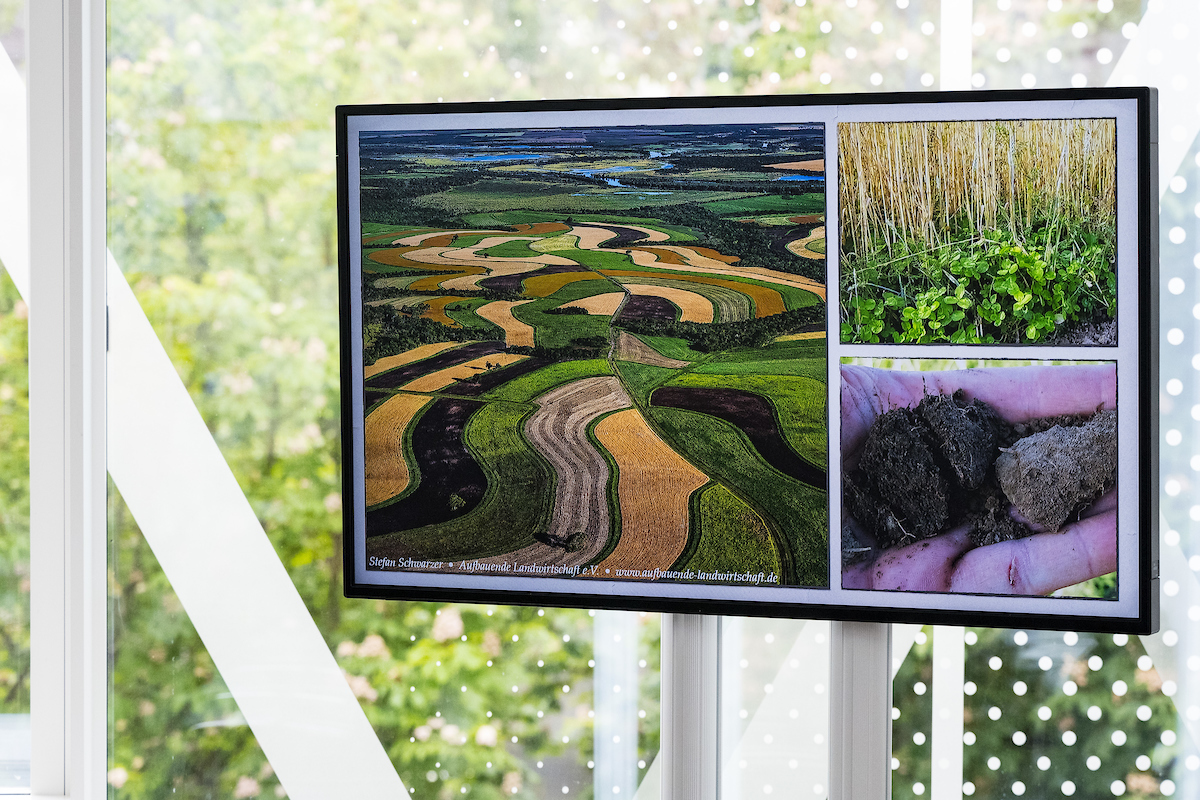
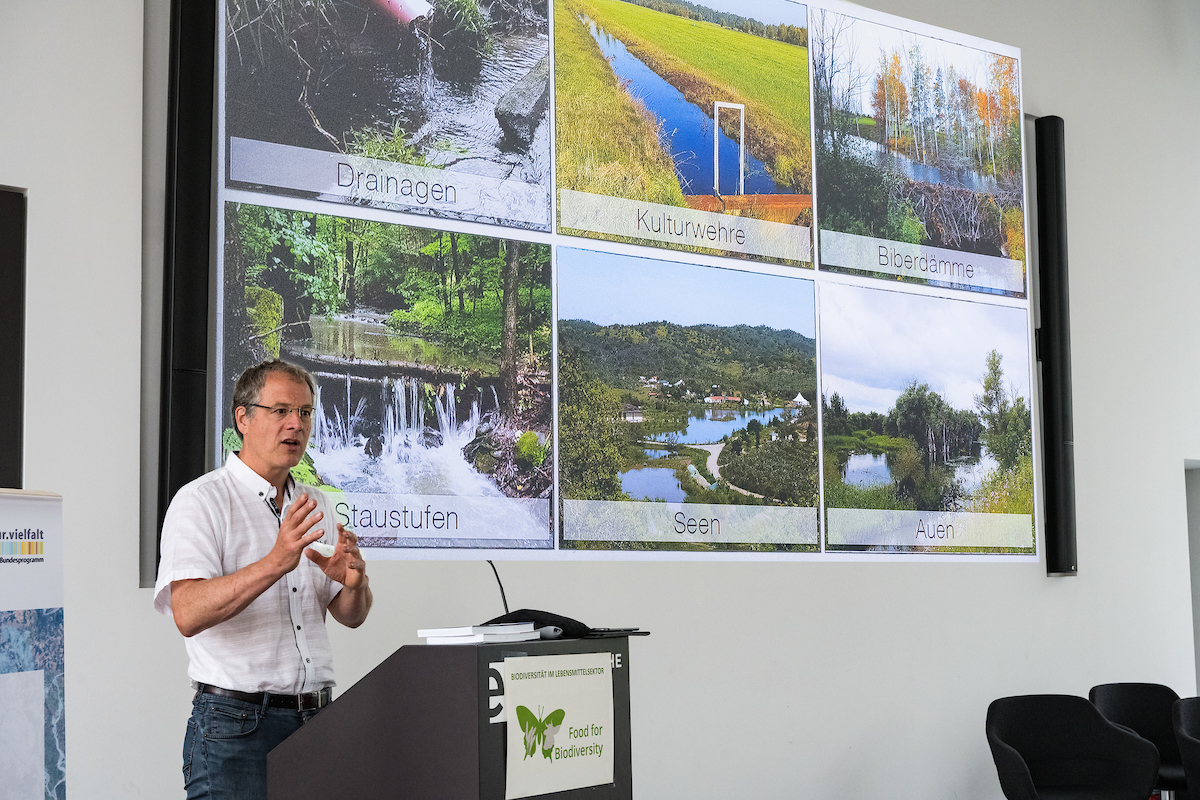
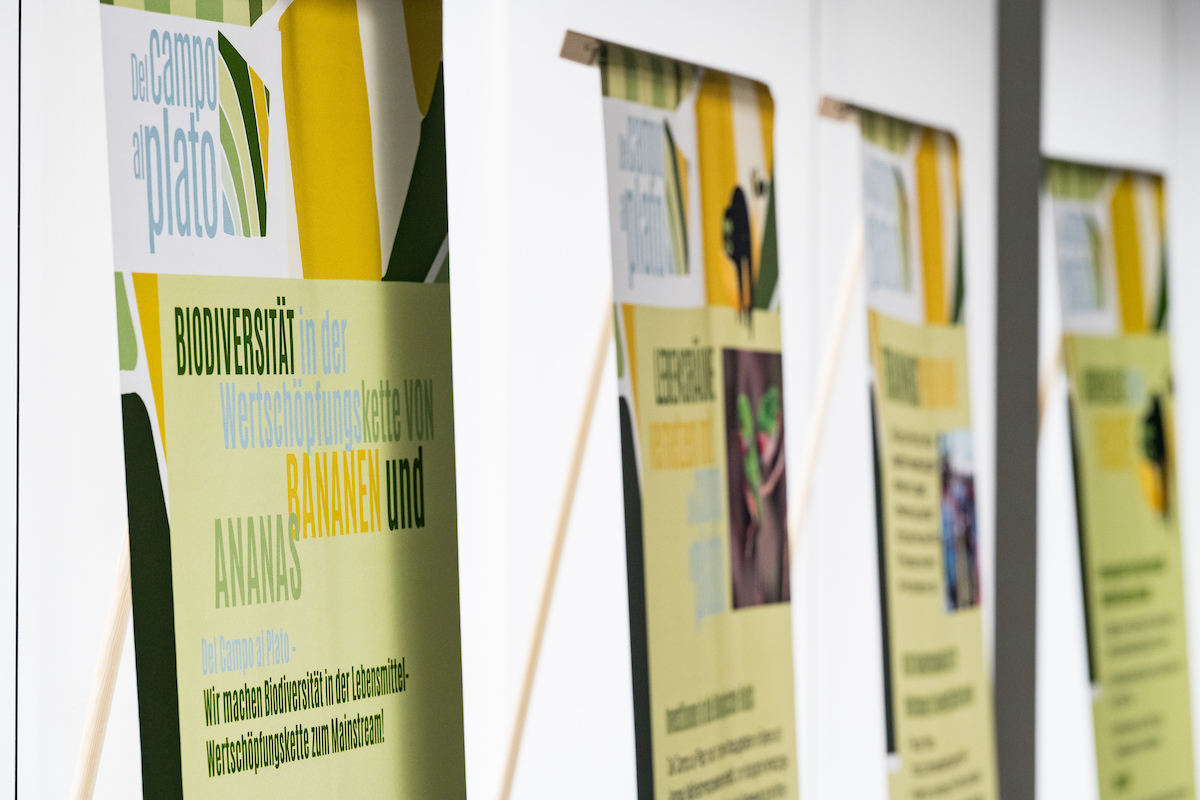
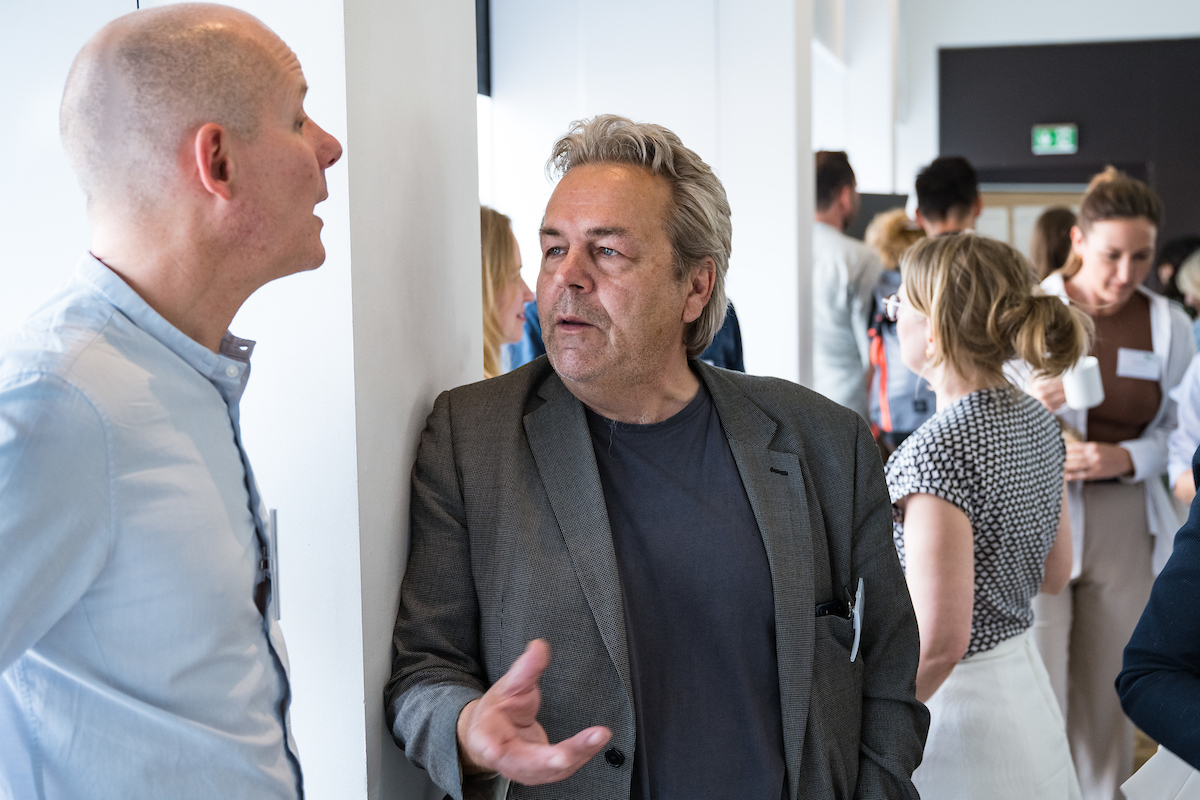
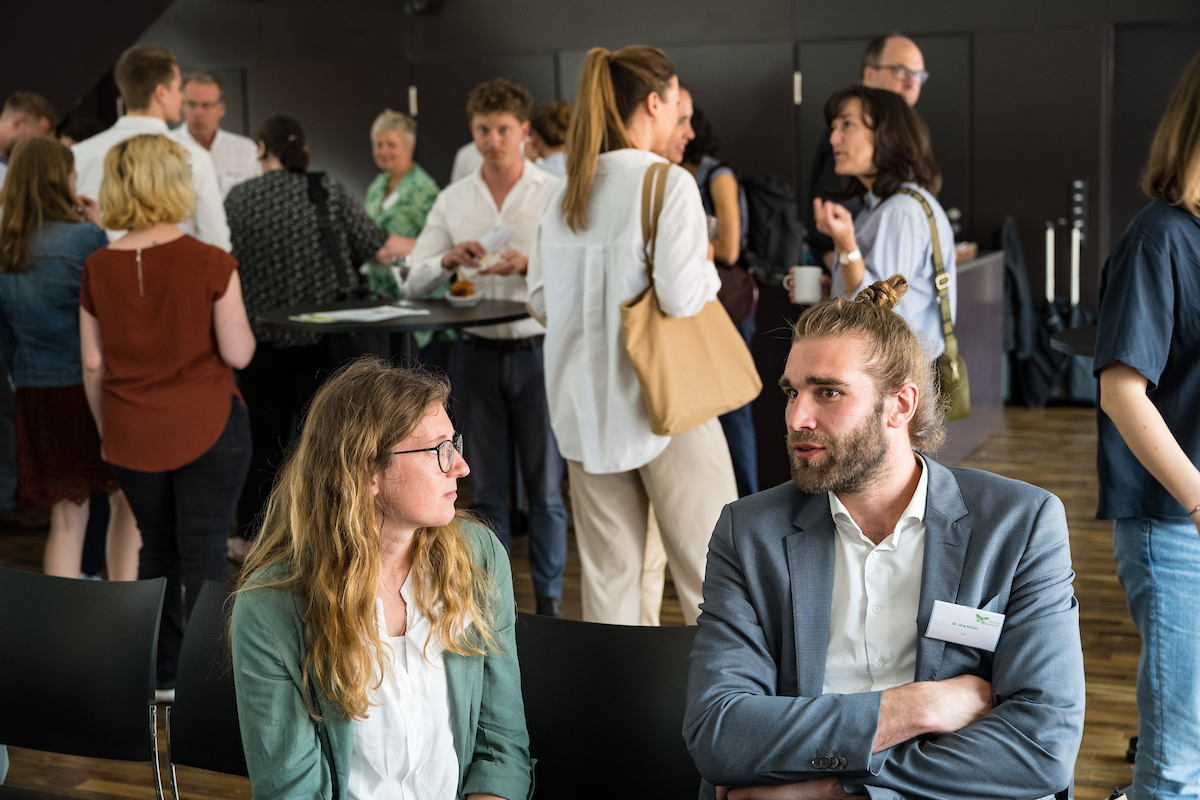
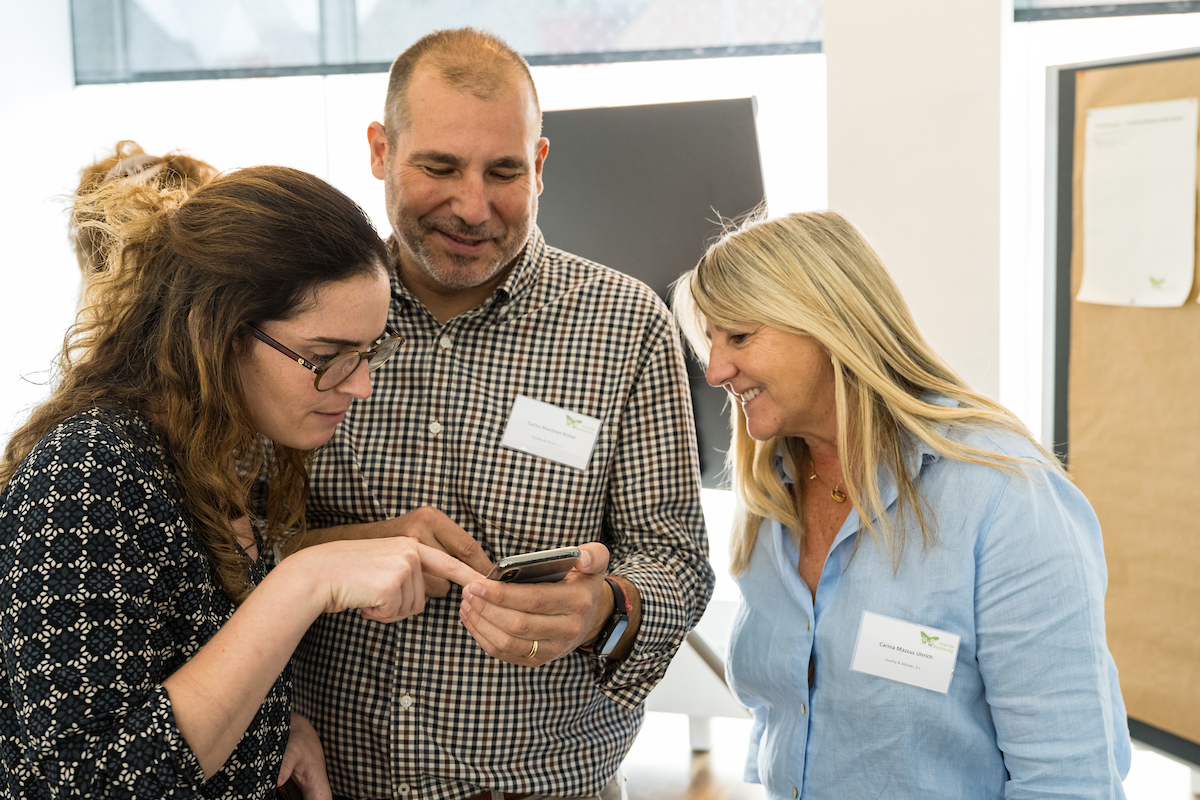
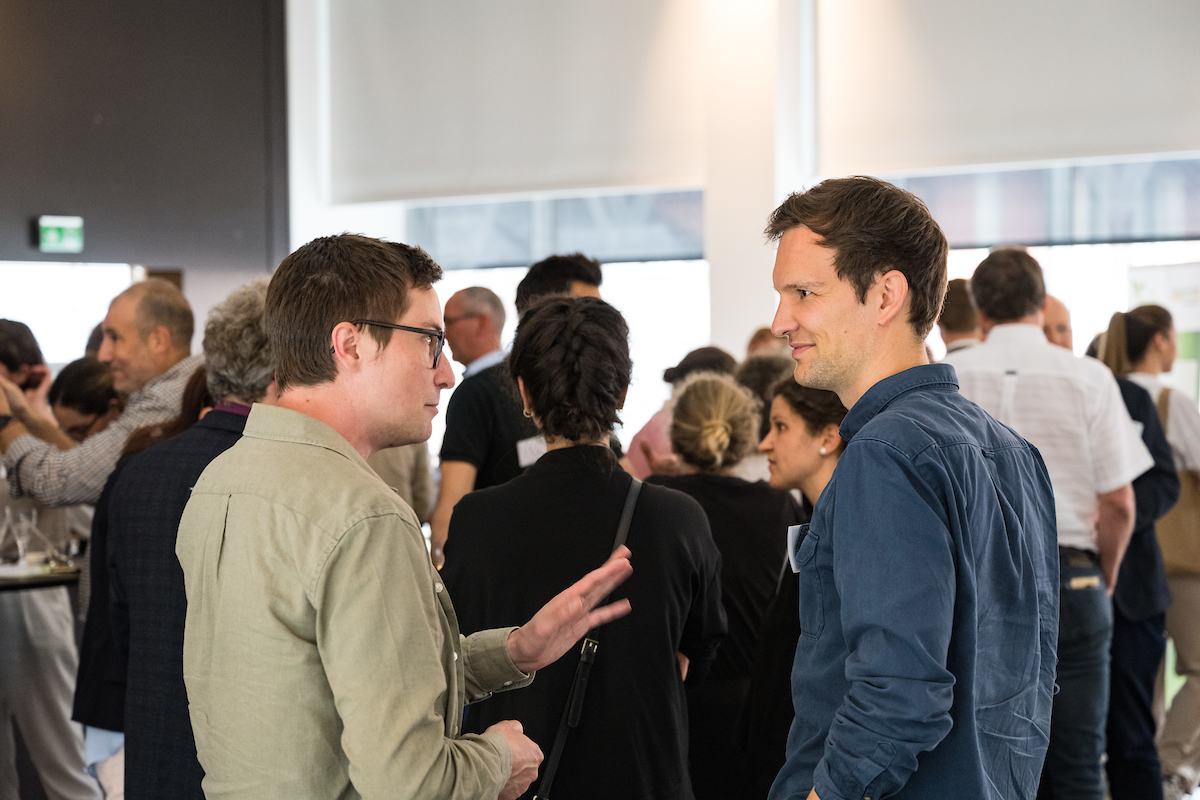
Kaum eine andere Branche hängt so sehr von intakten Ökosystemen und deren Leistungen ab wie der Lebensmittelsektor. Doch Übernutzung, Verschmutzung, Zerstörung von Lebensräumen und die Klimakrise führen zu einem seit Jahren stetig steigenden Artensterben – laut Weltbiodiversitätsrat sind weltweit rund eine Million Arten akut vom Aussterben bedroht. Wie also kann die Lebensmittelbranche auf diese Entwicklung reagieren und nachhaltigere Zukunftsstrategien entwickeln? Welche Hebel können eingesetzt werden, um Ökosysteme besser zu schützen? Diese und weitere Fragen wurden auf der Fachkonferenz „Biodiversität im Lebensmittelsektor“ am 22. und 23. Mai 2023 in der Evangelischen Akademie in Frankfurt am Main diskutiert.

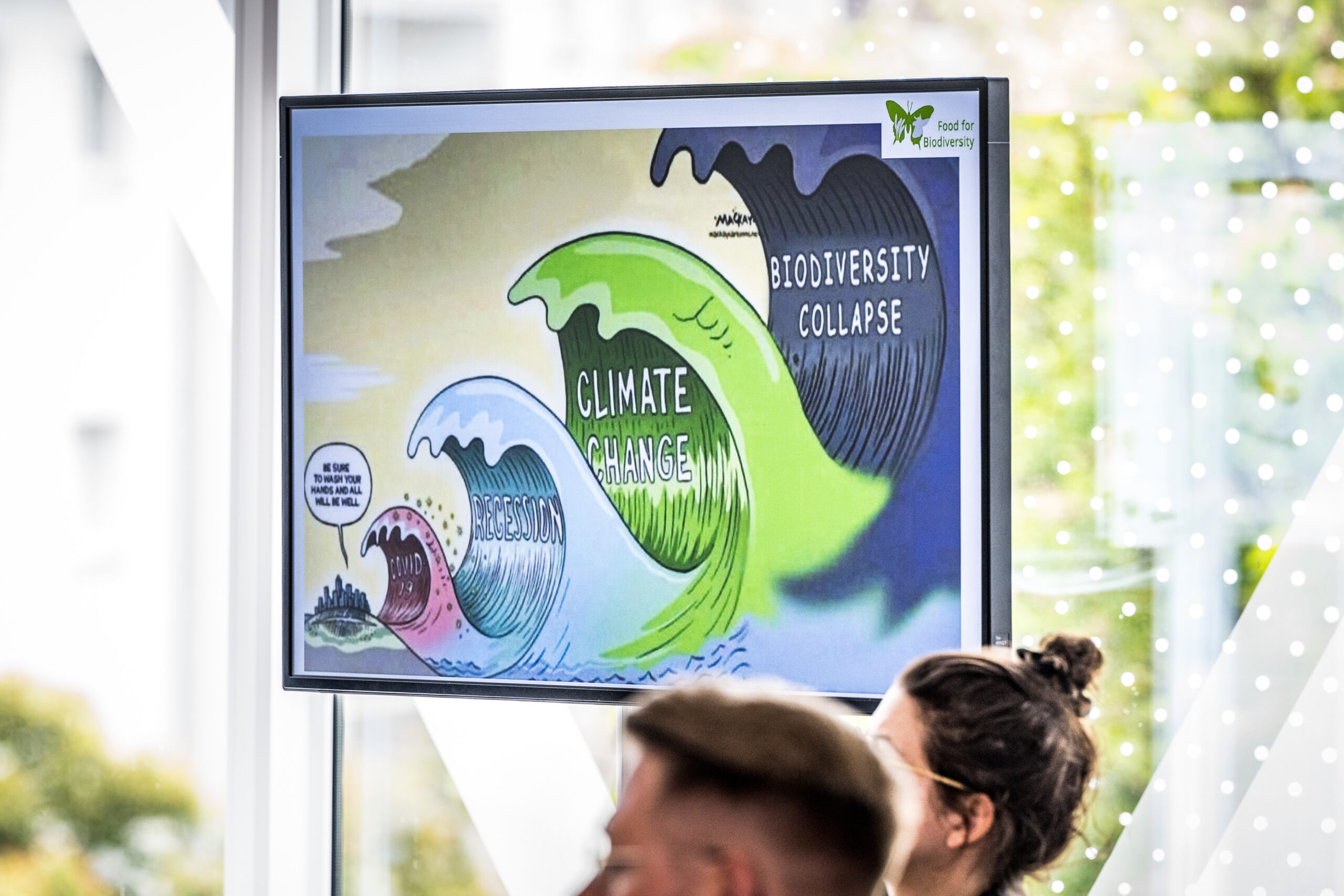
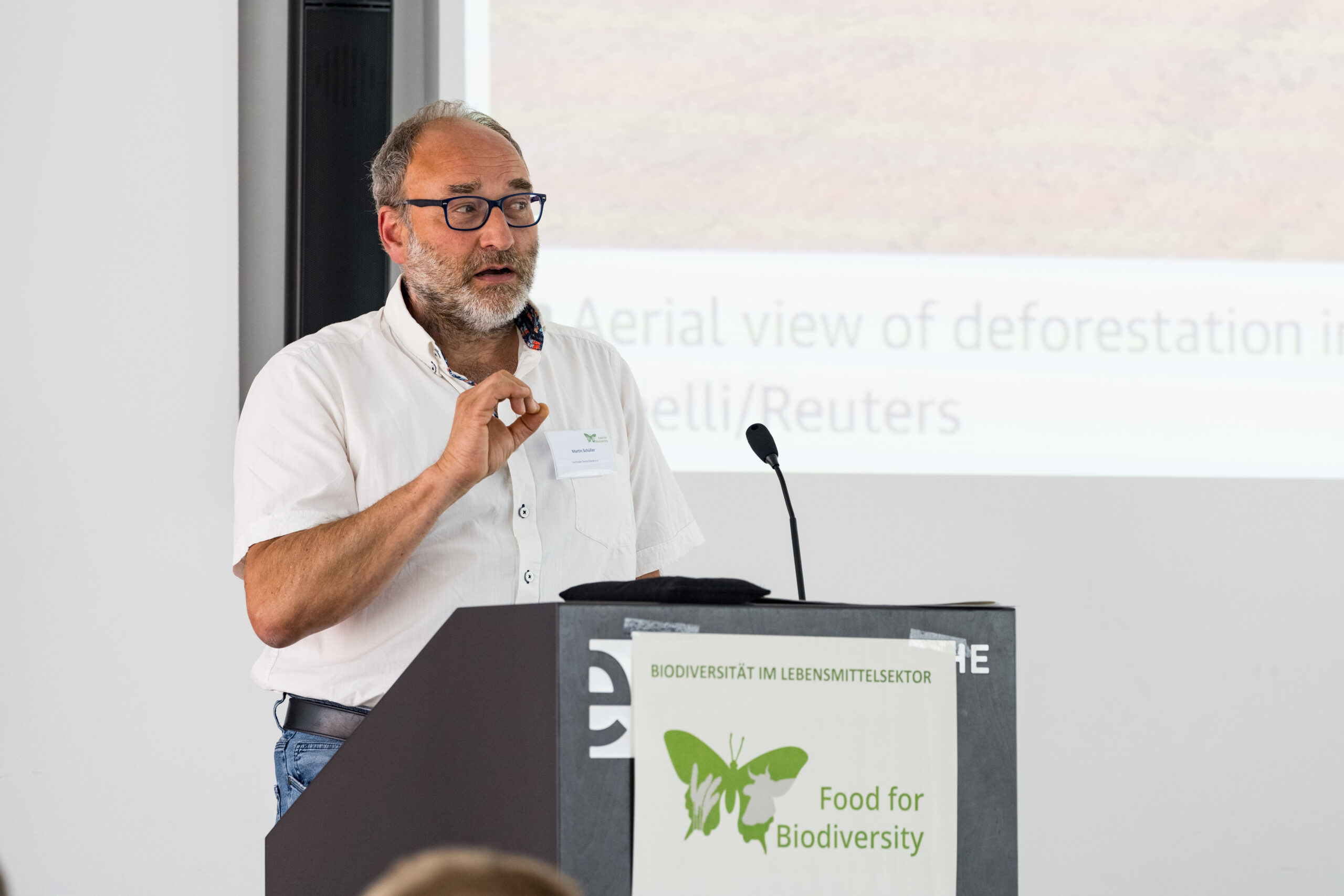




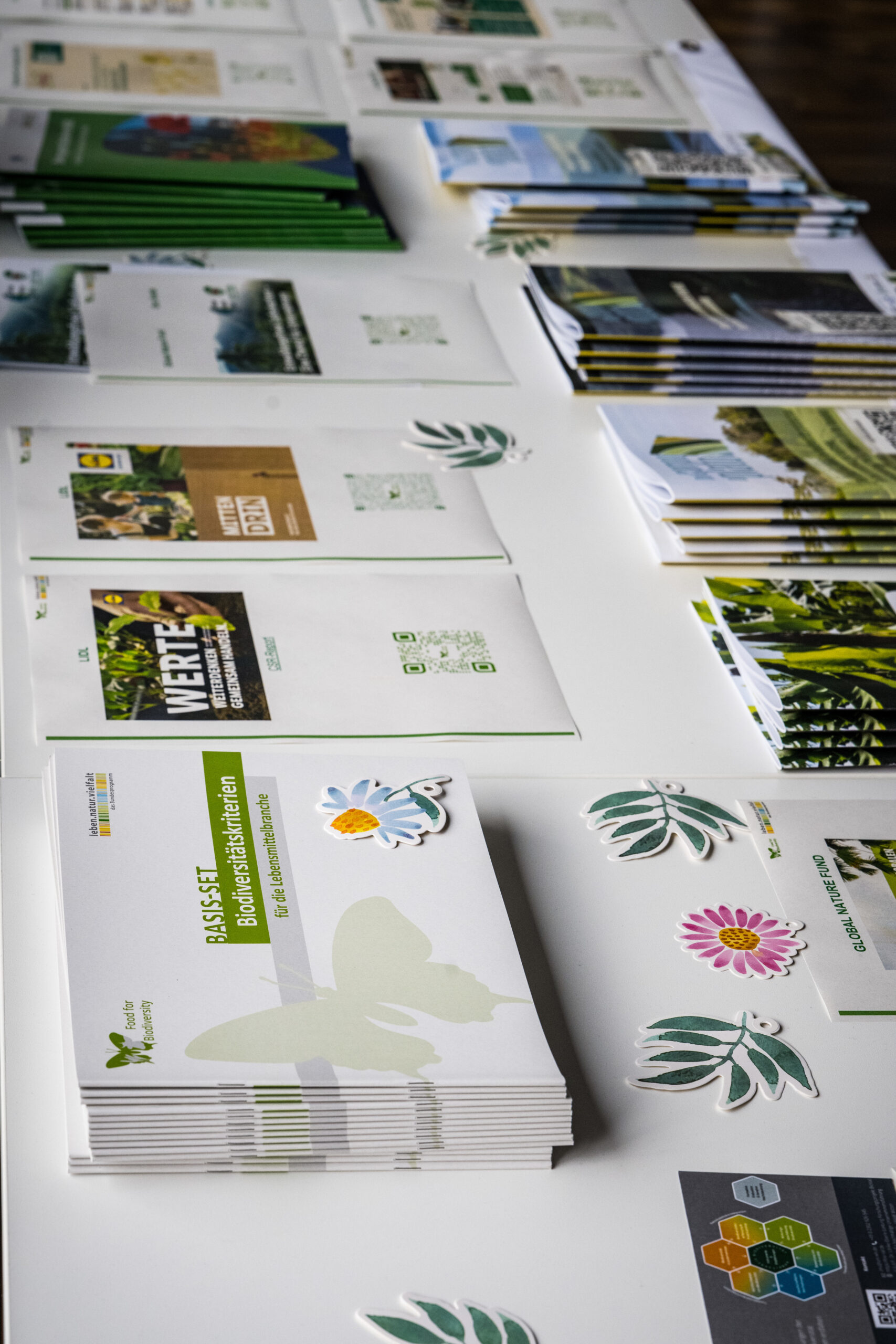







Info-Tisch
Basis-Set an Biodiversitätskriterien für gemäßigte Breiten
Food for Biodiversity
Basis-Set an Biodiversitätskriterien für die Tropen
Food for Biodiversity
Biodiversität in globalen Agrarlieferketten
Global Nature Fund, GIZ
Entwaldungsfreie Lieferketten – Eine Chance für Unternehmen
Global Nature Fund, Oro Verde
Flyer Regionalwert Leistungen
Regionalwert Leistungen GmbH
Flyer Genussrechte
Regionalwert Leistungen GmbH
Flyer Regionalwert Leistungen Englisch
Regionalwert Leistungen GmbH
Regionalwert Leistungen Social Media Hub
Regionalwert Leistungen GmbH
Projekt Insektenfördernde Regionen
Bodensee-Stiftung, GNF
BioVal Webseite
BioVal
Lidl CRS-Report
Lidl Deutschland
Auf dem Weg nach Morgen Nachhaltigkeit bei Lidl
Lidl Deutschland
Naturland Standards on Production
Naturland
Organic Expertise
Naturland International
Roots and Values
Naturland
Präsentationen
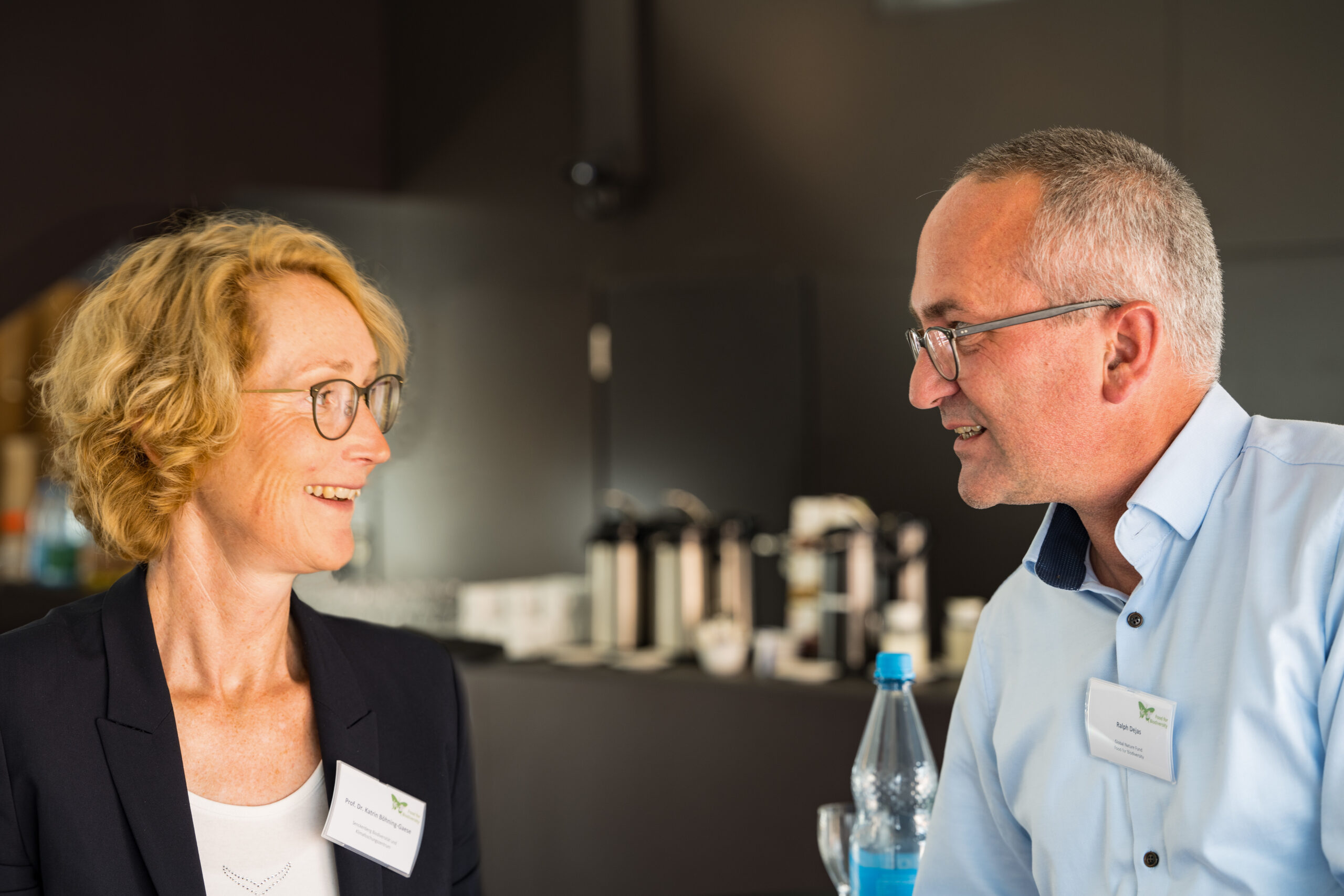
Keynote – Prof. Dr. Katrin Böhning-Gaese
Direktorin des Senckenberg Biodiversität und Klima Forschungszentrums
Block 1 – Welche Verantwortung und Hebel hat die Lebensmittelbranche um die Landwirtschaft als wichtigsten Rohstoffgeber positiv zu beeinflussen?
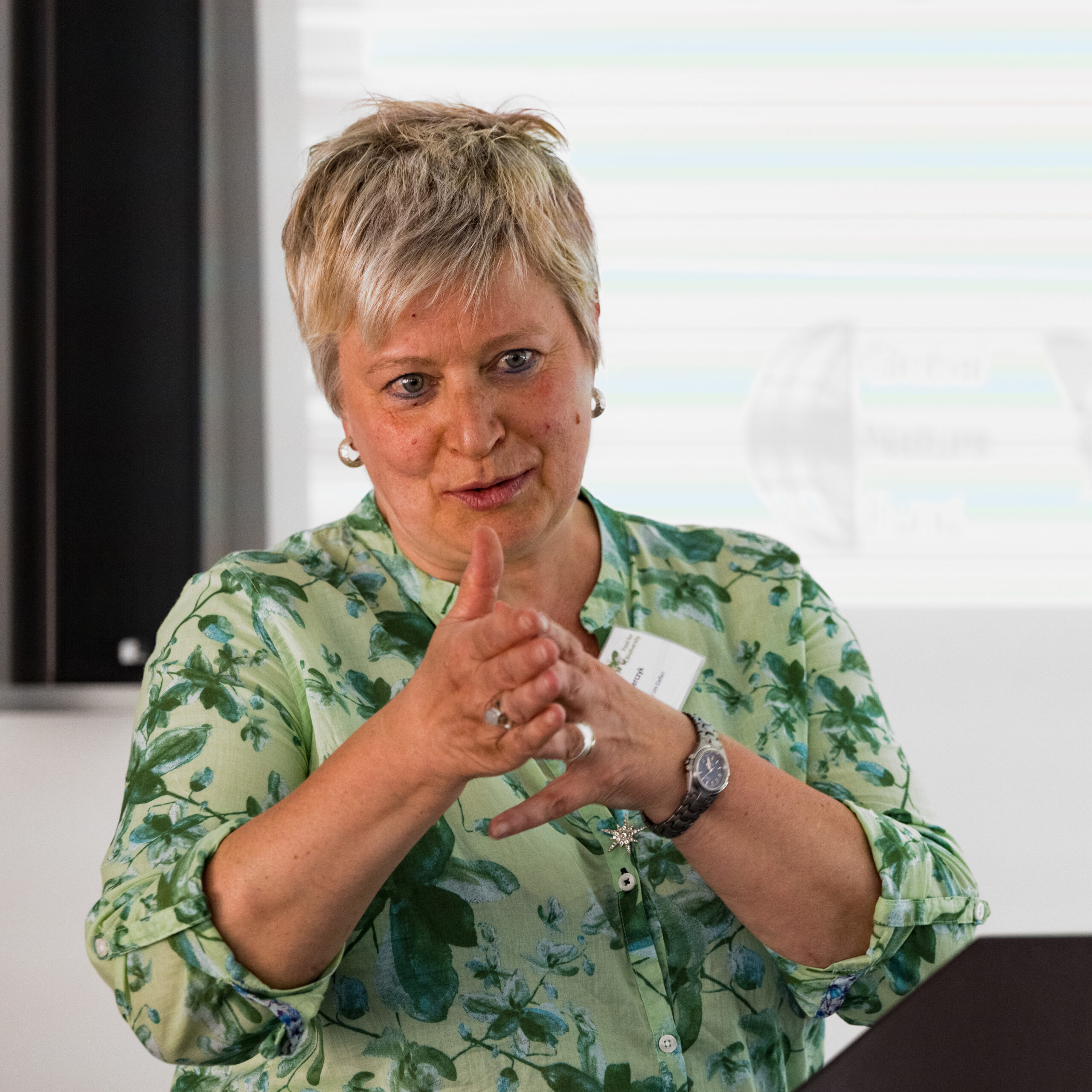
Das Food for Biodiversity Basis-Set an Biodiversitätskriterien
Nadja Kasperczyk, FiBL Deutschland
Welche Schwerpunkte setzen die Standards, welche Impacts werden erwartet?
Rene Capote, GLOBALG.A.P. & Laura von Flemming, LIDL
Praxisinitiativen von Unternehmen
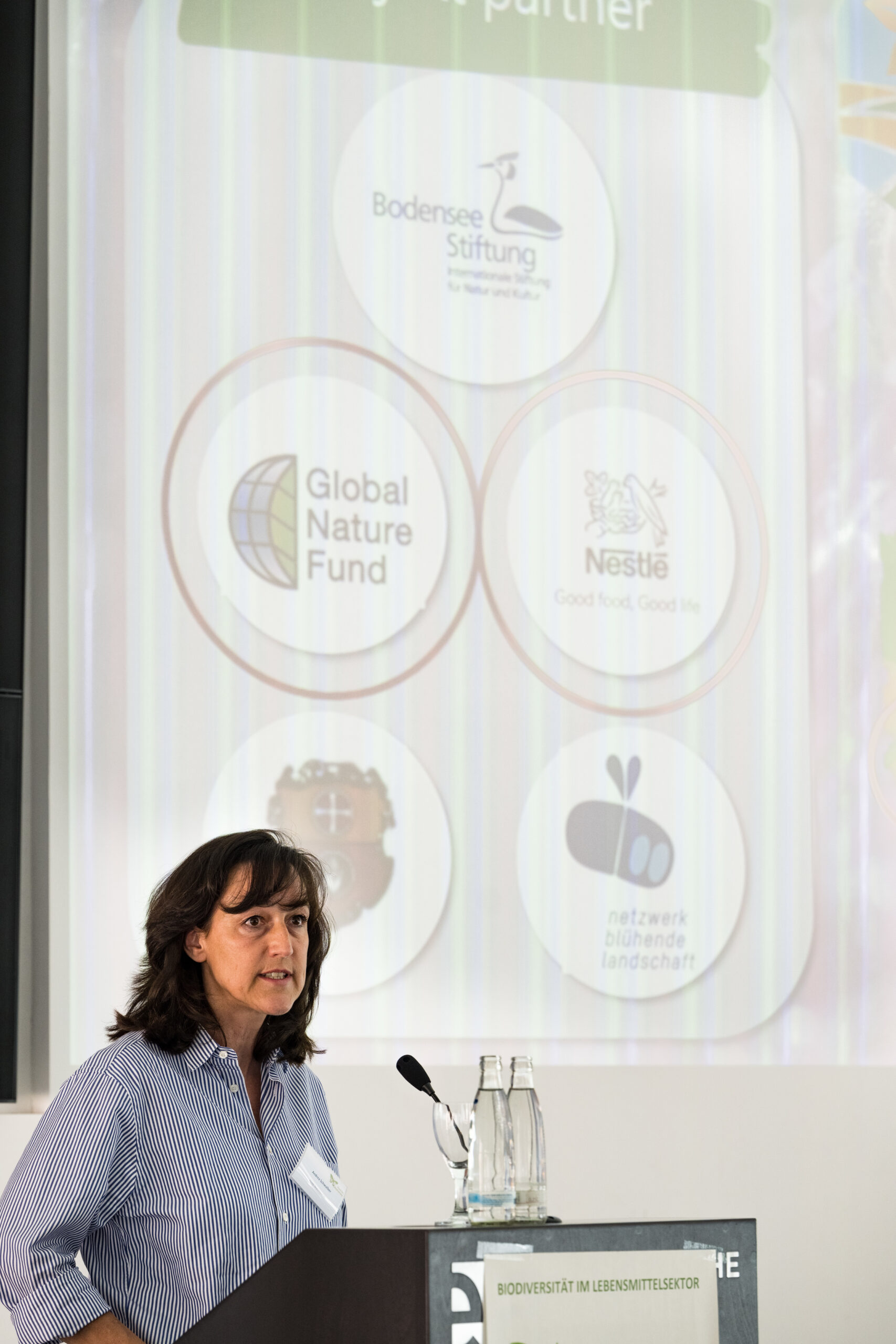
Andrea Schwalber
Cool Farm Tool
Megan McKerchar, Cool Farm Alliance
Biodiversity Check Agrícola
Marion Hammerl, Bodensee-Stiftung
Biodiversity Risk Filter
Leah Hupp, WWF
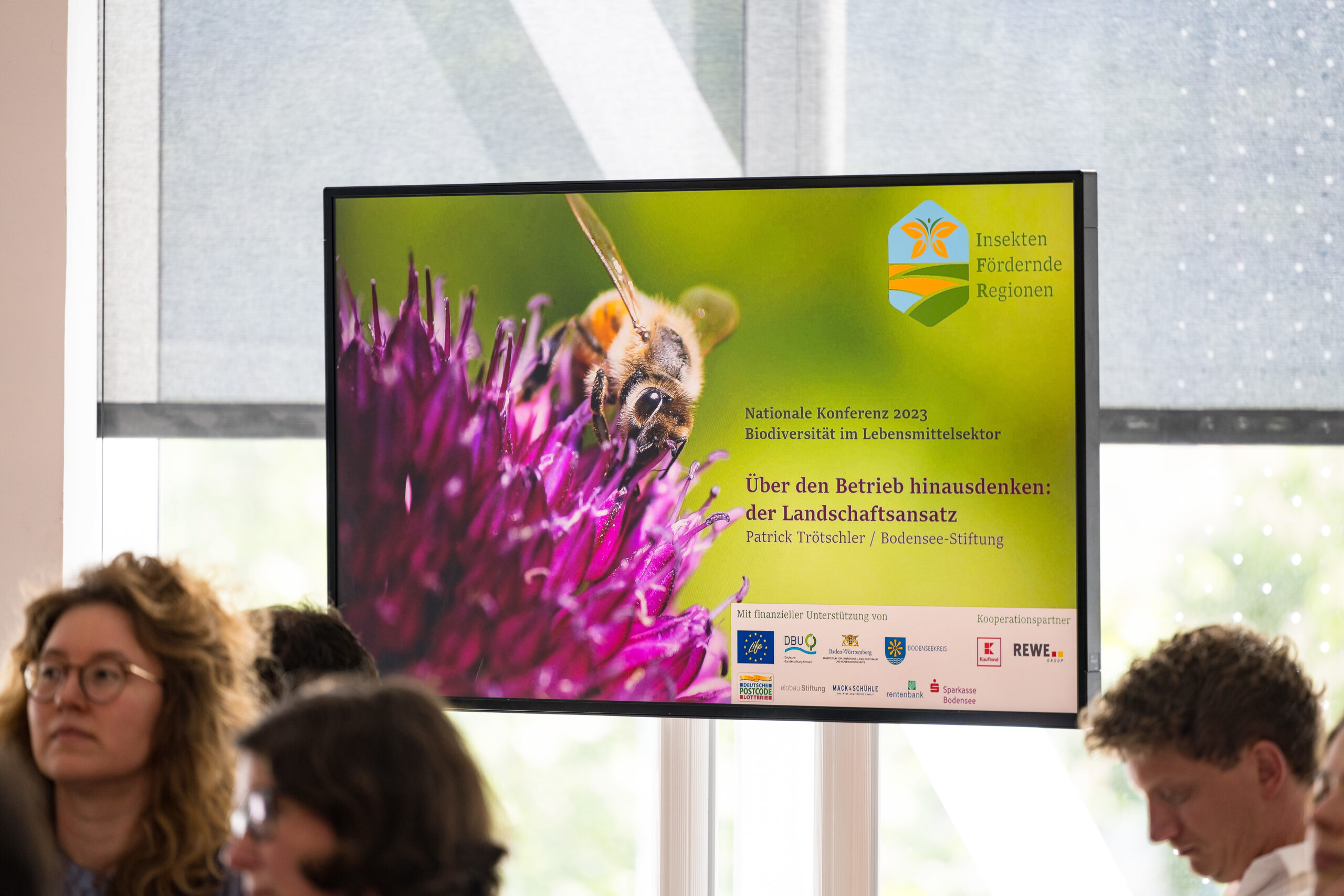
Über den Betrieb hinausdenken: der Landschaftsansatz
Patrick Trötschler, Bodensee-Stiftung
Block 2 – Herausforderungen in der Lebensmittelbranche (Verarbeitung und Handel)
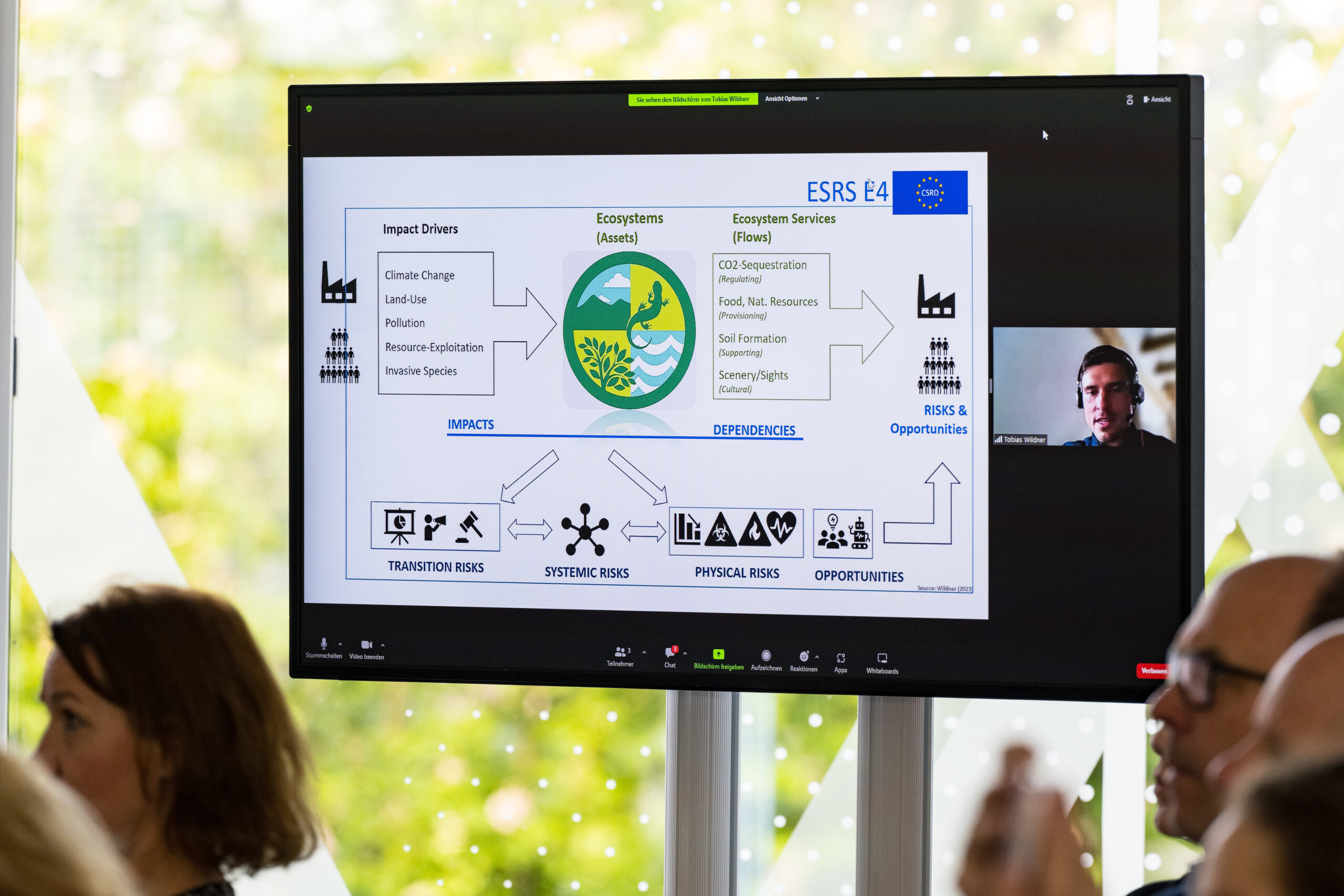
Neue Berichterstattungsstandards: Von der Pflicht zur Chance
Tobias M. Wildner, Helmholtz UFZ und Value Balancing Alliance
Übernahme von Kosten und Anreize für den verbesserten Schutz der Biodiversität in der Landwirtschaft
Louisa Lösing, Global Nature Fund
Welche Wege sind fair und führen zum Ziel? Methoden und Erfahrungen am Beispiel der Regionalwert Leistungsrechnung
Christian Hiß, Regionalwert Leistungen GmbH
Block 3 – Arbeitsgruppen
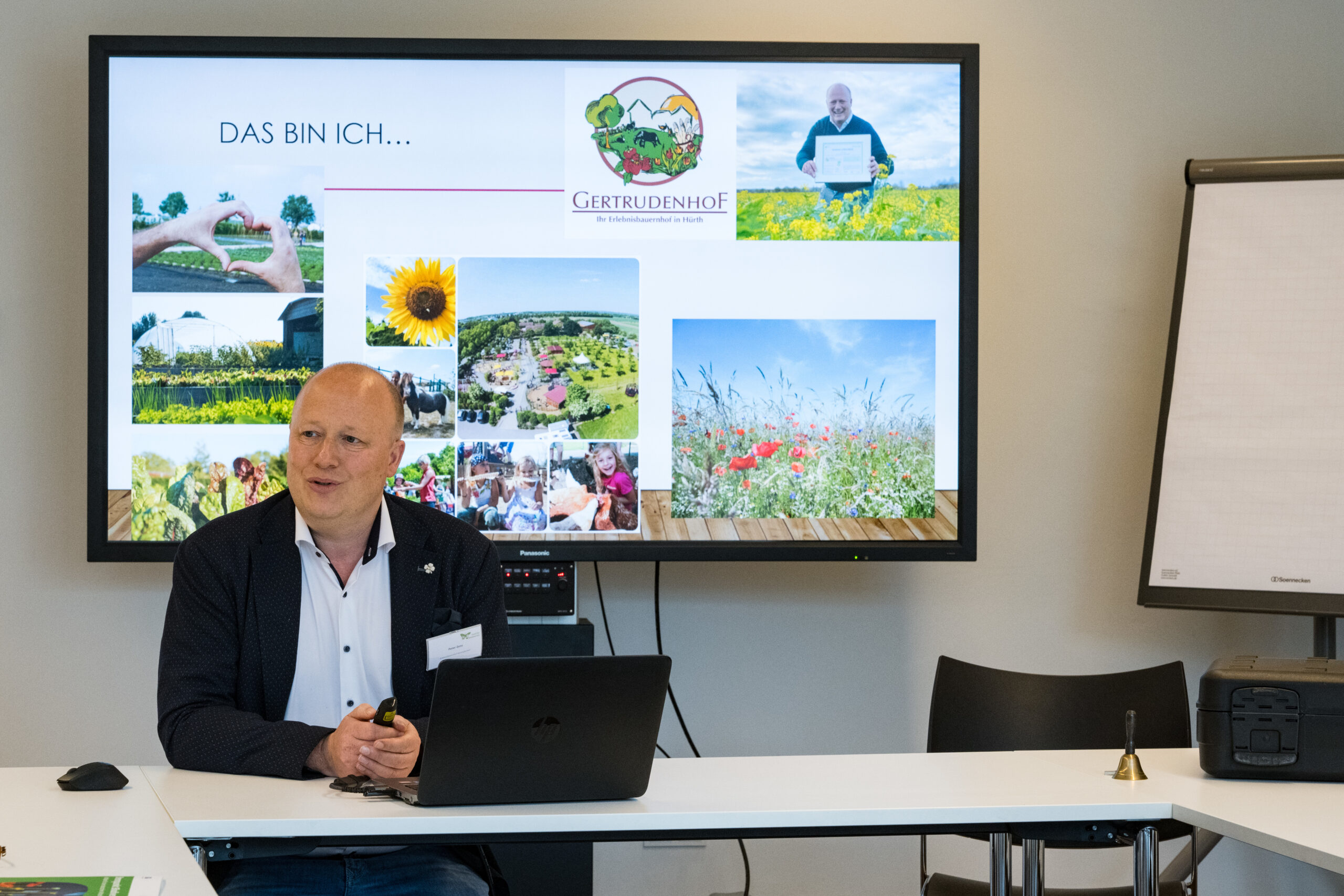
AG 1 – Kommunikation nach innen – Peter Zens
AG 2 – Kommunikation nach außen – Andrea Schwalber
AG 3 – Strategische Verankerung von Biodiversität – Stefan Schwarzer
Block 4 – Biodiversität in global Agrarlieferketten am Beispiel der Tropen
Die EU-Entwaldungsverordnung und Biologische Vielfalt
Franziska Rau, Gesellschaft für int. Zusammenarbeit
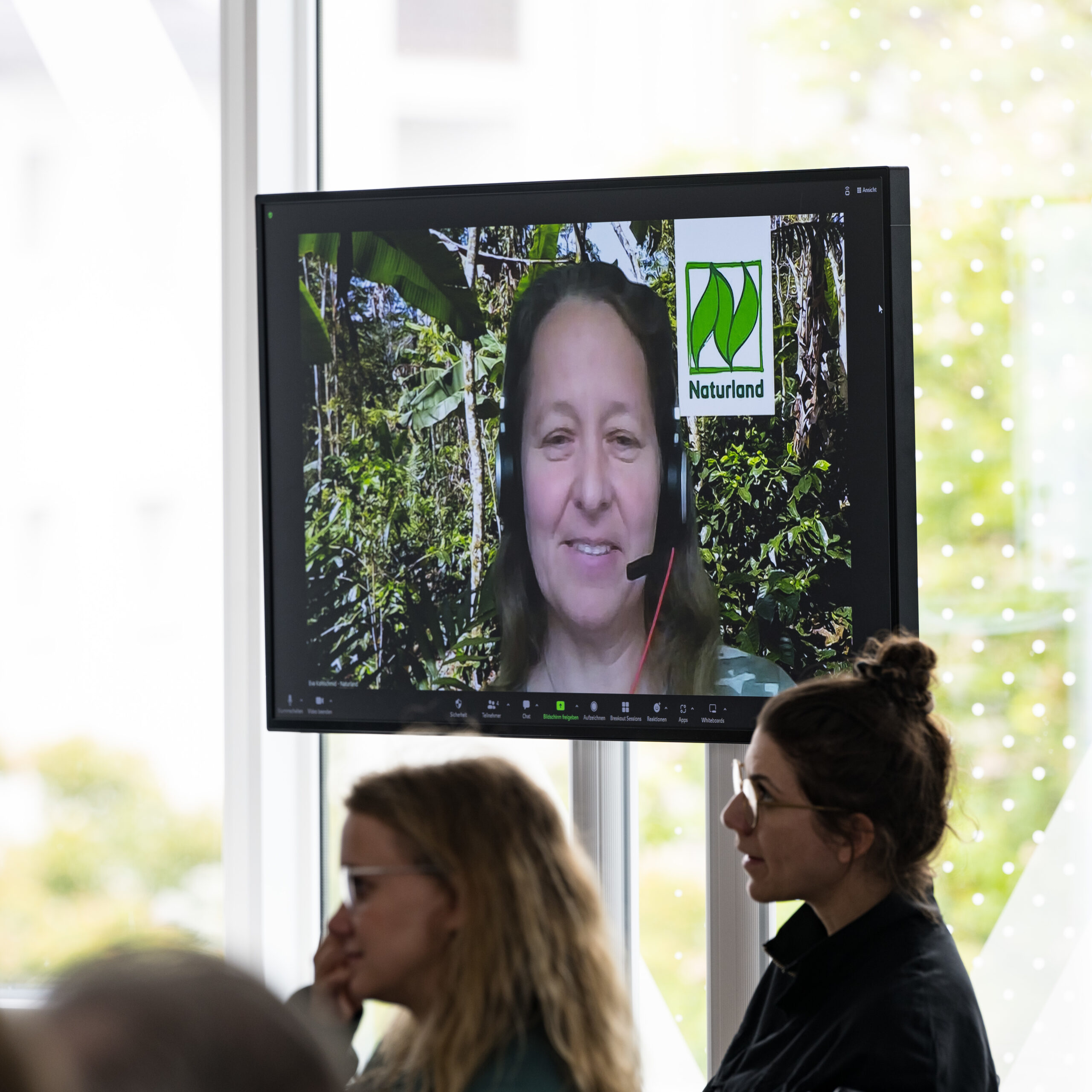
Biodiversität für tropische Kulturen im Naturland Erzeuger Standard
Eva Kohlschmid, Naturland
Food for Biodiversity Basis-Set für die Tropen
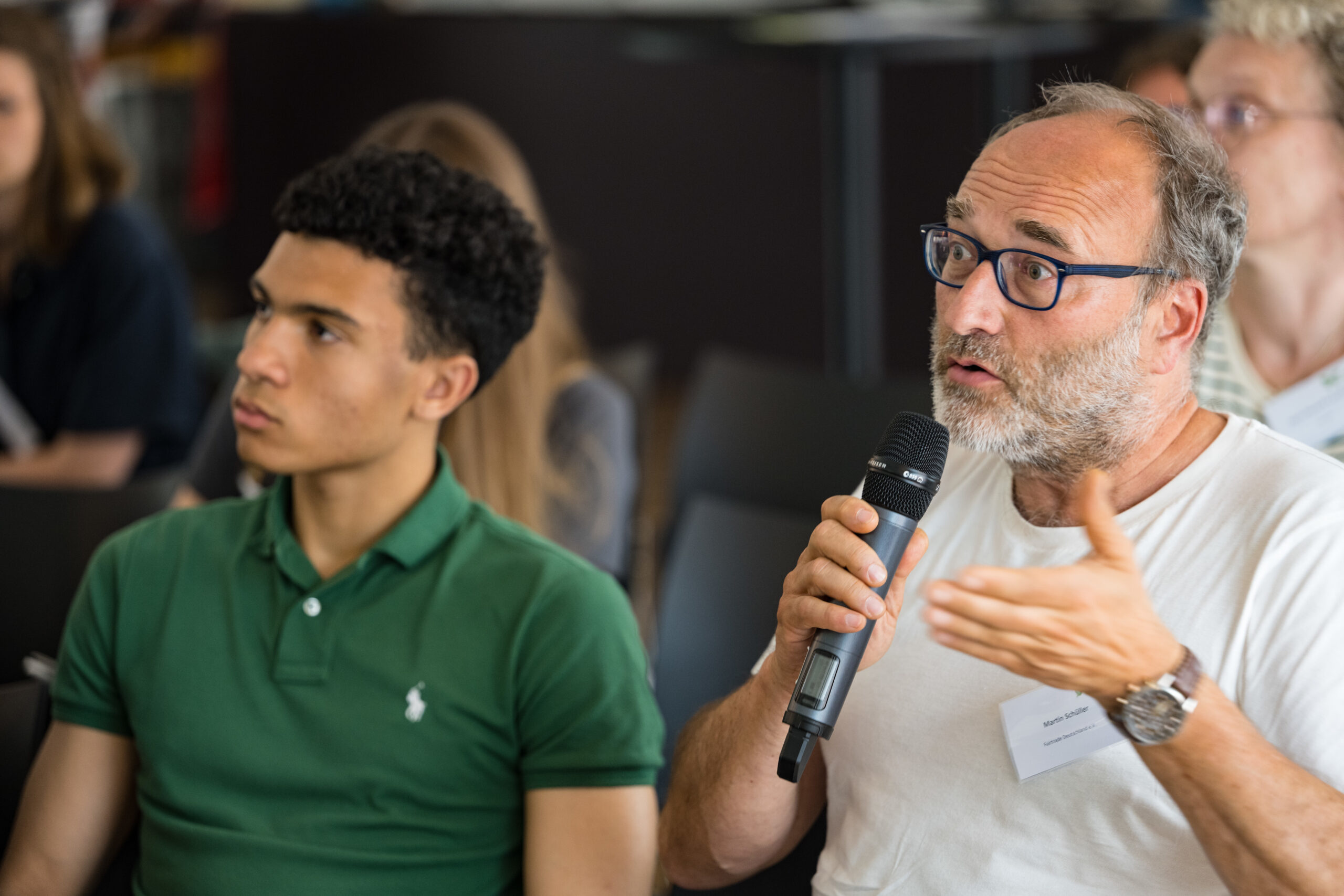
Martin Schüller, Fairtrade Deutschland
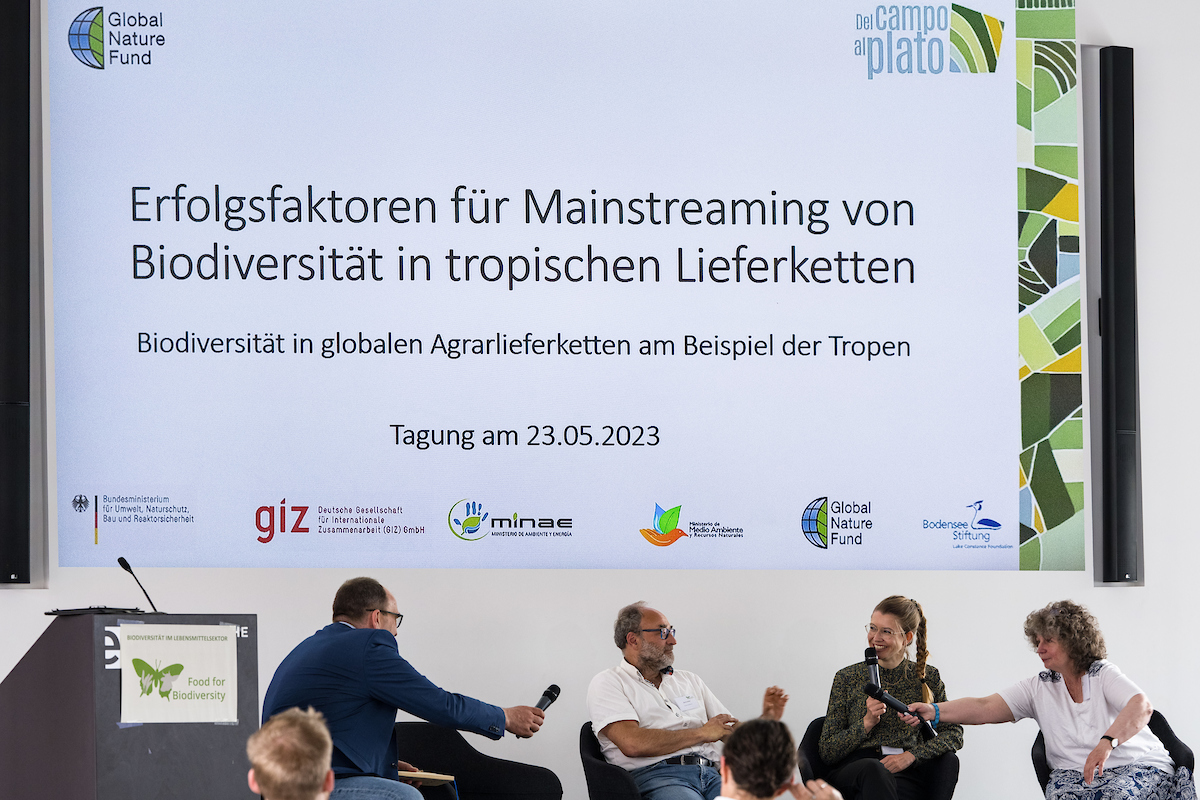
From Farm to Fork – Erfolgsfaktoren für Mainstreaming von Biodiversität in Agrarlieferketten
Thomas Schaefer, Global Nature Fund
Biodiversität in globalen Agrarlieferketten. Fallbeispiele für eine biodiversitätssensible Gestaltung globaler Agrarlieferketten aus Ecuador und Kolumbien
Ralf Buß, Gesellschaft für int. Zusammenarbeit

Biodiversität: Neue gesetzliche Vorgaben für Lebensmittelunternehmen
Eine Einordnung von der Vorständin des Vereins Food for Biodiversity, Marion Hammerl, zu aktuellen gesetzlichlichen Vorgaben für Lebensmittelunternehmen und hilflichen Tools zu deren Erfüllung.
Biologische Vielfalt: Grundlage für die Food–Branche
Biodiversitätsschutz muss Teil des Qualitätsverständnisses der Lebensmittelbranche werden!
Die Tagung „Biodiversität im Lebensmittelhandel“ in Fulda war ein voller Erfolg – es herrscht Aufbruchstimmung