
Conference – Fit for Biodiversity - Solutions for the Agri-Food Sector
Fit for Biodiversity - Solutions for the Agri-Food Sector
Conference Key Topics:
The best biodiversity practices in agri-food supply chains
How to master biodiversity assessment along the value chain
How to minimize financial risks from nature
What you need to know about biodiversity credits
Incentive models to support biodiversity-friendly agriculture
How to clearly and credibly communicate biodiversity action
Speaker Organisations










Highlight Speaker
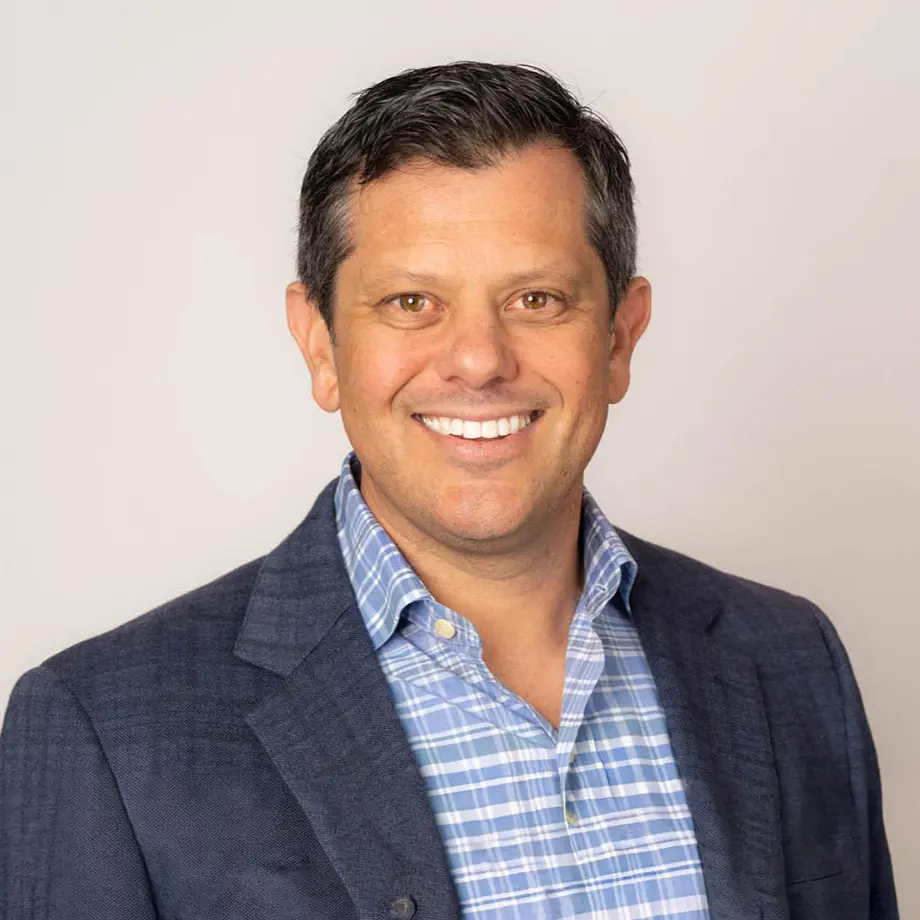
speaker_Chris Adamo
VP Global Sustainability Impact, Danone
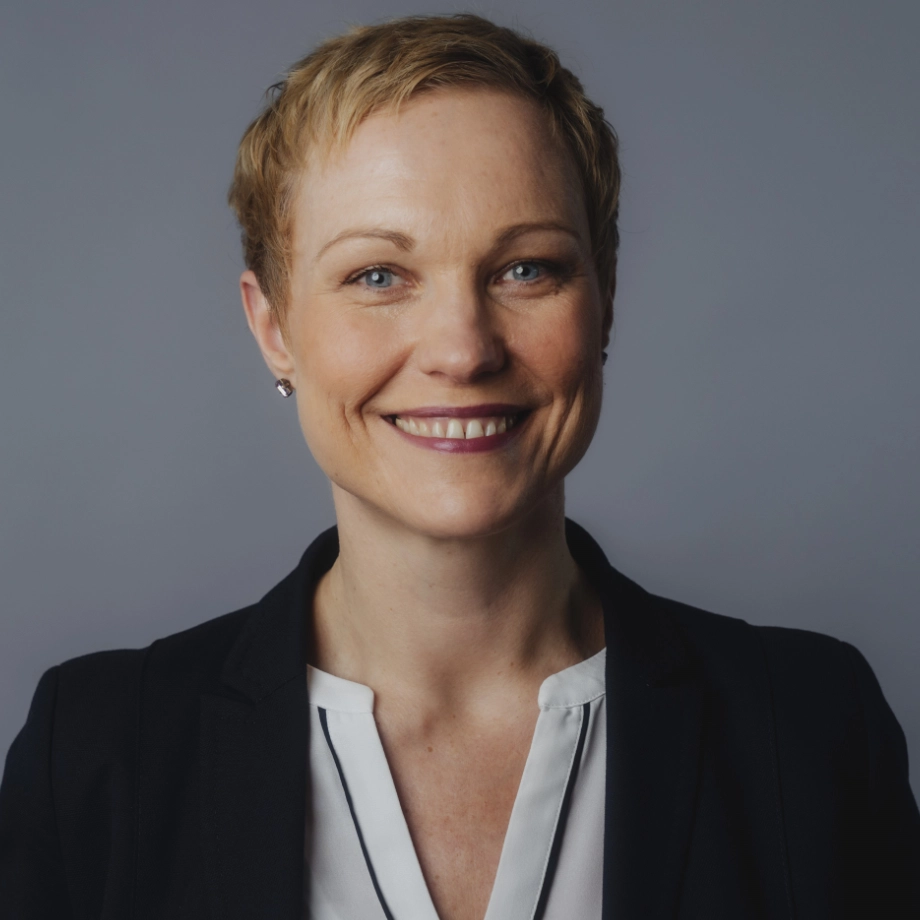
Dr. Julia Adou
Director Sustainability, Aldi Süd
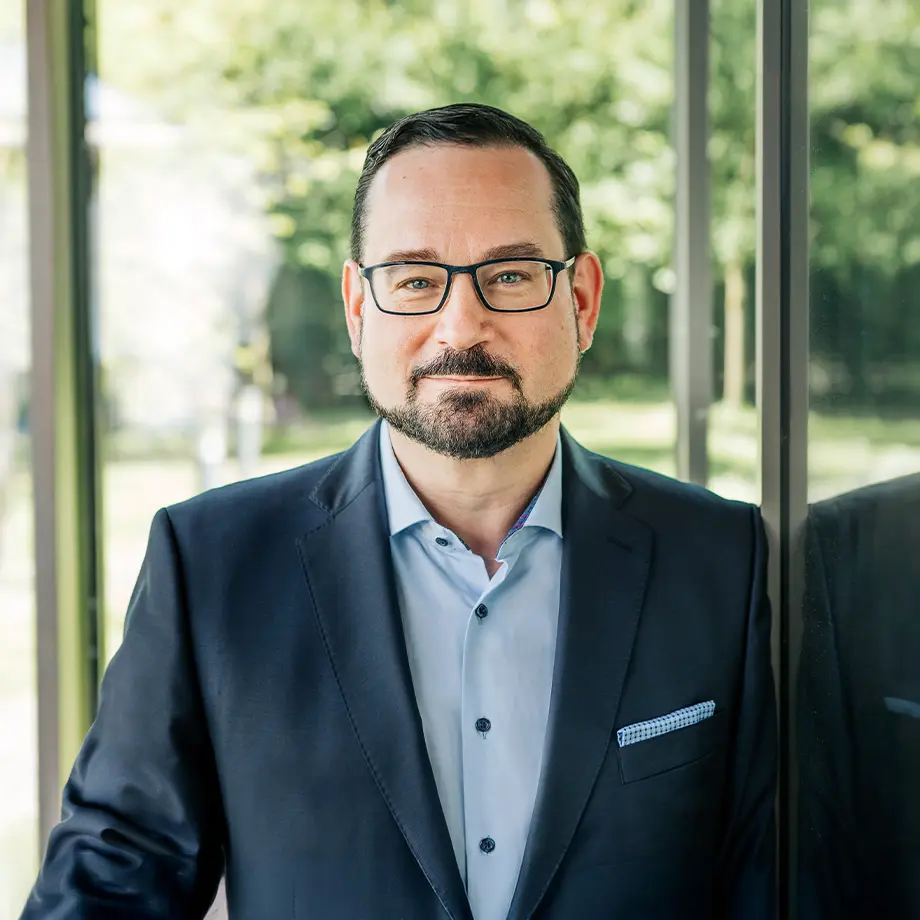
speaker_Alexander Bonde
President, Deutsche Bundesstiftung Umwelt (DBU)
Sanne Dekker
Manager Public Affairs, FrieslandCampina
speaker_Oliver Conz
Director General, Federal Ministry for the Environment, Climate Action, Nature Conservation and Nuclear Safety (BMUKN)
speaker_Lucia Scharl
Lawyer and Expert on the Empowering Consumer Directive (EmpCo), Meisterernst Rechtanwälte

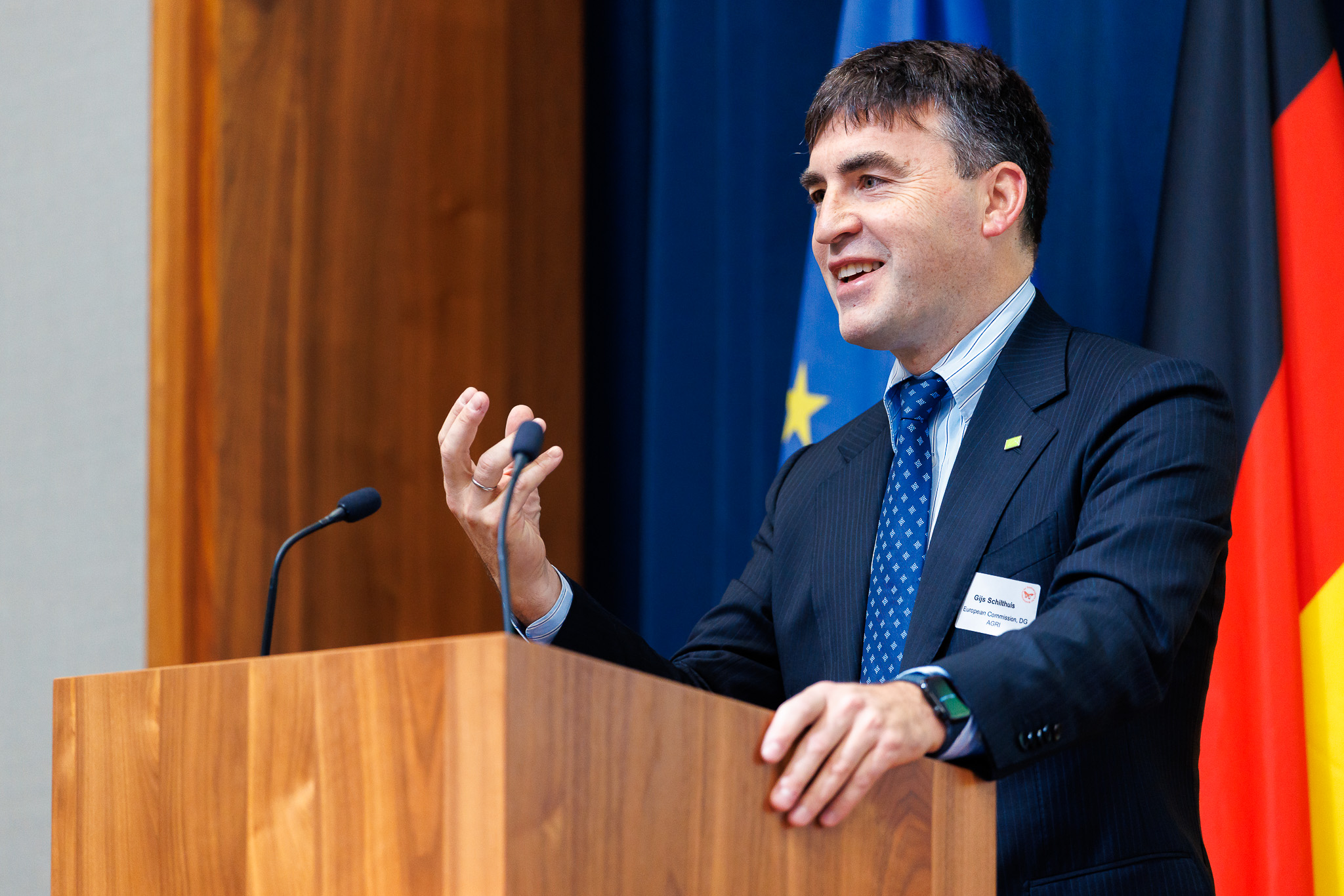
Gijs Schilthuis
Director Sustainability, DG Agriculture of the European Commission

Dr. Ulrike Eberle
Senior Managing Partner, Corsus Research
About the Conference:
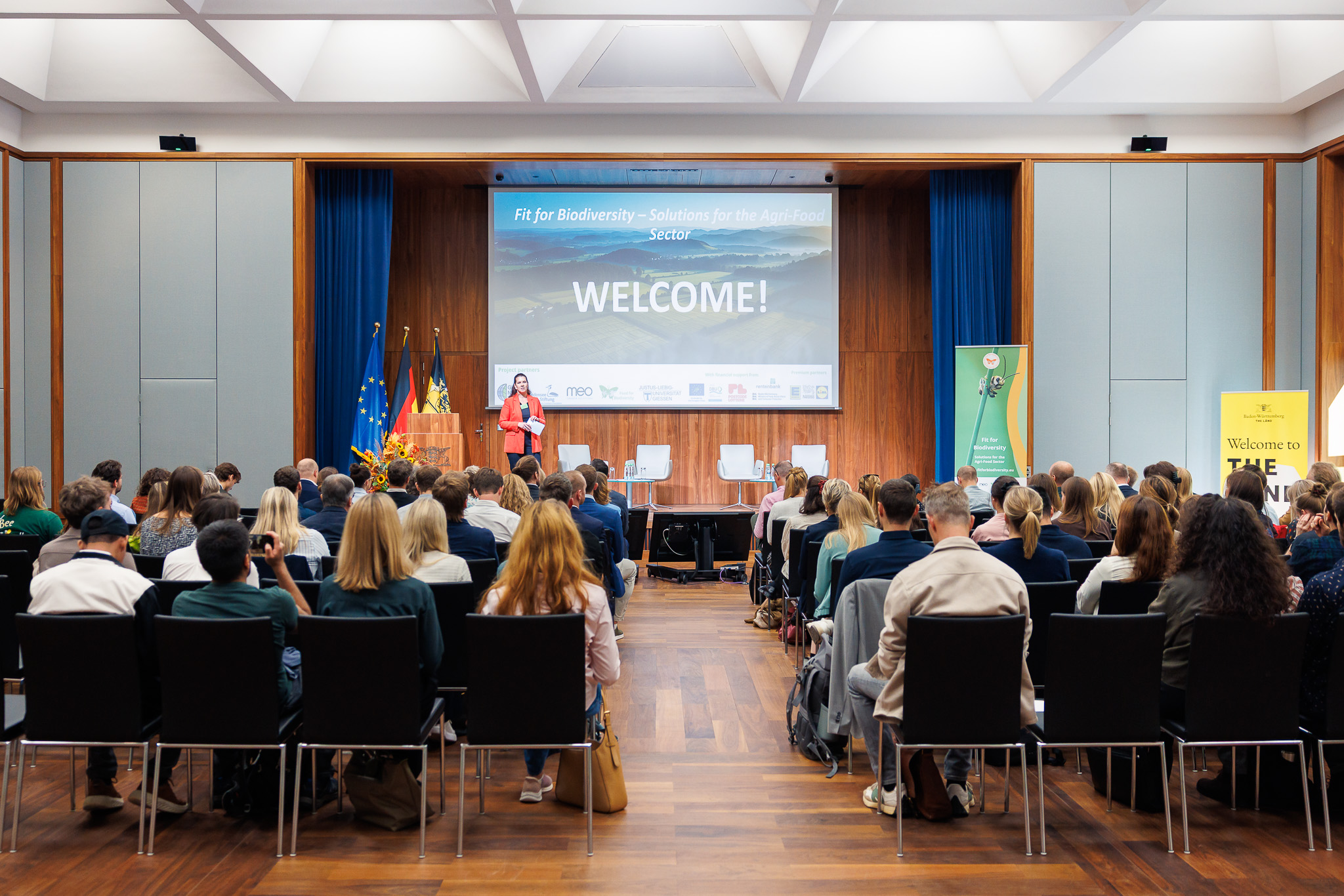
Fit for Biodiversity brings together leading perspectives to address the central challenges of biodiversity management in agri-food systems. By connecting established practices, emerging approaches, and the current regulatory development, the conference provides orientation and supports informed actions across value chains.
Who Should Attend?
For managers and stakeholders from food companies, science and academia, standards organizations, NGOs, policymakers, biodiversity expert groups, agri-food industry associations, and cross-sector initiatives.
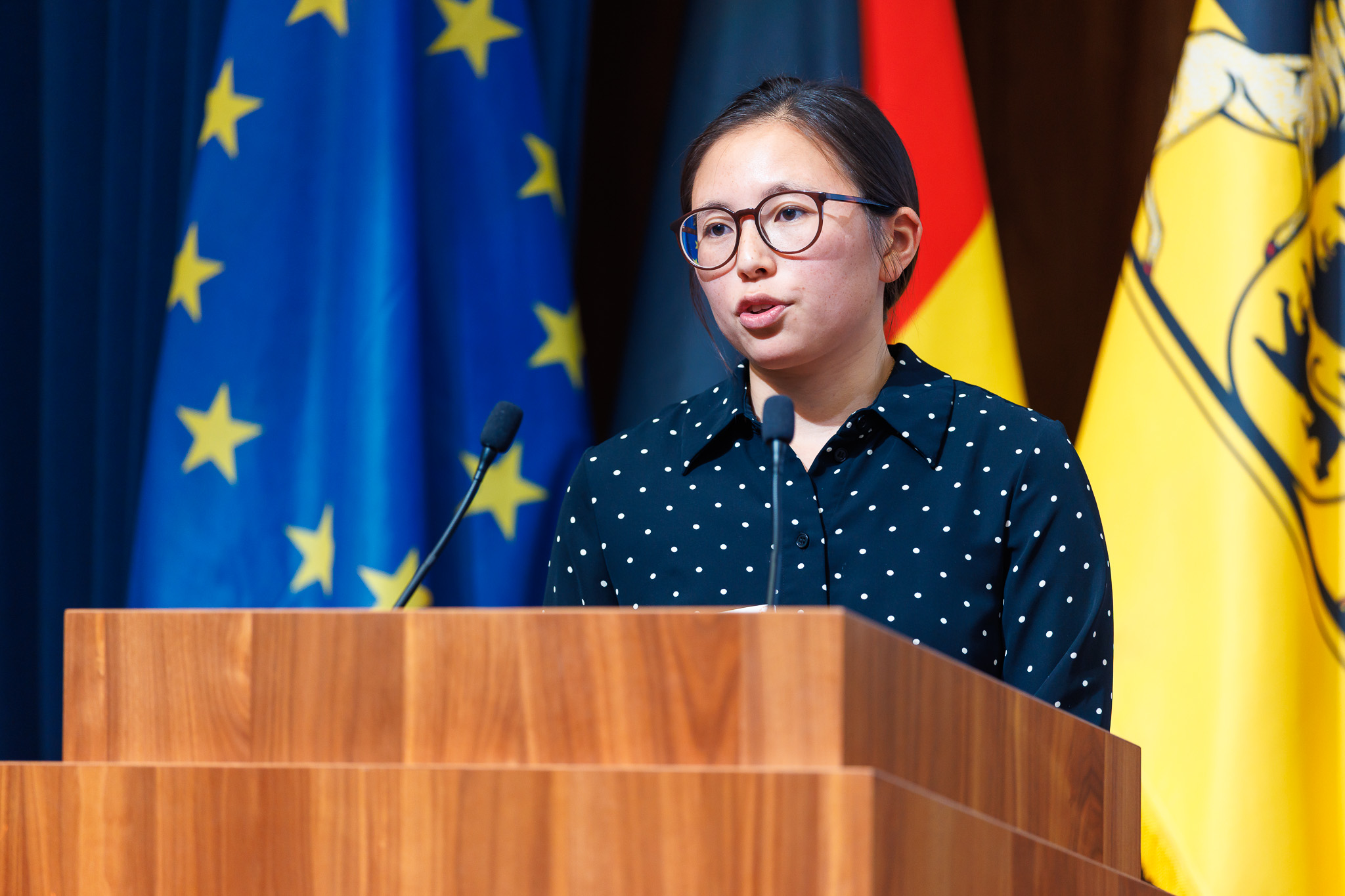
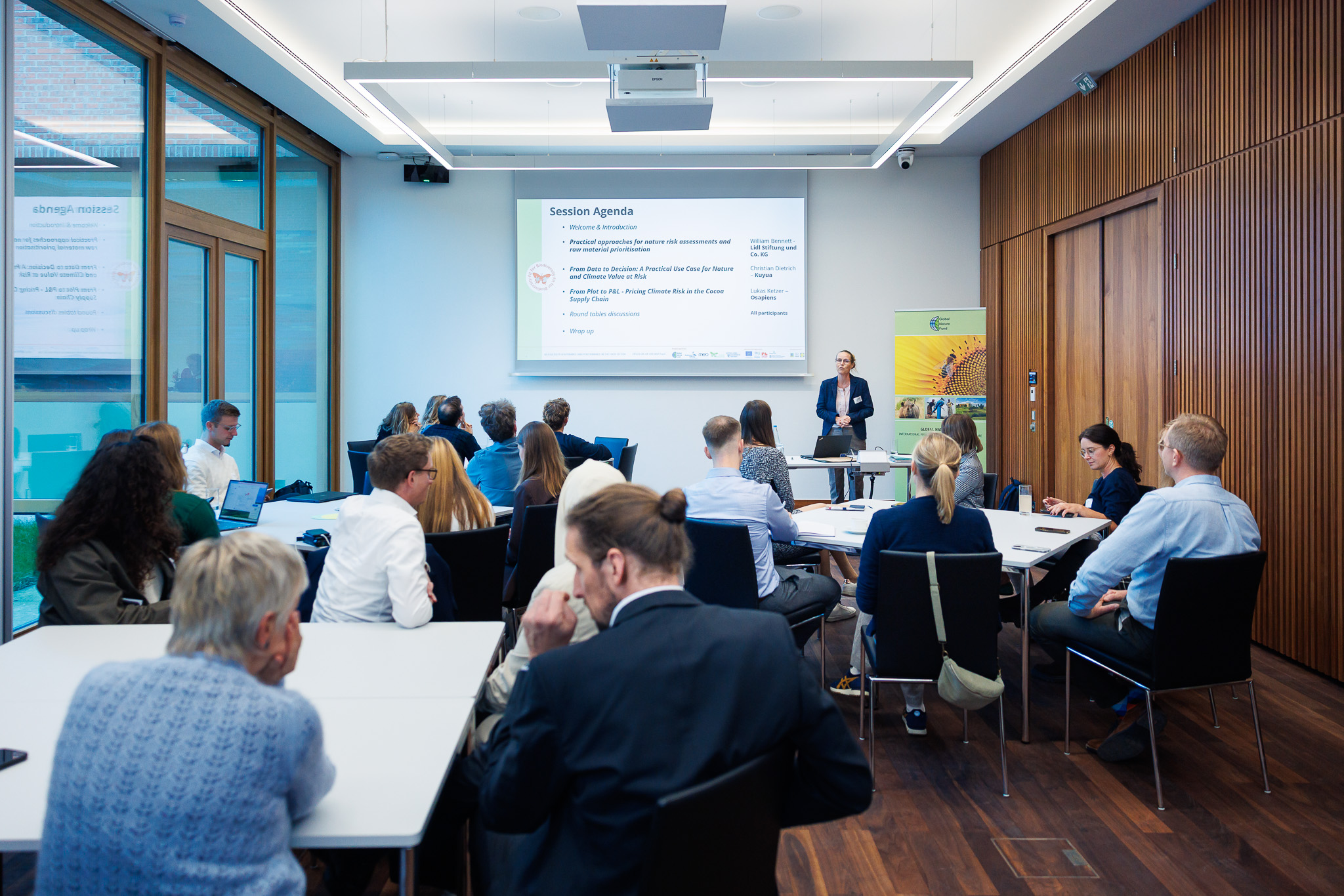
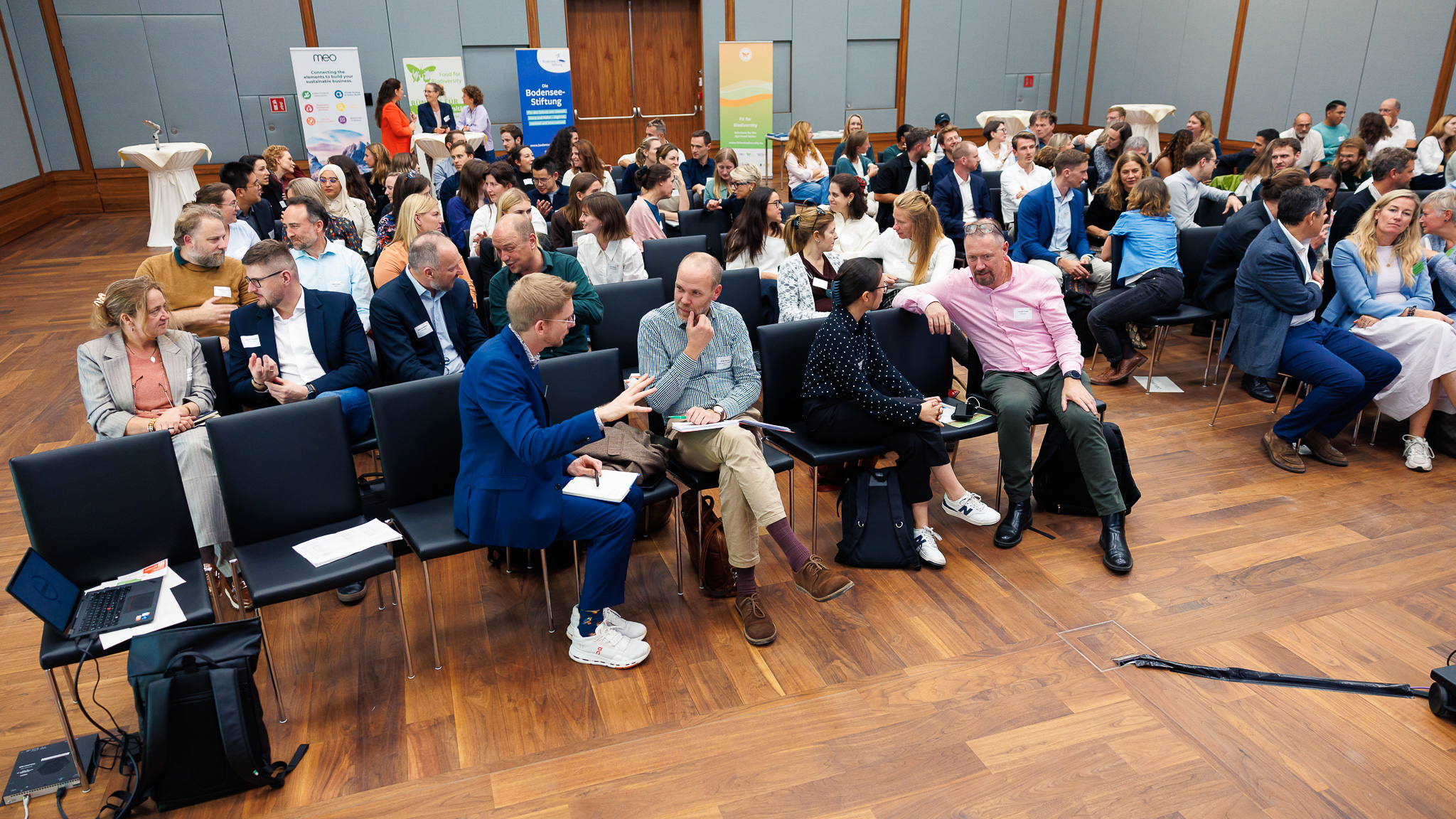
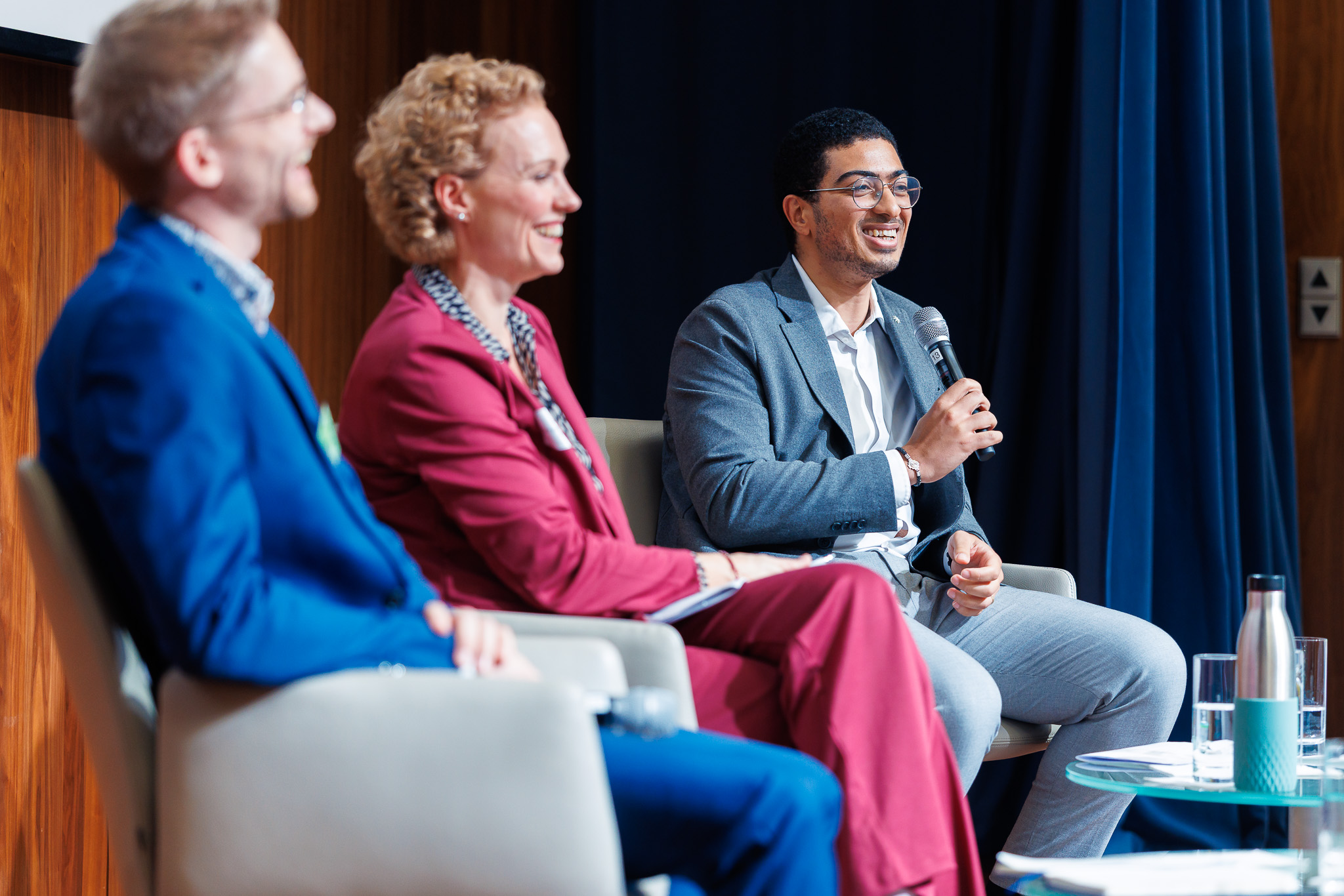
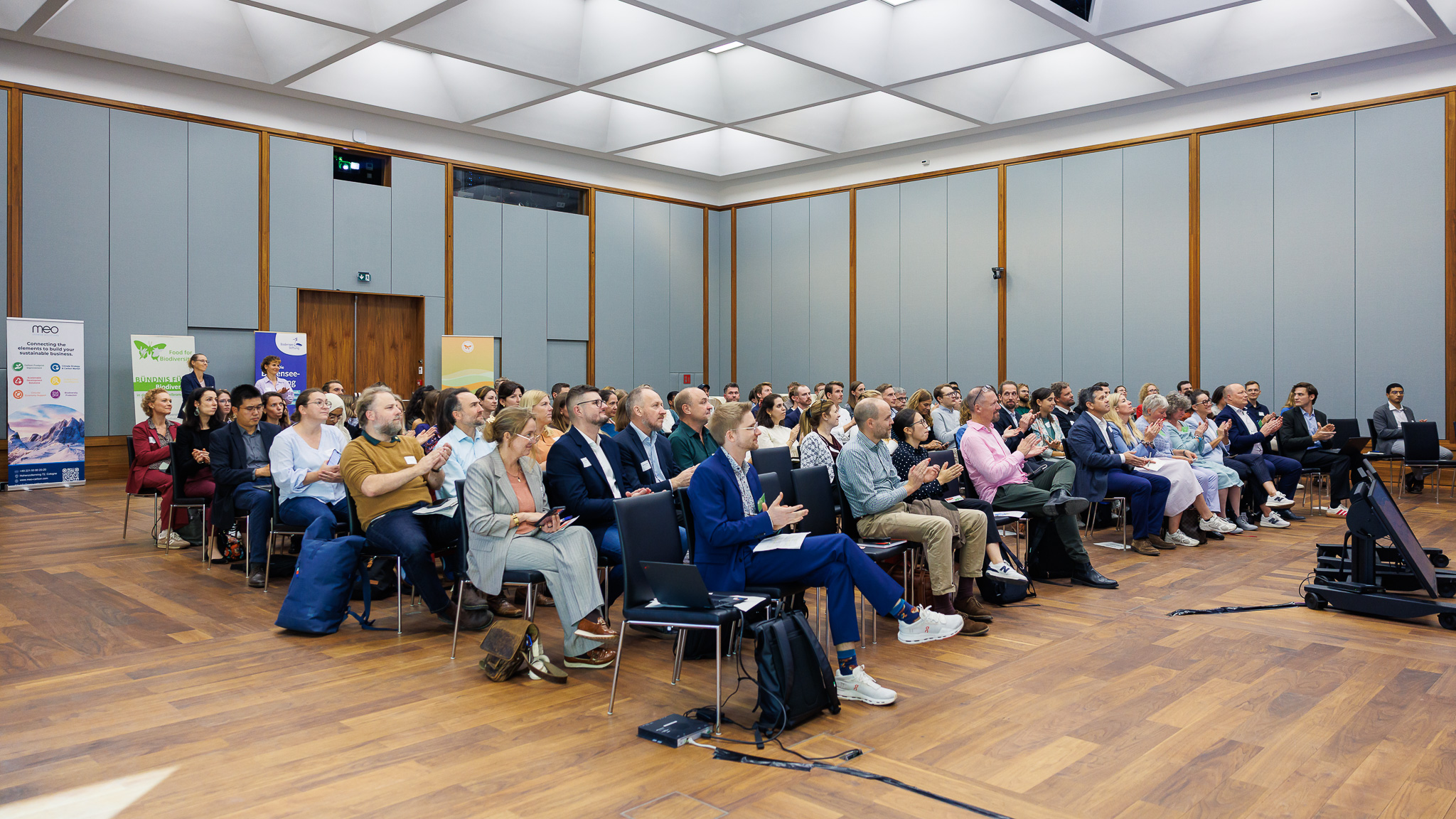
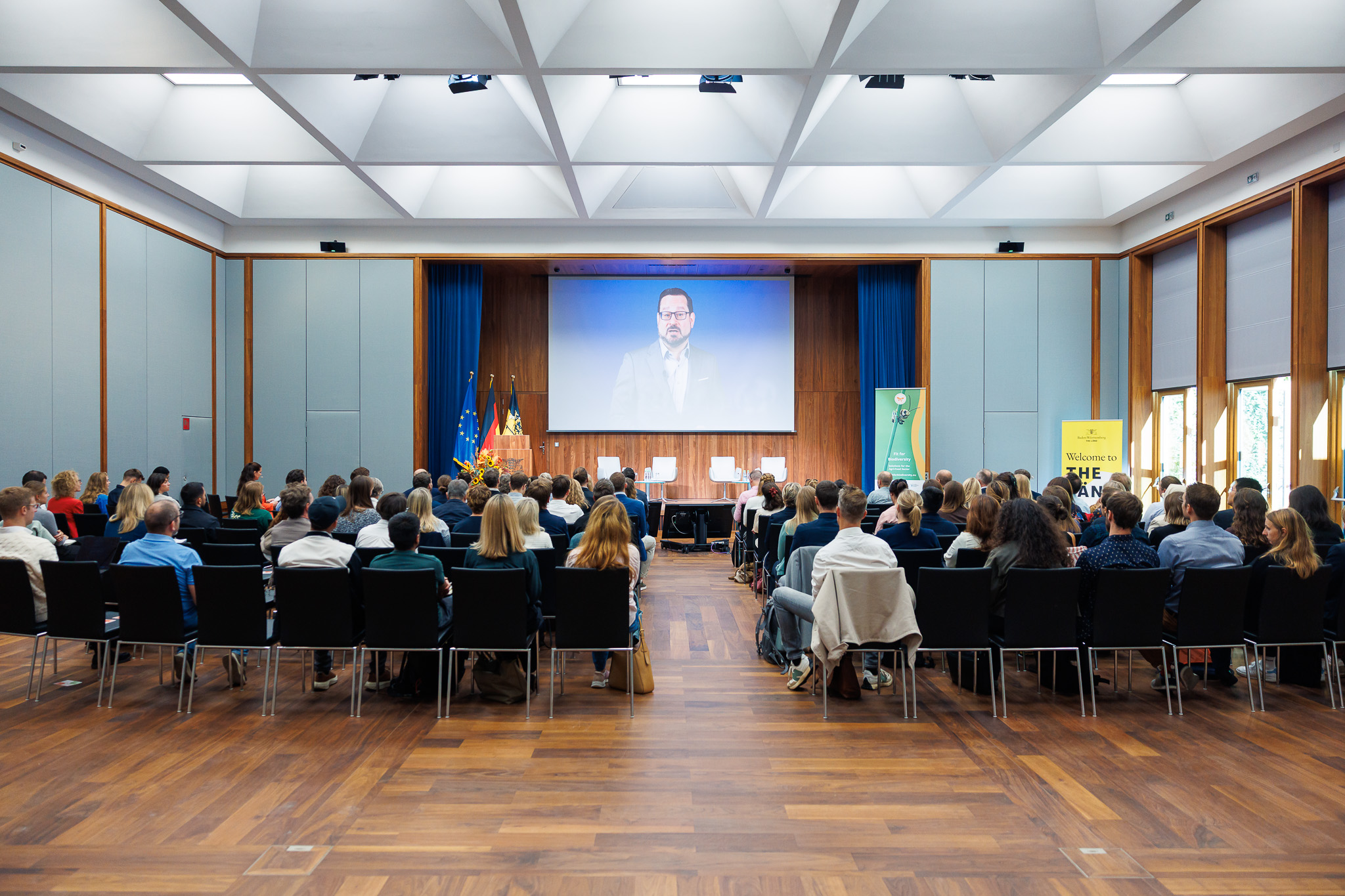
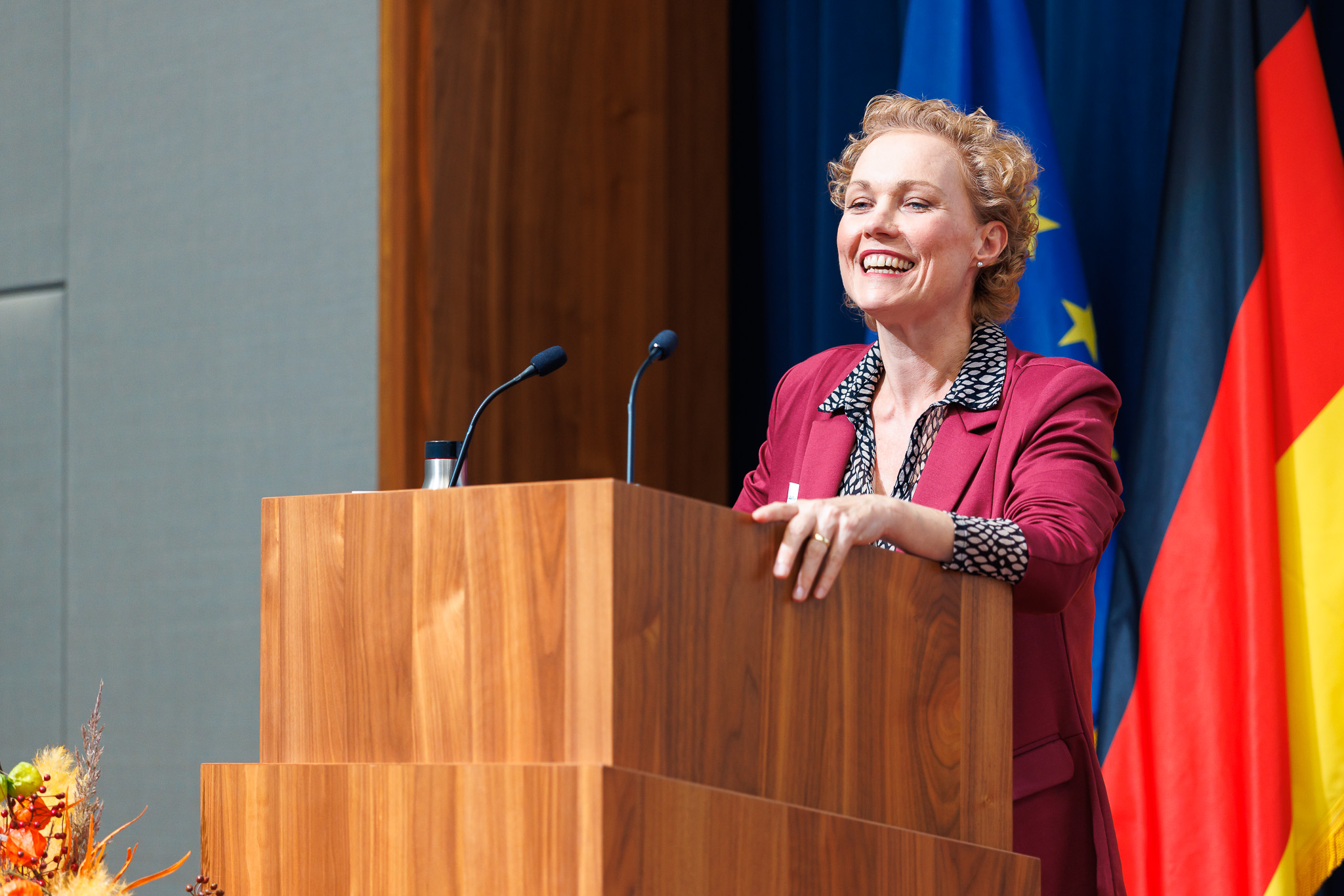
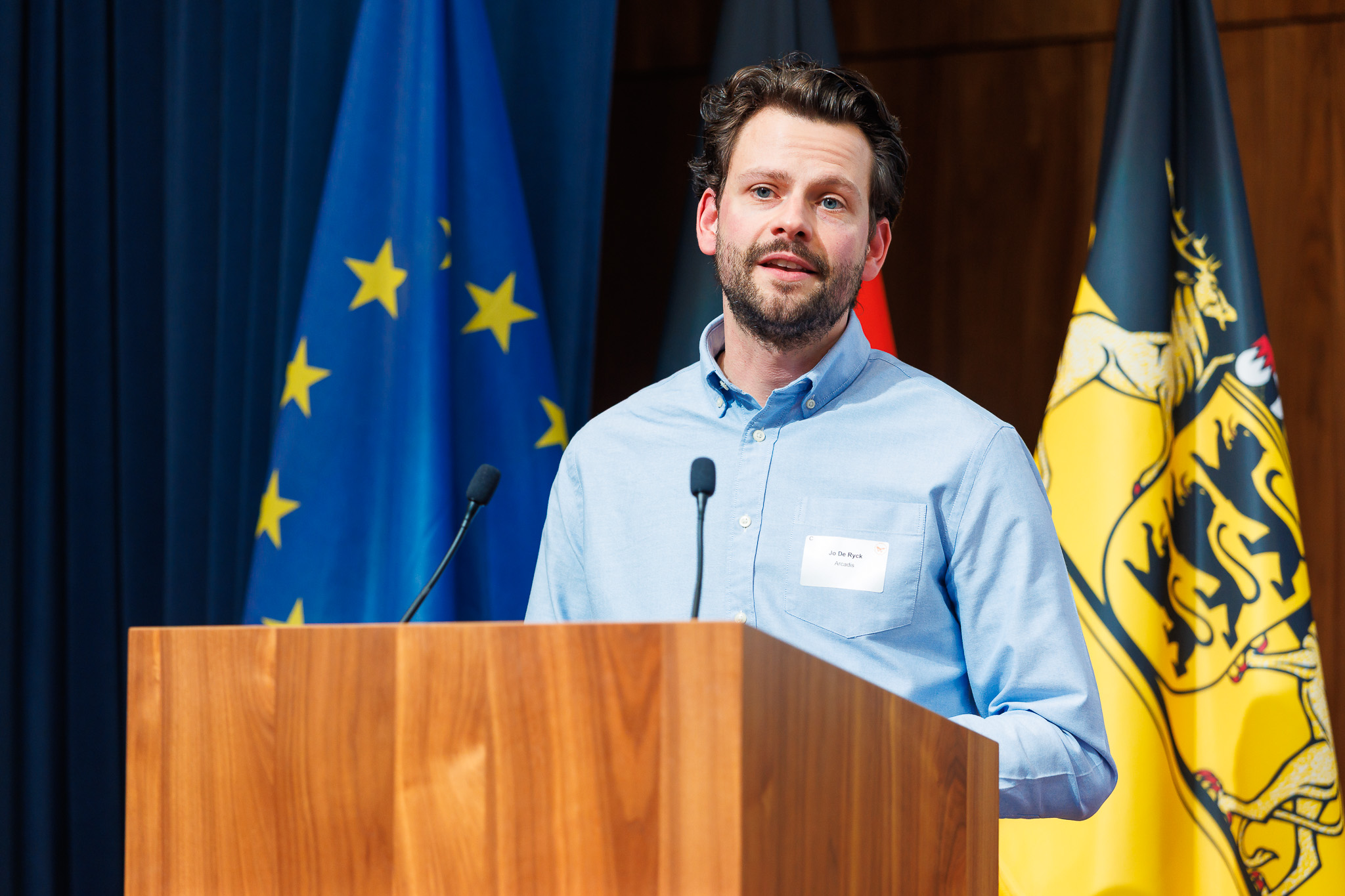
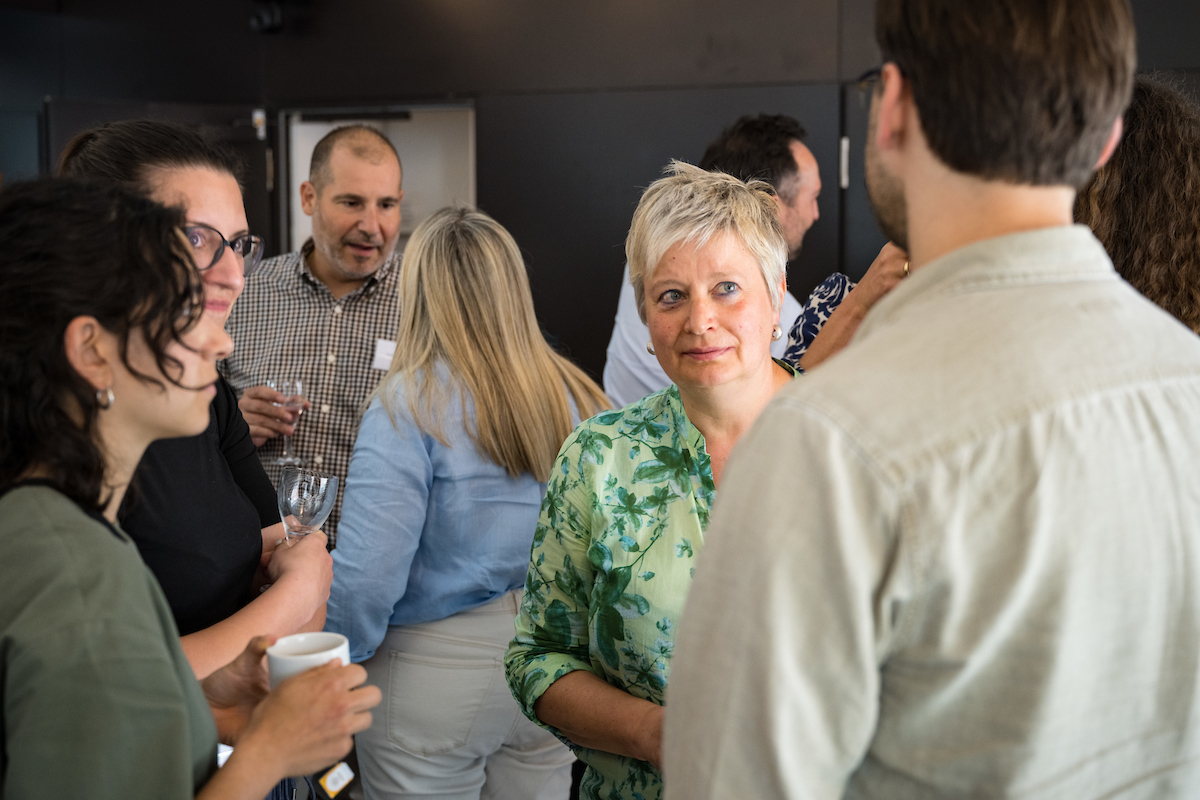
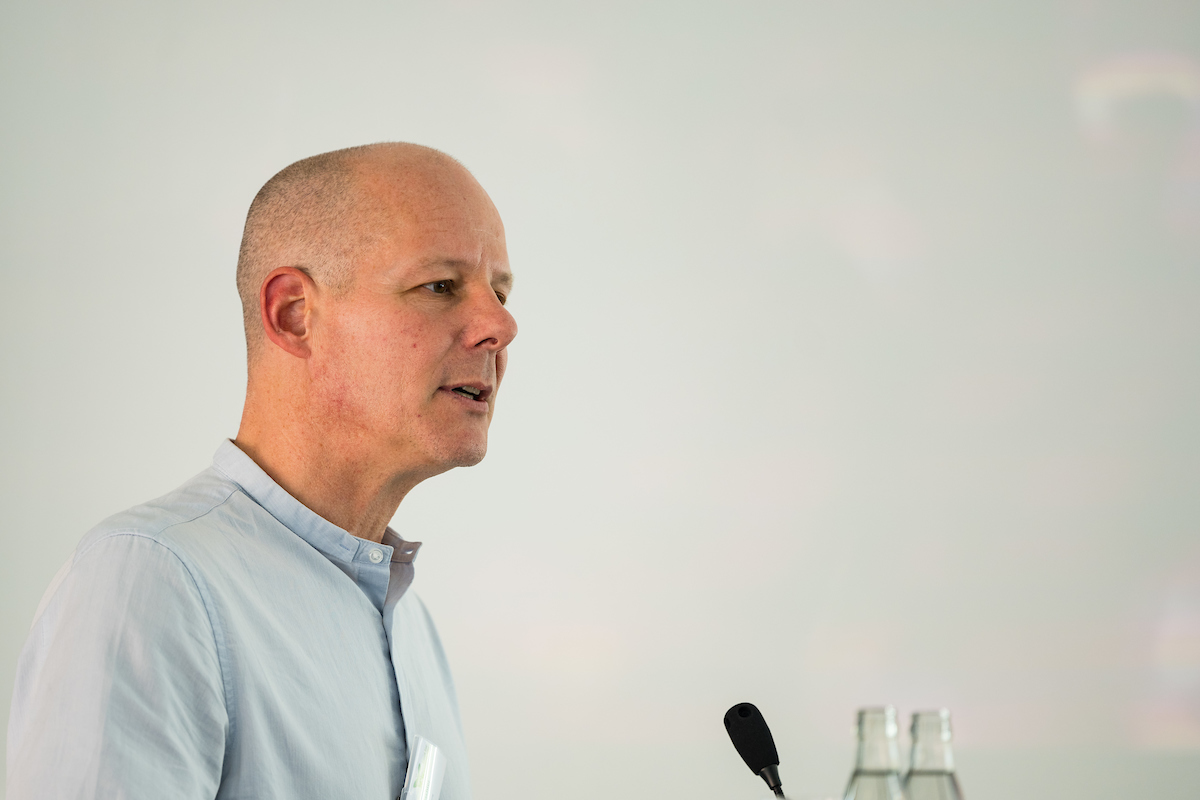
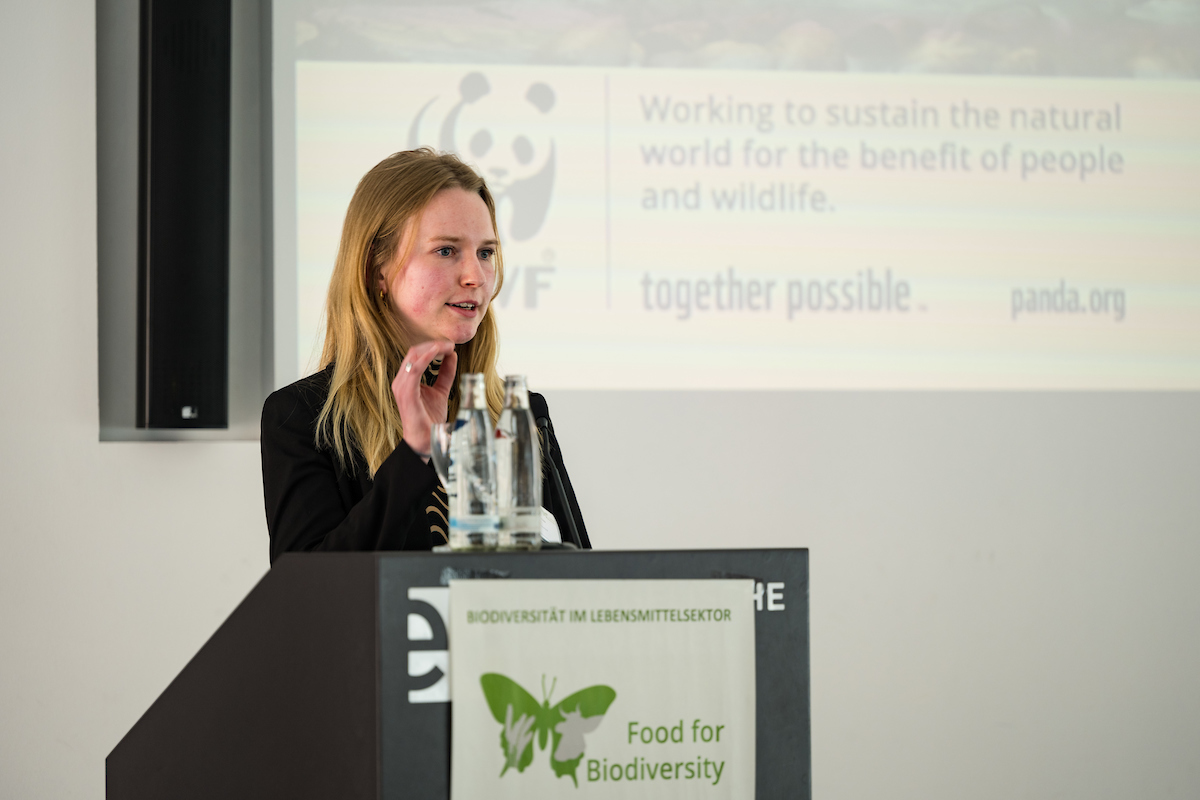
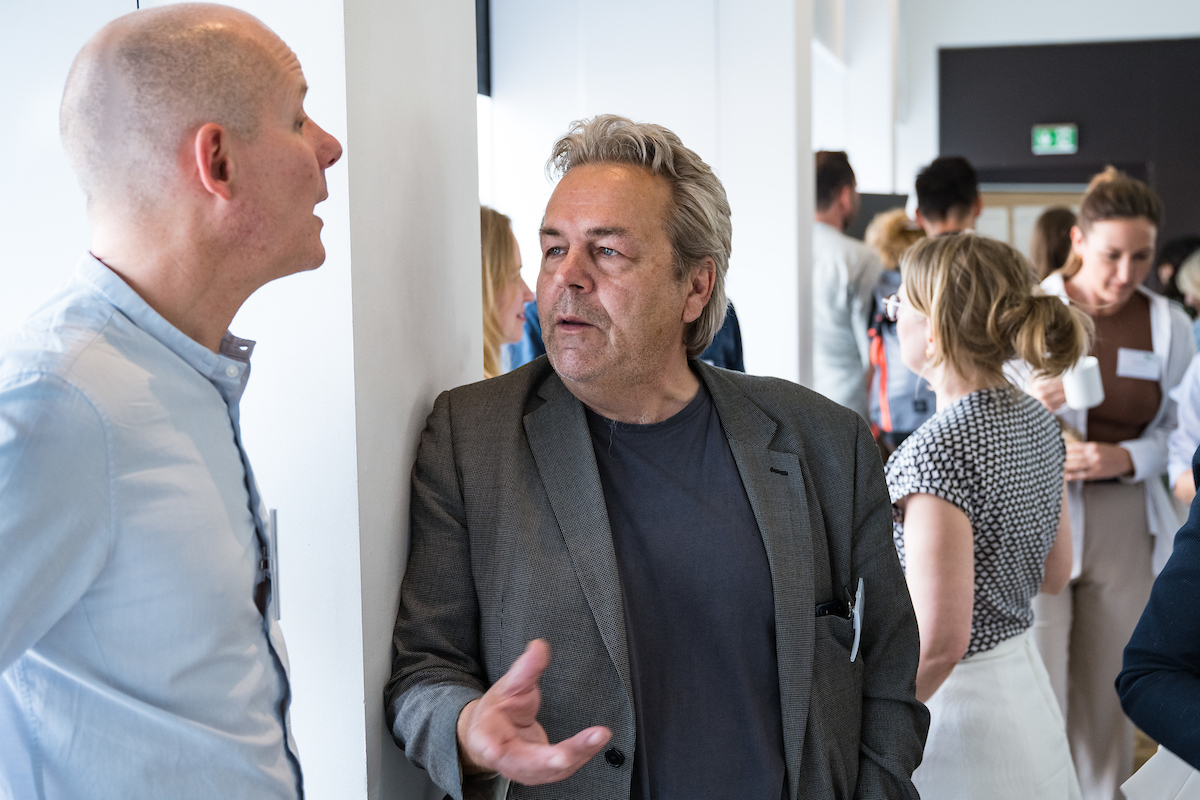
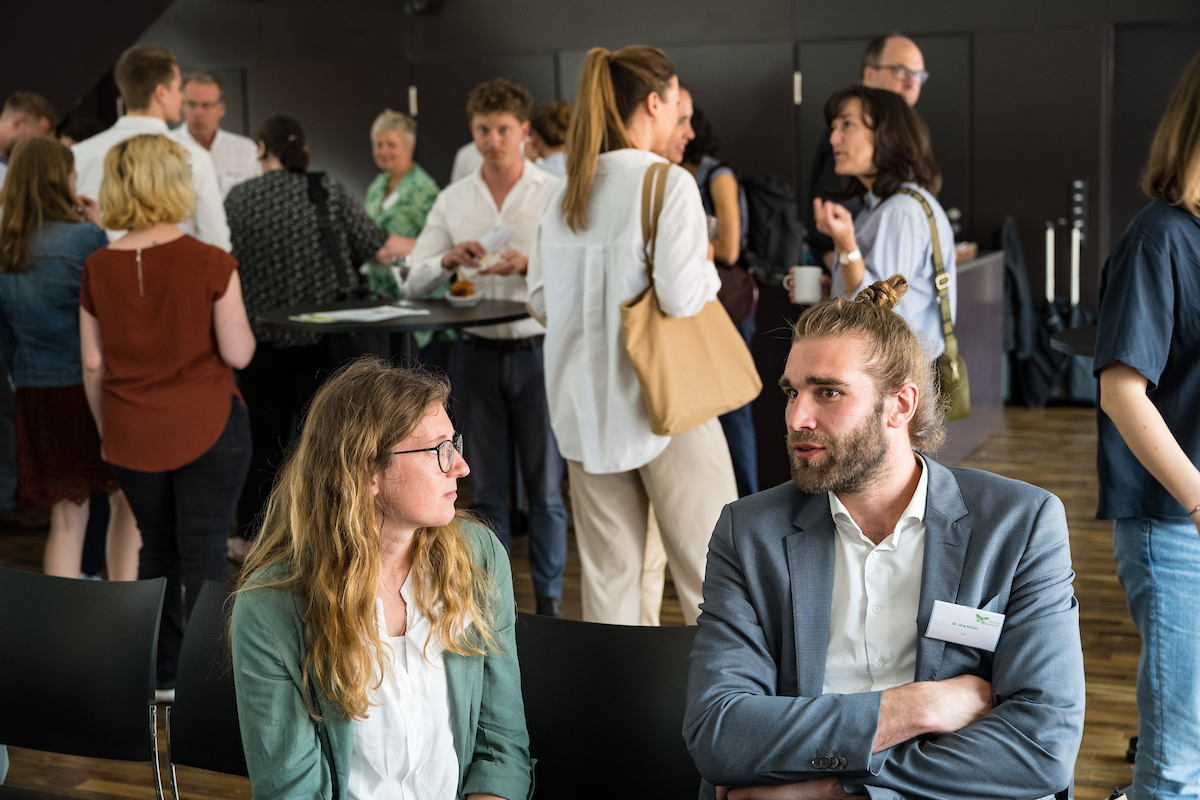
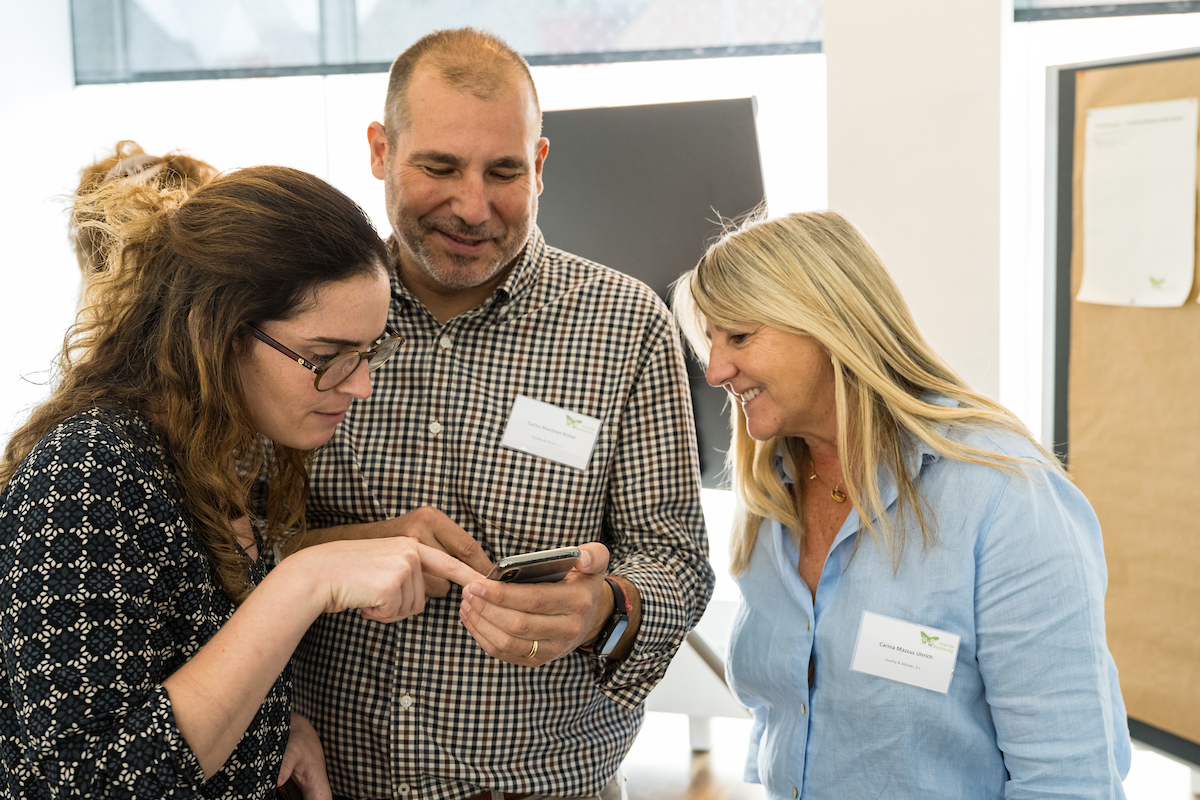
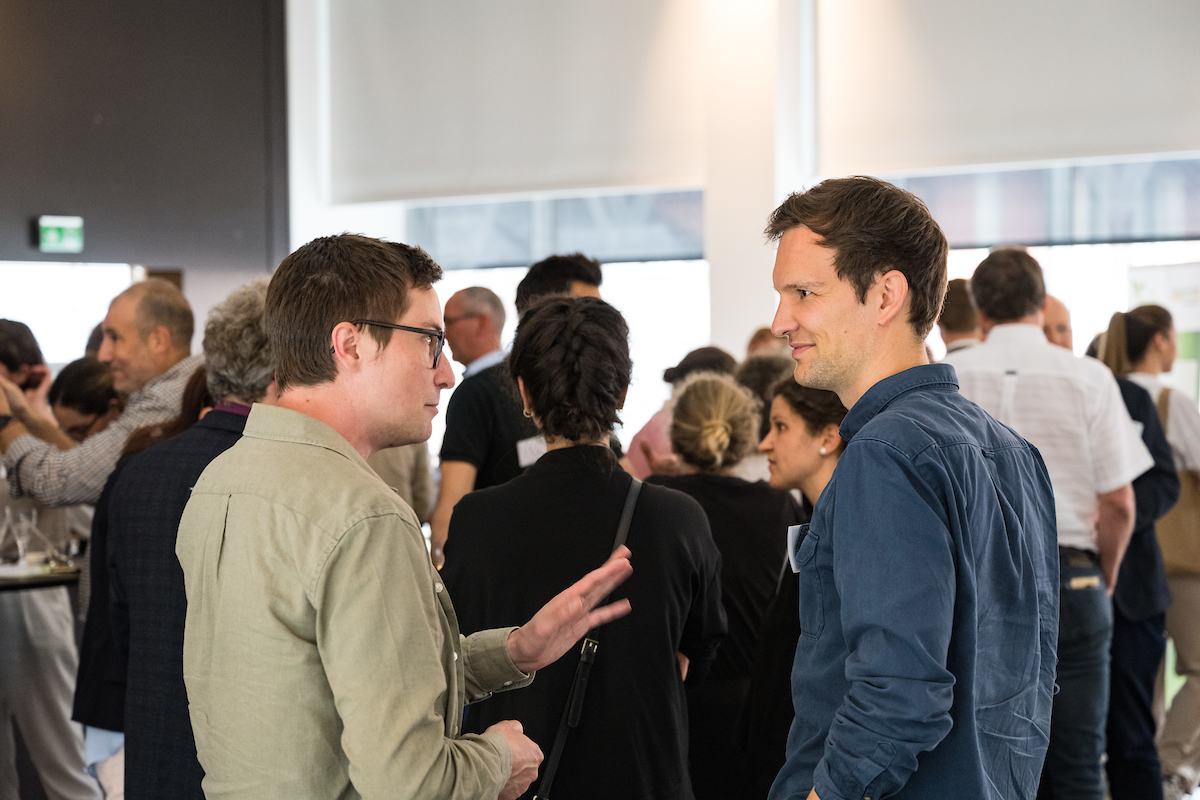
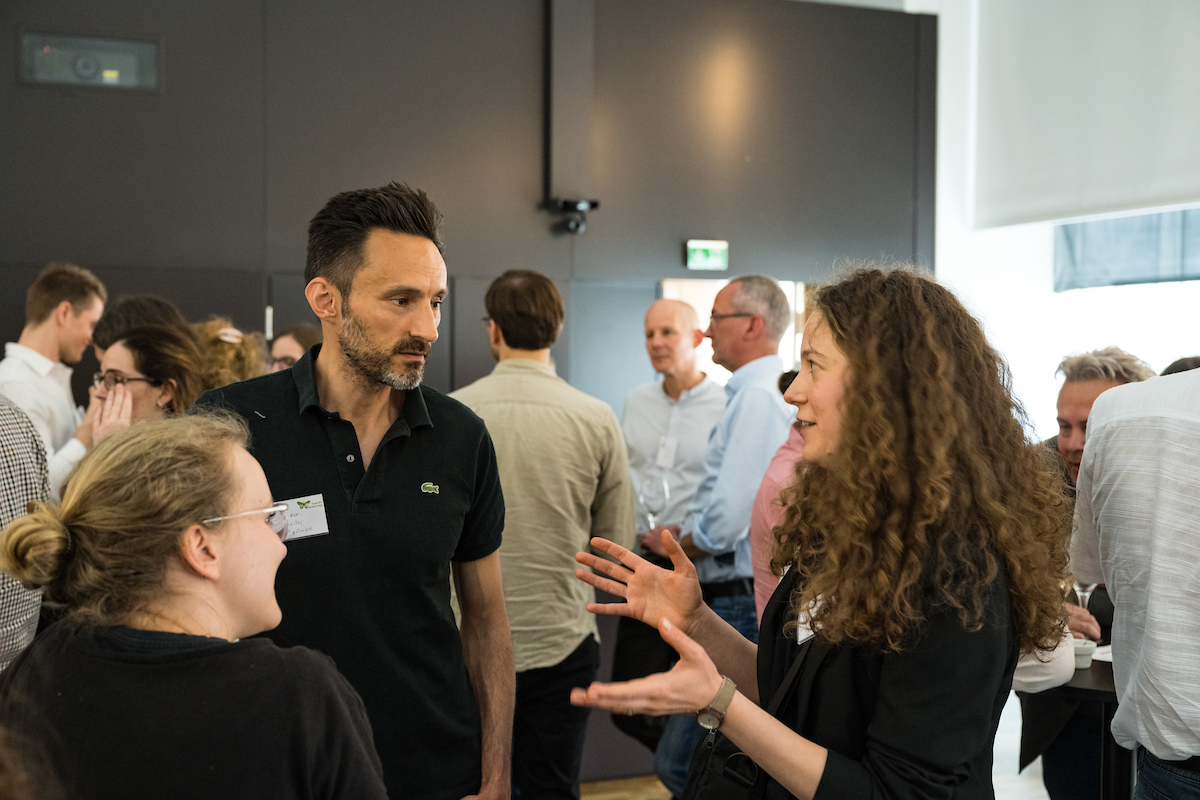
Conference Photos
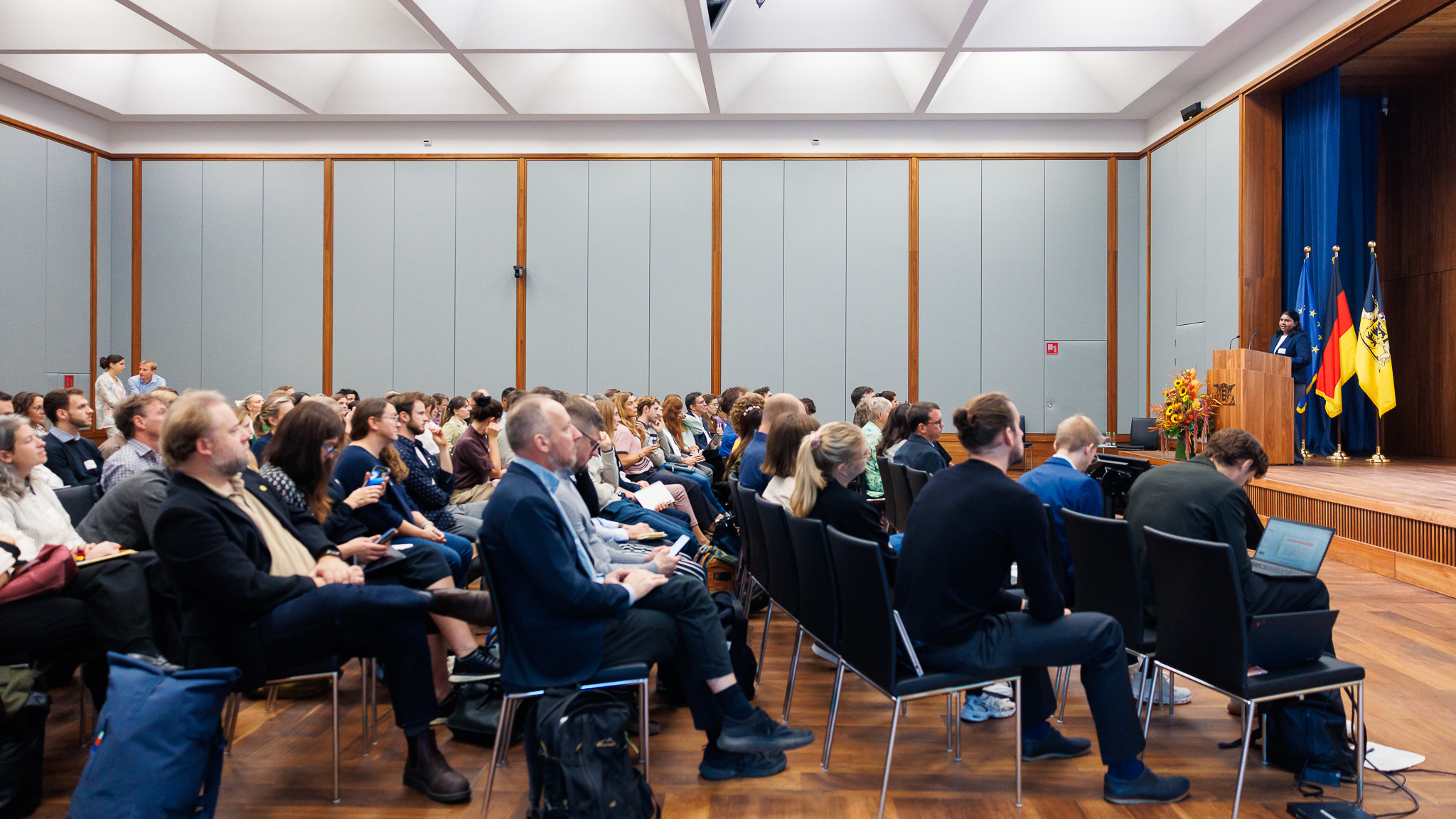
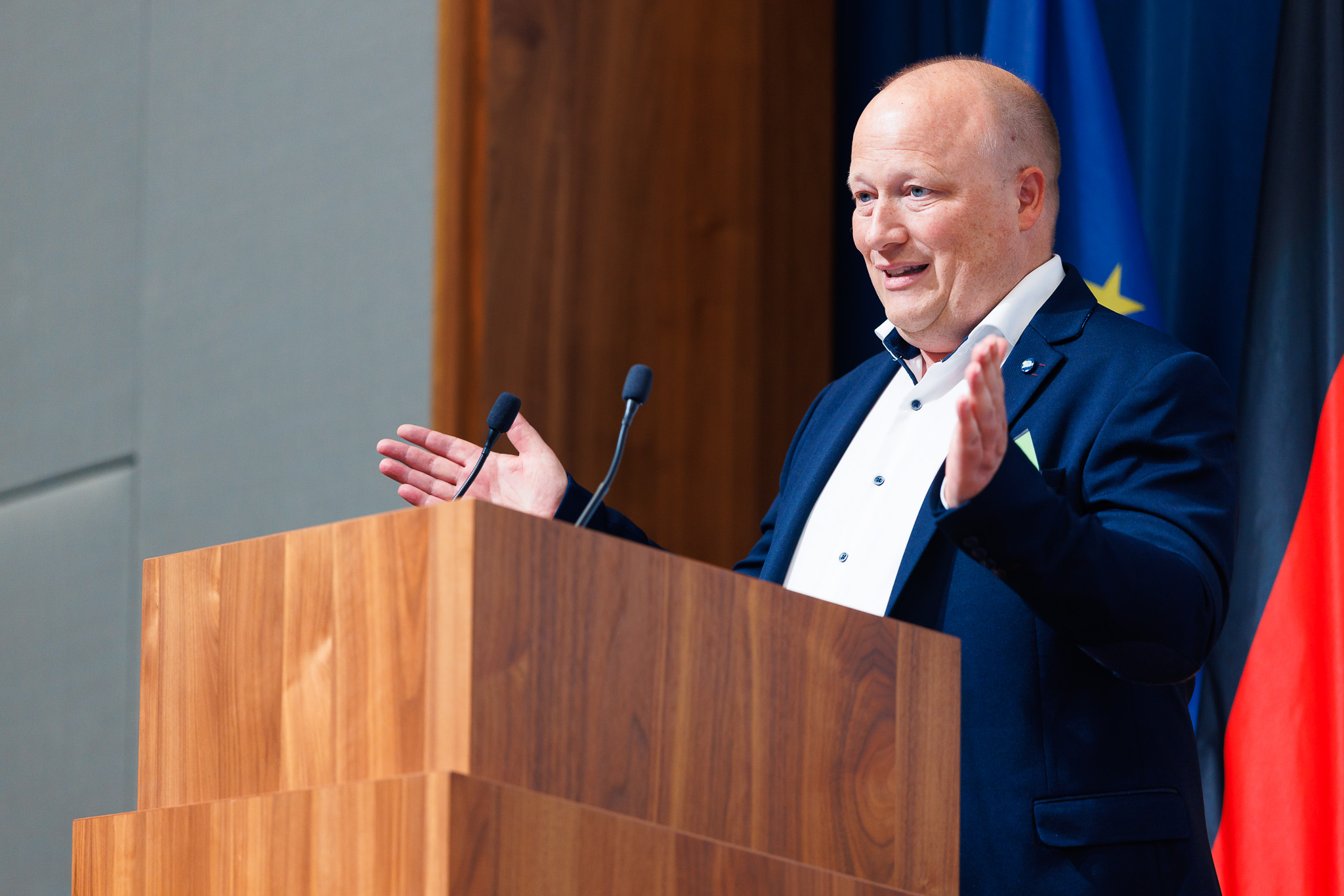
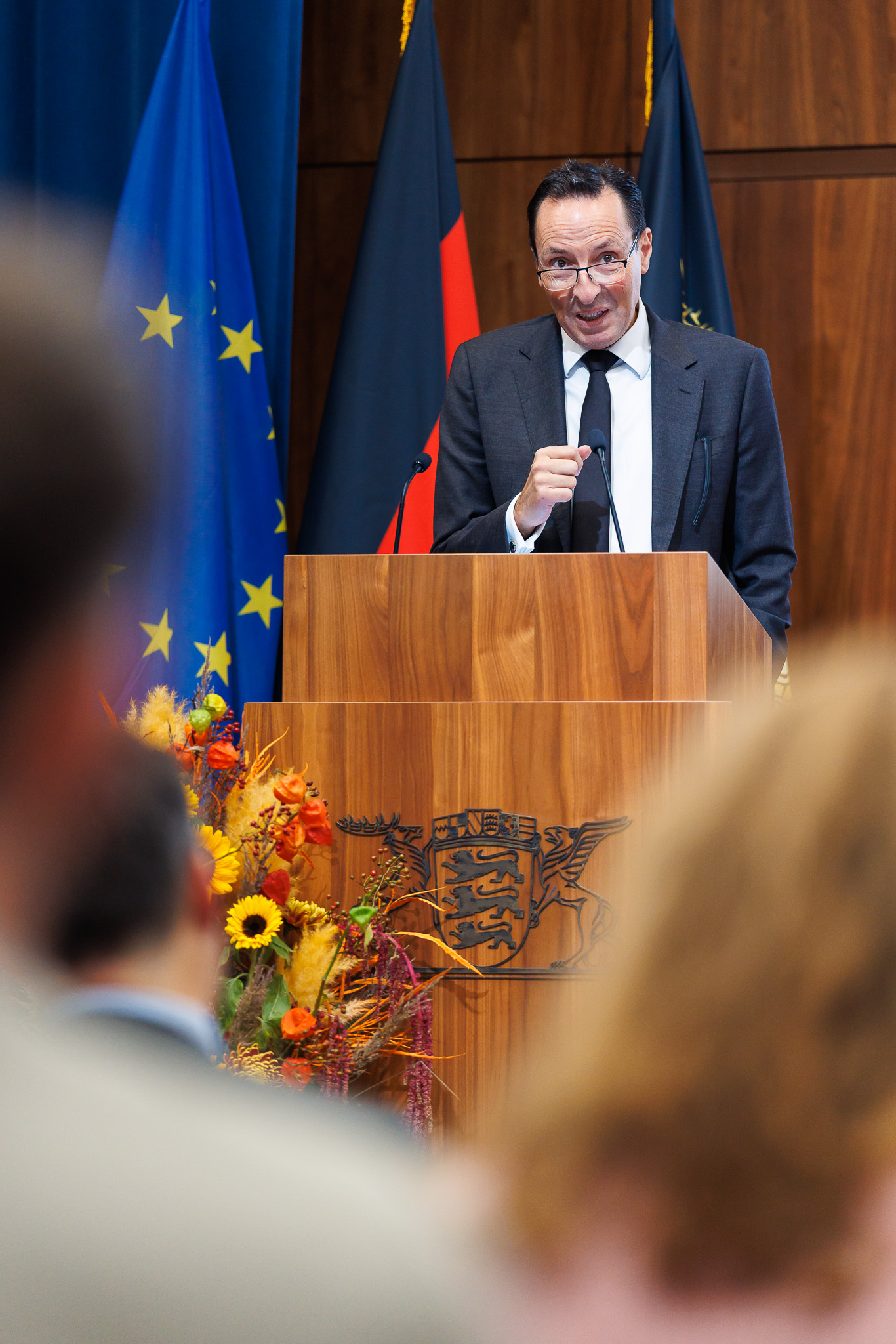
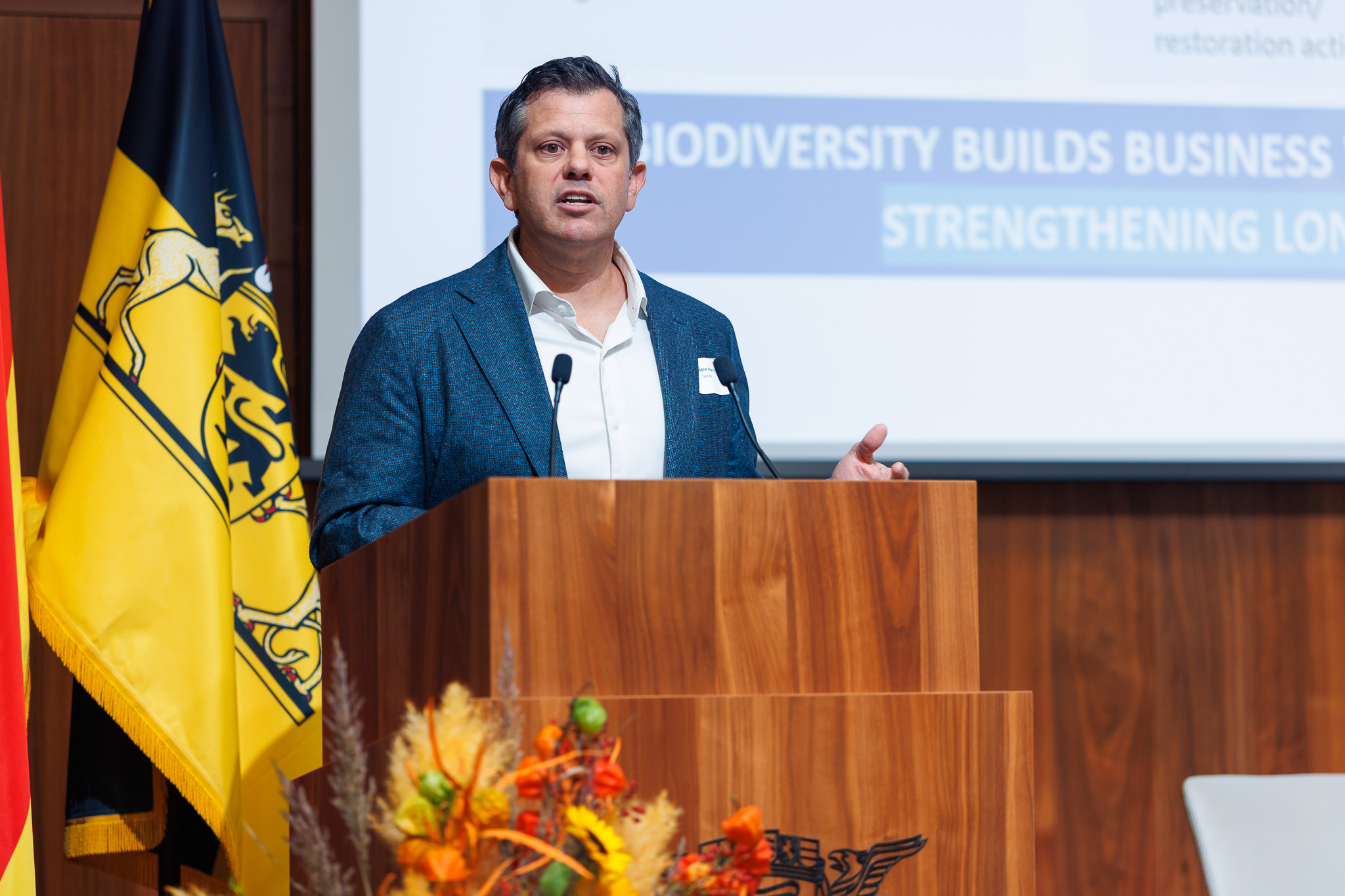
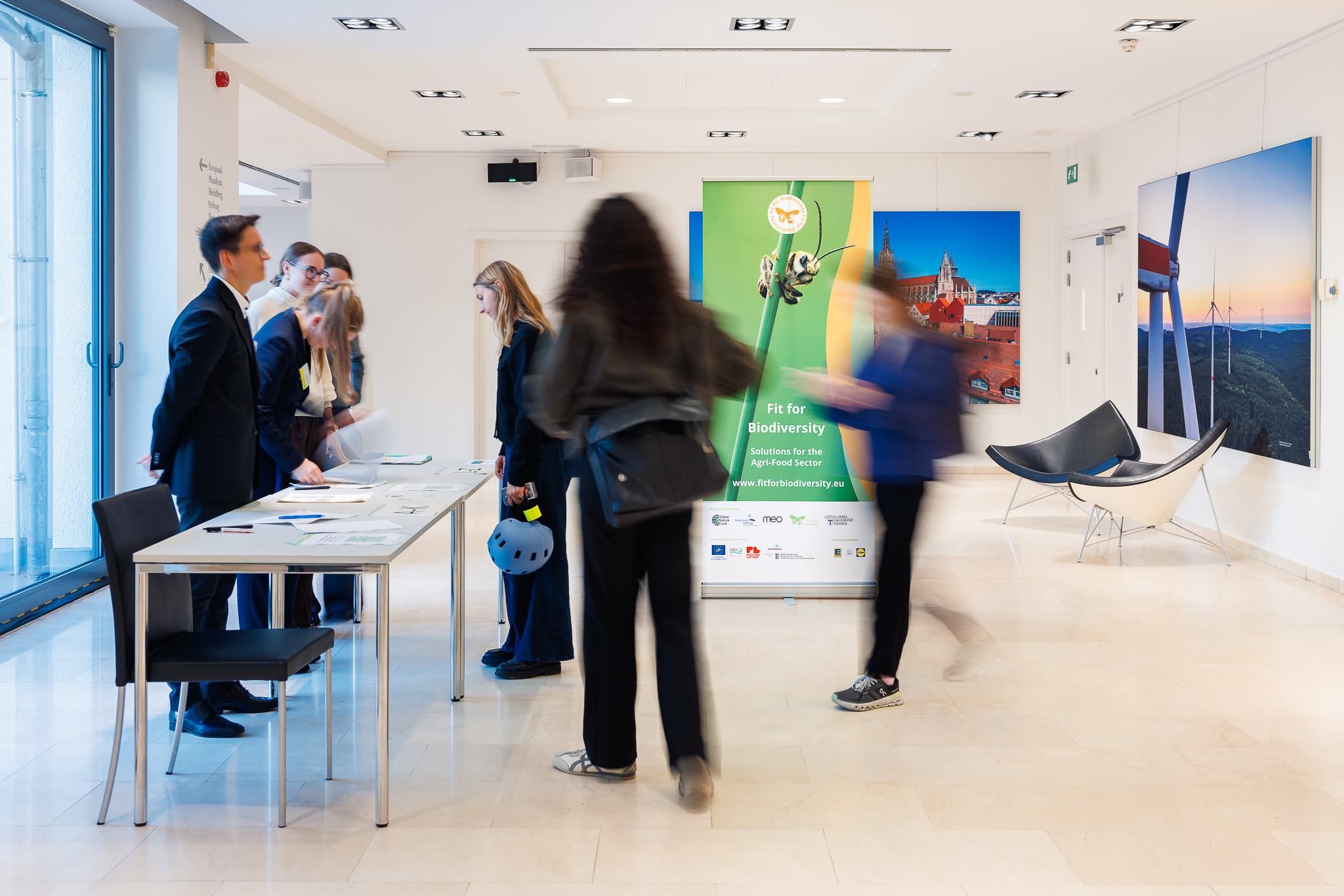
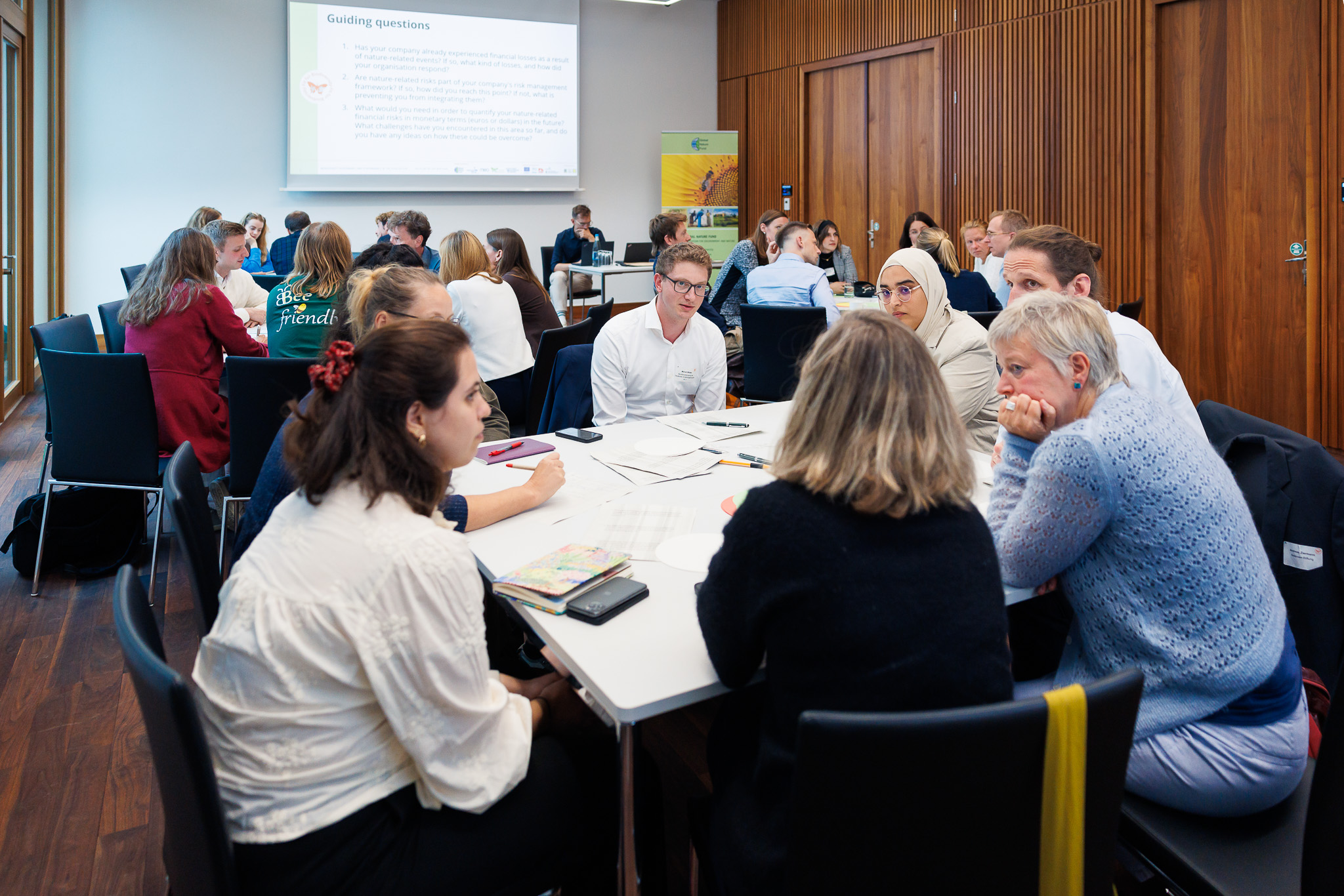
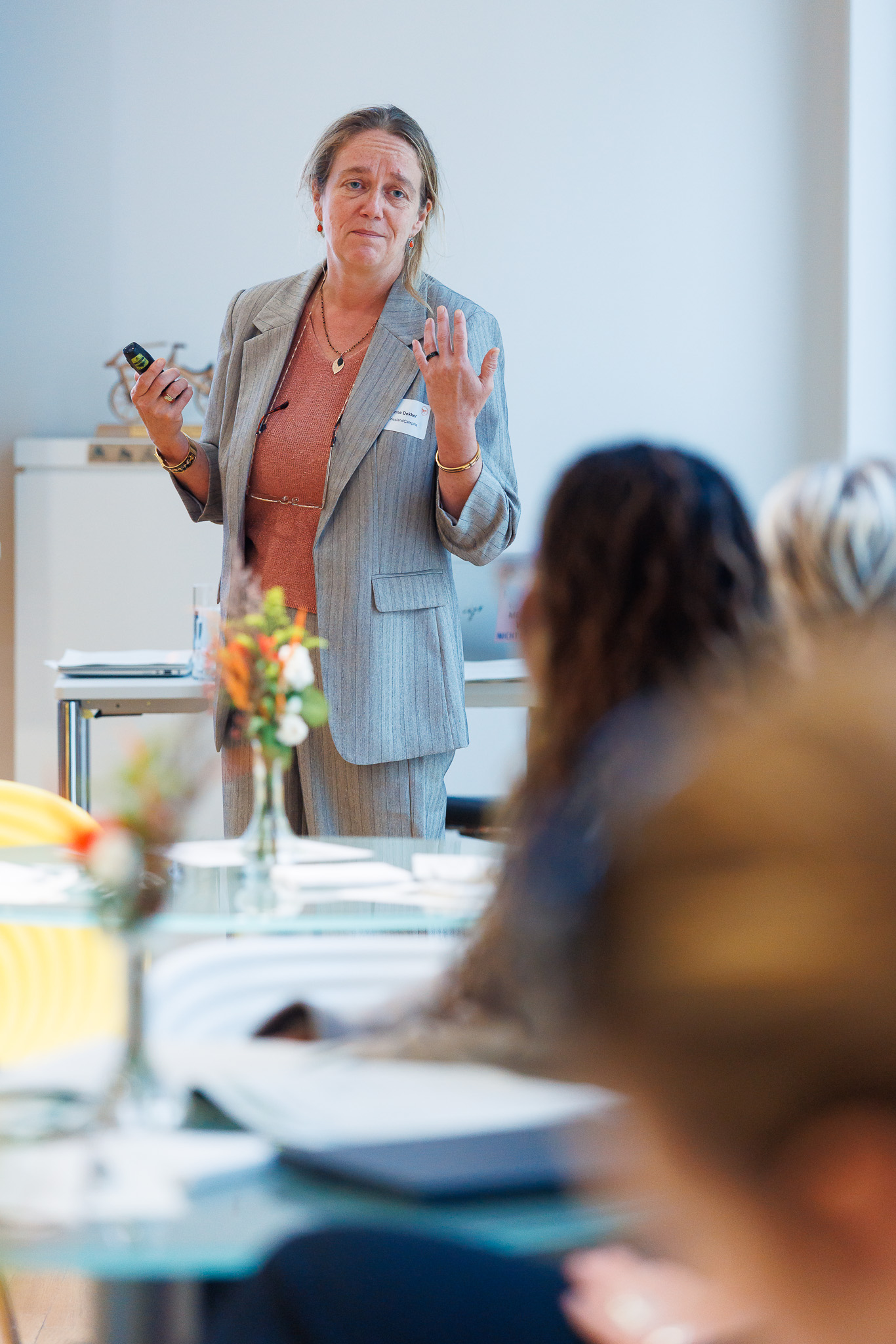
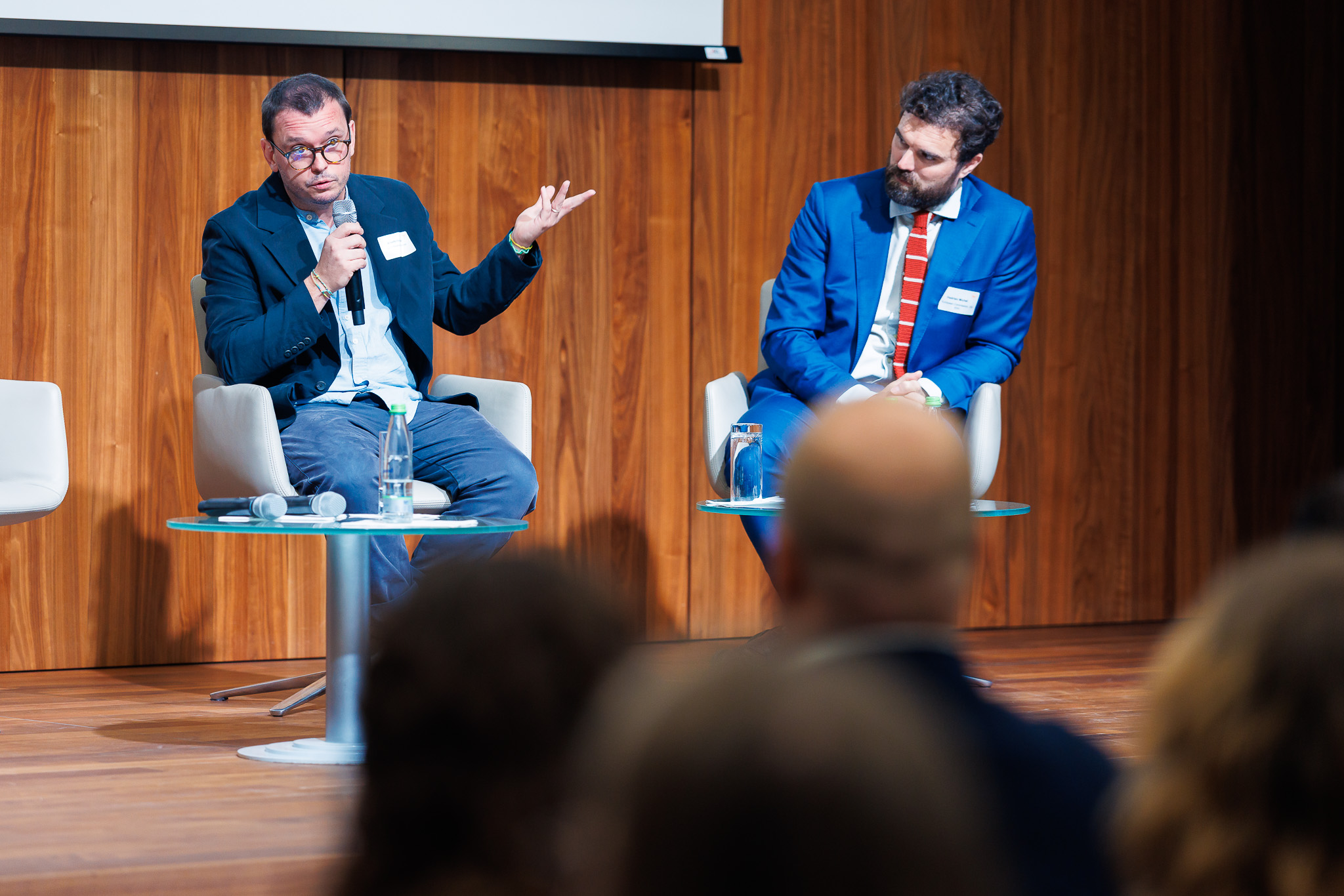
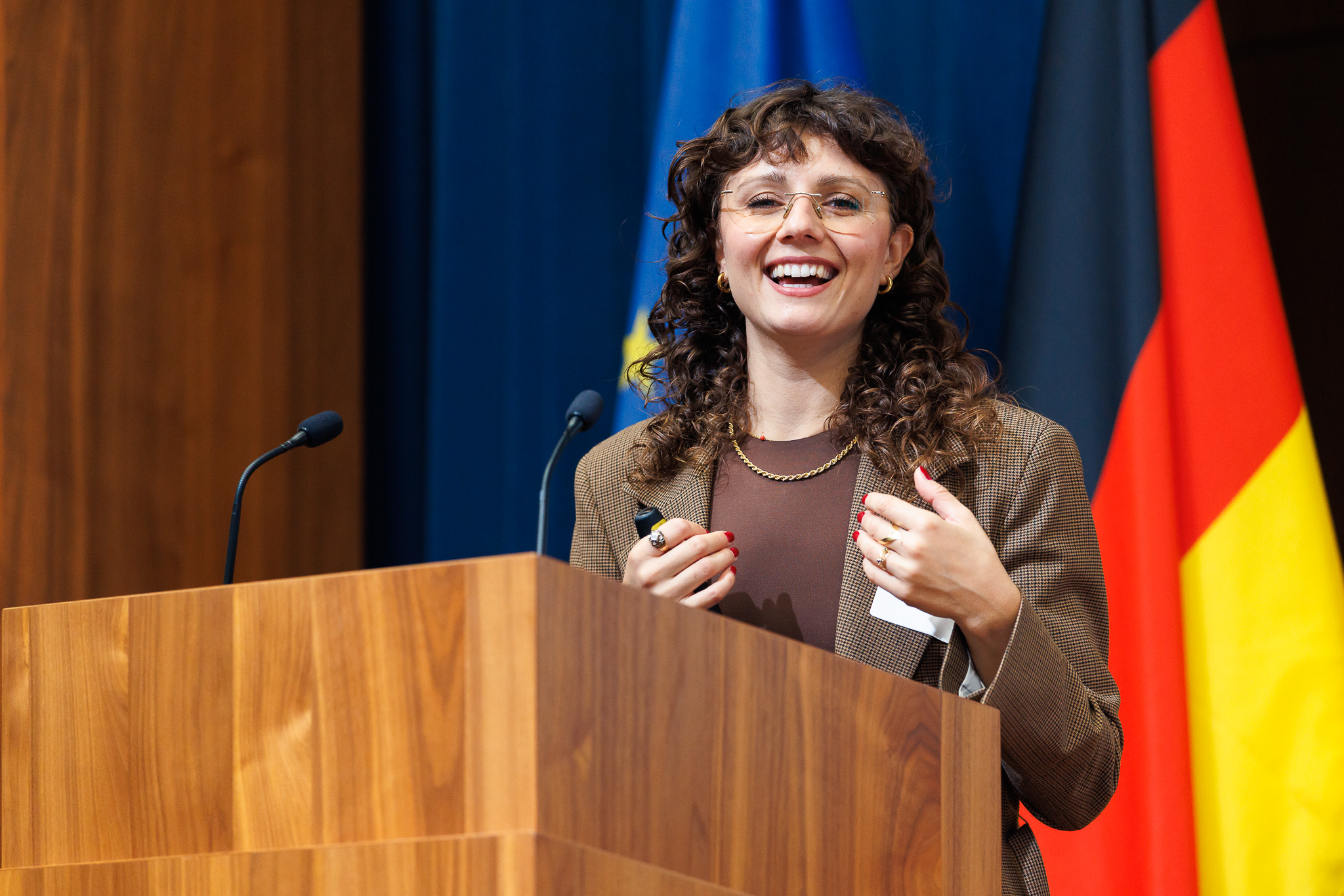
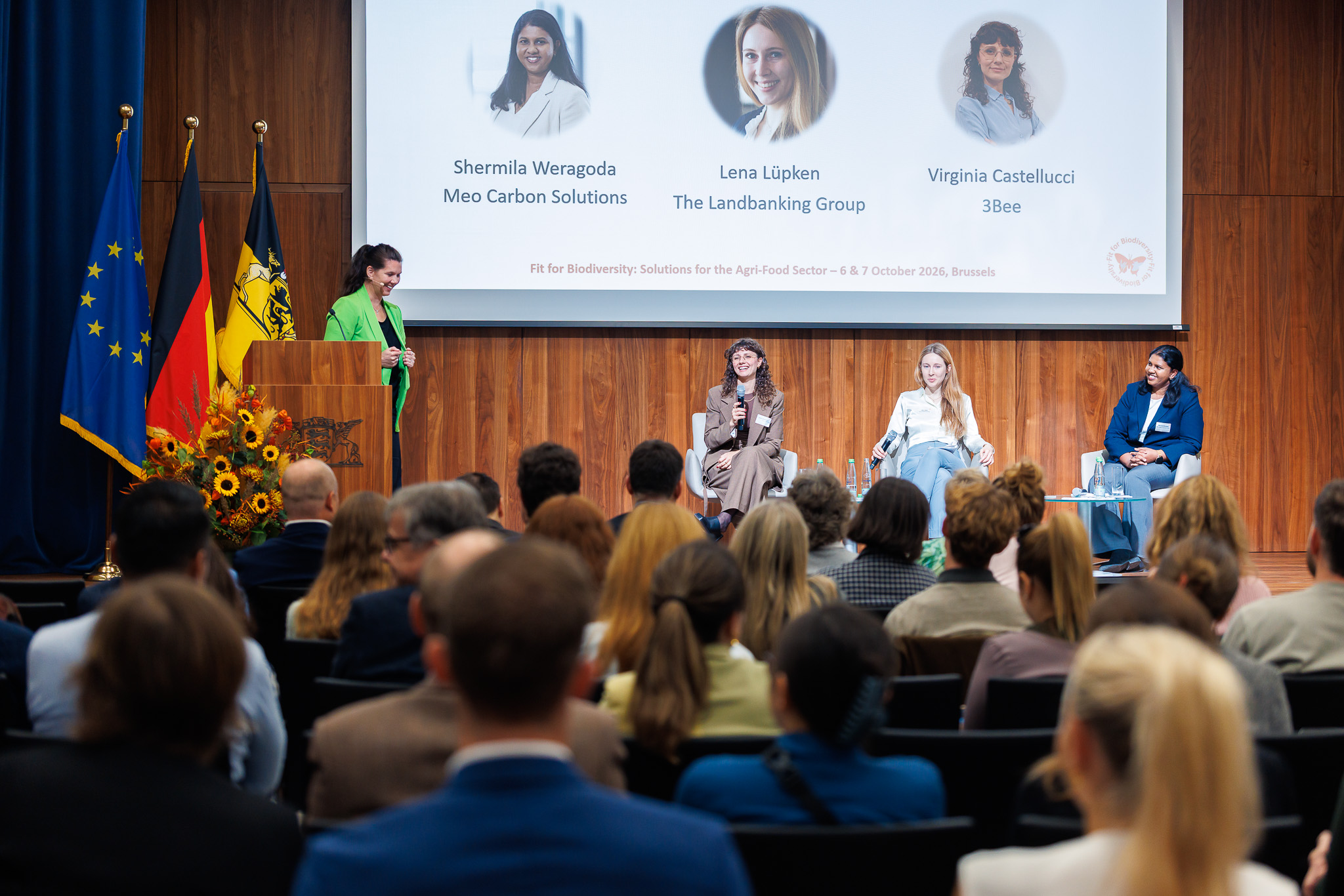
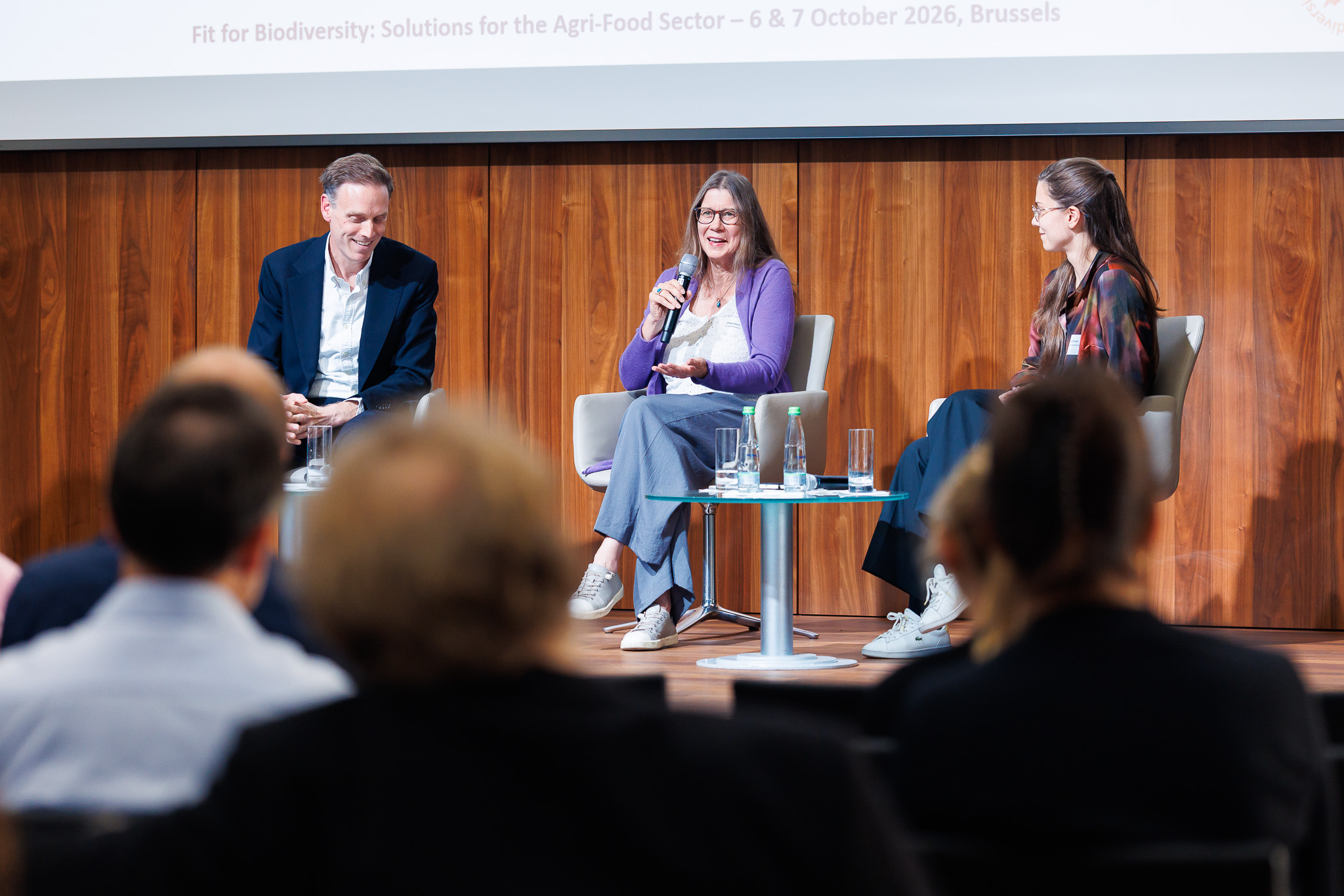
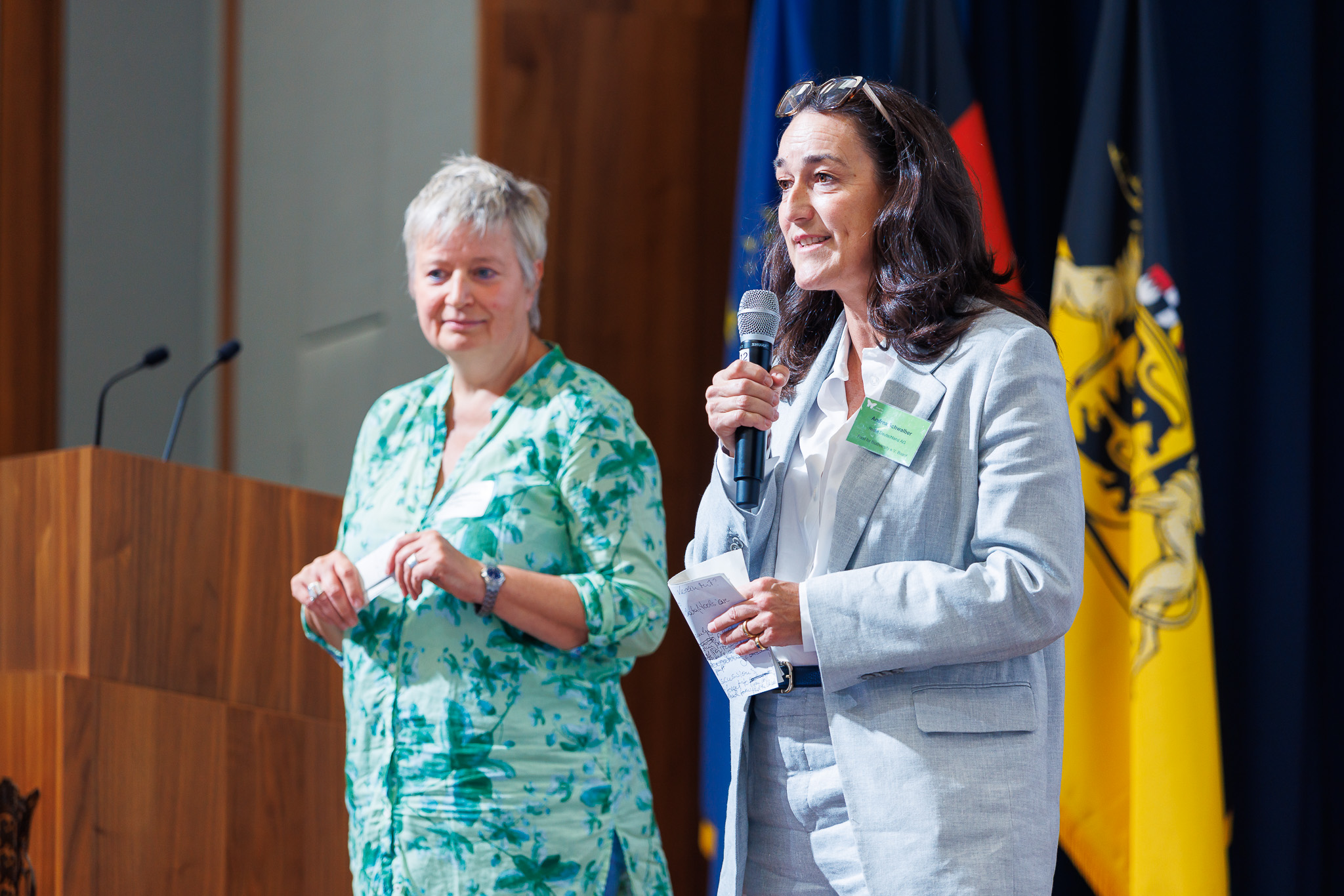
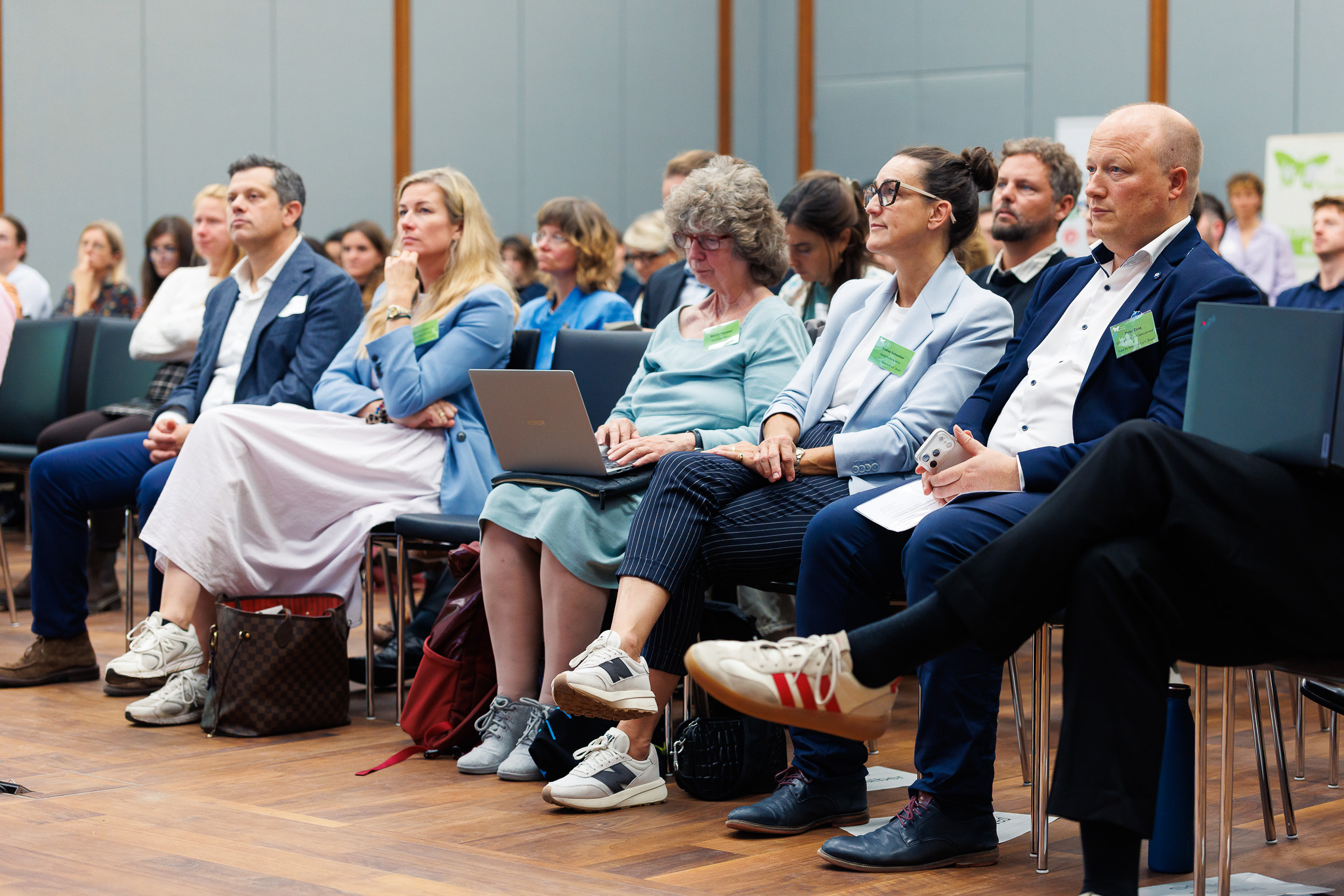
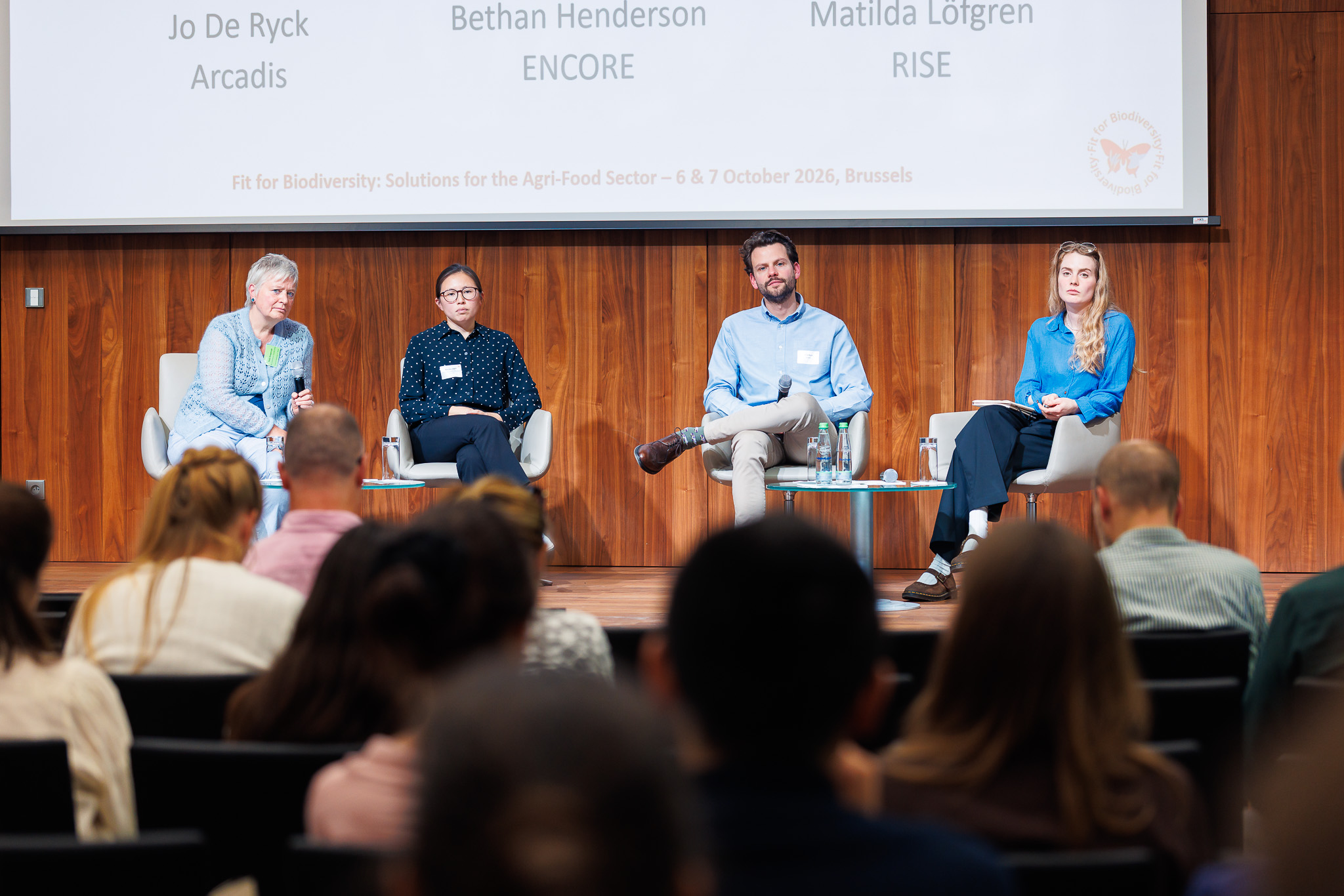
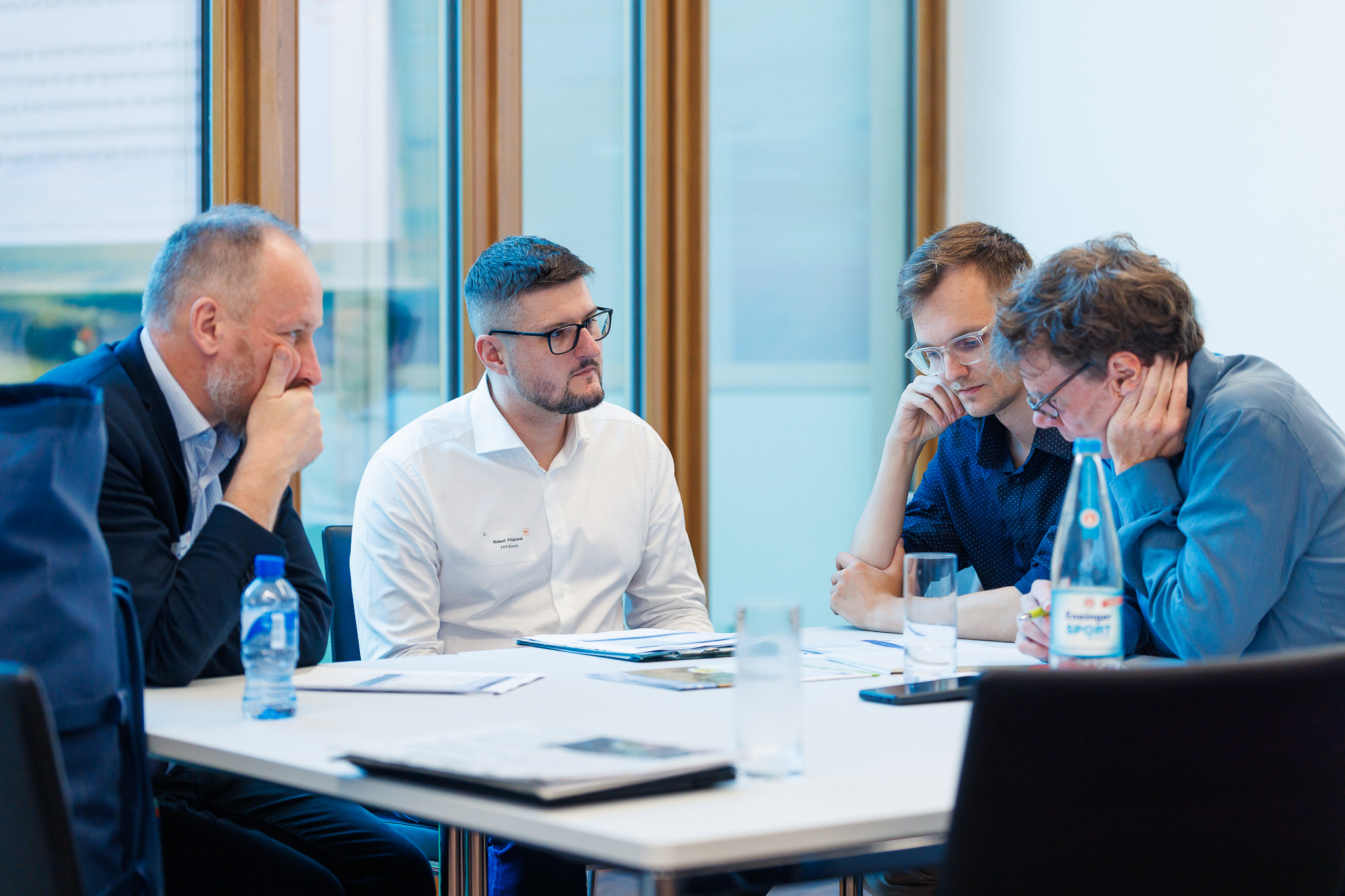
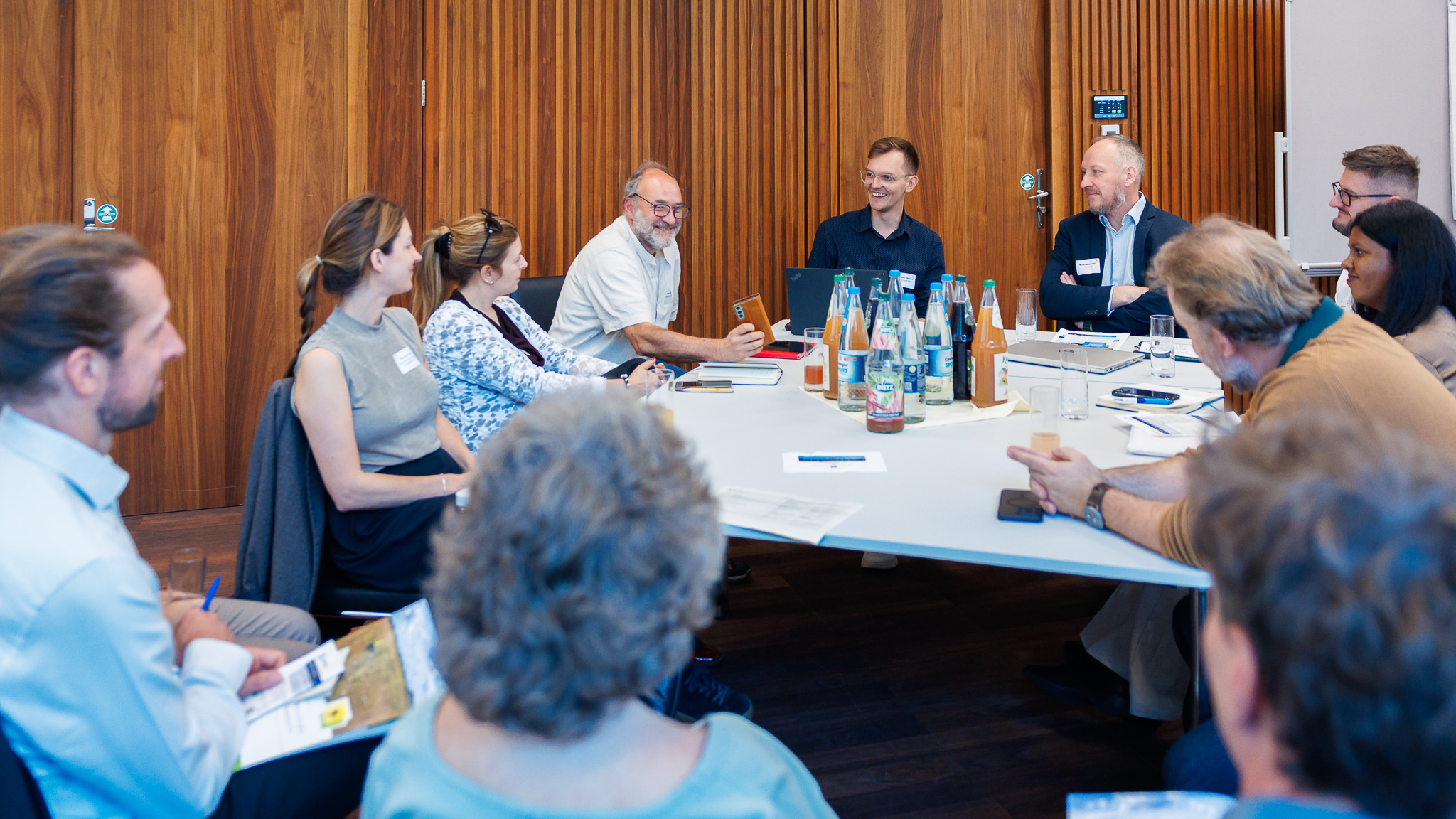
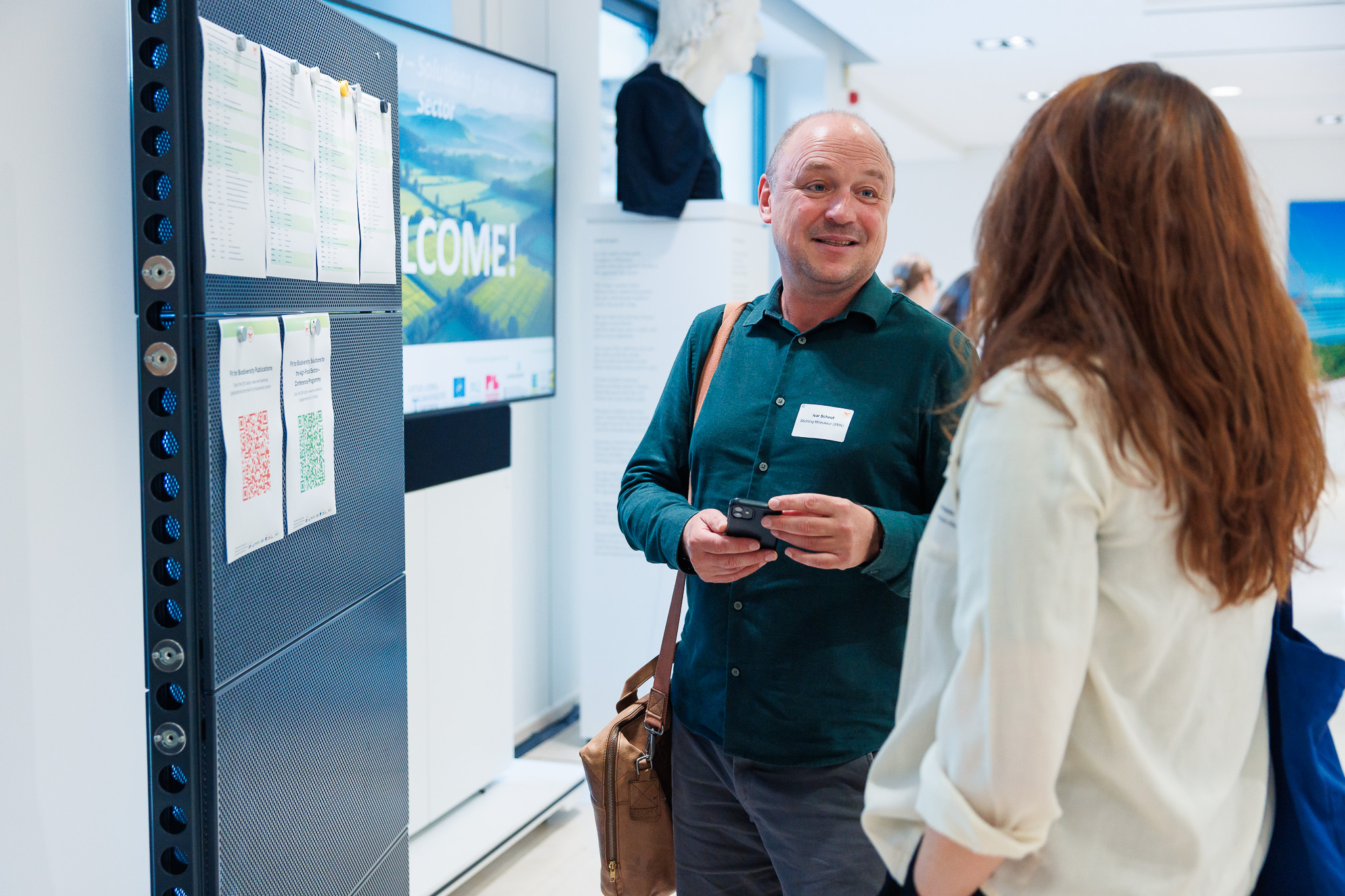
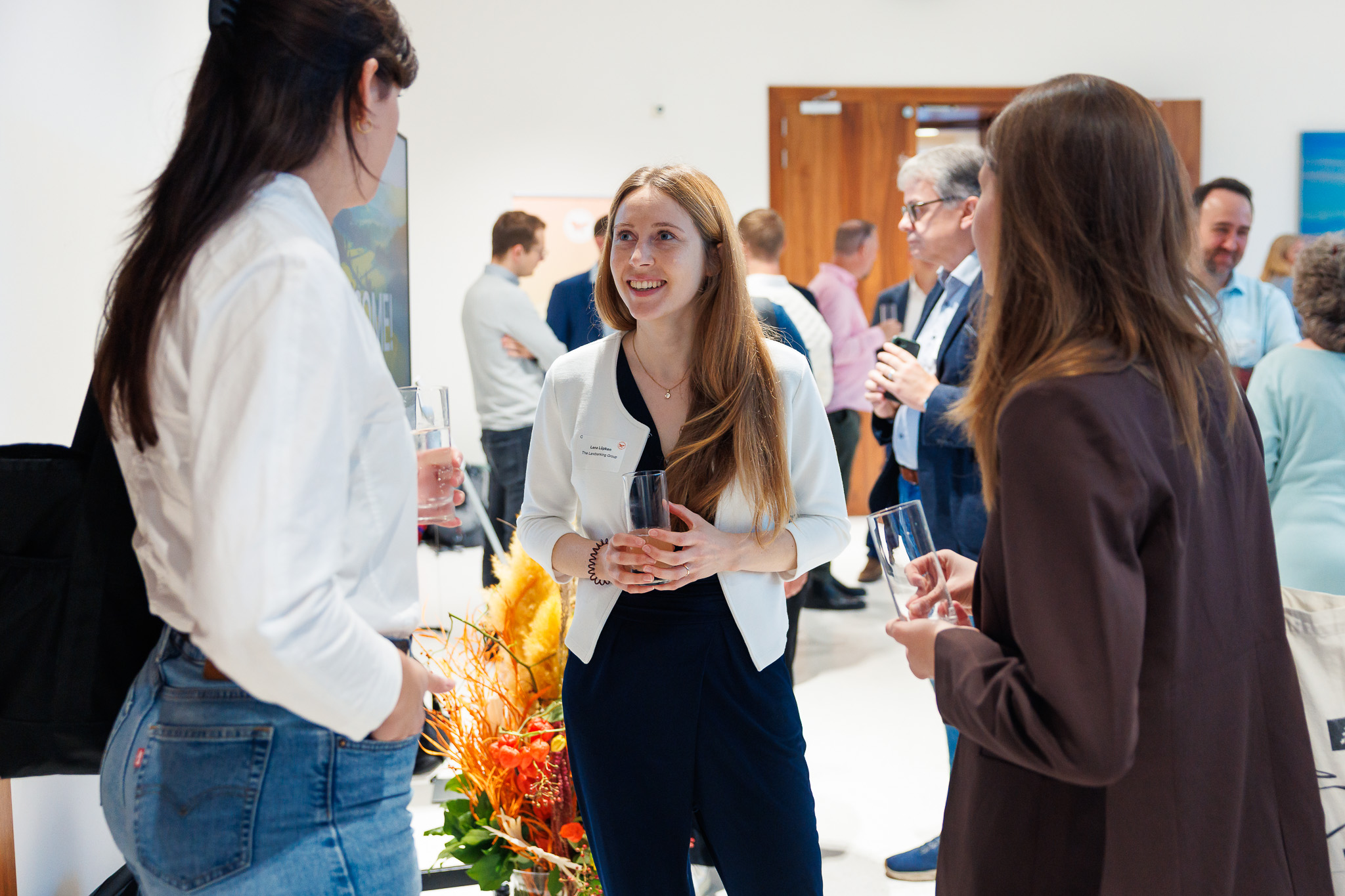
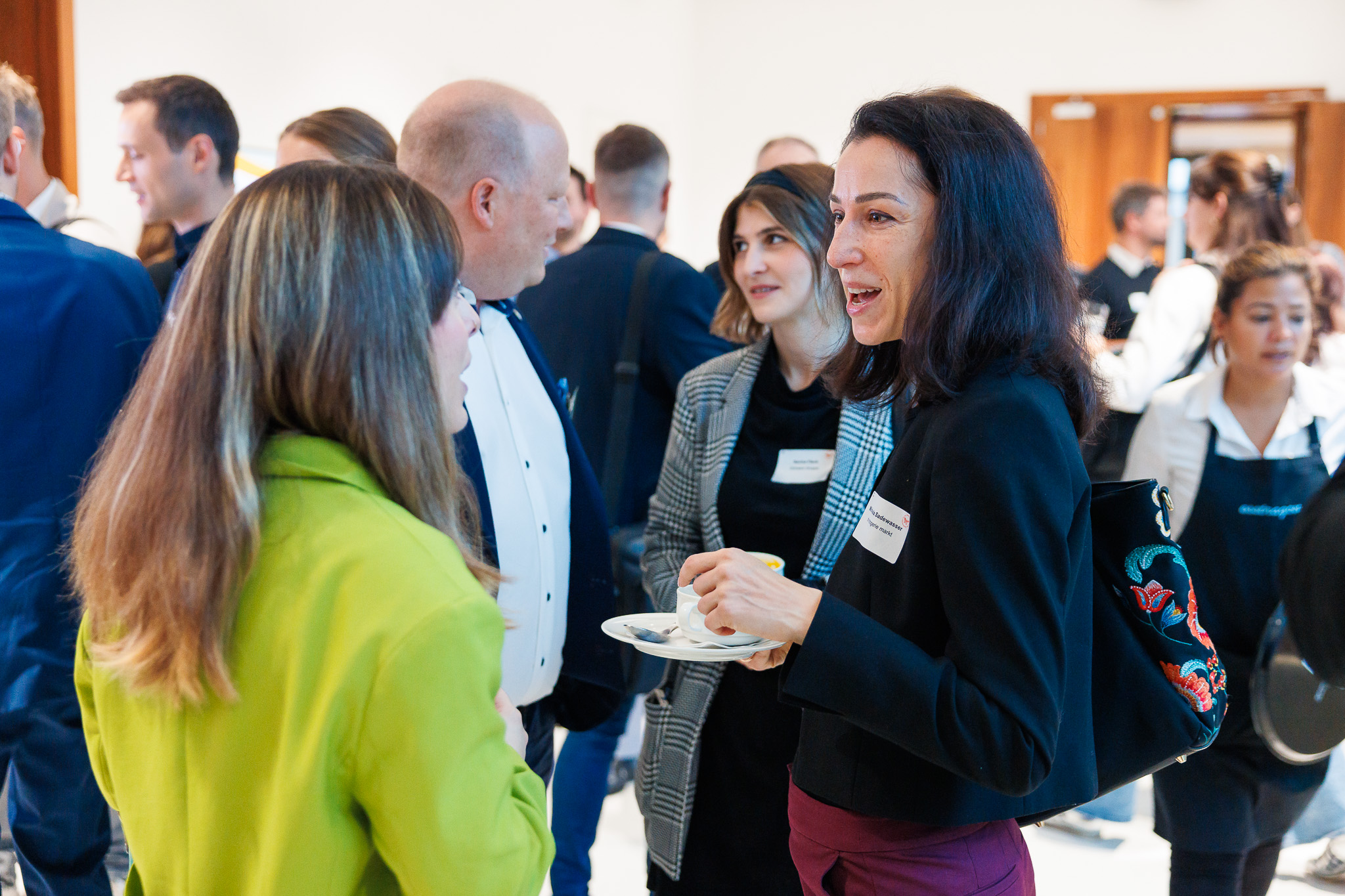
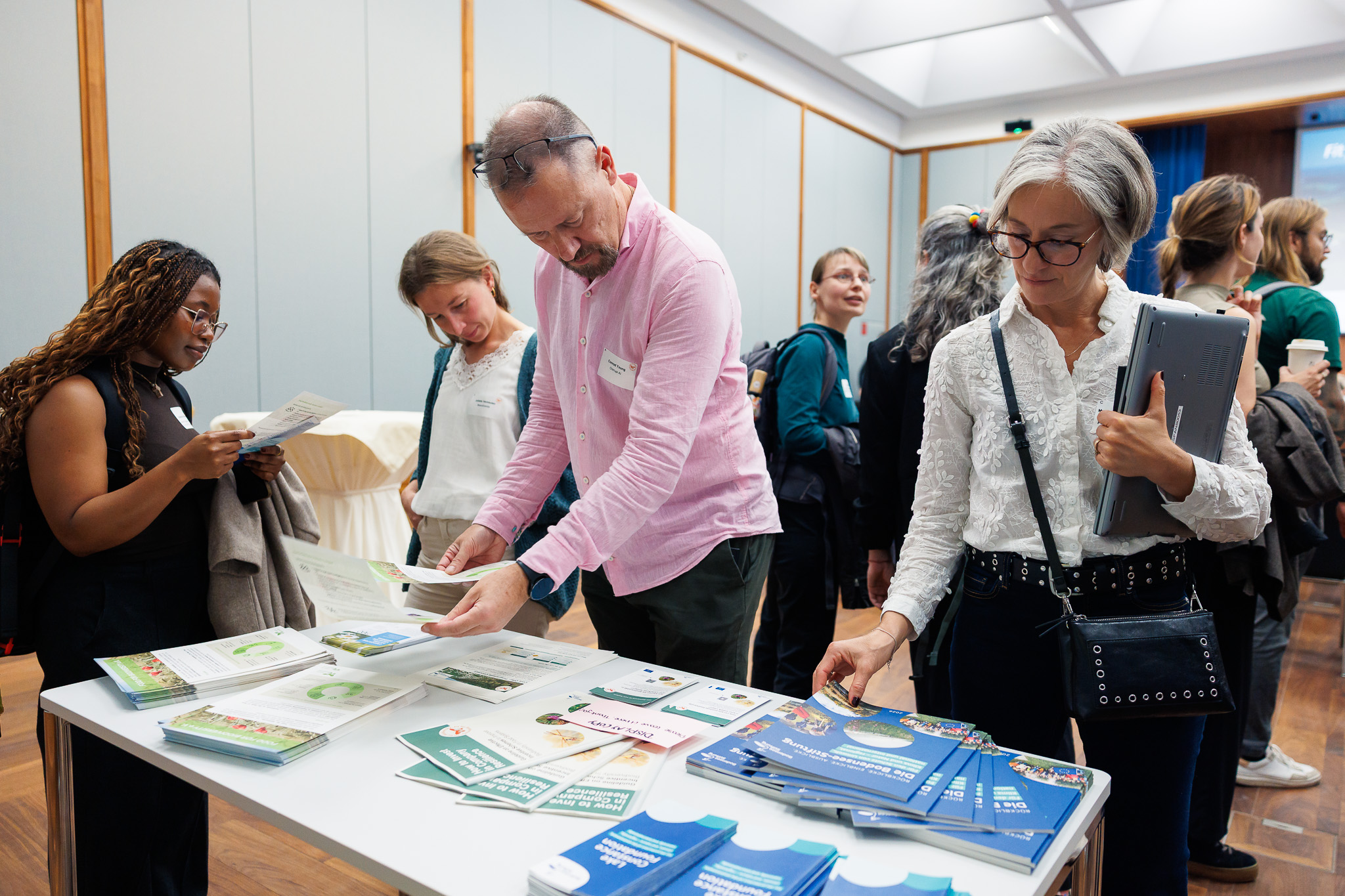
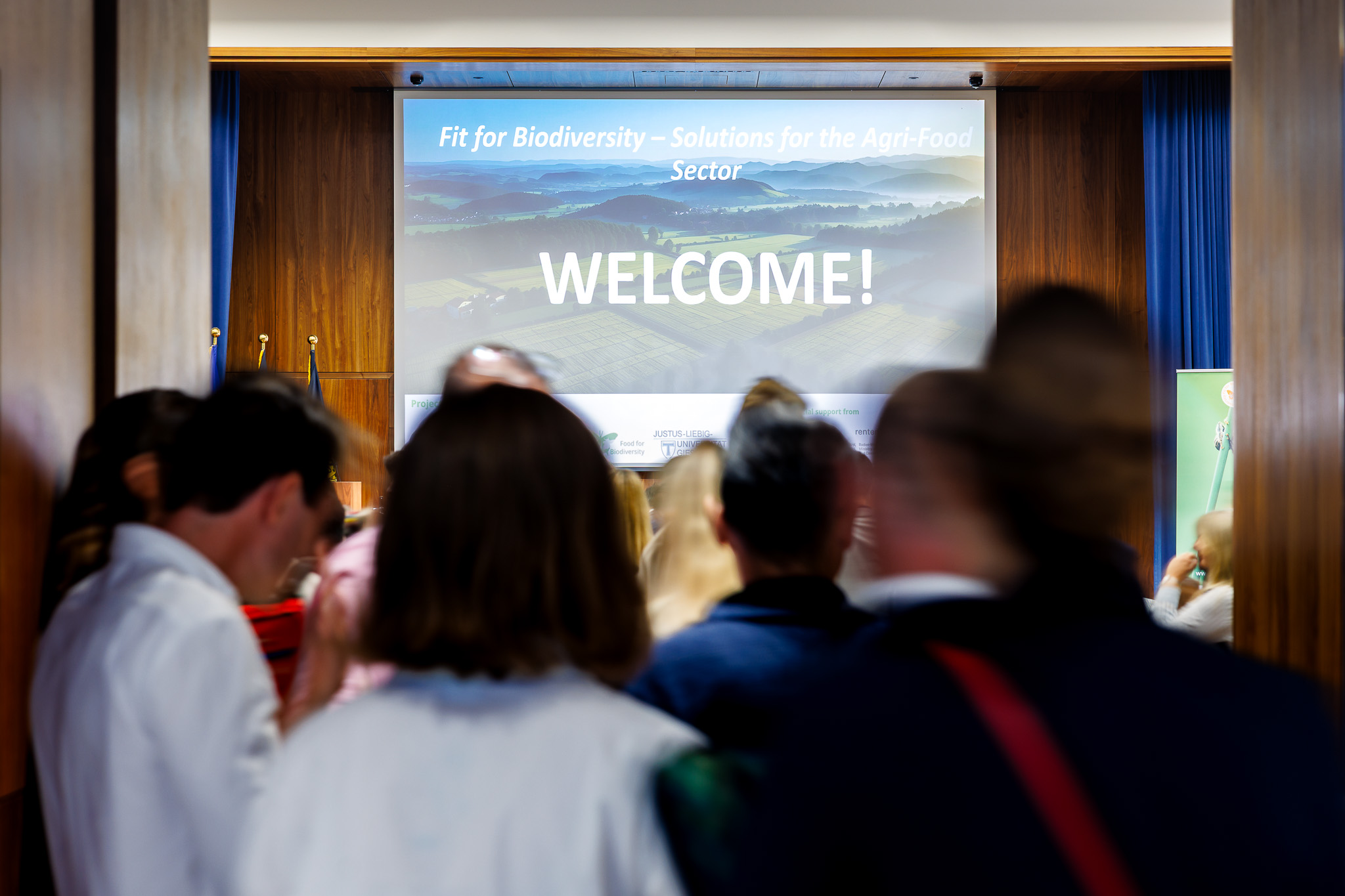
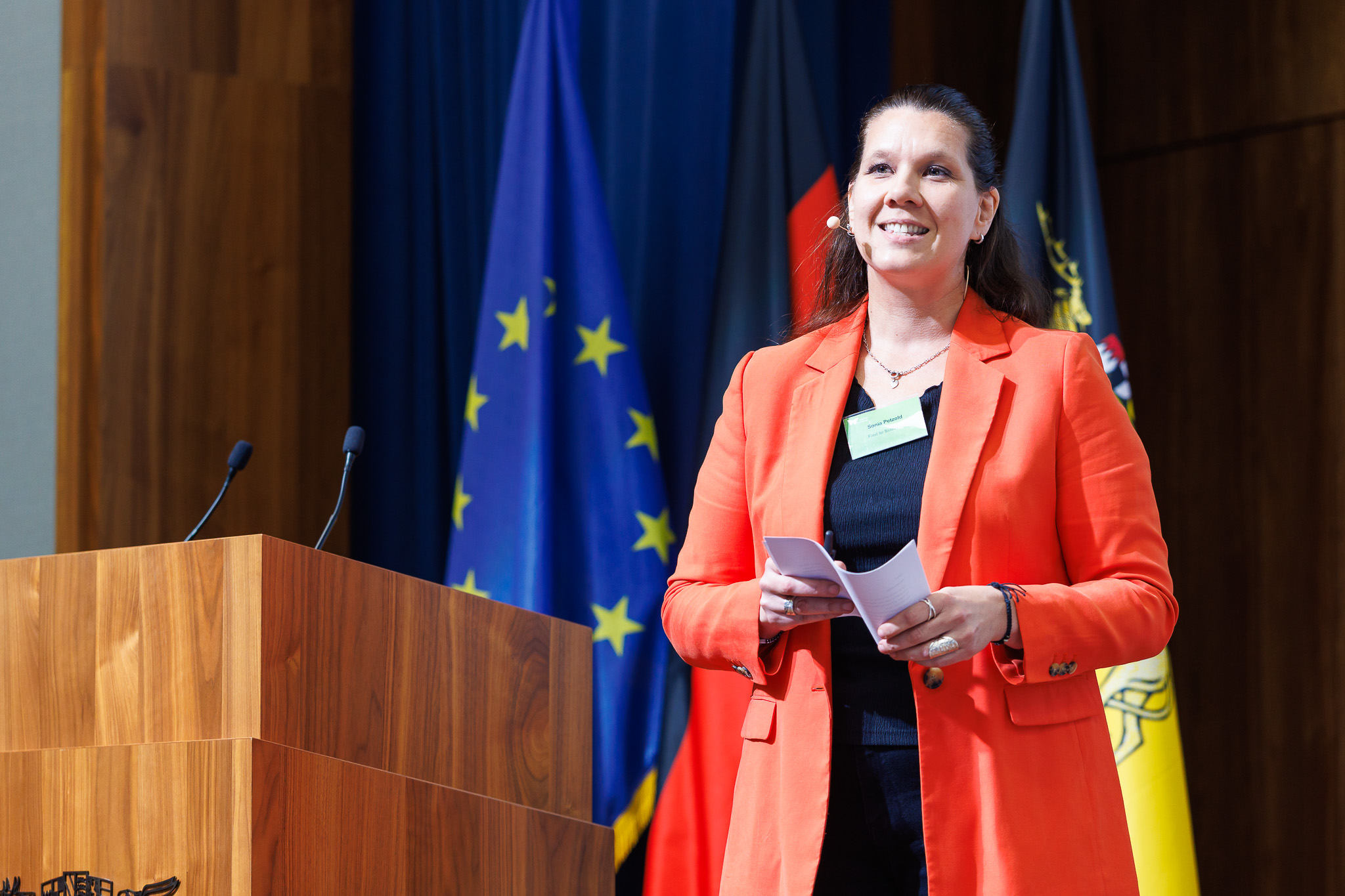
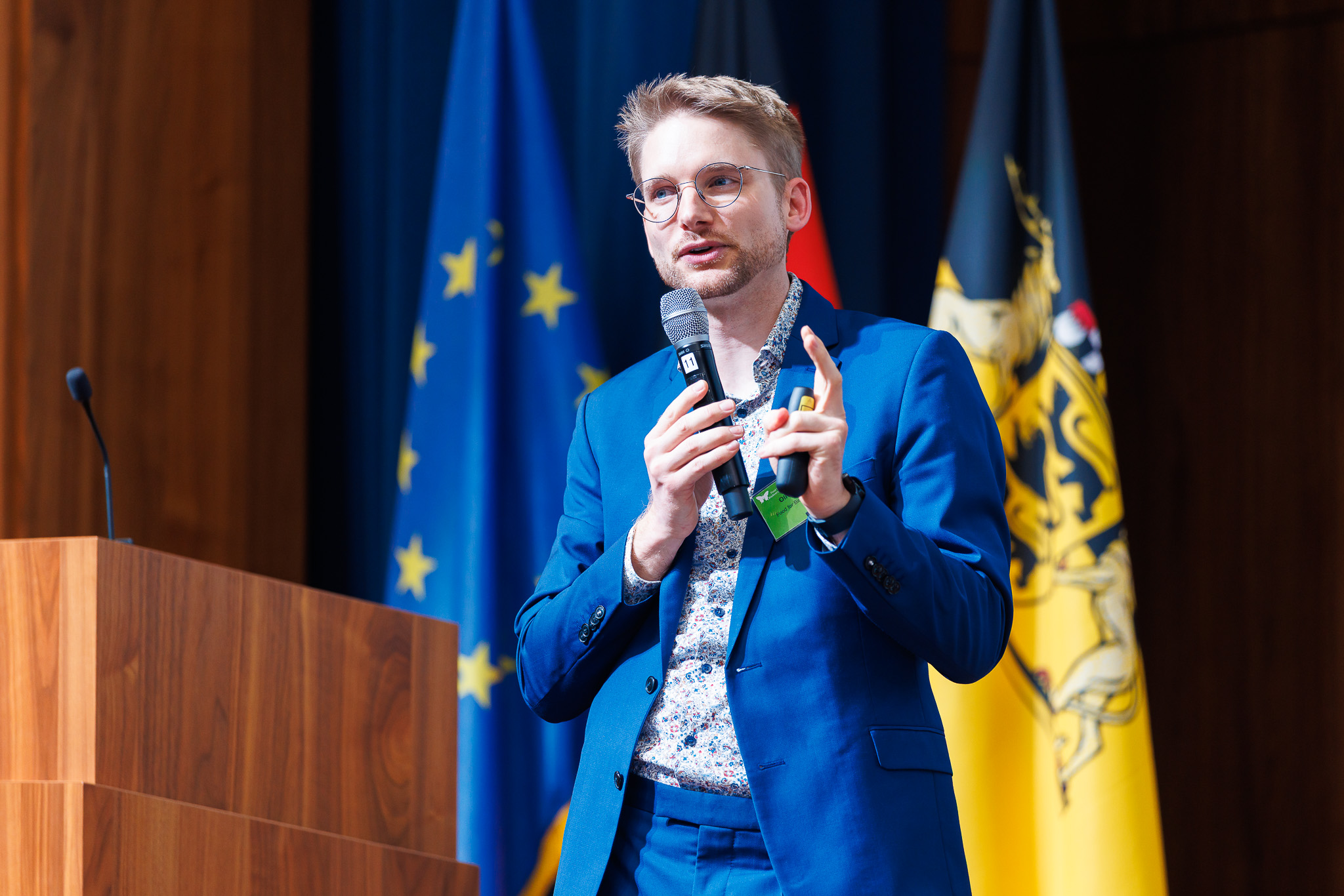
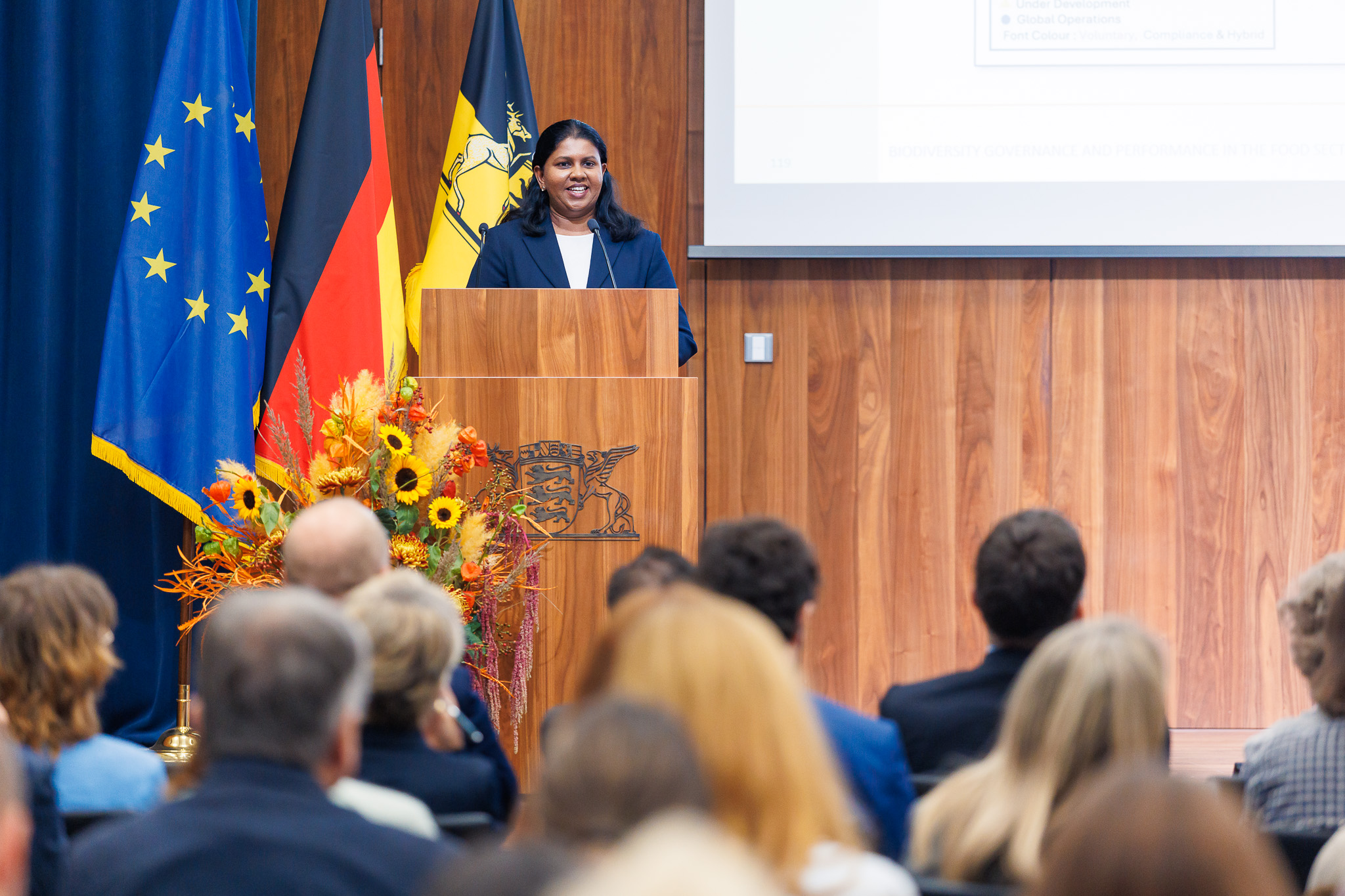

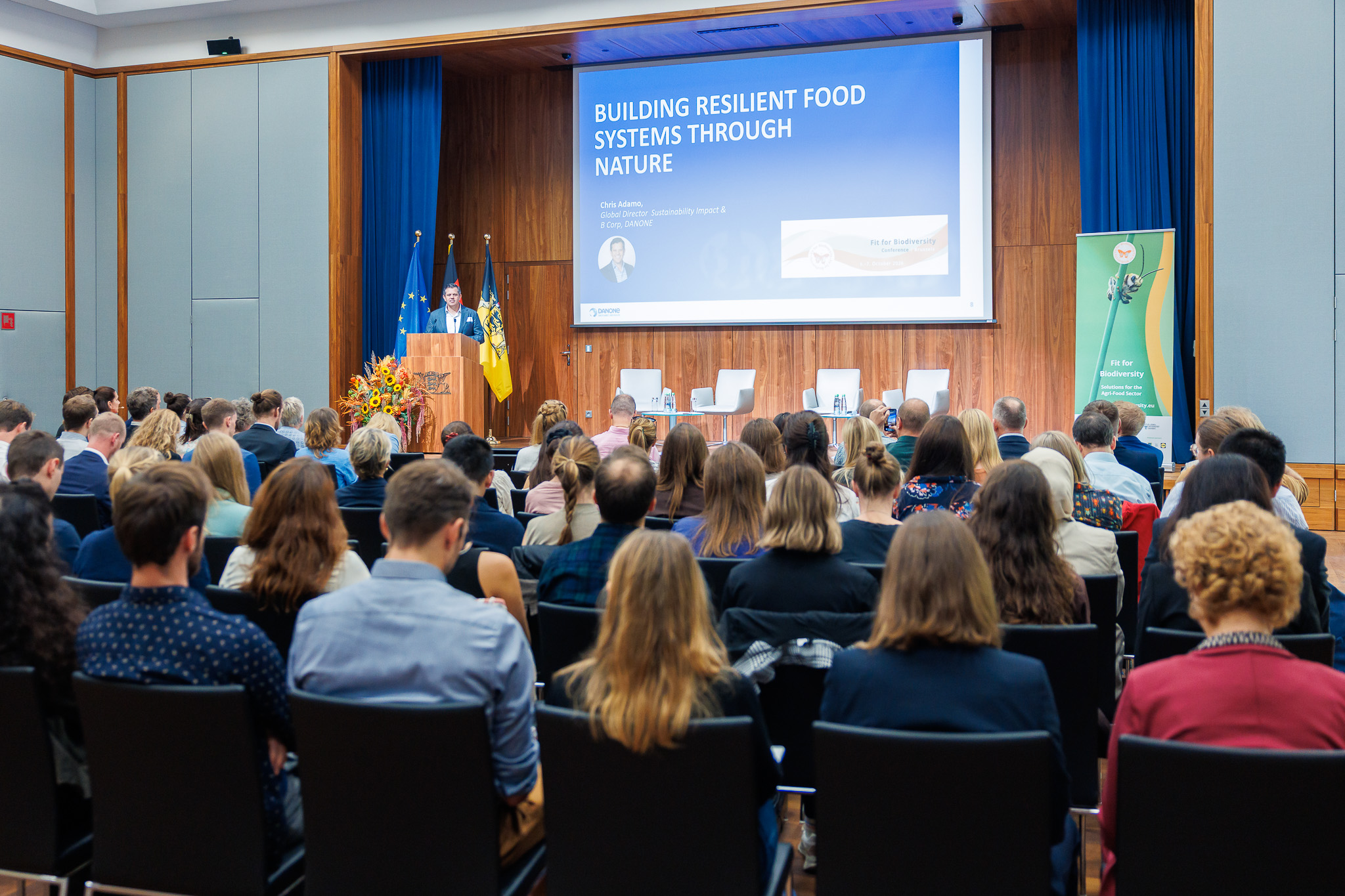

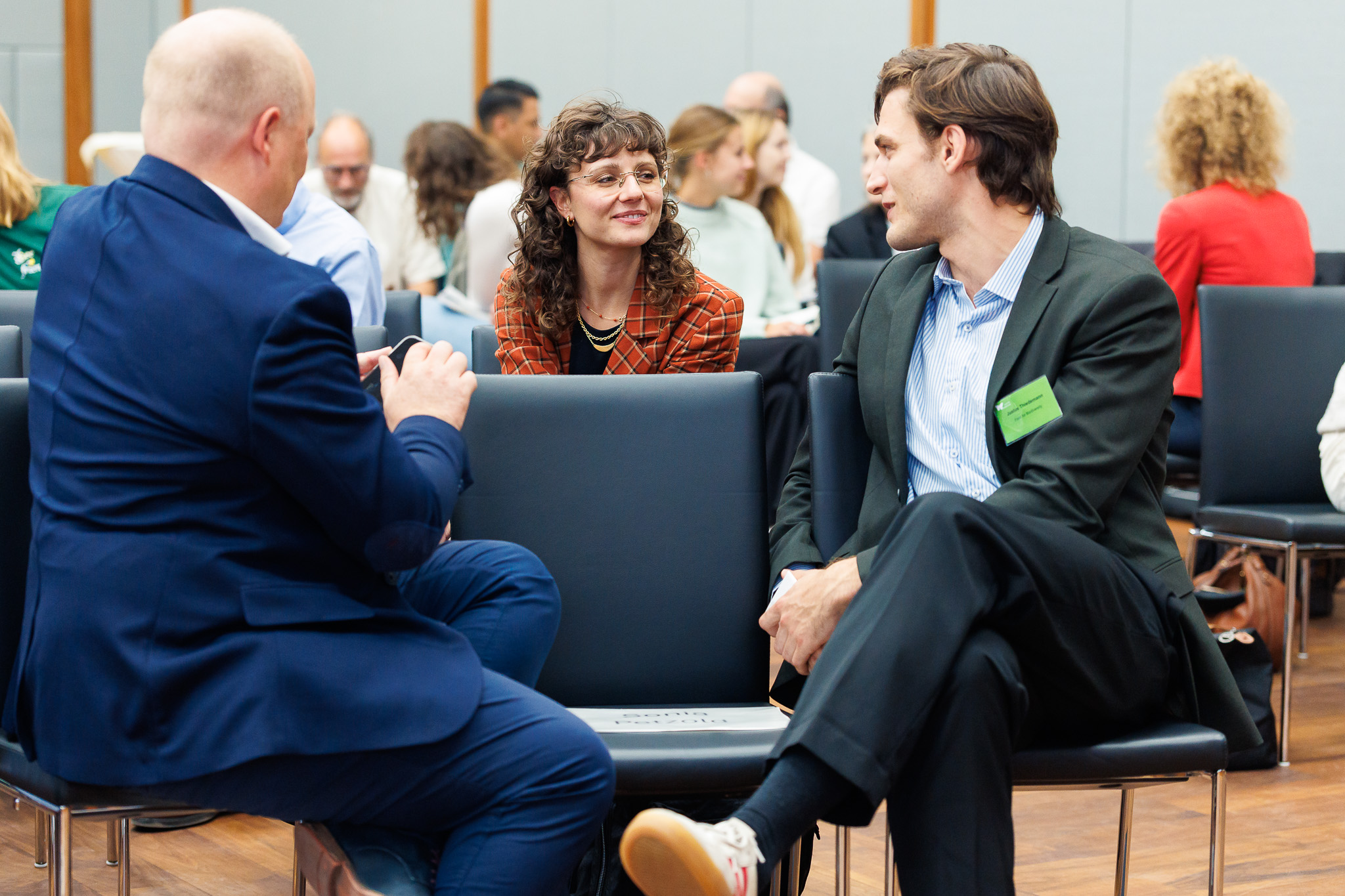
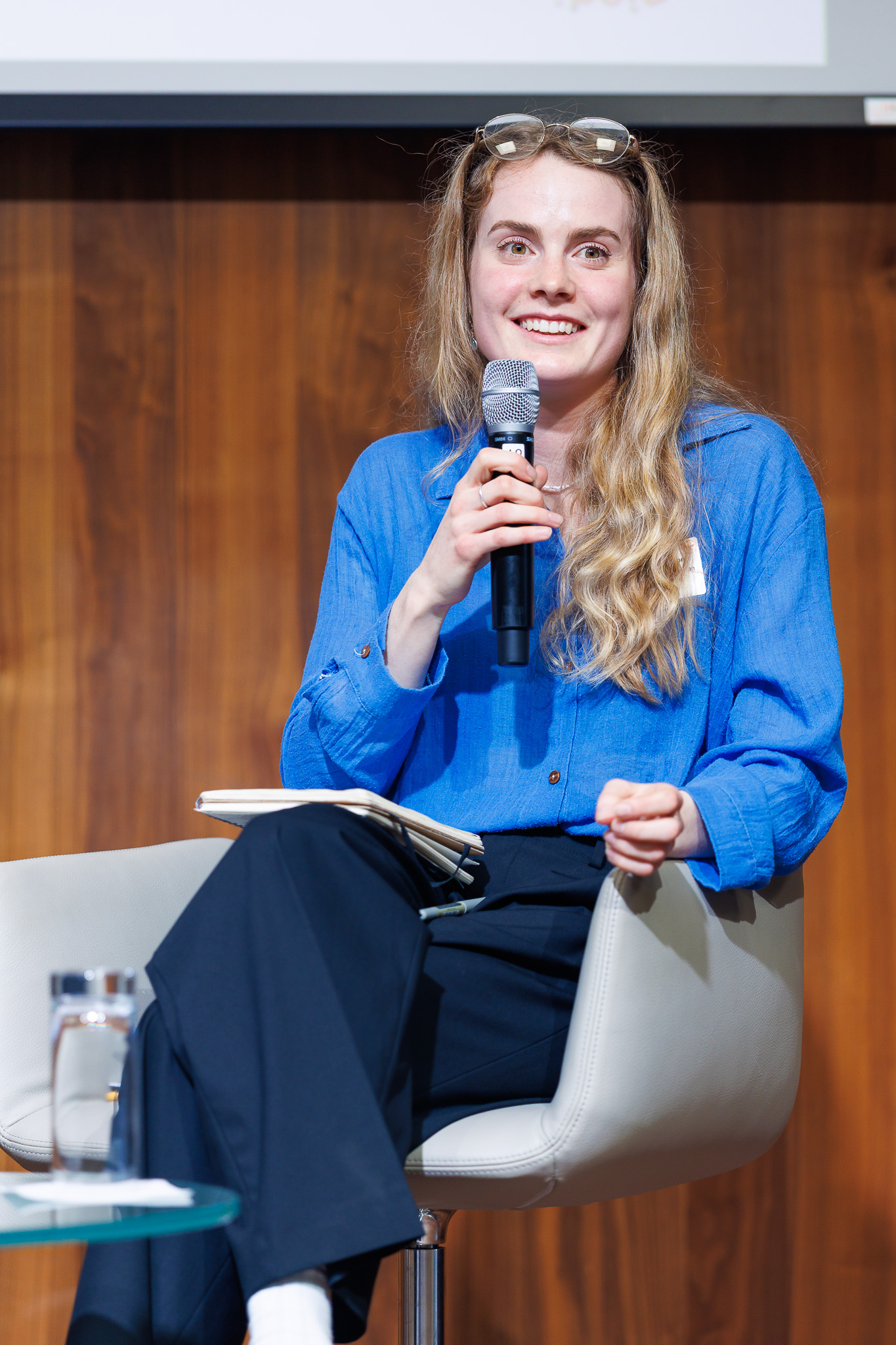
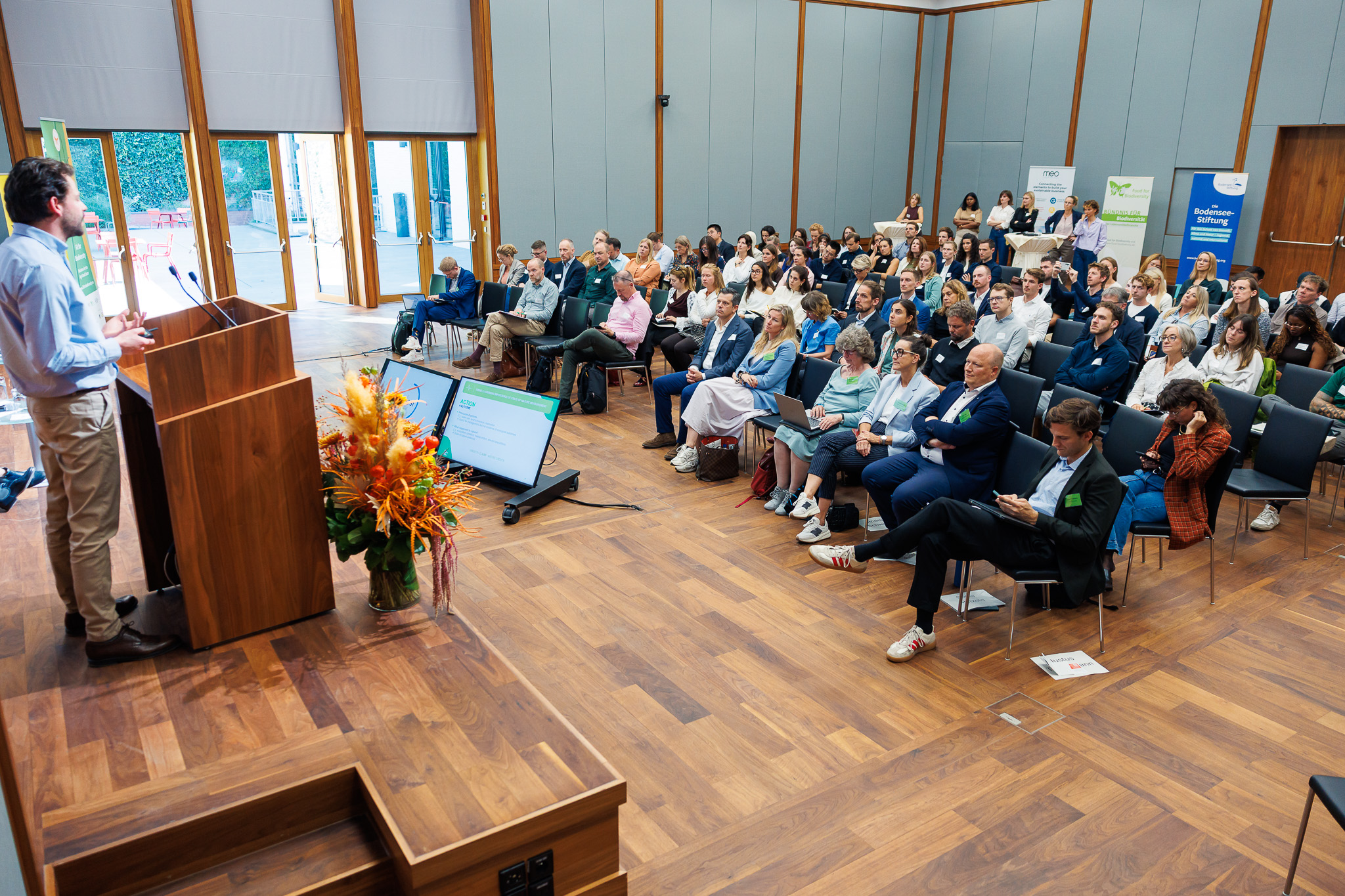
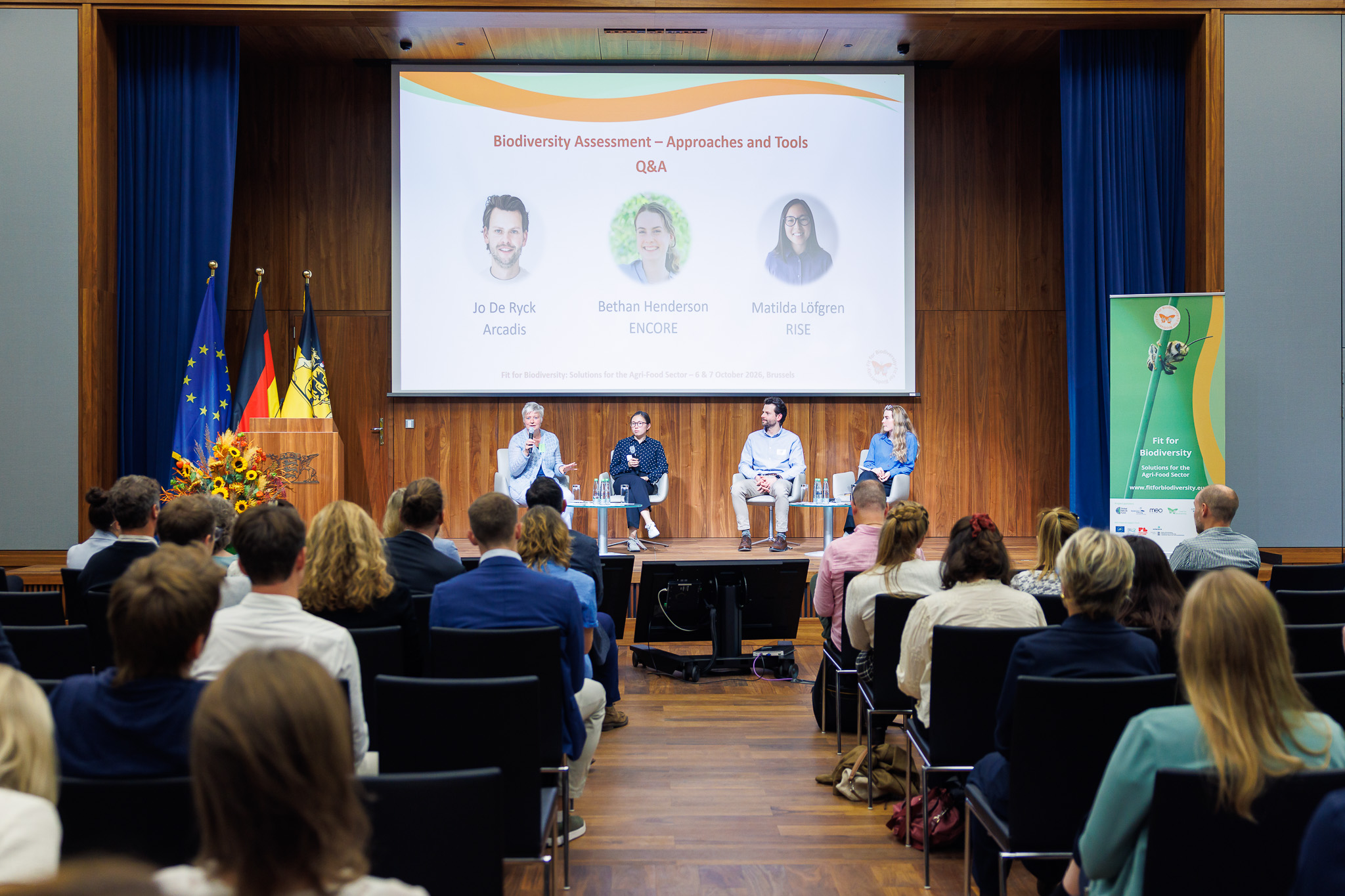
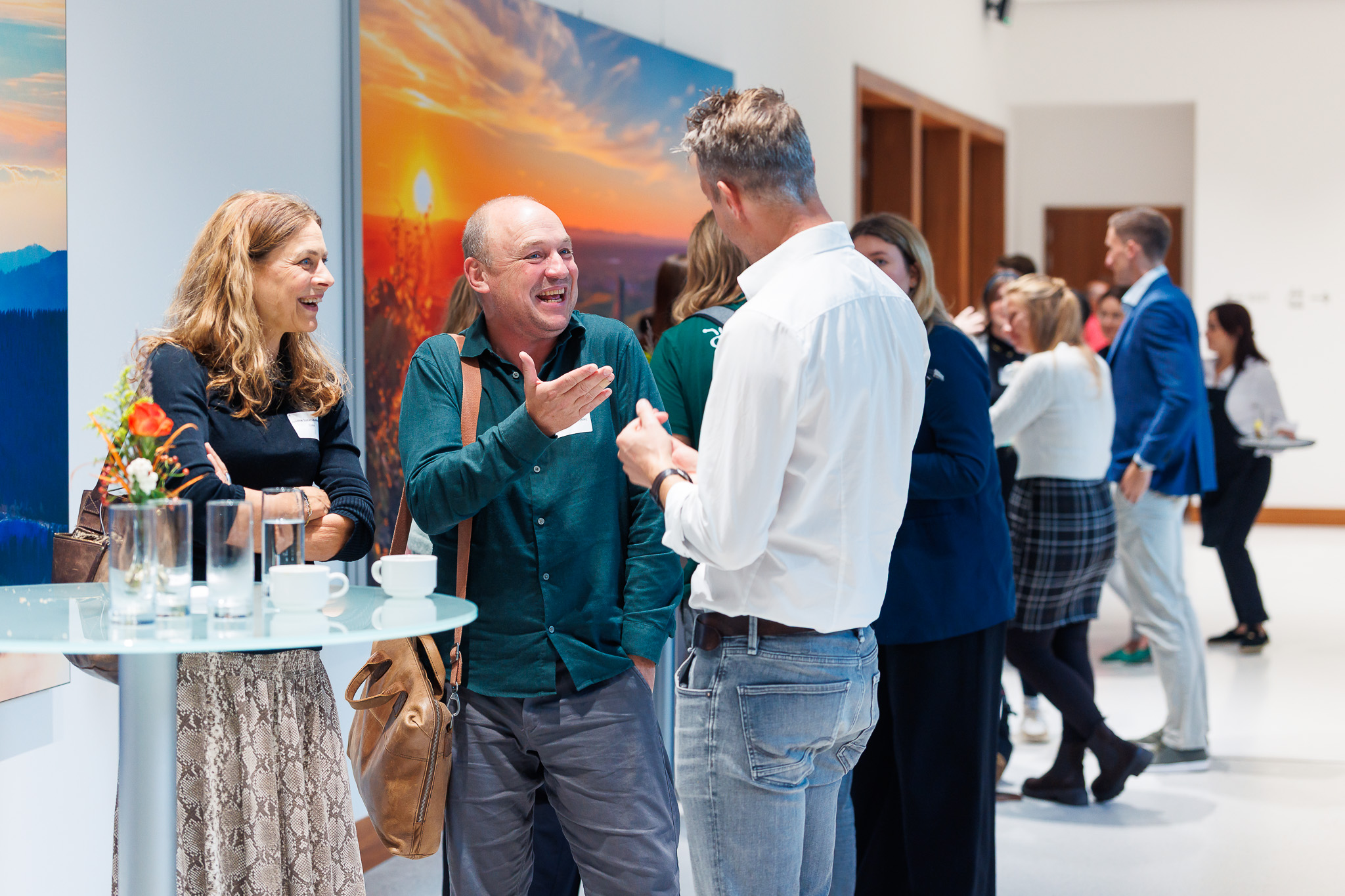
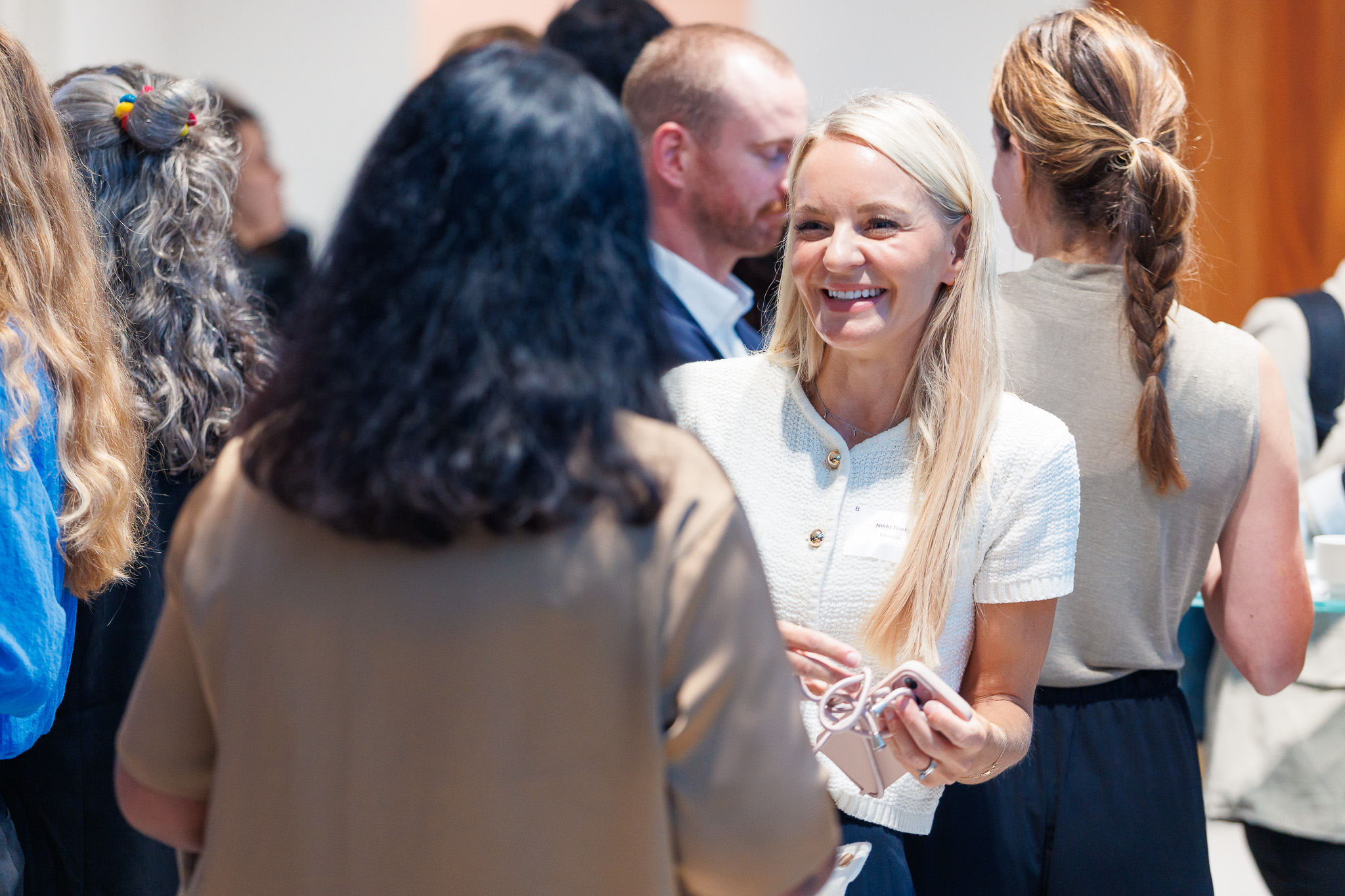

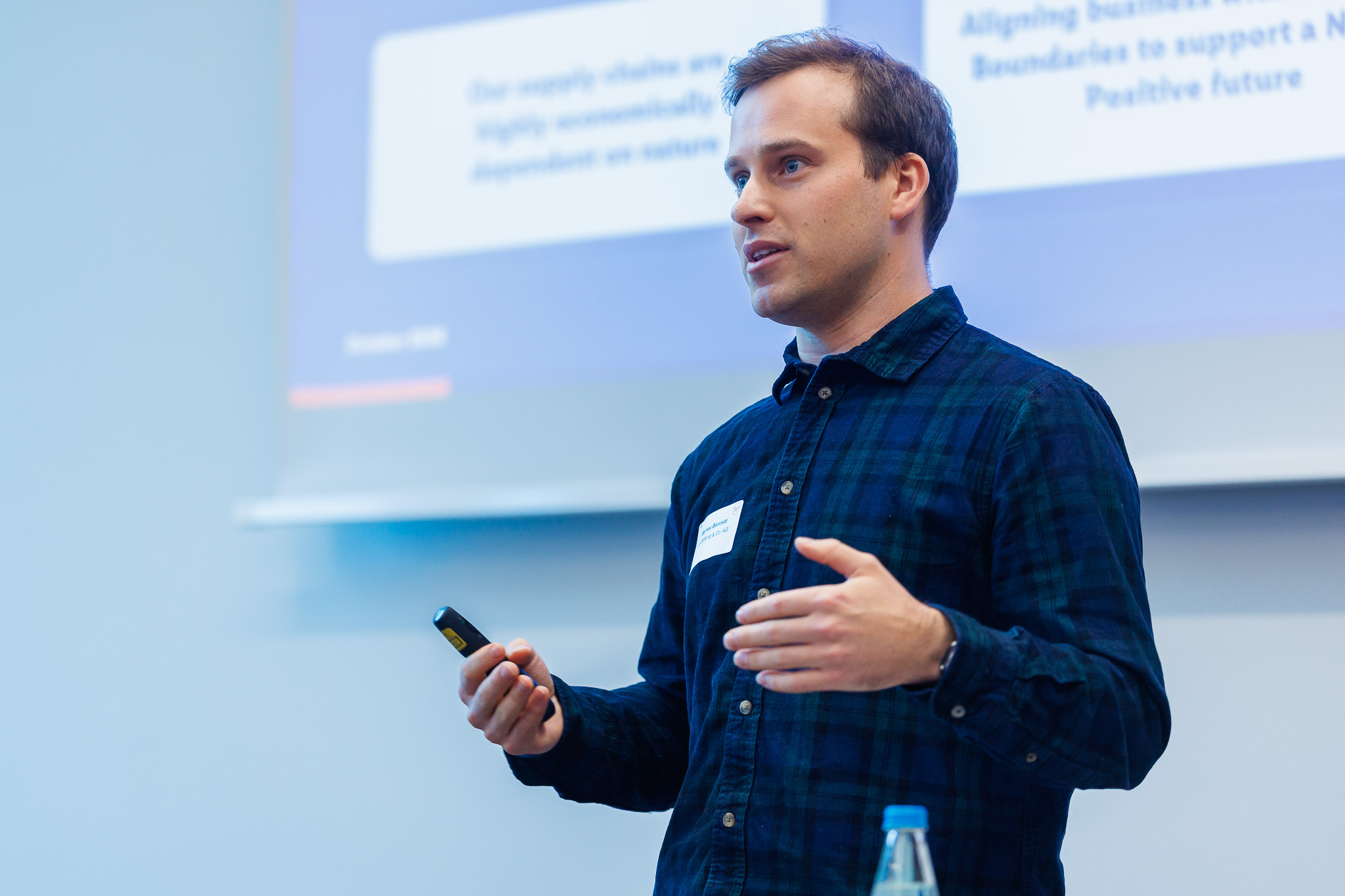
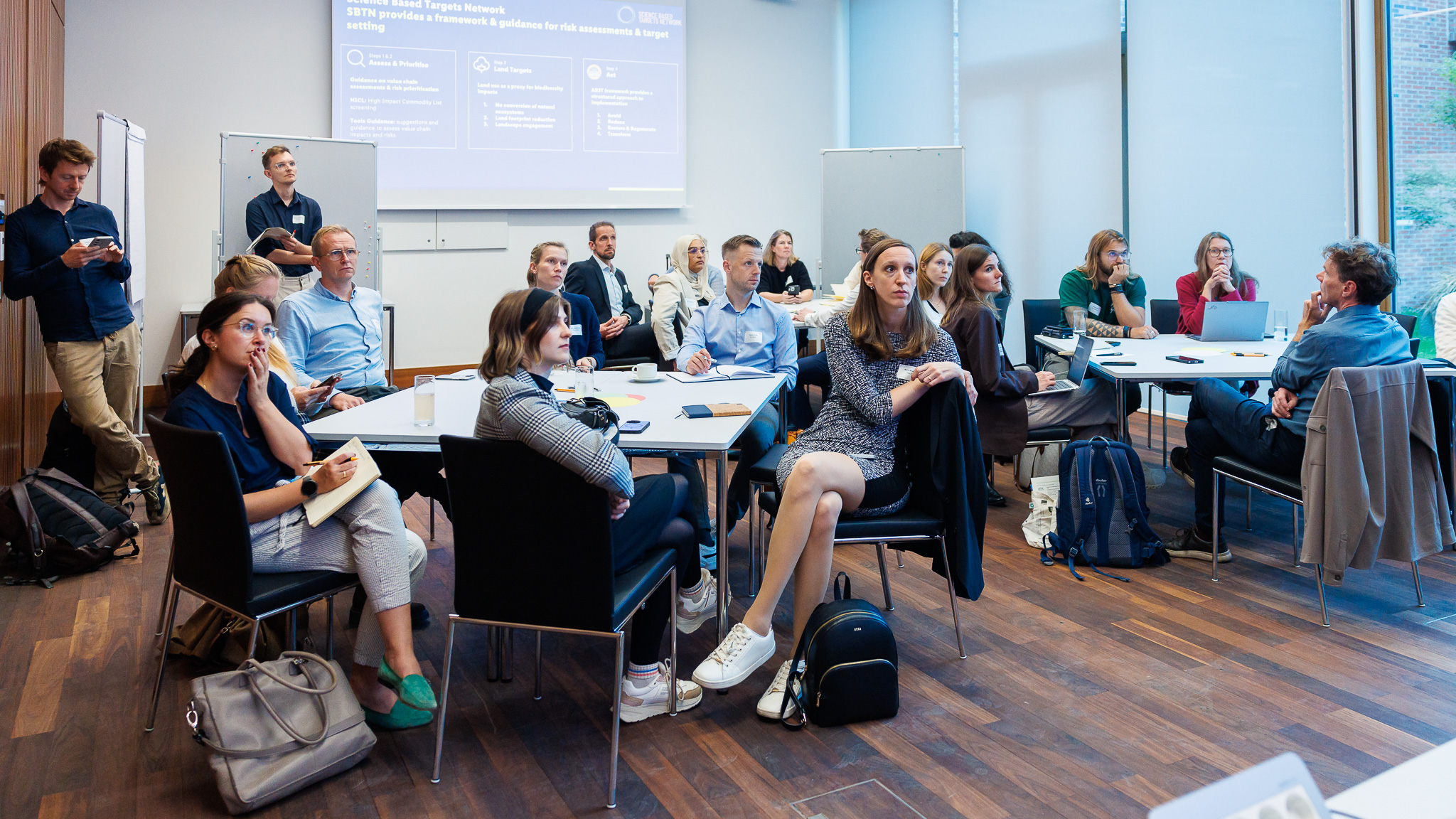
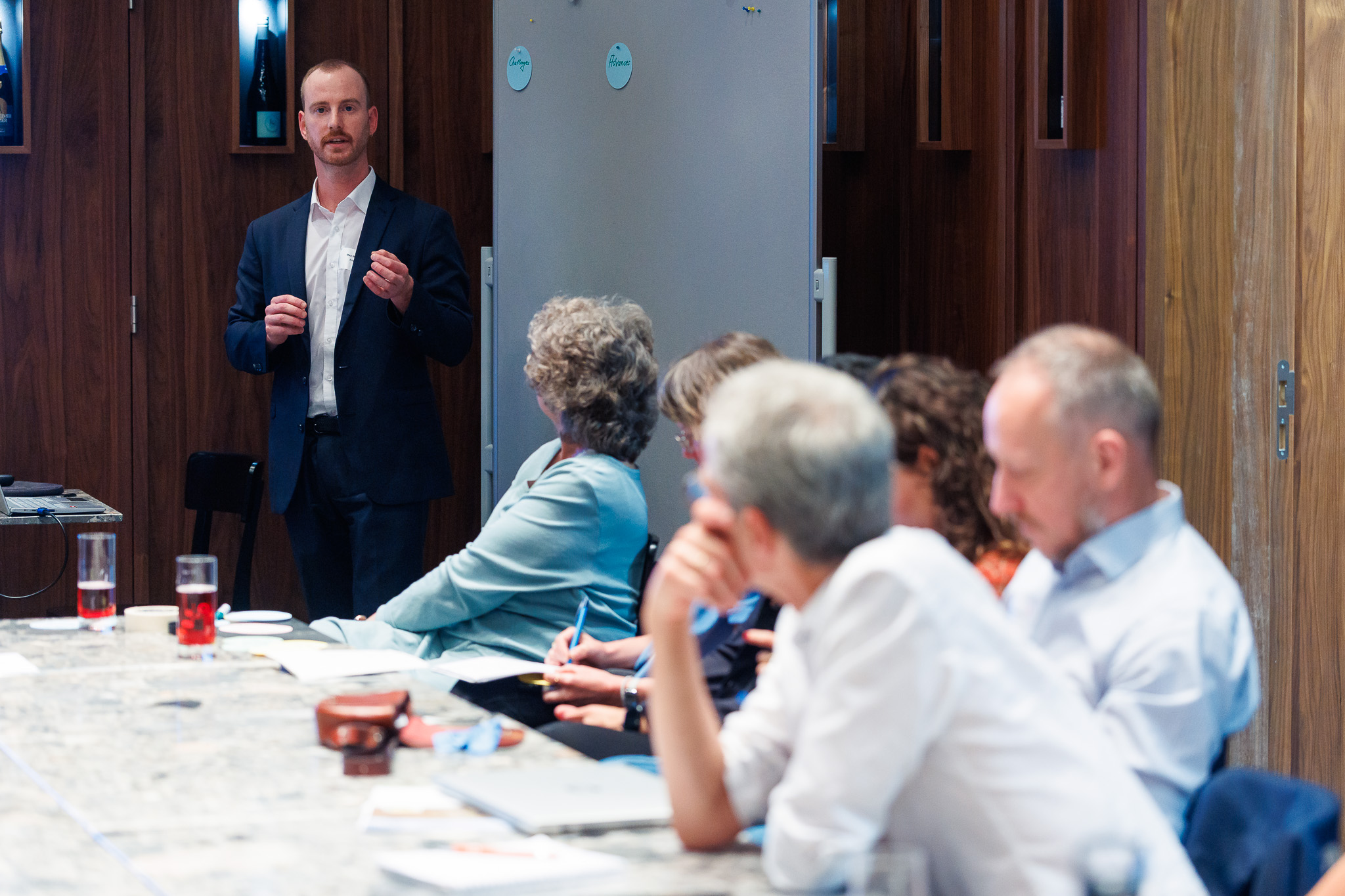
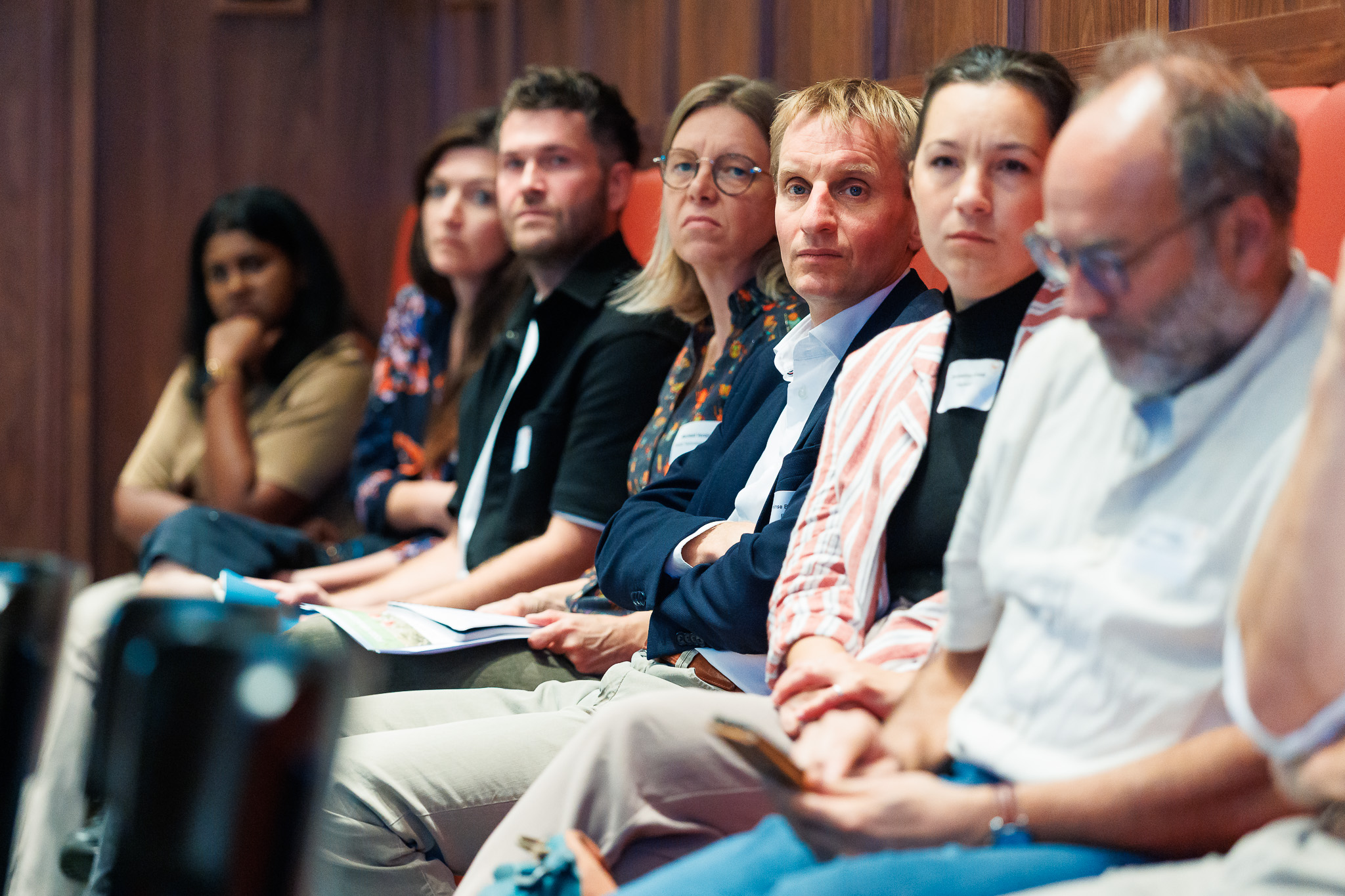
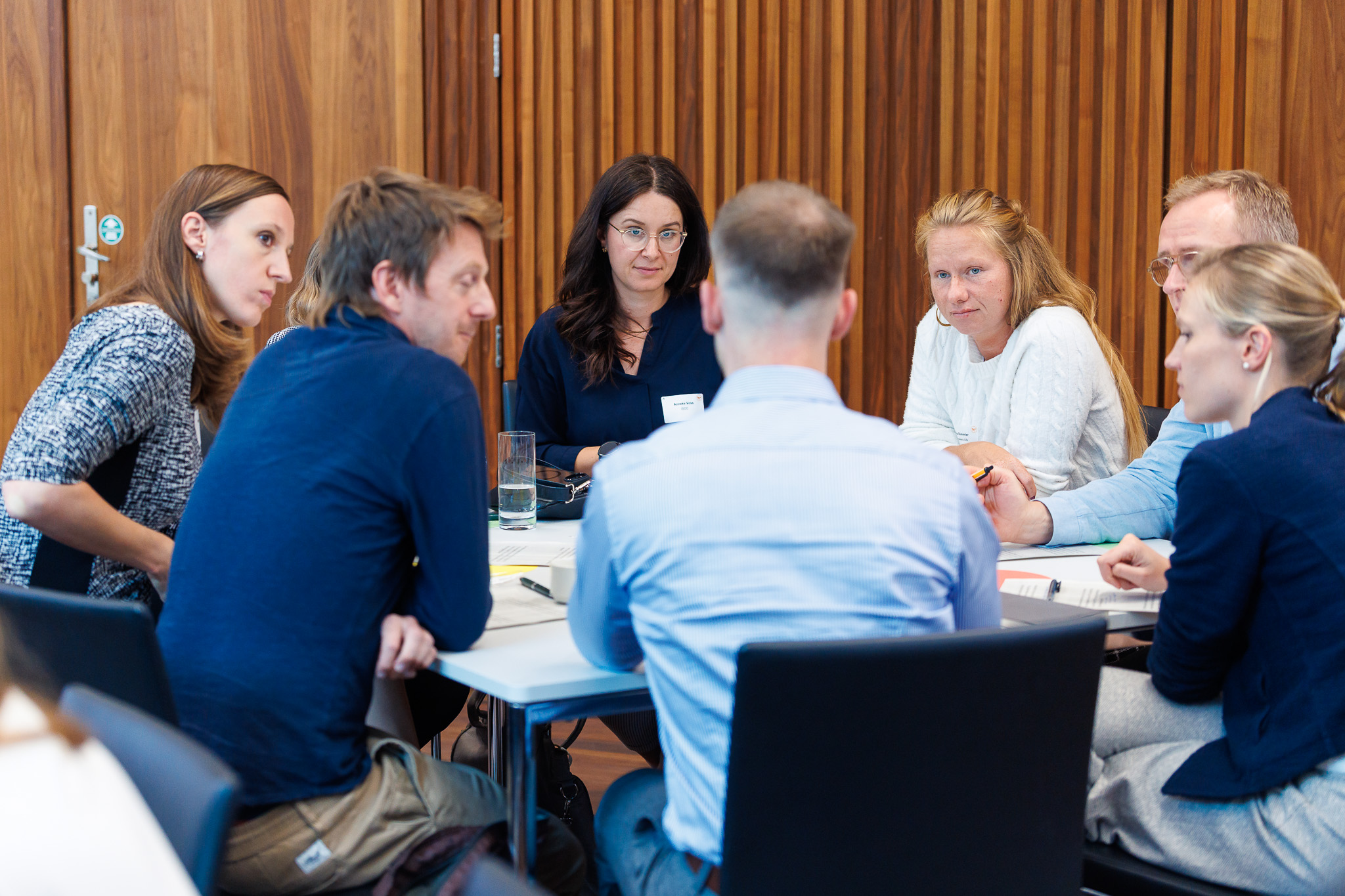
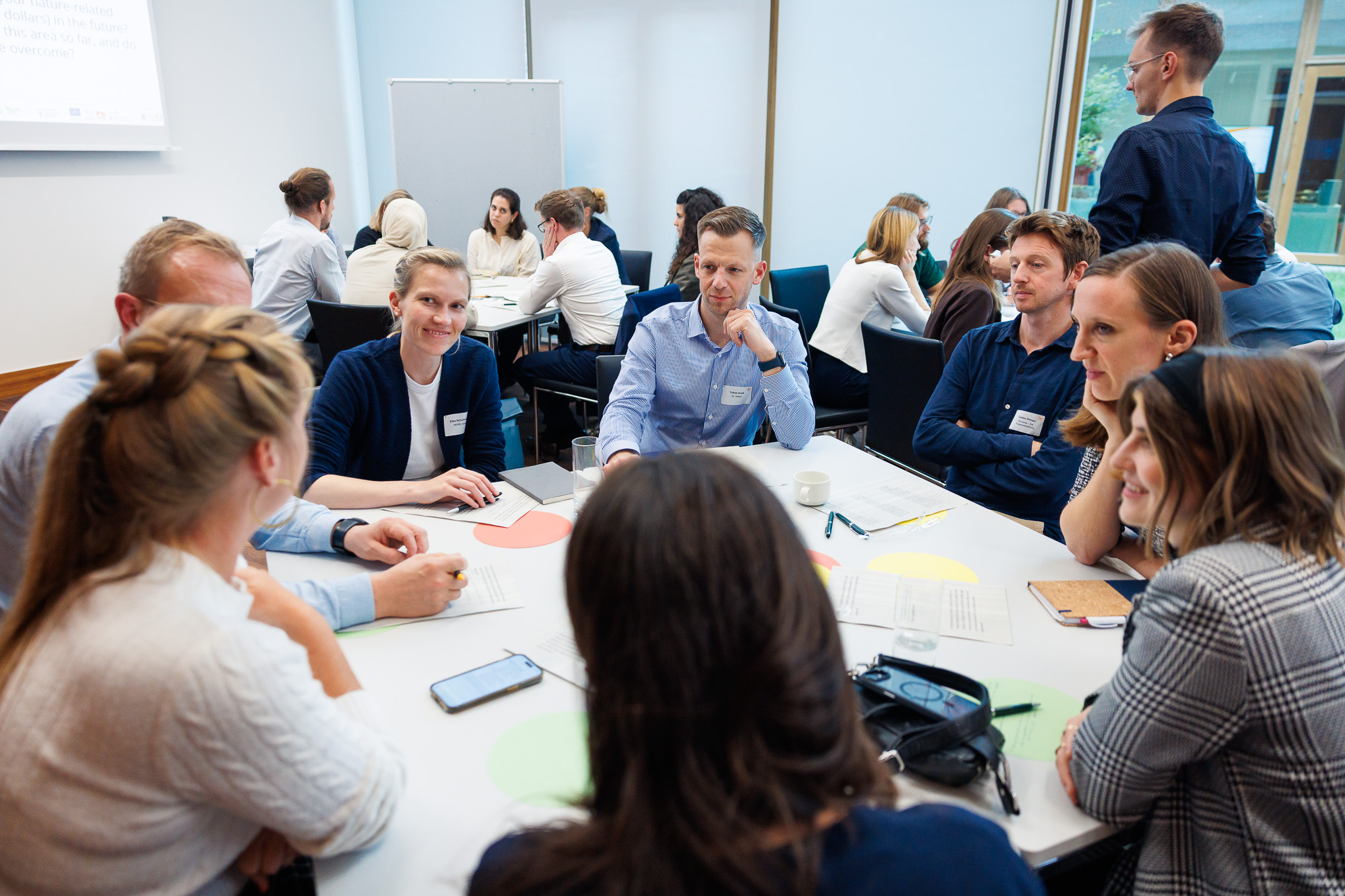
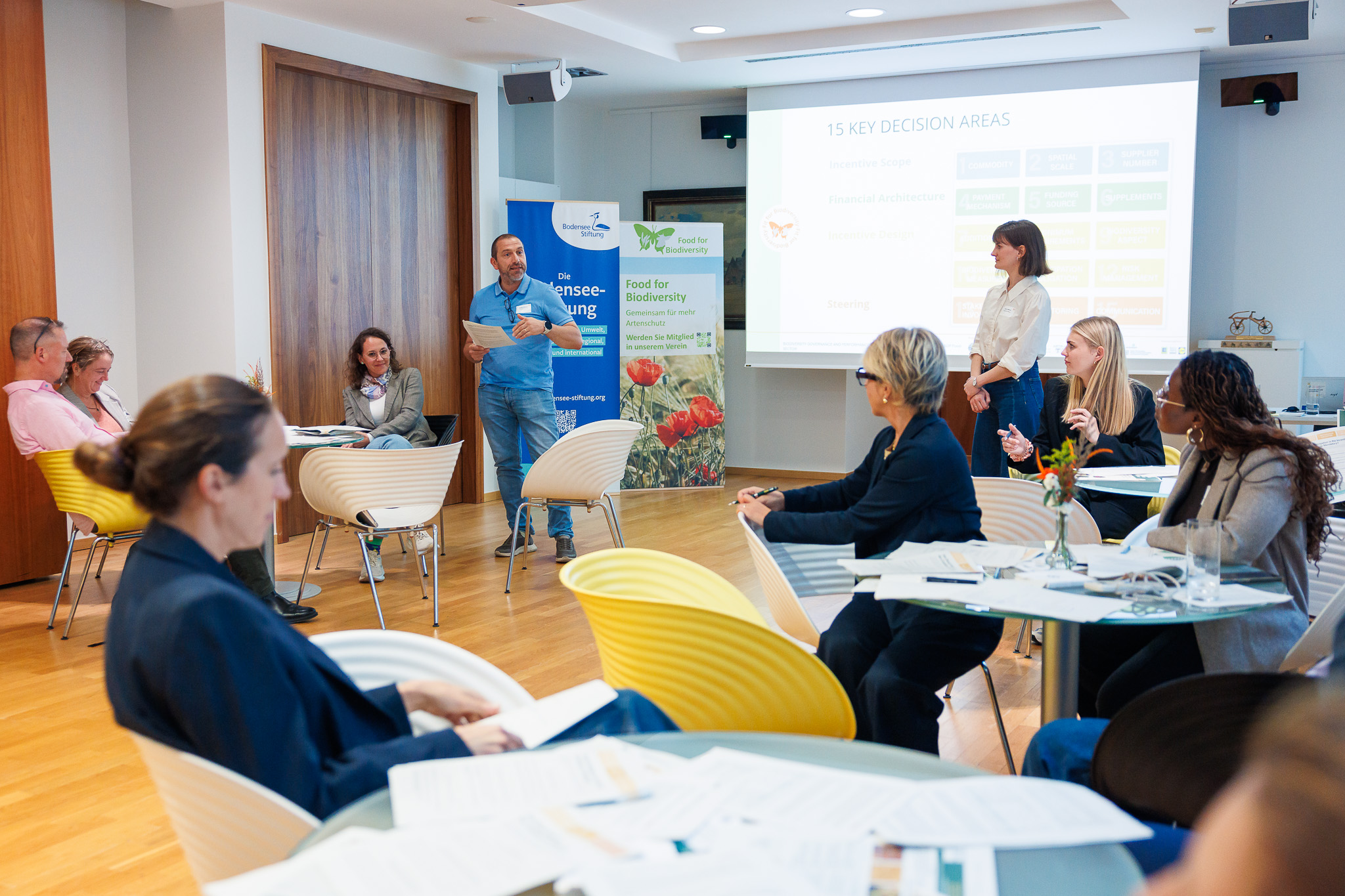
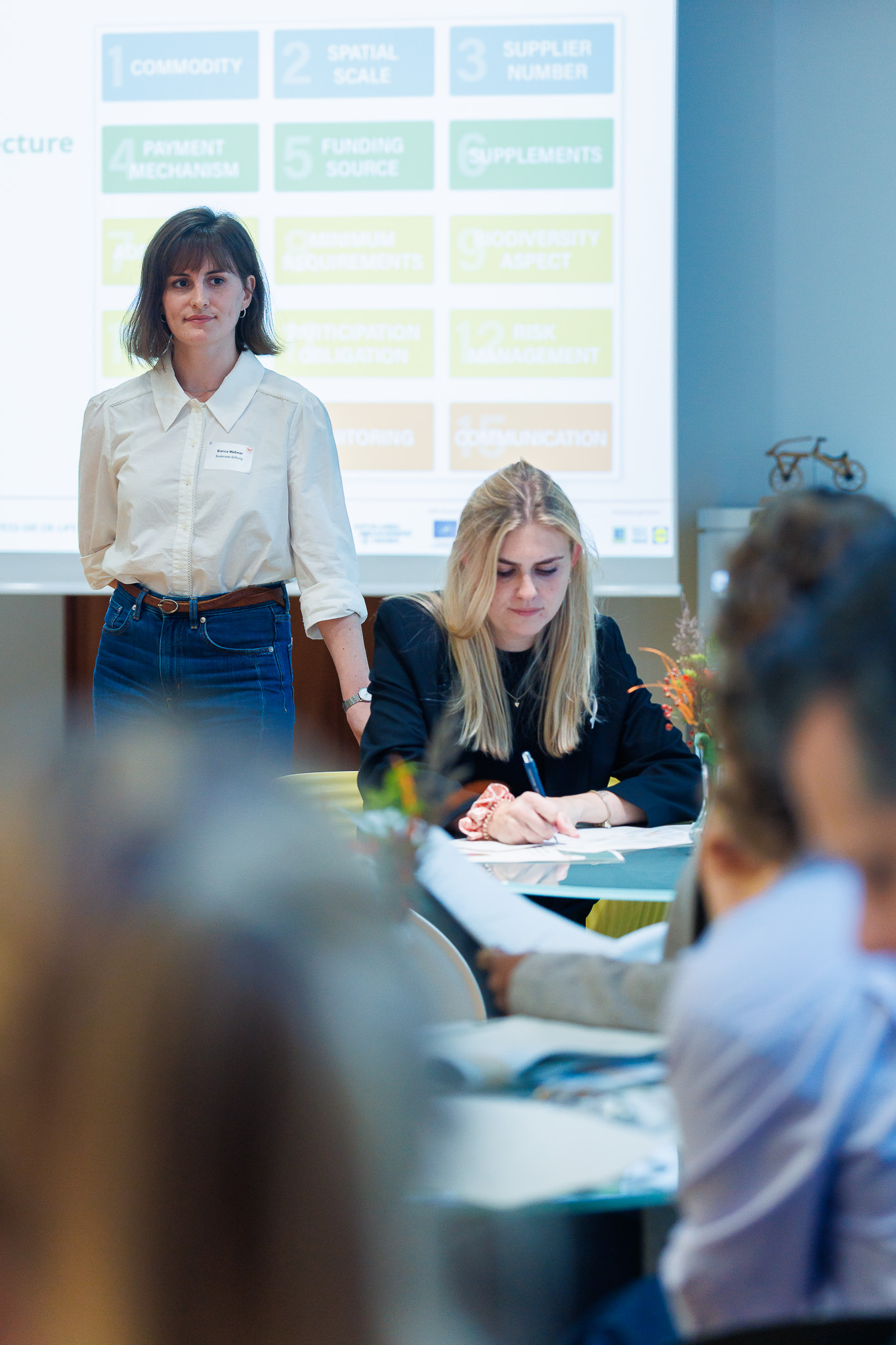
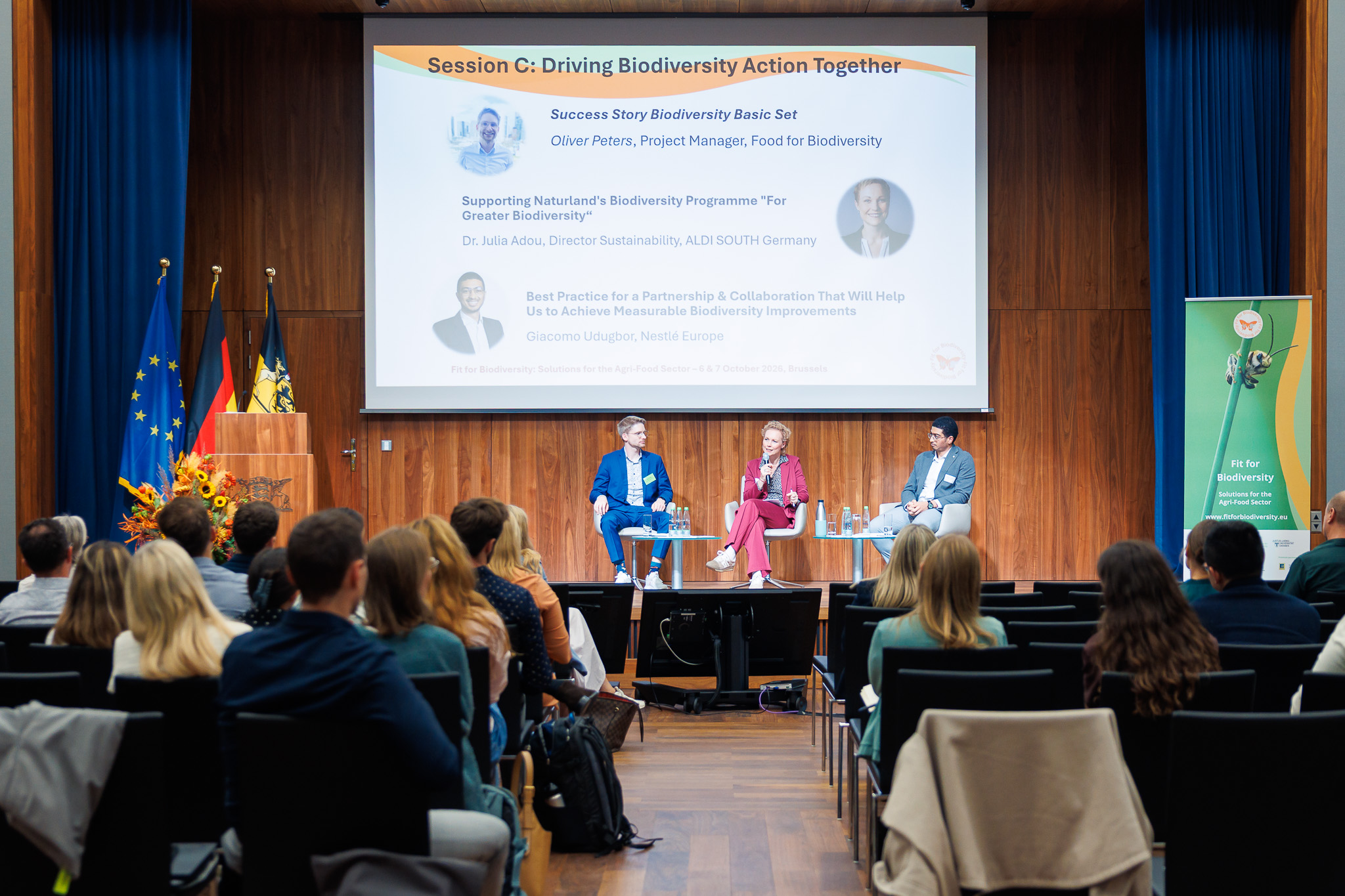
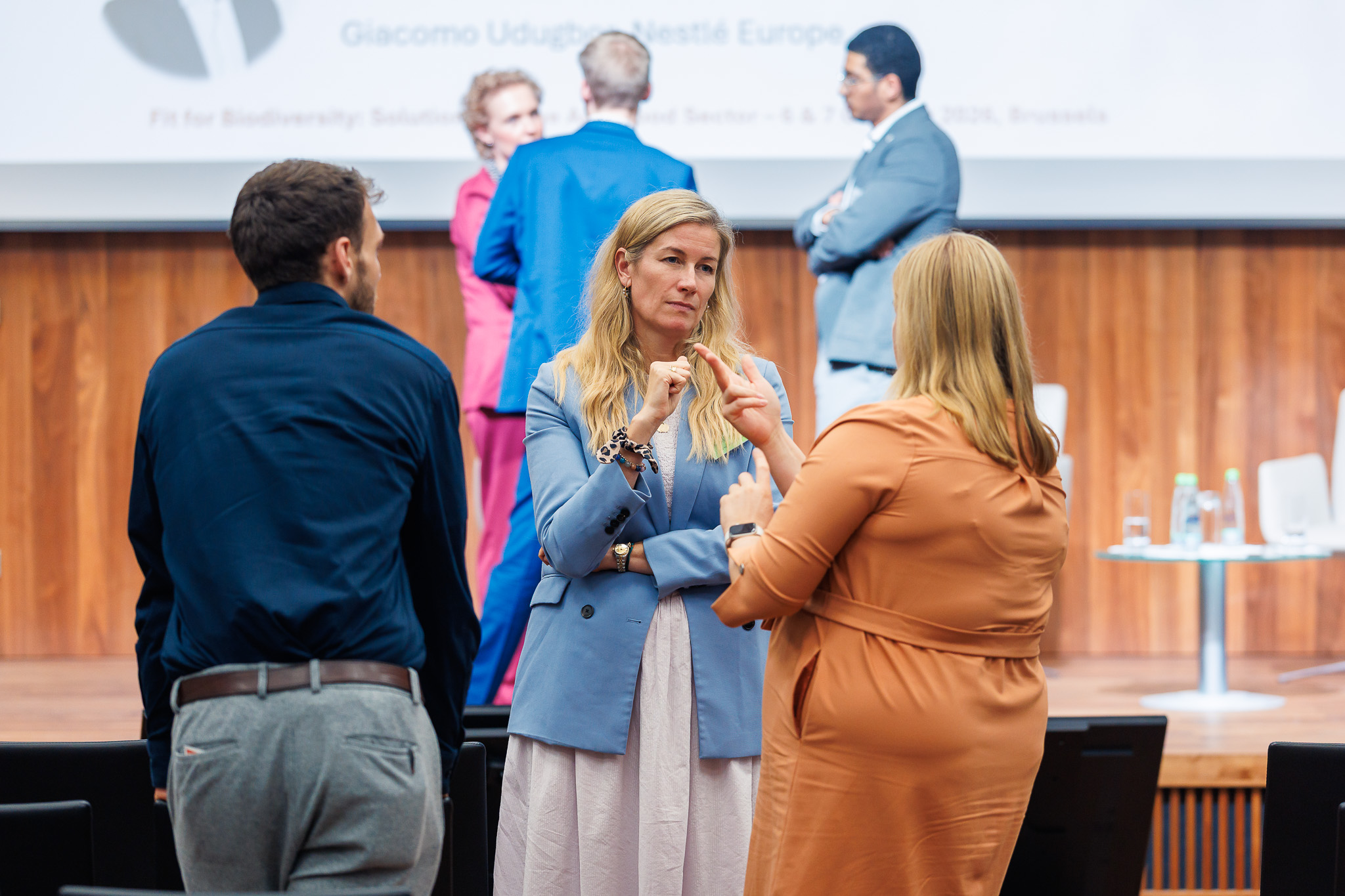
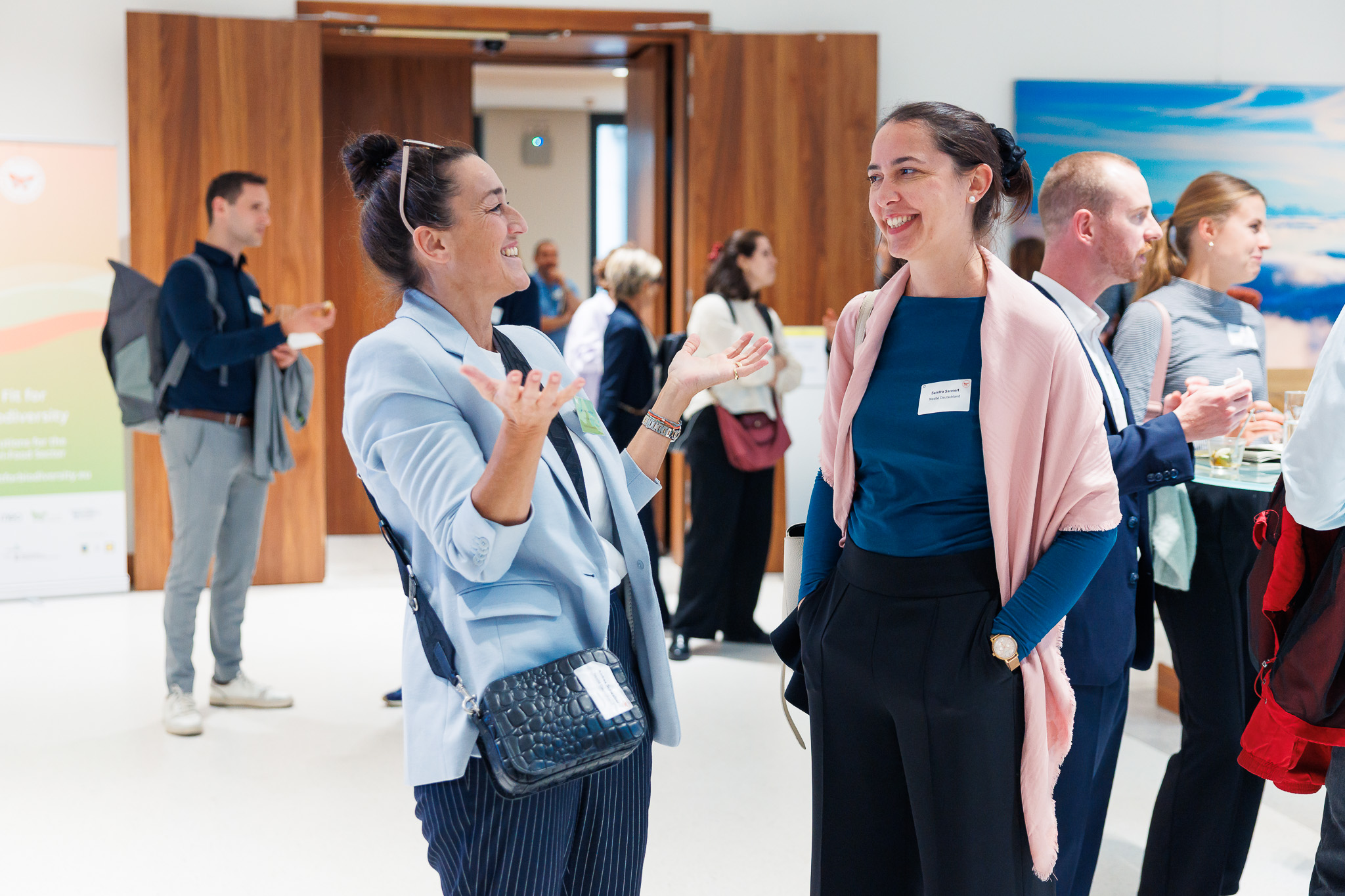
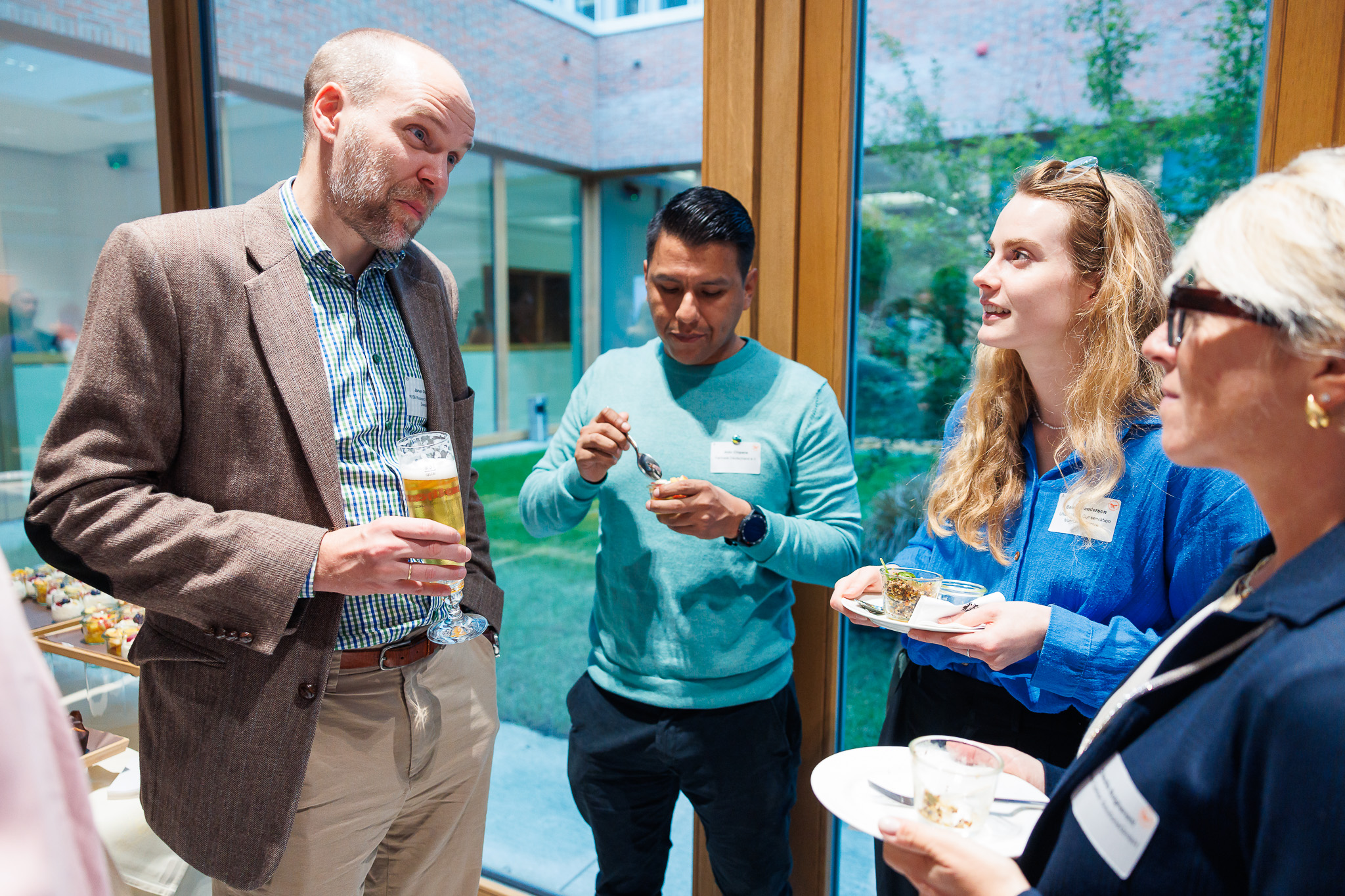
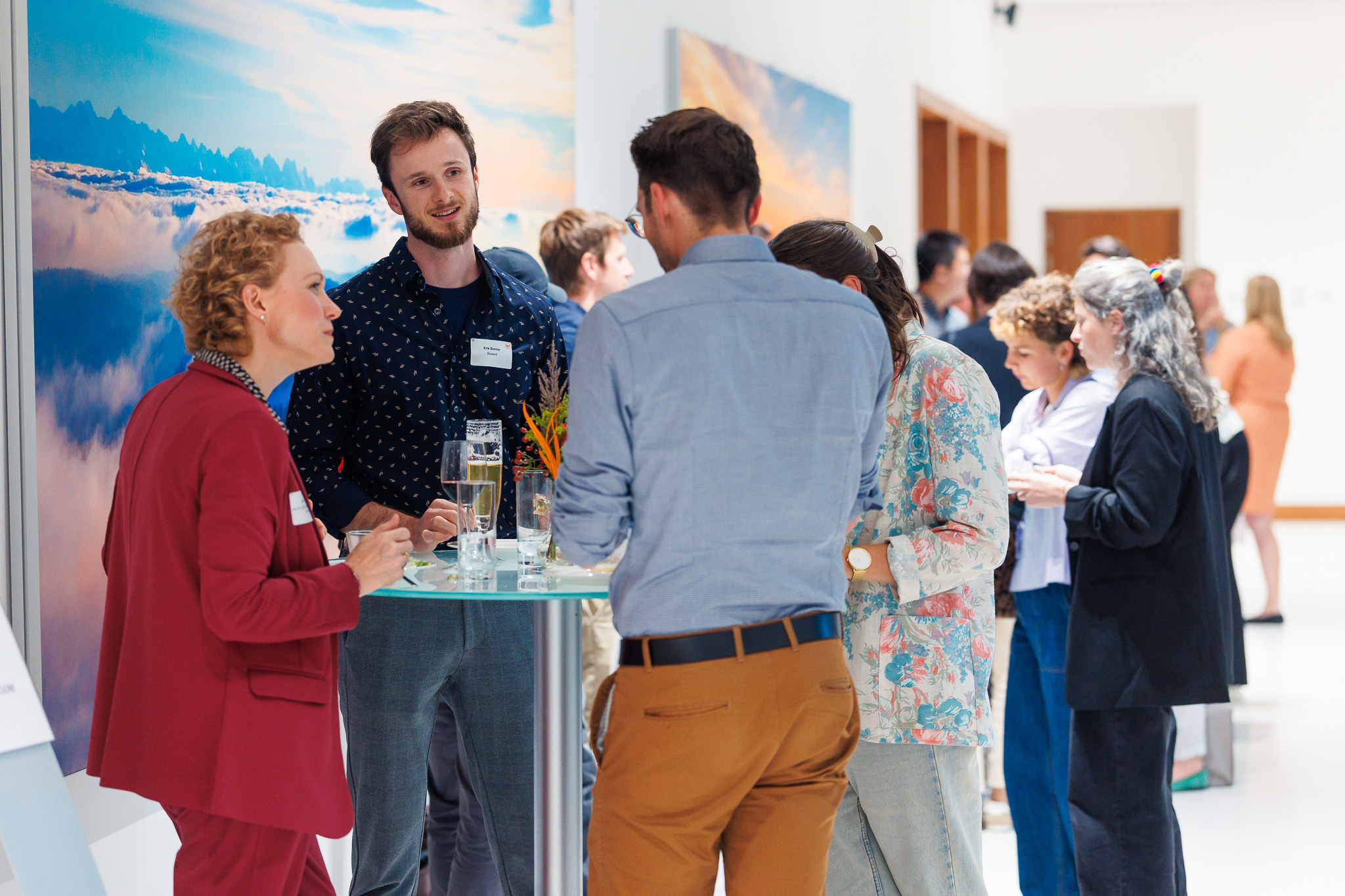
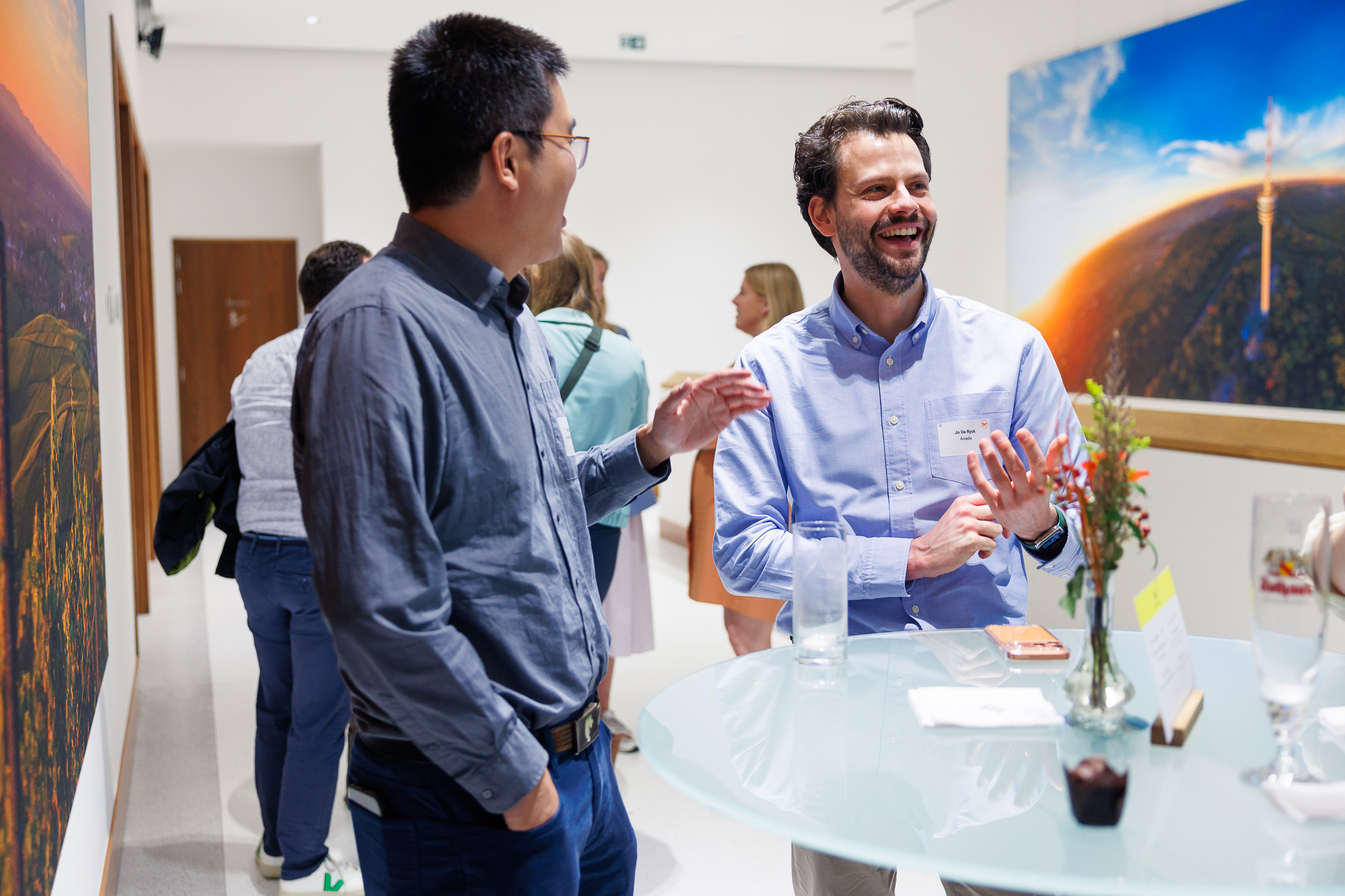
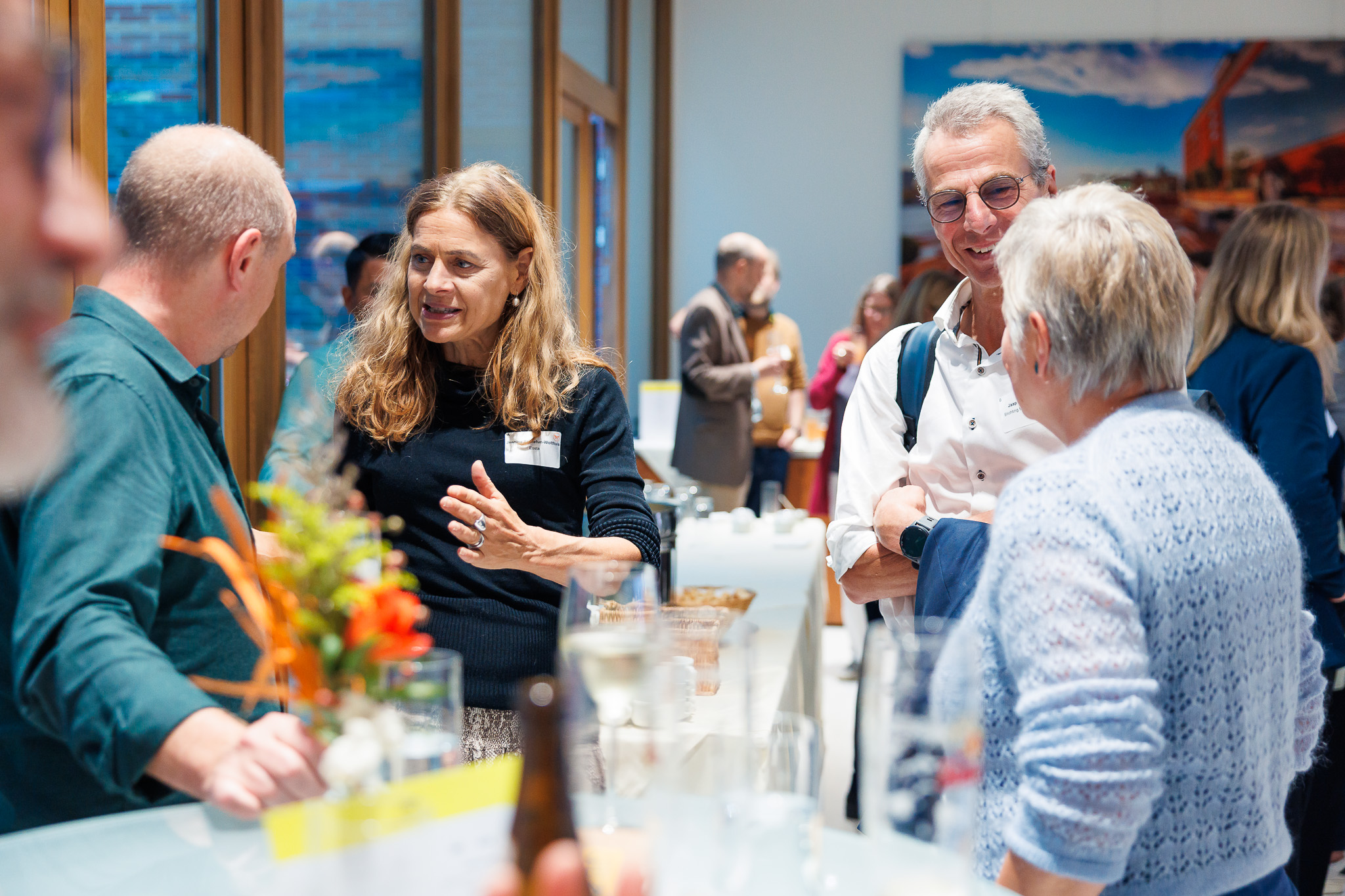
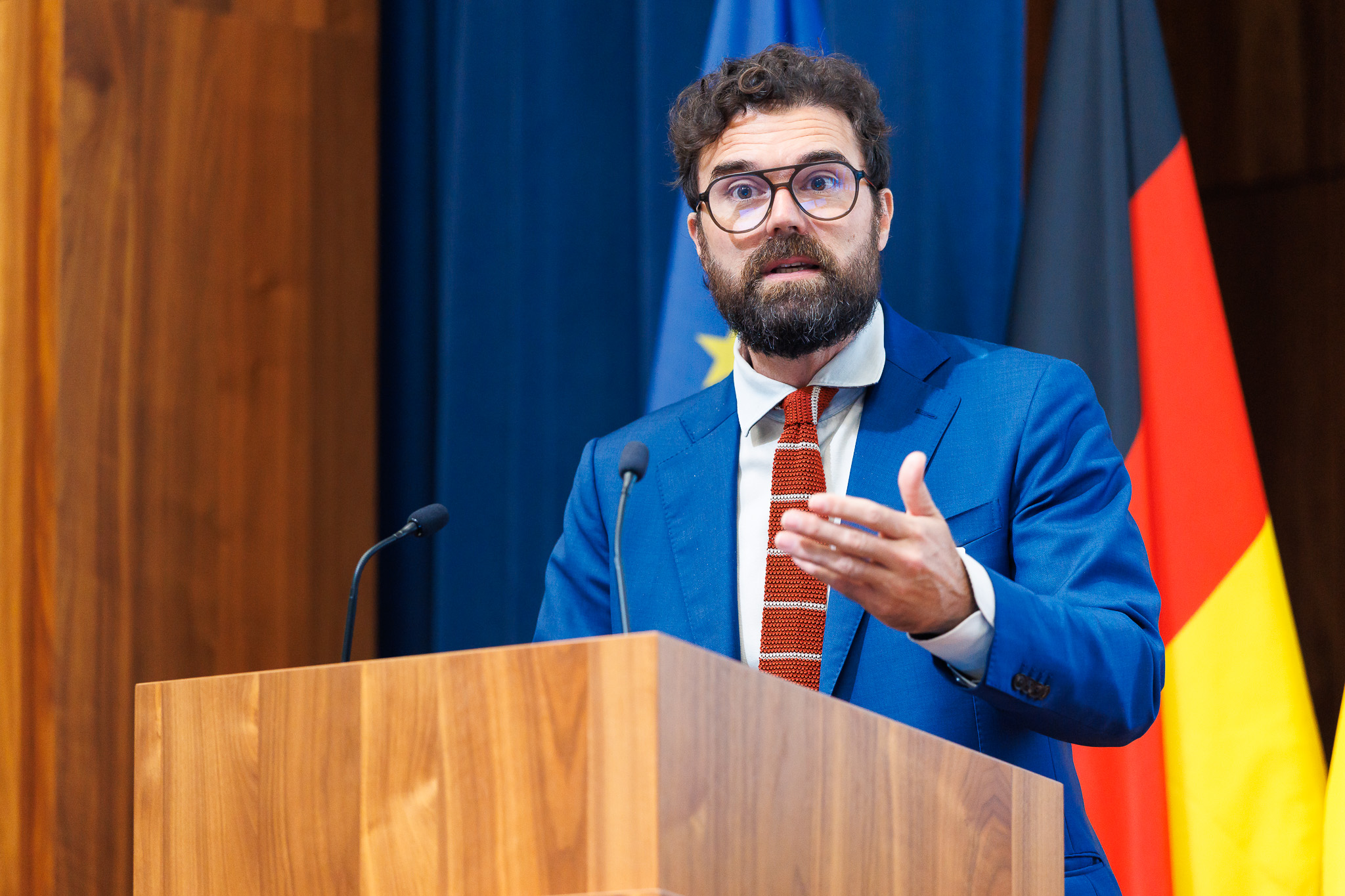
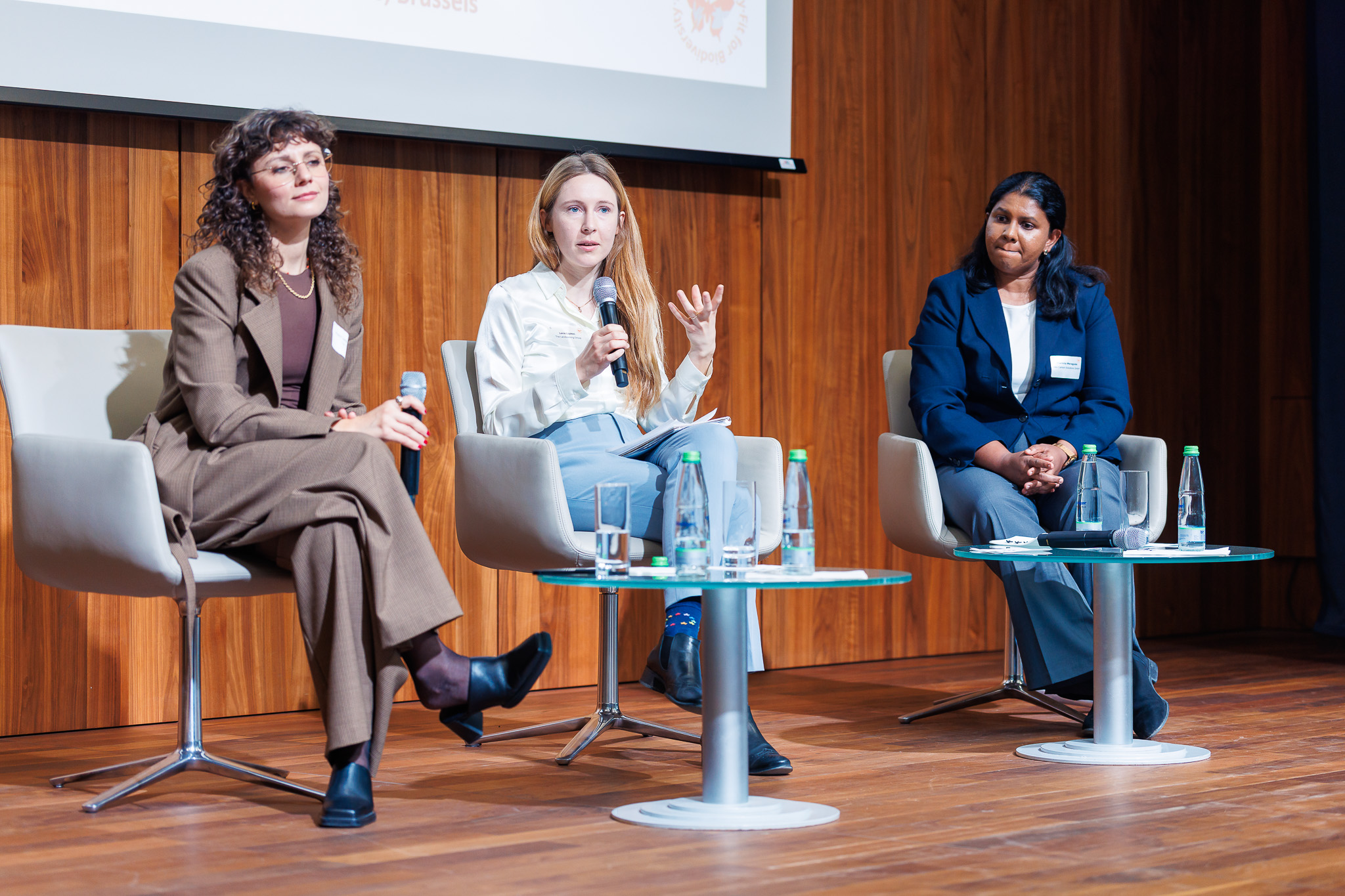
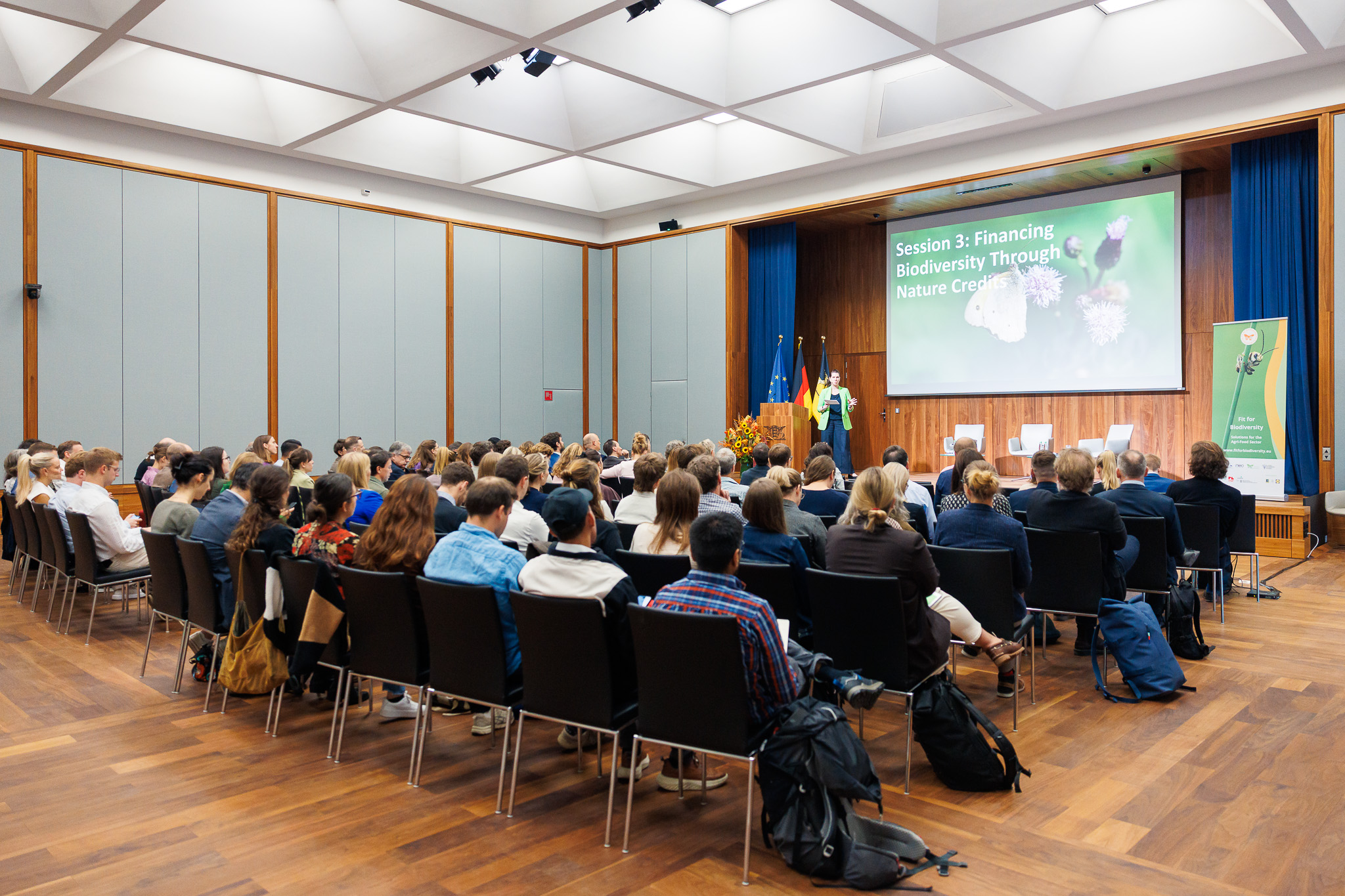
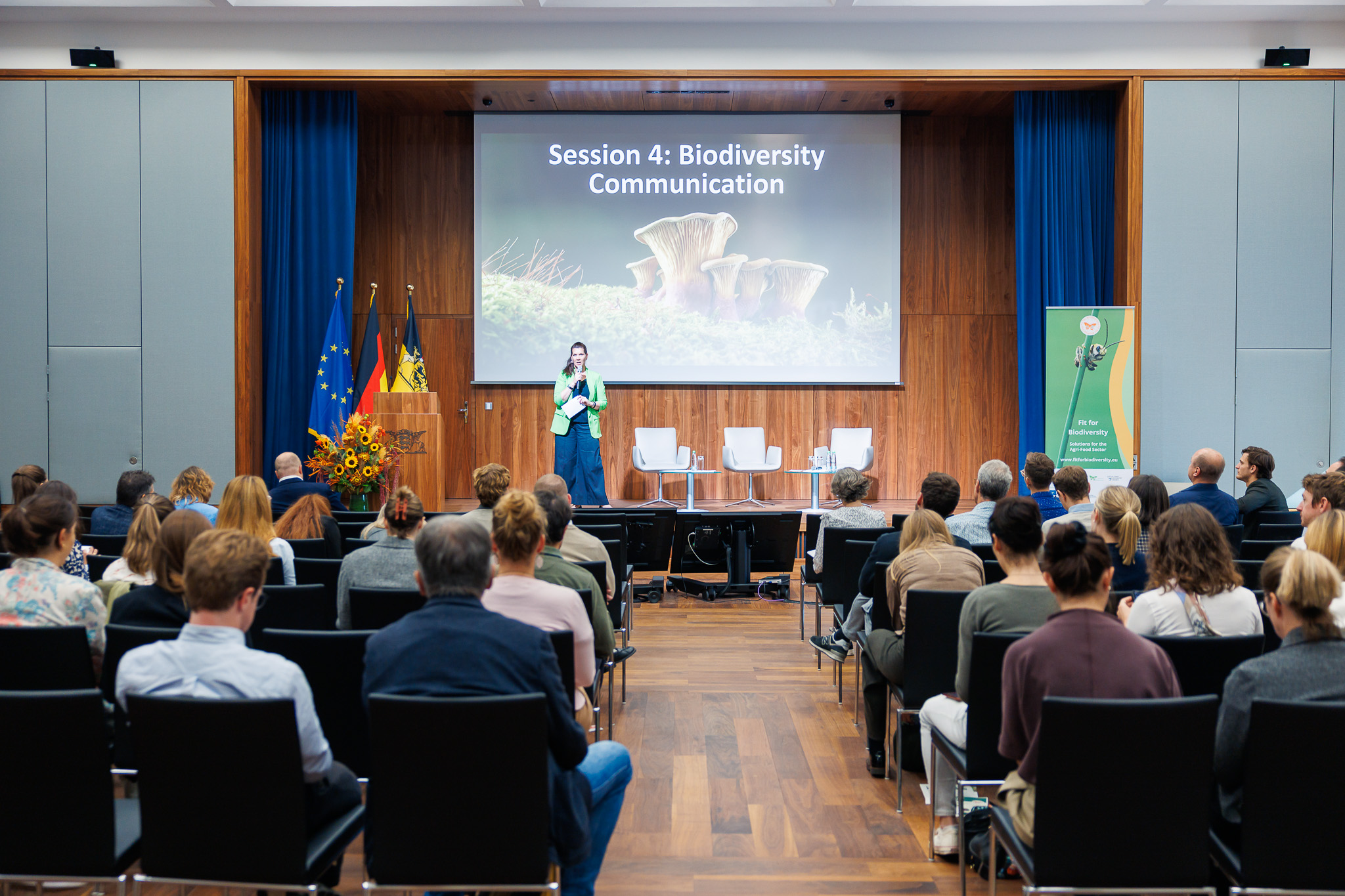
Day 1 · October 6th 2026
13:00 – 20:30-
15:20–16:00 Networking Break
Day 2 · October 7th 2026
09:00 – 13:00-
08:00–09:00 Registration
-
11:00–11:30 Networking Break
-
12:45–13:00 Wrap-Up
Location:
Representation of the State of Baden-Württemberg to the European Union in Brussels, Rue Belliard 60–62, Brussels
Additional information:
The event venue is fully wheelchair accessible. Vegetarian and vegan finger food will be provided.
Organized by:

With financial support from:

Premium Partners:

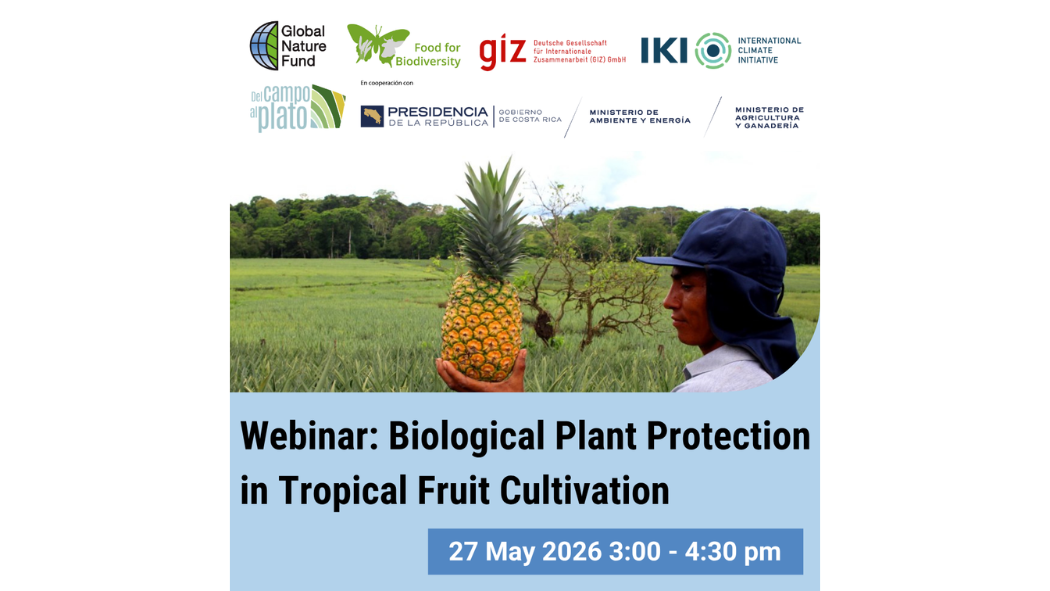
Bioinputs as a Key to Sustainable Agriculture - Insights from our Webinar
Biological — inputs often referred to as bioinputs (Spanish: bioinsumos) — are gaining rapid relevance worldwide. Stricter regulations on chemical pesticides, rising production costs, fertilizer price volatility, and increasing demand for sustainably grown food are driving farmers, companies, and entire value chains to seek alternatives.
Bioinputs offer multiple opportunities: they strengthen soil fertility, enhance natural resilience, and reduce dependency on synthetic inputs—thereby supporting both environmental and economic stability. At the same time, market expectations are rising, with buyers and consumers increasingly seeking products with a lower chemical footprint.
Against this backdrop, we hosted the webinar ” Biological Plant Protection in Tropical Fruit Cultivation – Insights into Research and Practice” on 27 May 2026, organized by GNF, Food for Biodiversity, and GIZ.
Project Insights – Del Campo al Plato (CAP)
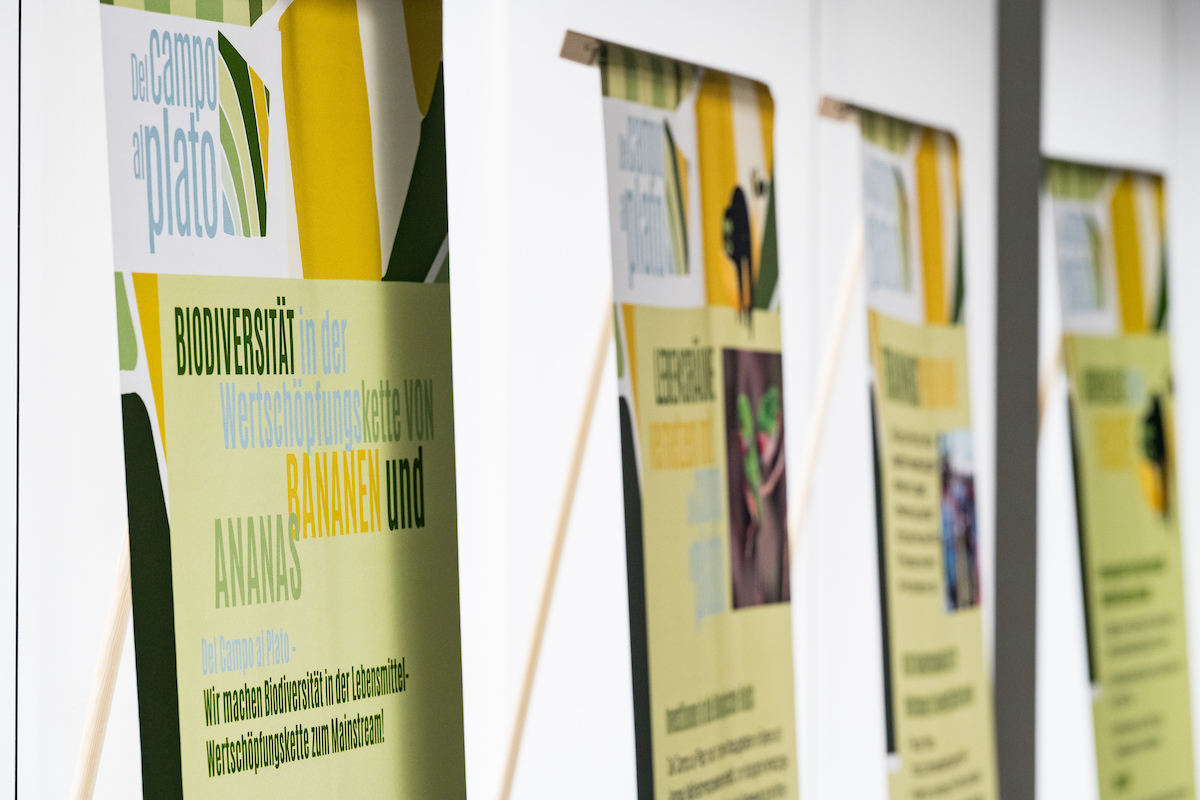
Sussan Morales (GIZ Costa Rica) introduced the Del Campo al Plato (CAP) project, which integrates biodiversity into pineapple and banana value chains in Costa Rica and the Dominican Republic. The project is part of the Biodiversity and Business portfolio and works through public-private partnerships to support companies and other actors in generating impact at farm, national, and international level.
CAP follows a bottom-up approach and includes components such as bioinputs, biodiversity action plans, accelerator programmes, women-led innovation, and financial mechanisms. More than 140 biodiversity action plans are currently under implementation in both countries, alongside 18 projects led by women focusing on bioinputs, circular economy, and biodiversity integration.
Recent developments include the approval of a national bioinput strategy in Costa Rica and the establishment of a dialogue platform on bioinputs in the Dominican Republic. Through these activities, the project supports partners in translating sustainability commitments into concrete measures on the ground.
BIO IMPULSA – Scaling Bioinput Production through the BioImpulsa Accelerator
Juan Carlos Moscoa Dobles (GIZ) presented the BioImpulsa acceleration programme, which aims to scale and support the production and use of biological inputs in pineapple and banana cultivation in Costa Rica and the Dominican Republic. The programme supports up to 12 biofactories and laboratories. Support ranges from technical development and scaling of production processes to strengthening quality control, biosafety, infrastructure, and business models. A strong emphasis is placed on environmental impact, economic viability, and social inclusion, including a gender-responsive approach.
Preliminary findings from Costa Rica show a relatively advanced sector: most biofactories already operate medium-scale facilities, with 67% focusing on microbiological production and over 80% equipped with key production technologies. While biosafety practices are well established, gaps remain in quality control systems and laboratory analysis. Commercialisation also presents opportunities, as many facilities still produce primarily for internal use.
Key challenges include limited infrastructure, equipment, and technical training, alongside strong demand for capacity-building in areas such as bioreactor management. Overall, the sector shows significant potential but requires greater institutional support and knowledge dissemination to scale sustainably.
CENIBiot-CENAT-CENIBiot – Bioles: Advancing Low-Cost and Scalable Bioinputs through Research
Emmanuel Araya Valverde (Centro Nacional de Alta Tecnología, Costa Rica) presented the role and potential of bioles, a fermented liquid bioinput derived from organic residues, as a low-cost solution for more sustainable agriculture. Bioles are already widely used in practice, but often lack standardisation, with significant variability in raw materials, production methods, and quality.
His presentation highlighted ongoing research efforts to better understand and optimise bioles through scientific analysis, standardised protocols, and field validation. Results from multi-year trials in crops such as coffee and lettuce show that bioles, particularly when enriched with nutrients, can achieve yields and product quality comparable to conventional fertilisation, while significantly reducing production costs.
Microbiological and genomic analyses further indicate that bioles contain stable and beneficial microbial communities, including nitrogen-fixing and phosphorus-solubilizing organisms, without introducing harmful pathogens. Importantly, results across different production batches show a high degree of reproducibility when production protocols are controlled.
Despite this strong potential, key challenges remain, including the need for standardisation, improved quality control, and deeper scientific characterisation of bioactive components. Overall, bioles were presented as an accessible and scalable innovation with high relevance for smallholder systems, offering a promising pathway to reduce dependence on synthetic inputs while supporting productive and sustainable farming systems.
SOS Carbon – From Invasive Seaweed to Sustainable Agricultural Inputs
Elena Martinez (SOS Carbon) presented an innovative approach to transforming invasive seaweed into sustainable agricultural inputs, highlighting the strong interlinkages between marine and land-based ecosystems. Large-scale seaweed blooms, driven by climate change and nutrient runoff, pose significant environmental and economic challenges, but also represent an underutilised resource.
SOS Carbon has developed a value chain that harvests invasive seaweed and upcycles it into bio-based agricultural products, particularly biostimulants. Using patented systems that retrofit existing fishing vessels, the approach combines environmental remediation with local job creation. The harvested biomass is treated as a valuable raw material, enabling the extraction of bioactive compounds such as amino acids, polysaccharides, and phytohormones that enhance plant growth and resilience.
Field trials across various crops demonstrate significant benefits, including higher yields, improved product quality, and increased tolerance to stress conditions such as drought or high radiation. Results also indicate the potential to substantially reduce, and in some cases replace, synthetic fertilisers while maintaining or improving productivity.
By addressing both the supply challenge of sustainable raw materials and the need for effective alternatives to conventional inputs, the approach offers a circular and scalable solution. Overall, the presentation highlighted the strong potential of marine-based bioinputs to support more resilient and sustainable agricultural systems.
IBMA – Biocontrol – Insights into Research & Practice
Brigitte Kranz (International Biocontrol Manufacturers Association, IBMA) provided an overview of the role, potential, and challenges of biocontrol solutions in Europe. Biocontrol refers to products of natural origin, including microorganisms, beneficial insects, and pheromones and is already well established in high-value crops such as fruits and vegetables, particularly in protected cultivation systems.
Her presentation highlighted that the uptake of biocontrol is often driven by external pressures, such as pesticide resistance or residue concerns. A key example is the rapid transition in Almería, Spain, where pesticide scandals and resistance issues led to a large-scale shift towards biological pest control within a few years.
While biocontrol has achieved strong success in certain sectors, its adoption in arable farming remains limited due to higher costs, lower margins, and a lack of established farming practices adapted to biological solutions. Expanding its use therefore requires not only new products but also systemic changes in farming approaches, including integrated pest management and knowledge transfer.
Despite increasing research activity and a growing number of biological active substances, regulatory barriers remain a major challenge in the EU. Lengthy and complex approval procedures slow down market access and innovation compared to other regions. Overall, the presentation underscored that while Europe has strong foundations for biocontrol, enabling policies and faster authorisation processes will be crucial to fully realise its potential.
Conclusion
The transition to bioinputs continues to move from vision to practice. This year’s webinar highlighted not only the growing relevance of biological alternatives, but also the concrete progress being made in scaling their production, application, and integration into agricultural value chains. Bioinputs are increasingly recognized as a key component of resilient farming systems, supporting soil health, reducing dependency on synthetic inputs, and strengthening long-term sustainability.
At the same time, discussions made clear that the transition requires coordinated efforts across the entire value chain. From research and innovation to enabling policies and market incentives, stakeholders must work together to create the conditions in which bioinputs can reach their full potential. In particular, producers, especially smallholders, continue to need targeted support, capacity building, and access to knowledge and financing.
If you would like to stay informed about future events, webinars, and knowledge exchanges on biological inputs and sustainable agricultural practices, you can sign up via our Microsoft Form.
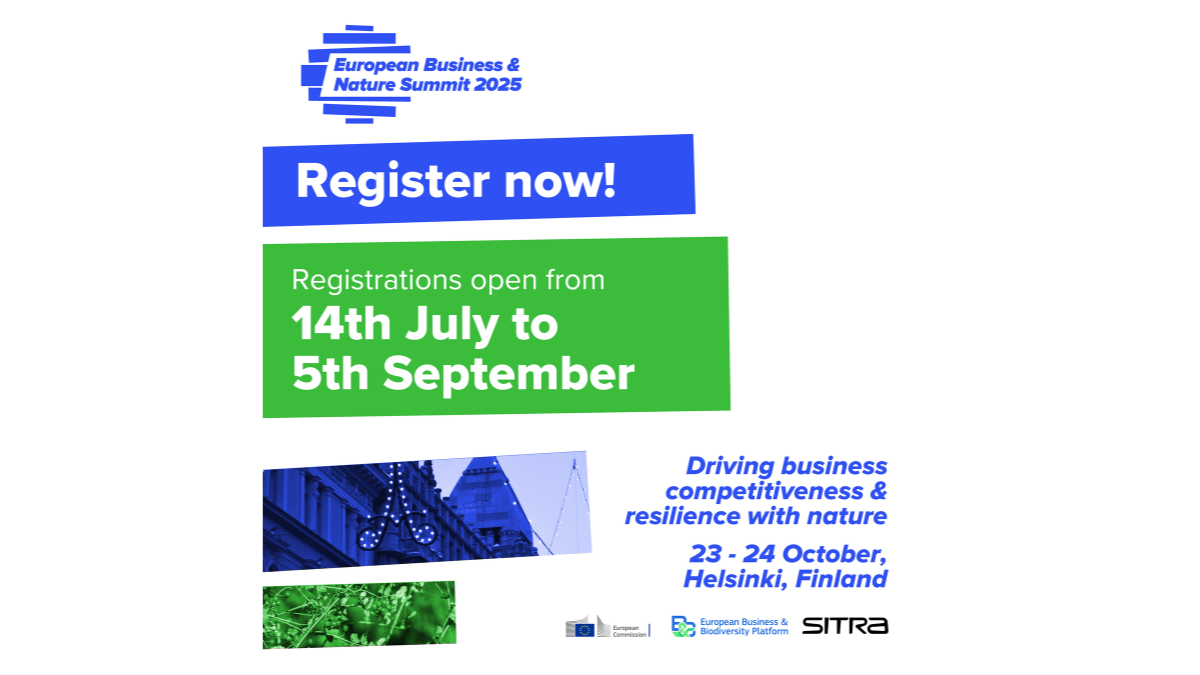
European Business & Nature Summit 2025
On October 23 and 24, 2025, the European Business & Nature Summit will take place in Helsinki.
Organized by the EU Business & Biodiversity Platform and co-hosted by Sitra, the Finnish Innovation Fund, the summit brings together leaders from business and finance.
The focus: concrete measures for integrating nature and biodiversity into corporate strategies – from effective biodiversity management to innovative financing and nature-positive transformation.
Further information will follow on the website of the EU Business & Biodiversity Platform
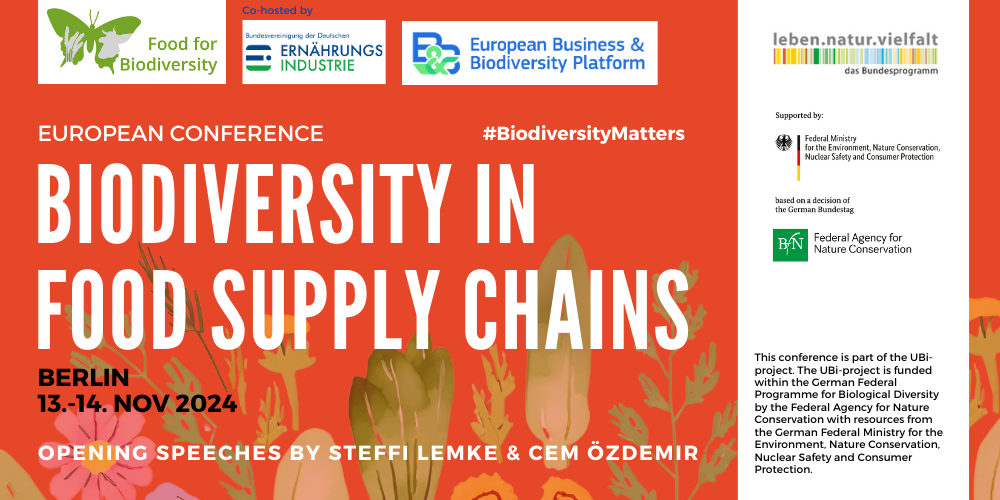
13. - November 14, 2024 European Conference – Biodiversity in Food Supply Chains
European Conference"Biodiversity in Food Supply Chains"
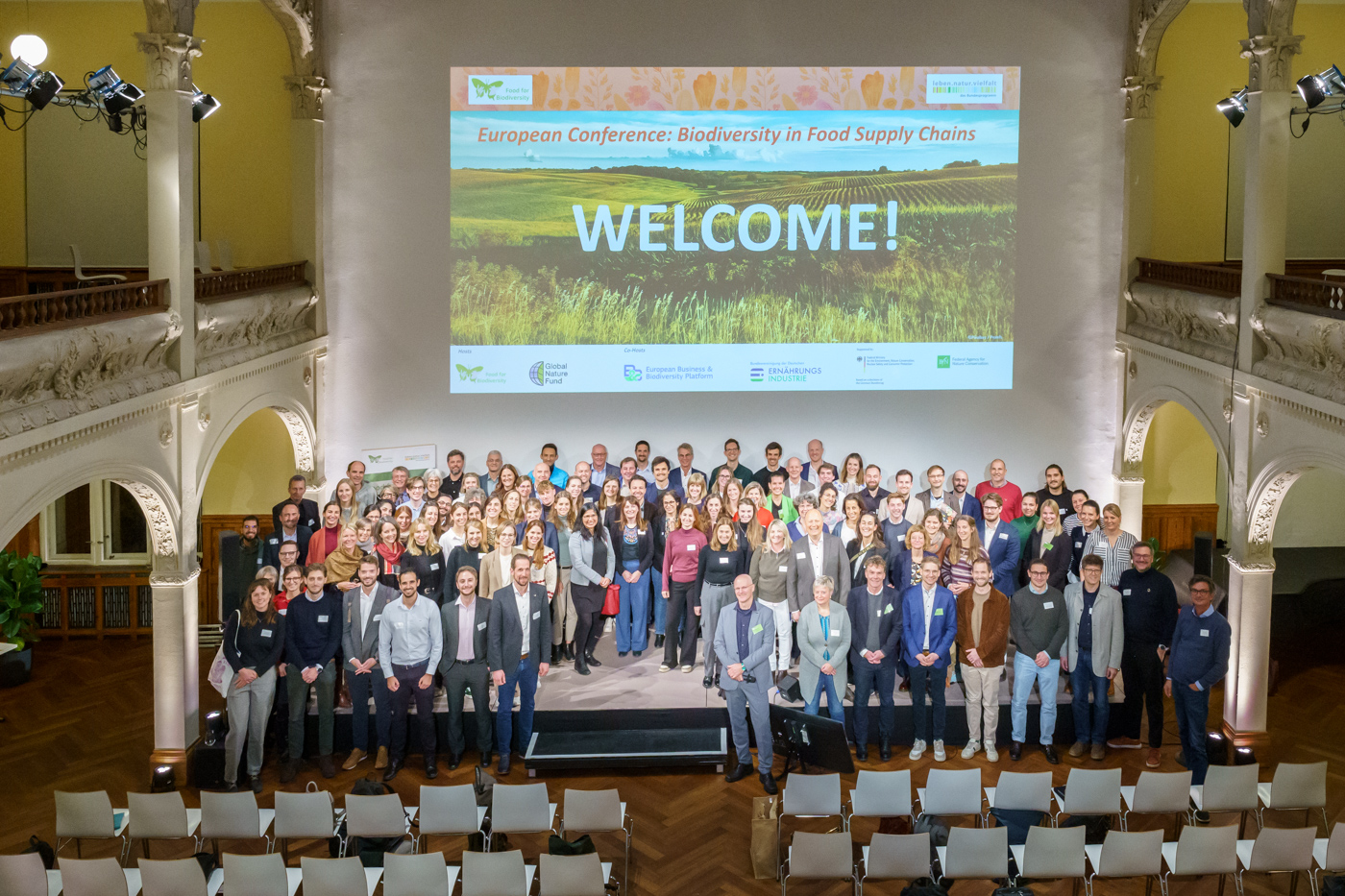
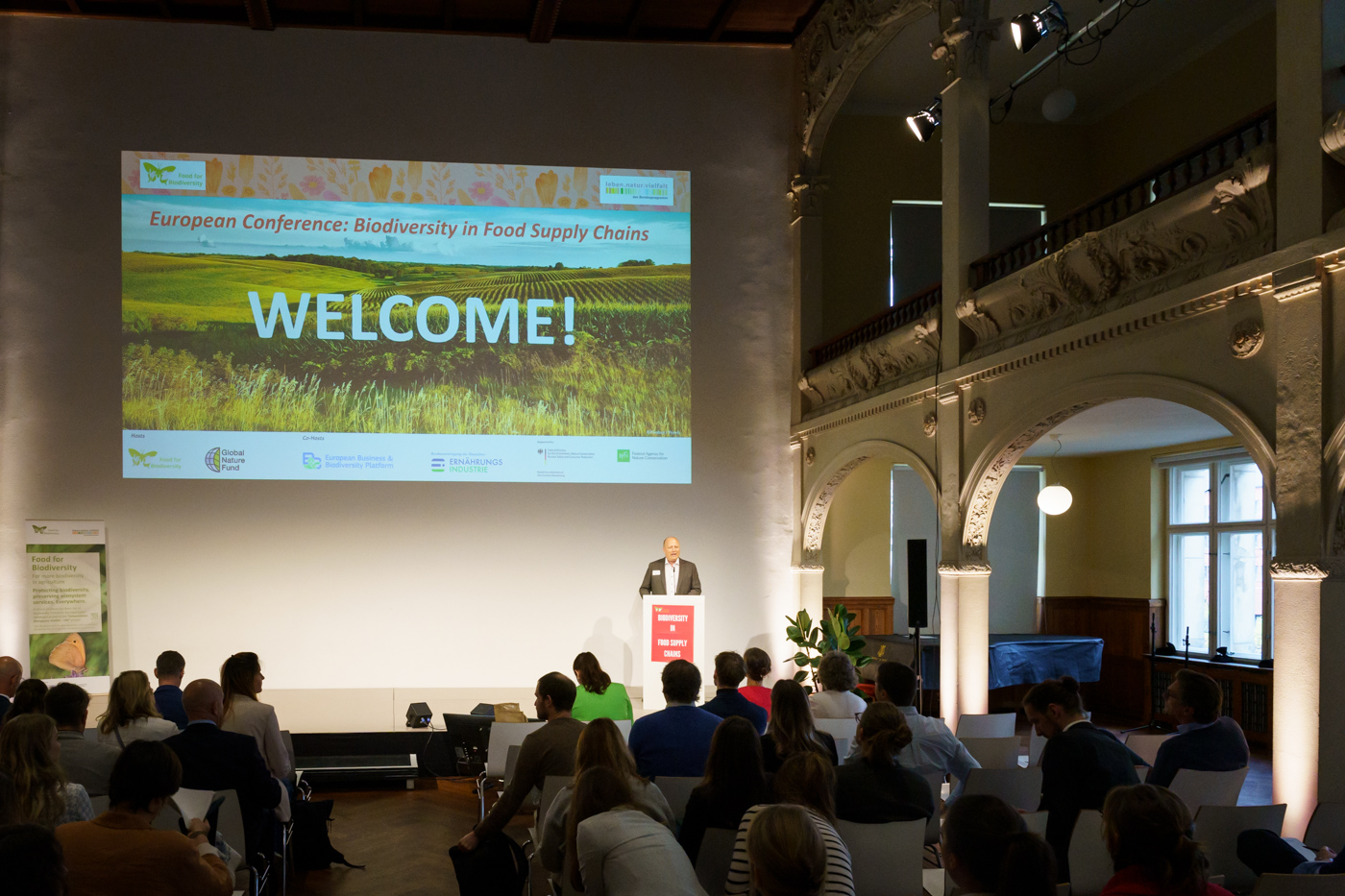
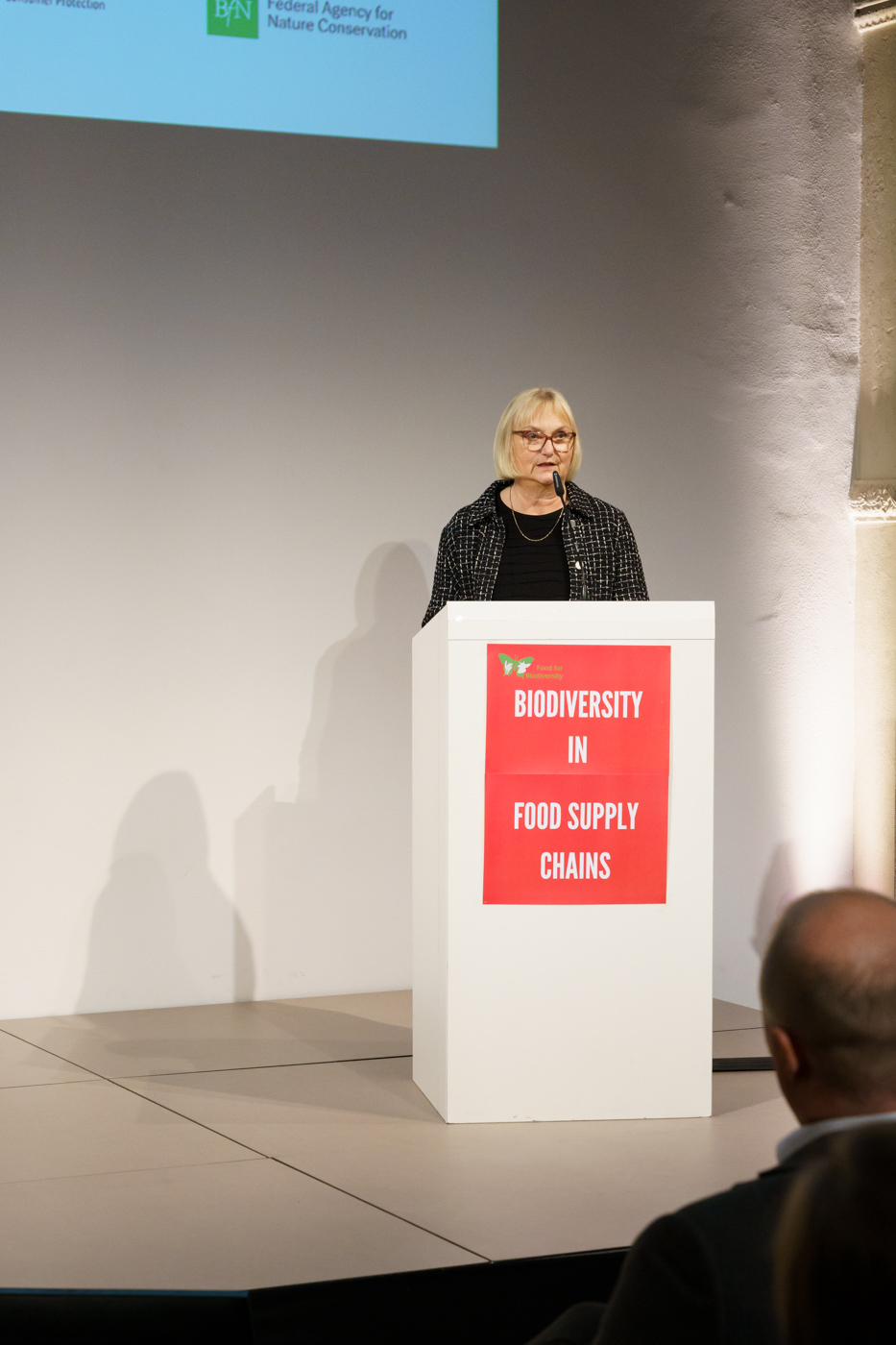
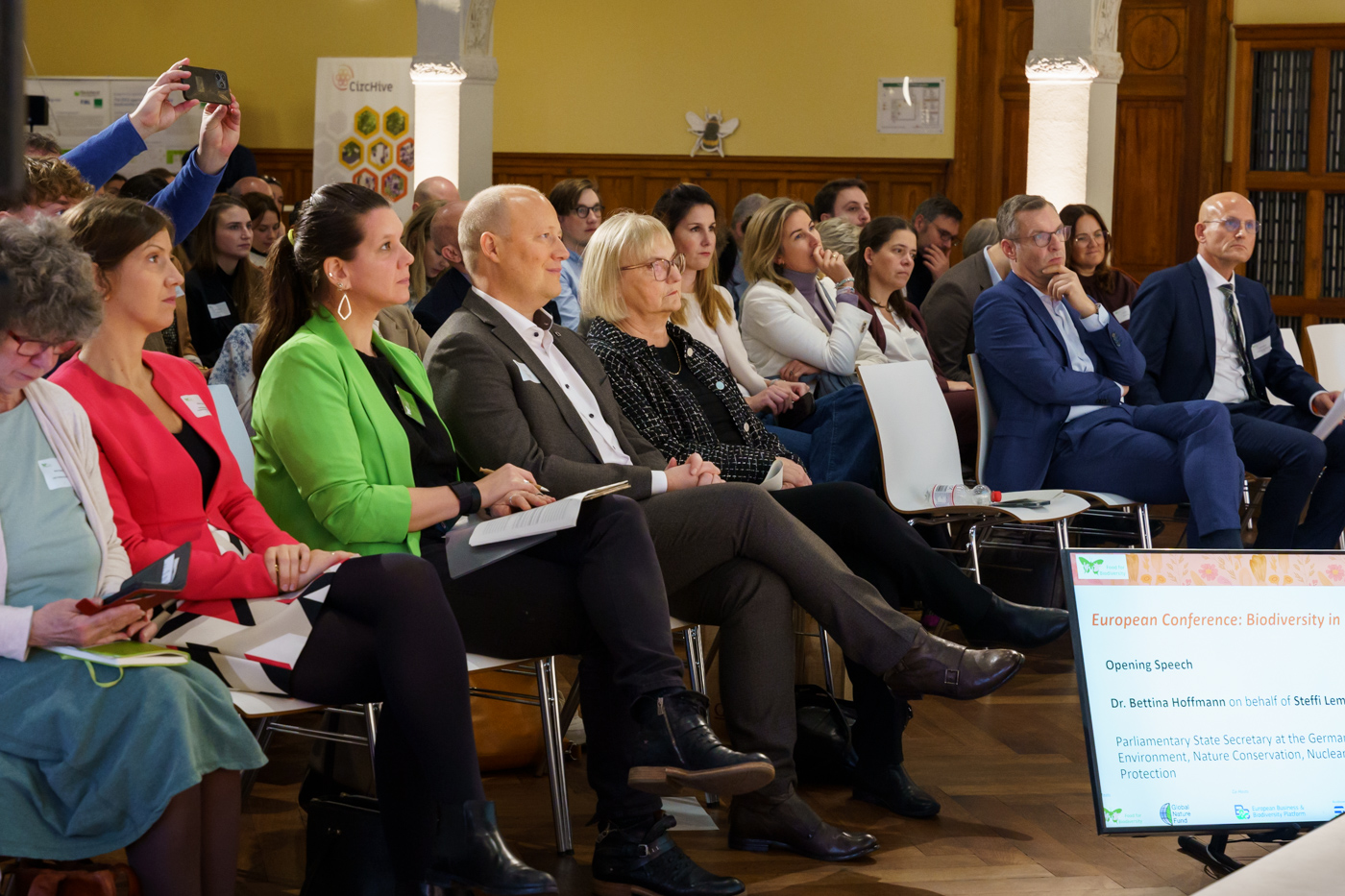
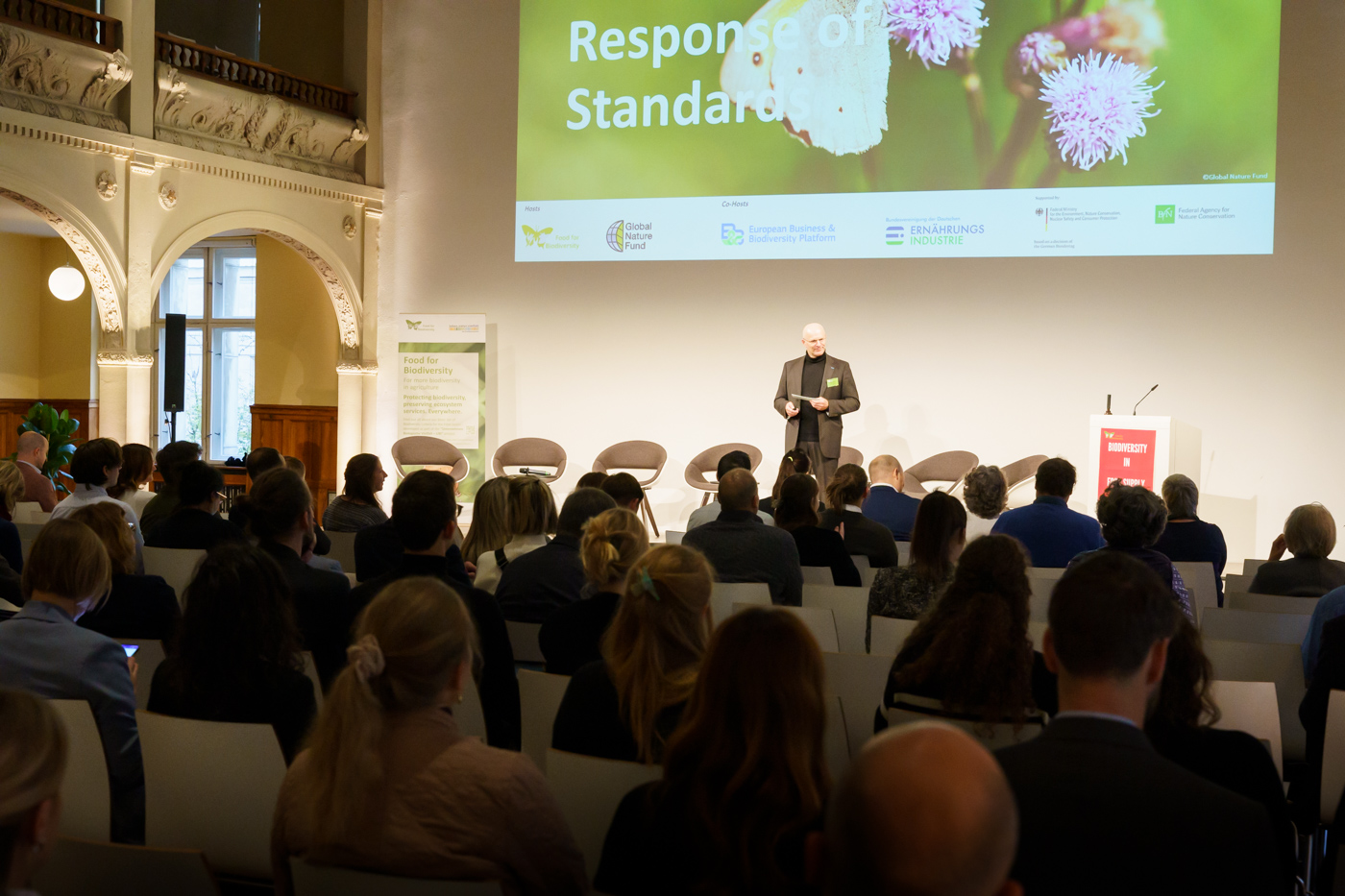
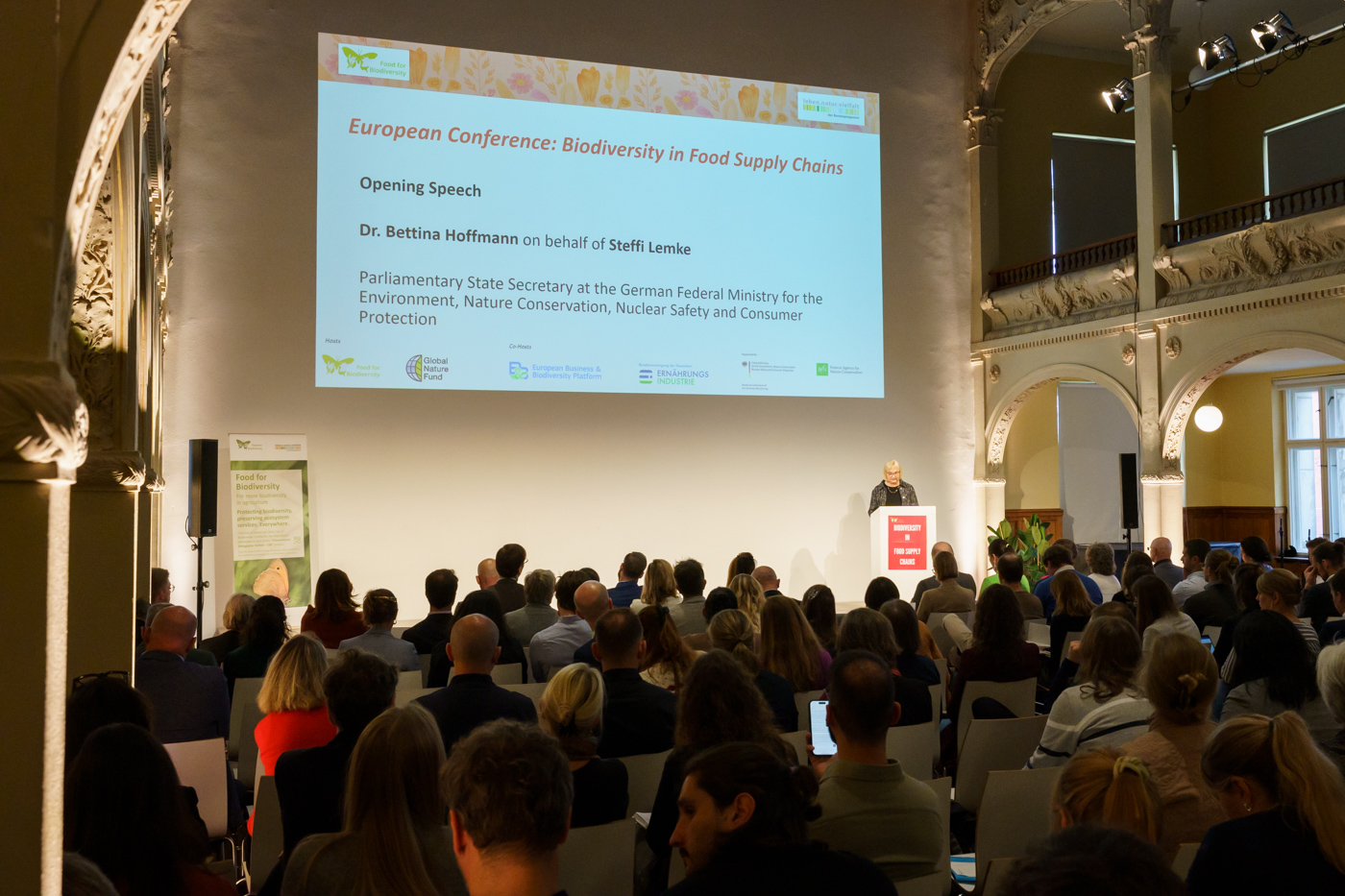
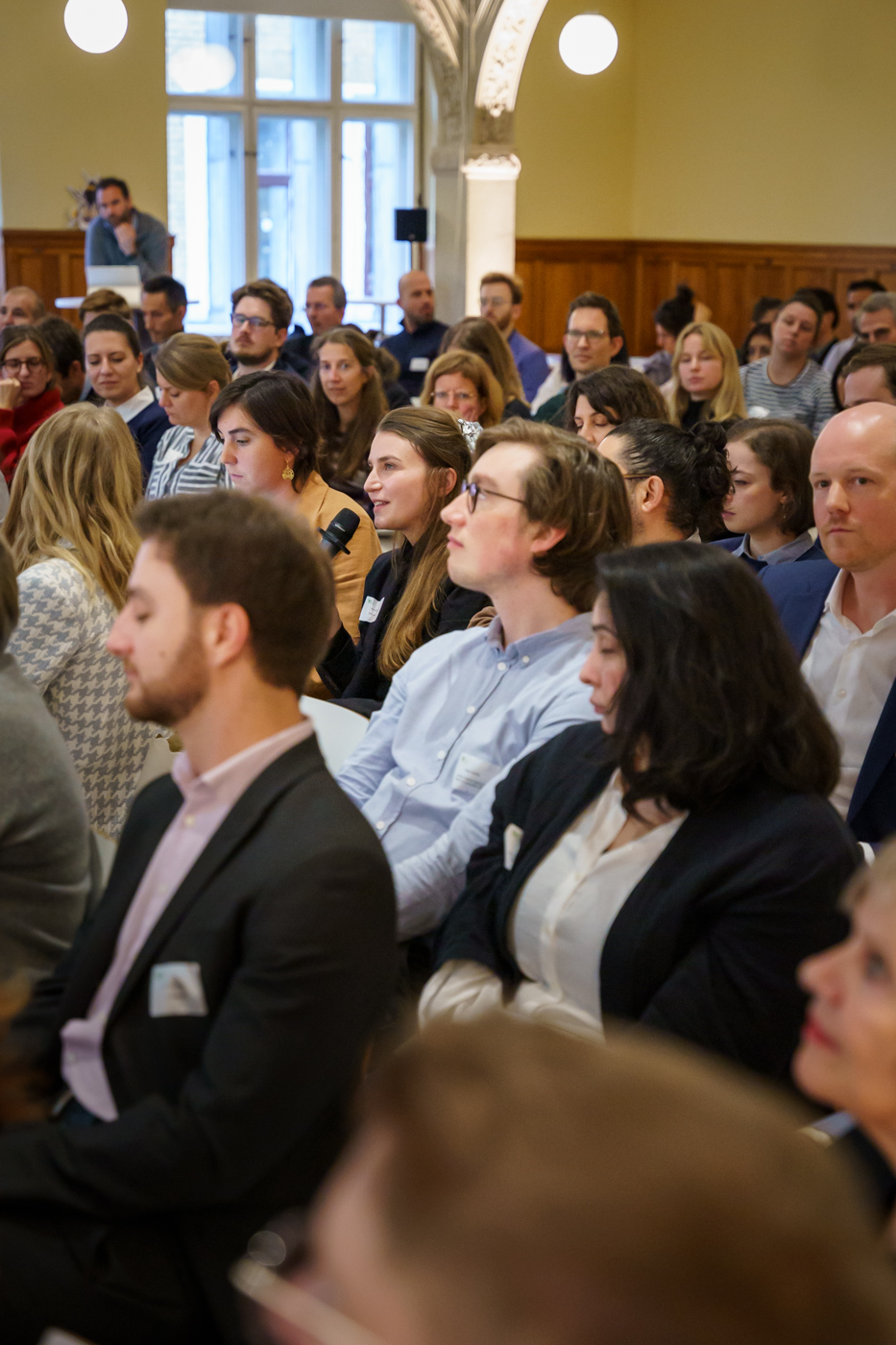
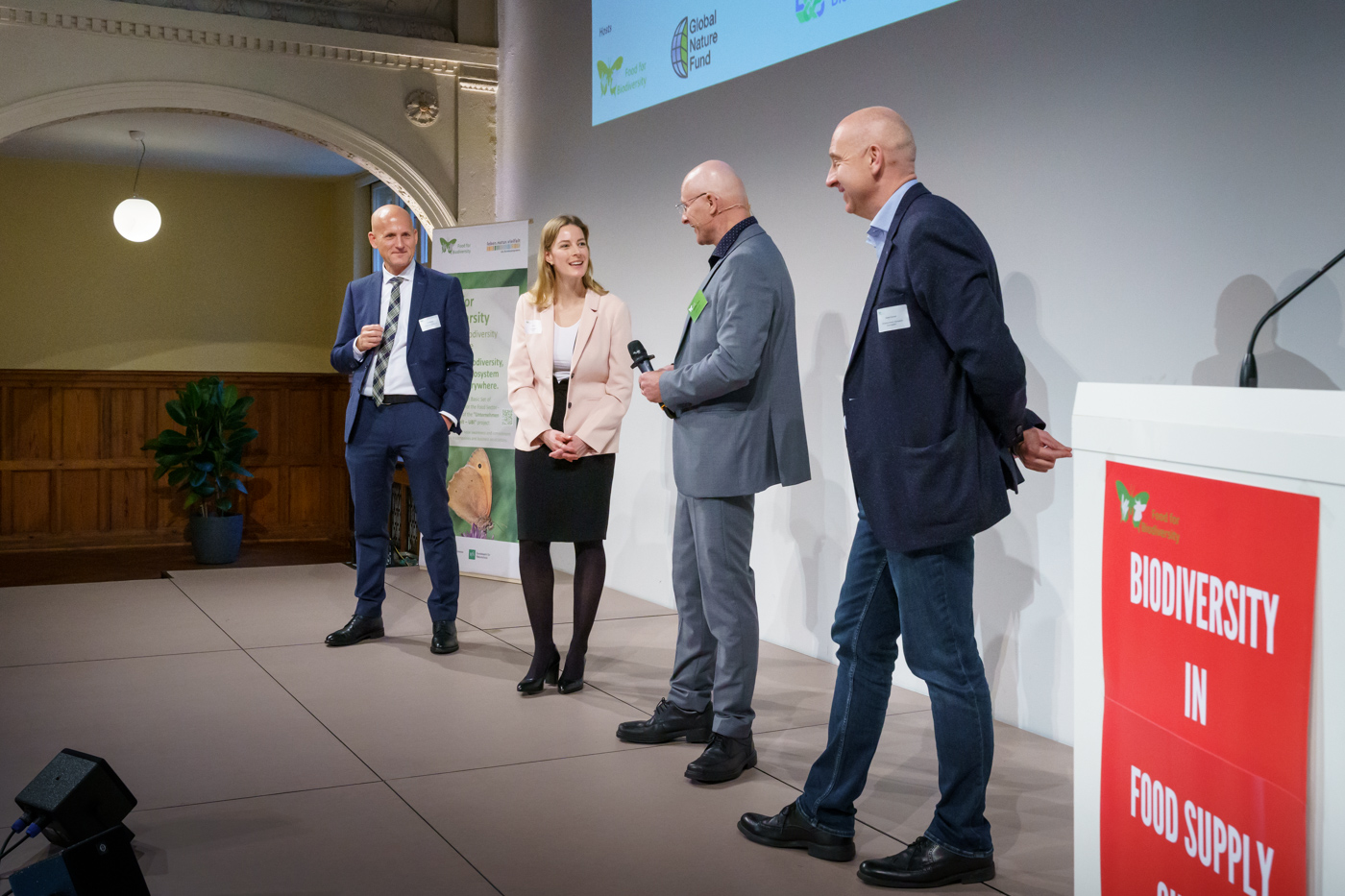
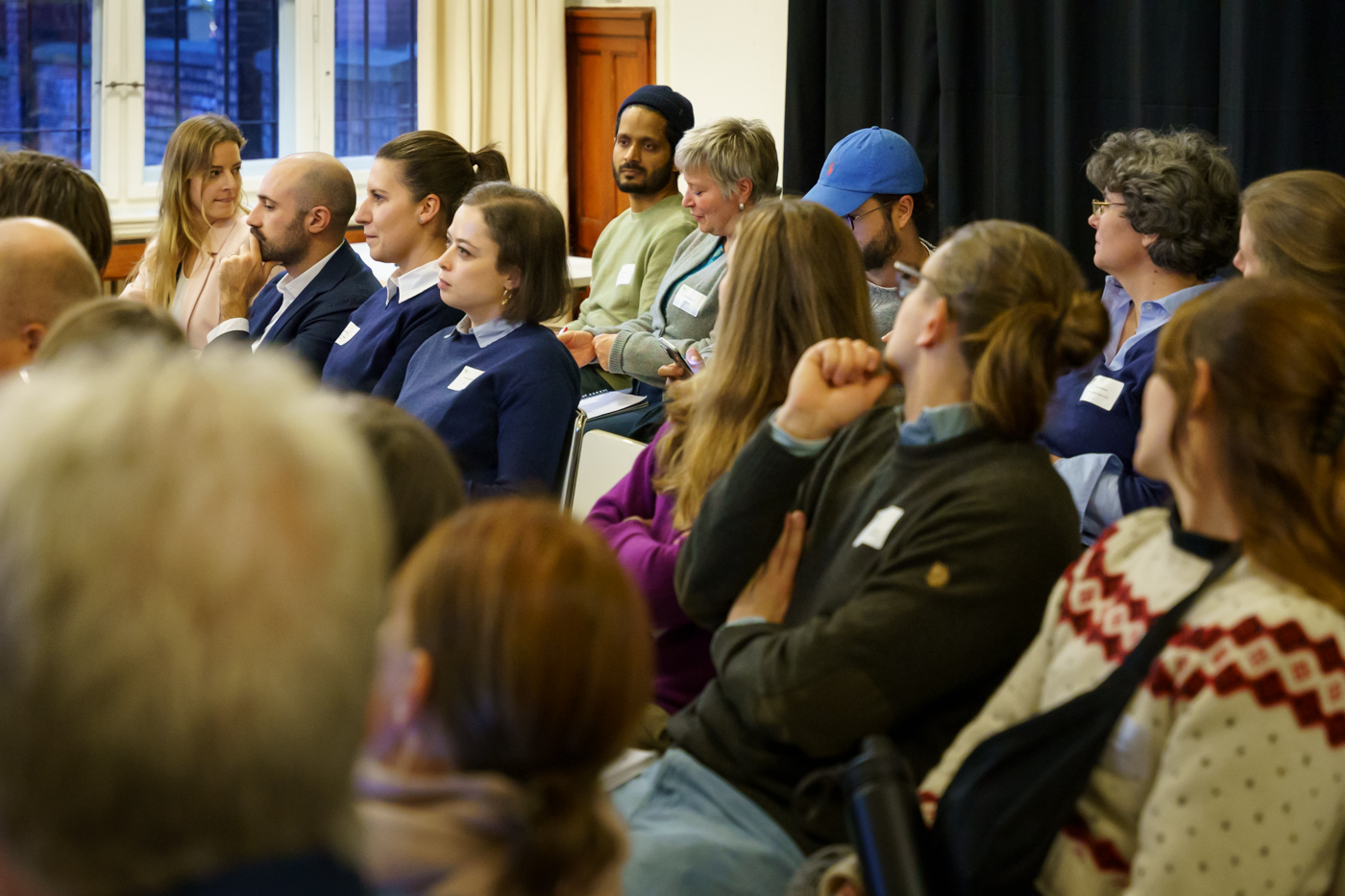
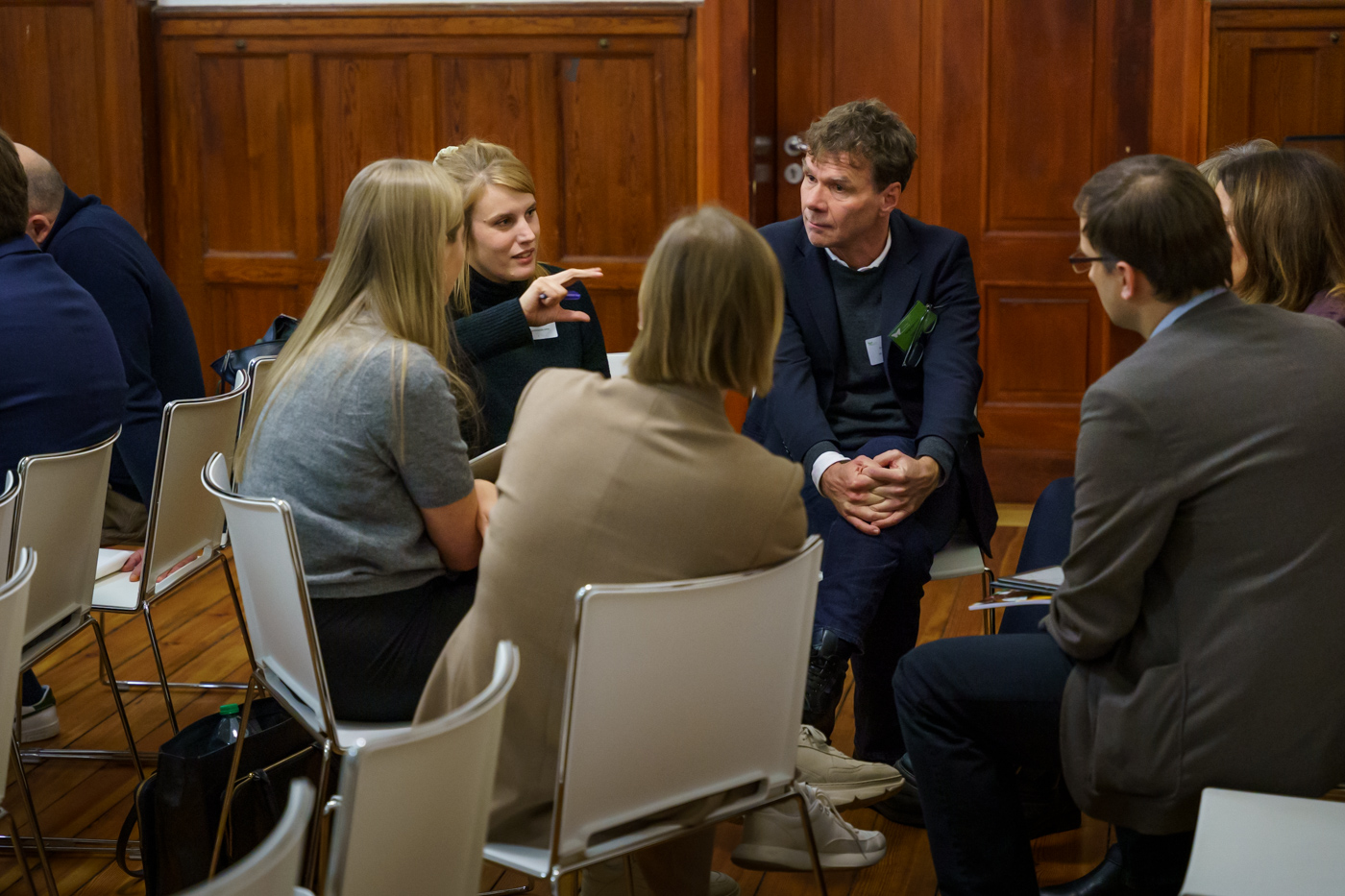
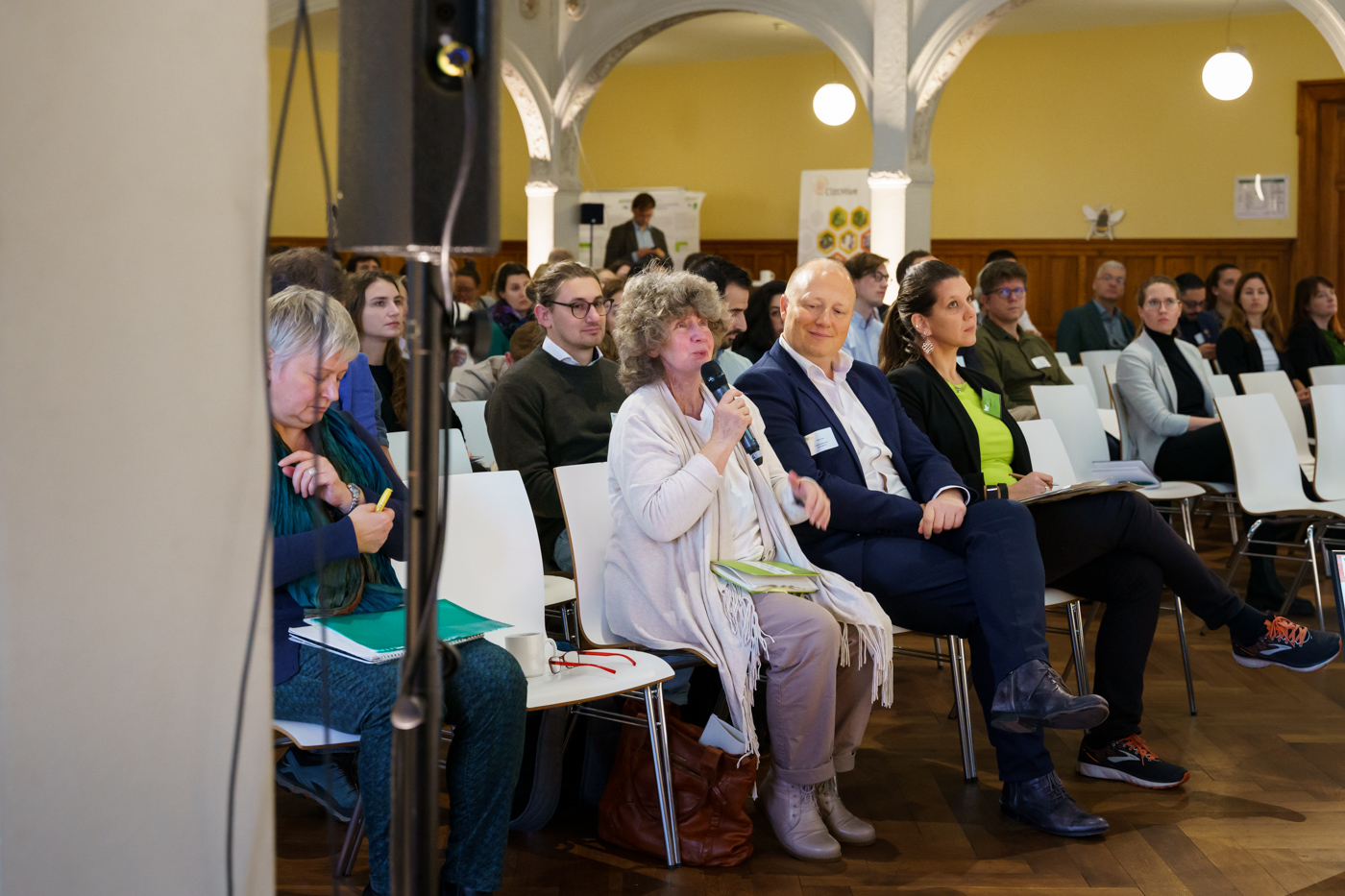
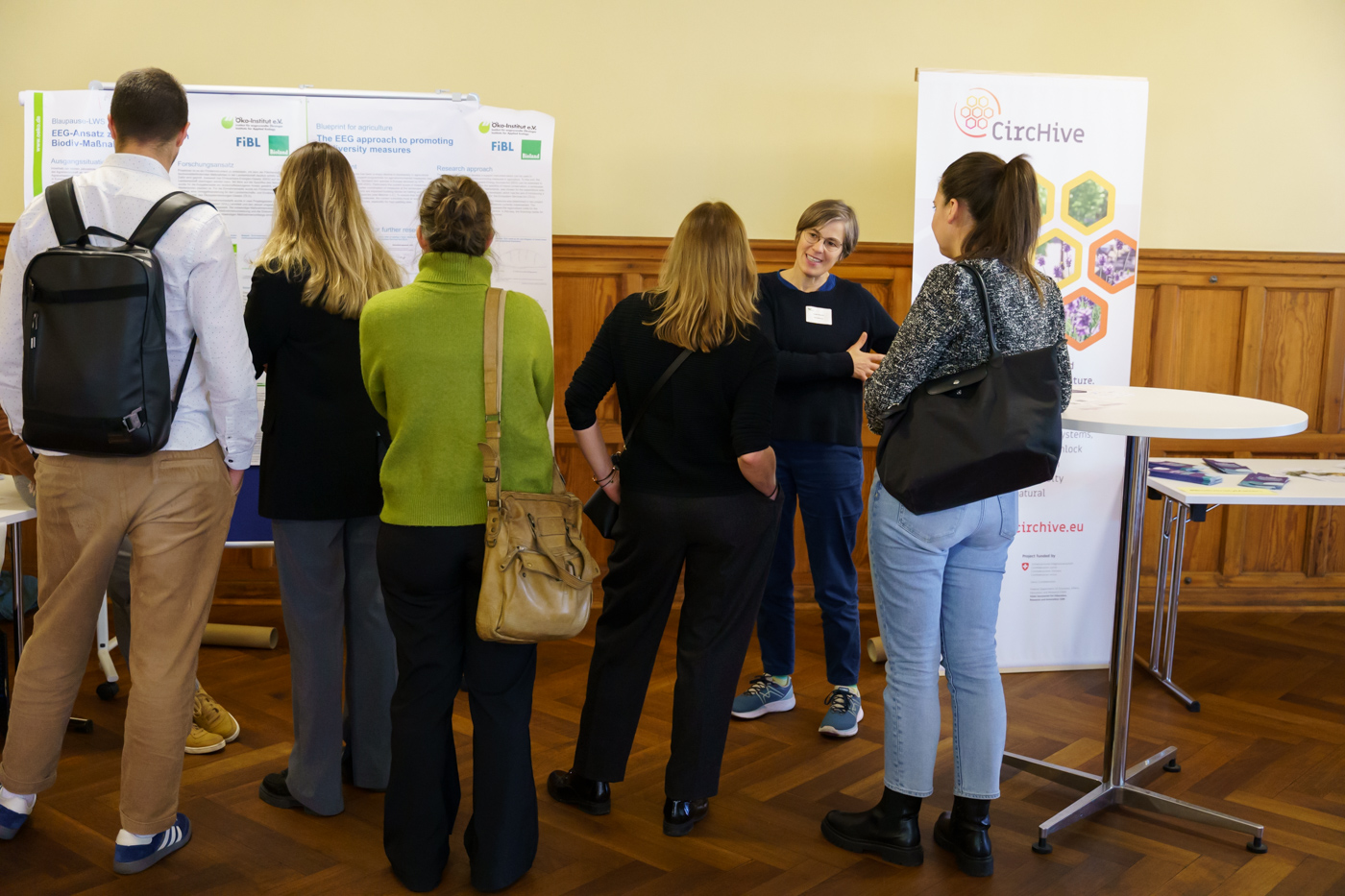
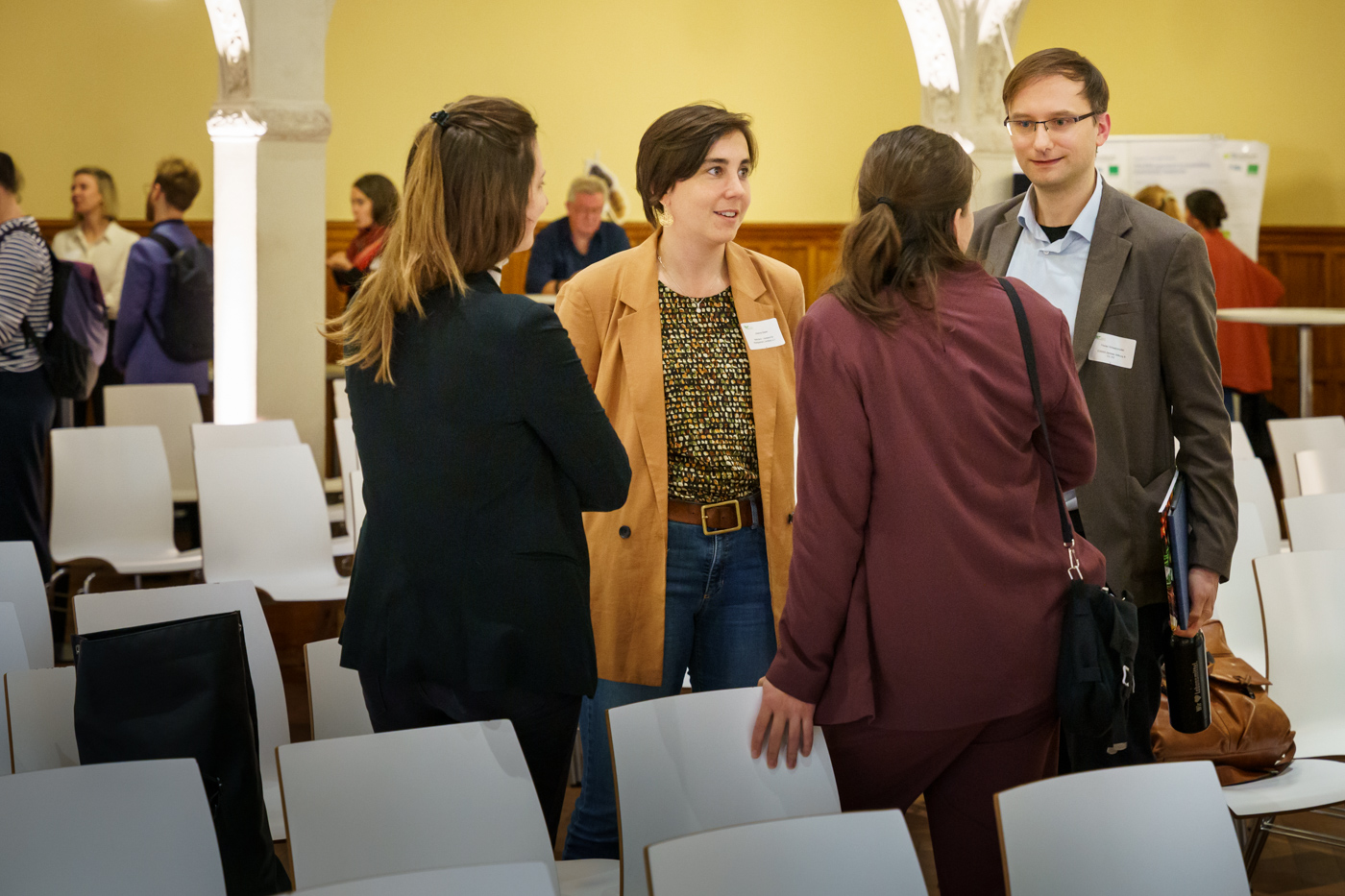
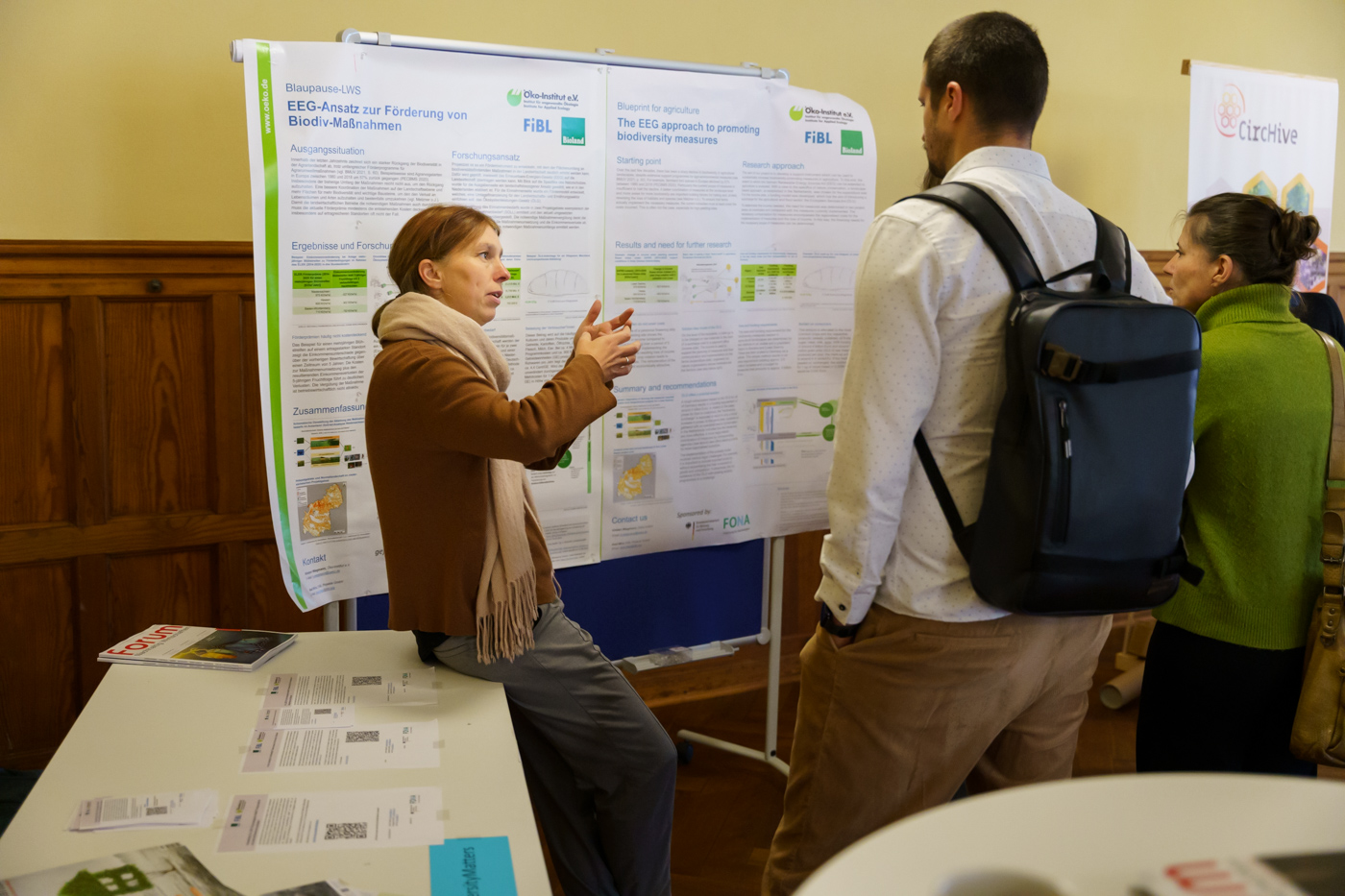
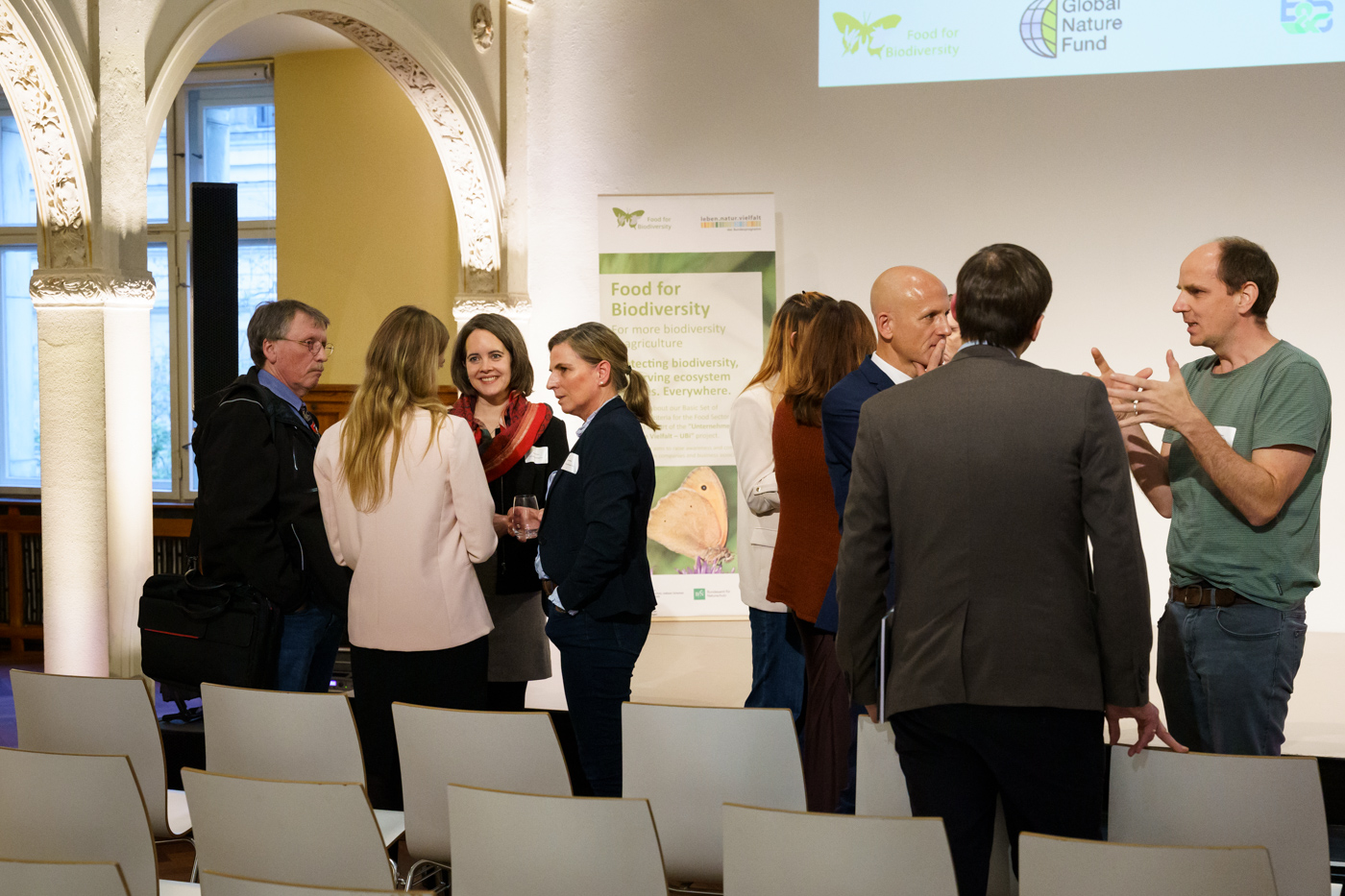
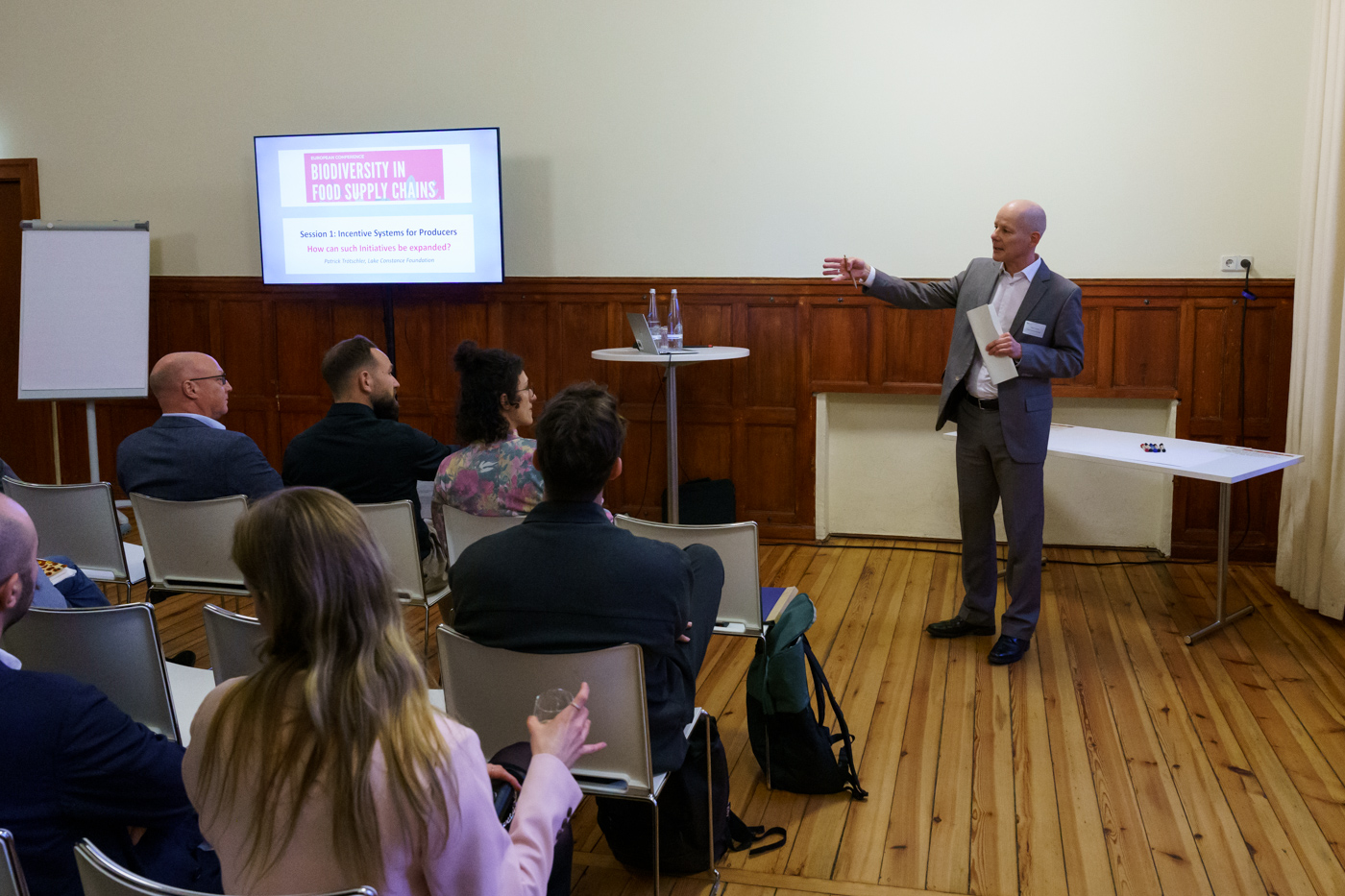
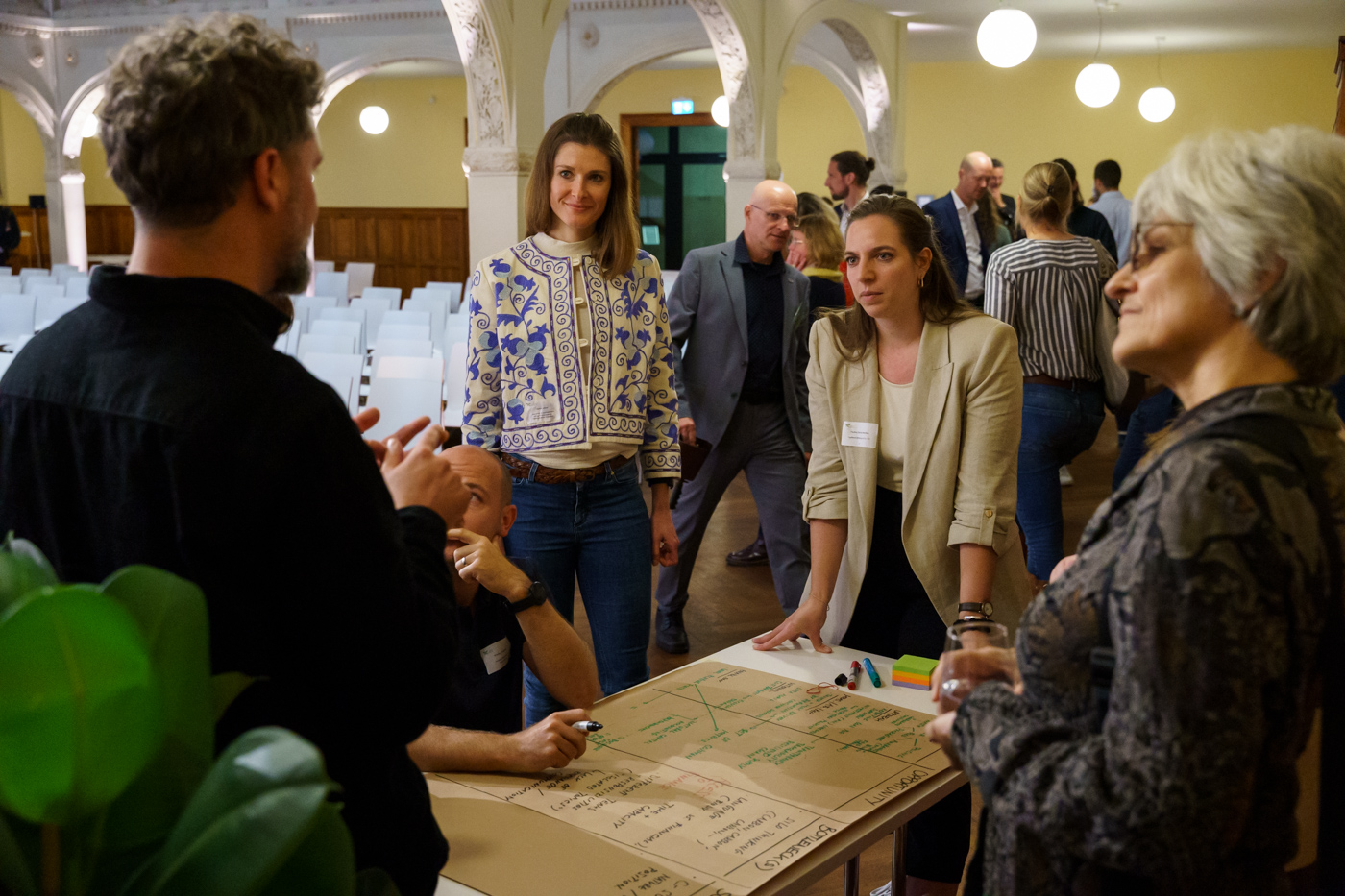
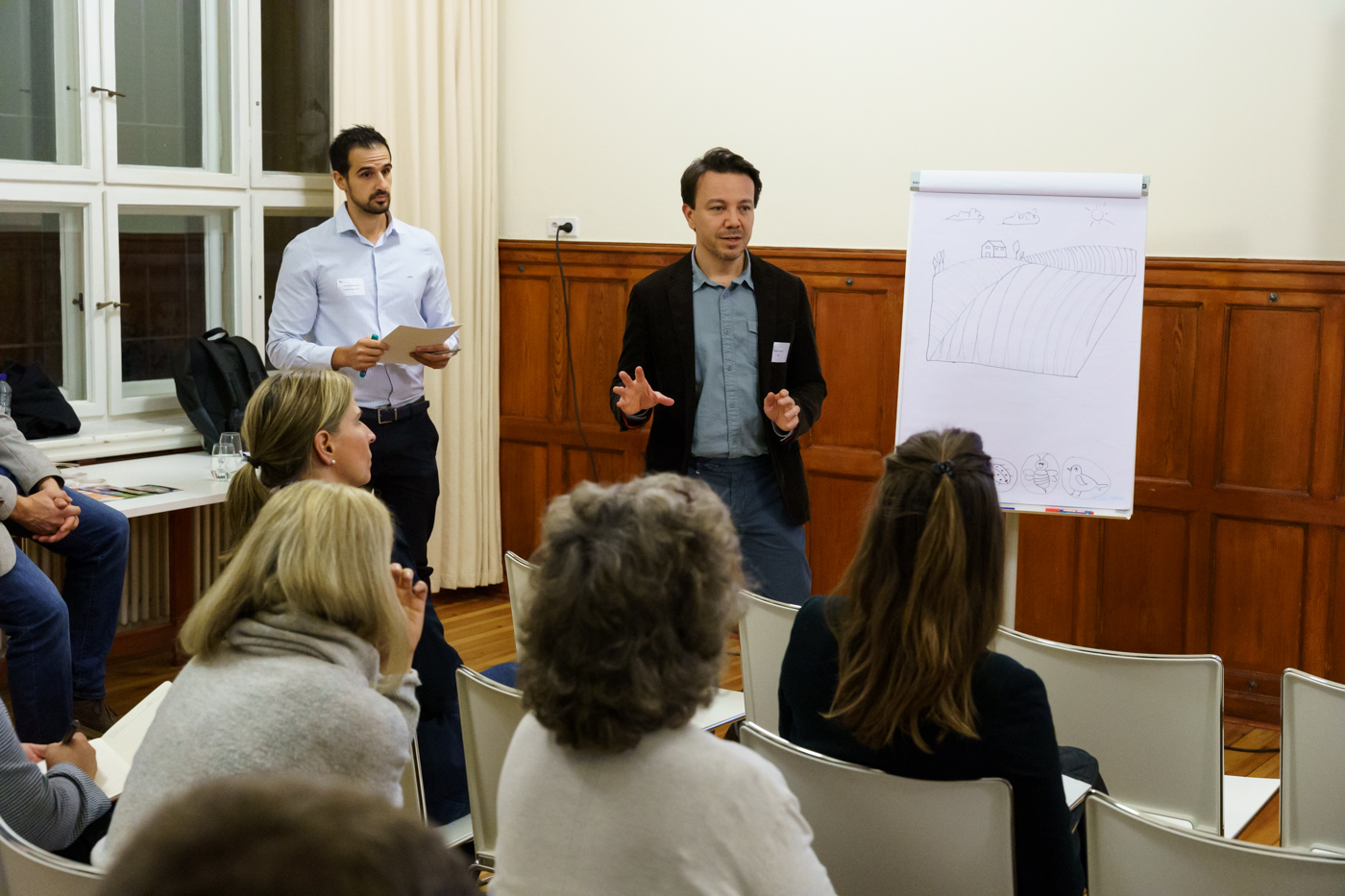
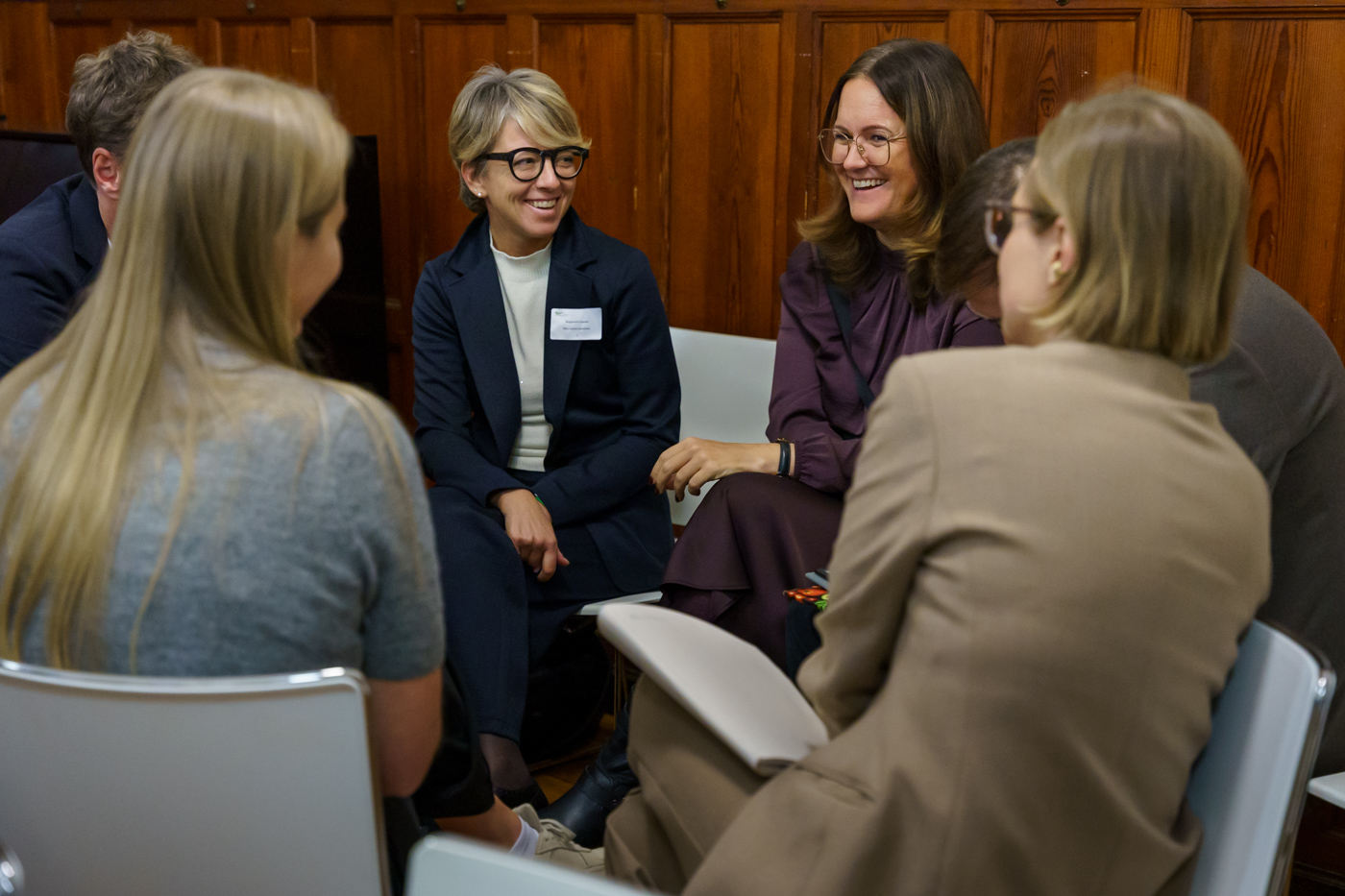
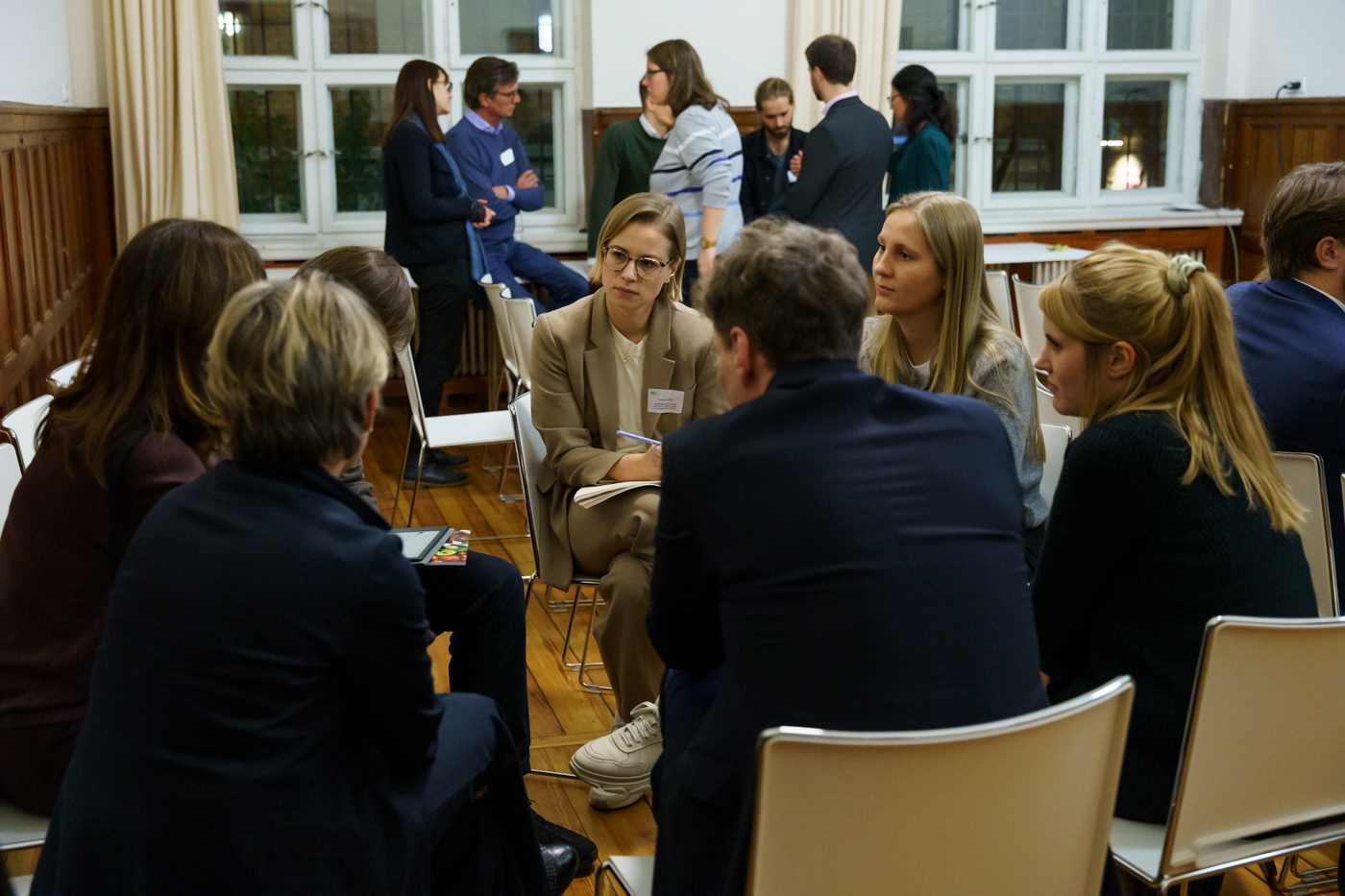
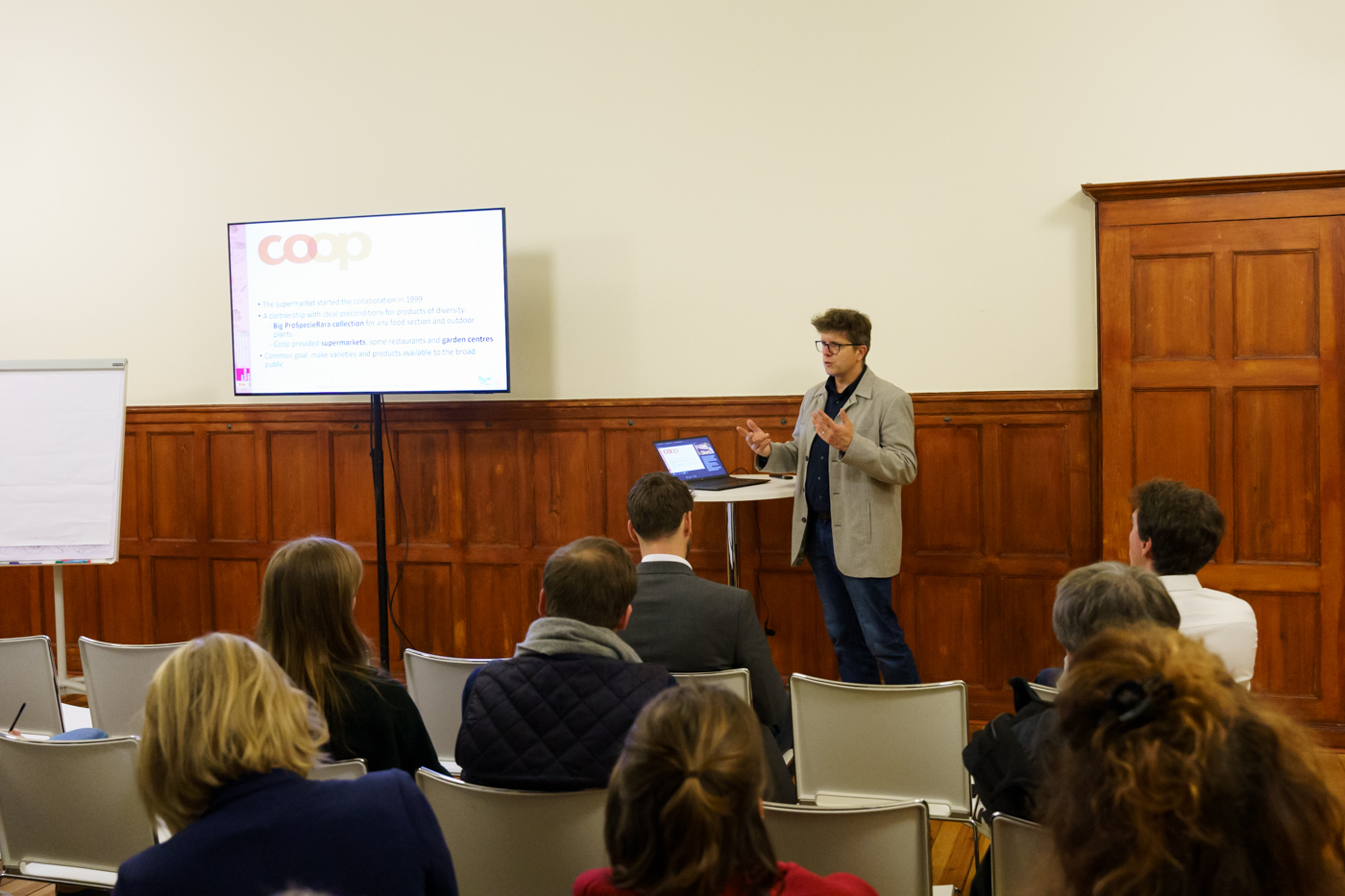
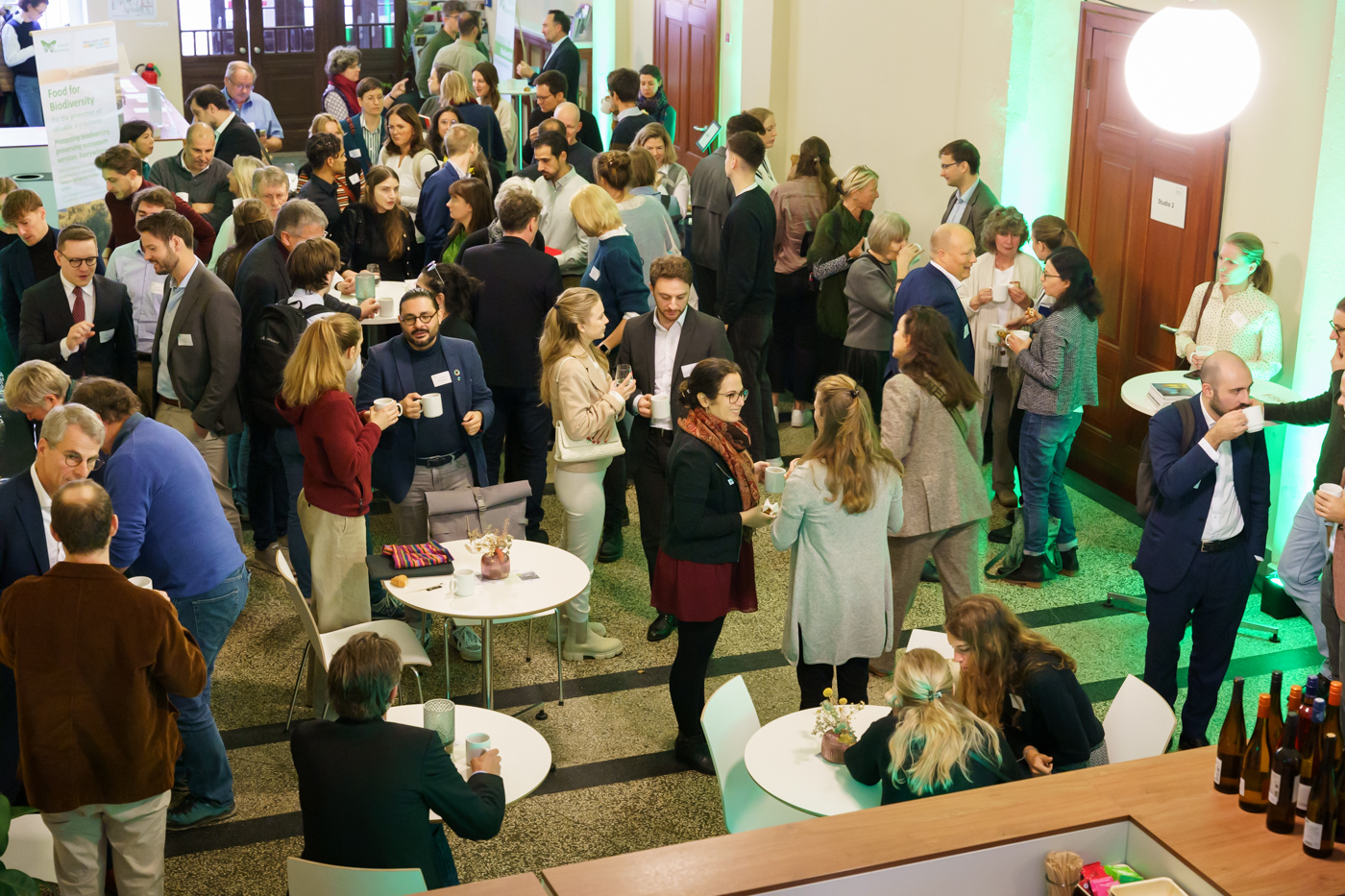
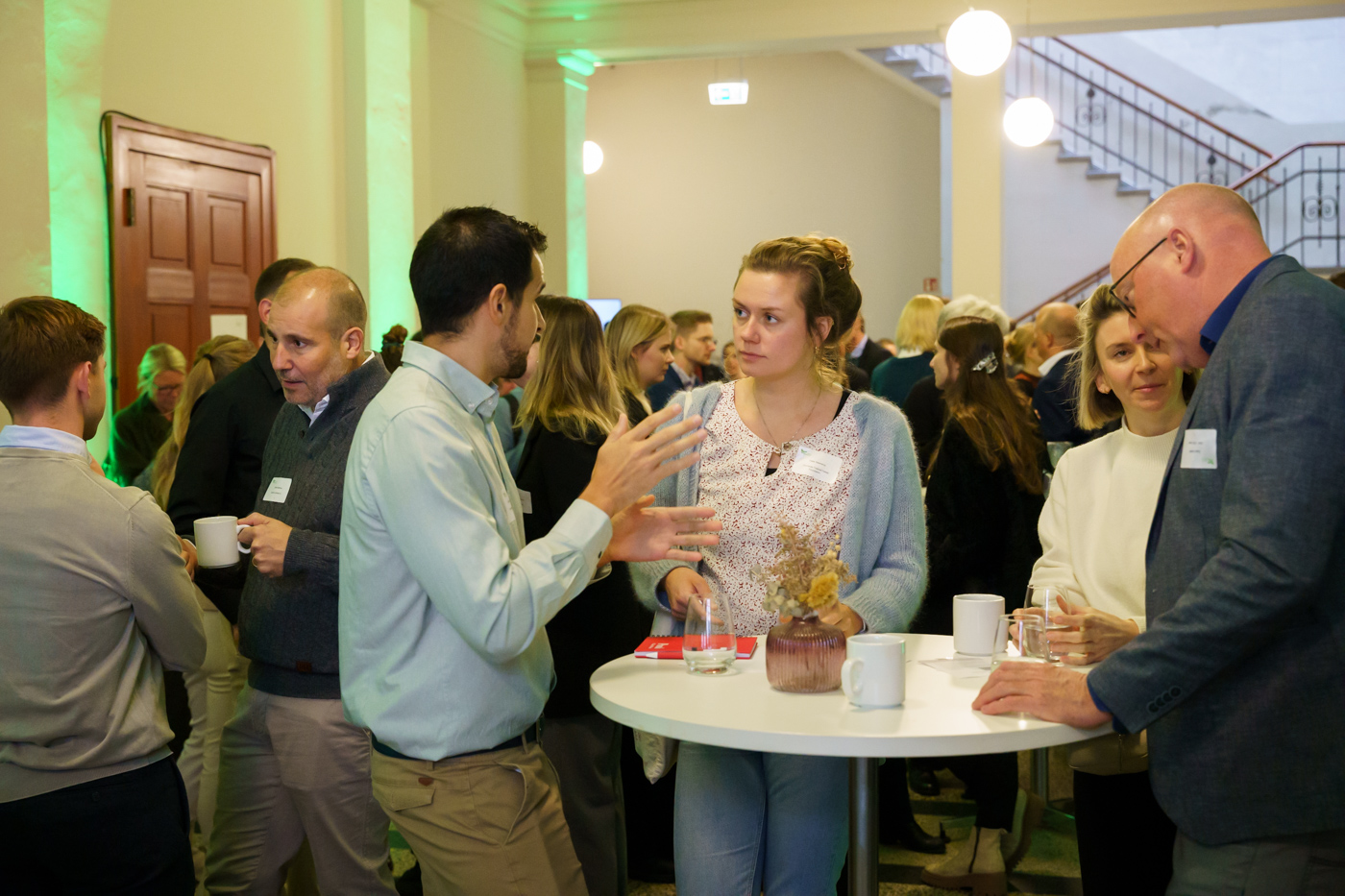
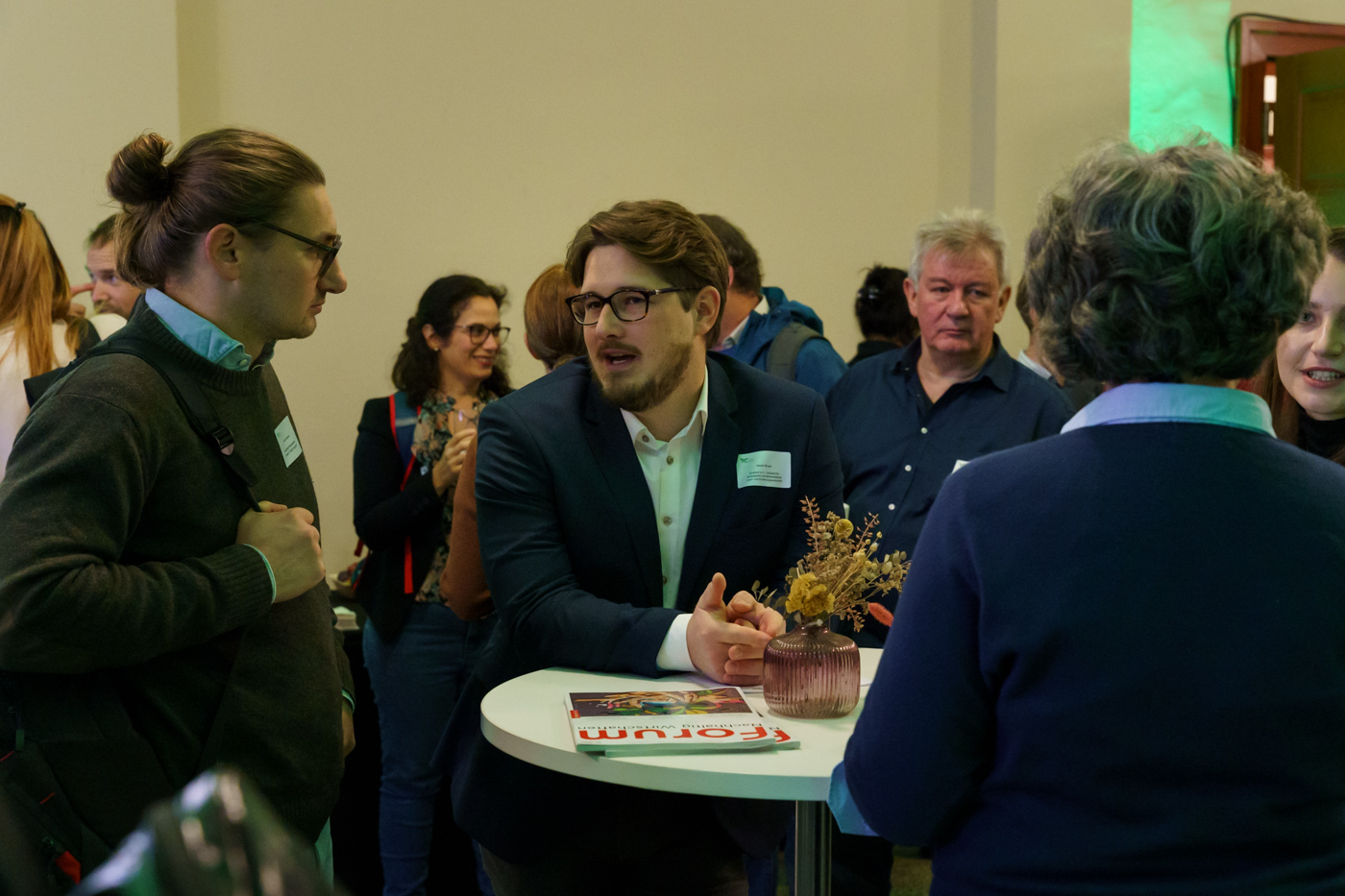
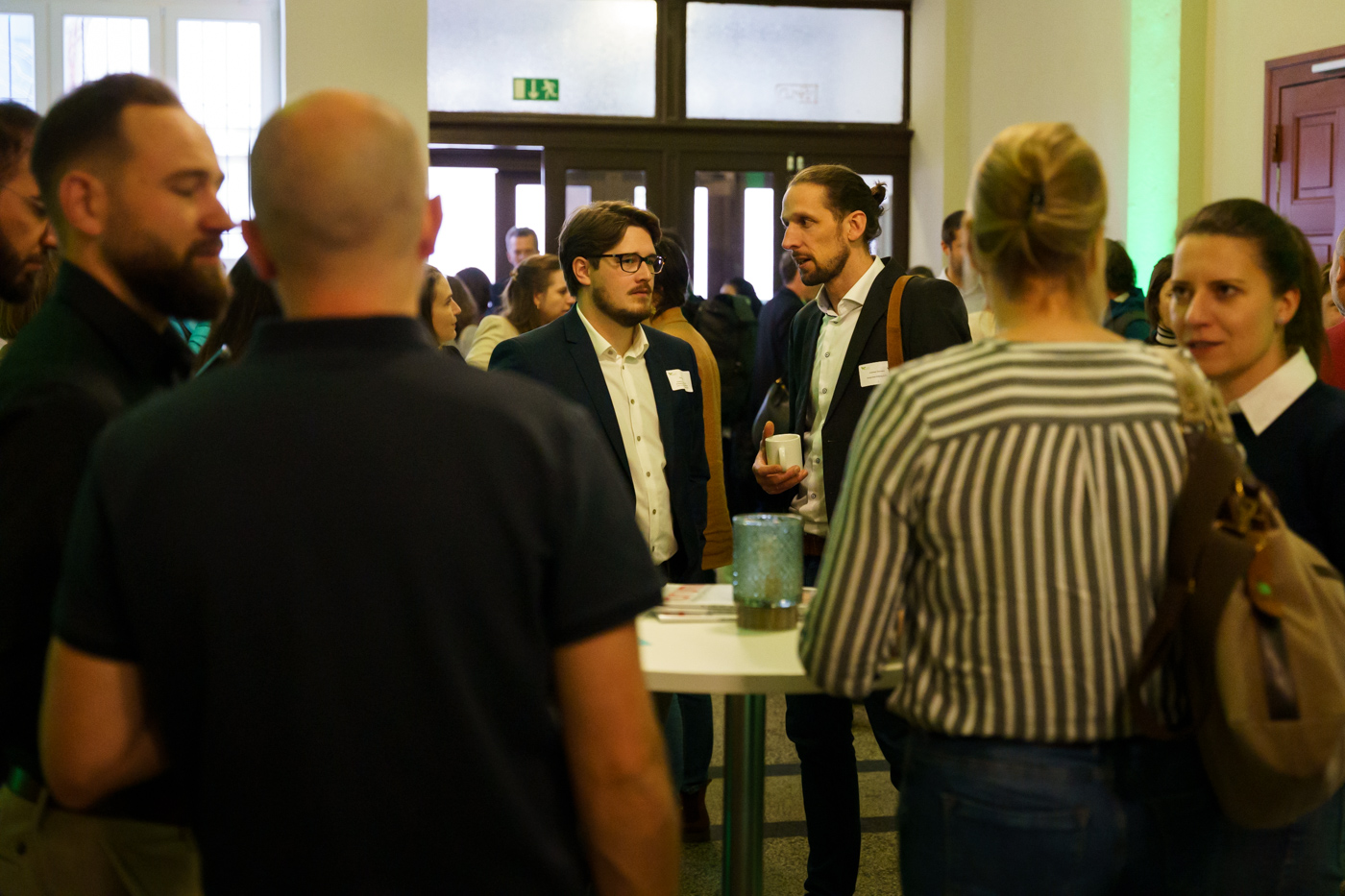
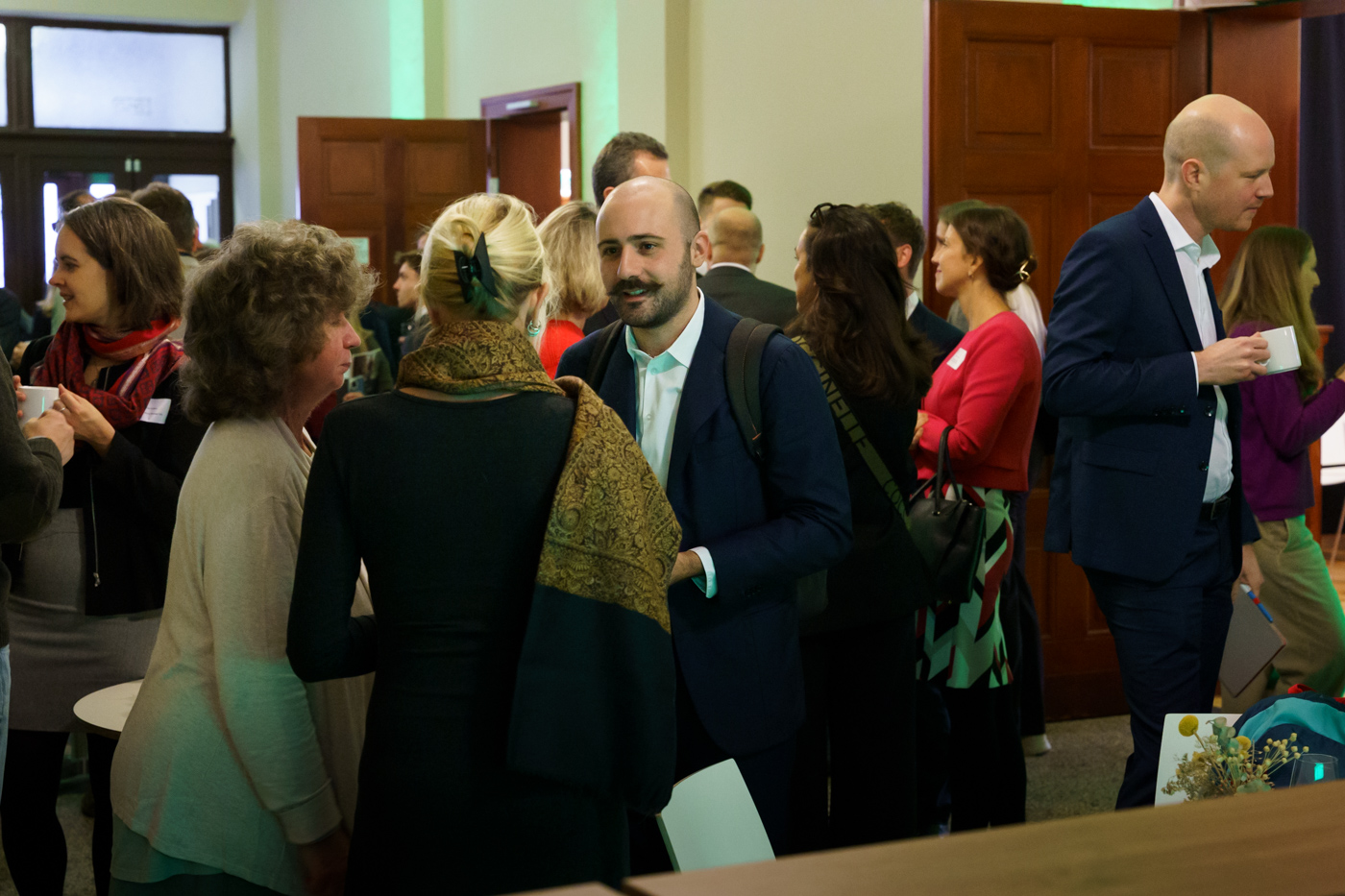
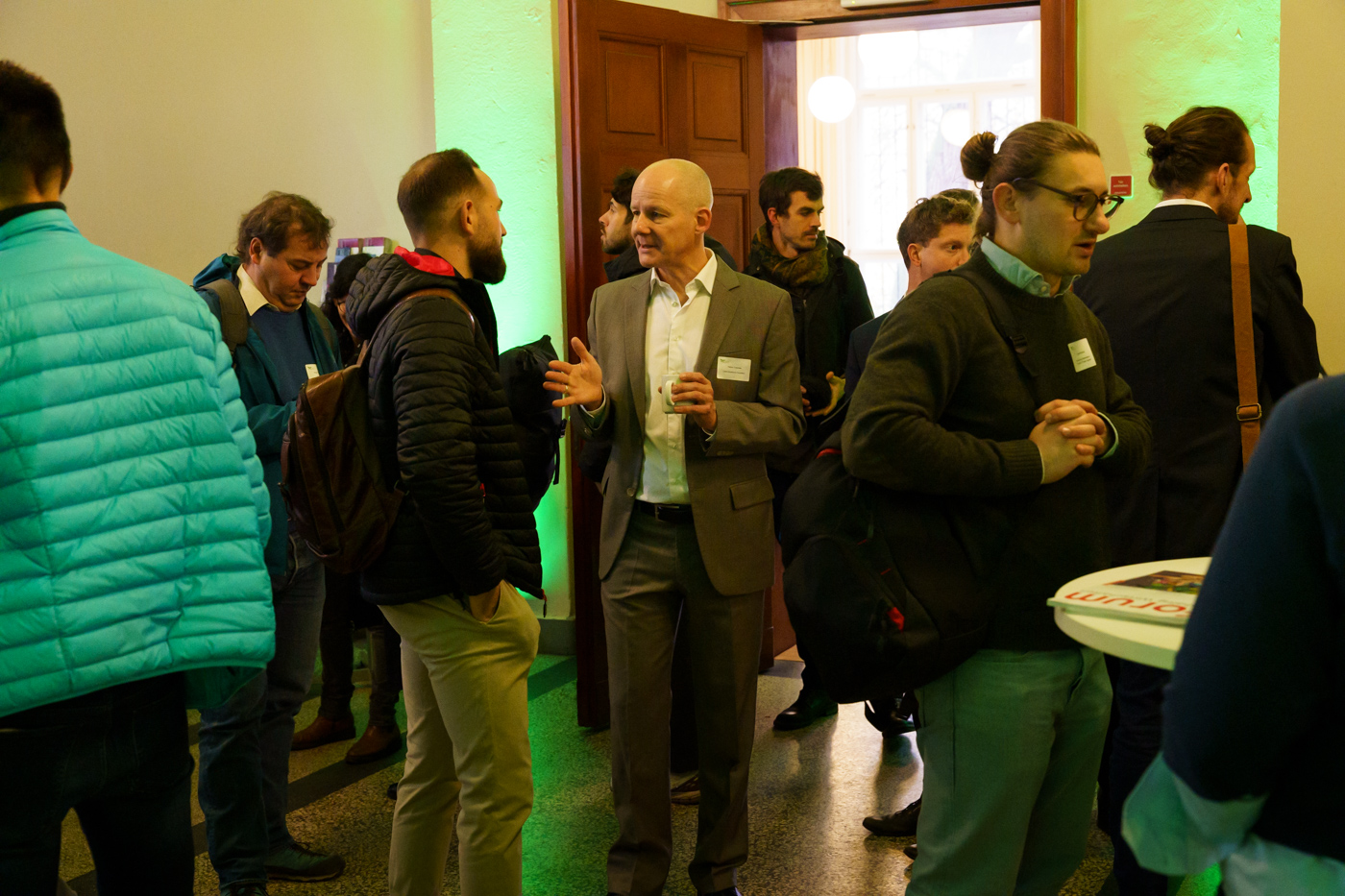
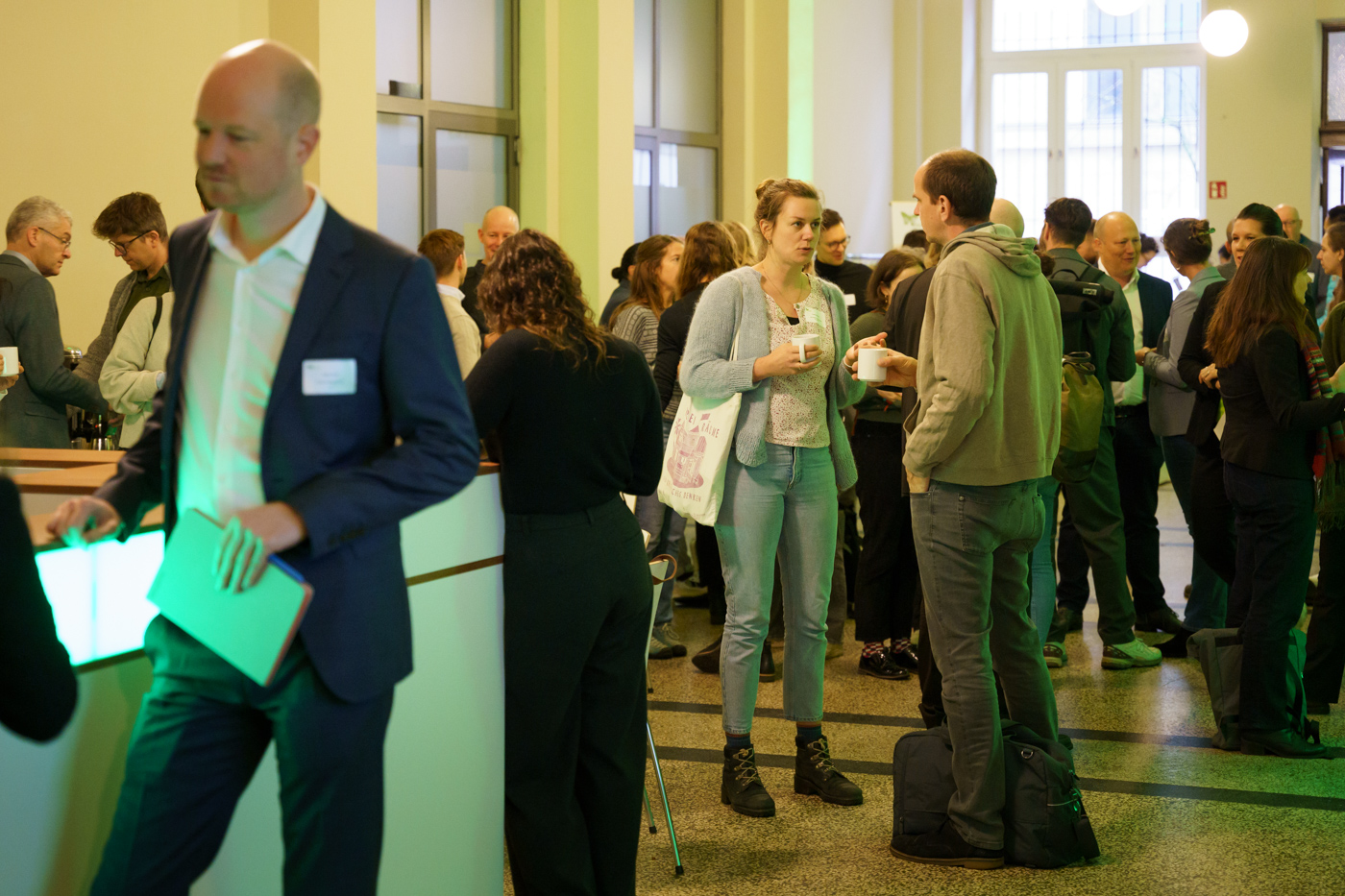
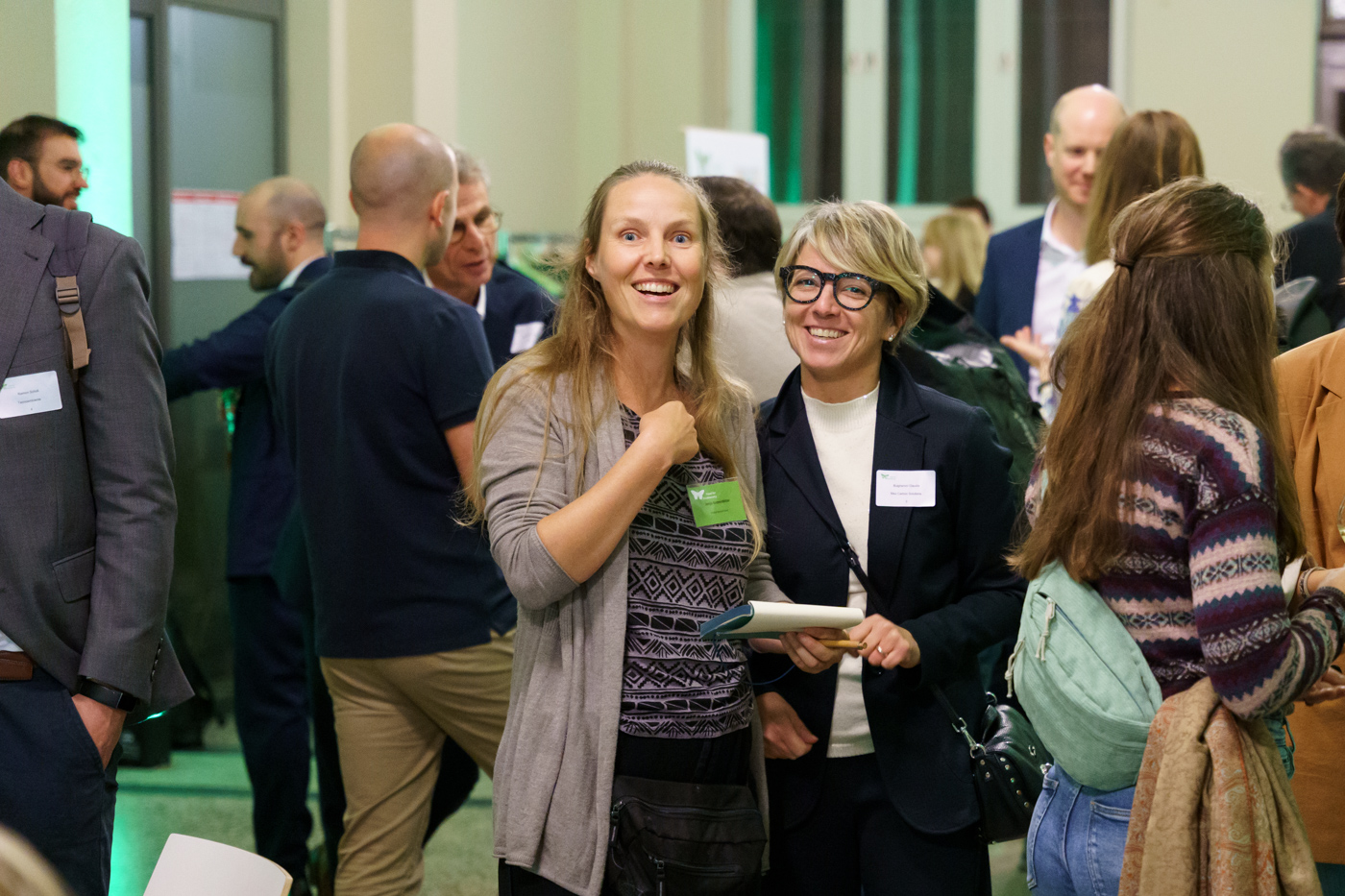
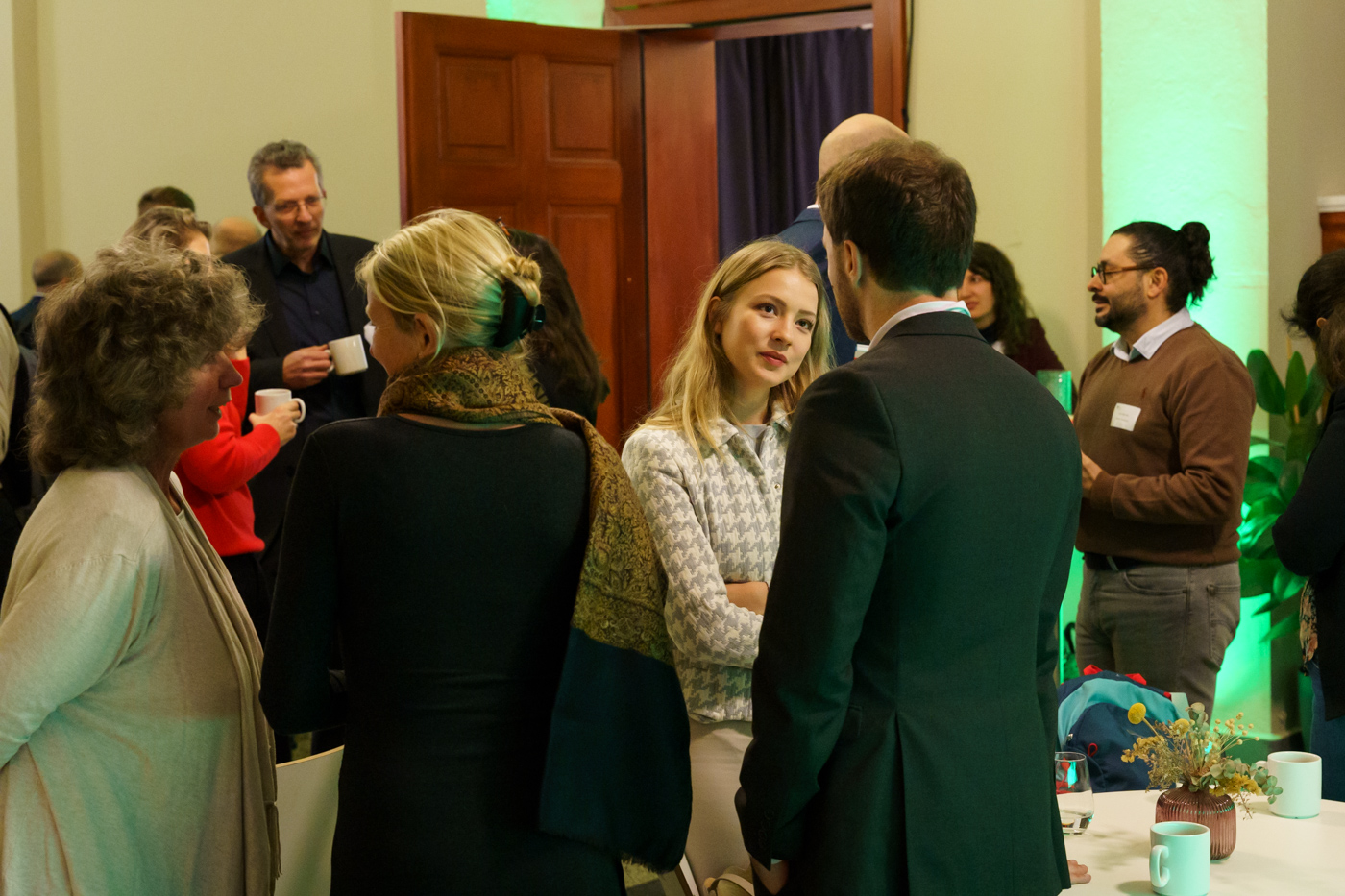
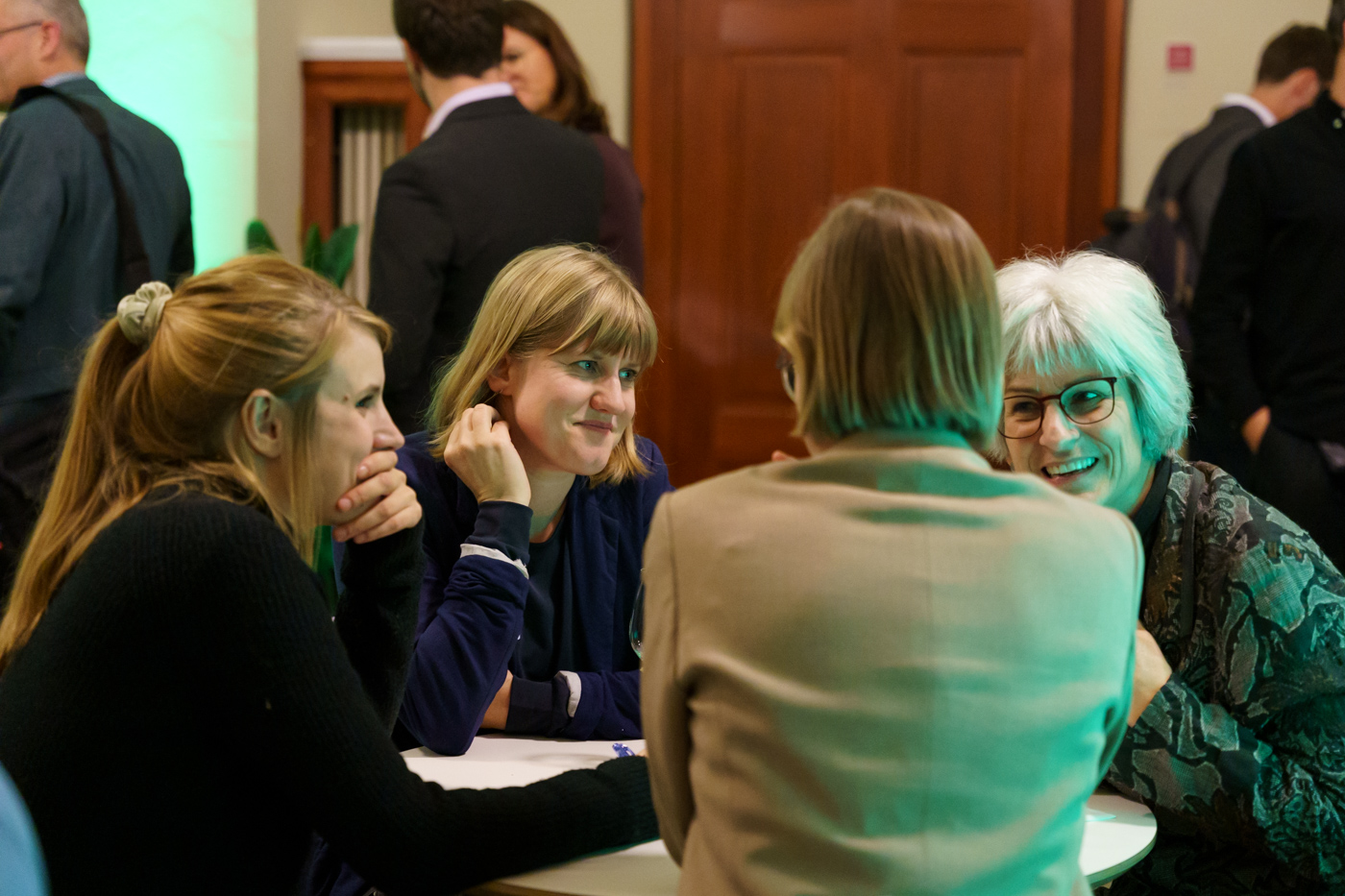
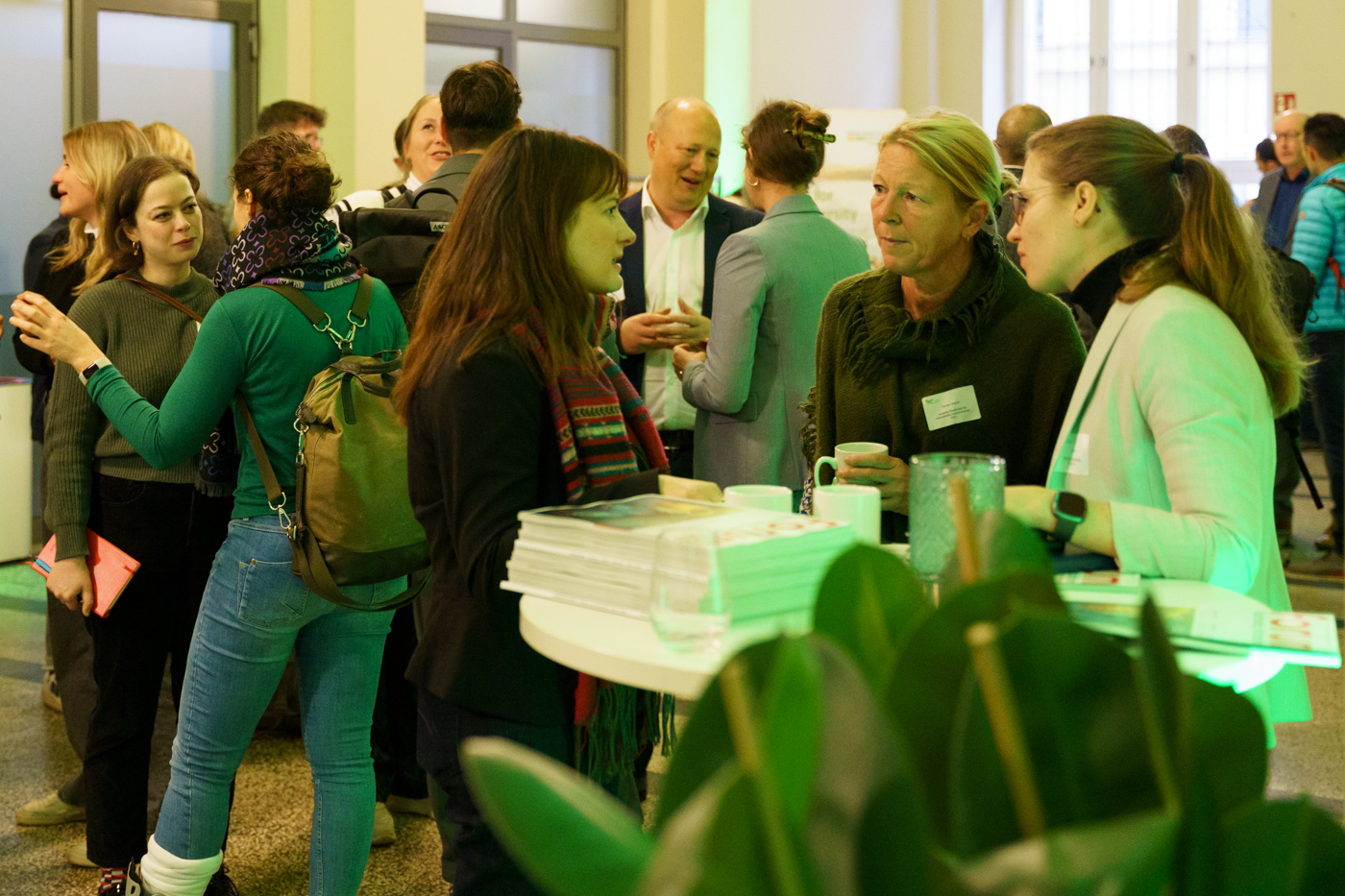
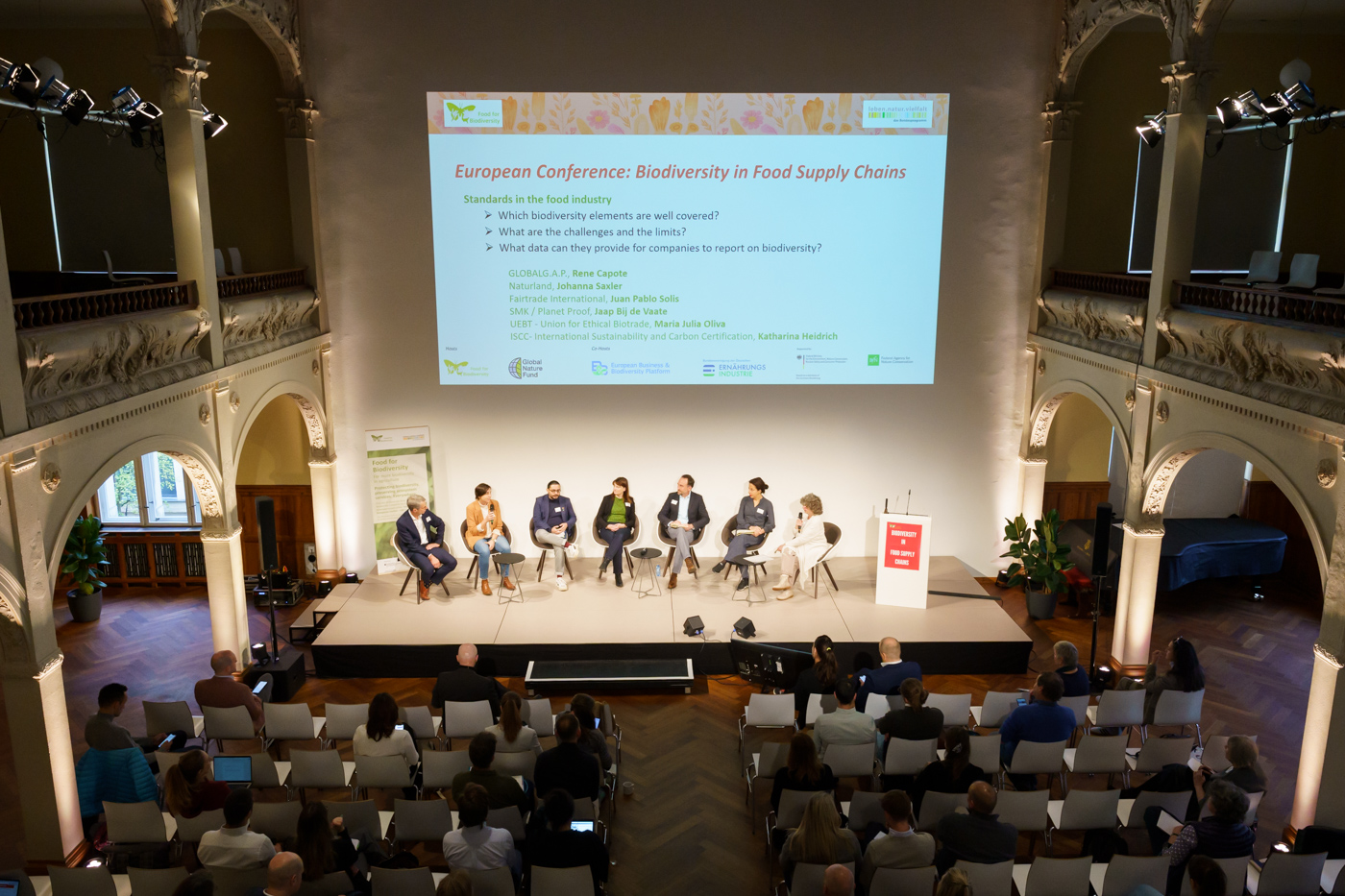
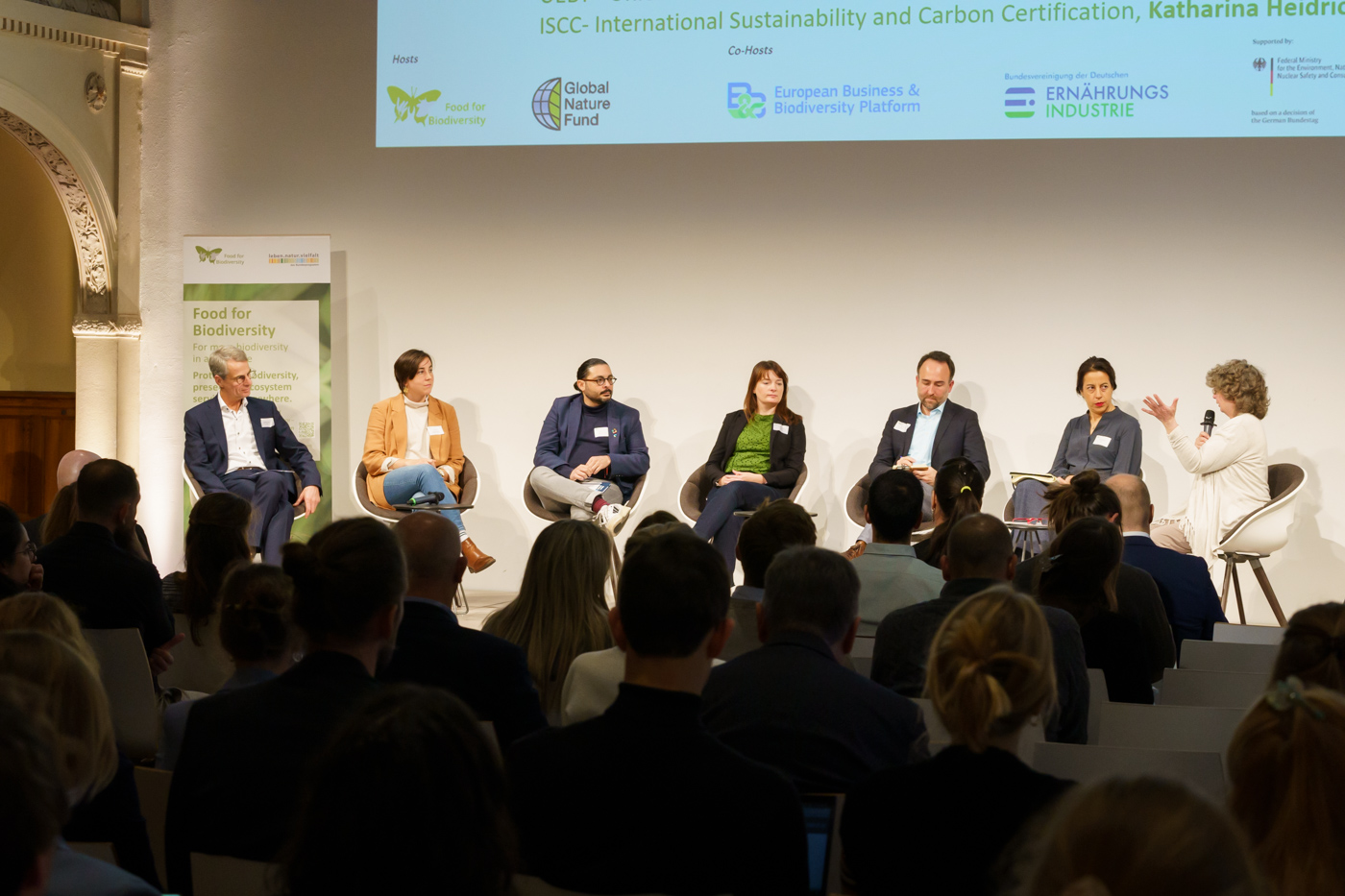
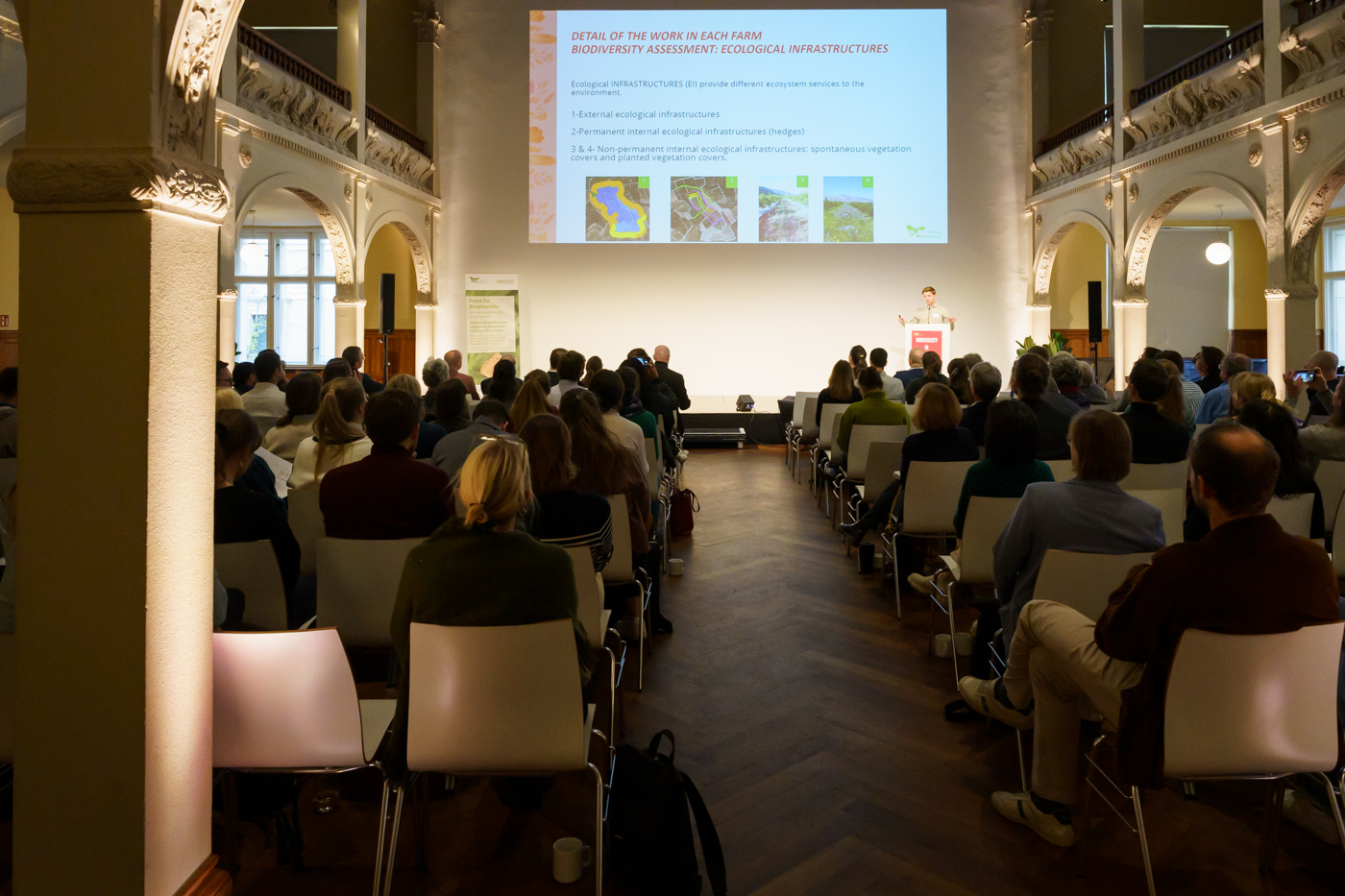
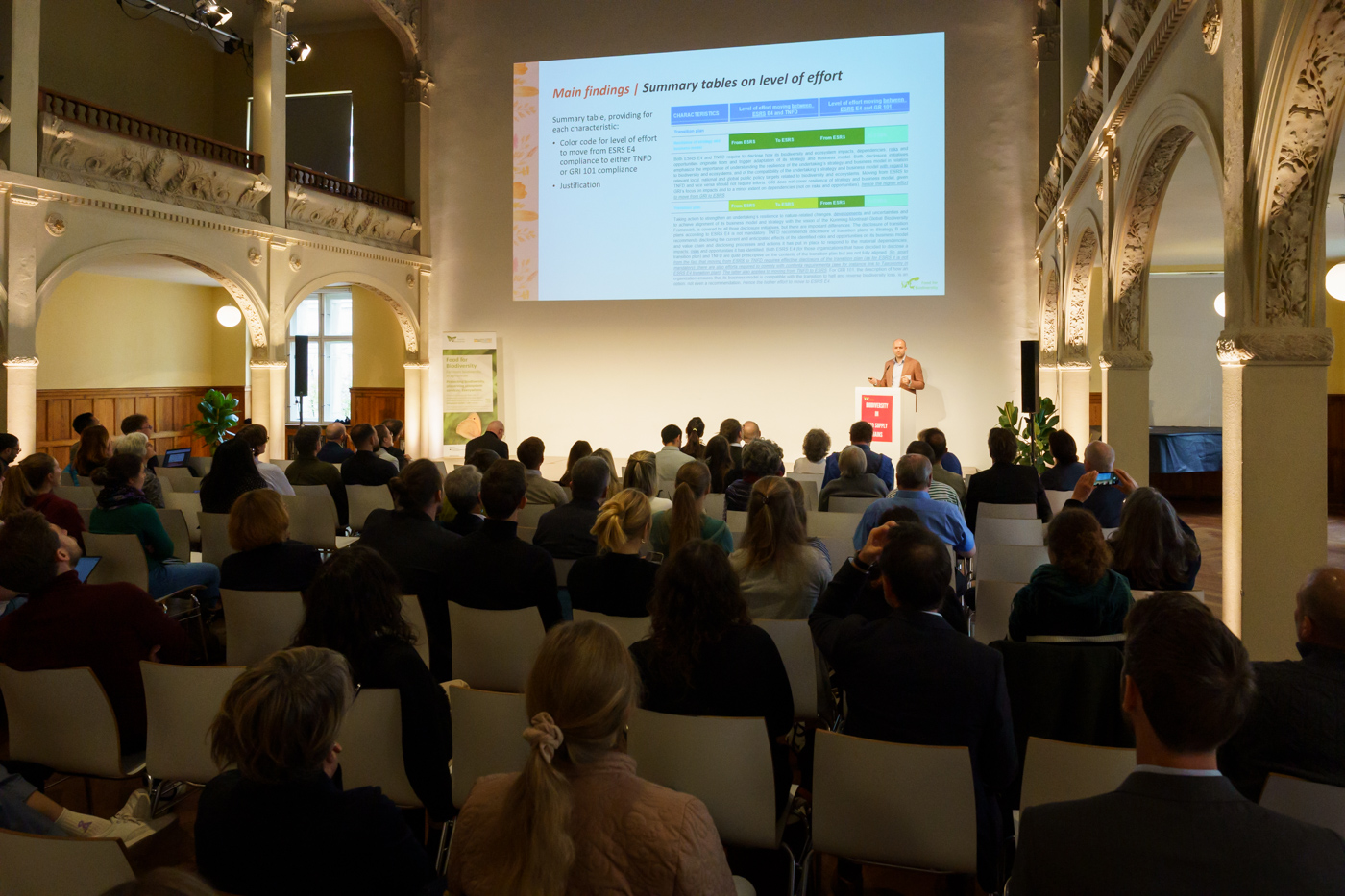
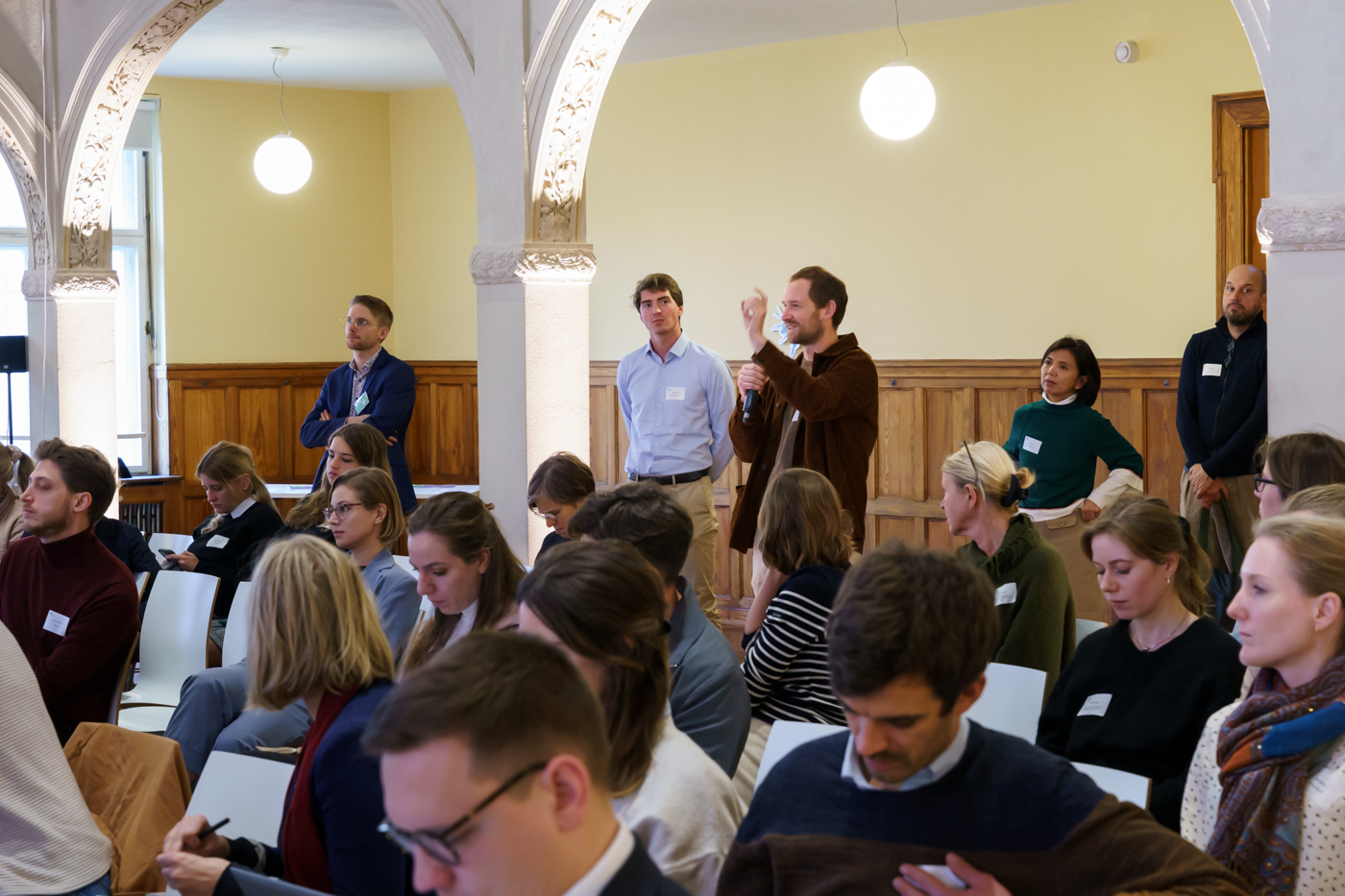
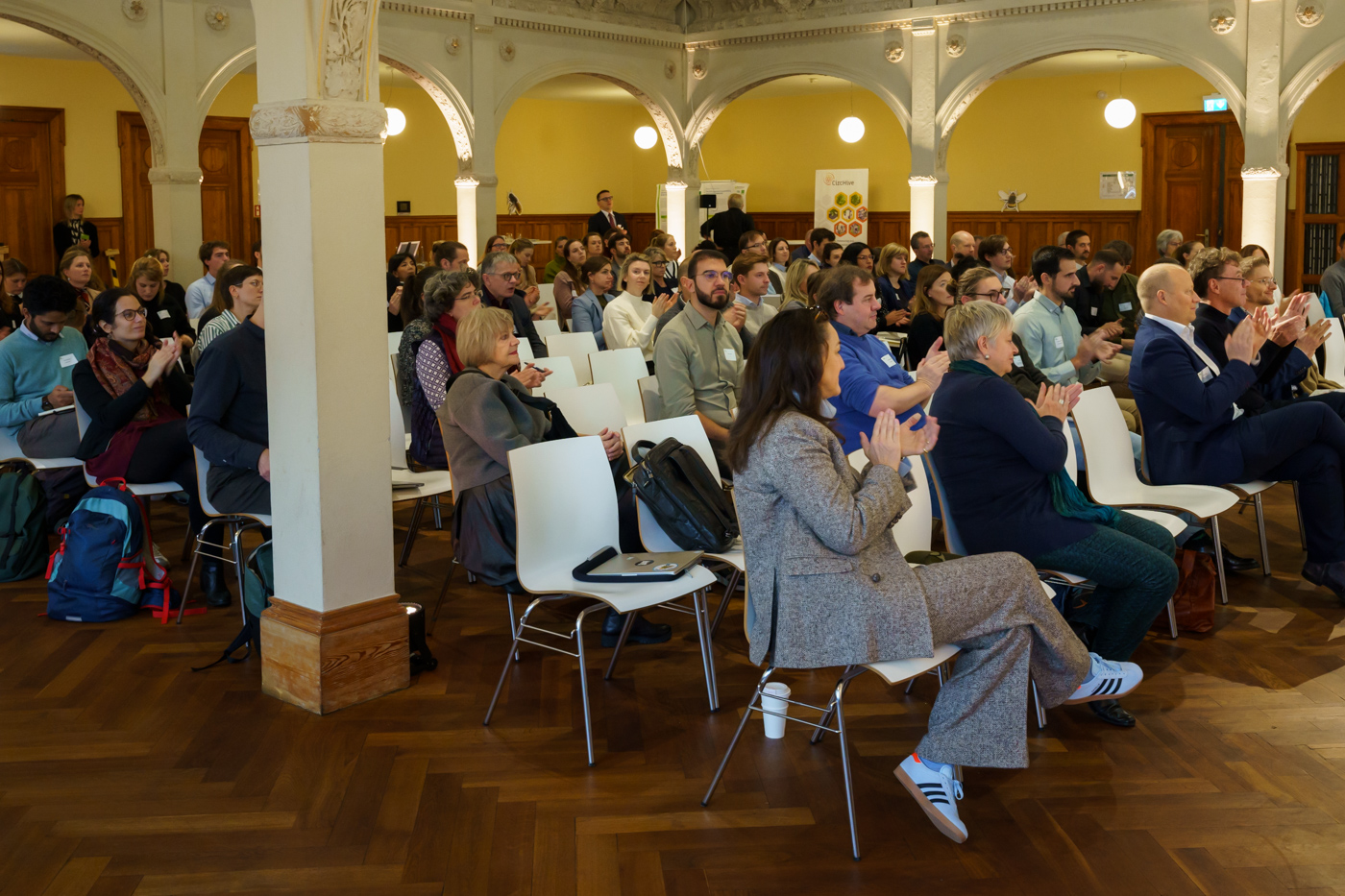
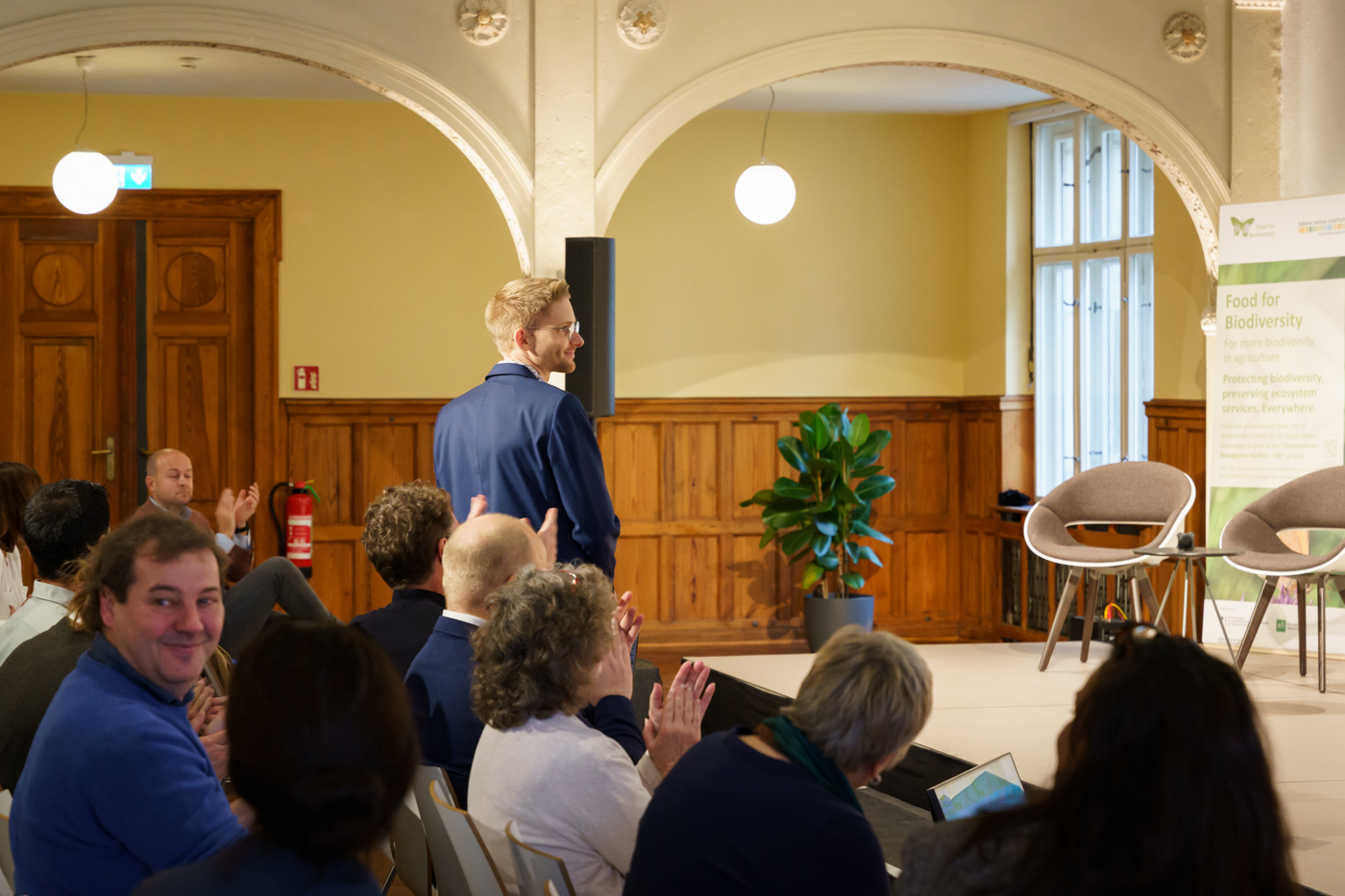
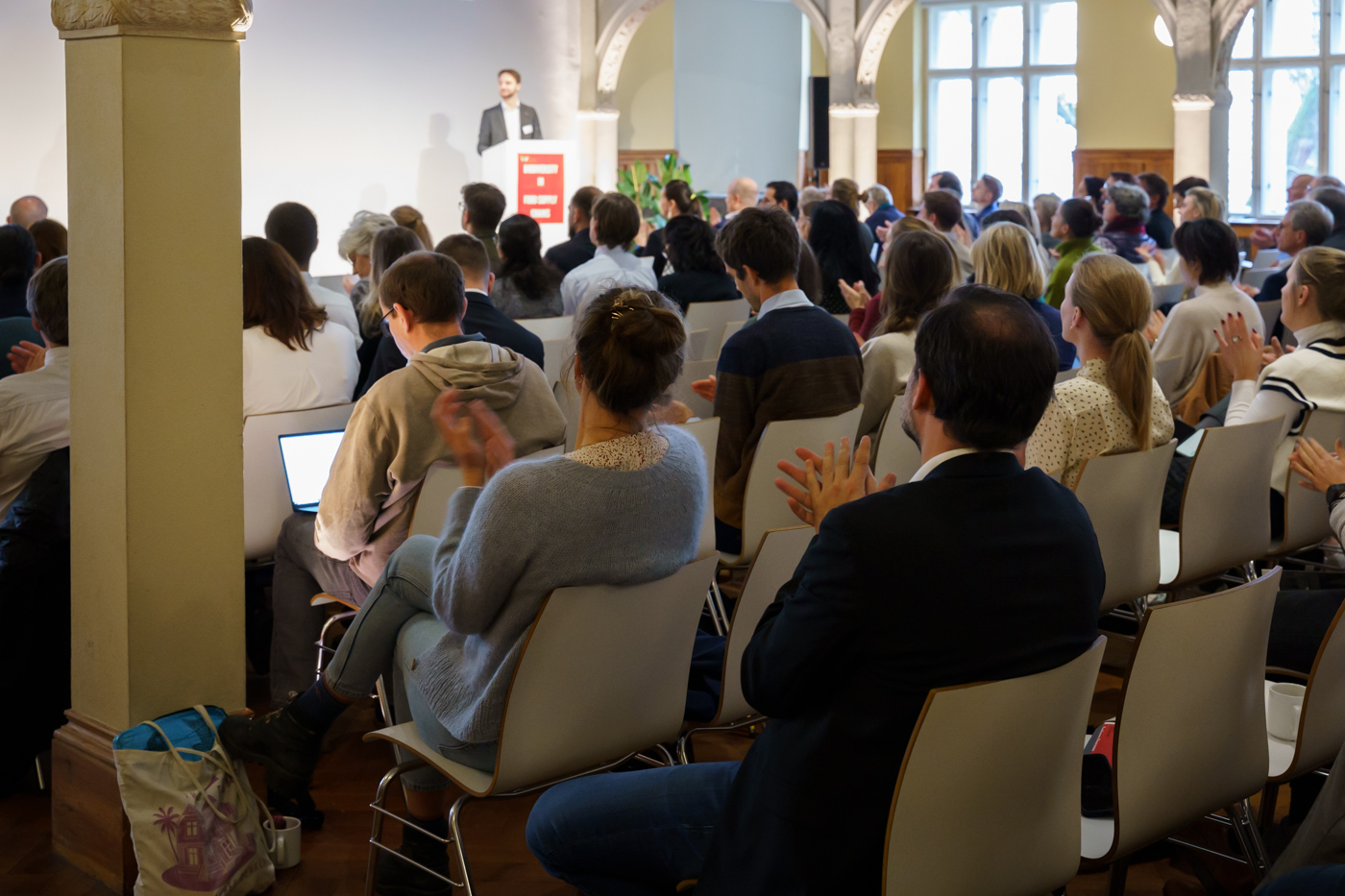
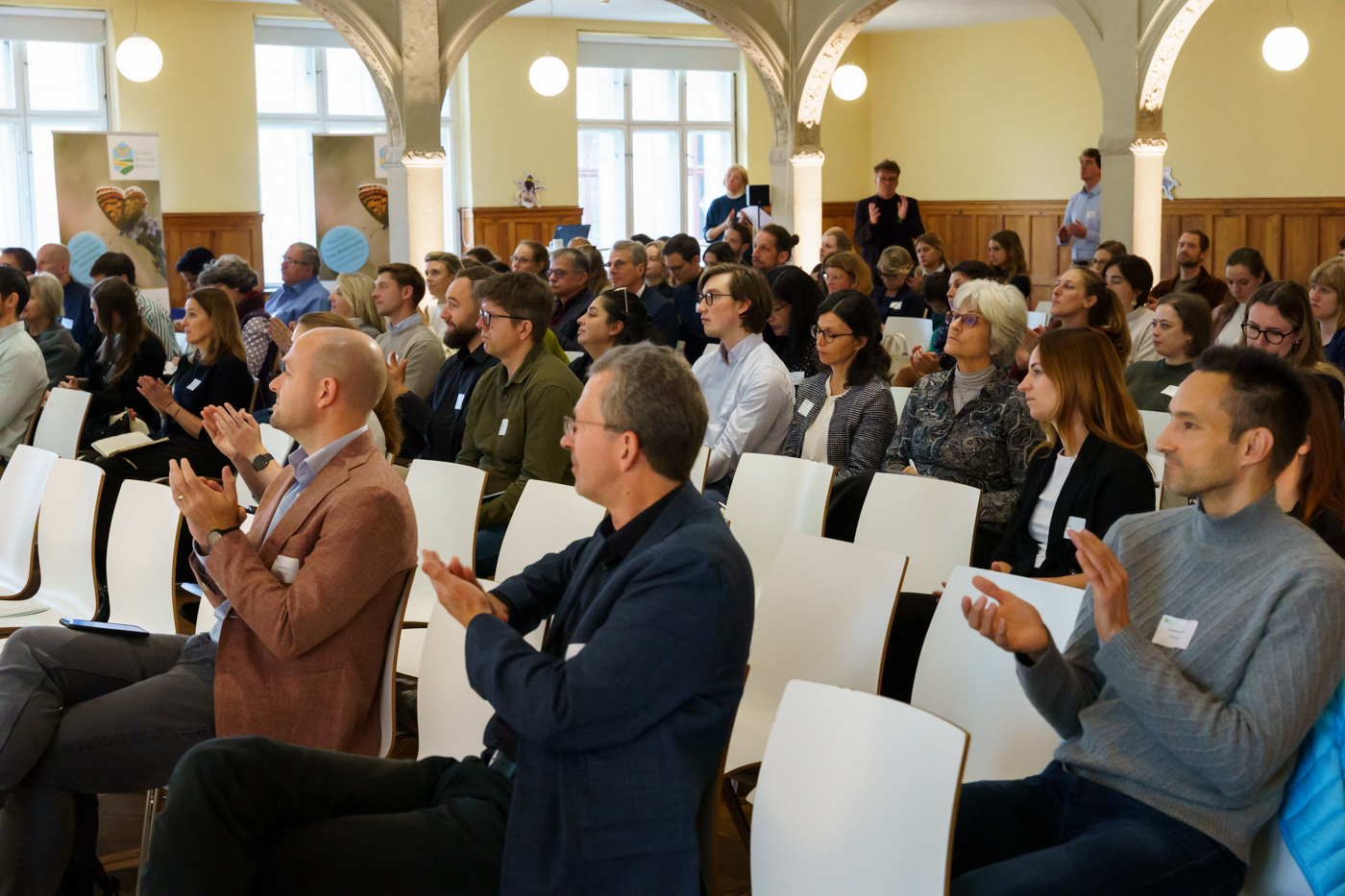
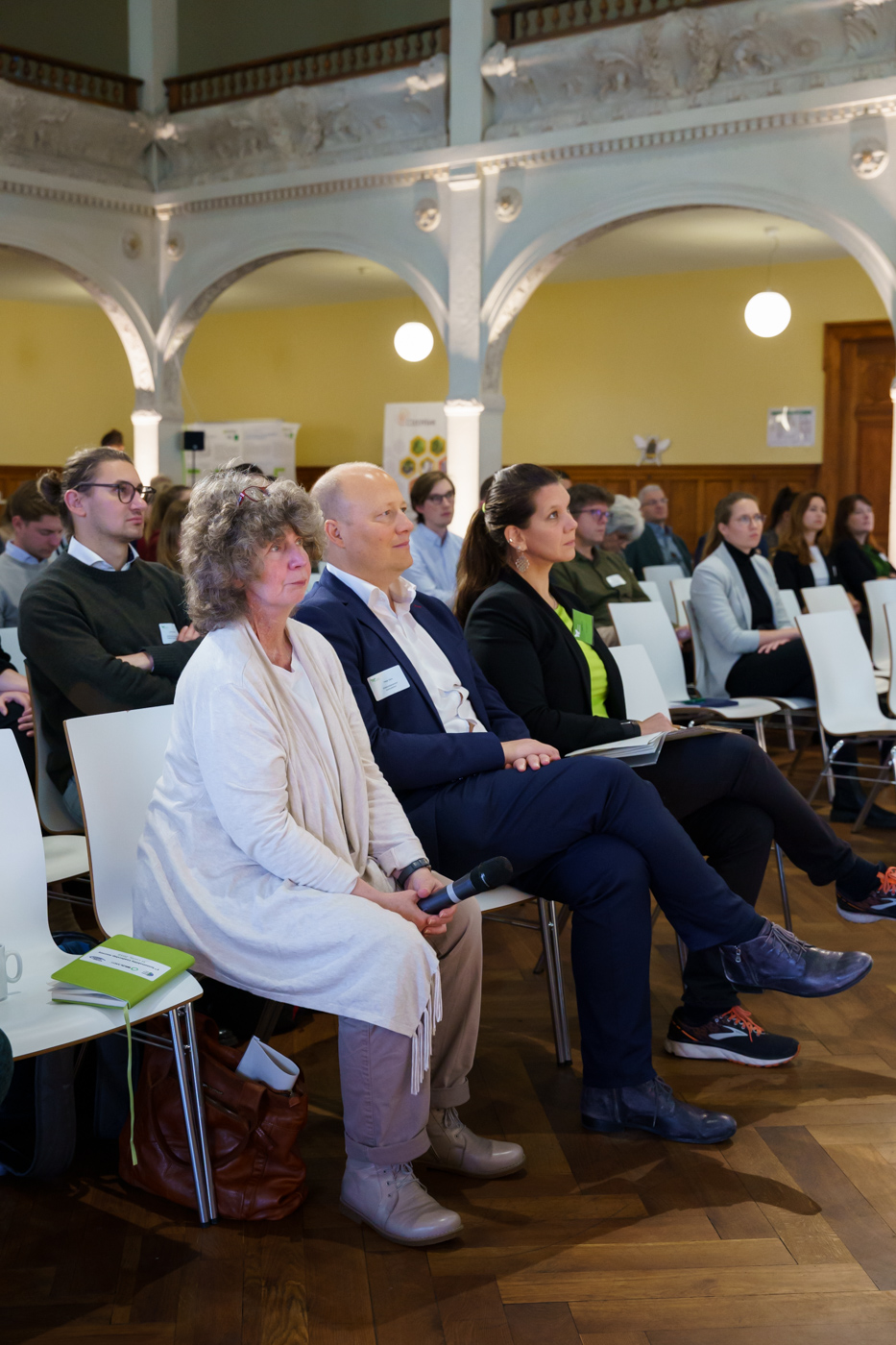
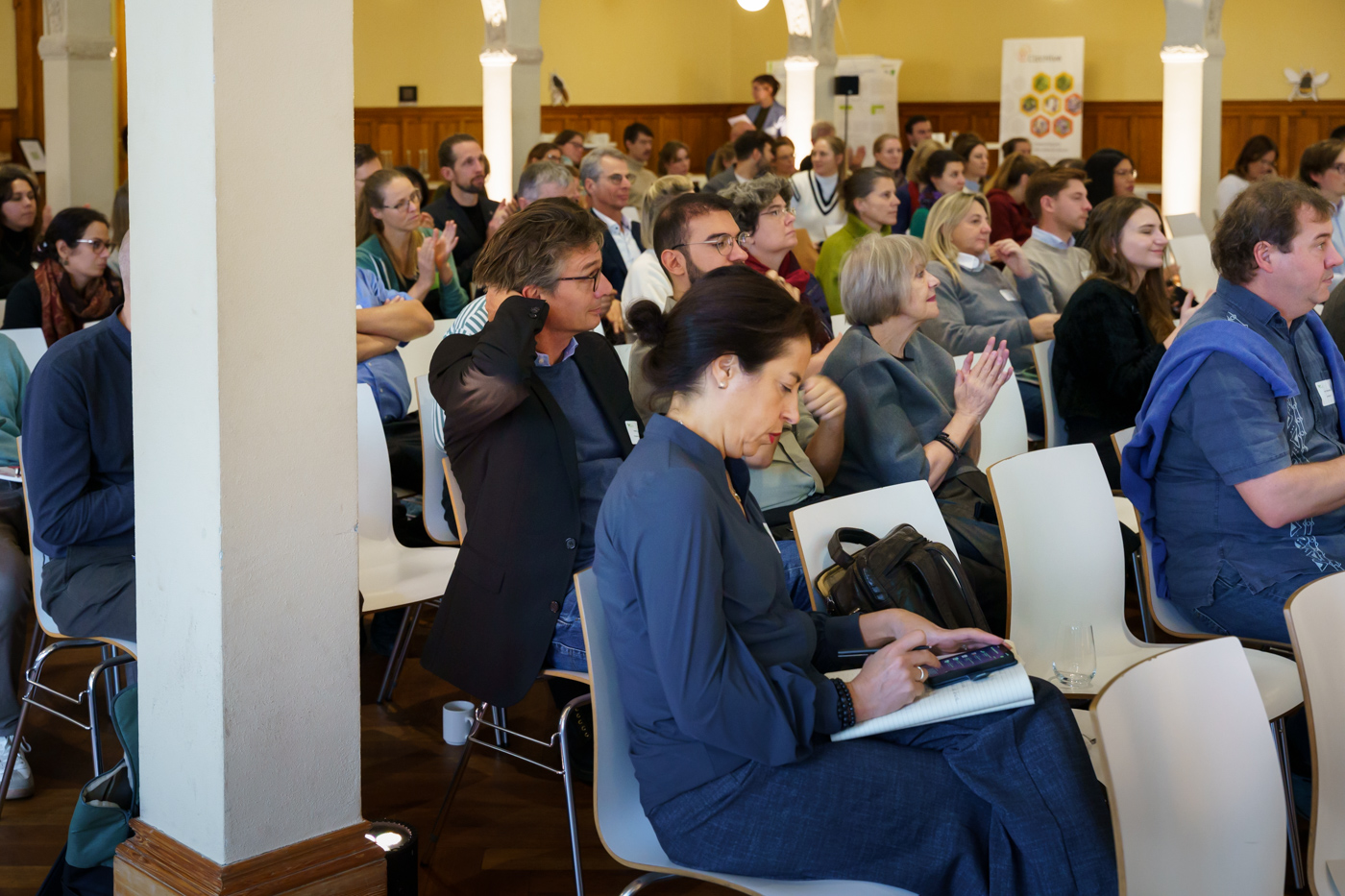
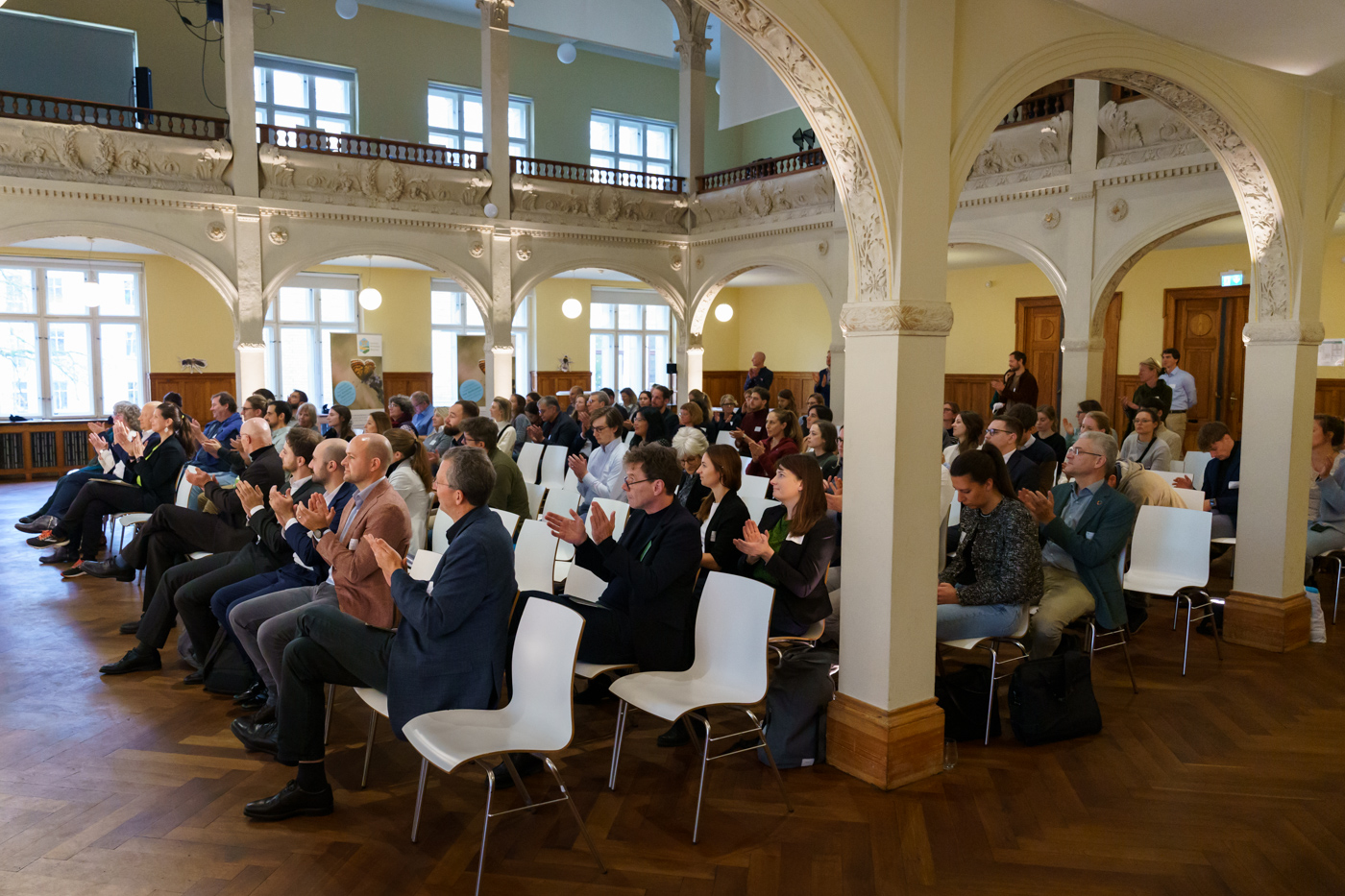
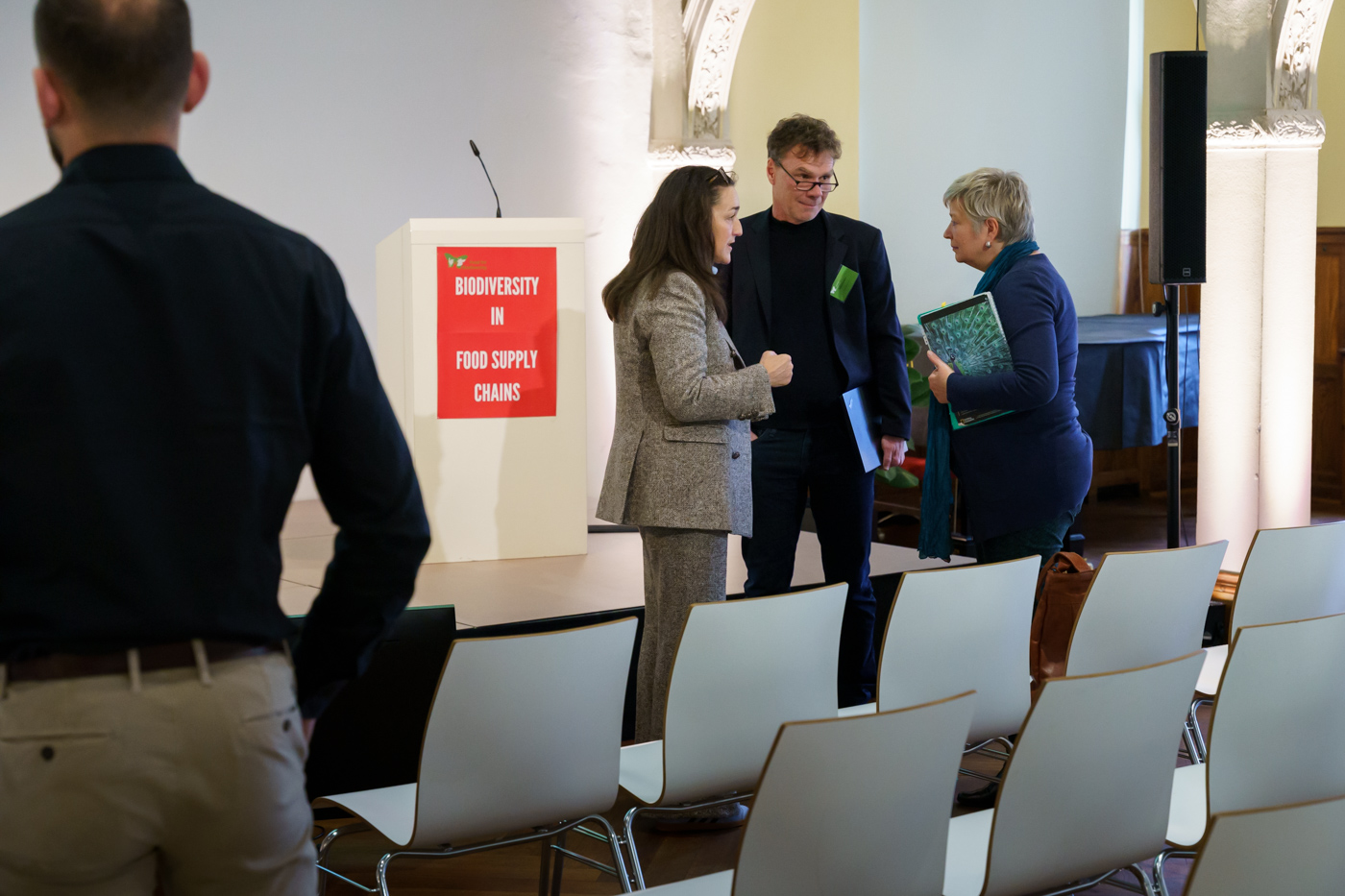
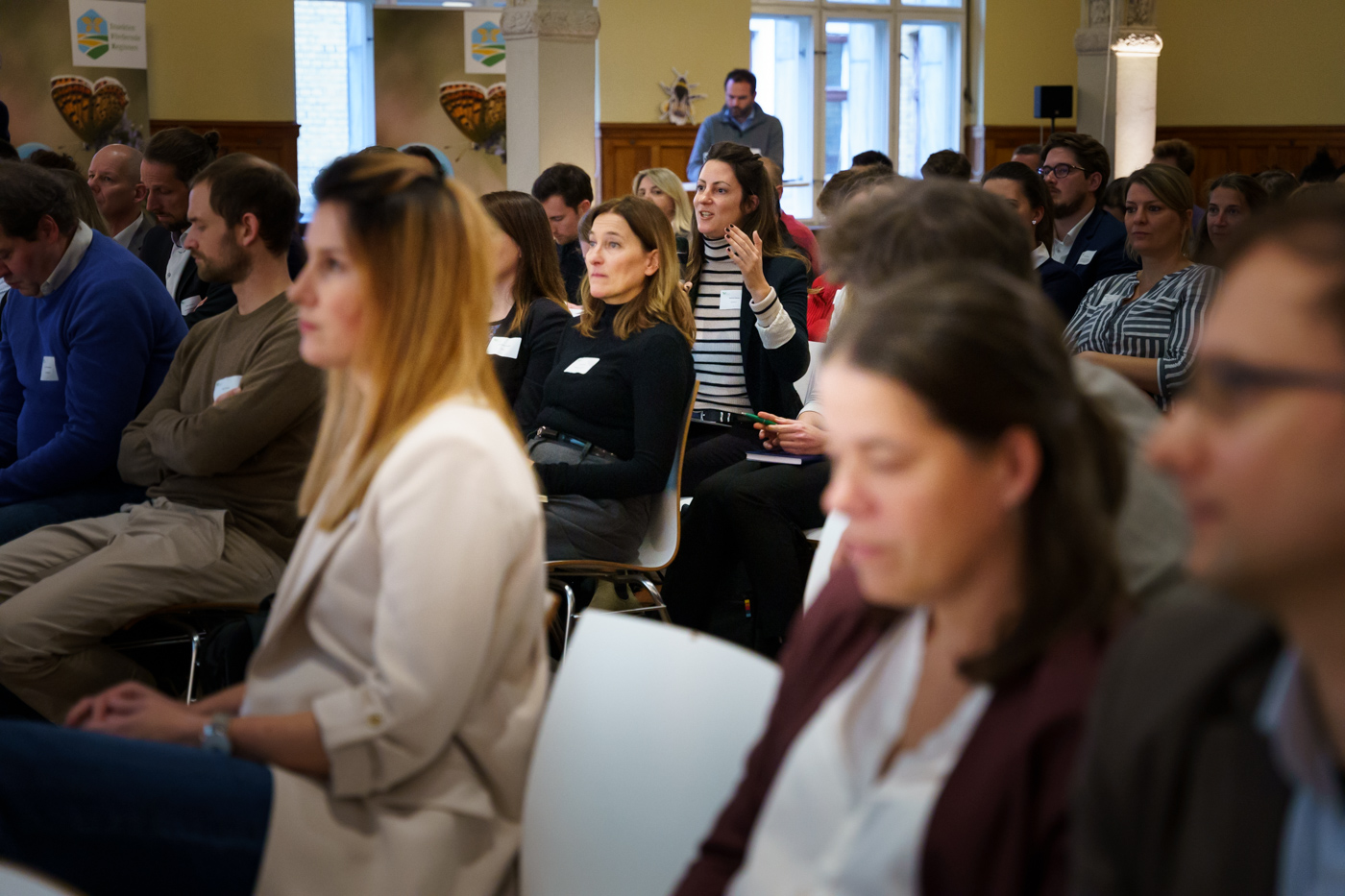
On November 13 & 14, 2024, we hosted a transformative event in Berlin dedicated to the crucial role of biodiversity in the global food supply chain. This conference spotlighted innovative approaches and best practices for protecting biodiversity while building sustainable and resilient food systems. Attendees engaged with exciting presentations from leading experts in industry, politics, and science, participated in interactive workshops, and networked with professionals from across Europe. Together, we tackled challenges and developed solutions to integrate biodiversity as a key component in our food systems.
This is an event was hosted by the association Food for Biodiversity. Co-hosts are The Federation of German Food and Drink Industries (BVE) and the EU Business & Biodiversity Platform.
Session 1: Reducing Risks
Claas Meineke (EDEKA): Safeguarding Resources: What are ways to respond?
Session 2: Overcoming Barriers
Break-out Session 1: Incentive Systems for Producers
Geert Hartlief (DMK Group, Dock Kaas U.A.): Overview and Positive Example of the Incentive Model
Severin Lehner (IP-SUISSE): Best Practices from Standards
Anna Rechsteiner (GLS Bank): Cash4Future: How banks (can) take responsibility for the planet
Break-out Session 2: Ways to Success – From Pilot to Mainstream
Break-out Session 3: Awareness Raising for Consumers
Julius Palm (followfood): How to Successfully Communicate Biodiversity to the Consumer?
Sebastian Olényi (Sustentio): Presenting the New Food for Biodiversity Communication Campaign
Break-out Session 4: The Food Retail Sector and Biodiversity: Overcoming Barriers to Change Throughout the Value Chain
Ariane Coulombe (CDP): Guidelines on Food Retailers and Biodiversity
Session 3: Response of Standards
- GLOBALG.A.P., Rene Capote
- Naturland, Johanna Saxler
- Fairtrade International, Juan Pablo Solis
- SMK / Planet Proof, Jaap Bij de Vaate
- UEBT – Union for Ethical Biotrade, Maria Julia Oliva
- ISCC – International Sustainability and Carbon Certification, Katharina Heidrich
Session 4: Monitoring and Reporting
Monitoring: Data for Performance Evaluation
Georg Hoffmann (Alfred Ritter GmbH & Co. KG): Assessing Biodiversity Impacts on Product Level
Reporting Biodiversity and Action
Wouter Dieleman (EU Business & Biodiversity Platform): Biodiversity Disclosure Initiatives
Food for Biodiversity was at ANUGA 2023 in Cologne
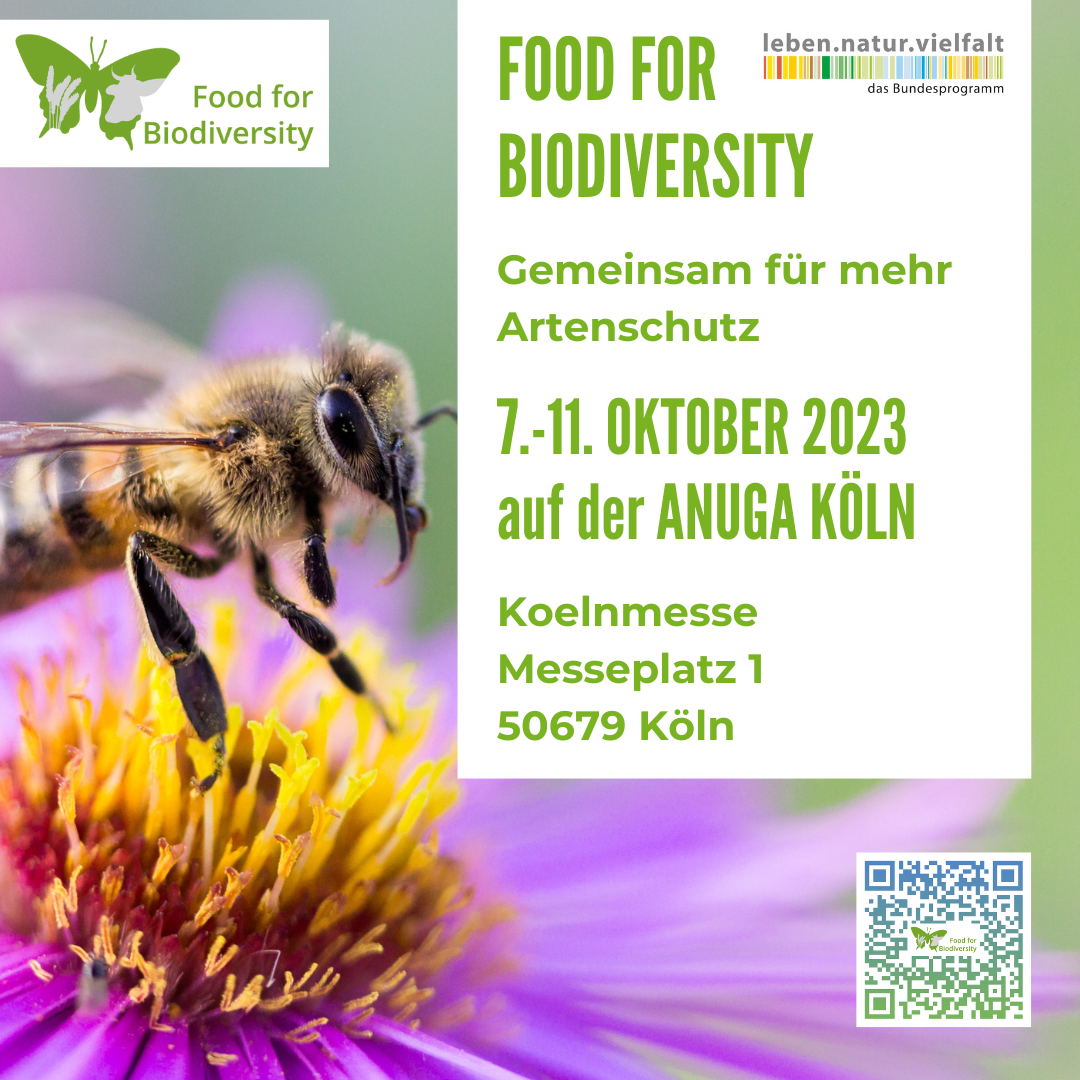
From October 7-11, 2023, we were present as an exhibitor at ANUGA in Cologne. At our booth, as part of the Retail Forum of the German Federation for Food Retail, we were able to present Food for Biodiversity to interested trade visitors. There were interesting discussions on the topic of “Biodiversity in the Food Sector.”
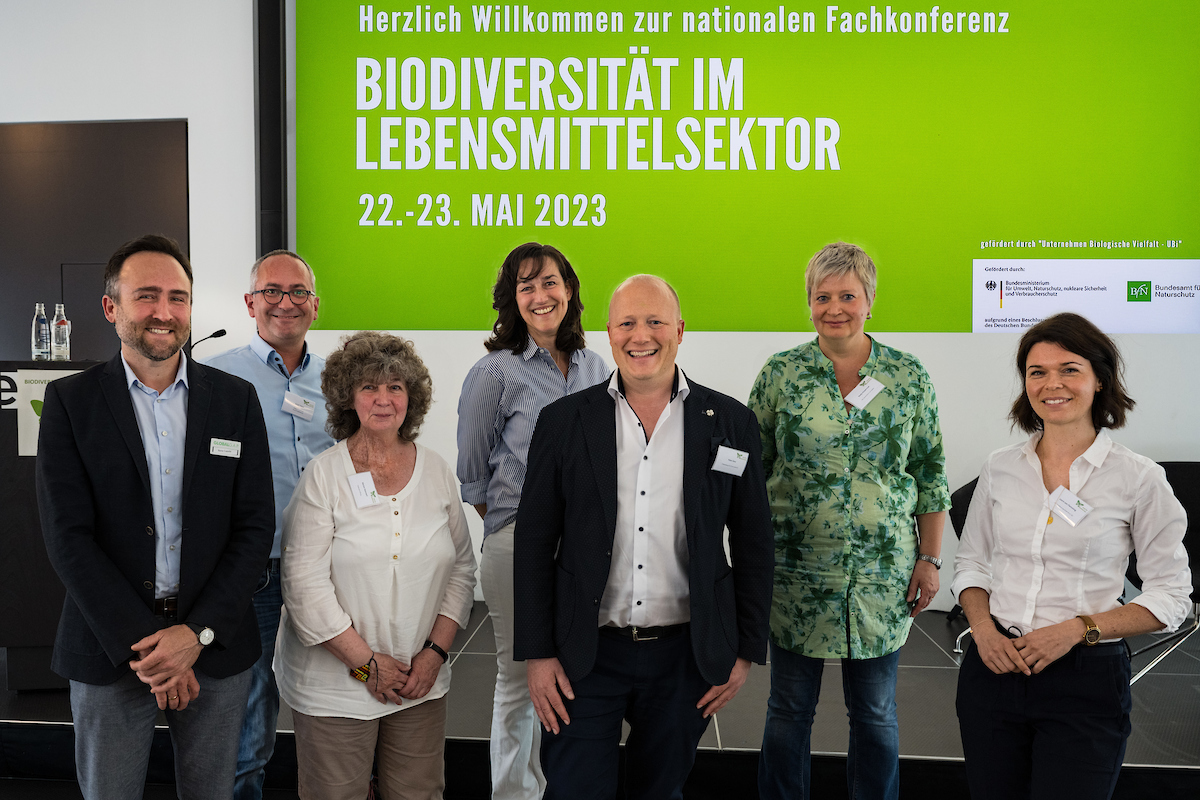
National Conference 2023 – Biodiversity in the Food Sector
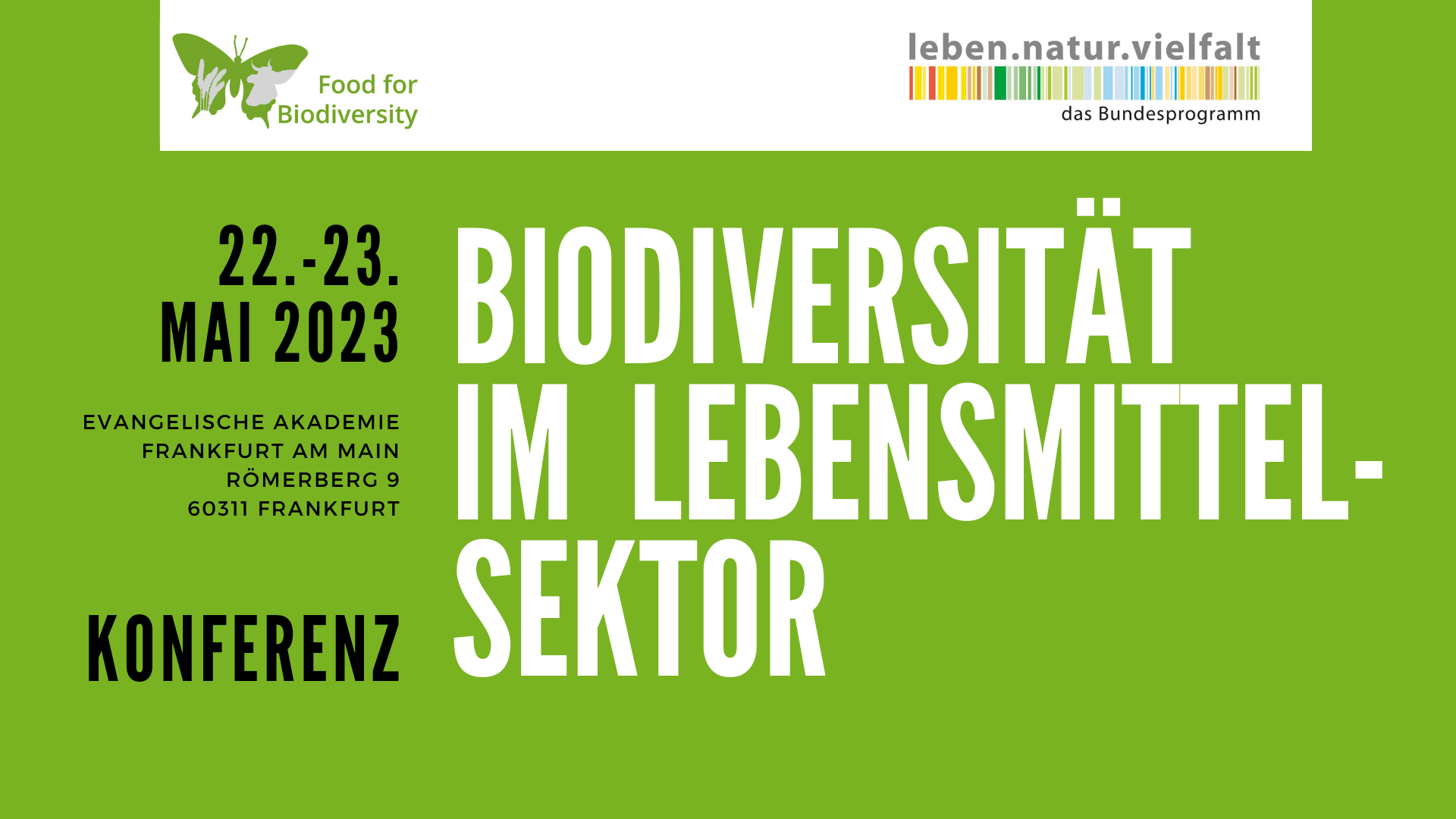
May 22-23, 2023
National Conference"Biodiversity in the Food Sector"
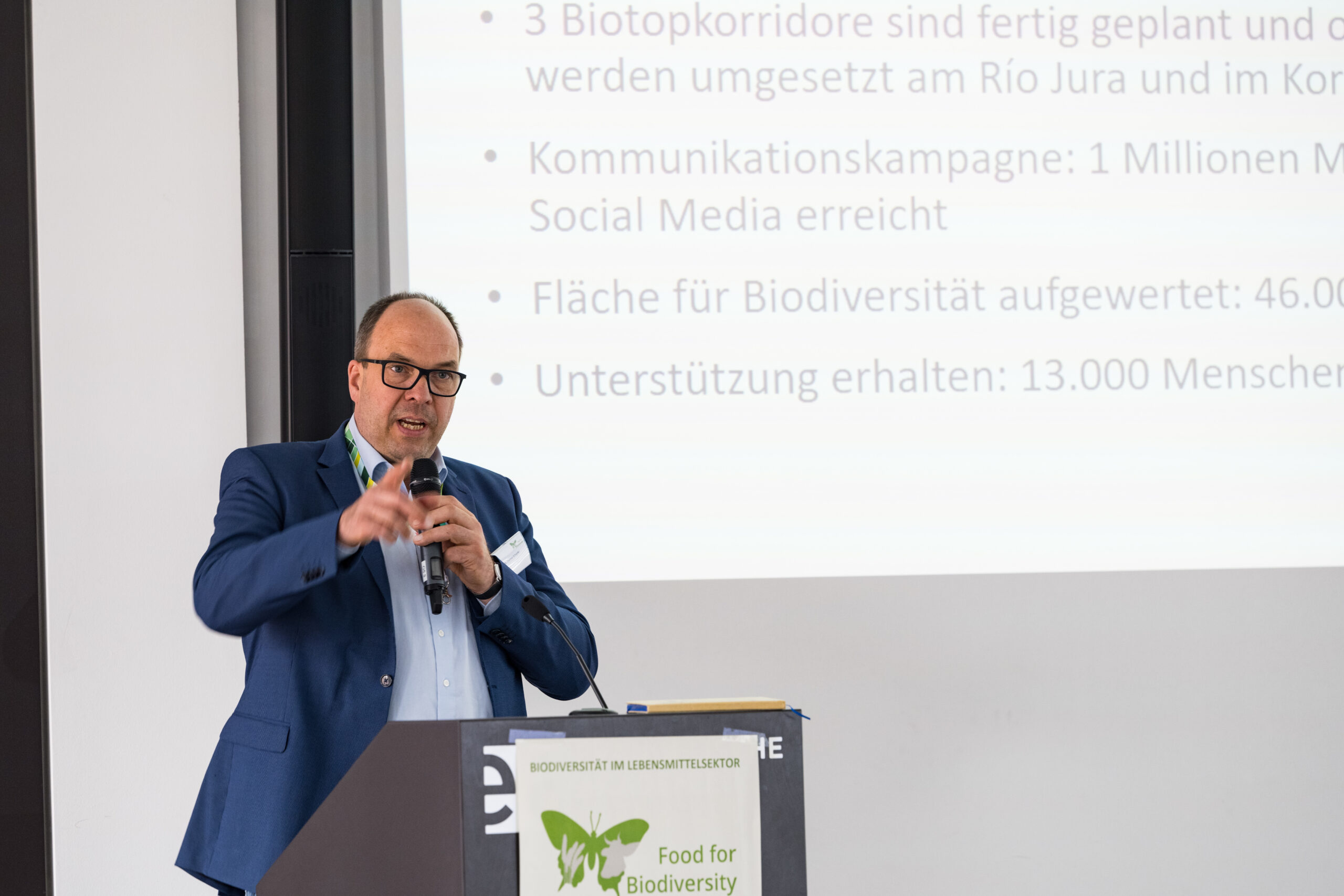
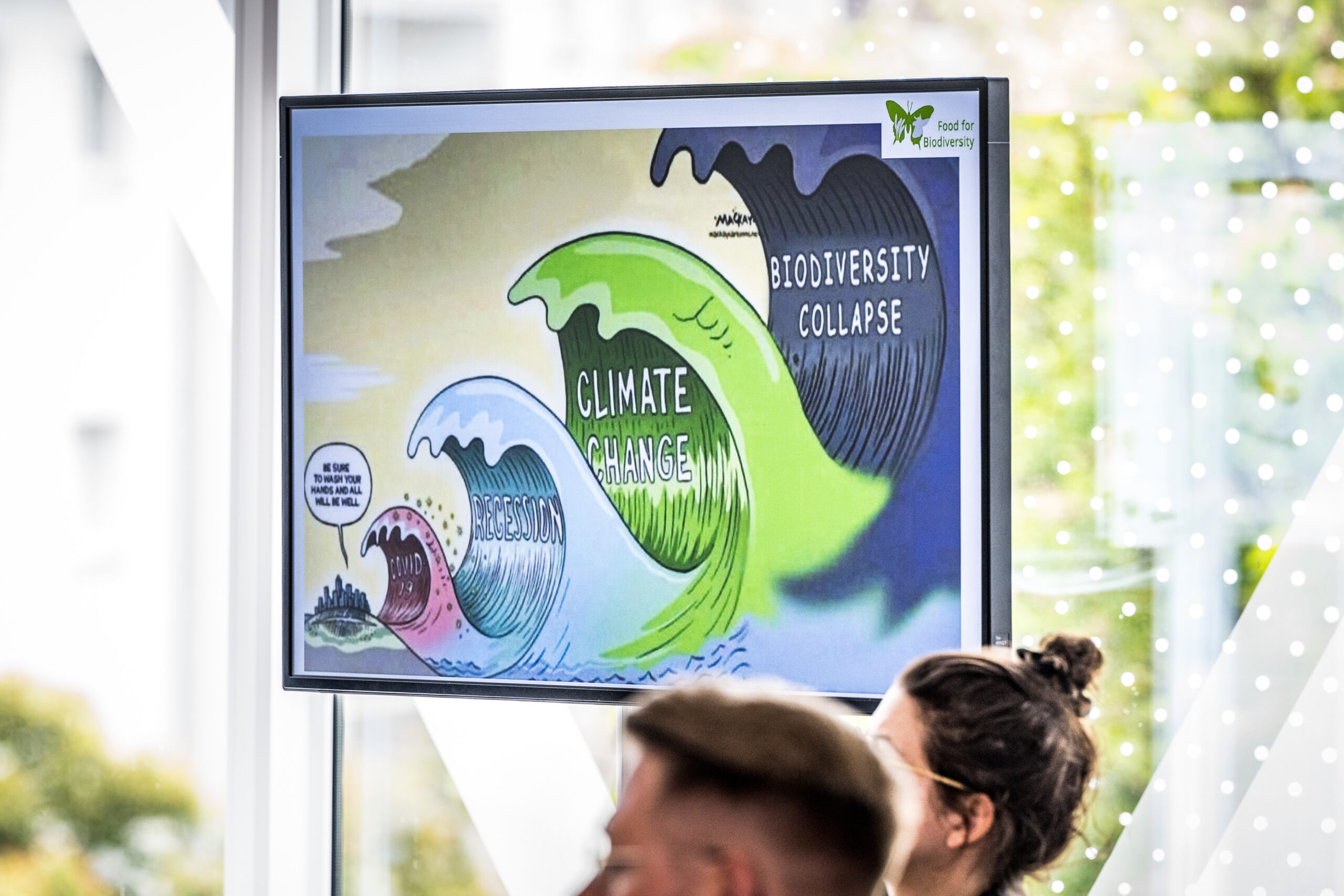
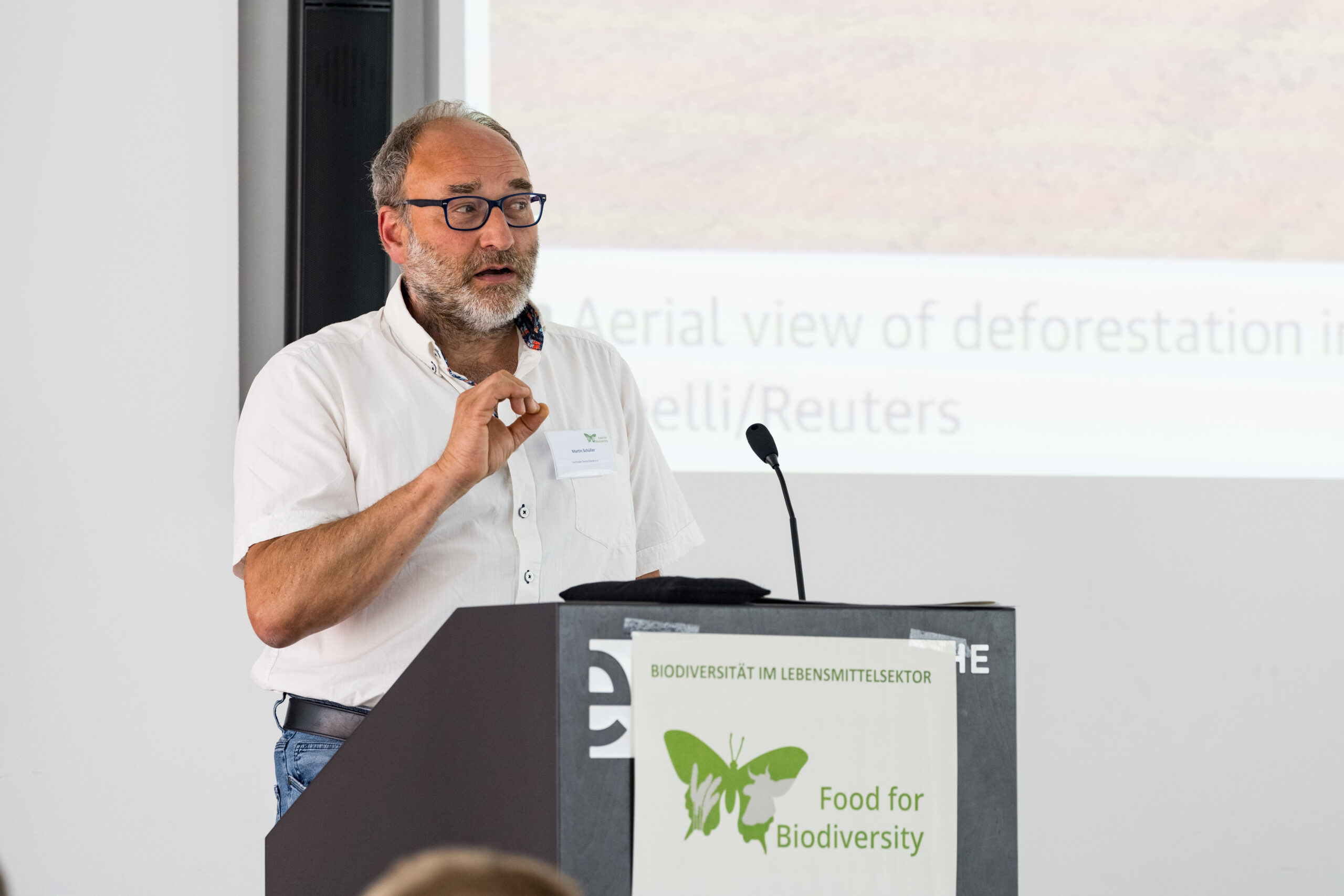
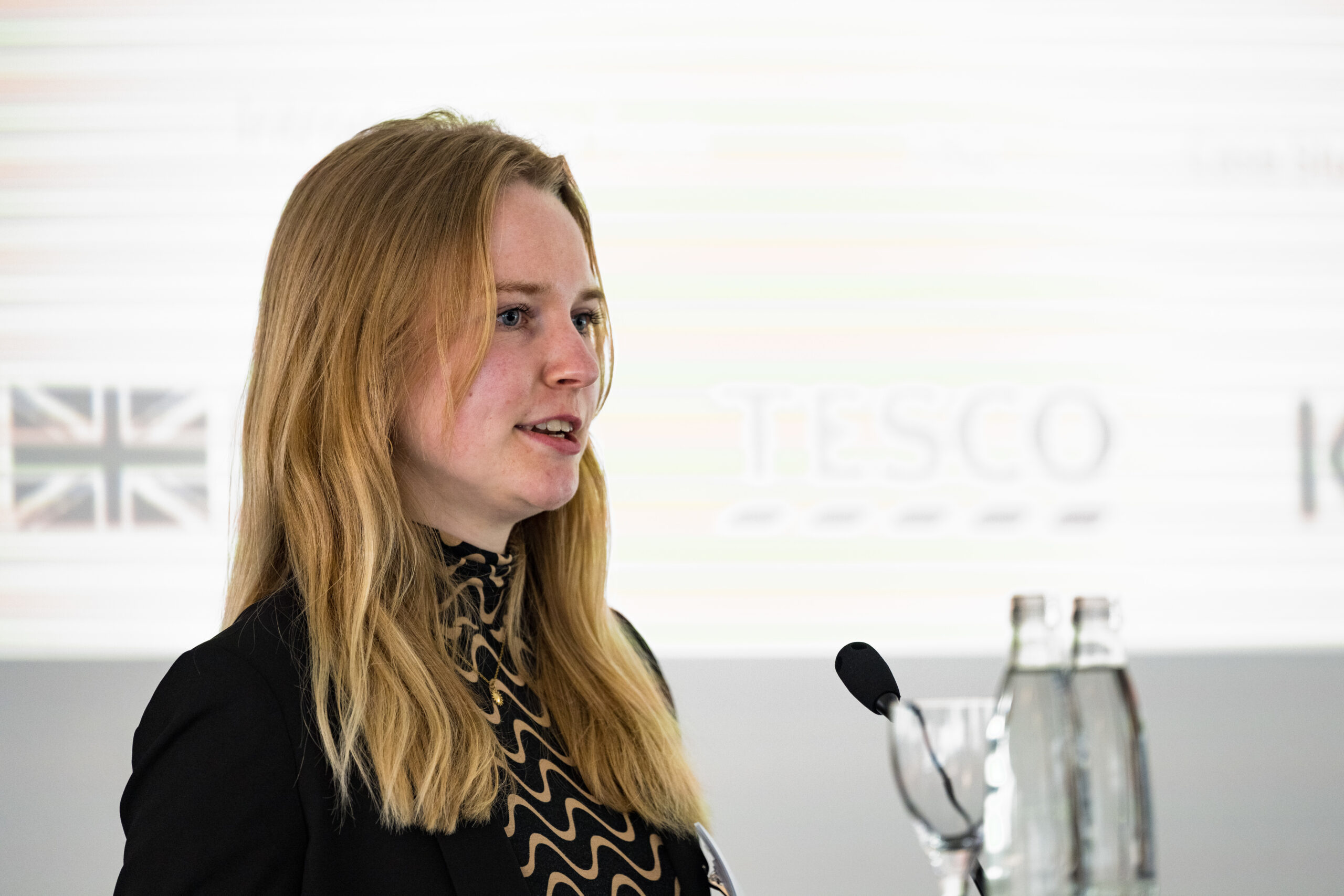
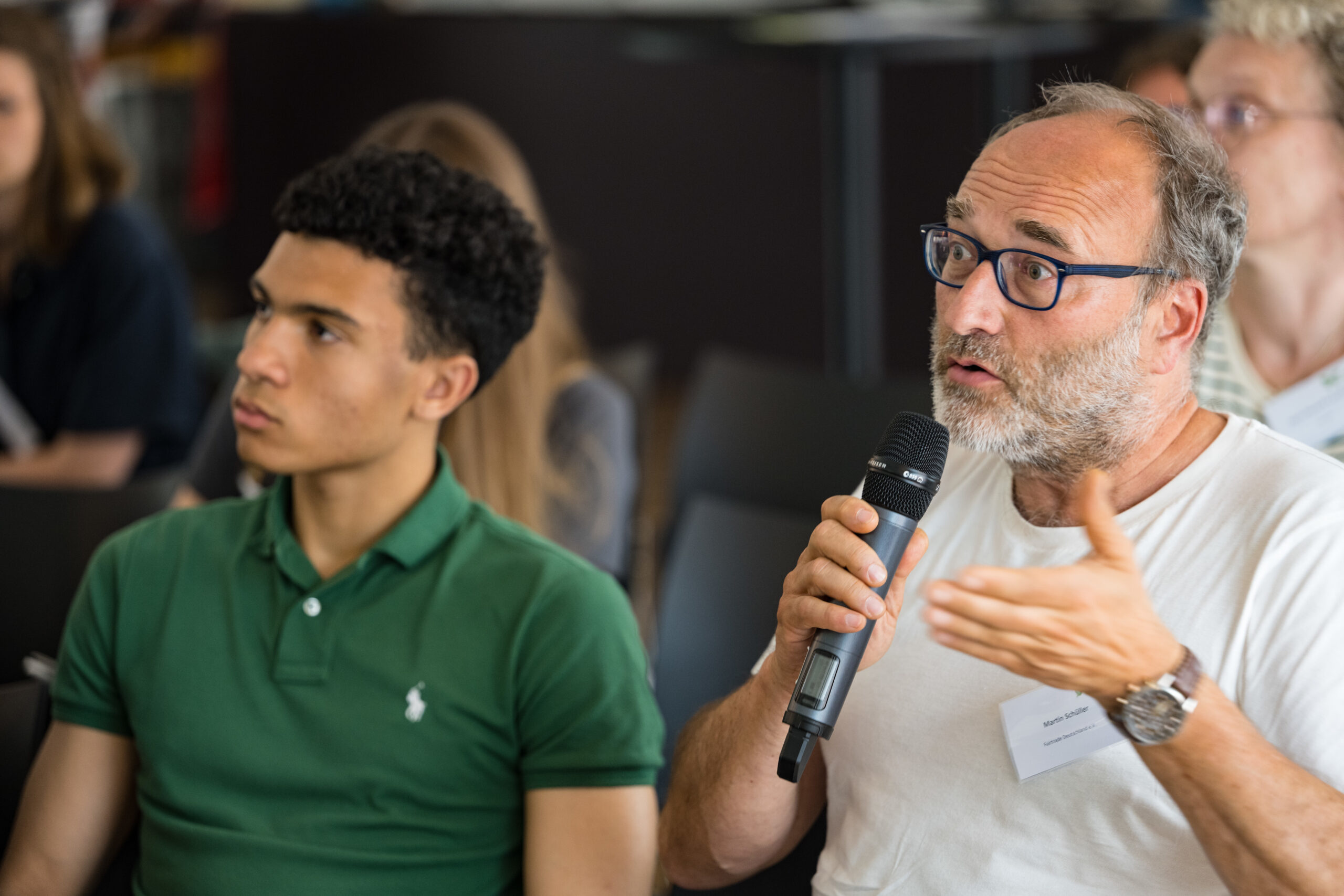
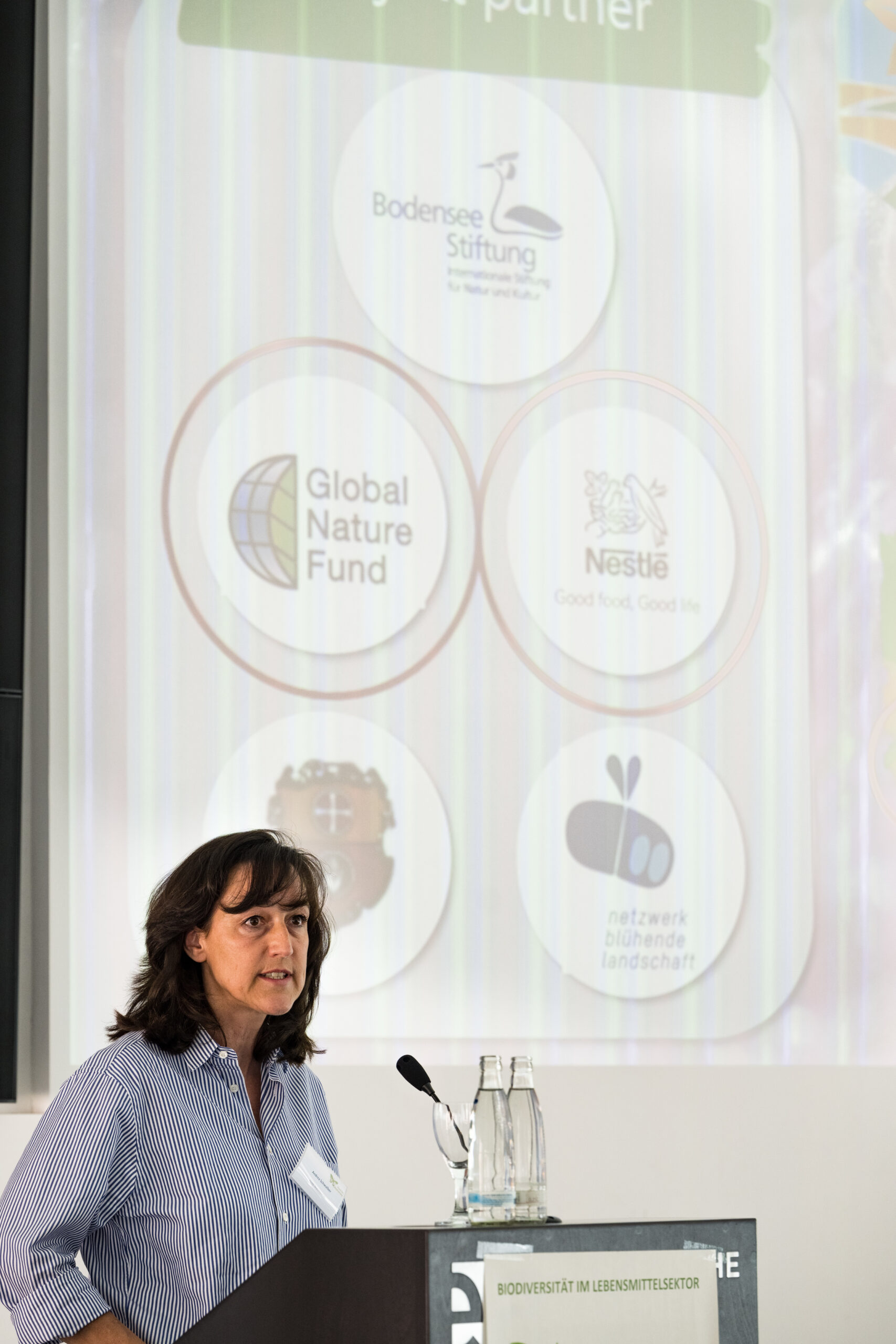
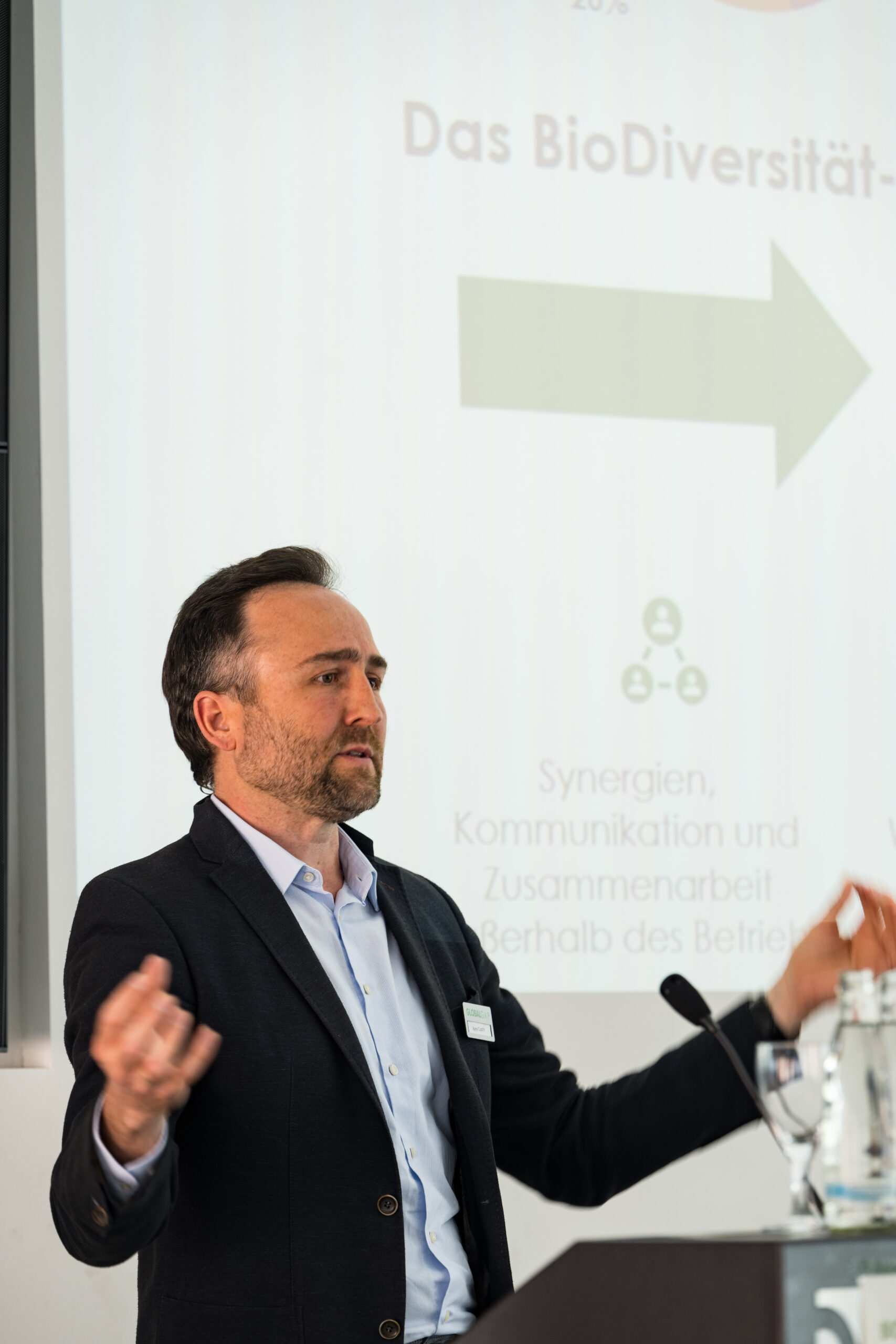
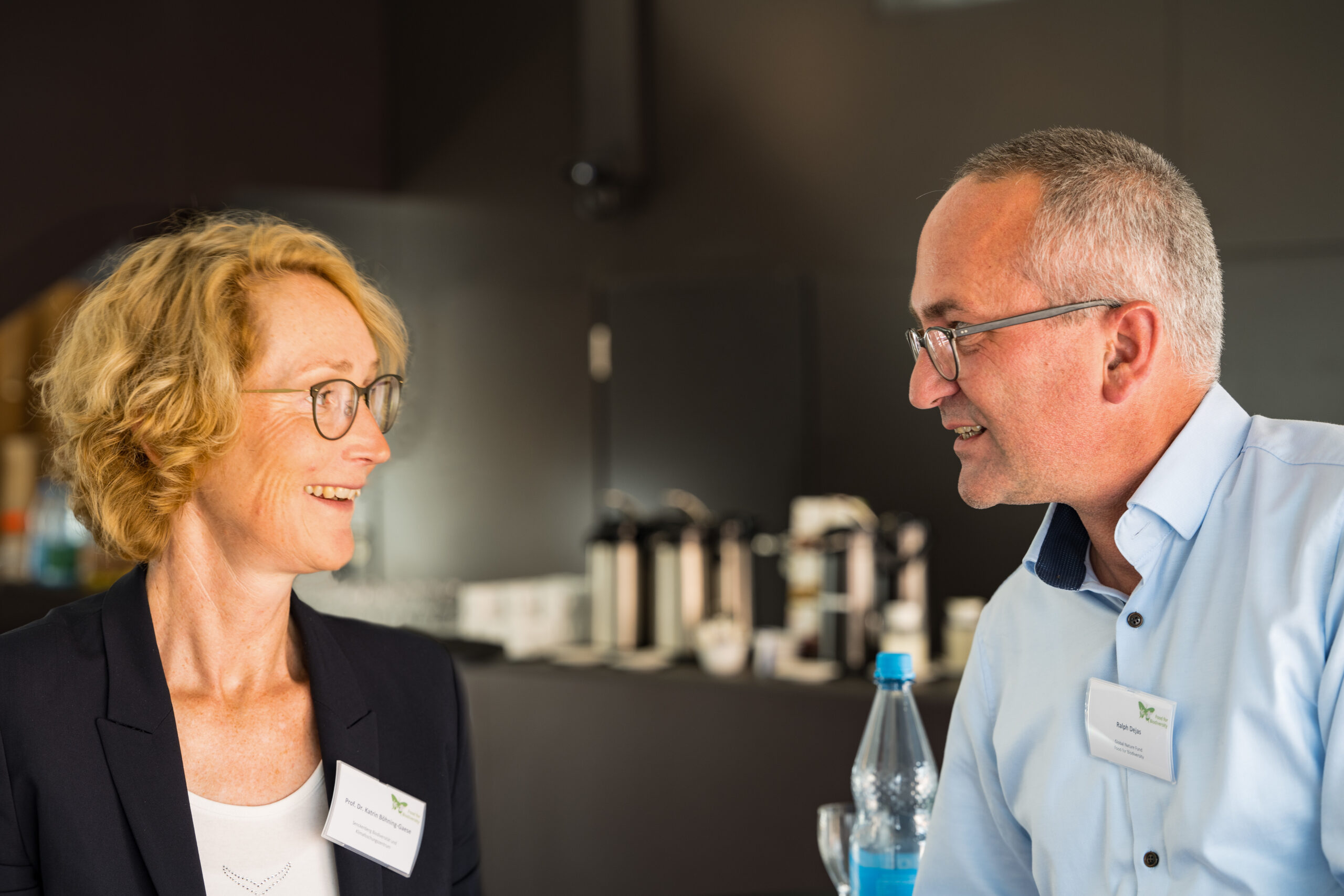
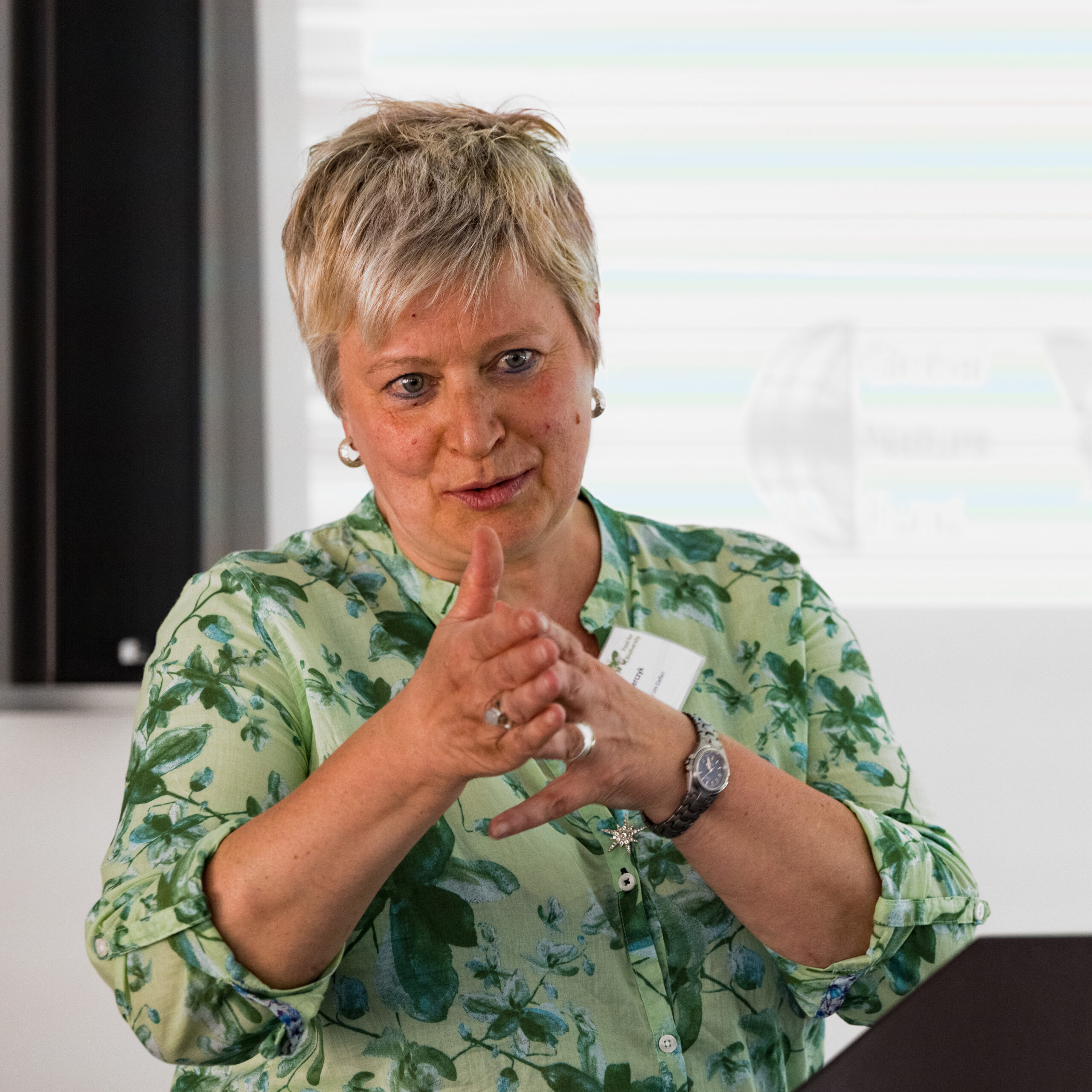
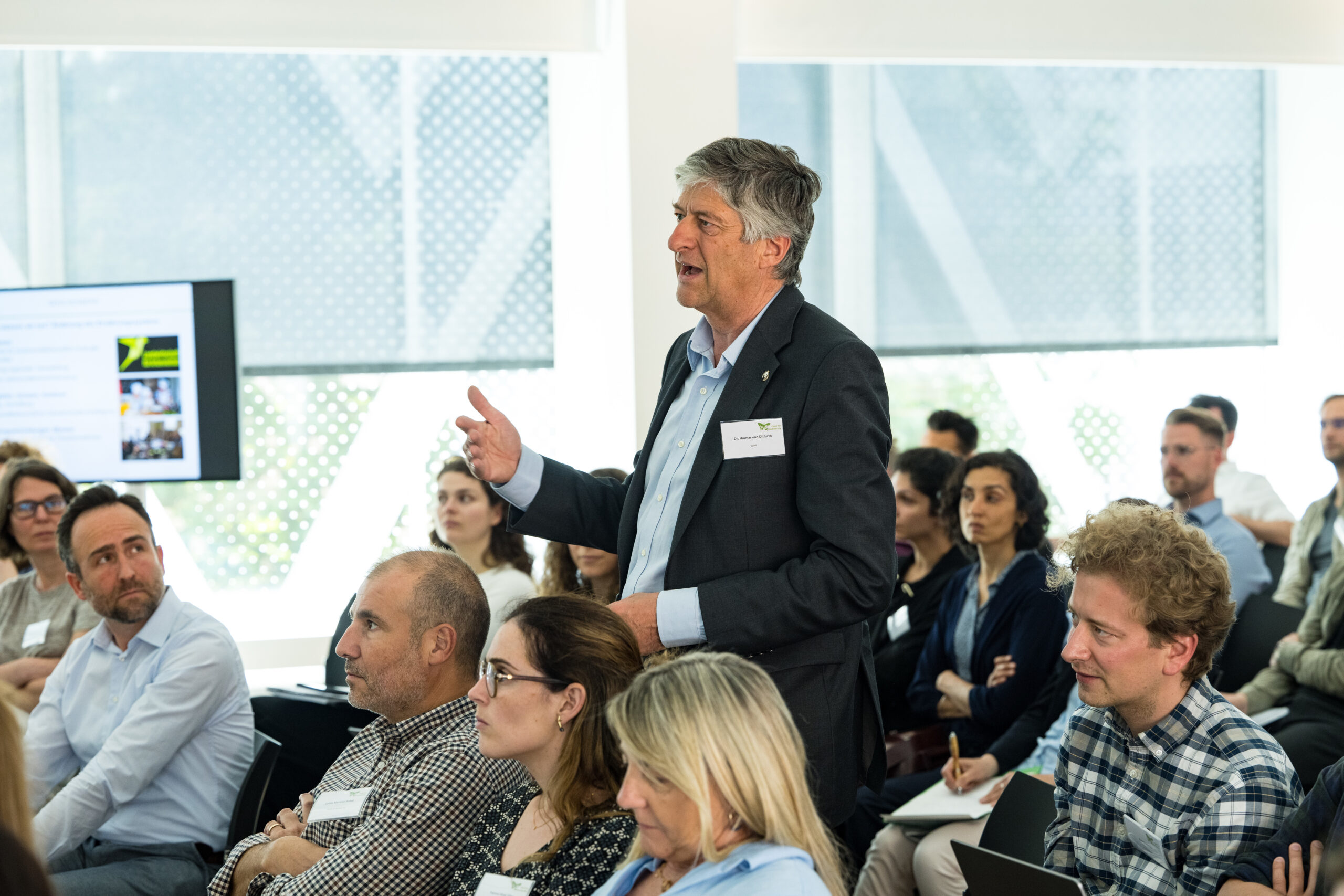
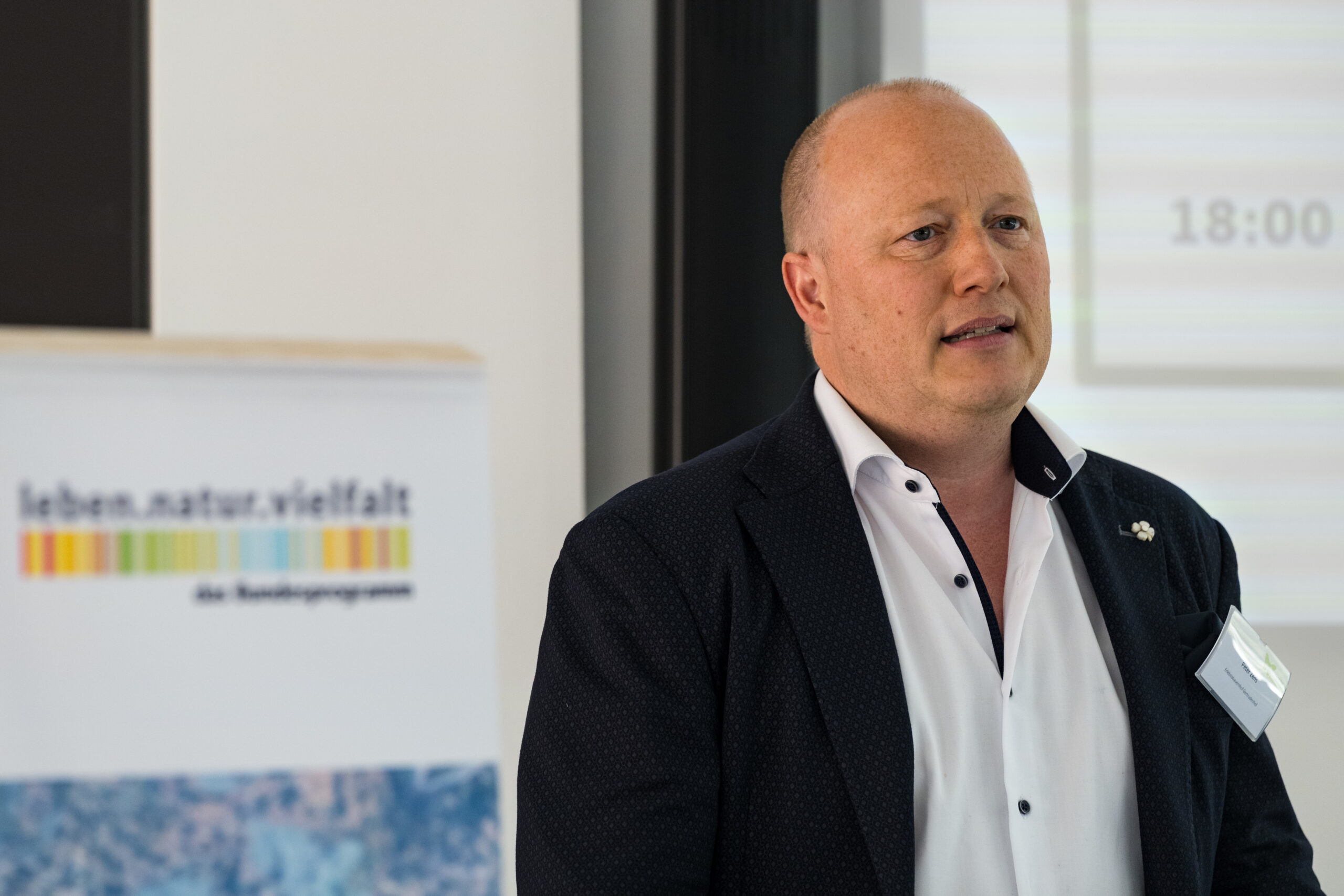
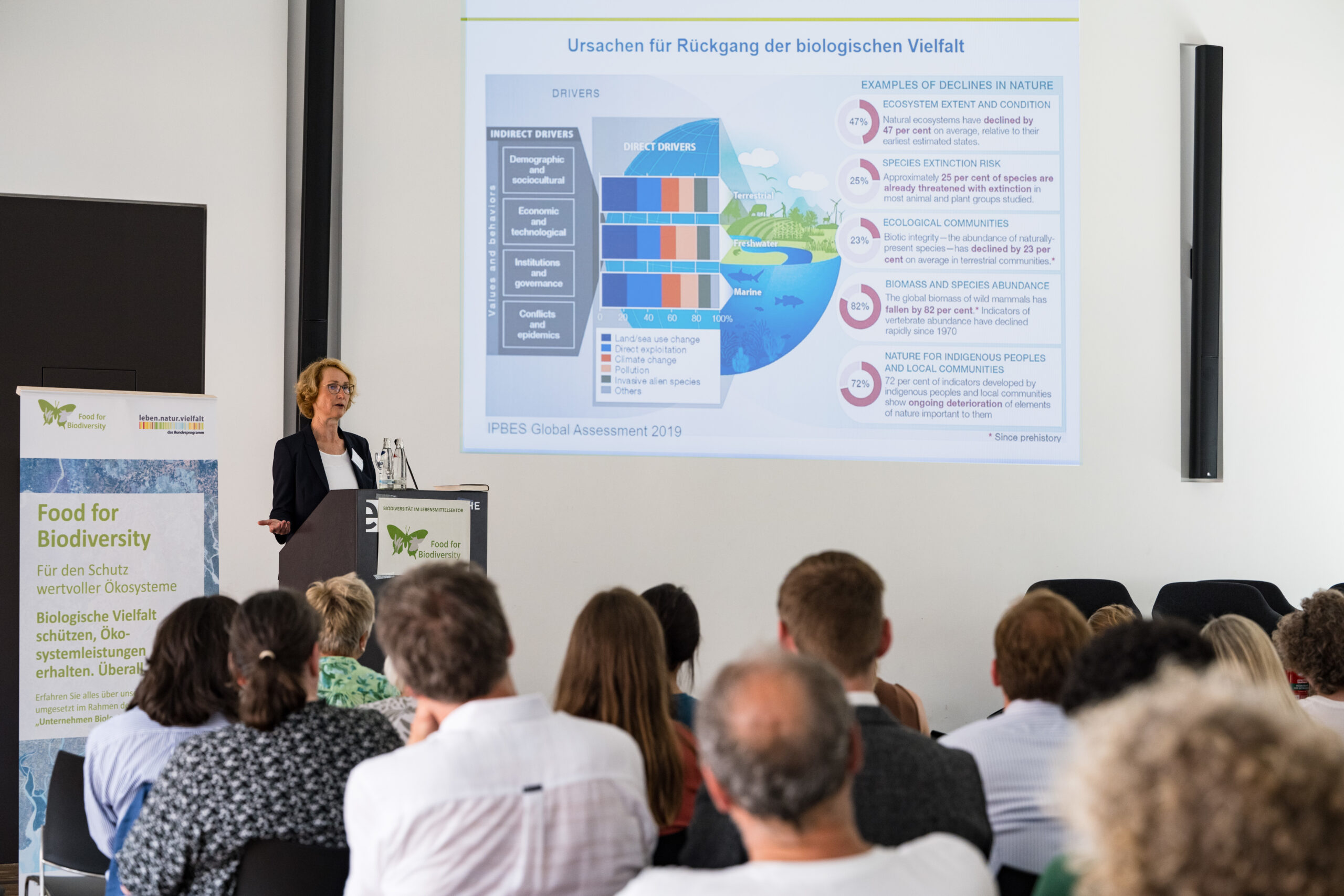
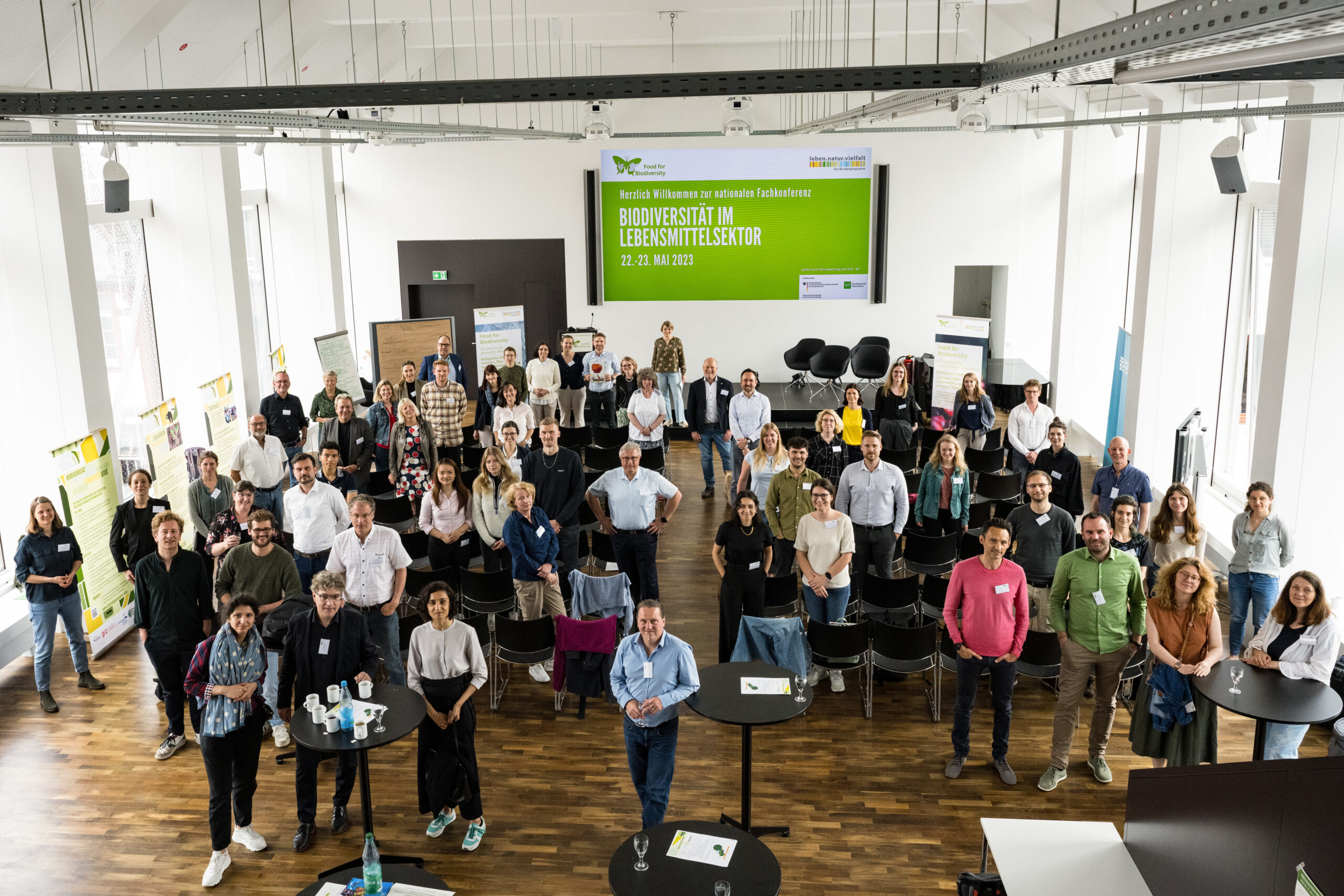
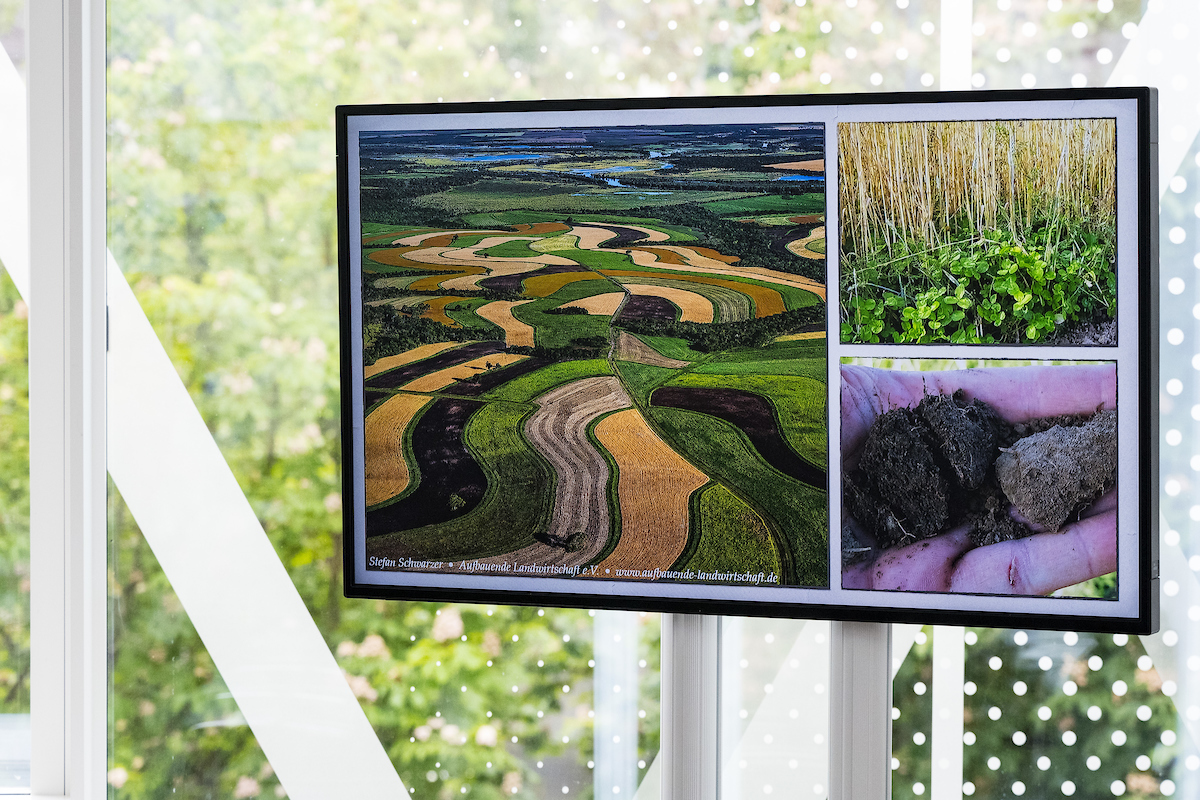
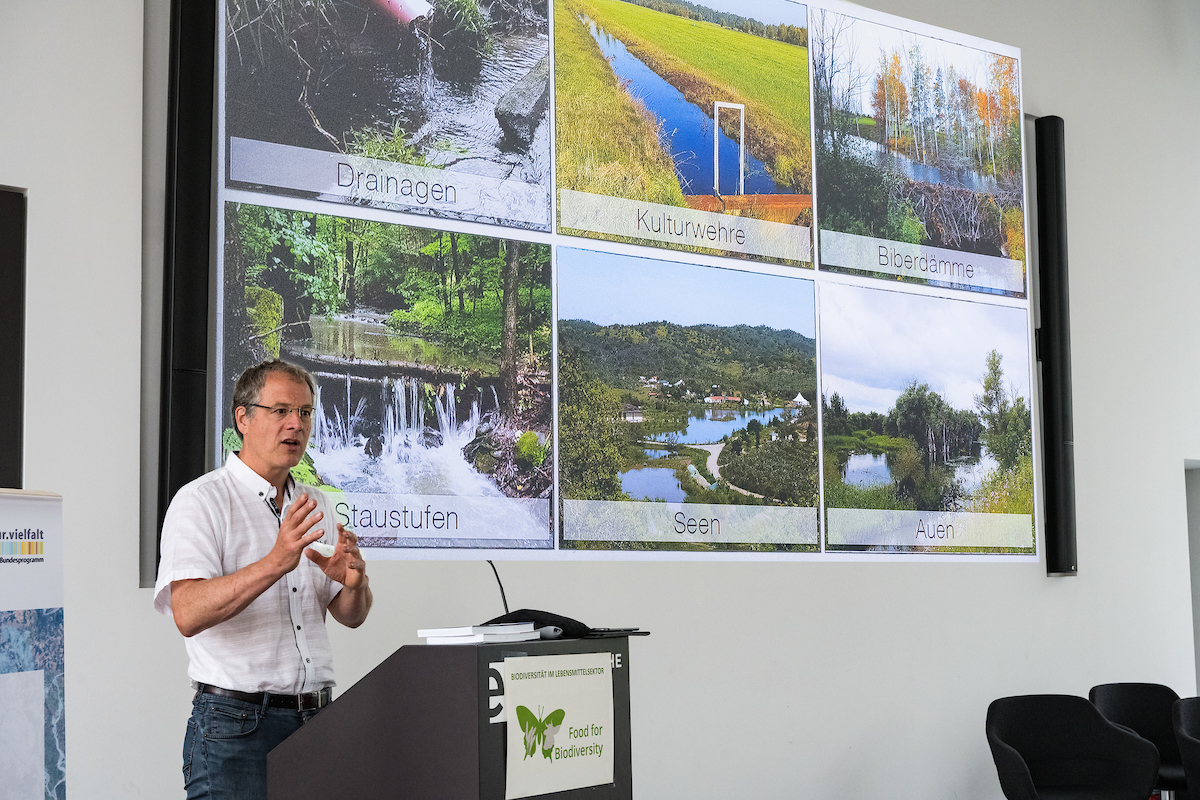
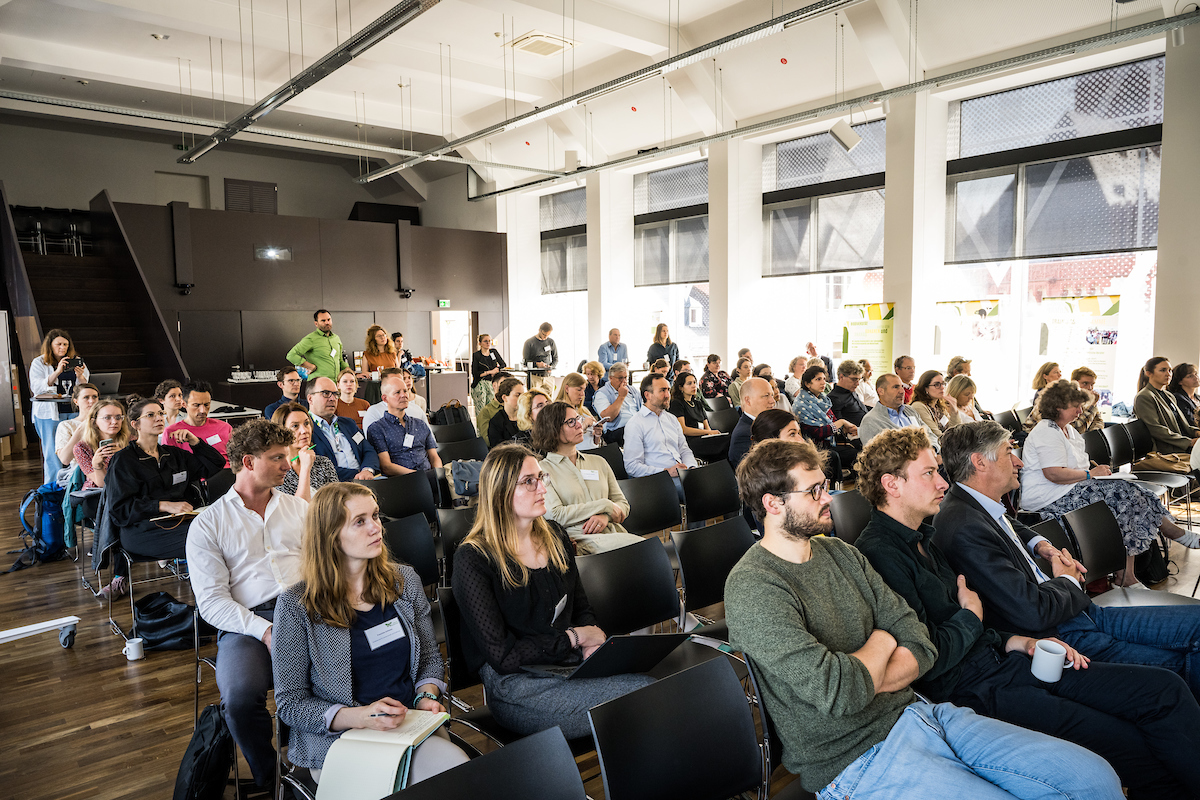
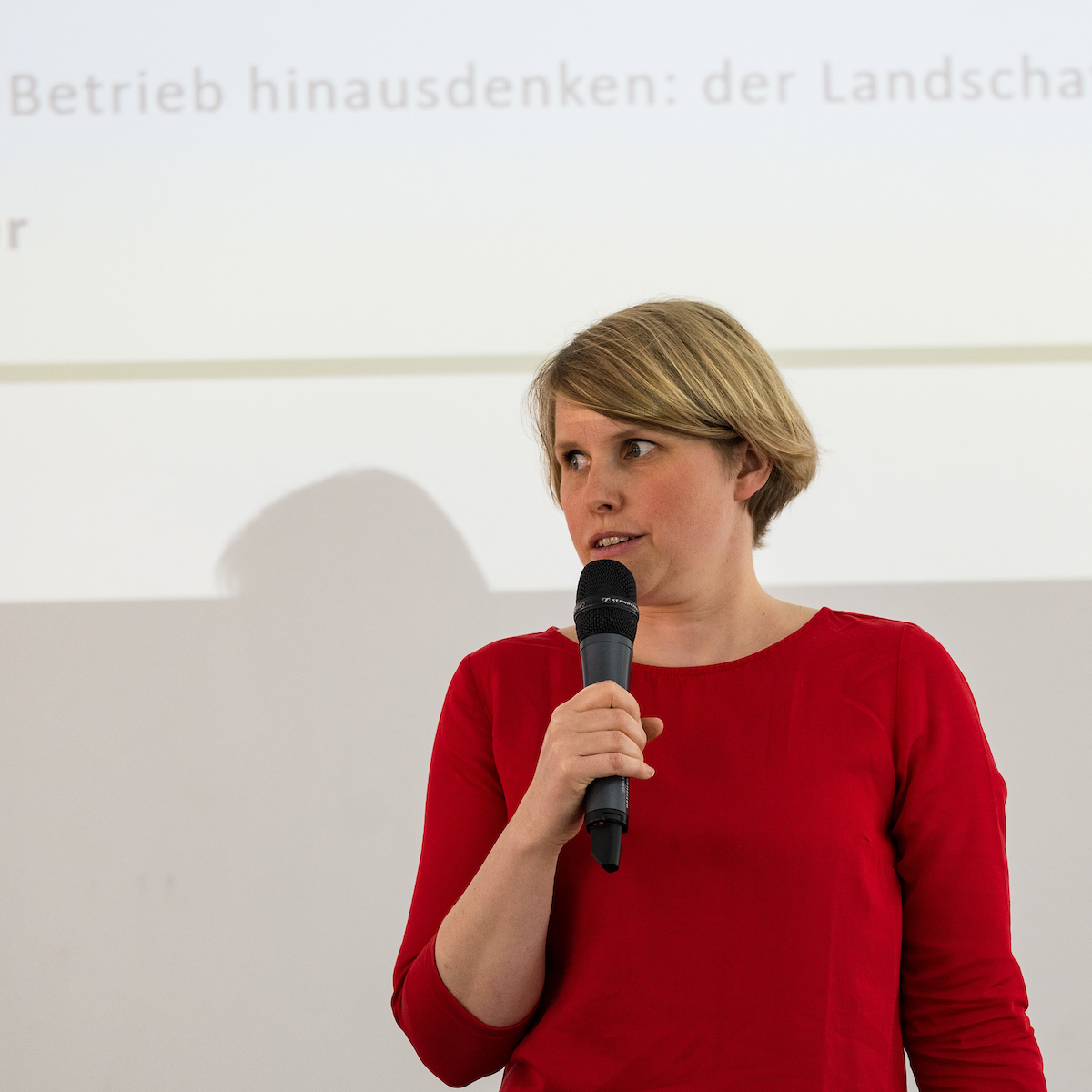
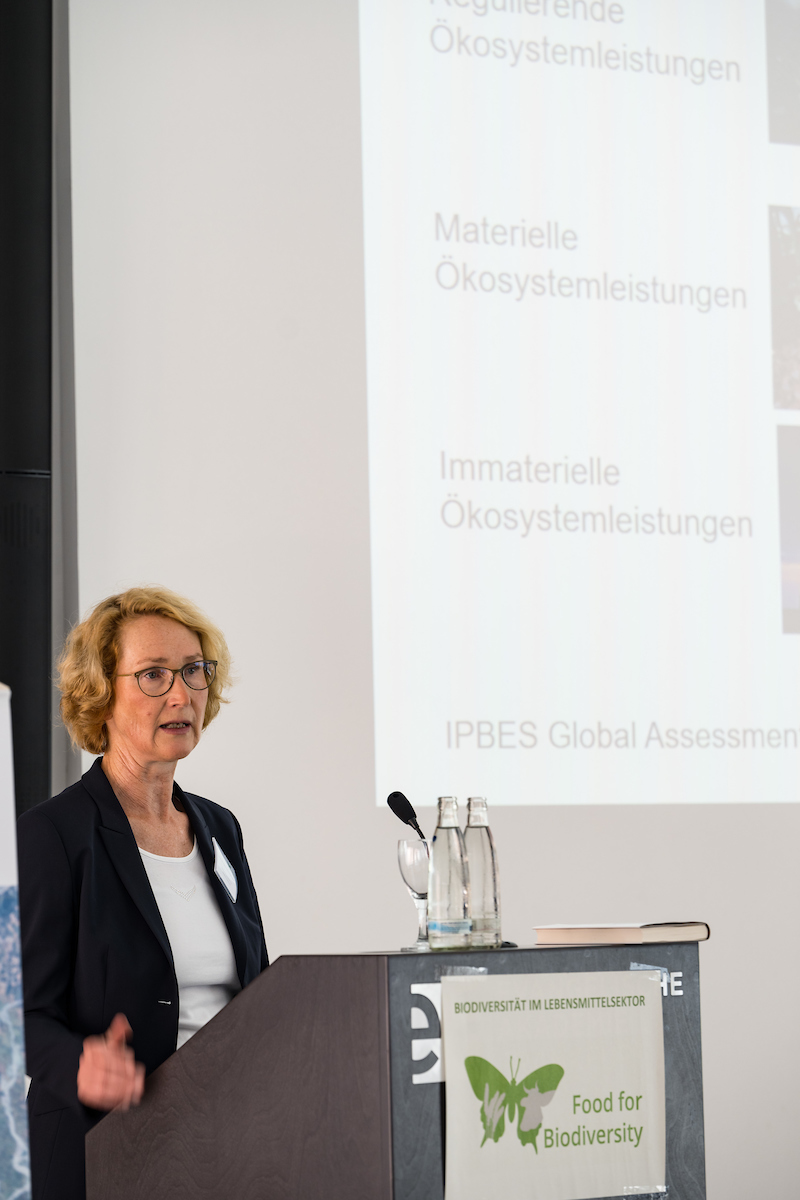
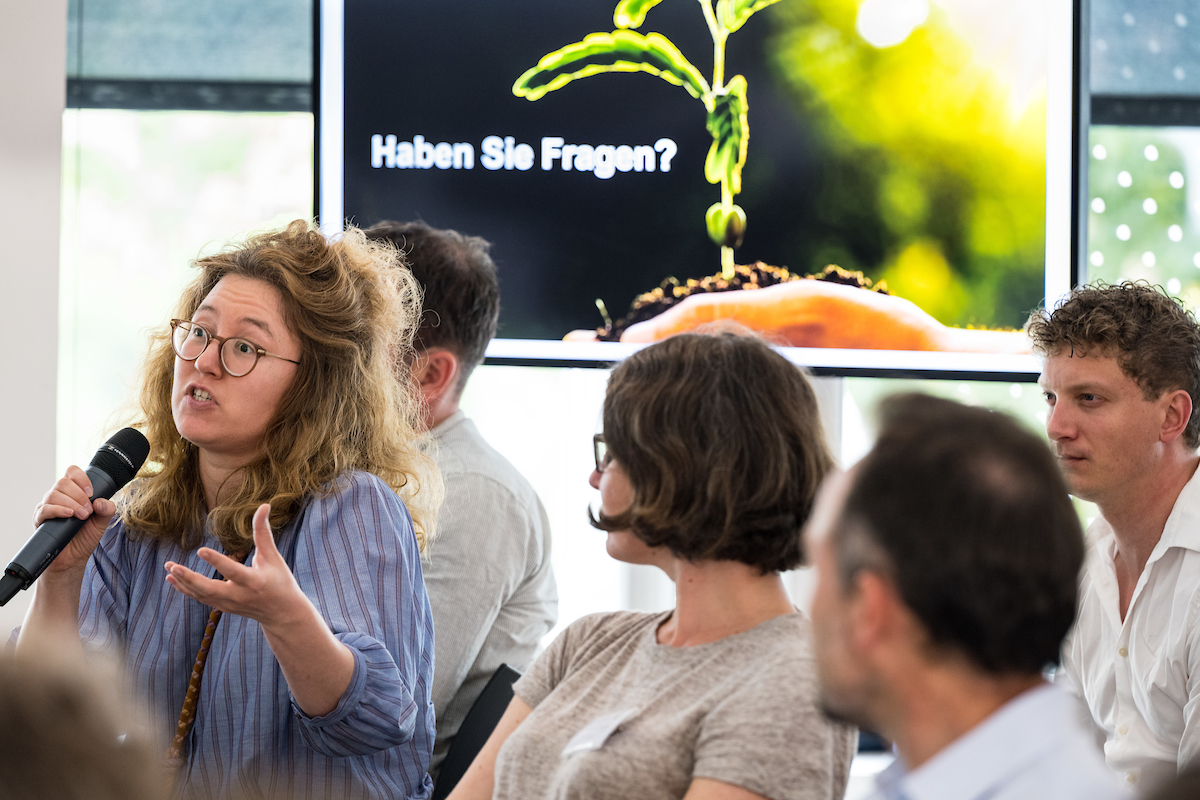
Few other industries depend as heavily on intact ecosystems and their services as the food sector. However, overexploitation, pollution, habitat destruction, and the climate crisis have led to a steadily increasing species extinction for years – according to the World Biodiversity Council, approximately one million species worldwide are acutely threatened with extinction. So how can the food industry react to this development and develop more sustainable future strategies? What levers can be used to better protect ecosystems? These and other questions were discussed at the expert conference “Biodiversity in the Food Sector” on May 22 and 23, 2023, at the Evangelical Academy in Frankfurt am Main.



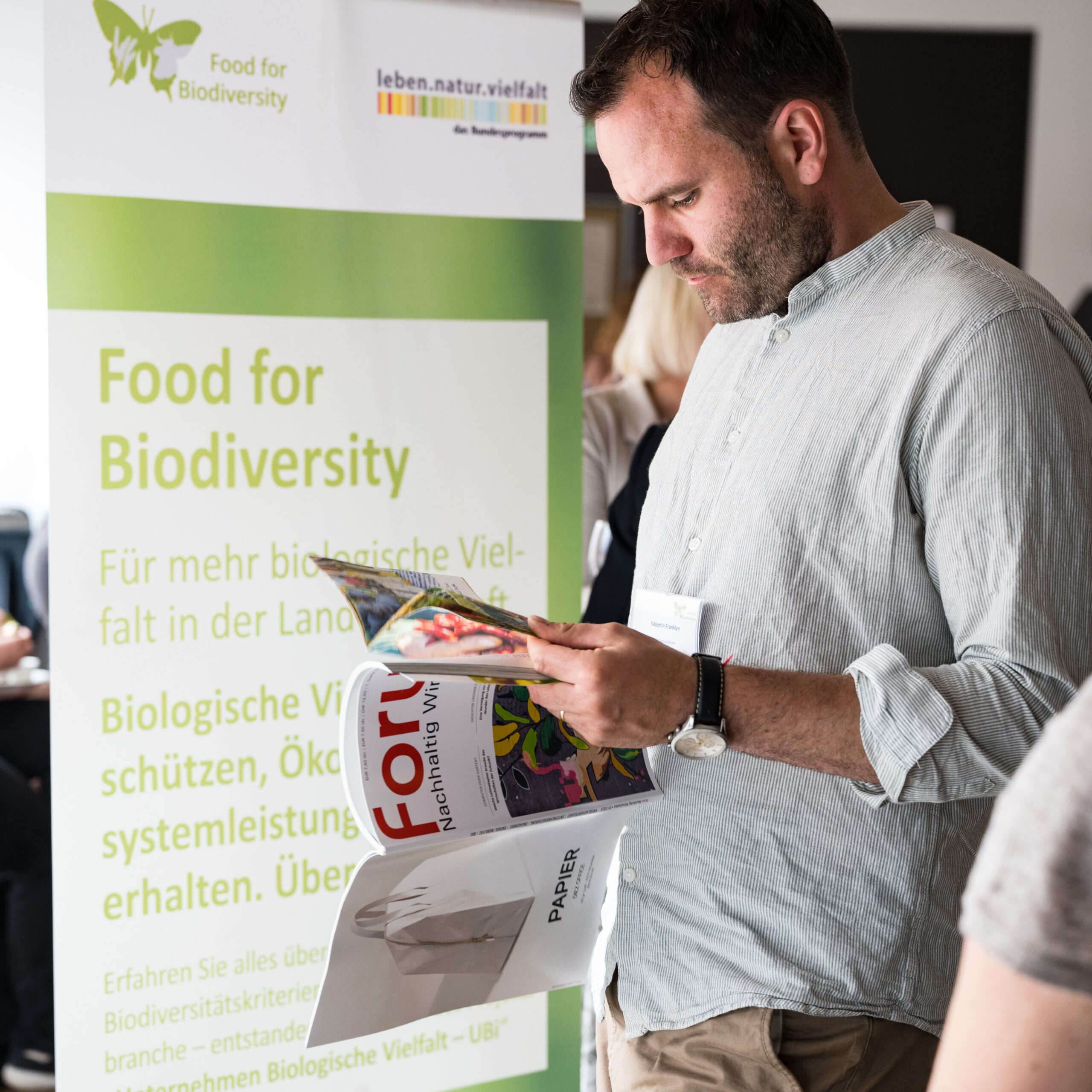

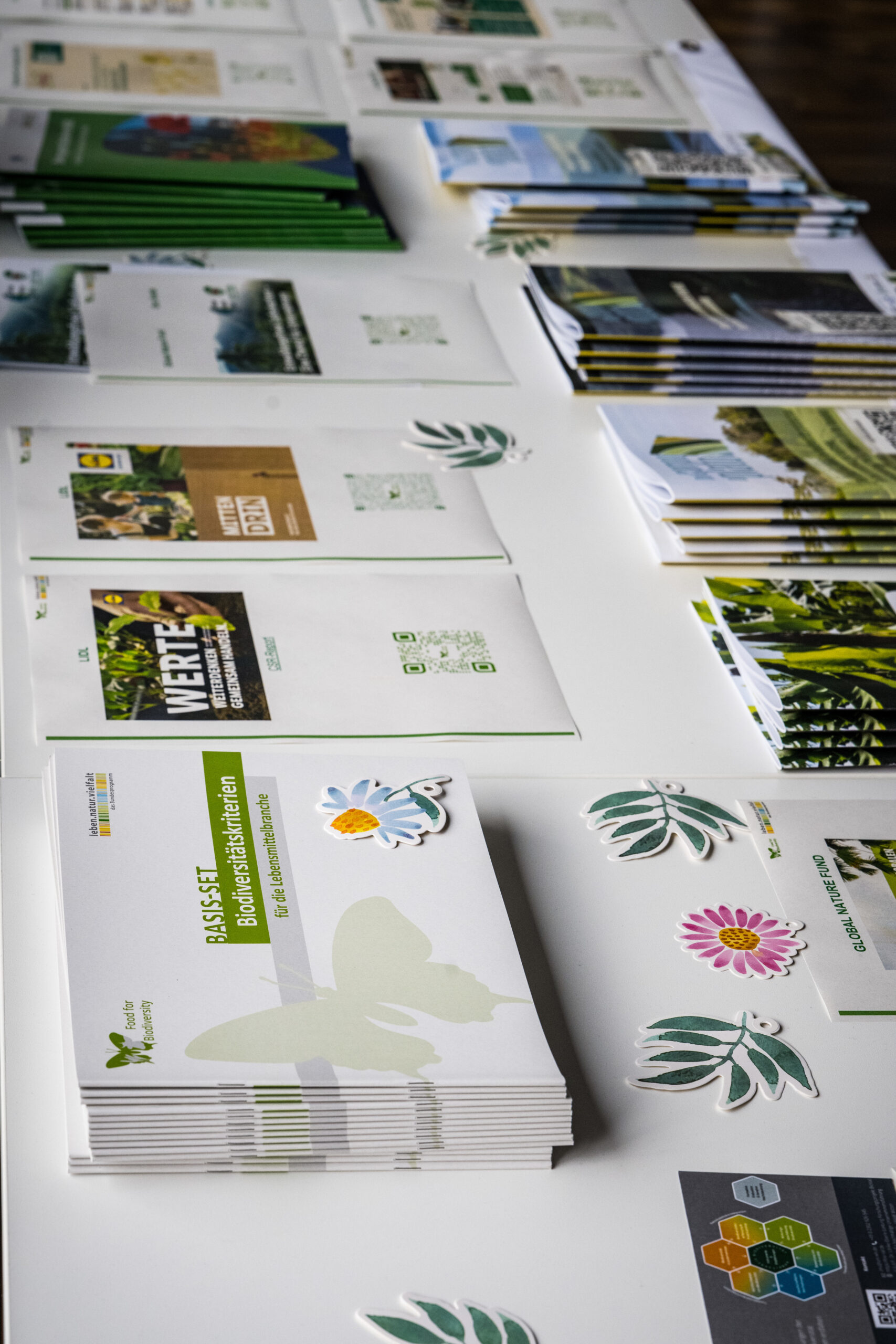







Info Desk
Basic Set of Biodiversity Criteria for Temperate Zones
Food for Biodiversity
Basic Set of Biodiversity Criteria for the Tropics
Food for Biodiversity
Biodiversity in Global Agricultural Supply Chains
Global Nature Fund, GIZ
Deforestation-Free Supply Chains – An Opportunity for Companies
Global Nature Fund, Oro Verde
Regionalwert Leistungen Flyer
Regionalwert Leistungen GmbH
Profit Participation Certificates Flyer
Regionalwert Leistungen GmbH
Regionalwert Leistungen Flyer English
Regionalwert Leistungen GmbH
Regionalwert Leistungen Social Media Hub
Regionalwert Leistungen GmbH
Insect-Promoting Regions Project
Bodensee-Stiftung, GNF
BioVal Website
BioVal
Lidl CRS Report
Lidl Deutschland
On the Way to Tomorrow: Sustainability at Lidl
Lidl Deutschland
Naturland Standards on Production
Naturland
Organic Expertise
Naturland International
Roots and Values
Naturland
Presentations
Keynote – Prof. Dr. Katrin Böhning-Gaese
Director of the Senckenberg Biodiversity and Climate Research Centre
Block 1 – What responsibility and levers does the food industry have to positively influence agriculture as the most important raw material provider?
The Food for Biodiversity Basic Set of Biodiversity Criteria
Nadja Kasperczyk, FiBL Deutschland
What are the priorities of the standards, what impacts are expected?
Rene Capote, GLOBALG.A.P. & Laura von Flemming, LIDL
Practical Initiatives by Companies
Andrea Schwalber
Cool Farm Tool
Megan McKerchar, Cool Farm Alliance
Biodiversity Check Agrícola
Marion Hammerl, Bodensee-Stiftung
Biodiversity Risk Filter
Leah Hupp, WWF
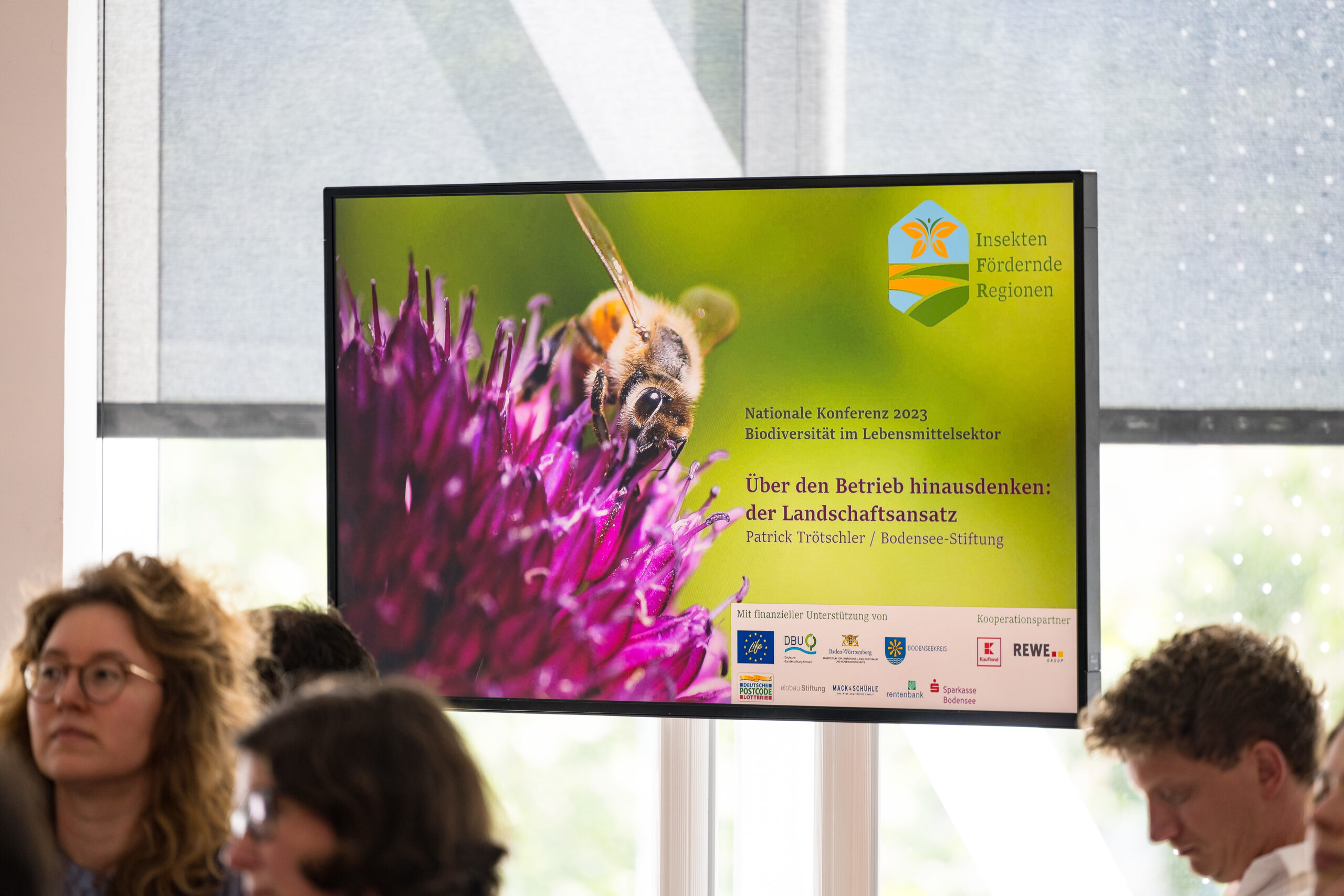
Thinking Beyond the Farm: The Landscape Approach
Patrick Trötschler, Bodensee-Stiftung
Block 2 – Challenges in the Food Industry (Processing and Trade)
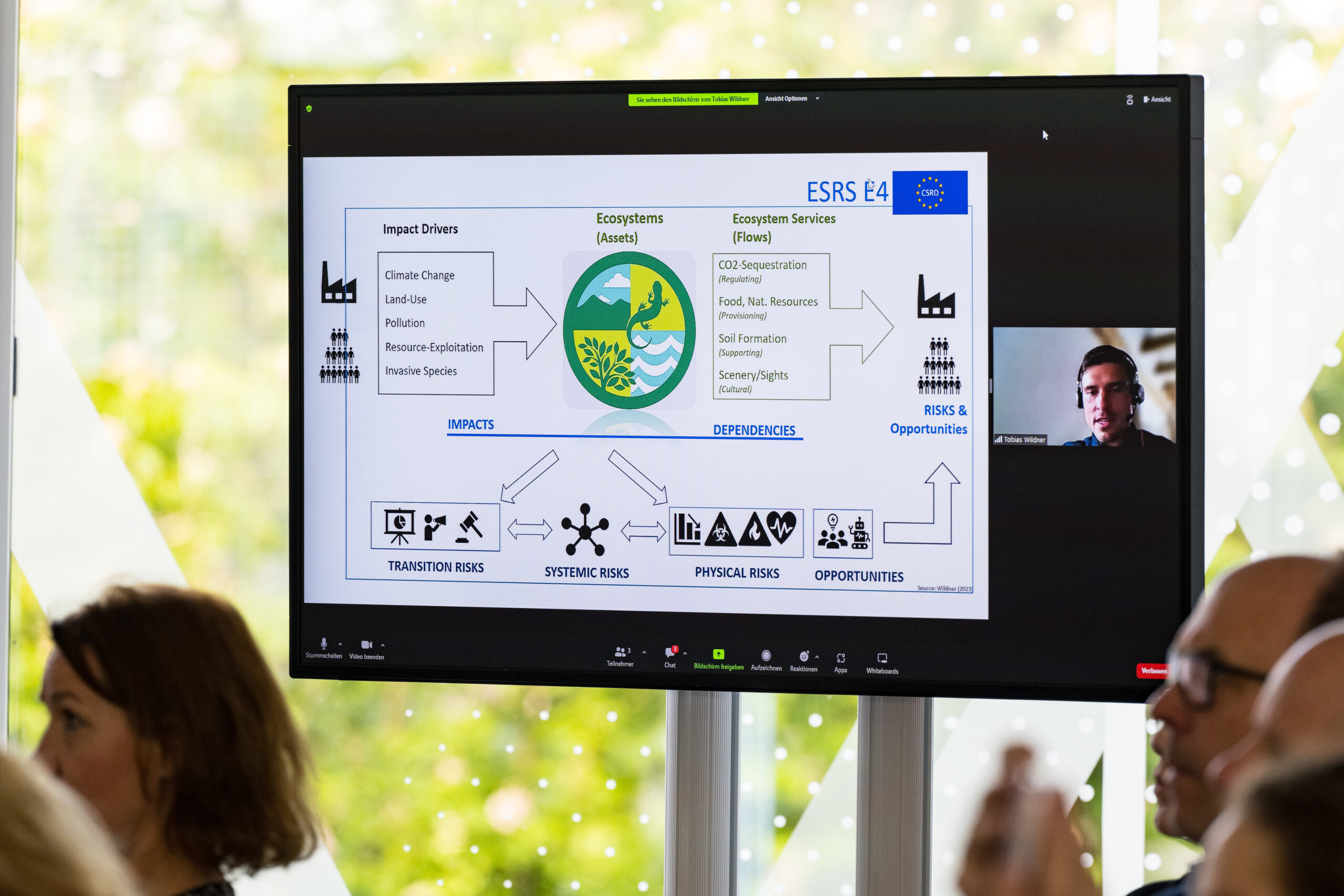
New Reporting Standards: From Obligation to Opportunity
Tobias M. Wildner, Helmholtz UFZ and Value Balancing Alliance
Cost Absorption and Incentives for Improved Biodiversity Protection in Agriculture
Louisa Lösing, Global Nature Fund
Which Paths are Fair and Lead to the Goal? Methods and Experiences Using the Example of Regionalwert Performance Accounting
Christian Hiß, Regionalwert Leistungen GmbH
Block 3 – Working Groups
WG 1 – Internal Communication – Peter Zens
WG 2 – External Communication – Andrea Schwalber
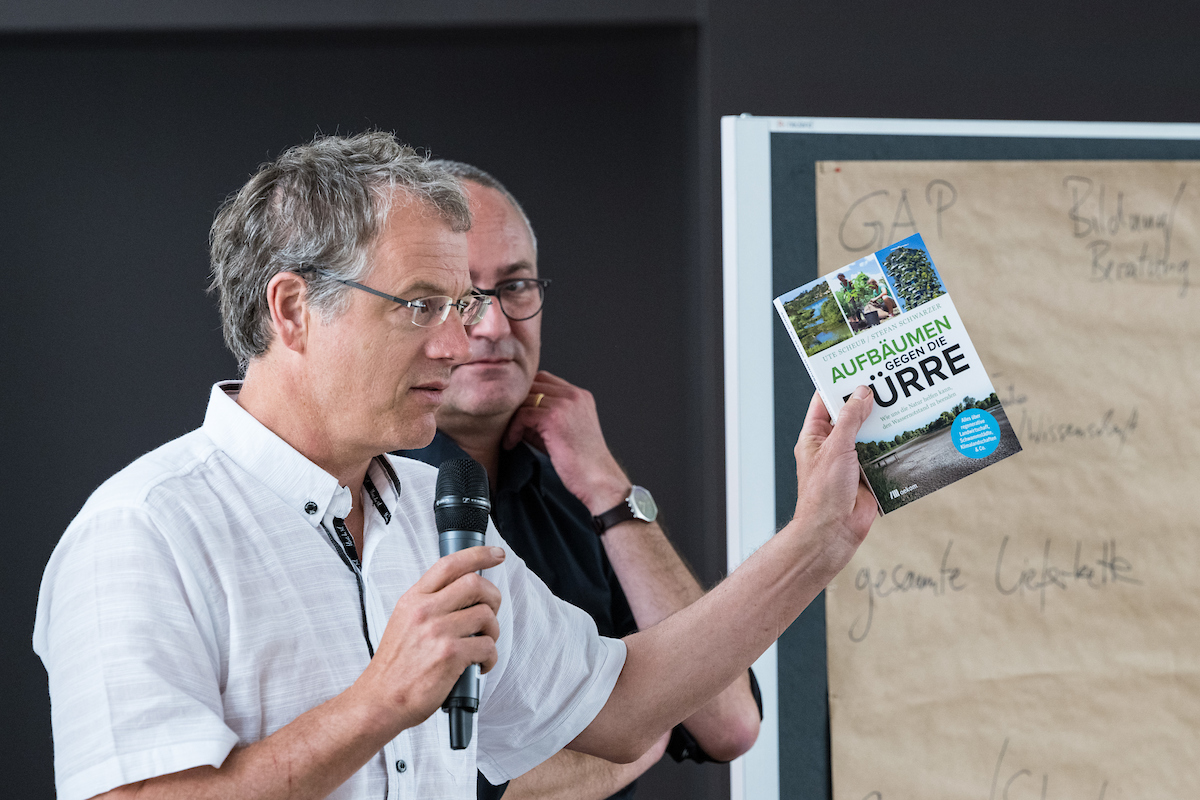
WG 3 – Strategic Anchoring of Biodiversity – Stefan Schwarzer
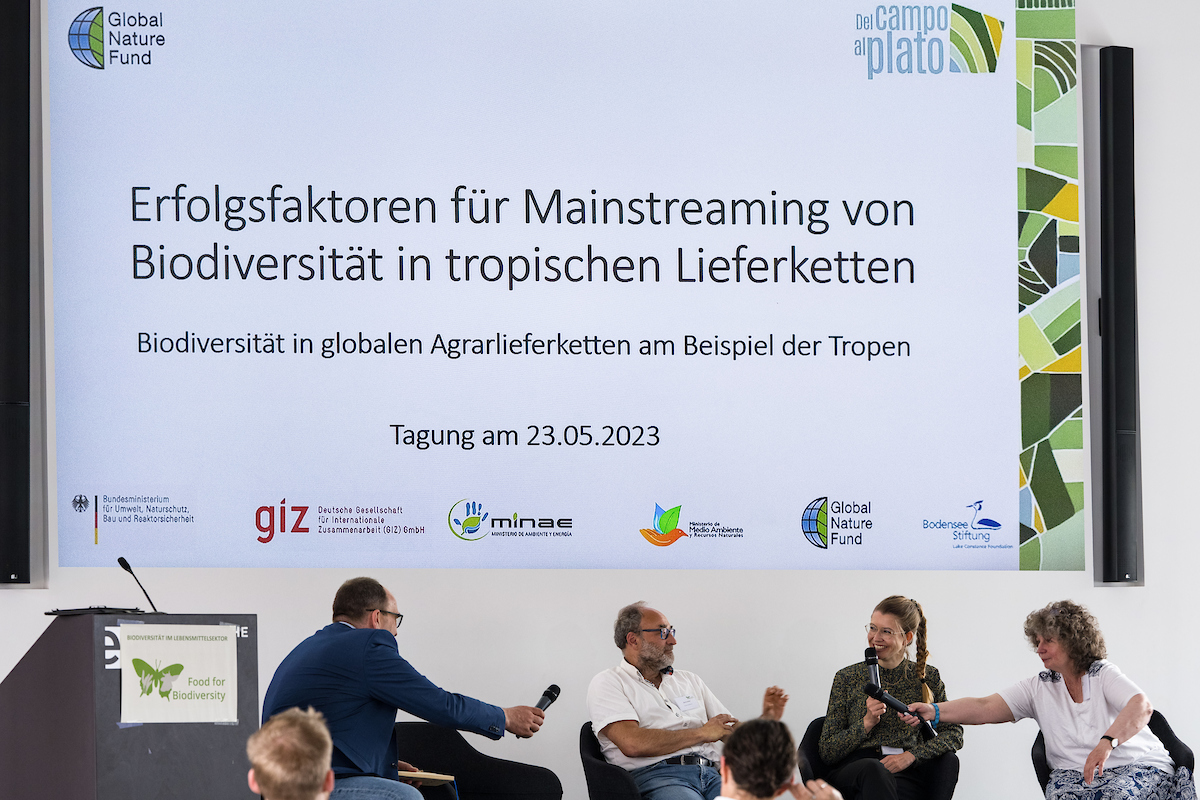
Block 4 – Biodiversity in Global Agricultural Supply Chains, exemplified by the Tropics
The EU Deforestation Regulation and Biological Diversity
Franziska Rau, German Society for International Cooperation
Biodiversity for Tropical Crops in the Naturland Producer Standard
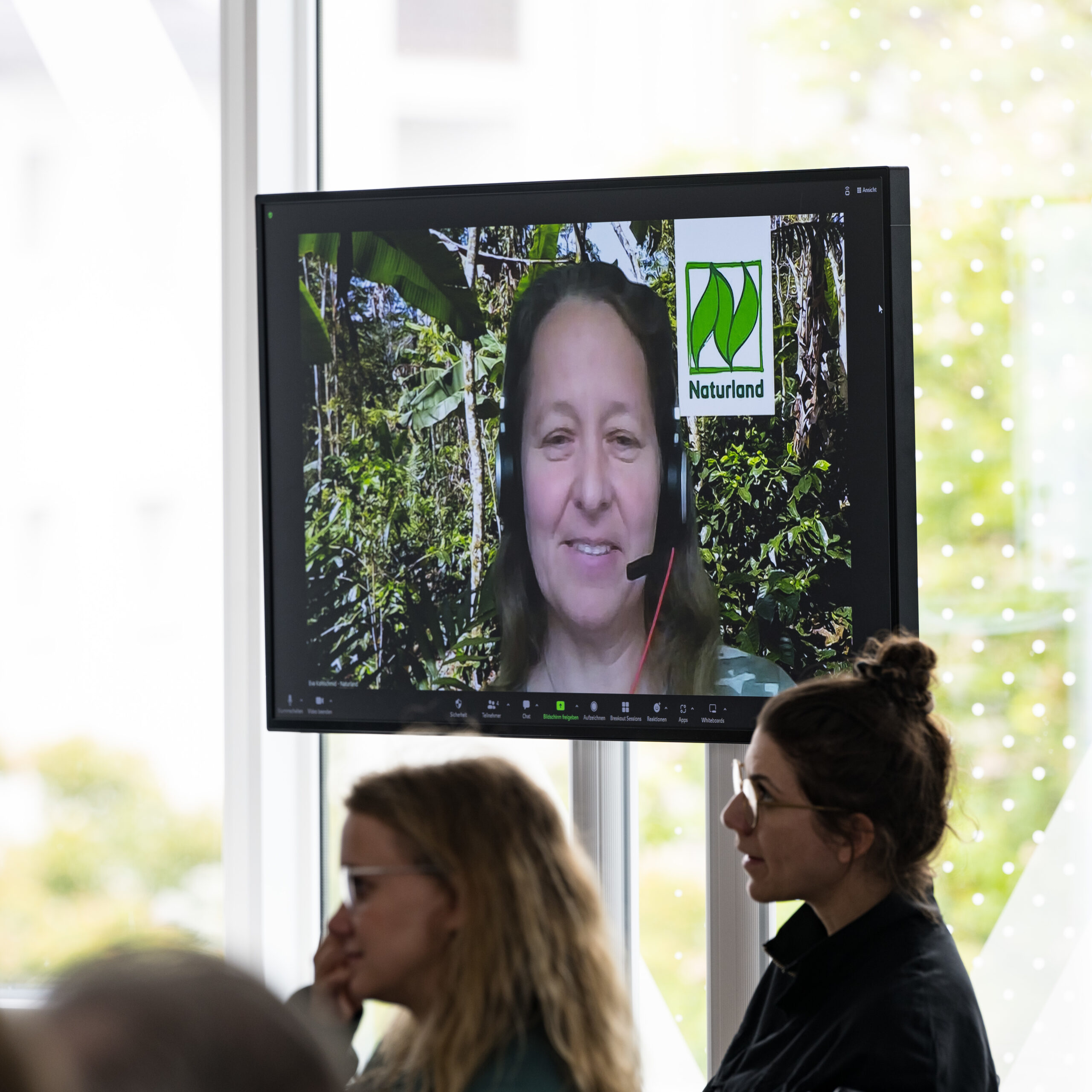
Eva Kohlschmid, Naturland
Food for Biodiversity Basic Set for the Tropics
Martin Schüller, Fairtrade Deutschland
From Farm to Fork – Success Factors for Mainstreaming Biodiversity in Agricultural Supply Chains
Thomas Schaefer, Global Nature Fund
Biodiversity in Global Agricultural Supply Chains. Case Studies for Biodiversity-Sensitive Design of Global Agricultural Supply Chains from Ecuador and Colombia
Ralf Buß, German Society for International Cooperation

Oct 7 – 8, 2021 Conference "Biodiversity in the Food Retail Sector"
Biodiversity protection must become part of the food industry’s understanding of quality! The conference “Biodiversity in the Food Retail Sector” on October 7 and 8, 2021, in Fulda was a complete success – there is a spirit of optimism. The event was hosted by the BioRegio Institute and the Global Nature Fund (GNF). 60 participants and speakers discussed promising approaches to promoting biological diversity along food value chains live.
Presentations
Biodiversity in international standards: Fairtrade example
Martin Schüller, Fairtrade Germany
Biodiversity protection at NABU and active engagement in the food sector
Dr. Laura Breitkreuz, NABU
The development of biodiversity in Germany and worldwide – what needs to be done
Prof. Dr. Manfred Niekisch, University of Frankfurt
The biodiversity strategy of Alfred Ritter GmbH & Co. KG
Georg Hoffmann, Alfred Ritter GmbH & Co. KG
Promoting biological diversity at HiPP: Selected projects
Johannes Knubben, HiPP
Nestlé Germany: Our sustainability promise – Generation Regeneration
Andrea Schwalber, Nestlé Germany
Lidl’s contribution to biodiversity: GLOBALG.A.P. Add-on Biodiversity
Dr. Alexander David, Lidl
Strategies for promoting biodiversity
Guido Frölich, tegut
Our commitment to biodiversity – In cooperation with 530 farmers, NABU, and other nature conservation organizations
Nikola Tanaskovic, Rewe Group
Nature conservation on the shelf – How Swiss agricultural products contribute to the promotion of biodiversity
Hubert Schürmann, vogelwarte.ch
Paths to more biodiversity in the food industry
Patrick Trötschler, Lake Constance Foundation
How to stop the loss of biodiversity? Expectations for the food industry & politics
Florian Schöne, German Nature Conservation Ring
May 20, 2021 Conference "Biodiversity in the Food Sector"
Together with agriculture, the food sector has a significant impact on biodiversity. Through the support of food standards and effective, targeted procurement requirements, the food sector can make a substantial contribution to curbing biodiversity loss. Urgent action is needed! The association “Food for Biodiversity,” newly founded in March 2021, has set this as its goal.
As part of a launch conference on May 20, 2021, shortly before the “International Day for Biological Diversity,” we provided information on this topic.
Program of the Conference "Biodiversity in the Food Sector" with Presentations
As keynote speaker, Alexander Bonde, Secretary General of the German Federal Environmental Foundation, presented in a keynote address how crucial the sustainable production of food is for the protection of biodiversity.
Following this, Stefan Hörmann, Deputy Managing Director of the Global Nature Fund, presented the newly founded association “Food for Biodiversity” and its objectives. Examples from food retail, production, and small and medium-sized enterprises were on the agenda. Three breakout sessions followed:
Session 1: Tools for Biodiversity Management and Monitoring
Session 2: Projects and Initiatives to Promote Biological Diversity in the Food Industry
Session 3: How Can Voluntary Standards and Codes of Conduct Contribute to the Conservation of Biological Diversity?
In the closing plenary, the threads were also brought together politically. What is the EU Code of Conduct for Responsible Business and Marketing Practices in the context of the European Union’s Farm to Fork Strategy?
Download the individual presentations here:
Stefan Hörmann, Association “Food for Biodiversity”: Biodiversity in the Food Sector
Clara Küpper, REWE Group: PRO PLANET – REWE Group’s Biodiversity Project
Andrea Schwalber, Nestlé Germany: Commitment to Biological Diversity
Fabian Calvo, Rainforest Alliance: Conserving and creating habitats to protect biodiversity
Annekathrin Vogel, Bodensee Foundation: Tools for Biodiversity Management and Monitoring
Matthias Klumpp, ALB-GOLD Teigwaren: Biodiversity as a Quality Criterion for Food
Five successful years for biodiversity in the food sector: environmental foundations take stock
Five successful years for biodiversity in the food sector: environmental foundations take stock!
Since 2016, the Global Nature Fund (GNF) and the Lake Constance Foundation, together with partner organisations, have been working within the “LIFE Food & Biodiversity” project to establish biodiversity as a core element of the European food sector. The project has now come to an end—and the new association “Food for Biodiversity” is continuing the commitment to its goals with strong support.
A Strong Alliance for Biological Diversity – Food for Biodiversity Association Founded
Founded on March 3, 2021, International Day of Wildlife.